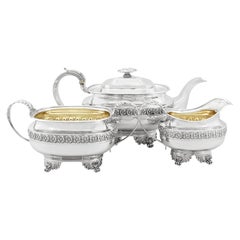
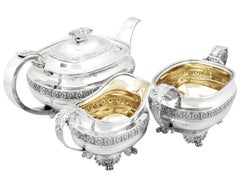
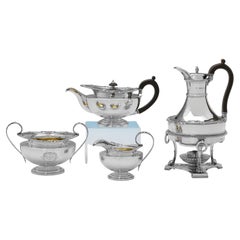
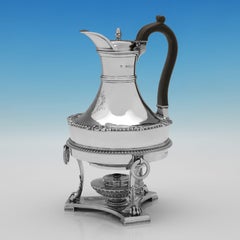
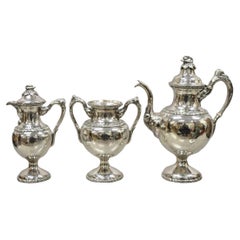
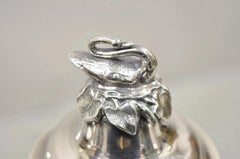
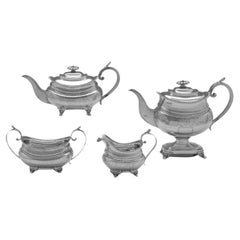
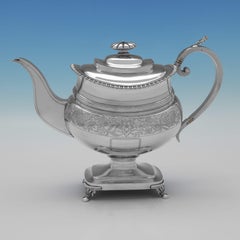
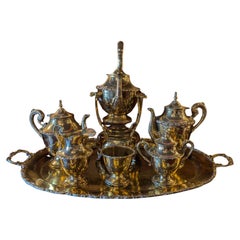
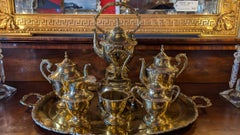
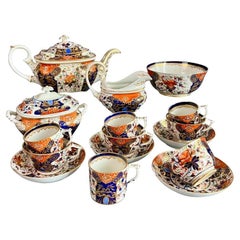
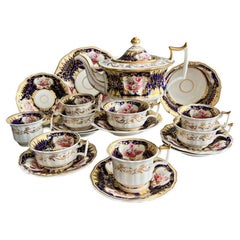
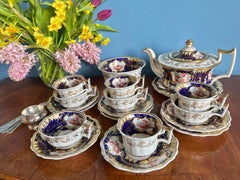
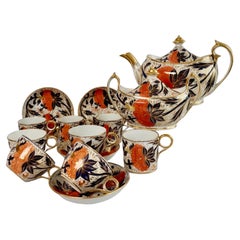
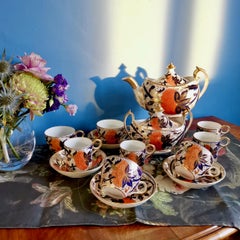
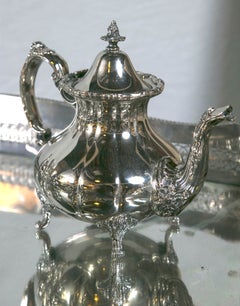
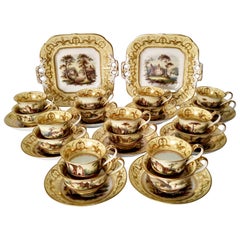
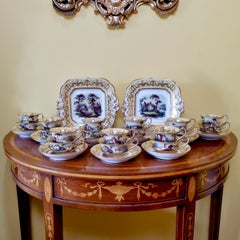
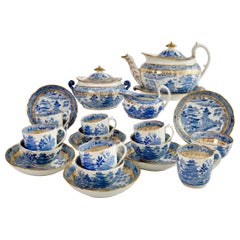
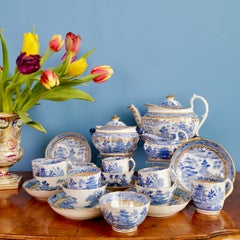
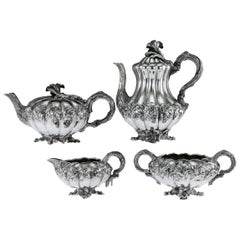
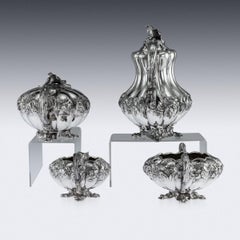
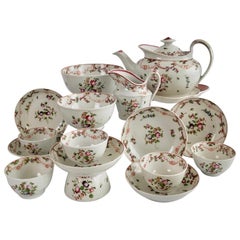
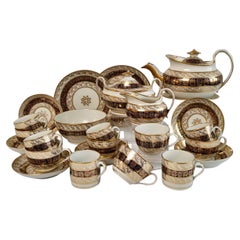
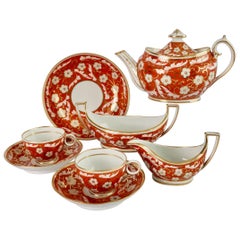
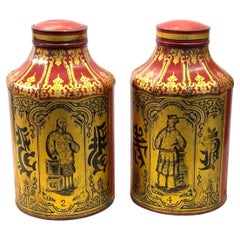
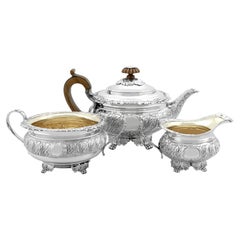
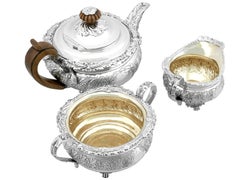
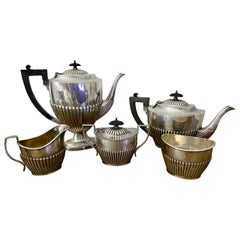
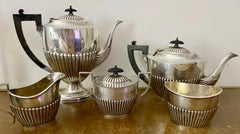
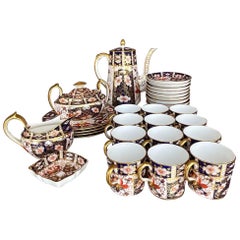
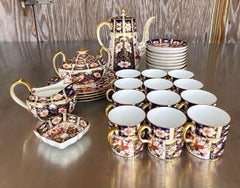
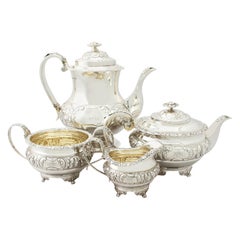
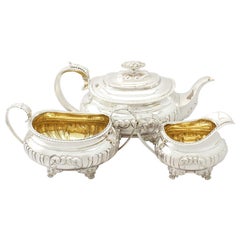
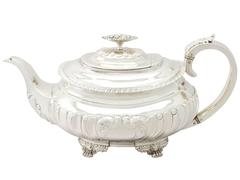
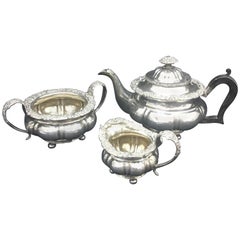
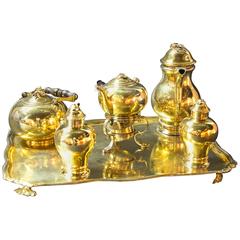
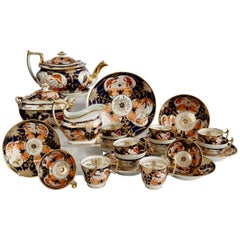
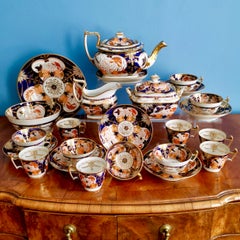
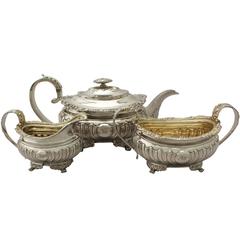
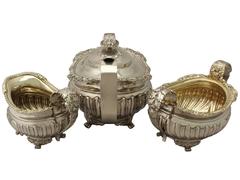
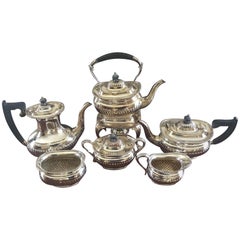
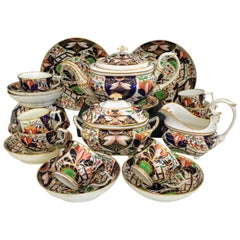
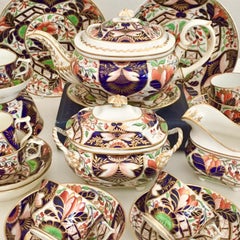
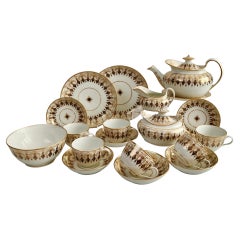
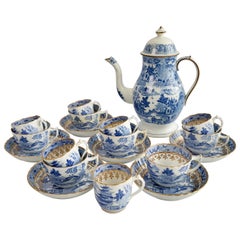
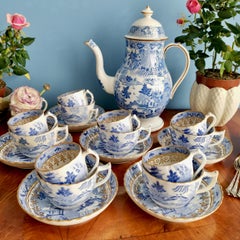
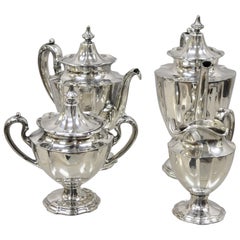
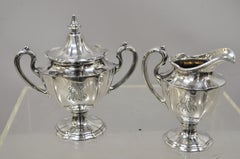
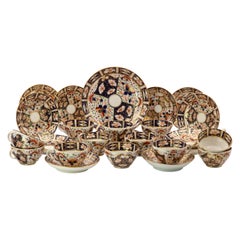
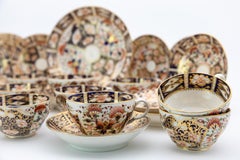
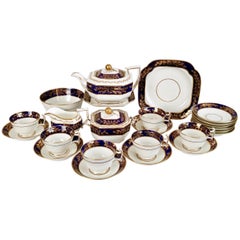
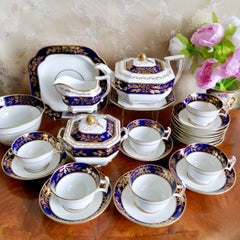
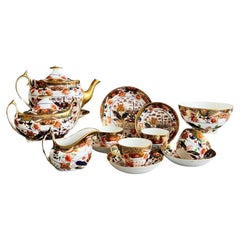
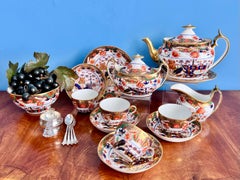
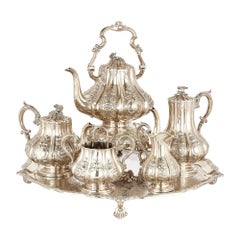
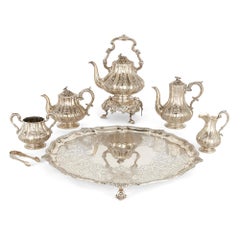
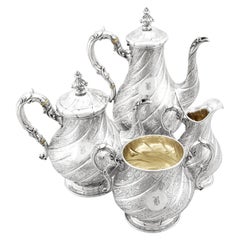
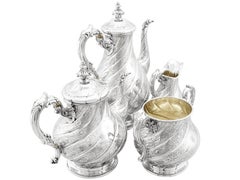
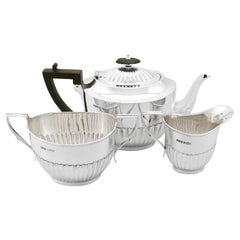
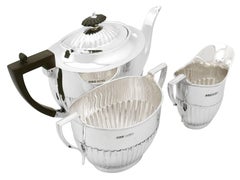
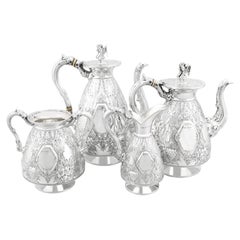
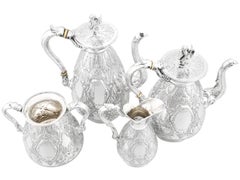
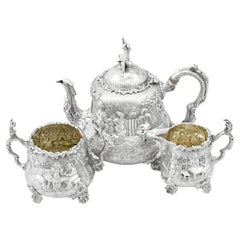
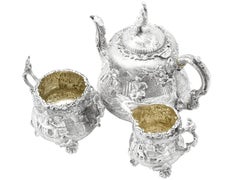
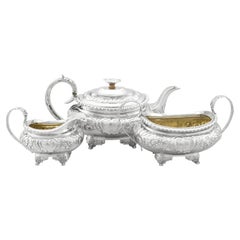
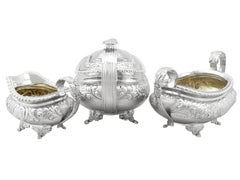
At 1stDibs, there are many versions of the ideal regency tea service for your home. A regency tea service — often made from
ceramic,
porcelain and
metal — can elevate any home. Your living room may not be complete without a regency tea service — find older editions for sale from the 18th Century and newer versions made as recently as the 20th Century. A regency tea service made by
Regency designers — as well as those associated with
Georgian — is very popular. A well-made regency tea service has long been a part of the offerings for many furniture designers and manufacturers, but those produced by
New Hall,
Chamberlains Worcester and
Charles Thomas Fox are consistently popular.
Like France’s Empire style, Regency-style furniture was rooted in neoclassicism; the characteristics of its bedroom furniture, armchairs, dining room tables and other items include clean lines, angular shapes and elegant details.
Dating roughly from the 1790s to 1830s, antique Regency-style furniture gets its name from Prince George of Wales — formally King George IV — who became Prince Regent in 1811 after his father, George III, was declared unfit to rule. England’s Regency style is one of the styles represented in Georgian furniture.
George IV’s arts patronage significantly influenced the development of the Regency style, such as the architectural projects under John Nash, which included the renovation of Buckingham House into the formidable Buckingham Palace with a grand neoclassical facade. Celebrated designers of the period include Thomas Sheraton, Henry Holland and Thomas Hope. Like Nash, Hope instilled his work with classical influences, such as saber-legged chairs based on the ancient Greek klismos. He is credited with introducing the term “interior decoration” to English with the 1807 publishing of Household Furniture and Interior Decoration.
Although more subdued than previous styles like Rococo and Baroque, Regency interiors incorporated copious use of chintz fabrics and wallpaper adorned in chinoiserie-style art. Its furniture featured fine materials and luxurious embellishments. Furniture maker George Bullock, for instance, regularly used detailed wood marquetry and metal ornaments on his pieces.
Archaeological discoveries in Egypt and Greece informed Regency-era details, such as carved scrollwork, sphinxes and palmettes, as well as the shape of furniture. A Roman marble cinerary chest, for example, would be reinterpreted into a wooden cabinet. The Napoleonic Wars also inspired furniture, with martial designs like tented beds and camp-style chairs becoming popular. While the reddish-brown mahogany was prominent in this range of pieces, imported woods like zebrawood and ebony were increasingly in demand.
Find a collection of antique Regency tables, seating, decorative objects and other furniture on 1stDibs.
Ready to serve high tea and brunch for your family and friends? Start with the right antique, new or vintage tea set.
Tea is a multicultural, multinational beverage and isn’t confined to any particular lifestyle or age group. It has humble beginnings, and one of its best-known origin stories places the first cups of tea in 2700 B.C. in China, where it was recognized for its medicinal properties. Jump ahead to 17th-century England, when Chinese tea began to arrive at ports in London. During the early 1800s, tea became widely affordable, and the concept of teatime took shape all over England. Today, more than 150 million people reportedly drink tea daily in the United States.
Early tea drinkers enjoyed their beverage in a bowl, and English potters eventually added a handle to the porcelain bowls so that burning your fingers became less of a teatime hazard. With the rise in the popularity of teatime, tea sets, also referred to as tea service, became a hot commodity.
During Queen Victoria’s reign, teakettles and coffeepots were added to tea services that were quite large — indeed, small baked goods were served with your drink back then, and a tea set could include many teacups and saucers, a milk pot and other accessories.
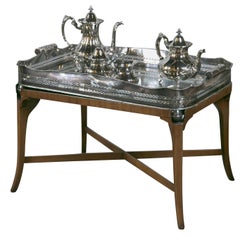
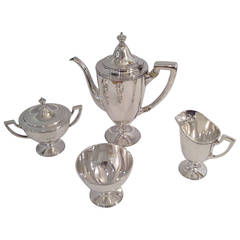
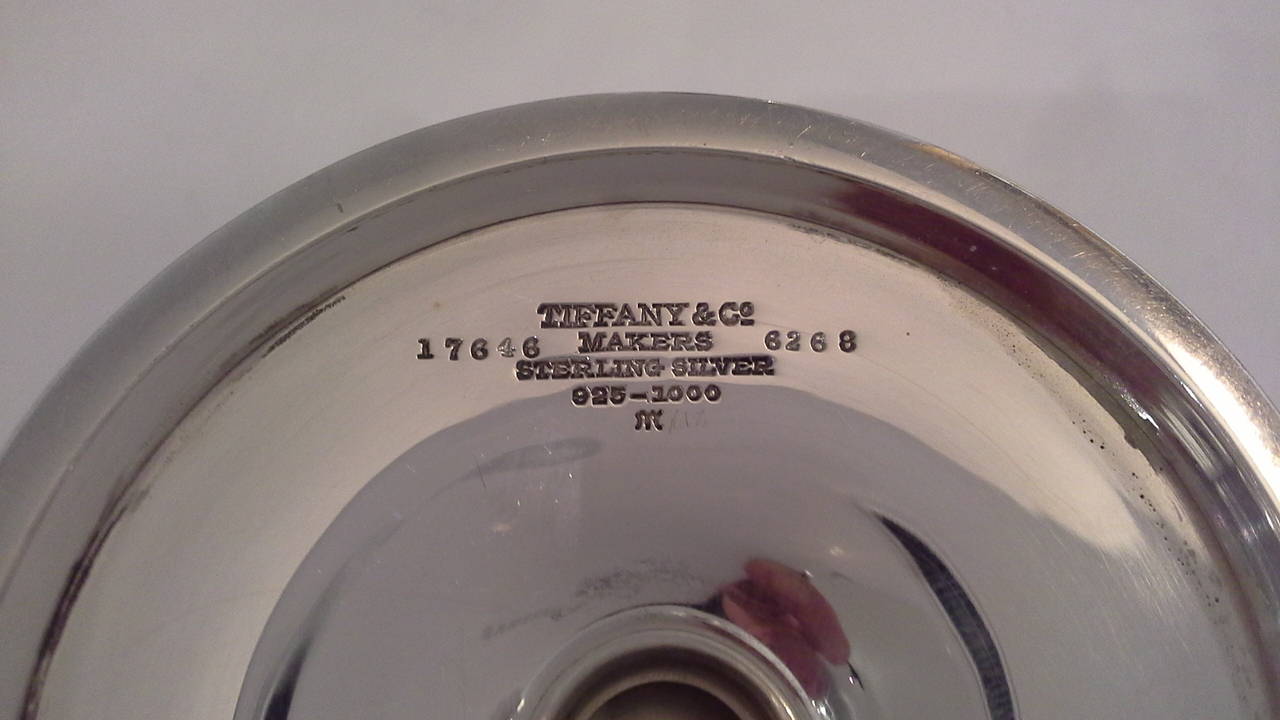
During the early 1920s, a sterling-silver full tea service and tray designed by Tiffany & Co. might include a hot-water kettle on a stand, a coffeepot, teapot, a creamer with a small lip spout, a waste bowl and a bowl for sugar, which the British were stirring into tea as early as the 18th century.
But you don’t have to limit your tea set to Victorian or Art Deco styles — shake up teatime with an artful contemporary service. If the bold porcelain cups and saucers by Italian brand Seletti are too unconventional for your otherwise subdued tea circle, find antique services on 1stDibs from Japan, France and other locales as well as vintage mid-century modern tea sets and neoclassical designs.