Sevres Neoclassical
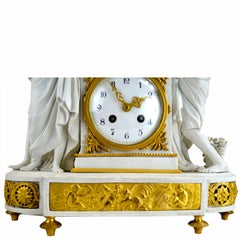
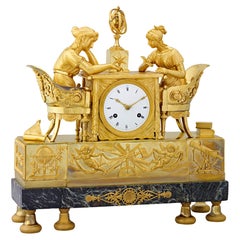
Antique Early 19th Century French Directoire Table Clocks and Desk Clocks
Ormolu
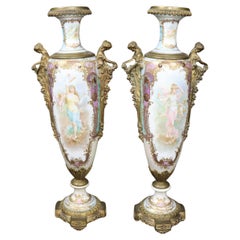
Antique Late 19th Century French Neoclassical Vases
Porcelain
Antique Early 1900s French Neoclassical Porcelain
Porcelain
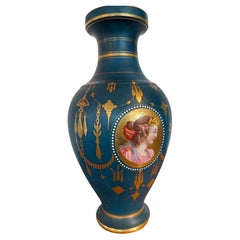
Antique 1870s French Neoclassical Revival Vases
Porcelain
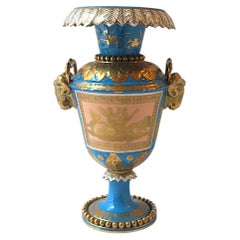
Antique Late 19th Century French Neoclassical Vases
Onyx, Bronze
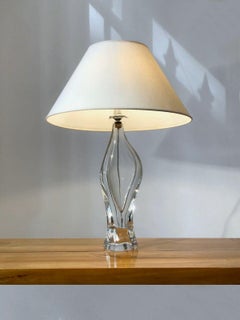
Vintage 1960s French Neoclassical Table Lamps
Crystal
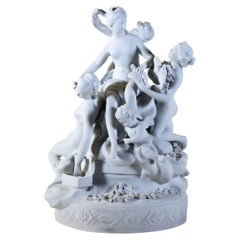
Antique 1890s French Louis XVI Figurative Sculptures
Porcelain
20th Century French Neoclassical Vases
Ormolu
Antique Early 1900s French Neoclassical Revival Tea Sets
Porcelain
Antique Early 1900s French Neoclassical Revival Vases
Porcelain
Early 20th Century French Neoclassical Vases
Bronze
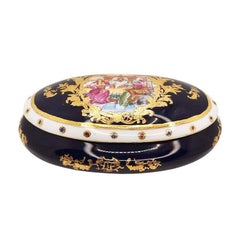
Antique Early 1900s French Neoclassical Decorative Boxes
Bronze
Antique Early 1900s French Neoclassical Decorative Boxes
Bronze
Antique Early 1900s French Neoclassical Decorative Boxes
Bronze
Antique 19th Century French Rococo Garniture
Ormolu
Antique Early 1900s French Neoclassical Vases
Porcelain
Early 20th Century French Neoclassical Vases
Metal
Antique Late 19th Century French Neoclassical Vases
Porcelain
Antique 19th Century French Neoclassical Urns
Porcelain
Antique 19th Century French Rococo Urns
Bronze
Early 20th Century French Neoclassical Vases
Metal
Early 20th Century French Neoclassical Table Lamps
Brass
Early 20th Century French Neoclassical Table Lamps
Metal
Antique 1790s French Neoclassical Porcelain
Porcelain
Antique 1870s French Neoclassical Vases
Bronze, Ormolu
Antique 19th Century French Neoclassical Ceramics
Ceramic
Vintage 1930s French Neoclassical Revival Centerpieces
Bronze
Antique Late 19th Century French Neoclassical Porcelain
Ormolu
Early 20th Century French Neoclassical Decorative Bowls
Ormolu
Antique Late 19th Century French Neoclassical Vases
Ormolu
Antique 1880s French Neoclassical Table Lamps
Porcelain
Antique Late 19th Century French Neoclassical Shadow Boxes
Stone, Gold Plate, Bronze
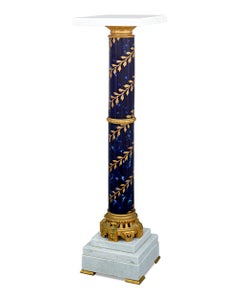
Early 20th Century French Neoclassical Vases
Lapis Lazuli, Ormolu
Antique Late 19th Century French Neoclassical Porcelain
Bronze
Antique 19th Century French Neoclassical Vases
Ormolu
Antique 19th Century French Neoclassical Revival Decorative Boxes
Gold
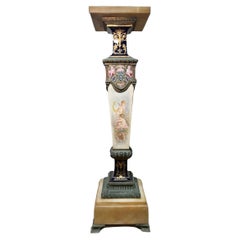
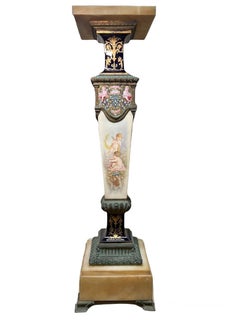
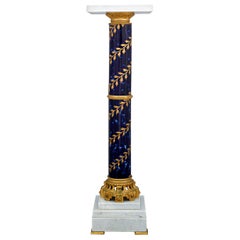
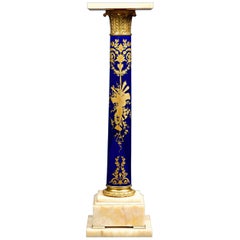
Antique Late 19th Century French Neoclassical Pedestals
Bronze
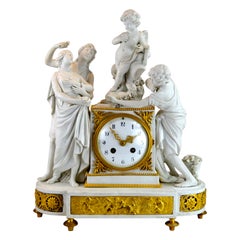
Antique Mid-19th Century French Neoclassical Mantel Clocks
Porcelain
Antique Late 19th Century French Neoclassical Vases
Bronze
Antique Late 19th Century French Neoclassical Vases
Ormolu
Antique Late 19th Century French Neoclassical Vases
Bronze
Antique 19th Century Italian Neoclassical Figurative Sculptures
Porcelain
Antique 18th Century Neoclassical Vases
Bronze, Ormolu
Antique 1850s Neoclassical Vases
Gold
Antique Late 19th Century French Neoclassical Vases
Bronze
Early 20th Century French Neoclassical Vases
Ormolu
Early 20th Century French Neoclassical Garniture
Lapis Lazuli, Ormolu
Antique 19th Century French Neoclassical More Clocks
Bronze
Antique 18th Century French Neoclassical Vases
Brass, Bronze
Antique 18th Century French Neoclassical Candelabras
Bronze, Ormolu
Antique 19th Century French Neoclassical Mantel Clocks
Ormolu
Antique 19th Century French Neoclassical Vases
Enamel, Ormolu
Antique 19th Century French Neoclassical Revival Figurative Sculptures
Porcelain
Early 20th Century French Neoclassical Pedestals
Marble, Ormolu
Antique Late 19th Century French Empire Pedestals
Marble, Bronze, Ormolu
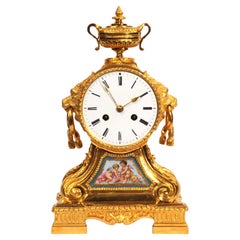
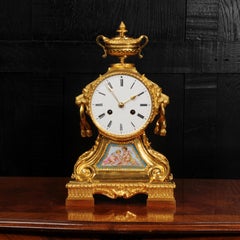
Antique 19th Century French Mantel Clocks
Ormolu
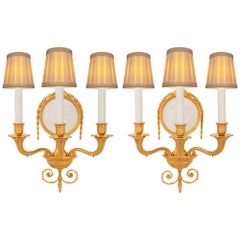
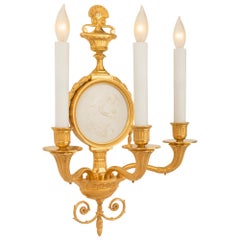
Antique 19th Century French Neoclassical Wall Lights and Sconces
Ormolu
- 1
Sevres Neoclassical For Sale on 1stDibs
How Much is a Sevres Neoclassical?
A Close Look at Neoclassical Furniture
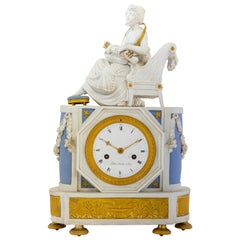
Neoclassical design emerged in Europe in the 1750s, as the Age of Enlightenment reached full flower. Neoclassical furniture took its cues from the styles of ancient Rome and Athens: symmetrical, ordered, dignified forms with such details as tapered and fluted chair and table legs, backrest finials and scrolled arms.
Over a period of some 20 years, first in France and later in Britain, neoclassical design — also known as Louis XVI, or Louis Seize — would supersede the lithe and curvaceous Rococo or Louis XV style.
The first half of the 18th century had seen a rebirth of interest in classical antiquity. The "Grand Tour" of Europe, codified as a part of the proper education of a patrician gentleman, included an extended visit to Rome. Some ventured further, to sketch the ruins of ancient Greece. These drawings and others — particularly those derived from the surprising and rich archaeological discoveries in the 1730s and ’40s at the sites of the Roman cities of Pompeii and Herculaneum — caused great excitement among intellectuals and aesthetes alike.
Neoclassical furniture is meant to reflect both grace and power. The overall appearance of neoclassical chairs, tables and cabinetry is strong and rectilinear. These pieces are, in effect, classical architecture in miniature: chair and table legs are shaped like columns; cabinets are constructed with elements that mirror friezes and pediments.
Yet neoclassicism is enlivened by gilt and silver leaf, marquetry, and carved and applied ornamental motifs based on Greek and Roman sculpture: acanthus leaves, garlands, laurel wreaths, sheaves of arrow, medallions and chair splats are carved in the shapes of lyres and urns. Ormolu — or elaborate bronze gilding — was essential to French design in the 18th and 19th centuries as a cornerstone of the neoclassical and Empire styles.
As you can see from the furniture on these pages, there is a bit of whimsy in such stately pieces — a touch of lightness that will always keep neoclassicism fresh.
Find antique neoclassical furniture today on 1stDibs.
Read More
What Is Ormolu, and Why Are We Talking about It?
This golden material glamorized neoclassical furnishings and transformed upper-crust sitting rooms from France to Philadelphia in the 18th and early 19th centuries.
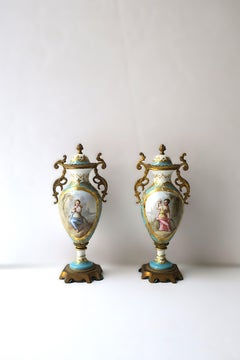
New York’s Hirschl & Adler Showcases the American Workmanship and Design Panache of Neoclassical Treasures
The gallery's latest exhibition proves that museum-quality pieces entice and inspire, whether in traditional or more modern interiors.
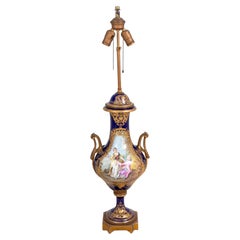
Susanna Salk’s Favorite Designers Show Us How to Play with Patterns
Taking us on a whirlwind tour of spaces that use charming prints with aplomb, the interiors expert makes a compelling case for ditching staid solids when tackling your next decorating project.
6 Creative Ways to Decorate with Sculpture Busts
Just because a statue looks classical doesn't mean it has to be conventional. Designers share their tips for placing busts in the perfect spot.