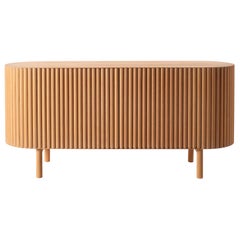
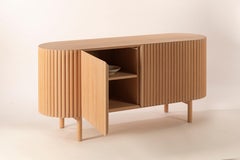
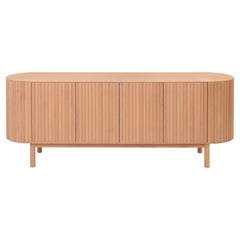
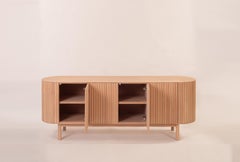
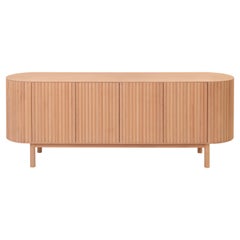
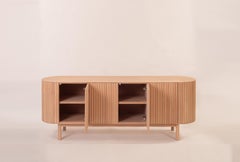
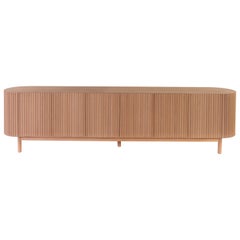
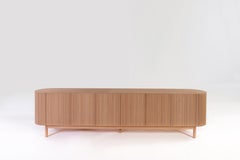
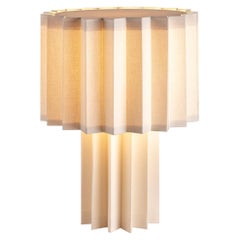
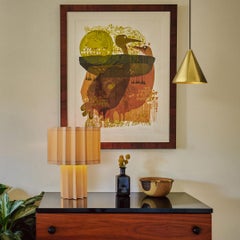
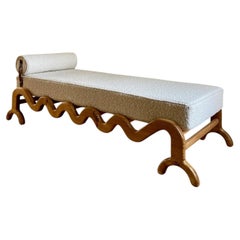
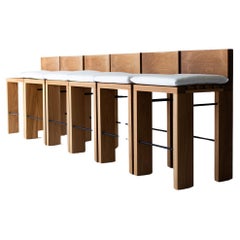
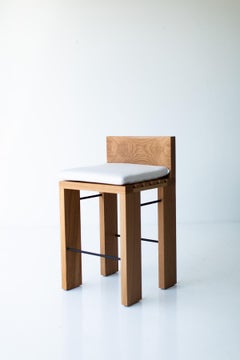
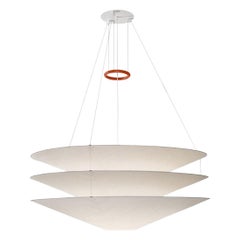
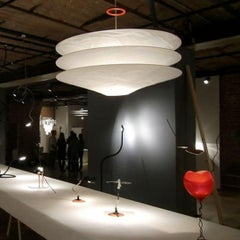
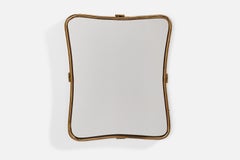
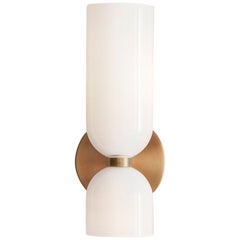
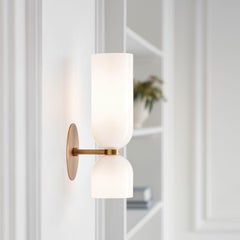
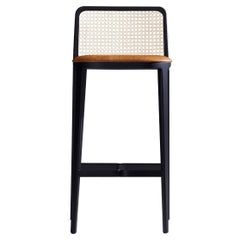
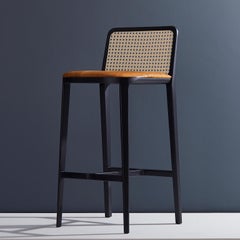
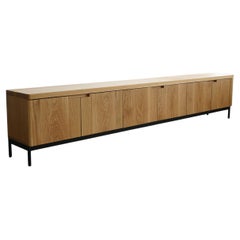
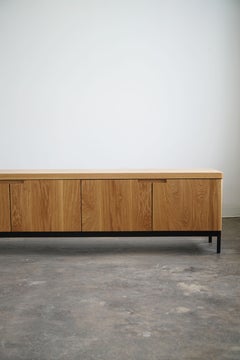
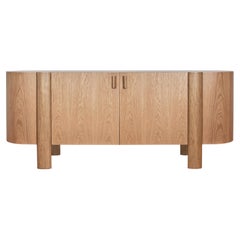
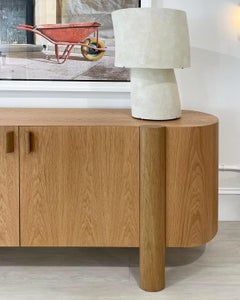
A revival in the popularity of authentic Minimalist furniture is rooted in history while reflecting the needs and tastes of the 21st century. Designer Ludwig Mies van der Rohe’s aphorism that “less is more” influenced the evolution of 20th-century interiors with an emphasis on function and order. This was a shift from the 19th century, with its lavish Victorian decorating, and was spread around the world through design styles including Bauhaus and brutalism.
Yet Minimalism was present in furniture design long before the clean lines of modernism, such as in the simple and elegant utility of Shaker furniture. Although the Minimalist art movement of the 1960s and ’70s had little crossover with furniture design, artist Donald Judd was inspired by the Shakers in creating his own spare daybeds and tables from sturdy wood. (Judd, whose advocacy of symmetry also informed his architectural projects, furnished his Manhattan loft with unassuming but poetic works by iconic modernist designers such as Gerrit Rietveld and Alvar Aalto.)
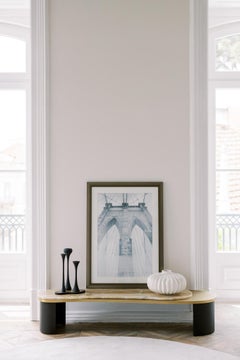
Understatement rather than ornamentation and open space instead of clutter are central themes for a Minimalist living room and bedroom. As opposed to Maximalism, the focus for Minimalist furniture and decor is on simplicity and considering the design and purpose of every object.
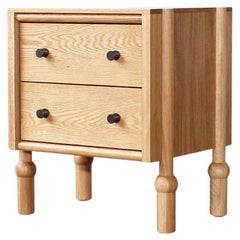
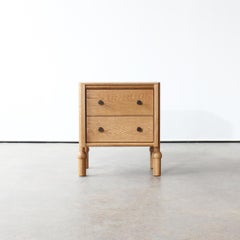
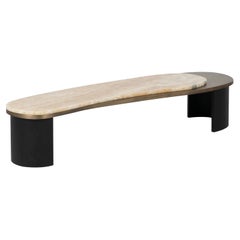
Furnishings are usually made in neutral or monochrome colors and pared down to their essentials — think nesting coffee tables, sectional sofas and accent pieces such as ottomans. And Minimalist ceramics can help achieve a decor that is both timeless and of the moment. The organic textures and personalization of handmade craftsmanship associated with these works have served as a sort of anti-Internet to screen-weary decorators. That said, while the thoughtful ergonomics of Scandinavian modern furniture, with its handcrafted teak frames, are at home in Minimalist spaces, so are the quietly striking pieces by Japanese designer Naoto Fukasawa that employ industrial materials like stainless steel, aluminum and plastic.
Minimalist furniture is not for making flashy statements; it boasts subdued appeal and excels at harmonizing with any room. And, as it encompasses many different movements and eras of design, it also never goes out of style, owing to its tasteful refinement.
Find a collection of Minimalist tables, seating, lighting and more furniture on 1stDibs.
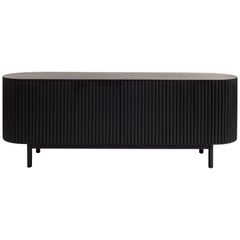
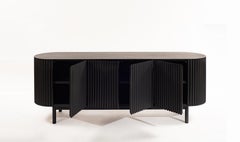
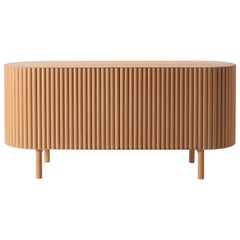
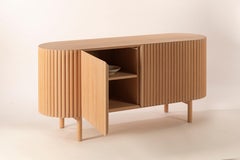
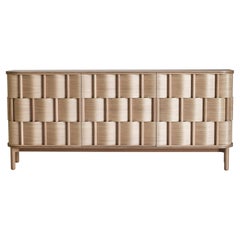
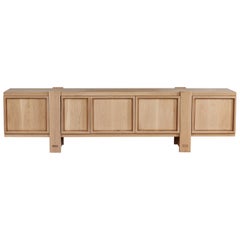
Antique and vintage credenzas can add an understated touch of grace to your home. These long and sophisticated cabinet-style pieces of furniture can serve a variety of purposes, and they look great too.
In Italy, the credenza was originally a small side table used in religious services. Appropriately, credere in Italian means “to believe.” Credenzas were a place to not only set the food ready for meals, they were also a place to test and taste prepared food for poison before a dish was served to a member of the ruling class. Later, credenza was used to describe a type of versatile narrow side table, typically used for serving food in the home. In form, a credenza has much in common with a sideboard — in fact, the terms credenza and sideboard are used almost interchangeably today.
Credenzas usually have short legs or no legs at all, and can feature drawers and cabinets. And all kinds of iterations of the credenza have seen the light of day over the years, from ornately carved walnut credenzas originating in 16th-century Tuscany to the wealth of Art Deco credenzas — with their polished surfaces and geometric patterns — to the array of innovative modernist interpretations that American furniture maker Milo Baughman created for Directional and Thayer Coggin.
The credenza’s blend of style and functionality led to its widespread use in the 20th century. Mid-century modern credenzas are particularly popular — take a look at Danish furniture designer Arne Vodder’s classic Model 29, for instance, with its reversible sliding doors and elegant drawer pulls. Hans Wegner, another Danish modernist, produced strikingly minimalist credenzas in the 1950s and ’60s, as did influential American designer Florence Knoll. Designers continue to explore new and exciting ways to update this long-loved furnishing.
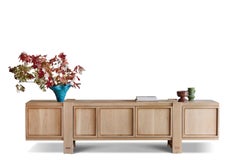
Owing to its versatility and familiar low-profile form, the credenza remains popular in contemporary homes. Unlike many larger case pieces, credenzas can be placed under windows and in irregularly shaped rooms, such as foyers and entryways. This renders it a useful storage solution. In living rooms, for example, a credenza can be a sleek media console topped with plants and the rare art monographs you’ve been planning to show off. In homes with open floor plans, a credenza can help define multiple living spaces, making it ideal for loft apartments.
Browse a variety of antique and vintage credenzas for sale on 1stDibs to find the perfect fit for your home today.