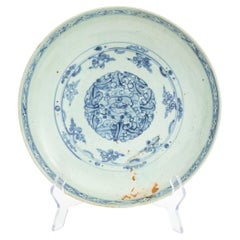
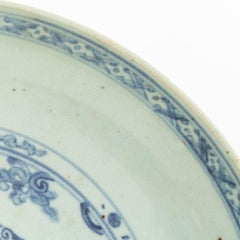
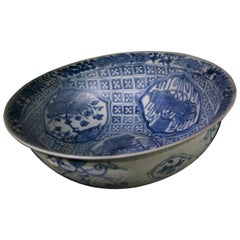
Chinese Blue & White Swatow Ware Bowl, 17th C.
Located in Astoria, NY
Chinese Blue and White Swatow Ware Bowl, Ming Dynasty, 17th century, with hand-painted floral
Category
Antique 17th Century Chinese Ming Ceramics
Materials
Porcelain
Chinese Blue & White Swatow Ware Bowl, 17th C.
Located in Astoria, NY
Chinese Blue and White Swatow Ware Bowl, Ming Dynasty, 17th century, with hand-painted floral
Porcelain
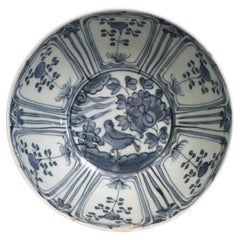
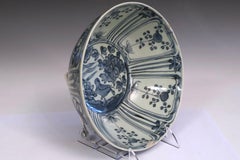
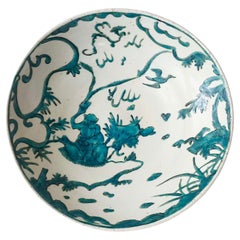
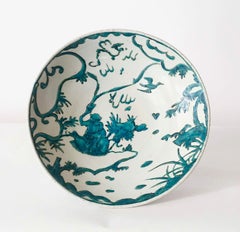
Antique Ming Dynasty Chinese Export Porcelain Swatow Blue & White Bowl
Located in Wilton, CT
Antique Chinese late Ming Dynasty export porcelain Swatow ware blue & white bowl, Wanli period
Porcelain
$4,875
H 2.5 in Dm 10.75 in
Chinese Ming Dynasty 'Swatow' Polychrome-Enamelled Shallow Bowl, circa 1600
Located in Kinderhook, NY
, export for the Japanese market 'Swatow' or 'Zhangzhou' shallow bowl of Jingdezhen manufacture, the round
Pottery
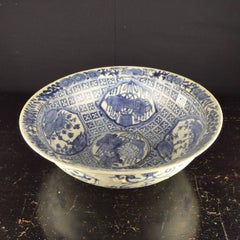
Swatow Chinese Porcelain Wucai Bowl, 16th Century
Located in London, GB
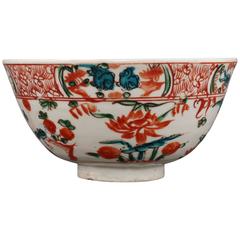
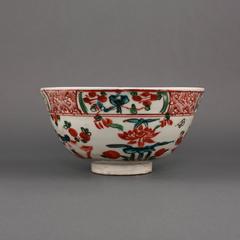
A Swatow Chinese porcelain wucai bowl painted on the exterior in iron red, green and turquoise
Ceramic
Unavailable
H 4.53 in Dm 12.21 in
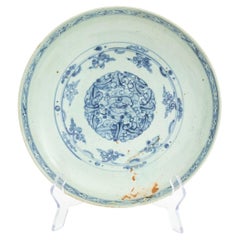
Binh Thuan Shipwreck Bowl, Swatow Ware Zhangzhou Porcelain, circa 1608
By Wei Xiao Ming
Located in Geelong, Victoria
Large Ming porcelain bowl, recovered from the Binh Thuan shipwreck, Vietnam, painted with reserves
Porcelain
Chinese Blue & White Swatow Ware Bowl, 17th C.
Located in Astoria, NY
Chinese Blue and White Swatow Ware Bowl, Ming Dynasty, 17th century, with hand-painted floral
Porcelain
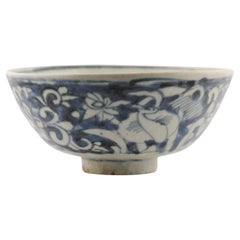
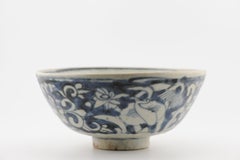
Antique Ming Wanli 1560-1590 Chinese Porcelain Swatow/Zhangzhou Bowl
Located in Amsterdam, Noord Holland
A Chinese blue and white porcelain bowl with cranes and flowers. end of the 16th century. Swatow
Porcelain
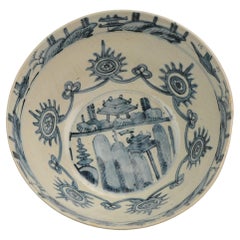
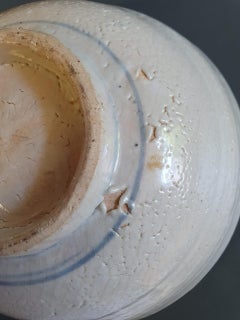
Antique Chinese Ming Swatow Zhangzhou Crackle Celadon Bowl Bird, circa 1600
Located in Amsterdam, Noord Holland
A very nice and rare bowl with central scene of a bird in a landscape. Additional information
Porcelain
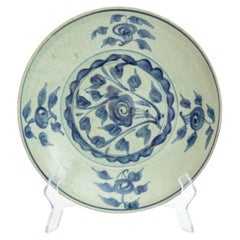
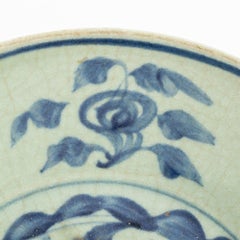
Chinese Blue & White Swatow Ware Bowl, 17th C.
Located in Astoria, NY
Chinese Blue and White Swatow Ware Bowl, Ming Dynasty, 17th century, with hand-painted floral motif
Porcelain
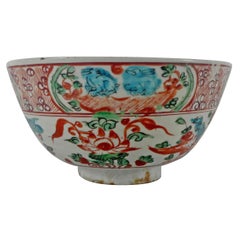

Chinese Swatow Porcelain Large Bowl, circa 1600, Ming Dynasty
Located in Gargrave, North Yorkshire
Chinese Swatow porcelain large bowl, circa 1600, Ming Dynasty. The deep sided bowl, exuberantly
Porcelain
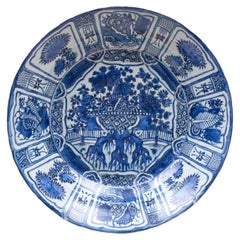
$9,500
H 4 in Dm 20.5 in
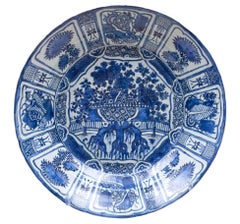
'Kraak' Blue and White Large Porcelain Charger, 20.5", Wan Li Reign, circa 1610
Located in Kinderhook, NY
A museum calibre circa 1610 blue and white Chinese 'Kraak' charger or shallow bowl of massive scale, the round cavetto molded body with slightly scalloped flat rim boldly and exquisi...
Porcelain
With their rich and diverse history, antique, new and vintage Asian ceramics offer colorful and sophisticated ways to add flair to any space.
Japanese pottery dates back at least 13,000 years to the Jōmon period. Pieces from the Late Jōmon era display a rope-cord pattern encircling a pot or jug. During the Muromachi period, potters created simple bowls and utensils frequently used in tea ceremonies and were made as both functional and aesthetic objects.
Ceramics made during Japan’s Meiji period, from 1868 to 1912, reflected an explosion of artistic expression propelled by new access to international trade. Details became more intricate and refined, and colors were enhanced with new glazing practices.
Chinese porcelain, meanwhile, is often identified by its shape. Each reign and dynasty had specific shapes and styles that were encouraged by the imperial ruler. During the Song dynasty, for instance, there were four dominant types of ceramic vase shapes: plum-shaped, pear-shaped, cong-shaped (tall and square) and double-gourd.
Chinese ceramics that were made during the Qing dynasty were demonstrative of an expanded artistic expression, with more delicate shapes and a focus on intricate detailing. The shapes of ceramics from this era are thinner, taller and have subtle features like a gentle flare, such as on the mallet-shaped vase.
Later, the 17th- and 18th-century interior design trend of chinoiserie brought Asian paintings and screens, textiles and other art and furniture from the continent into many European homes.
Explore an extensive range of antique, new and vintage Asian ceramics on 1stDibs to find the perfect piece for your home.