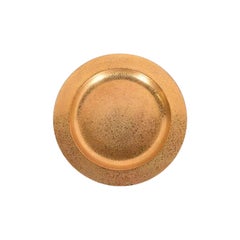
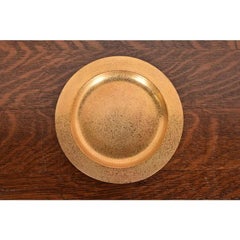
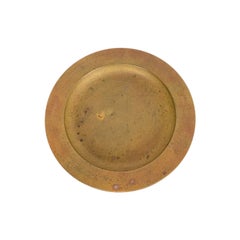
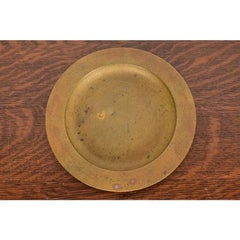
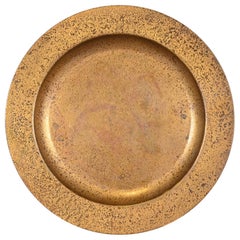
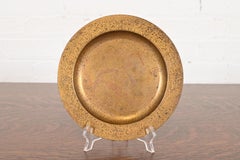
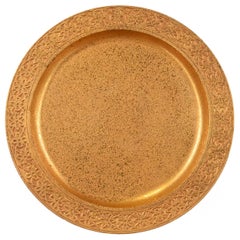
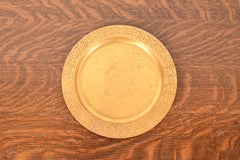
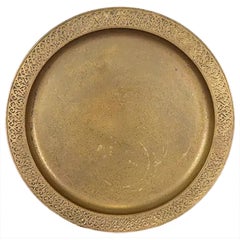
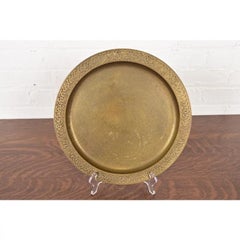
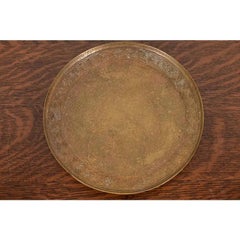
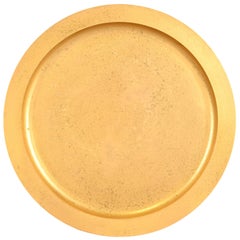
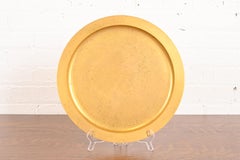
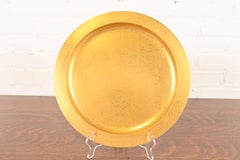
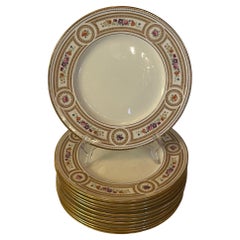
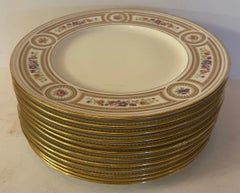
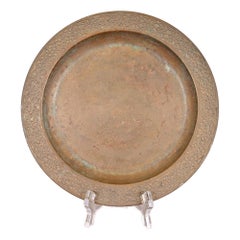
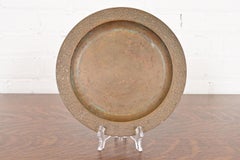
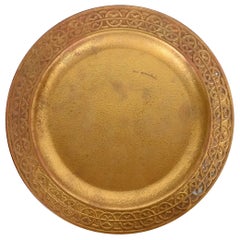
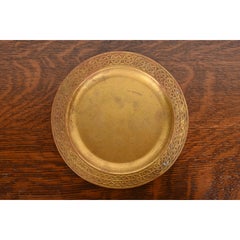
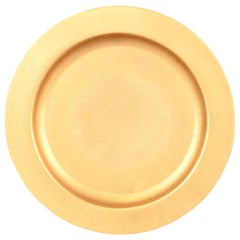
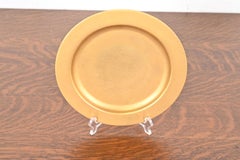
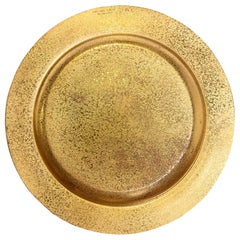
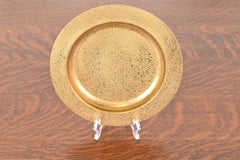
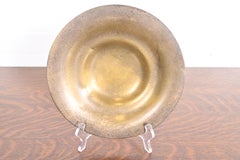
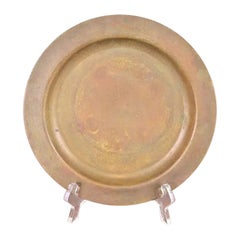
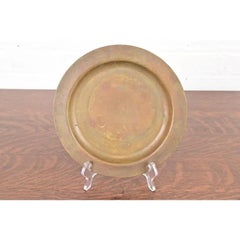
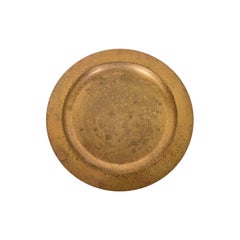
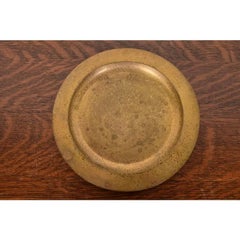
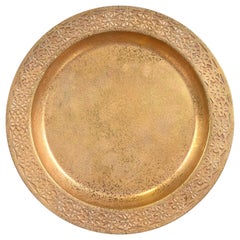
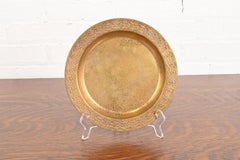
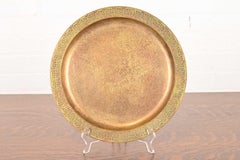
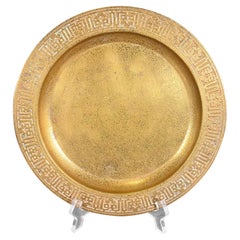
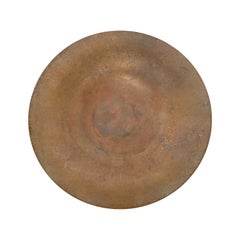
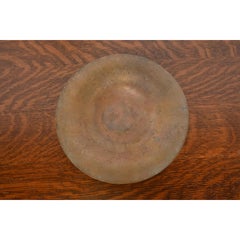
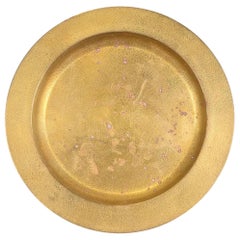
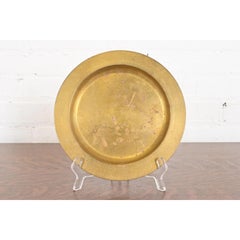
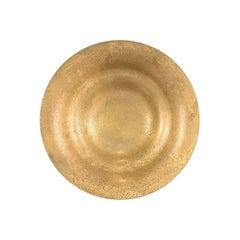
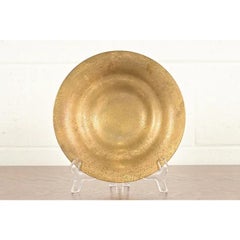
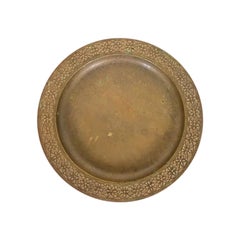
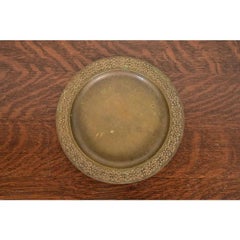
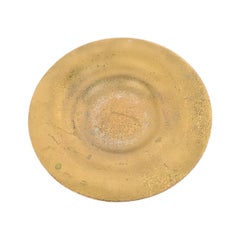
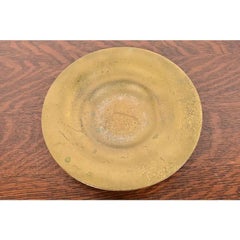
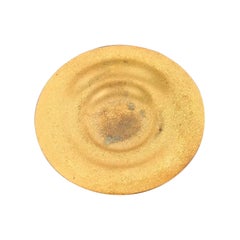
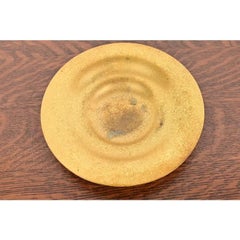
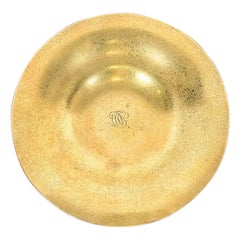
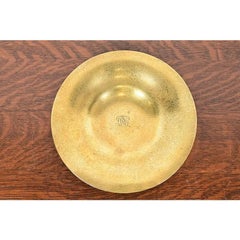
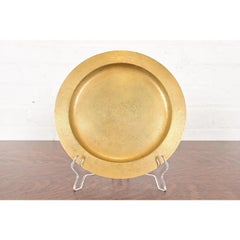
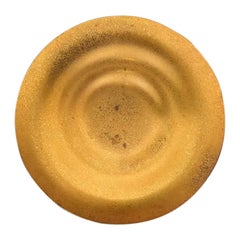
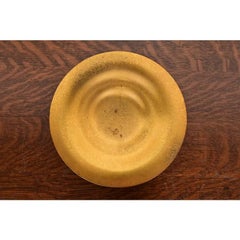
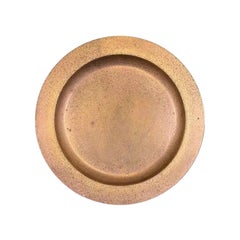
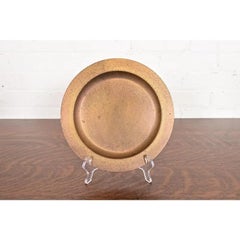
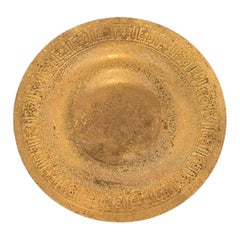
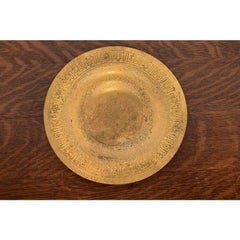
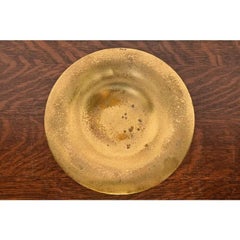
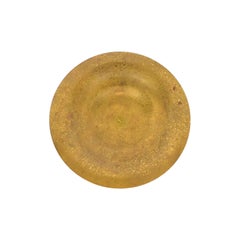
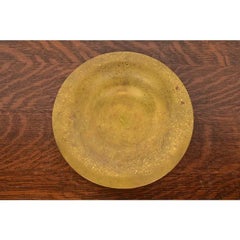
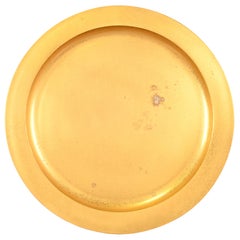
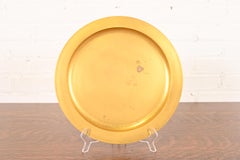
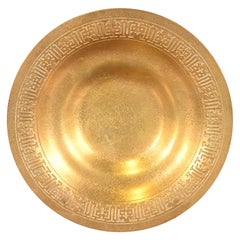
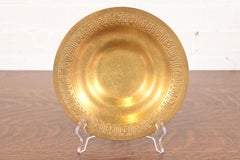
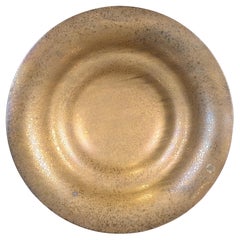
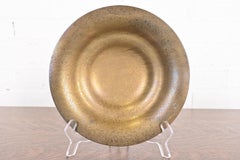
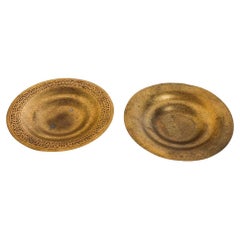
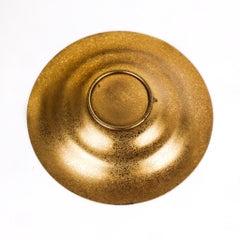
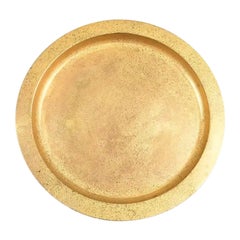
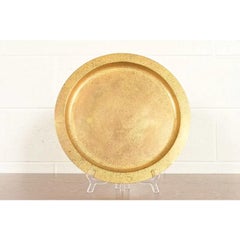
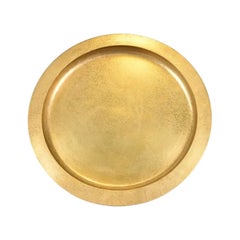
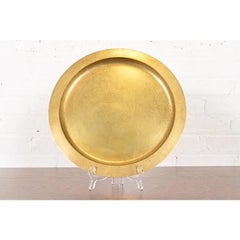
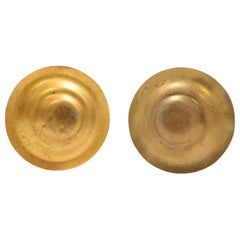
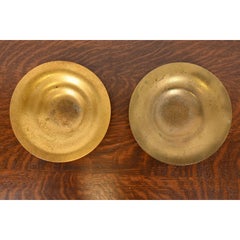
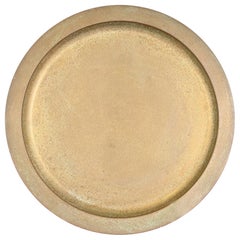
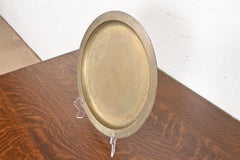
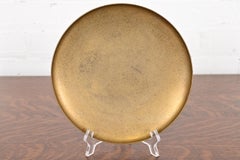
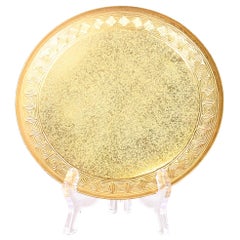
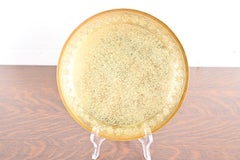
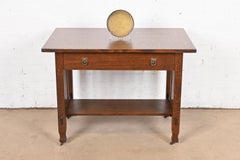
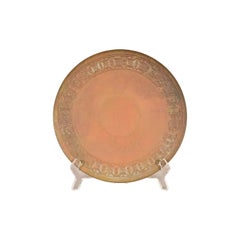
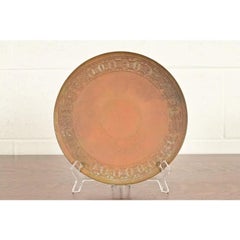
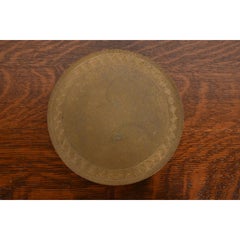
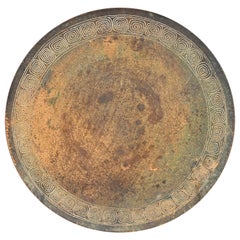
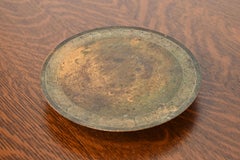
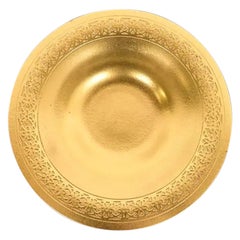
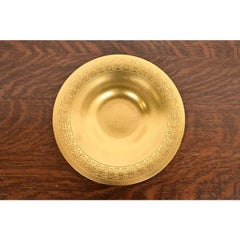
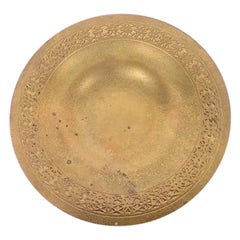
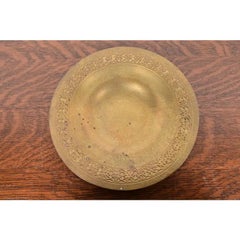
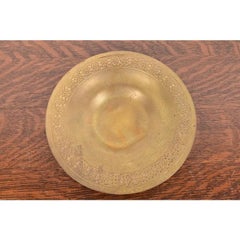
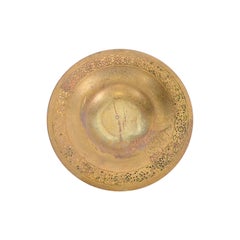
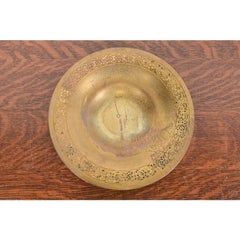
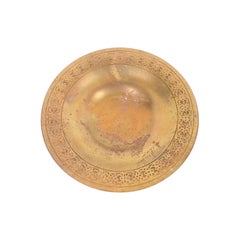
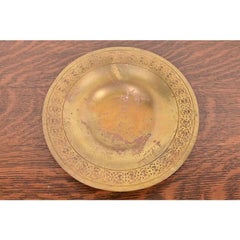
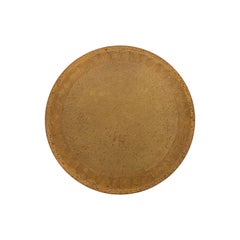
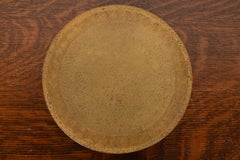
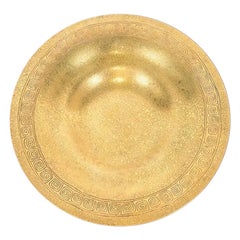
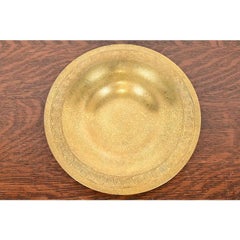
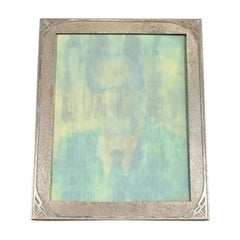
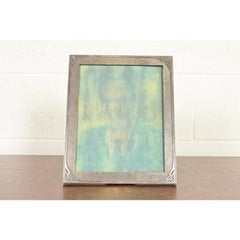
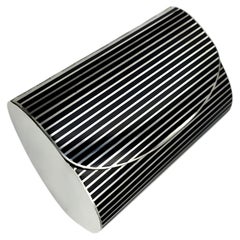
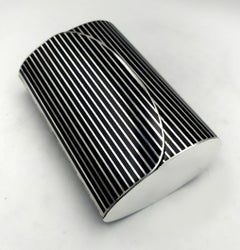
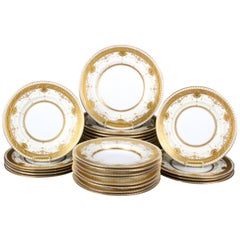
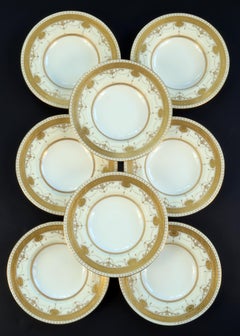
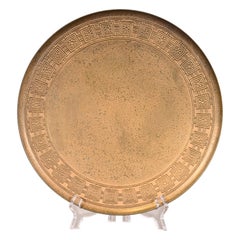
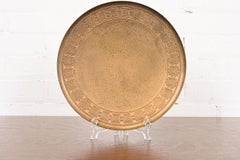
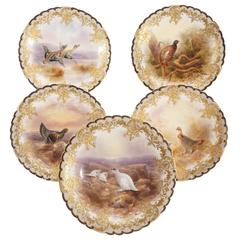
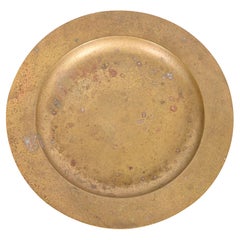
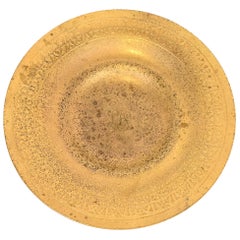
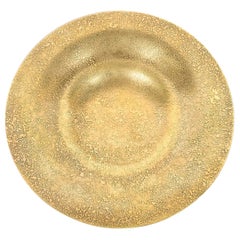
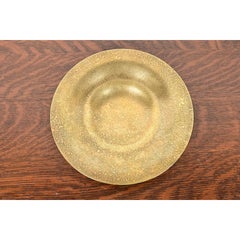
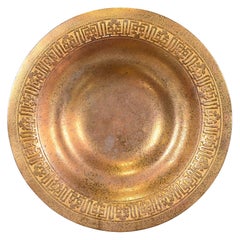
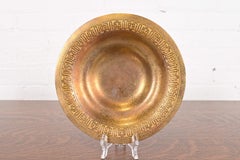
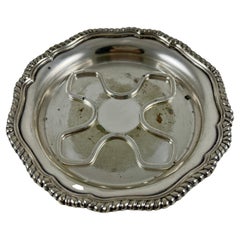
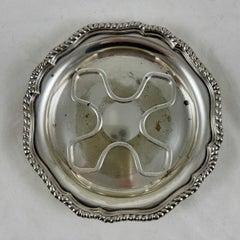
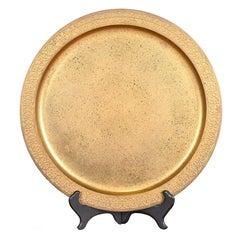
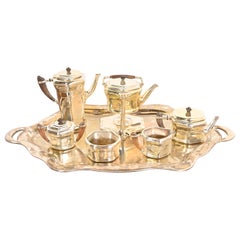
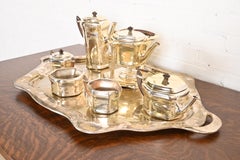
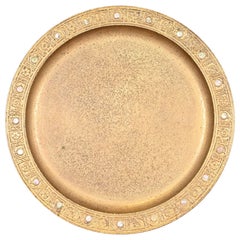
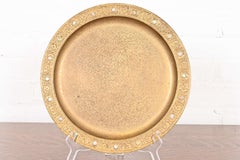
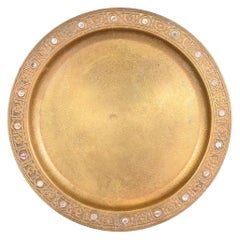
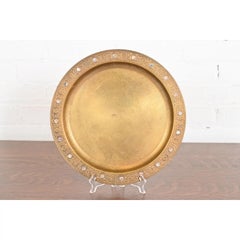
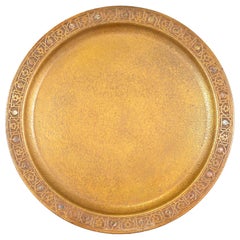
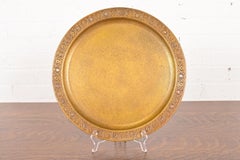
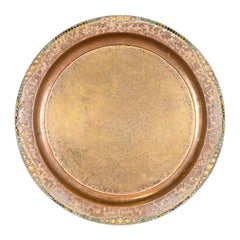
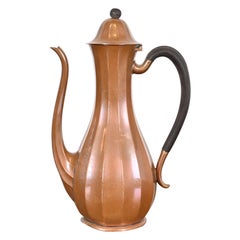
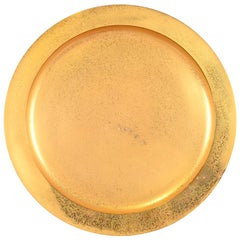
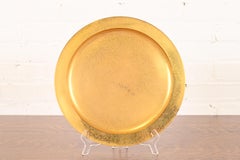
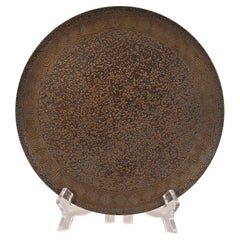
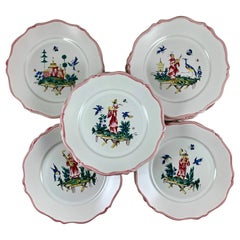
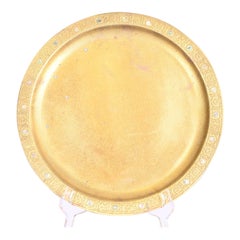
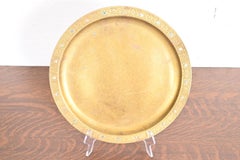
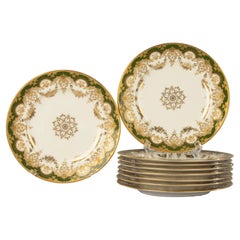
With a vast inventory of beautiful furniture at 1stDibs, we’ve got just the tiffany new york plate you’re looking for. Frequently made of
metal,
glass and
bronze, every tiffany new york plate was constructed with great care. There are 49 variations of the antique or vintage tiffany new york plate you’re looking for, while we also have 1 modern editions of this piece to choose from as well. You’ve searched high and low for the perfect tiffany new york plate — we have versions that date back to the 19th Century alongside those produced as recently as the 21st Century are available. A tiffany new york plate is a generally popular piece of furniture, but those created in
Art Nouveau,
Rococo and
Art Deco styles are sought with frequency. A well-made tiffany new york plate has long been a part of the offerings for many furniture designers and manufacturers, but those produced by
Tiffany & Co.,
Louis Comfort Tiffany and
Tiffany Studios are consistently popular.
The hand-crafted kerosene and early electric lighting fixtures created at Tiffany Studios now rank among the most coveted decorative objects in the world. Tiffany designs of any kind are emblematic of taste and craftsmanship, and Tiffany glass refers to far more than stained-glass windows and decorative glass objects. The iconic multimedia manufactory’s offerings include stained-glass floor lamps, chandeliers and enameled metal vases. The most recognizable and prized of its works are antique Tiffany Studios table lamps.
The name Tiffany generally prompts thoughts of two things: splendid gifts in robin’s-egg blue boxes and exquisite stained glass. In 1837, Charles Lewis Tiffany co-founded the former — Tiffany & Co., one of America’s most prominent purveyors of luxury goods — while his son, Louis Comfort Tiffany, is responsible for exemplars of the latter.
Louis was undoubtedly the most influential and accomplished American decorative artist in the decades that spanned the late 19th and early 20th centuries. Rather than join the family business, he studied painting with several teachers, notably the scenic painter Samuel Colman, while spending long periods touring Europe and North Africa. Though he painted his entire career, visits to continental churches sparked a passionate interest in stained glass. Tiffany began experimenting with the material and in 1875 opened a glass factory-cum-laboratory in Corona, Queens — the core of what eventually became Tiffany Studios.
In his glass designs, Tiffany embraced the emerging Art Nouveau movement and its sinuous, naturalistic forms and motifs. By 1902, along with glass, Tiffany was designing stained-glass lamps and chandeliers as well as enameled metal vases, boxes and bowls, and items such as desk sets and candlesticks. Today such pieces epitomize the rich aesthetics of their era.
The lion’s share of credit for Tiffany Studios table lamps and other fixtures has gone to Louis. However, it was actually Clara Driscoll (1861–1944), an Ohio native and head of the Women’s Glass Cutting Department for 17 years, who was the genius behind the Tiffany lamps that are most avidly sought by today’s collectors. A permanent gallery of Tiffany lamps at the New-York Historical Society celebrates the anonymous women behind the desirable fixtures.
Find antique Tiffany Studios lamps, decorative glass objects and other works on 1stDibs.