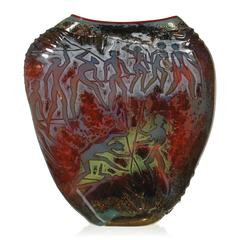
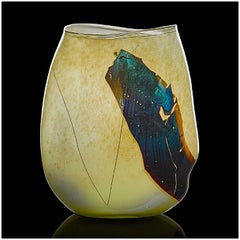
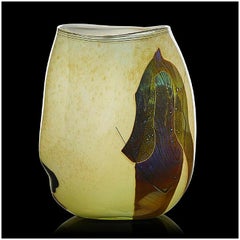
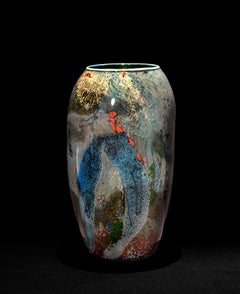
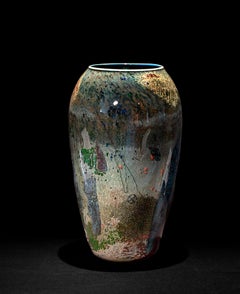
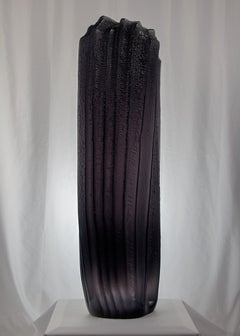
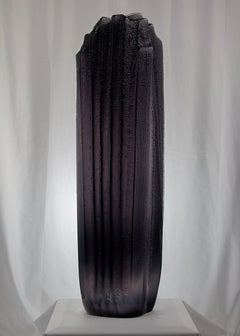
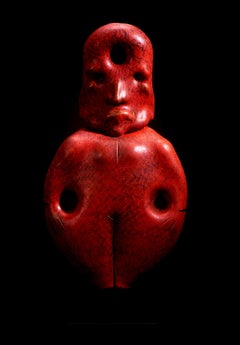
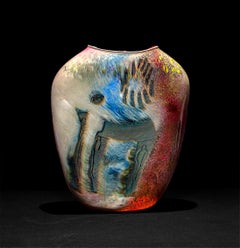
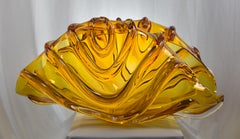
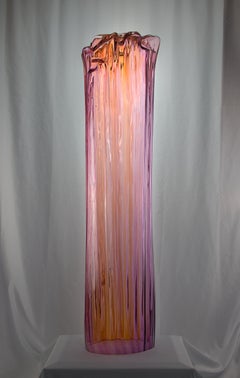
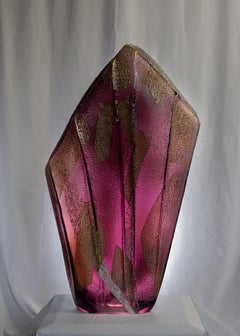
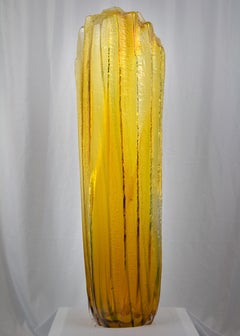
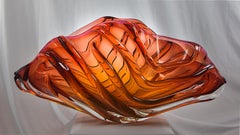
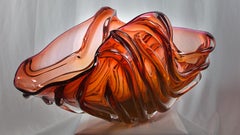
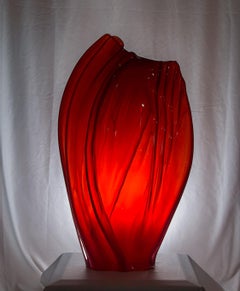
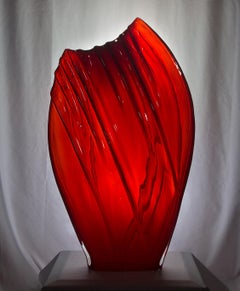
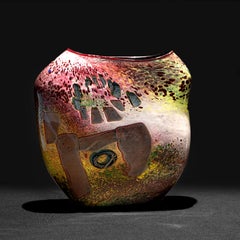
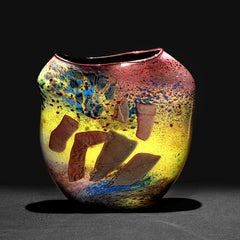
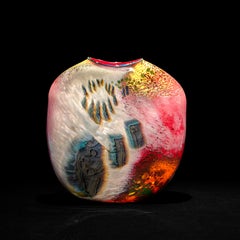
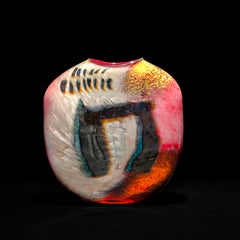
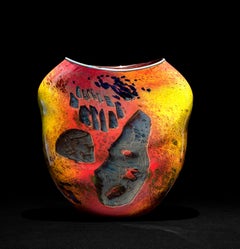
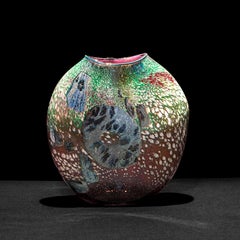
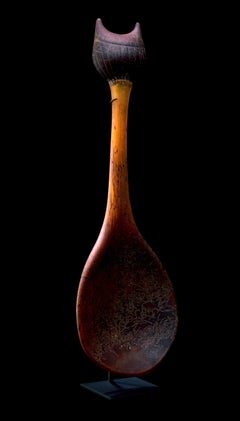
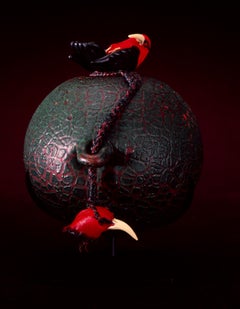
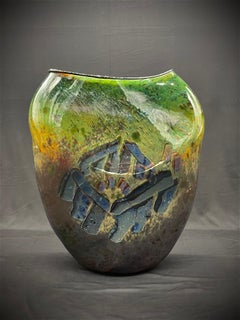
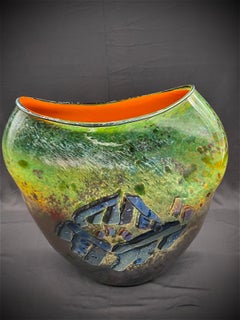
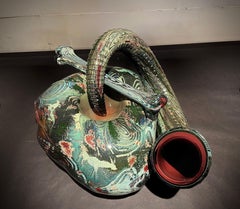
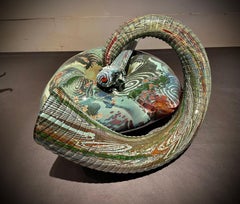
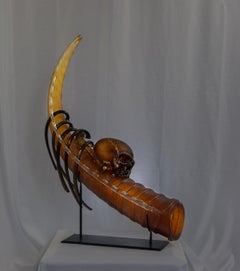
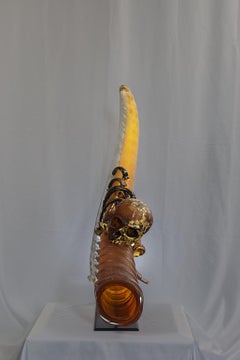
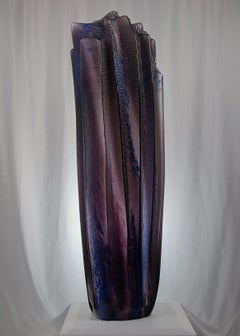
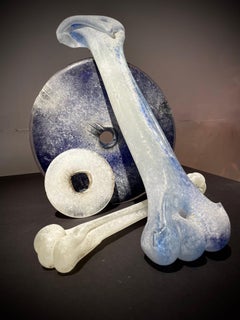
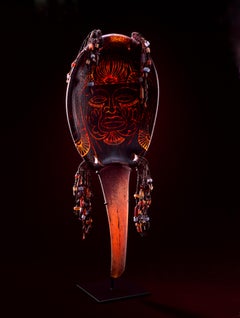
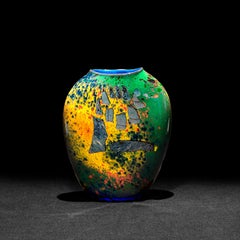
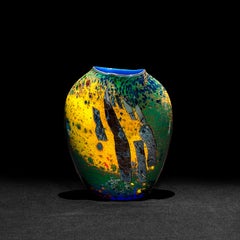
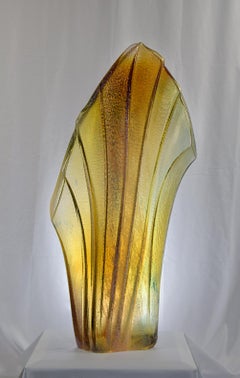
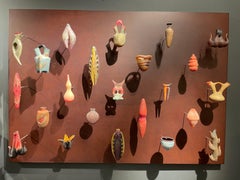
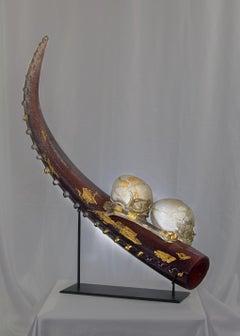
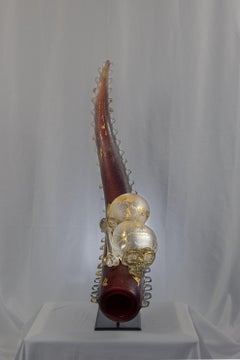
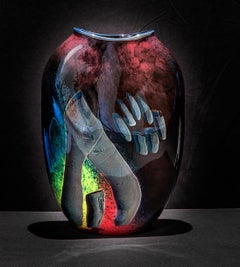
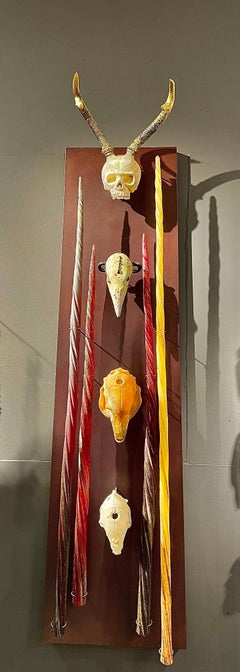
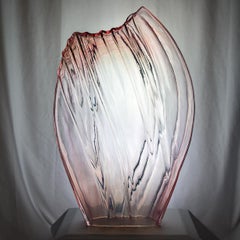
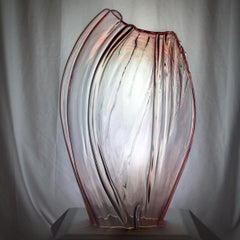
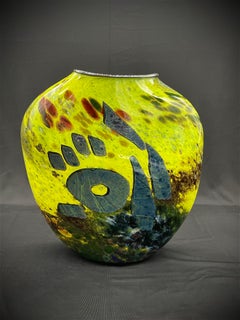
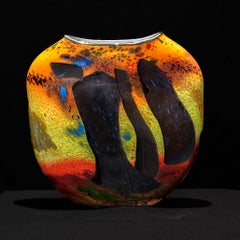
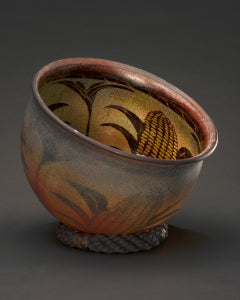
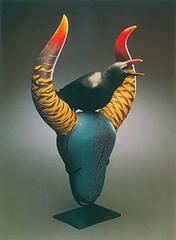
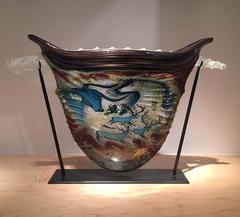
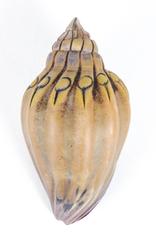
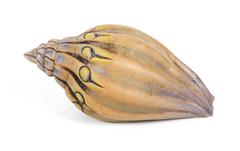
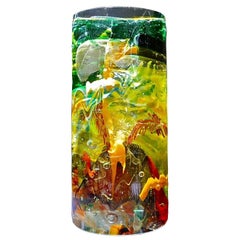
Surely you’ll find the exact piece of william morris glass sculpture you’re seeking on 1stDibs — we’ve got a vast assortment for sale. There are many
Contemporary,
Abstract and
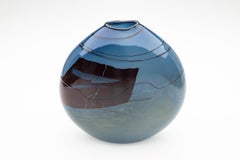
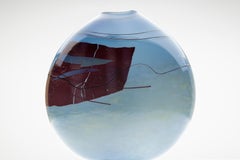
Modern versions of these works for sale. You’re likely to find the perfect item from our selection of william morris glass sculpture among the distinctive items we have available, which includes versions made as long ago as the 20th Century as well as those made as recently as the 21st Century. When looking for the right choice in our collection of william morris glass sculpture for your space, you can search on 1stDibs by color — popular works were created in bold and neutral palettes with elements of
black,
gray,
brown and
gold. Frequently made by artists working in
glass,
blown glass and
metal, these artworks are unique and have attracted attention over the years.
The average selling price for a piece of william morris glass sculpture we offer is $35,000, while they’re typically $4,695 on the low end and $950,000 for the highest priced.
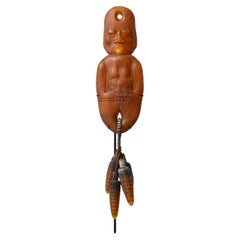
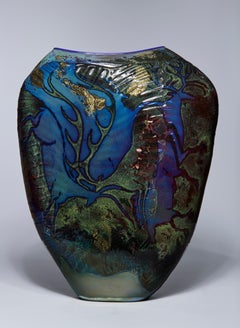
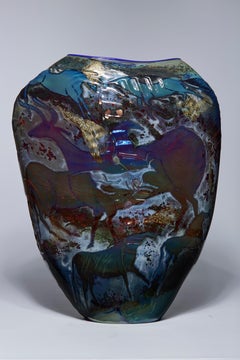
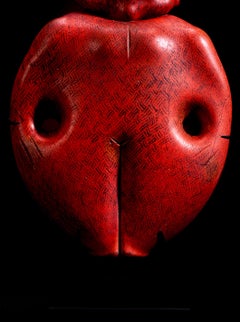
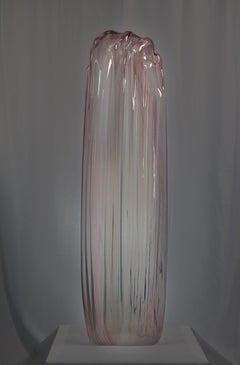
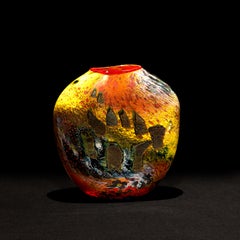
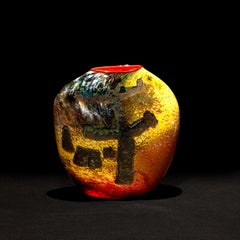
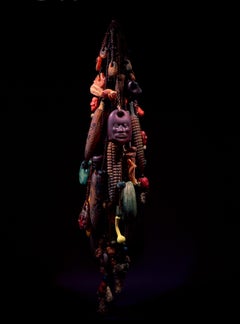
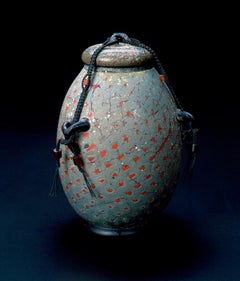
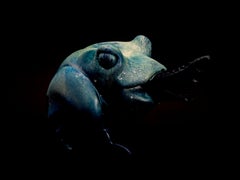
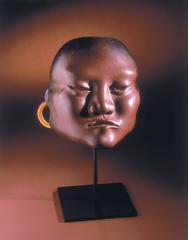
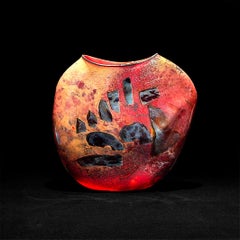
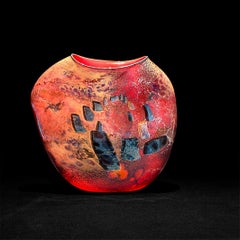
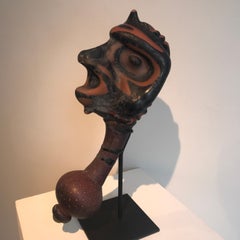
For more than twenty years, William Morris captivated and intrigued the art community with hauntingly evocative and beautiful glass sculptures. He captured the imagination time and again by creating objects that appear to be ancient stone or wood carvings, not the modern glass sculptures they actually are. His art speaks of human origins, myth, ancestry, and ancient civilizations. It symbolizes a harmony between humanity and nature and provides a ghost-like bond to the world around us – a world that is often forgotten, ignored, and abused. Morris gathered much of his inspiration from ancient cultures from around the world – Egyptian, Asian, Native American – all peoples who respected and admired the land they inhabited. Because of this, Morris’s artwork has become something all its own: culturally distinct and yet familiar to all cultures. His pieces embody a spiritual quality that sharply contrasts old beliefs with those of the modern world. These objects speak to our senses and continuously beg us to explore them further.
Figurative sculptures mix reality and imagination, with the most common muse being the human body. Animals are also inspirations for these sculptures, along with forms found in nature.
While figurative sculpture dates back over 35,000 years, the term came into popularity in the 20th century to distinguish it from abstract art. It was aligned with the Expressionist movement in that many of its artists portrayed reality but in a nonnaturalistic and emotional way. In the 1940s, Alberto Giacometti — a Swiss-born artist who was interested in African art, Cubism and Surrealism — created now-iconic representational sculptures of the human figure, and after World War II, figurative sculpture as a movement continued to flourish in Europe.
Lucian Freud and Francis Bacon were some of the leading figurative artists during this period. Artists like Jeff Koons and Maurizio Cattelan propelled the evolution of figurative sculpture into the 21st century.
Figurative sculptures can be whimsical, uncanny and beautiful. Their materials range from stone and wood to metal and delicate ceramics. Even in smaller sizes, the sculptures make bold statements. A bronze sculpture by Salvador Dalí enhances a room; a statuesque bull by Jacques Owczarek depicts strength with its broad chest while its thin legs speak of fragility. Figurative sculptures allow viewers to see what is possible when life is reimagined.
Browse 1stDibs for an extensive collection of figurative sculptures and find the next addition to your collection.