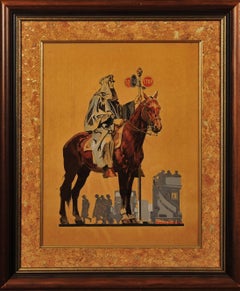
Edward Penfield Art

American, 1866-1925
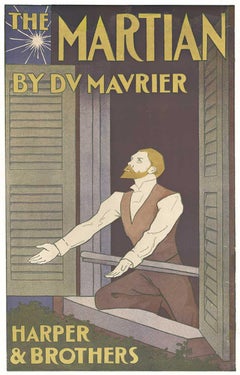
One of the best of our native talents, Penfield is well-known for the decade 1891-1901, during which he was the art director of Harper's. For five of the ten years he produced posters for each month's issue of the then-popular magazine. His drawings are deceptively simple, with flat color and clear lines, but they always manage to convey class and refinement. And there's quite often a gentle touch of humor or irony, refreshing and frivolous. Penfield's posters are models of effective composition and economy of expression (Jack Rennert, PAI-XXVII, 555) When his tenure at Harper's came to an end, Penfield was free to travel, and his experiences are preserved in two books published by Scribner's, Holland Sketches (1907) and Spanish Sketches (1911), in which his graphic sense blossomed in a wealth of detail. The critic Royal Cortissoz commented: "When he made [these], he entered thoroughly into the spirit of his themes and did some of his best work... He was never the technical virtuoso alone. Humanity was always breaking into his world." - Frederic B. Taraba "We are a bit tired of the very serious nowadays, and a little frivolity is refreshing, and yet frivolity to be successful must be most thoroughly studied." So wrote EDWARD PENFIELD near the outset of his highly influential career as an illustrator, art editor, and poster artist, a career guided by keen observation, a cosmopolitan sensibility, and simplicity that belied his meticulously crafted efforts. In looking at the work of Penfield today, we find less of what strikes us as frivolous and more of a keen sense of design and composition. The Art Center Bulletin of April 1925 remembered his contribution to illustrative art this way: "To everything he produced Penfield brought his great gifts of design and draftsmanship, a wonderful sincerity that never faltered, and a beautiful humbleness of spirit." As early as 1894, just a year and a half after Penfield began a series of monthly images for Harper's , his work was heralded by Publisher's Weekly: "The advertising poster has within recent years actually soared into the regions of art." Penfield is also credited with bringing abstraction to commercial art through his boldly simplified shapes. This and other stylistic trademarks resulted from a distillation of a number of influences, including the compositional precepts and casual poses found in Japanese prints, the hand-craftsmanship of the Arts and Crafts movement, the impressionistic approach of Parisian poster-making, and British poise and directness.
to
4
5
3
2
Overall Width
to
Overall Height
to
7
3
2
1
1
7
7
4
4
2
2
2
2
1
1
1
1
1
10

Use search to find more

11
12,120
2,900
2,541
1,673

Use search to find more

Artist: Edward Penfield
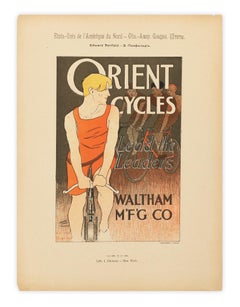
Orient Cycles by Edward Penfield, Bicycle motorcycle lithograph, 1897

Orient Cycles by Edward Penfield, Bicycle motorcycle lithograph, 1897

By Edward Penfield

Located in Chicago, IL

The Waltham Manufacturing Company was co-founded in 1893 in New York by Charles Metz and three business partners. The company's designer, Metz, called his cycles “Orient racing bicycles,” named after the Orient Fire Insurance...

Category

1890s Art Nouveau Edward Penfield Art

Materials

Lithograph

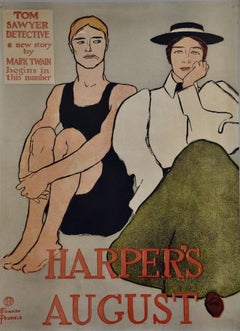
Tom Sawyer Detective by Mark Twain: 19th C. Framed Colored Poster

Tom Sawyer Detective by Mark Twain: 19th C. Framed Colored Poster

By Edward Penfield

Located in Alamo, CA

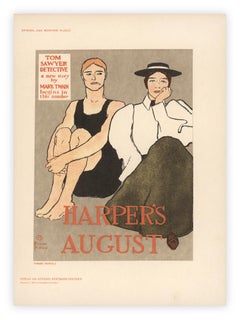
This lithographic colored advertising poster entitled "Tom Sawyer Detective, A New Story by Mark Twain" was created by Edward Penfield in 1897 for Harper & Brothers. The artist's signature appears in the plate in the lower left. The poster depicts a man in a long black bathing suit sitting with his knees up, aimlessly smoking a cigarette, but looking out of the corner of his eyes at a woman in a olive green dress and tan blouse and a black hat, who sits to his left with her head propped in her left hand and a bored or concerned look on her face. The look on the faces of the couple creates an air of mystery. The title of the book is printed in red in the upper left and the issue "Harper's August" in bold letters in the lower poster. The poster promotes a new book by Mark Twain that was published initially in two issues of Harper's Monthly and also in book form by Harper & Brothers in 1896. It is a sequel to "The Adventures of Tom Sawyer", published in 1876, "The Adventures of Huckleberry Finn", published in 1884, and "Tom Sawyer Abroad", also published in 1894. The plot of the book involves Tom Sawyer attempting to solve a mysterious murder. The story is told using the first-person narrative voice of his friend Huck Finn...

Category

1890s Art Deco Edward Penfield Art

Materials

Lithograph

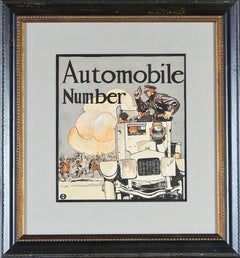
Belgian Automobile Troops Fighting German Dragoons, Collier's Cover

Belgian Automobile Troops Fighting German Dragoons, Collier's Cover

By Edward Penfield

Located in Fort Washington, PA

Medium: Ink, Watercolor, Gouache on Paper laid to Paperboad Signature: Inscribed Collier's Cover Weekly/Sept. 1914/Belgian Automobile Troops/Fighting German Dragoons (on the reverse)...

Category

1910s Edward Penfield Art

Materials

Paper, Ink, Watercolor, Gouache

Original Harper's Magazine vintage poster by Edward Penfield, 1895

Original Harper's Magazine vintage poster by Edward Penfield, 1895

By Edward Penfield

Located in Spokane, WA

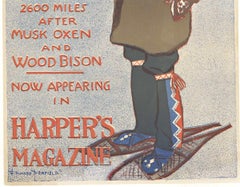
Original. Harper's magazine poster. "On snow shoes to the barren grounds" Very old poster advertising the famous Harper's magazine. Artist Edward Penfield. Edward Penfield (1...

Category

1890s Art Nouveau Edward Penfield Art

Materials

Lithograph

Harper's July,  The German Struggle for Liberty original art nouveau poster

Harper's July, The German Struggle for Liberty original art nouveau poster

By Edward Penfield

Located in Spokane, WA

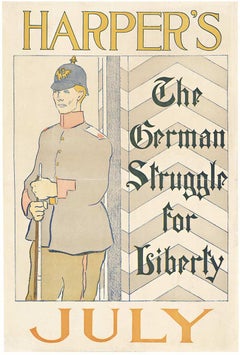
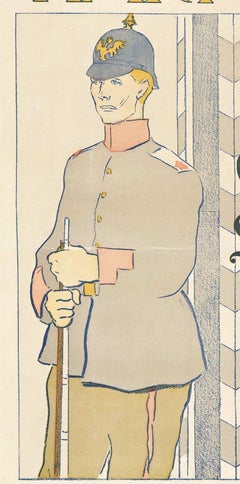
Original Harper's July vintage poster; The German Struggle for Liberty. Original turn of the century lithograph by Edward Penfield. Size: 14 1/8" x 21 18" Penfield created this poster to publicize Bigelow’s lengthy history of the Germanic people, serialized in the Monthly as “the first popular interpretation ever given to the rehabilitation of Germany through the uprising of the German people against the Napoleanic invasion.” July’s number began the series, which was published by Harper and Brothers as a two-volume set in 1896. Harper's June 1895 HARPER’S The German Struggle for Liberty JULY [Poster for Harper’s New Monthly Magazine, Jul 1895]. German soldier at the guardhouse. Four-color lithograph: grey, blue, yellow, and red. New York: Harper & Brothers, published Jun 1895. The magazine Harper's, issue of July, confronts the problems of The German Struggle for Liberty. Shown a German soldier in a helmet and armed with a rifle stands tall, and yet an uneasiness appears on his face. At a closer look, one will notice that not only does the soldier grasp his rifle in support, but in despair. This Harper's July is an Original Vintage Poster; it is not a reproduction. This poster is conservation mounted, linen backed. An restored fold mark across the middle of the image keeps this image from being rated higher (for an original 1895 poster).

Category

1890s Art Nouveau Edward Penfield Art

Materials

Lithograph

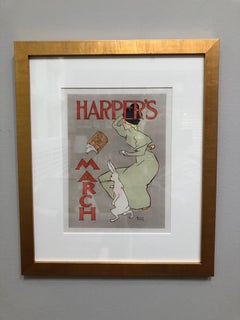
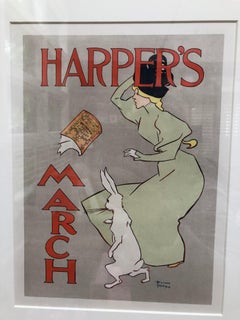
Harpers Magazine "March Hare" Maitres de l'Affiche

Harpers Magazine "March Hare" Maitres de l'Affiche

By Edward Penfield

Located in Hinsdale, IL

PENFIELD, FERDINAND (1866 - 1922) Harper’s Magazine - March Original lithograph from "Les Maitres de L'Affiche" series Printed by Imprimerie Chaix, Paris Bearing MDL stamp lowe...

Category

1890s Art Nouveau Edward Penfield Art

Materials

Lithograph

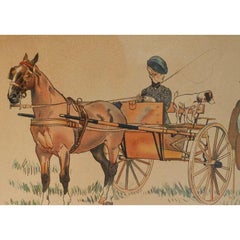
"Meadow Brook Cart" by Edward Penfield

"Meadow Brook Cart" by Edward Penfield

By Edward Penfield

Located in Bristol, CT

Charming hand-colour plate c1900 by Edward Penfield (1866-1925) Carts Series No.1. Print Sz:15 1/2"H x 22"W Frame Sz: 20"H x 26"W w/ Hermes orange mat

Category

Early 1900s Edward Penfield Art

Materials

Lithograph

President Cleveland, Saturday Evening Post Cover

President Cleveland, Saturday Evening Post Cover

By Edward Penfield

Located in Fort Washington, PA

Medium: Watercolor on Paper Laid to Board Signature: Signed Lower Left Saturday Evening Post Cover, June 20, 1908 Edward Penfield produced some of America’s finest posters. His clean style and large silhouetted shapes resulted from much careful preliminary refinement and elimination of detail. Horses and coaches were a favorite subject with him, as typified with his picture of the colonial Post Road. A notable series of his illustrations were contained in his book, Holland Sketches...

Category

Early 1900s Other Art Style Edward Penfield Art

Materials

Paper, Watercolor, Board

Related Items
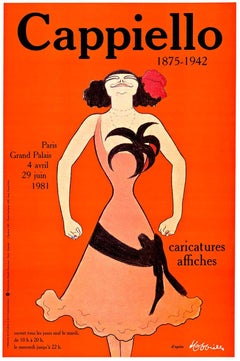
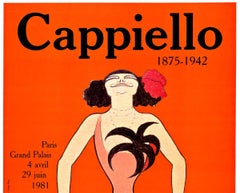
Original Cappiello Caricatures Affiches Paris Grand Palais exhibition poster

Original Cappiello Caricatures Affiches Paris Grand Palais exhibition poster

By Leonetto Cappiello

Located in Spokane, WA

Original Vintage 1981 Cappiello Exhibition Poster held at the Paris Grand Palais. Celebrating the Iconic Artwork of Leonetto Cappiello. Linen backed in very good condition without an...

Category

1980s Art Deco Edward Penfield Art

Materials

Lithograph

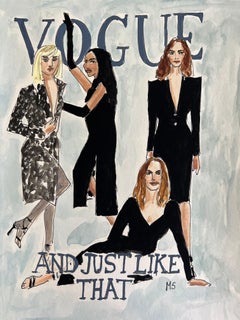
Supermodels in Vogue: Contemporary Watercolor on Paper, Unframed 14x11

Supermodels in Vogue: Contemporary Watercolor on Paper, Unframed 14x11

By Manuel Santelices

Located in Miami Beach, FL

The artist has covered New York collections for over 16 years and has interviewed, as a journalist, several fashion designers and personalities for different publications. He loves t...

Category

21st Century and Contemporary Contemporary Edward Penfield Art

Materials

Ink, Paper, Watercolor, Gouache

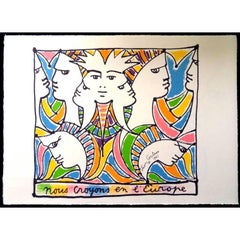
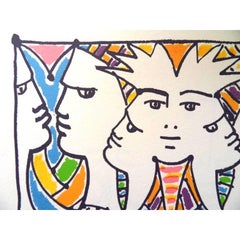
Jean Cocteau - Europe and the World - Lithograph

Jean Cocteau - Europe and the World - Lithograph

By Jean Cocteau

Located in Collonge Bellerive, Geneve, CH

Lithograph by Jean Cocteau Title: Europe and the World Signed in the plate Dimensions: 33 x 46 cm Edition: 200 Luxury print edition from the portfolio of Sciaky 1961

Category

1960s Modern Edward Penfield Art

Materials

Lithograph

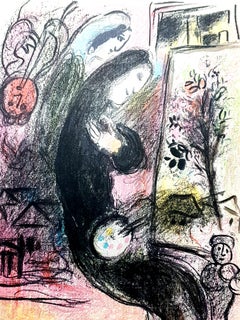
Marc Chagall - Inspiration - Original Lithograph from "Chagall Lithographe" v. 2

Marc Chagall - Inspiration - Original Lithograph from "Chagall Lithographe" v. 2

By Marc Chagall

Located in Collonge Bellerive, Geneve, CH

Marc Chagall Original Lithograph from Chagall Lithographe 1957-1962. VOLUME II. 1963 Dimensions: 32 x 24 cm From the unsigned edition of 10000 copies without margins Reference: Mourlot 398 Condition : Excellent Marc Chagall (born in 1887) Marc Chagall was born in Belarus in 1887 and developed an early interest in art. After studying painting, in 1907 he left Russia for Paris, where he lived in an artist colony on the city’s outskirts. Fusing his own personal, dreamlike imagery with hints of the fauvism and cubism popular in France at the time, Chagall created his most lasting work—including I and the Village (1911)—some of which would be featured in the Salon des Indépendants exhibitions. After returning to Vitebsk for a visit in 1914, the outbreak of WWI trapped Chagall in Russia. He returned to France in 1923 but was forced to flee the country and Nazi persecution during WWII. Finding asylum in the U.S., Chagall became involved in set and costume design before returning to France in 1948. In his later years, he experimented with new art forms and was commissioned to produce numerous large-scale works. Chagall died in St.-Paul-de-Vence in 1985. The Village Marc Chagall was born in a small Hassidic community on the outskirts of Vitebsk, Belarus, on July 7, 1887. His father was a fishmonger, and his mother ran a small sundries shop in the village. As a child, Chagall attended the Jewish elementary school, where he studied Hebrew and the Bible, before later attending the Russian public school. He began to learn the fundamentals of drawing during this time, but perhaps more importantly, he absorbed the world around him, storing away the imagery and themes that would feature largely in most of his later work. At age 19 Chagall enrolled at a private, all-Jewish art school and began his formal education in painting, studying briefly with portrait artist Yehuda Pen. However, he left the school after several months, moving to St. Petersburg in 1907 to study at the Imperial Society for the Protection of Fine Arts. The following year, he enrolled at the Svanseva School, studying with set designer Léon Bakst, whose work had been featured in Sergei Diaghilev's Ballets Russes. This early experience would prove important to Chagall’s later career as well. Despite this formal instruction, and the widespread popularity of realism in Russia at the time, Chagall was already establishing his own personal style, which featured a more dreamlike unreality and the people, places and imagery that were close to his heart. Some examples from this period are his Window Vitebsk (1908) and My Fianceé with Black Gloves (1909), which pictured Bella Rosenfeld, to whom he had recently become engaged. The Beehive Despite his romance with Bella, in 1911 an allowance from Russian parliament member and art patron Maxim Binaver enabled Chagall to move to Paris, France. After settling briefly in the Montparnasse neighborhood, Chagall moved further afield to an artist colony known as La Ruche (“The Beehive”), where he began to work side by side with abstract painters such as Amedeo Modigliani and Fernand Léger as well as the avant-garde poet Guillaume Apollinaire. At their urging, and under the influence of the wildly popular fauvism and cubism, Chagall lightened his palette and pushed his style ever further from reality. I and the Village (1911) and Homage to Apollinaire (1912) are among his early Parisian works, widely considered to be his most successful and representative period. Though his work stood stylistically apart from his cubist contemporaries, from 1912 to 1914 Chagall exhibited several paintings at the annual Salon des Indépendants exhibition, where works by the likes of Juan Gris, Marcel Duchamp and Robert Delaunay were causing a stir in the Paris art world. Chagall’s popularity began to spread beyond La Ruche, and in May 1914 he traveled to Berlin to help organize his first solo exhibition, at Der Sturm Gallery. Chagall remained in the city until the highly acclaimed show opened that June. He then returned to Vitebsk, unaware of the fateful events to come. War, Peace and Revolution In August 1914 the outbreak of World War I precluded Chagall’s plans to return to Paris. The conflict did little to stem the flow of his creative output, however, instead merely giving him direct access to the childhood scenes so essential to his work, as seen in paintings such as Jew in Green (1914) and Over Vitebsk (1914). His paintings from this period also occasionally featured images of the war’s impact on the region, as with Wounded Soldier (1914) and Marching (1915). But despite the hardships of life during wartime, this would also prove to be a joyful period for Chagall. In July 1915 he married Bella, and she gave birth to a daughter, Ida, the following year. Their appearance in works such as Birthday (1915), Bella and Ida by the Window (1917) and several of his “Lovers” paintings give a glimpse of the island of domestic bliss that was Chagall’s amidst the chaos. To avoid military service and stay with his new family, Chagall took a position as a clerk in the Ministry of War Economy in St. Petersburg. While there he began work on his autobiography and also immersed himself in the local art scene, befriending novelist Boris Pasternak, among others. He also exhibited his work in the city and soon gained considerable recognition. That notoriety would prove important in the aftermath of the 1917 Russian Revolution when he was appointed as the Commissar of Fine Arts in Vitebsk. In his new post, Chagall undertook various projects in the region, including the 1919 founding of the Academy of the Arts. Despite these endeavors, differences among his colleagues eventually disillusioned Chagall. In 1920 he relinquished his position and moved his family to Moscow, the post-revolution capital of Russia. In Moscow, Chagall was soon commissioned to create sets and costumes for various productions at the Moscow State Yiddish Theater...

Category

1960s Surrealist Edward Penfield Art

Materials

Lithograph

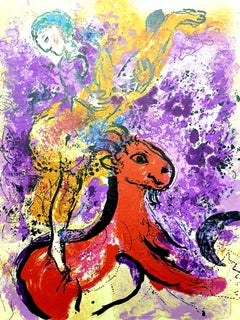
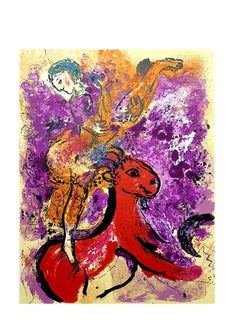
Marc Chagall - The Red Rider - Original Lithograph

Marc Chagall - The Red Rider - Original Lithograph

By Marc Chagall

Located in Collonge Bellerive, Geneve, CH

Marc Chagall - Original Lithograph The Red Rider From the unsigned, unnumbered lithograph printed in the literary review XXe Siecle 1957 See Mourlot 191 Dimensions: 32 x 24 cm Publisher: G. di San Lazzaro. Marc Chagall (born in 1887) Marc Chagall was born in Belarus in 1887 and developed an early interest in art. After studying painting, in 1907 he left Russia for Paris, where he lived in an artist colony on the city’s outskirts. Fusing his own personal, dreamlike imagery with hints of the fauvism and cubism popular in France at the time, Chagall created his most lasting work—including I and the Village (1911)—some of which would be featured in the Salon des Indépendants exhibitions. After returning to Vitebsk for a visit in 1914, the outbreak of WWI trapped Chagall in Russia. He returned to France in 1923 but was forced to flee the country and Nazi persecution during WWII. Finding asylum in the U.S., Chagall became involved in set and costume design before returning to France in 1948. In his later years, he experimented with new art forms and was commissioned to produce numerous large-scale works. Chagall died in St.-Paul-de-Vence in 1985. The Village Marc Chagall was born in a small Hassidic community on the outskirts of Vitebsk, Belarus, on July 7, 1887. His father was a fishmonger, and his mother ran a small sundries shop in the village. As a child, Chagall attended the Jewish elementary school, where he studied Hebrew and the Bible, before later attending the Russian public school. He began to learn the fundamentals of drawing during this time, but perhaps more importantly, he absorbed the world around him, storing away the imagery and themes that would feature largely in most of his later work. At age 19 Chagall enrolled at a private, all-Jewish art school and began his formal education in painting, studying briefly with portrait artist Yehuda Pen. However, he left the school after several months, moving to St. Petersburg in 1907 to study at the Imperial Society for the Protection of Fine Arts. The following year, he enrolled at the Svanseva School, studying with set designer Léon Bakst, whose work had been featured in Sergei Diaghilev's Ballets Russes. This early experience would prove important to Chagall’s later career as well. Despite this formal instruction, and the widespread popularity of realism in Russia at the time, Chagall was already establishing his own personal style, which featured a more dreamlike unreality and the people, places and imagery that were close to his heart. Some examples from this period are his Window Vitebsk (1908) and My Fianceé with Black Gloves (1909), which pictured Bella Rosenfeld, to whom he had recently become engaged. The Beehive Despite his romance with Bella, in 1911 an allowance from Russian parliament member and art patron Maxim Binaver enabled Chagall to move to Paris, France. After settling briefly in the Montparnasse neighborhood, Chagall moved further afield to an artist colony known as La Ruche (“The Beehive”), where he began to work side by side with abstract painters such as Amedeo Modigliani and Fernand Léger as well as the avant-garde poet Guillaume Apollinaire. At their urging, and under the influence of the wildly popular fauvism and cubism, Chagall lightened his palette and pushed his style ever further from reality. I and the Village (1911) and Homage to Apollinaire (1912) are among his early Parisian works, widely considered to be his most successful and representative period. Though his work stood stylistically apart from his cubist contemporaries, from 1912 to 1914 Chagall exhibited several paintings at the annual Salon des Indépendants exhibition, where works by the likes of Juan Gris, Marcel Duchamp and Robert Delaunay were causing a stir in the Paris art world. Chagall’s popularity began to spread beyond La Ruche, and in May 1914 he traveled to Berlin to help organize his first solo exhibition, at Der Sturm Gallery. Chagall remained in the city until the highly acclaimed show opened that June. He then returned to Vitebsk, unaware of the fateful events to come. War, Peace and Revolution In August 1914 the outbreak of World War I precluded Chagall’s plans to return to Paris. The conflict did little to stem the flow of his creative output, however, instead merely giving him direct access to the childhood scenes so essential to his work, as seen in paintings such as Jew in Green (1914) and Over Vitebsk (1914). His paintings from this period also occasionally featured images of the war’s impact on the region, as with Wounded Soldier (1914) and Marching (1915). But despite the hardships of life during wartime, this would also prove to be a joyful period for Chagall. In July 1915 he married Bella, and she gave birth to a daughter, Ida, the following year. Their appearance in works such as Birthday (1915), Bella and Ida by the Window (1917) and several of his “Lovers” paintings give a glimpse of the island of domestic bliss that was Chagall’s amidst the chaos. To avoid military service and stay with his new family, Chagall took a position as a clerk in the Ministry of War Economy in St. Petersburg. While there he began work on his autobiography and also immersed himself in the local art scene, befriending novelist Boris Pasternak, among others. He also exhibited his work in the city and soon gained considerable recognition. That notoriety would prove important in the aftermath of the 1917 Russian Revolution when he was appointed as the Commissar of Fine Arts in Vitebsk. In his new post, Chagall undertook various projects in the region, including the 1919 founding of the Academy of the Arts. Despite these endeavors, differences among his colleagues eventually disillusioned Chagall. In 1920 he relinquished his position and moved his family to Moscow, the post-revolution capital of Russia. In Moscow, Chagall was soon commissioned to create sets and costumes for various productions at the Moscow State Yiddish Theater, where he would paint a series of murals titled Introduction to the Jewish Theater as well. In 1921, Chagall also found work as a teacher at a school for war orphans. By 1922, however, Chagall found that his art had fallen out of favor, and seeking new horizons he left Russia for good. Flight After a brief stay in Berlin, where he unsuccessfully sought to recover the work exhibited at Der Sturm before the war, Chagall moved his family to Paris in September 1923. Shortly after their arrival, he was commissioned by art dealer and publisher Ambroise Vollard to produce a series of etchings for a new edition of Nikolai Gogol's 1842 novel Dead Souls. Two years later Chagall began work on an illustrated edition of Jean de la Fontaine’s Fables, and in 1930 he created etchings for an illustrated edition of the Old Testament, for which he traveled to Palestine to conduct research. Chagall’s work during this period brought him new success as an artist and enabled him to travel throughout Europe in the 1930s. He also published his autobiography, My Life (1931), and in 1933 received a retrospective at the Kunsthalle in Basel, Switzerland. But at the same time that Chagall’s popularity was spreading, so, too, was the threat of Fascism and Nazism. Singled out during the cultural "cleansing" undertaken by the Nazis in Germany, Chagall’s work was ordered removed from museums throughout the country. Several pieces were subsequently burned, and others were featured in a 1937 exhibition of “degenerate art” held in Munich. Chagall’s angst regarding these troubling events and the persecution of Jews in general can be seen in his 1938 painting White Crucifixion. With the eruption of World War II, Chagall and his family moved to the Loire region before moving farther south to Marseilles following the invasion of France. They found a more certain refuge when, in 1941, Chagall’s name was added by the director of the Museum of Modern Art (MOMA) in New York City to a list of artists and intellectuals deemed most at risk from the Nazis’ anti-Jewish campaign. Chagall and his family would be among the more than 2,000 who received visas and escaped this way. Haunted Harbors Arriving in New York City in June 1941, Chagall discovered that he was already a well-known artist there and, despite a language barrier, soon became a part of the exiled European artist community. The following year he was commissioned by choreographer Léonide Massine to design sets and costumes for the ballet Aleko, based on Alexander Pushkin’s “The Gypsies” and set to the music of Pyotr Ilyich Tchaikovsky. But even as he settled into the safety of his temporary home, Chagall’s thoughts were frequently consumed by the fate befalling the Jews of Europe and the destruction of Russia, as paintings such as The Yellow Crucifixion...

Category

1950s Surrealist Edward Penfield Art

Materials

Lithograph

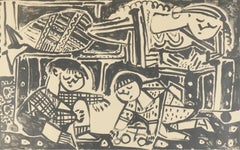
La Mère et les Enfants

Pablo PicassoLa Mère et les Enfants, 1953

$32,000

H 19.75 in W 29.25 in

La Mère et les Enfants

By Pablo Picasso

Located in New York, NY

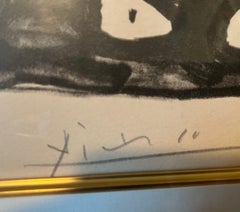
Signed by Picasso in pencil lower left. Numbered 32/50 in pencil lower right. Catalogue raisonne references: Bloch 739; Mourlot 239; Reuße 625. Framed print. Framed dimensions ...

Category

1950s Cubist Edward Penfield Art

Materials

Lithograph

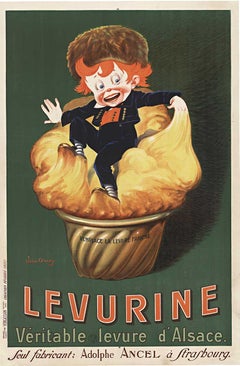
Original Levurine French vintage poster, full lithograph

John OnwyOriginal Levurine French vintage poster, full lithograph, 1920

$1,560Sale Price|20% Off

H 46.25 in W 30.75 in D 0.05 in

Original Levurine French vintage poster, full lithograph

Located in Spokane, WA

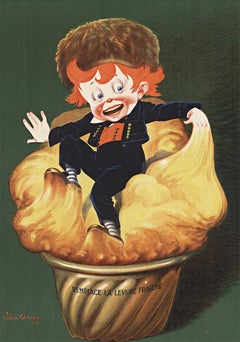
Original French poster Levurine. Artist John Onwy. Archival linen backed in very good condition with very minor touch up. Rare kitchen original lithograph. Printed by Vercasson, one of France’s premier stone lithograph companies. This poster is now over 100 years old! This little red-headed boy is sitting in a backing tin that has grown in size because Levurine is a yeast used in backing. The artist Onwy is known for his children's designs in the old French posters...

Category

1920s Art Deco Edward Penfield Art

Materials

Lithograph

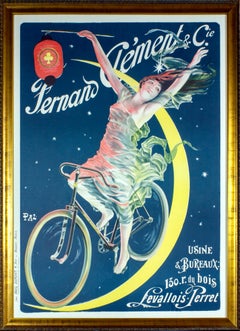
"Fernand Clement & Cie" lithograph print poster by Pal (Jean de Paléologue)

"Fernand Clement & Cie" lithograph print poster by Pal (Jean de Paléologue)

By Pal (Jean de Paléologue)

Located in Boca Raton, FL

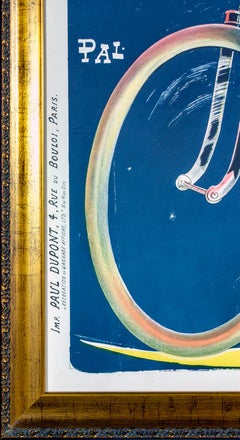
"Fernand Clément & Cie" framed lithograph poster by Pal (Jean de Paléologue.) Inscription on side reads Imp. Paul Dupont, 4 Rue du Bouloi, Paris. Recreation 84 Wannabe Affiche, Ltd. ...

Category

1890s Art Nouveau Edward Penfield Art

Materials

Lithograph

Mughal School, 18th century Emperor Jangahir on a pleasure boat with his harem a

Mughal School, 18th century Emperor Jangahir on a pleasure boat with his harem a

Located in Middletown, NY

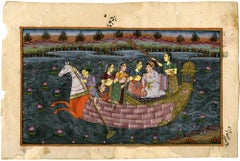
Emperor Jahangir depicted with his harem attendees aboard a pleasure cruise, the water filled with lotus blossoms; symbols of paradise itself. Circa 1750. Gouache and ink with gold ...

Category

18th Century Rajput Edward Penfield Art

Materials

Gold

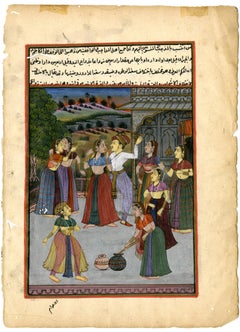
Mughal School, 18th century – Emperor Jahangir dancing with his harem attendees

Mughal School, 18th century – Emperor Jahangir dancing with his harem attendees

Located in Middletown, NY

A joyful scene of lighthearted merriment in the palace of Jangahir Mahal Agra Circa 1750. Gouache and ink with gold heightening on light weight cream laid paper, 8 1/4 x 6 inches (2...

Category

18th Century Rajput Edward Penfield Art

Materials

Gold

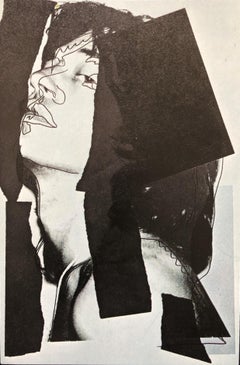
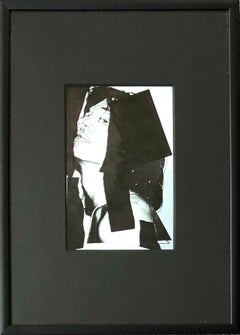
Mick Jagger X - Andy Warhol, Announcement card, Rolling Stones, Musician, Pop

Mick Jagger X - Andy Warhol, Announcement card, Rolling Stones, Musician, Pop

By (after) Andy Warhol

Located in Knowle Lane, Cranleigh

Mick Jagger X - After Andy Warhol. This black and white colour scheme lithographic print features - Mick Jagger - an iconic rock legend who was the frontman and one of the founders ...

Category

1970s Pop Art Edward Penfield Art

Materials

Lithograph

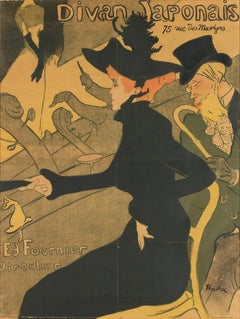
Divan Japonais

Divan Japonais

By Henri de Toulouse-Lautrec

Located in New York, NY

Color lithograph. Printed by Ancourt, Paris. The Divan Japonais was a small café-concert at 75 rue des Martyrs, Paris, where Yvette Guilbert began her career. This is Toulouse-Lautr...

Category

1890s Art Nouveau Edward Penfield Art

Materials

Color, Lithograph

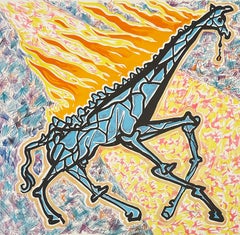
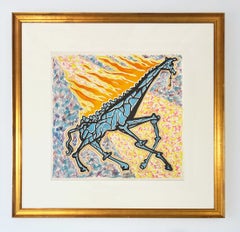
Salvador Dali Color Lithograph, Signed, 1976, The Burning Giraffe

Salvador Dali Color Lithograph, Signed, 1976, The Burning Giraffe

By Salvador Dalí­

Located in Washington, DC

Artist: Salvador Dali Title: La Girafe en Feu (The Burning Giraffe) Medium: Lithograph in colors Year: 1976 Edition: CLXI/CCL Frame Size: 27 1/2" x 28 1/4" Sheet Size: 18 3/4” x 25 1...

Category

1970s Surrealist Edward Penfield Art
Materials

Lithograph

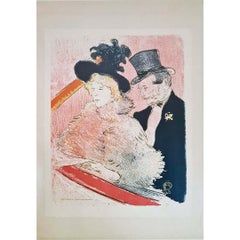
Original 1898 lithography entitled "Le Concert" by Henri de Toulouse-Lautrec

Original 1898 lithography entitled "Le Concert" by Henri de Toulouse-Lautrec

By Henri de Toulouse-Lautrec

Located in PARIS, FR

The original 1898 lithography entitled "Le Concert" by Henri de Toulouse-Lautrec is a work of great artistic finesse, capturing both the artist's distinctive style and the elegant scene of society at the time. This lithograph features a well-dressed, wealthy couple in a red theater box. The gentleman is Gabriel Tapié de Céleyran and the lady is Émilienne d'Alençon. The woman is dressed in fur and wears an elaborate black hat, exuding undeniable elegance and sophistication. Lautrec meticulously captures the details of their clothing and expressions, creating a striking depiction of 19th-century high society. This lithograph was commissioned from Toulouse-Lautrec by Ault and Wiborg, American manufacturers of lithographic ink. It was part of a limited edition printed in Paris, with the original zinc plates subsequently shipped to America for printing in the main edition. The four original zinc plates are now housed at the Art Institute of Chicago. This work is all the more remarkable as it is believed to be the only lithograph Lautrec...

Category

1890s Art Nouveau Edward Penfield Art
Materials

Paper, Lithograph

Previously Available Items
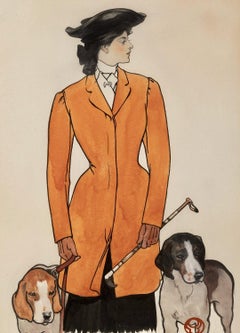
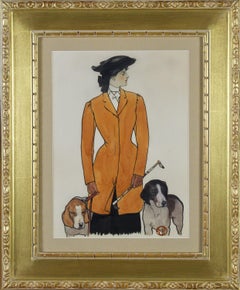
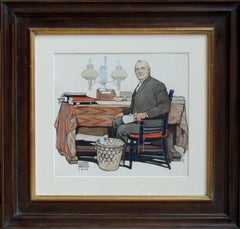
Woman with Hounds, Original Cover for The Saturday Evening Post

Woman with Hounds, Original Cover for The Saturday Evening Post

By Edward Penfield

Located in Fort Washington, PA

Cover of The Saturday Evening Post, October 27, 1906 Edward Penfield, widely recognized as the father of American poster design, revolutionized visual communication with his minima...

Category

Early 1900s Edward Penfield Art
Materials

Watercolor, Board

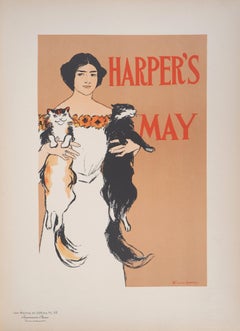
Young Lady and Two Cats (Harper's) - Lithograph (Les Maîtres de l'Affiche), 1897

Young Lady and Two Cats (Harper's) - Lithograph (Les Maîtres de l'Affiche), 1897

By Edward Penfield

Located in Paris, IDF

Edward PENFIELD (1866-1925) Young Lady and Two Cats (Harper's), 1897 Original lithograph Printed signature in the plate On vellum Size 39 x 29 cm (c. 15.3 x 11.4") INFORMATION : P...

Category

1890s Art Nouveau Edward Penfield Art
Materials

Lithograph

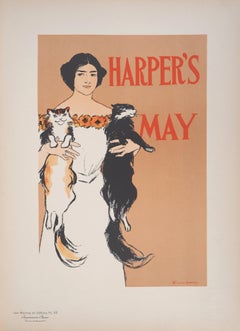
Young Lady and Two Cats (Harper's) - Lithograph (Les Maîtres de l'Affiche), 1897

Young Lady and Two Cats (Harper's) - Lithograph (Les Maîtres de l'Affiche), 1897

By Edward Penfield

Located in Paris, IDF

Edward PENFIELD (1866-1925) Young Lady and Two Cats (Harper's), 1897 Stone ithograph Printed signature in the plate On vellum Size 39 x 29 cm (c. 15.3 x 11.4") INFORMATION : Plate...

Category

1890s Art Nouveau Edward Penfield Art
Materials

Lithograph

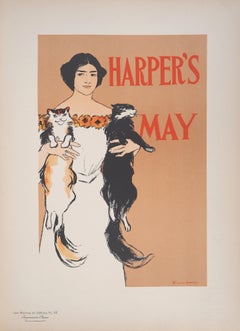
Young Lady and Two Cats (Harper's) - Lithograph (Les Maîtres de l'Affiche), 1897

Young Lady and Two Cats (Harper's) - Lithograph (Les Maîtres de l'Affiche), 1897

By Edward Penfield

Located in Paris, IDF

Edward PENFIELD (1866-1925) Young Lady and Two Cats (Harper's), 1897 Stone ithograph Printed signature in the plate On vellum Size 39 x 29 cm (c. 15.3 x 11.4") INFORMATION : Plate...

Category

1890s Art Nouveau Edward Penfield Art
Materials

Lithograph

Harper's Christmas Poster by Penfield

Harper's Christmas Poster by Penfield

By Edward Penfield

Located in Paonia, CO

Harper's Christmas poster for Harper's Monthly Magazine is a three color lithograph published by Harper & Brothers , New York., 1895. Father Chris...

Category

1890s Art Nouveau Edward Penfield Art
Materials

Lithograph

Policeman on Horseback

Policeman on Horseback

By Edward Penfield

Located in Fort Washington, PA

Magazine Cover of a policeman on horseback. Edward Penfield produced some of America’s finest posters. His clean style and large silhouetted shapes resulted from much careful preliminary refinement and elimination of detail. Horses and coaches were a favorite subject with him, as typified with his picture of the colonial Post Road. A notable series of his illustrations were contained in his book, Holland Sketches...

Category

1910s Other Art Style Edward Penfield Art
Materials

Board, Oil

Edward Penfield art for sale on 1stDibs.

Find a wide variety of authentic Edward Penfield art available for sale on 1stDibs. If you’re browsing the collection of art to introduce a pop of color in a neutral corner of your living room or bedroom, you can find work that includes elements of orange and other colors. You can also browse by medium to find art by Edward Penfield in lithograph, paint, paper and more. Much of the original work by this artist or collective was created during the 19th century and is mostly associated with the Art Deco style. Not every interior allows for large Edward Penfield art, so small editions measuring 8 inches across are available. Customers who are interested in this artist might also find the work of Eugene Grasset, Charles Herbert Woodbury, and Aleardo Terzi. Edward Penfield art prices can differ depending upon medium, time period and other attributes. On 1stDibs, the price for these items starts at $330 and tops out at $59,000, while the average work can sell for $1,500.
Artists Similar to Edward Penfield