By Lacloche Freres
Located in London, GB
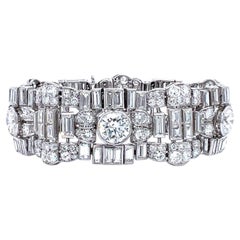
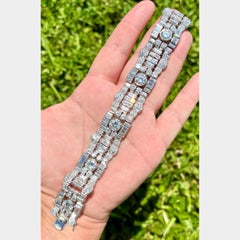
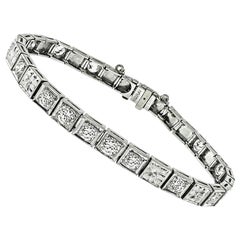
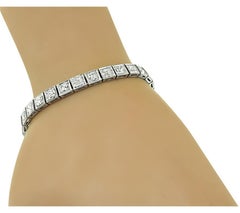
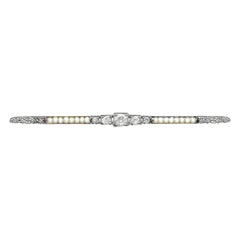
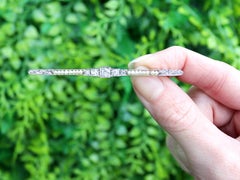
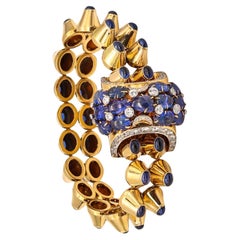
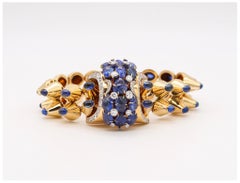
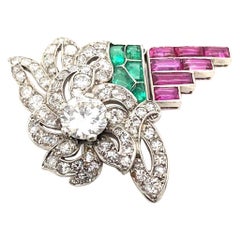
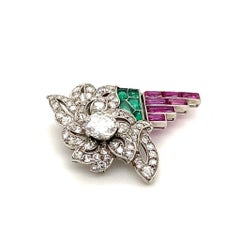
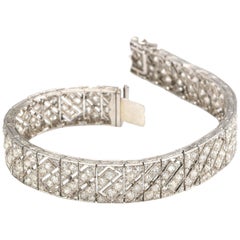
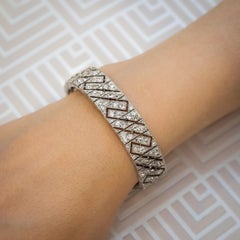
A Lacloche Frères, Art Deco diamond bracelet, set with old-cut diamonds, weighing approximately 14.50ct, in a geometric, diagonal design, of interlocking rows, with millegrain edges, with engraved sides, mounted in platinum, with French dog marks for platinum and an eagle head mark, for the white gold tongue. The bracelet is signed Lacloche Freres and numbered 68486.
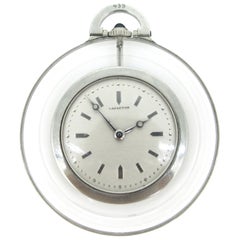
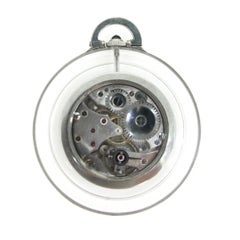
Lacloche Frères started as a Spanish jewellery house. It became known for some of the finest and most creative Art Deco jewellery and Objets d’Art. Four brothers, Fernand, Jacques, Jules and Leopold Lacloche founded the firm, in Madrid, with origins dating back to 1875. They were not born into the jewellery trade, their father was in the textiles business. The brothers had various companies and shops both in Spain and France, opening their first French establishment in Paris, in 1892, in the rue de Châteaudun. After the death of Jacques, in a train crash, in 1900, the remaining three brothers amalgamated their separate business interests to form Lacloche Frères, at 15, Rue de la Paix, Paris, in 1901. When the London jeweller, Edwin Streeter, retired in 1904, they acquired his stock, which included the historic, rose pink, Agra diamond, although they didn’t keep it for long, auctioning it at Christies the following year. By 1908 there was a total of seven European store locations, in Madrid and London as well as branches in Nice, Biarritz, San Sebastián, Cannes and Deauville. They had gained a reputation for beautiful jewellery and timepieces. A collaboration between several exceptional craftsmen - Lalique, Verger, Vacheron Constantin and the enameller Paillet produced a fine pendant watch. They didn't tend to adopt the Art Nouveau style, instead favouring the more commercial diamond and gem set designs of the day. In 1912 Fabergé’s London store was closed, when the Russian government repatriated Fabergé’s personnel and assets. Lacloche bought the remaining stock and set up shop in its place, in 1917. Three years later the son of the deceased Jacques, also called Jacques, was entrusted to run the business in London having been trained by his uncles, in particular Fernand.
During the 1920s and 1930s the company gained its reputation for refined craftsmanship and elegance of design, particularly in the Art Deco style. They exhibited at the 1925 Paris Exposition des Art Décoratifs, that was held in Paris, over a six-month period, winning a Grand Prix for their display of fabulous jewels including a range of pendants and bracelets inspired by the classic La Fontaine’s fables.
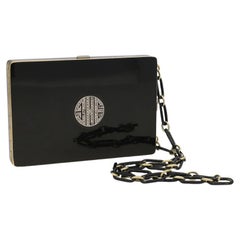
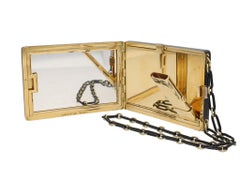
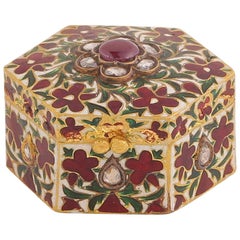
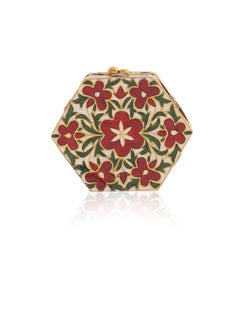
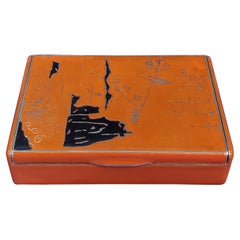
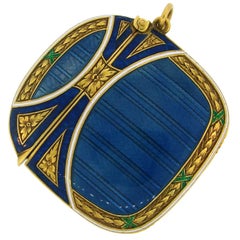
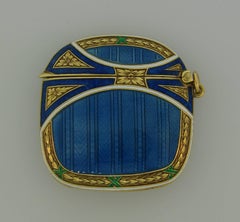
Lacloche Frères were inspired by different genres including the East and a variety of motifs from Chinese and Japanese art and culture. Their brightly coloured, jewelled, geometric cigarette cases and necessaires also known as vanity cases, made in a wide variety of shapes and designs, utilising decorative materials, including lacquer and enamel, with diamond and precious stone motifs are among some of the best of the period. They were also known for their mother-of-pearl inlaid clocks and their ladies accessories...
Category
Early 20th Century French Art Deco Lacloche Frères Jewelry
MaterialsDiamond, Platinum