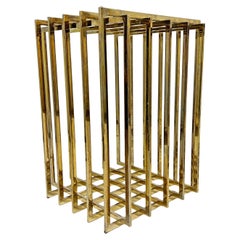
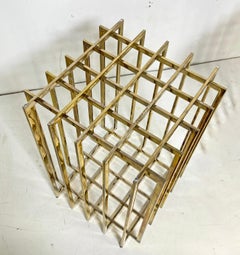
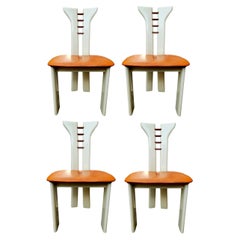
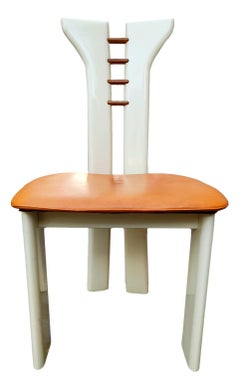
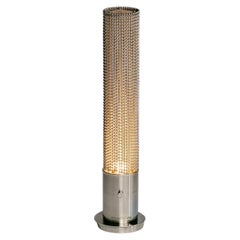
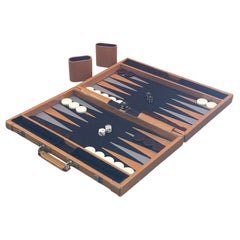
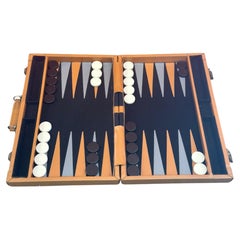
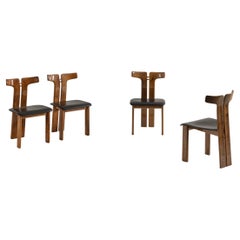
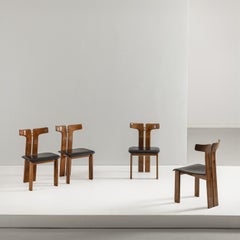
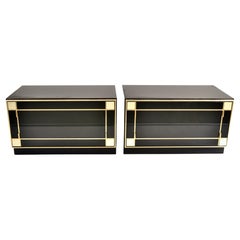
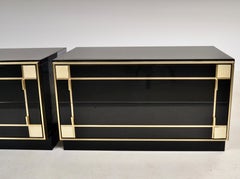
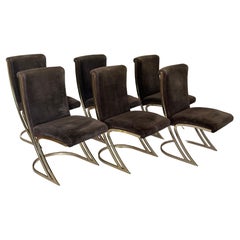
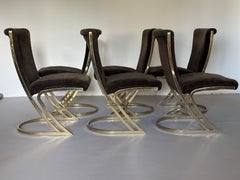
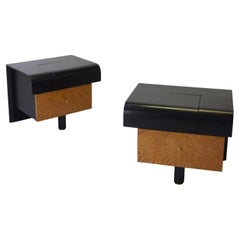
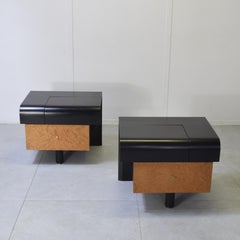
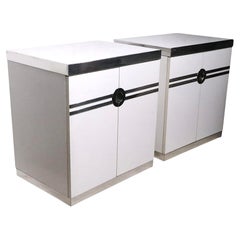
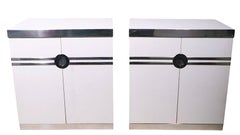
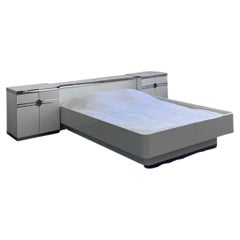
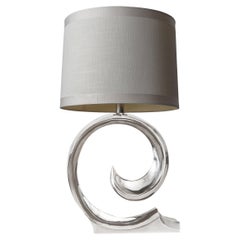
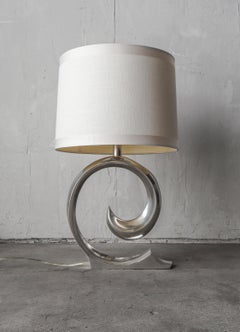
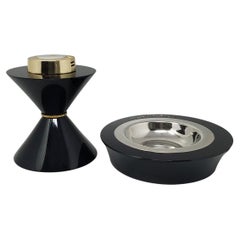
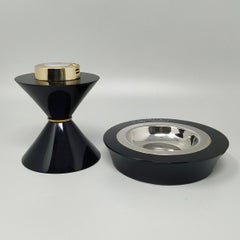
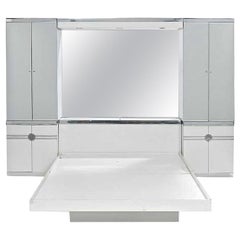
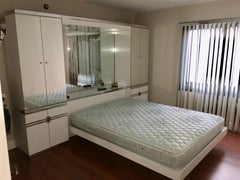
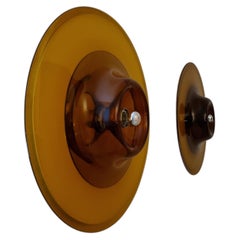
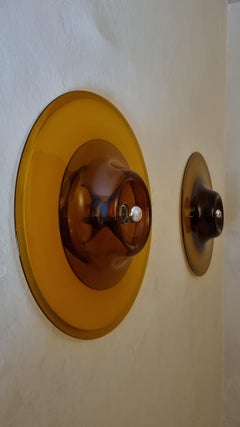
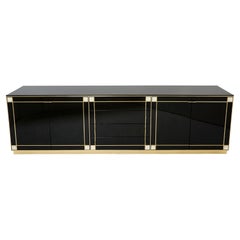
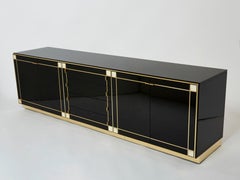
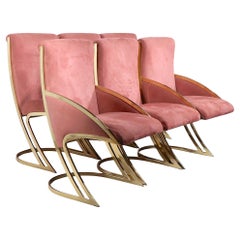
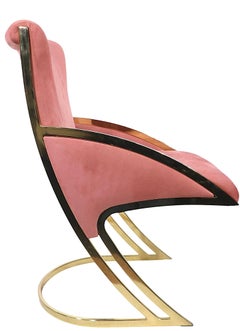
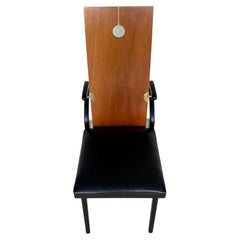
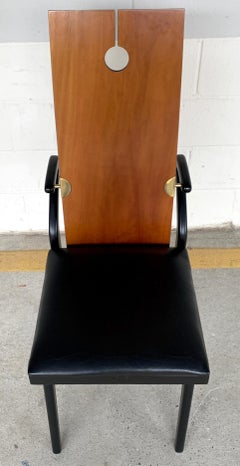
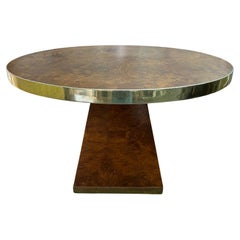
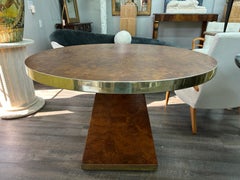
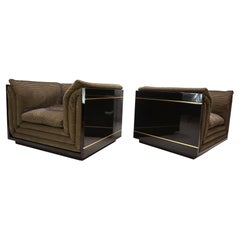
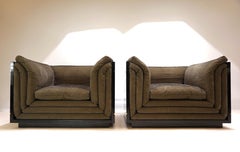
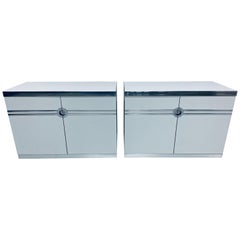
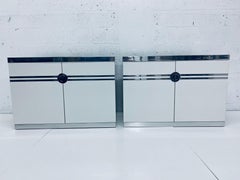
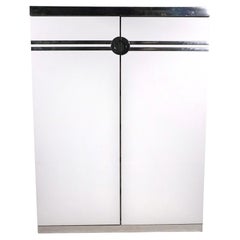
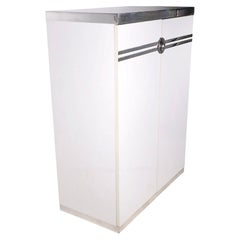
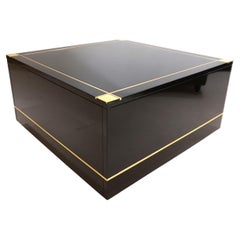
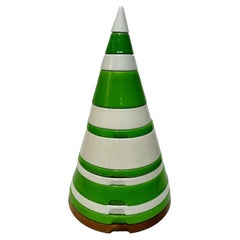
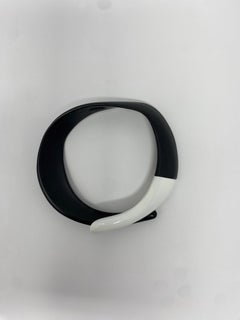
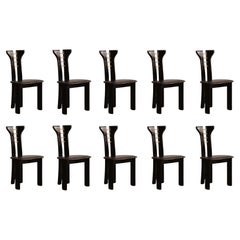
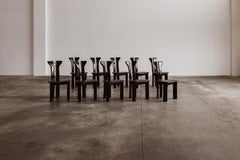
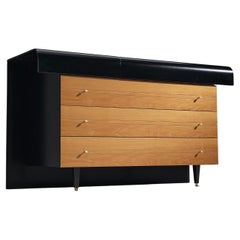
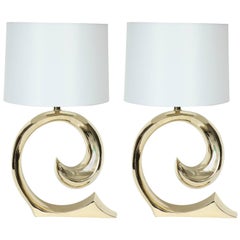
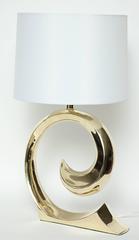
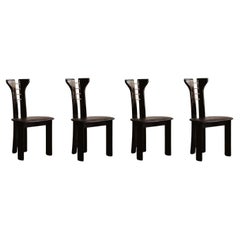
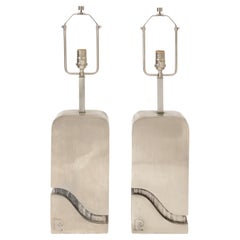
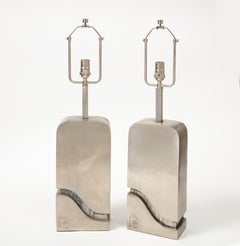
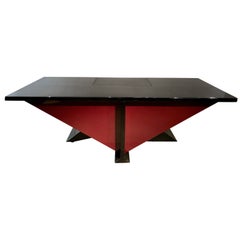
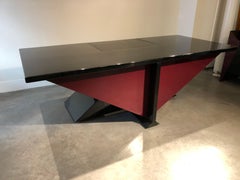
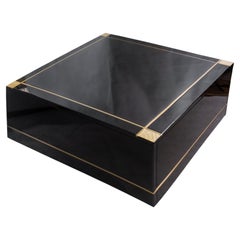
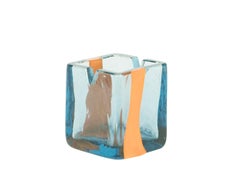
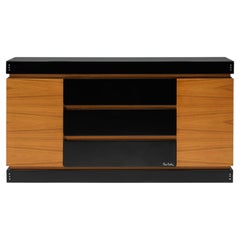
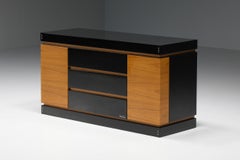
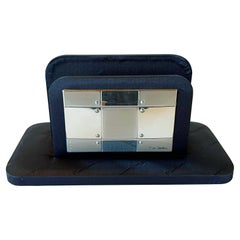
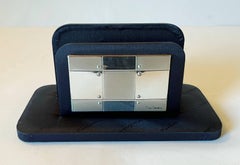
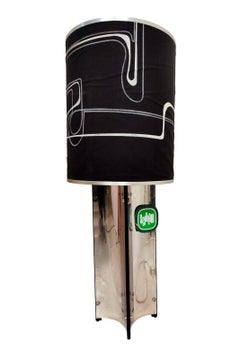
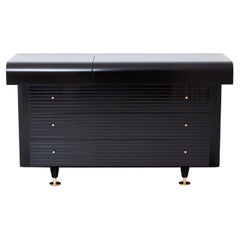
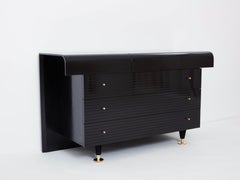
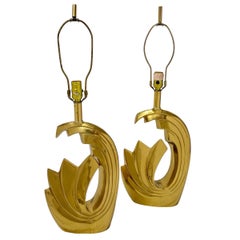
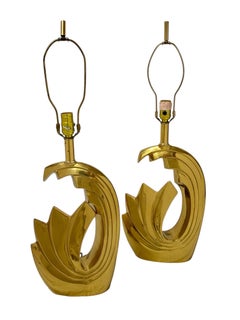
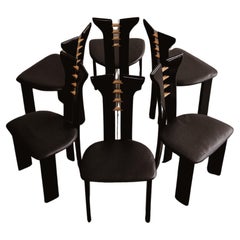
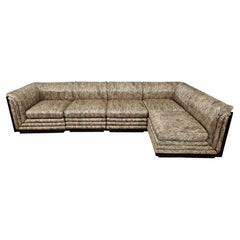
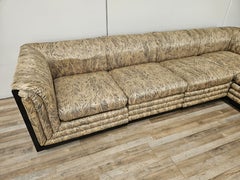
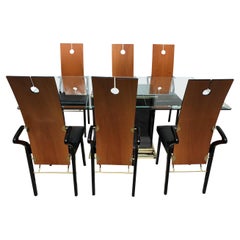
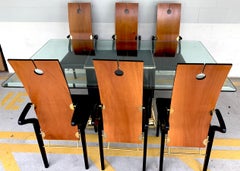
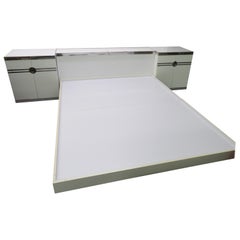
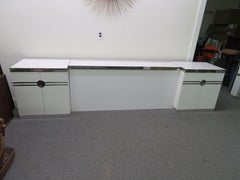
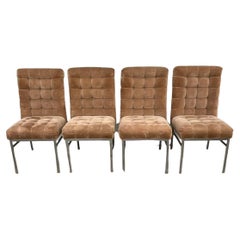
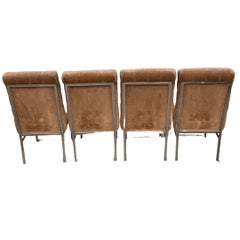
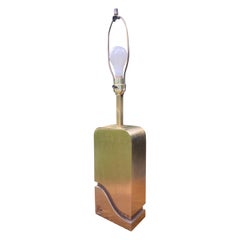
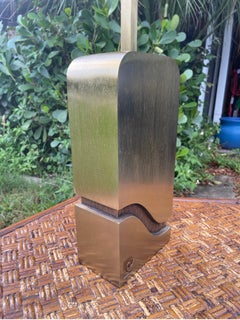
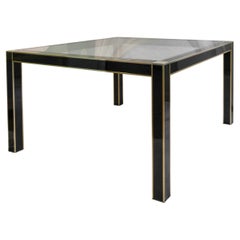
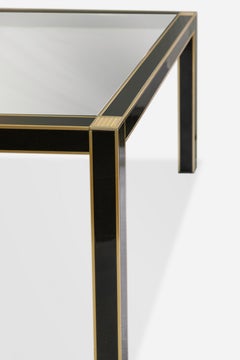
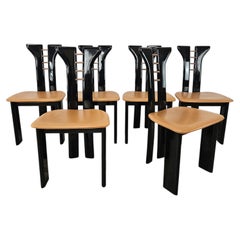
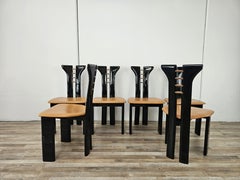
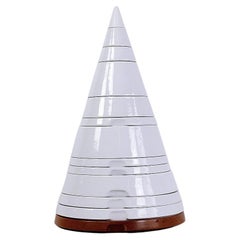
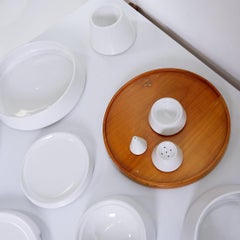
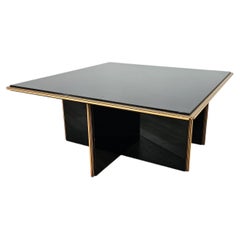
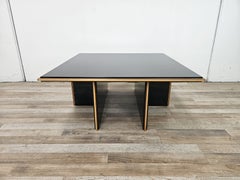
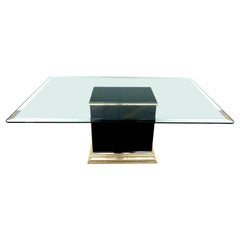
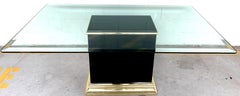
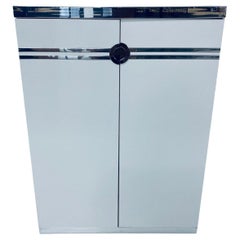
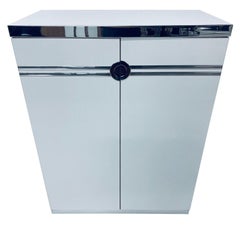
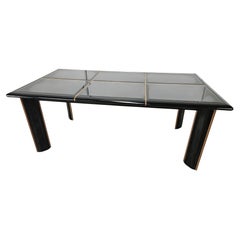
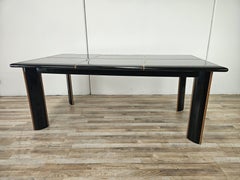
Best known for creating groundbreaking fashion designs from the 1950s onward, Pierre Cardin enjoyed great success in other design fields, most notably furniture. Cardin's desks, chairs, cabinets, tables and other pieces share many of the keynotes of his clothing designs. They are simple, geometric, elegant and cool.
Cardin was born in a village near Venice, Italy, and raised in central France. Always interested in fashion, he left home at age 17 to train with a Vichy tailor. After the end of World War II, Cardin moved to Paris, studied architecture and worked for a succession of couture houses, before taking a job with Christian Dior in 1946. Cardin went solo in 1950, and two decades later, he ventured into the realm of furniture.
Cardin opened a custom furniture shop in Paris in 1975, and in 1977, he licensed his name for furniture, lighting and rugs that translated his fashion aesthetic into designs for the mass market. While he didn’t design the pieces himself, Cardin felt that furnishings were a logical extension of his brand: “Make sleeves to dresses or feet to a table, it’s the same thing,” he is quoted as saying.
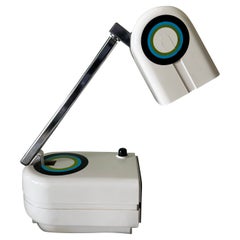
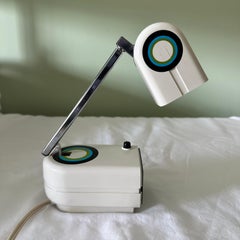
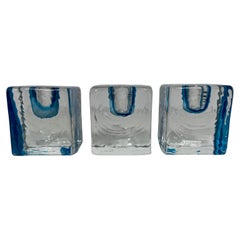
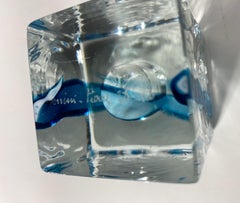
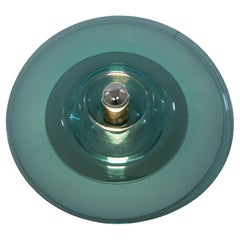
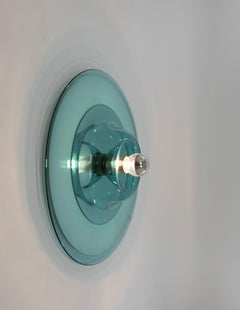
Covering the debut of his furniture collection — priced from $70 for a lamp to $1,375 for a cabinet — at the B. Altman store in New York, New York Times writer Rita Reif called it “the last word in chic,” then proceeded to damn it with faint praise, noting that the glittery pieces, featuring chrome and aluminum, velvet upholstery and Cubist lighting, would “appeal to those who prefer more elegance than originality in their modern.”
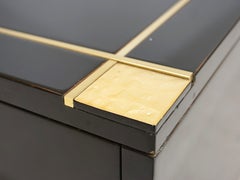
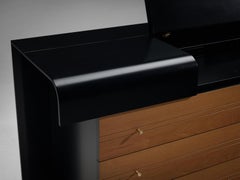
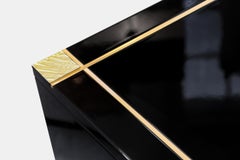
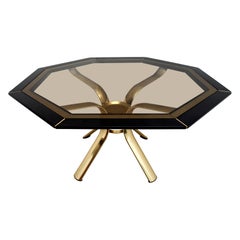
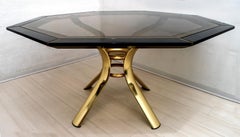
Cardin’s furniture pieces — inspired, perhaps, by the rediscovery of Art Deco design during the 1970s — feature simple, symmetrical forms, lacquer and figured veneer finishes, and accents in metals such as aluminum and brass. The home furnishings collections were the first of hundreds of products to bear the Cardin name or logo, including three automobiles and even an airplane; in 1986, Women’s Wear Daily reported more than 800 licensees.
Over the course of more than seven decades, Cardin built an empire that doesn’t merely include hundreds of fashion and product licenses. He also expanded into hospitality, purchasing Maxim’s in 1981 and opening branches of the chic and popular Parisian restaurant in other cities, as well as adding a hotel division.
Cardin’s personal life was glamorous too. He threw lavish parties at his Bubble Palace (Le Palais Bulles), which he purchased in 1992 and transformed over 14 years with Hungarian architect Antti Lovag into a complex of 10 interconnected bubble-shaped terracotta structures. The estate, on an expansive hilltop site overlooking the Mediterranean near Cannes, includes three pools, landscaped gardens and a 500-seat amphitheater. Cardin also purchased a castle in Provence formerly inhabited by the Marquis de Sade and a Venice palazzo supposedly once owned by Casanova.
Licensed Pierre Cardin furnishings were made for only about five years, but more than 300 licenses are still active today. When designing fashion, furniture or anything in between, the prolific Cardin was always forward-thinking.
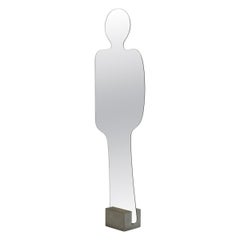
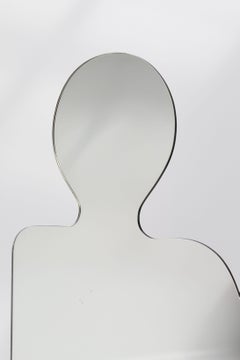
Find vintage Pierre Cardin desks, mirrors, table lamps and other furniture for sale on 1stDibs.