Located in Sammu-shi, Chiba
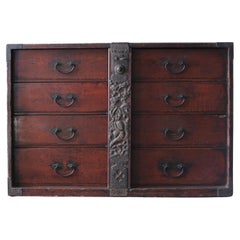
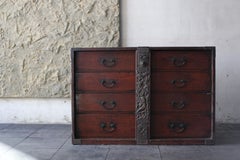
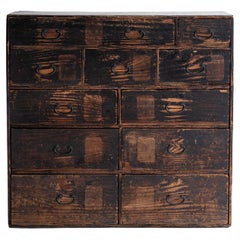
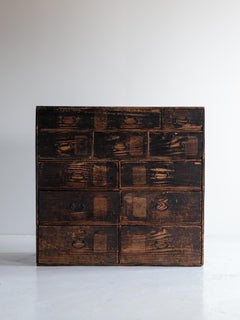
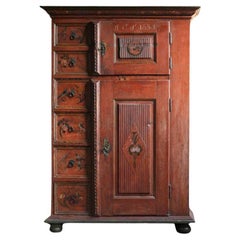
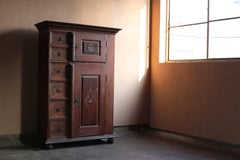
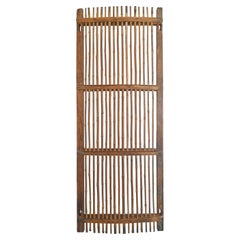
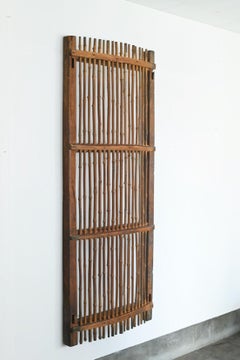
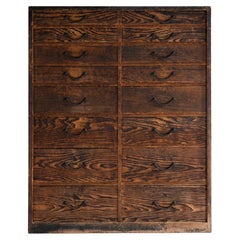
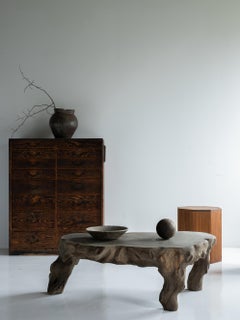
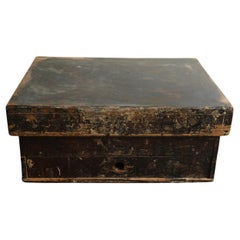
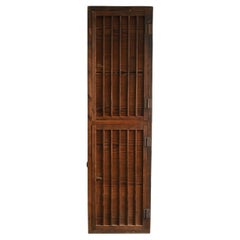
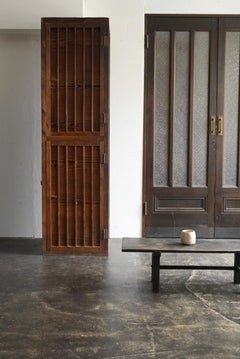
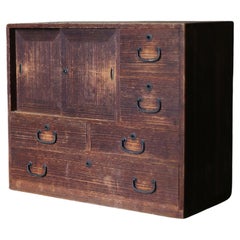
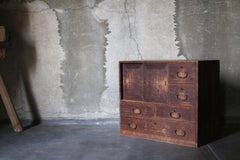
This is a vertical wooden storage cabinet made of Japanese cedar in the first half of the 20th century. Although it is unknown where it was used, its appearance oozes a beauty that transcends practical use. The rustic feel of the material and its quiet presence give it a nostalgic warmth not found in modern furniture.
This piece is made entirely of solid Japanese cedar, and the simple and disciplined structure of the vertical cleats, especially on the doors, and the cedar planks passed horizontally and overlapping from the reverse side, bring a perfect balance and rhythm to the overall look of the piece. This kind of design reveals a uniquely Japanese sense of design.
The deep candy-colored texture created by the aging process is a taste that only antique pieces can have. The subtle changes in color from suntanning and areas touched by the hand tell a quiet story of the passage of time. The doors are simple and close with small wooden stoppers, preserving the practicality and warmth of the past.
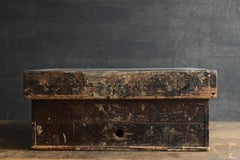
The shelves are securely fastened and provide ample storage capacity. Books, clothes, daily necessities, and various other items can be beautifully organized. The backs and shelves are stained and worn from use, and there are also some holes repaired on the sides and small chips.
In a modern living space, this shelf can be used as a shelf in a study, as an accent in a living room, or as a quiet corner of a room where one spends quiet time alone, bringing a sense of calmness and flavor to the entire space. These long, locker-like proportions of antique shelves...
Category
Early 20th Century Japanese Taisho Cabinets

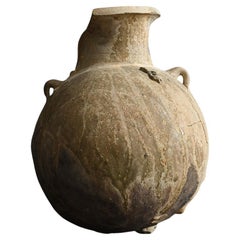
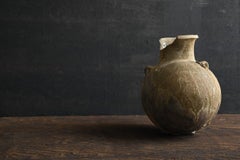
![Antique Chinese pottery green-glazed vase/[Liao Dynasty]/10th century](https://a.1stdibscdn.com/antique-chinese-pottery-green-glazed-vase-liao-dynasty-10th-century-for-sale/f_54872/f_442987721743342424199/f_44298772_1743342424463_bg_processed.jpg?width=240)
![Antique Chinese pottery green-glazed vase/[Liao Dynasty]/10th century](https://a.1stdibscdn.com/antique-chinese-pottery-green-glazed-vase-liao-dynasty-10th-century-for-sale-picture-2/f_54872/f_442987721743342484481/DSC_1855_master.jpg?width=240)

![Japanese antique pottery bowl [tokoname ware]/Tokoname ware/12th-13th century](https://a.1stdibscdn.com/japanese-antique-pottery-bowl-tokoname-ware-tokoname-ware-12th-13th-century-for-sale/f_54872/f_438190121740644008945/f_43819012_1740644009233_bg_processed.jpg?width=240)
![Japanese antique pottery bowl [tokoname ware]/Tokoname ware/12th-13th century](https://a.1stdibscdn.com/japanese-antique-pottery-bowl-tokoname-ware-tokoname-ware-12th-13th-century-for-sale-picture-2/f_54872/f_438190121740721539298/DSC_0904_master.jpg?width=240)