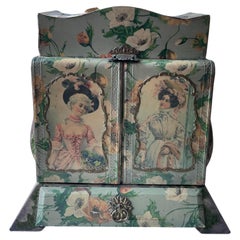
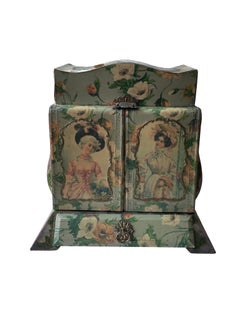
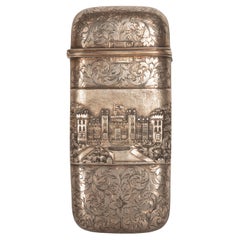
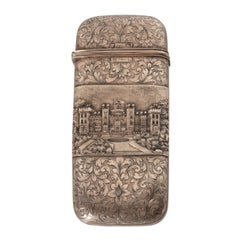
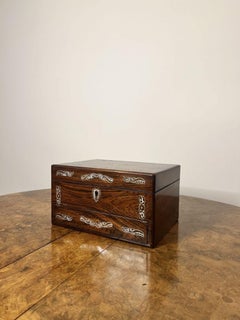
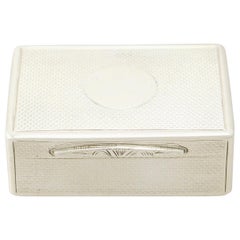
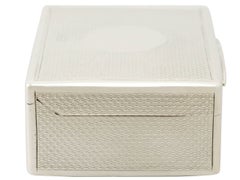
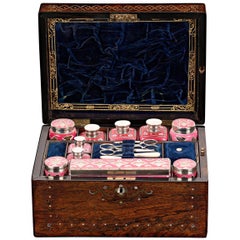
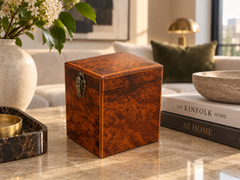
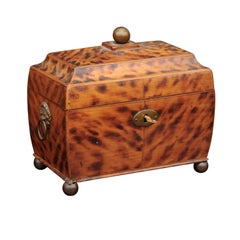
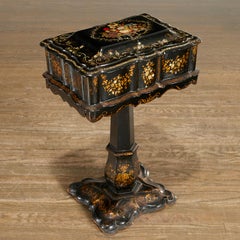
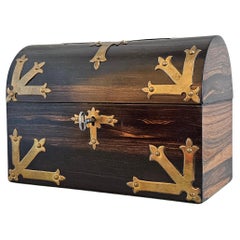
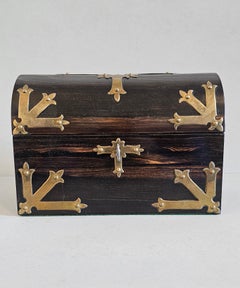
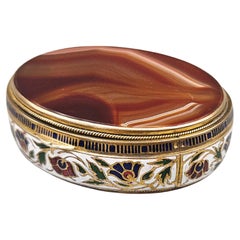
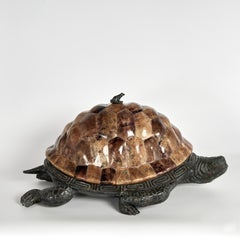
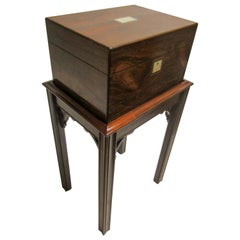
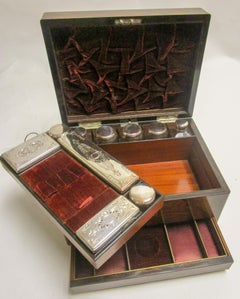
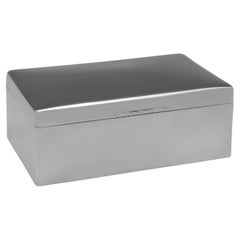
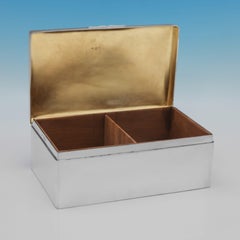
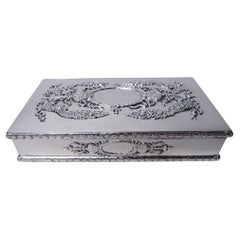
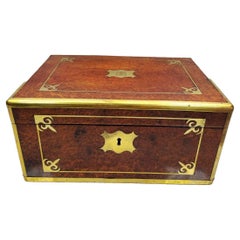
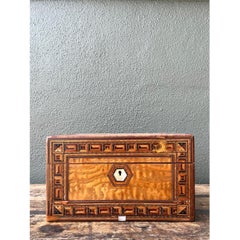
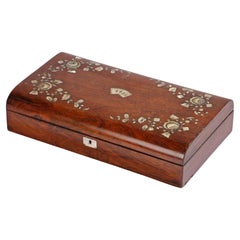
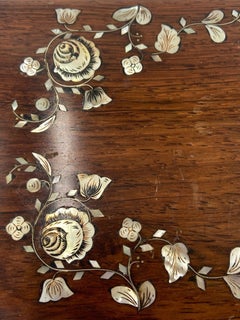
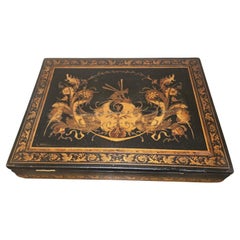
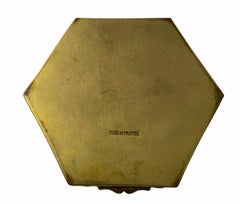
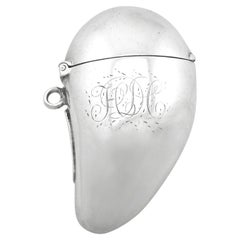
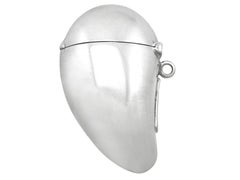
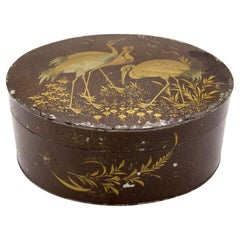
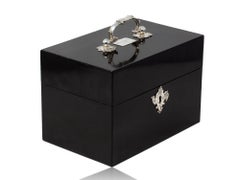
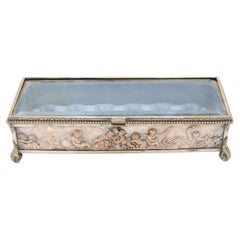
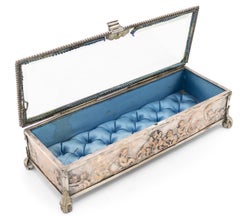
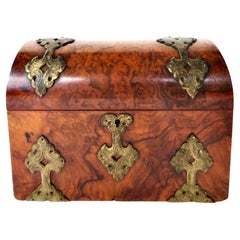
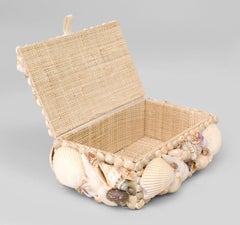
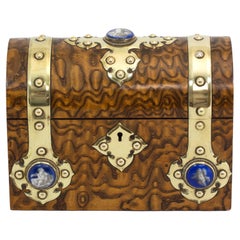
Find a broad range of unique Victorian
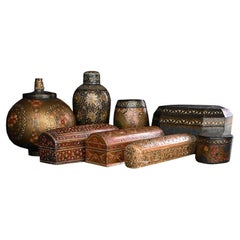
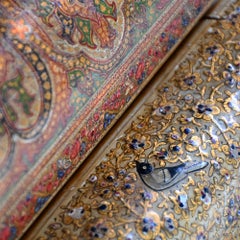
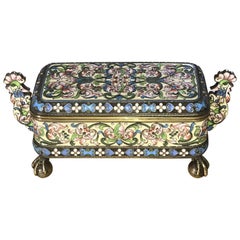
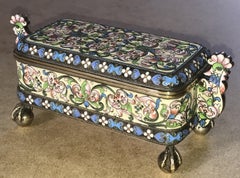
boxes for sale on 1stDibs. Many of these items were first offered in the 21st Century and Contemporary, but contemporary artisans have continued to produce works inspired by this style. If you’re looking to add vintage boxes created in this style to your space, the works available on 1stDibs include
decorative objects,
serveware, ceramics, silver and glass,
more furniture and collectibles and other home furnishings, frequently crafted with
metal,
wood and other materials. If you’re shopping for used Victorian boxes made in a specific country, there are
Europe,
United Kingdom, and
England pieces for sale on 1stDibs. While there are many designers and brands associated with original boxes, popular names associated with this style include
John Tongue,
Bontems,
Henry Hollamby, and Sampson Mordan & Co.. It’s true that these talented designers have at times inspired knockoffs, but our experienced specialists have partnered with only top vetted sellers to offer authentic pieces that come with a
buyer protection guarantee. Prices for boxes differ depending upon multiple factors, including designer, materials, construction methods, condition and provenance. On 1stDibs, the price for these items starts at
$60 and tops out at
$93,523 while the average work can sell for
$1,281.