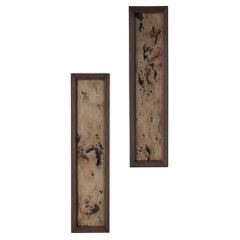
Meiji Folk Art

14 Results
MEIJI STYLE

From 1868 to 1912, Emperor Mutsuhito oversaw an era of transformation in Japan. Formerly a country of feudalism and isolation, Japan entered an age of modernization influenced by newly established trade and exchange with the West. The Meiji period, or period of “enlightened rule,” also saw the global impact of the East Asian country’s culture. Japanese Meiji furniture was exhibited at expositions from Paris to San Francisco and created for export.

Prior to the Meiji era, furniture was mostly made by commission for the ruling class; now there were new domestic and international markets. European styles like Japonisme appropriated Japanese design while craftsmen in places like Wales and England employed japanning, a varnishing technique that approximated the appearance of lacquer for the surfaces of furnishings.

Meiji furniture made for Japanese homes and buildings constructed in Western styles resulted in taller tables, chairs, cabinets with large drawers and other features. The government invested in areas such as transportation and communication, and because people could freely choose occupations after the restrictions of feudalism, industries of various types were energized by expressive new ideas during those years. Art schools were formed and, for the first time, design was an area of study in the country, leading to the evolution of professional design as a career by the 1890s.

The work of Japanese designers was transmitted widely through lavishly illustrated pattern books that included designs for screens and lacquerware for the home. While screens today may be of use as decorative accents or partitions to ensure privacy in one’s space, Japanese screens were adorned with paintings and were featured in performing arts such as concerts, tea ceremonies and more. The color illustrations that characterize Meiji woodblock prints, a genre of Japanese art that grew out of 17th-century developments in printing and book publishing, depicted the sweeping changes that the era brought to East Asia.

Although it was a time of societal and cultural shifts, a bolstered interest in art and design elevated Japanese craft traditions. From colorful porcelain table lamps with silk shades and hardwood tables decorated with dark lacquer to cabinets featuring iron hardware and inlaid with mother-of-pearl, Meiji furniture showcased Japan’s artistic heritage to the world.

Find a collection of antique Japanese Meiji period case pieces and storage cabinets, decorative objects, wall decorations and more furniture on 1stDibs.

to
2
8
1
15
2,256
1,018
741
375
286
245
234
104
101
96
55
34
31
18
15
11
7
5
6
9
7
1
1
9
3
3
2
2
11
11
9
2
15
15
15
Style: Meiji
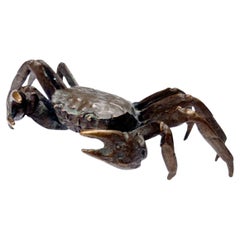
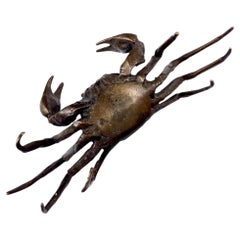
Japanese Okimono Bronze Crab Sculpture

Japanese Okimono Bronze Crab Sculpture

Located in Malibu, CA

Japanese Okimono bronze sculpture of a crab from the Meiji period. Late 19th-early 20th century. Solid heavy bronze with the well-articulated anatomy of a real crab. The surface has ...

Category

Early 20th Century Japanese Meiji Folk Art

Materials

Bronze

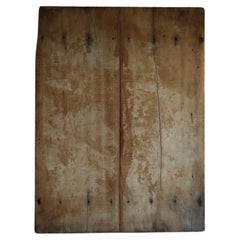
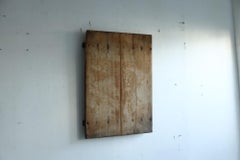
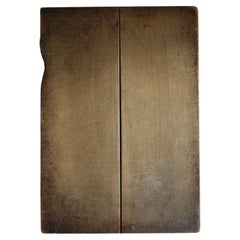
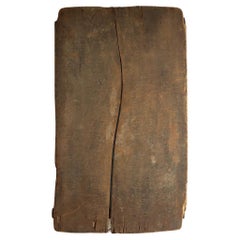
Japanese Antique Wooden Board, "Abstract Sculptures", Wabi-Sabi, Mingei

Japanese Antique Wooden Board, "Abstract Sculptures", Wabi-Sabi, Mingei

Located in Katori-Shi, 12

This is a wooden antique board from the Meiji era. It is made of Japanese cedar wood. It has a beautiful appearance due to years of use and aging. It was used as a board for kneadi...

Category

Early 20th Century Meiji Folk Art

Materials

Wood

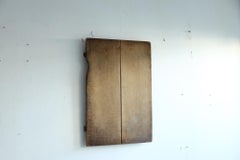
Japanese Antique Wooden Board, "Abstract Sculptures", Wabi-Sabi, Mingei

Japanese Antique Wooden Board, "Abstract Sculptures", Wabi-Sabi, Mingei

Located in Katori-Shi, 12

This is a wooden antique board from the Meiji era. It is made of Japanese cedar wood. It has a beautiful appearance due to years of use and aging. It was used as a board for kneadi...

Category

Early 20th Century Meiji Folk Art

Materials

Wood

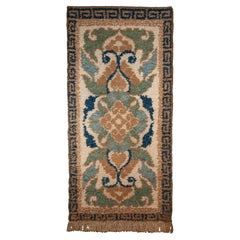
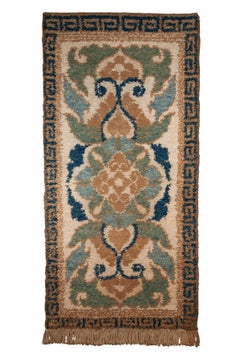
Antique Japanese Nabeshima Carpet (Dantsu)

Antique Japanese Nabeshima Carpet (Dantsu)

Located in Point Richmond, CA

Antique Japanese Nabeshima Carpet (Dantsu) Nabeshima dantsu (carpets) are some of the earliest examples of rug making in Japan. The original weavers learned their craft from Chinese...

Category

Early 20th Century Japanese Meiji Folk Art

Materials

Cotton

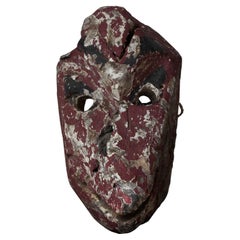
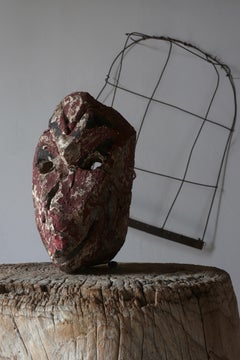
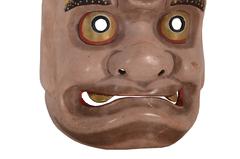
Japanese Antique Tengu's Face / Objet / 1868-1912s / Wabi-sabi Mingei

Japanese Antique Tengu's Face / Objet / 1868-1912s / Wabi-sabi Mingei

Located in Shizukuishi-cho, Iwate-gun, Iwate Prefecture

This is the old Tengu surface that was used in the Kyushu region of Japan. It is thought to be from around the Meiji period. Tengu noodles are said to be an amulet, a blessing, and...

Category

Late 19th Century Japanese Antique Meiji Folk Art

Materials

Wood

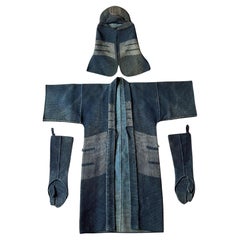
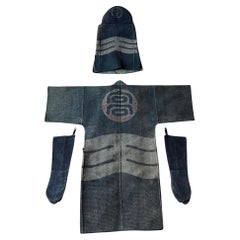
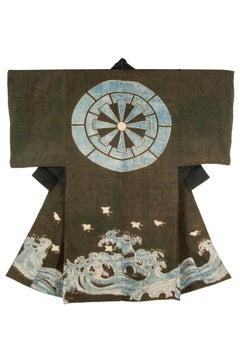
Rare Japanese Fireman's Four-Piece Assemble Meiji to Showa Period

Rare Japanese Fireman's Four-Piece Assemble Meiji to Showa Period

Located in Atlanta, GA

A rare four-piece Japanese Fireman's assemble (Shobosho uniform) woven with heavy cotton and decorated with stencil resist dye circa 1890-20s Late Meiji to Showa Period. The assemble...

Category

1920s Japanese Vintage Meiji Folk Art

Materials

Cotton

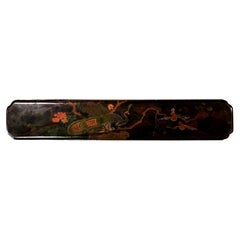
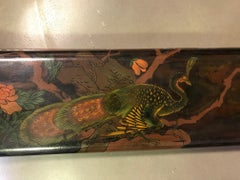
Japanese Asian Hand Painted Lacquered Temple Shrine Plaque Peacock, 19th Century

Japanese Asian Hand Painted Lacquered Temple Shrine Plaque Peacock, 19th Century

Located in Studio City, CA

A beautiful and intricate work likely originally from a Japanese temple. The hand painted scene depicts a majestic peacock posed against a gorgeous countryside landscape. Would be...

Category

19th Century Japanese Antique Meiji Folk Art

Materials

Lacquer, Paint, Wood

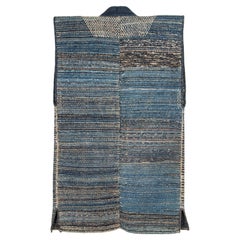
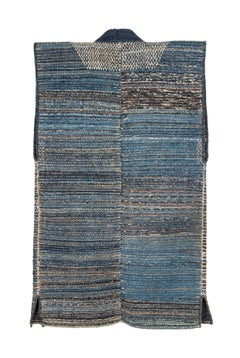
Antique Japanese Recycled Saki-Ori Farmer’s Vest

Antique Japanese Recycled Saki-Ori Farmer’s Vest

Located in Point Richmond, CA

Antique Japanese Recycled Saki-Ori Farmer’s Vest This late 19th C recycled farmer’s vest from northern Japan was strip woven from repurposed cotton scraps in a technique known as sa...

Category

Late 19th Century Japanese Antique Meiji Folk Art

Materials

Cotton

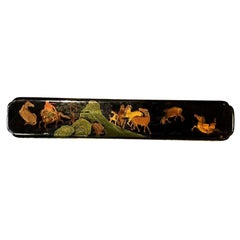
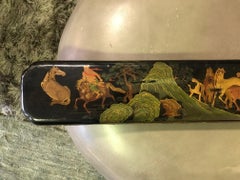
Japanese Asian Hand Painted Lacquered Temple Shrine Plaque Horses, 19th Century

Japanese Asian Hand Painted Lacquered Temple Shrine Plaque Horses, 19th Century

Located in Studio City, CA

A beautiful and intricate work likely originally from a Japanese temple. The hand painted scene depicts a single rider and group of frolicking horses set against a gorgeous countrysi...

Category

19th Century Japanese Antique Meiji Folk Art

Materials

Lacquer, Paint, Wood

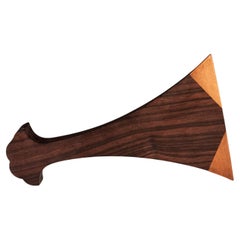
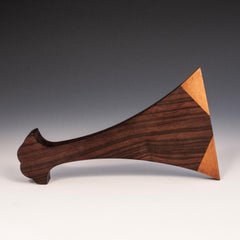
Early to Mid-20th Century Rosewood Biwa Plectrum, Japan

Early to Mid-20th Century Rosewood Biwa Plectrum, Japan

Located in Point Richmond, CA

Rosewood Plectrum for Biwa, Japan A beautiful rosewood plectrum used in plucking the strings of a chikuzen-biwa, which is a 4-5 string fretted lute used t...

Category

Mid-20th Century Japanese Meiji Folk Art

Materials

Wood

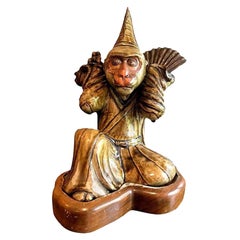
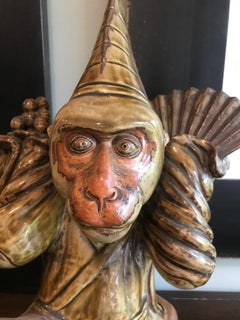
Japanese Signed Glazed Edo/Meiji Ceramic Pottery Monkey with Custom Wood Stand

Japanese Signed Glazed Edo/Meiji Ceramic Pottery Monkey with Custom Wood Stand

Located in Studio City, CA

A truly fantastic and rather unique piece. The collectors we have shown have gone gaga over this piece. Beautifully crafted and glazed with amazing detail to facial features. ...

Category

19th Century Japanese Antique Meiji Folk Art

Materials

Ceramic

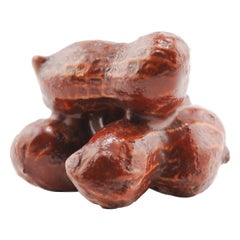
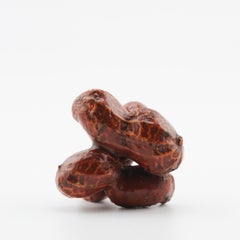
Old Wooden Netsuke Japanese Peanuts Meiji Period, Japan, 19/20th C

Old Wooden Netsuke Japanese Peanuts Meiji Period, Japan, 19/20th C

Located in Amsterdam, Noord Holland

Lovely and very detailed piece. Unsigned. Japan 19th or 20th century. Weight: 9 grams Provenance: Collected in the 1980’s. From the collection of Clemens Merkelbach van Enkhuizen...

Category

20th Century Japanese Meiji Folk Art

Materials

Wood

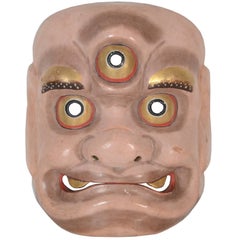
Japanese Theatre Mitsumekozo Theatre Mask Meiji Period, circa 1900

Japanese Theatre Mitsumekozo Theatre Mask Meiji Period, circa 1900

Located in Prahran, Victoria

Unusual Japanese Folk Art theatre mask depicting the playful character Mitsumekozo, a three eyed goblin often portrayed as a mischevious creature in comical plays, late Meiji period,...

Category

Late 19th Century Japanese Antique Meiji Folk Art

Materials

Wood

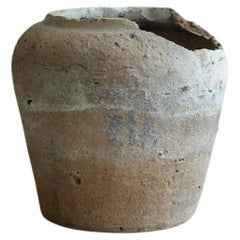
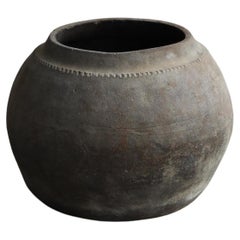
Japanese Wabi-Sabi Small Vase, Meiji Period, 1750-1850

Japanese Wabi-Sabi Small Vase, Meiji Period, 1750-1850

Located in Katori-Shi, 12

This is an old Japanese pottery. It is from the Meiji period (1860s-1900s). It was used as a fire extinguishing pot. This piece has beautiful color and texture. It is very rare...

Category

Early 20th Century Meiji Folk Art

Materials

Pottery

Related Items
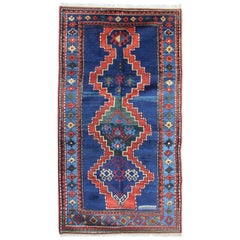
Antique Rugs Blue Caucasian Kazak Rugs, Geometric Carpet Livingroom Rug

Antique Rugs Blue Caucasian Kazak Rugs, Geometric Carpet Livingroom Rug

Located in Wembley, GB

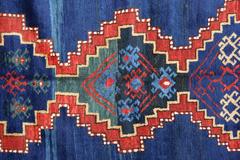
Kazak rugs have primarily been produced as village productions rather than city pieces. Made from materials particular to individual tribal provinces and the rugs of the Caucasus typically display bold geometric designs in primary colours. Kazak rugs are a type of Armenian rug...

Category

Late 19th Century Caucasian Antique Meiji Folk Art

Materials

Natural Fiber, Organic Material, Wool

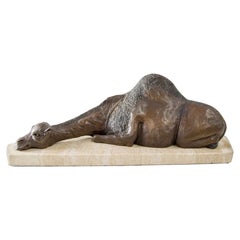
Bronze Resting Camel Sculpture on Marble Stand French School

Bronze Resting Camel Sculpture on Marble Stand French School

Located in Moreno Valley, CA

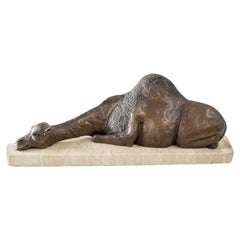
French School of an Egyptian Middle Eastern Camel Sculpture on Marble Stand. Large and heavy art Deco Style Bronze Resting Camel on White Marble Stand Sculpture. Boasting a dark pati...

Category

Late 20th Century Egyptian Meiji Folk Art

Materials

Bronze

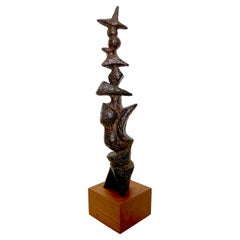
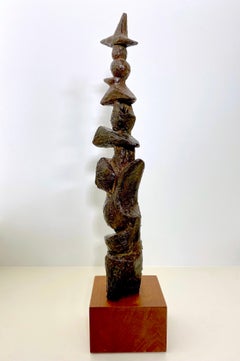
Marcel Marti Bronze Abstract Totem Sculpture

Marcel Marti Bronze Abstract Totem Sculpture

$7,200

H 24.5 in W 5.5 in D 5.5 in

Marcel Marti Bronze Abstract Totem Sculpture

Located in New York, NY

Superb Marcel Marti (1925–2010) attributed abstract patinated bronze sculpture that is unique from every angle. This is a striking postwar piece of art fr...

Category

1950s Spanish Vintage Meiji Folk Art

Materials

Bronze

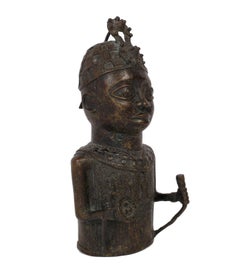
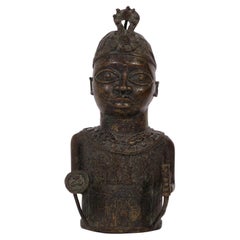
African Benin Bronze Sculpture

African Benin Bronze Sculpture

$1,200

H 15.5 in W 7 in D 6.5 in

African Benin Bronze Sculpture

Located in Atlanta, GA

African Benin Bronze Sculpture, Africa, circa mid 20th Century. Beautiful casting with wonderful attention to detail. Solid, heavyweight...

Category

20th Century Beninese Meiji Folk Art

Materials

Metal, Bronze

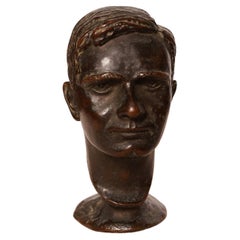
Bronze Head Sculpture

Bronze Head Sculpture

$1,536

H 4 in Dm 2 in

Bronze Head Sculpture

Located in Long Island City, NY

This bronze head sculpture signed by artist O. Ramsburg can be displayed as an elegant table top art piece.

Category

20th Century Meiji Folk Art

Materials

Bronze

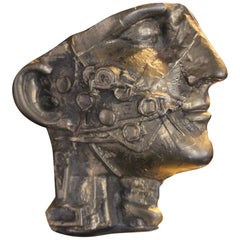
Vincenzo Eulissi 1970 Bronze Modern Sculpture in Lost Wax

Vincenzo Eulissi 1970 Bronze Modern Sculpture in Lost Wax

Located in Milano, IT

Vincenzo Eulissi 1970 gilded bronze modern sculpture in lost wax.

Category

1970s Italian Vintage Meiji Folk Art

Materials

Bronze

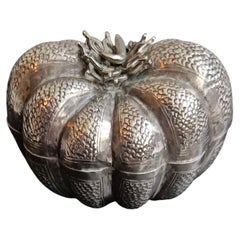
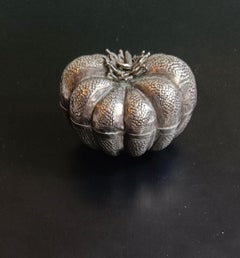
Antique Silver Pumpkin Betel Box Asian Cambodian Thai Indian Antiques Gifts

Antique Silver Pumpkin Betel Box Asian Cambodian Thai Indian Antiques Gifts

Located in London, GB

Antique Silver Pumpkin Betel Box Asian Cambodian Very nice fine high quality piece in 900 silver 8 x 6 x 6 cm weight 52 grams approx. good Condition Fine PLEASE SEE PHOTOS FO...

Category

Early 20th Century Laotian Meiji Folk Art

Materials

Silver

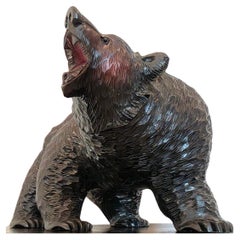
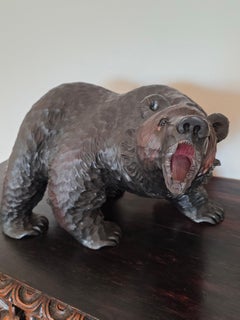
Very Large Vintage Japanese Ainu Hokkai Bear Carved Wood Sculpture

Very Large Vintage Japanese Ainu Hokkai Bear Carved Wood Sculpture

Located in Forney, TX

A rare large and most impressive rustic midcentury Japanese Ainu hand carved Ussuri Brown Bear sculpture. Indigenous Ainu Peoples, probably Ashikawa, Hokkaido, Japan's northernmost island, mid-20th century, anonymous artist. This exceptional example of traditional Kibori Kuma (木彫り熊) was finely hand carved, chiseled, sculpted and painted from a massive block of solid Japanese hardwood, using old primitive techniques with customized knives and chisels, the artisan would sit on the hut floor, using their feet as a vice to hold the block of wood, carefully manipulating and turning, wood chips flying, skillfully carving to create this beautiful piece of art! This massive scale realistic rendering showcases the artisan's exemplary skills, workmanship, and artistry, the bears aggressive naturalistic appearance comes to life, evoking power, strength, and natural bounty, lending to its fierce dramatic presence. Modeled as a wild Ussuri brown bear standing on four legs, head slightly tilted up as if about to expel a ferocious roaring growl, having inset black glass eyes, mouth agape with jagged teeth exposed, the bold muscular body with distinct richly textured chip-carved fur, this sculpture captures the essence of Ainu reverence for nature, this sacred animal, and their deep connection to the land. No apparent signatures, typical of folk art work. - DIMENSIONS: (approx) 19.5" Wide x 11.375" Tall x 13.25" Deep; Wight: 18.75lbs - HISTORY / BACKGROUND: The Ainu are an aboriginal hunter/gatherer/fisher people who once inhabited many of the islands that bound the southern half of the Sea of Okhotsk north of the main Japanese island of Honshu and Southern Russia. Their land was contested by the Japanese Empire and the USSR for centuries, with the Meiji era Japan colonisation of Hokkaido taking place in the 19th century. Colonisation dispossessed the native Ainu people of their lands and property. Widespread discrimination enforced against them, including their forced relocation into mountain areas and the prohibition of the use of the Ainu language decimated their economy with the eventual aim of the extinction of Ainu culture and its replacement by Yamato Japanese culture. The history of the Ainu bear...

Category

Mid-20th Century Japanese Meiji Folk Art

Materials

Art Glass, Hardwood, Paint
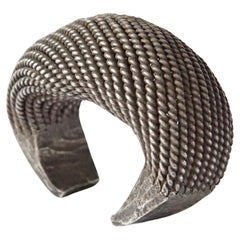
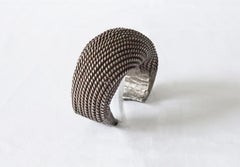
Antique Akha Hill Tribe Silver Cuff Bracelet, Golden Triangle

Antique Akha Hill Tribe Silver Cuff Bracelet, Golden Triangle

Located in Jimbaran, Bali

A large Akha Tribe woven silver bracelet with spiral design. This Tribal bracelet encompasses tradition Hill tribe silversmithing techniques with each silve...

Category

Early 20th Century Thai Meiji Folk Art

Materials

Silver

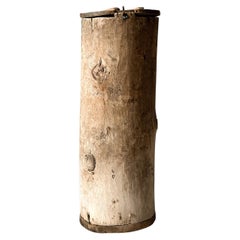
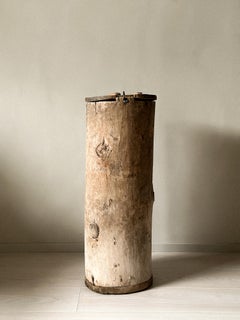
Antique Wooden Planter, Wabi Sabi Style, Scandinavia 1800s

Antique Wooden Planter, Wabi Sabi Style, Scandinavia 1800s

Located in Hønefoss, 30

Antique Wooden Wabi Sabi Planter from Scandinavia, circa 1800s. This beautiful piece makes a perfect planter for bigger plants or tree or just a deco...

Category

19th Century Norwegian Antique Meiji Folk Art

Materials

Wood

Previously Available Items
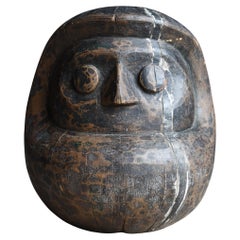
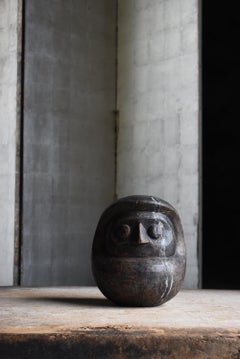
Japanese Antique Wood Carving Daruma 1860s-1920s / Sculpture Wabi Sabi Mingei

Japanese Antique Wood Carving Daruma 1860s-1920s / Sculpture Wabi Sabi Mingei

Located in Chōsei District Nagara, JP

This is an old daruma wood pattern made in Japan. The expression of the wood grain and traces of handwork suggest that it was made between the Meiji and Taisho periods (1860s-1920s)....

Category

Early 20th Century Japanese Meiji Folk Art

Materials

Walnut

Rare Antique Japanese Oversized Sleeping Kimono (Yogi)

Rare Antique Japanese Oversized Sleeping Kimono (Yogi)

Located in Point Richmond, CA
Rare Antique Japanese Oversized Sleeping Kimono (Yogi) This is the outer shell of a type of shaped sleeping kimono known as a yogi. Yogi were in more common use during the Edo and M...

Category

Late 19th Century Japanese Antique Meiji Folk Art

Materials

Cotton, Linen

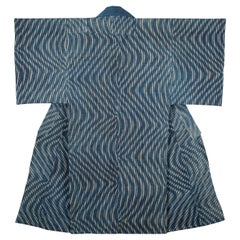
Antique Japanese Kumanozome Stencil-Dyed Sleeping Kimono (Yogi), Japan

Antique Japanese Kumanozome Stencil-Dyed Sleeping Kimono (Yogi), Japan

Located in Point Richmond, CA
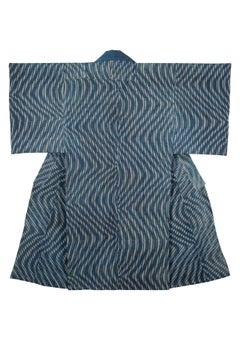
Antique Japanese Kumanozome Stencil-Dyed Sleeping Kimono (Yogi), Japan This Japanese yogi, or over-sized, shaped sleeping kimono, is made of a uniquely patterned indigo-dyed cotton ...

Category

Late 19th Century Japanese Antique Meiji Folk Art
Materials

Cotton

Antique Japanese Recycled Boro Patchwork Futon Cover

Antique Japanese Recycled Boro Patchwork Futon Cover

Located in Point Richmond, CA

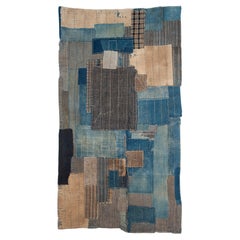
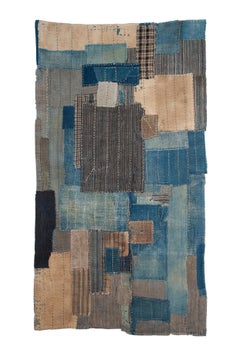
Antique Japanese Recycled Boro Patchwork Futon Cover This indigo-dyed patchwork boro futon cover is a physical testimony to the determination and resourcefulness of those living in ...

Category

Late 19th Century Japanese Antique Meiji Folk Art

Materials

Cotton

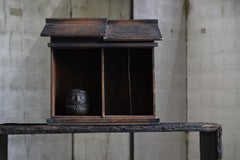
Japanese Antique God House "ZUSHI" 1860s-1900s / Wabi Sabi Object

Japanese Antique God House "ZUSHI" 1860s-1900s / Wabi Sabi Object

Located in Sammu-shi, Chiba

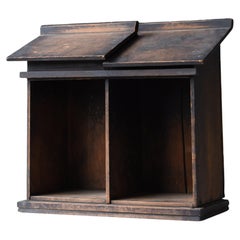
A very old God's house made in Japan. It is called "ZUSHI" in Japanese. It is a Meiji era item (1860's to 1900's). The material is cedar wood. It was found in an old Japanese house....

Category

Early 20th Century Japanese Meiji Folk Art

Materials

Cedar

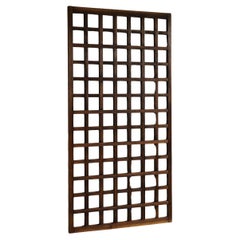
Japanese Antique lattice , "Abstract Sculptures", Wabi-Sabi, Mingei

Japanese Antique lattice , "Abstract Sculptures", Wabi-Sabi, Mingei

Located in Katori-Shi, 12

Introducing a masterpiece from Japan's Taisho era, this lattice embodies the intricate craftsmanship of traditional Japanese woodworking techniques known as "hozo-zumi." Constructed ...

Category

Early 20th Century Meiji Folk Art

Materials

Wood

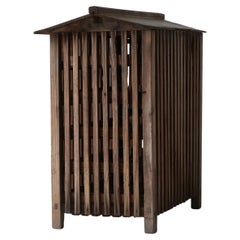
Japanese Antique / House-shaped steamer /1868s-1912s Folk art objet  WabiSabi

Japanese Antique / House-shaped steamer /1868s-1912s Folk art objet WabiSabi

Located in Shizukuishi-cho, Iwate-gun, Iwate Prefecture

It was used as a rare type of wood steamer in Japan. It's not seen in modern times, and it's a valuable thing. It's in the shape of a house, and there are 5 drawers inside. The bot...

Category

Late 19th Century Japanese Antique Meiji Folk Art

Materials

Wood, Reed, Cedar

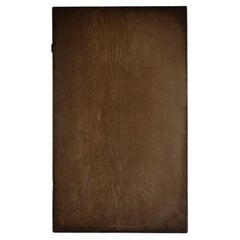
Japanese Antique Wooden Board, "Abstract Sculptures", Wabi-Sabi, Mingei

Japanese Antique Wooden Board, "Abstract Sculptures", Wabi-Sabi, Mingei

Located in Katori-Shi, 12

This is a wooden antique board from the Meiji era. It is made of high-grade Japanese zelkova wood. It has a beautiful appearance due to years of use ...

Category

Early 20th Century Meiji Folk Art

Materials

Wood

Japanese Antique Wooden Board, "Abstract Sculptures", Wabi-Sabi, Mingei

Japanese Antique Wooden Board, "Abstract Sculptures", Wabi-Sabi, Mingei

Located in Katori-Shi, 12

This is a wooden antique board from the Meiji era. It is made of high-grade Japanese zelkova wood. It has a beautiful appearance due to years of use ...

Category

Early 20th Century Meiji Folk Art

Materials

Wood

Japanese Wabi-Sabi Small Vase,  Meiji Period 1750-1850

Japanese Wabi-Sabi Small Vase, Meiji Period 1750-1850

Located in Katori-Shi, 12

This is an old Japanese pottery. It is from the Meiji period (1860s-1900s). It was used as a fire extinguishing pot. This piece has beautiful color and texture. It is very rare.

Category

Early 20th Century Meiji Folk Art

Materials

Pottery

Japanese Antique Wooden Board, "Abstract Sculptures", Wabi-Sabi, Mingei

Japanese Antique Wooden Board, "Abstract Sculptures", Wabi-Sabi, Mingei

Located in Katori-Shi, 12

This is a wooden antique board from the Meiji era. It is made of high-grade Japanese chestnut wood. It has a beautiful appearance due to years of use and aging. It was used as...

Category

Early 20th Century Meiji Folk Art

Materials

Wood

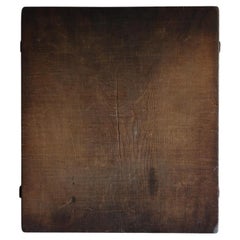
Japanese Antique Wooden Painting, Abstract Art, Wabi-Sabi, Mingei

Japanese Antique Wooden Painting, Abstract Art, Wabi-Sabi, Mingei

Located in Katori-Shi, 12

This piece is a component used in antique Japanese furniture. It is from the Meiji period (1860s-1900s). It is made of black persimmon wood, which is ...

Category

Early 20th Century Meiji Folk Art

Materials

Wood

Meiji folk art for sale on 1stDibs.

Find a broad range of unique Meiji folk art for sale on 1stDibs. Many of these items were first offered in the Mid-20th Century, but contemporary artisans have continued to produce works inspired by this style. If you’re looking to add vintage folk art created in this style to your space, the works available on 1stDibs include folk art, asian art and furniture, wall decorations and other home furnishings, frequently crafted with wood, ceramic and other materials. If you’re shopping for used Meiji folk art made in a specific country, there are Asia, East Asia, and Japan pieces for sale on 1stDibs. It’s true that these talented designers have at times inspired knockoffs, but our experienced specialists have partnered with only top vetted sellers to offer authentic pieces that come with a buyer protection guarantee. Prices for folk art differ depending upon multiple factors, including designer, materials, construction methods, condition and provenance. On 1stDibs, the price for these items starts at $380 and tops out at $2,850 while the average work can sell for $798.