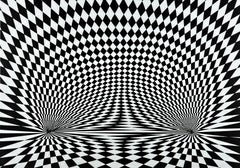
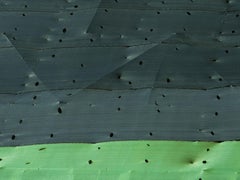
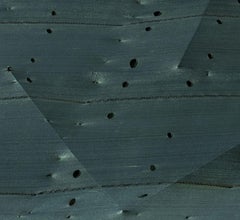
During 1970, working at the University of Havana, Jorge is assigned as a cartoonist in the Department of Animation and Design. This audiovisual media center had an extensive graphic library, where Jorge discovered what would later become the goals of his creativity and his artistic motivation for life. Among the publications of the IDEA magazine that he used in everyday work as a cartoonist and animator he found articles and paintings by the Hungarian-French Optical Art artist 'Victor Vasarely' (1906-1997). From this work the personal challenge and inspiration of the artist Jorge Garcia was born. With his natural talent to recognize drawing lines, the abstraction of the figure, and the tones and contrasts of light and volume, Jorge was satisfactorily accepted within the group of artist who worked in the center as animators.
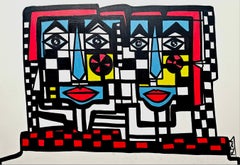
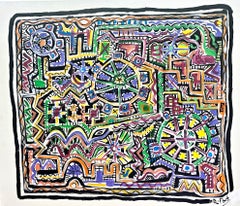
In 1971 he ventured as an optical artist with the work called "Interference I" at a local contest of his municipality. Competing alongside works by renowned Cuban artists such as Nelson Dominguez, Orlando Lara and Roberto Fabelo, in the galleries of The National Museum of Fine Arts, "Interference I" was successfully exhibited for more than 5 months, as part of the "VI Juvenile Hall of Plastic Arts "and its success led to the birth of an artist, JorGar.
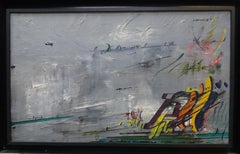
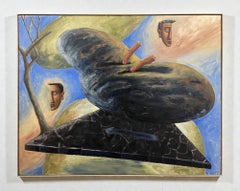
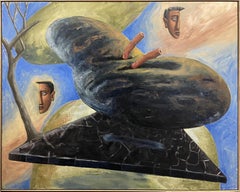
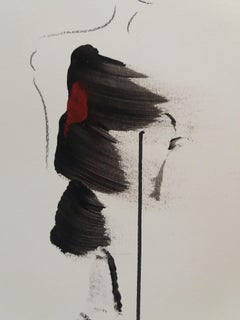
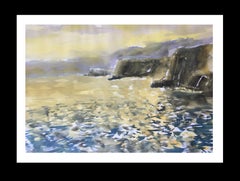
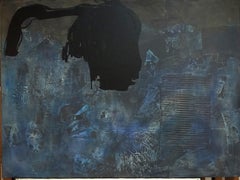
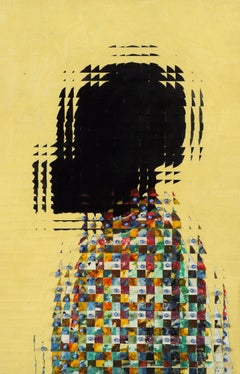
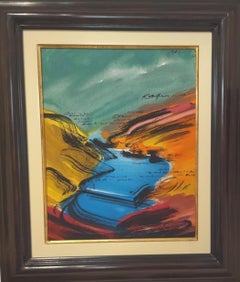
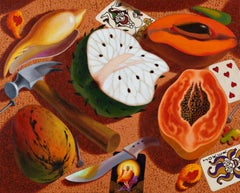
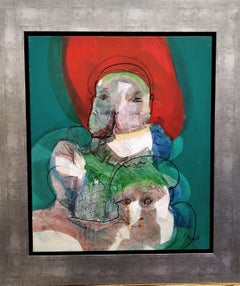
JorGar continued in such fashion, difficult to explain, beyond being understood, a creator of many works whose complexity can only be observed through abstraction and the vigilant game of interpretation, which conform to the pleasures of the restless space and the transformation of volume.
In 1975 he exhibited with a group of artists in the “Talía” salon of the University of Havana. That same year he won the 1st place of this exhibition with his work "Dawn". In 1976 he was entrusted by the magazine "Alma Mater" for the creation of an allegorical work of the birth of the Cuban master...
Category
20th Century Miami - Art