5,586 results for "lacquer"

to
722
4,443
1,016
127
287
1,298
2,858
1,143
688
1,076
664
73
37
153
130
53
215
210
251
134
57
654
445
439
130
90
71
64
57
53
53
46
45
43
42
42
28
27
13
2,567
2,296
881
769
615
2,639
2,525
2,991
1,592
1,155
905
679
Height
to
Width
to
5,586
4,924
5,159
51
50
44
32
26
Japanese Meiji Period Antique Lacquer Box with Gold Maki-e Decoration

Japanese Meiji Period Antique Lacquer Box with Gold Maki-e Decoration

Located in New York, NY

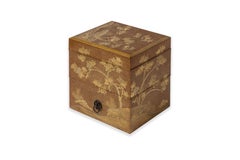
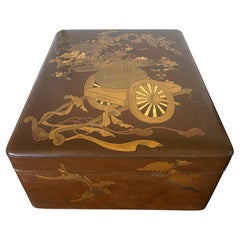
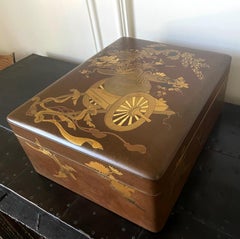
A fine antique Japanese Meji Period lacquer box decorated with a fan and a stylized star shaped window in the maki-e technique. The fan at the top right corner, fully opened depictin...

Category

Antique 19th Century Japanese Meiji Lacquer

Materials

Lacquer

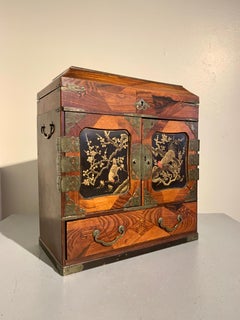
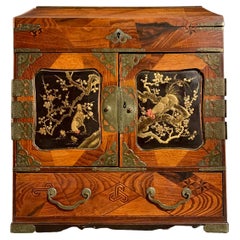
Japanese Marquetry and Lacquer Jewelry Chest, Meiji Period, circa 1900, Japan

Japanese Marquetry and Lacquer Jewelry Chest, Meiji Period, circa 1900, Japan

Located in Austin, TX

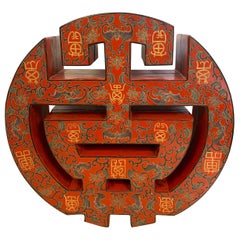
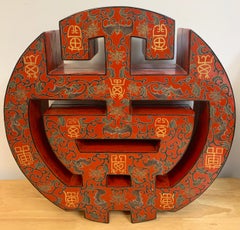
A very attractive Japanese wood table top jewelry or collector's chest with marquetry and lacquer decoration, Meiji period, circa 1900, Japan. Previously in the collection of Asbjorn Lunde (1927 - 2017). The chest is crafted in the form of a Chinese seal...

Category

Antique Early 1900s Japanese Meiji Lacquer

Materials

Wood, Softwood, Lacquer

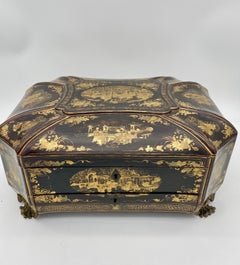
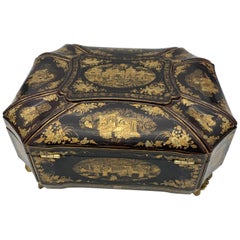
Chinese Gold and Black Lacquer Games Box, Early 19th Century

Chinese Gold and Black Lacquer Games Box, Early 19th Century

Located in Bishop's Stortford, Hertfordshire

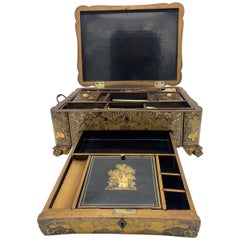
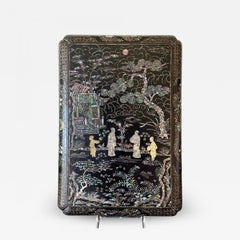
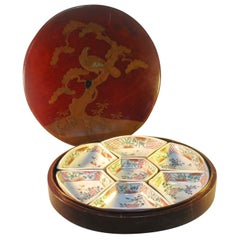
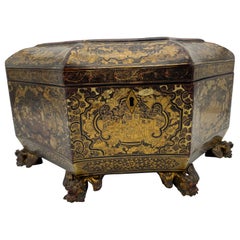
An exceptional antique Chinese gold and black lacquer games box raised on four paw feet with a domed lift off cover decorated with figural landscape panels in gilded lacquer colours on a black ground. The cover lifts off to reveal five lidded removable counter boxes...

Category

Antique Early 19th Century Chinese Lacquer

Materials

Lacquer

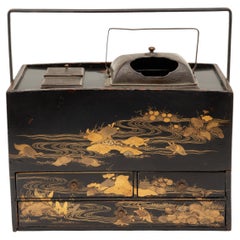
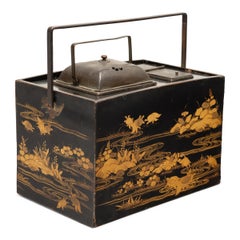
Japanese Gilt Lacquer Tabako-Bon with River Turtles, Edo Period

Japanese Gilt Lacquer Tabako-Bon with River Turtles, Edo Period

Located in Chicago, IL

This box with many drawers is a Japanese tabako-bon, or 'tobacco tray,' used to store tobacco and smoking accessories. Believed to have evolved from the traditional accessories of Ja...

Category

Antique Mid-19th Century Japanese Edo Lacquer

Materials

Brass

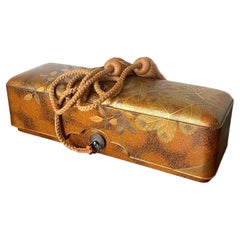
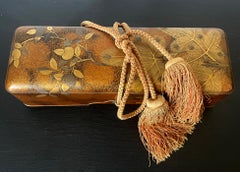
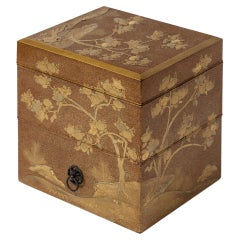
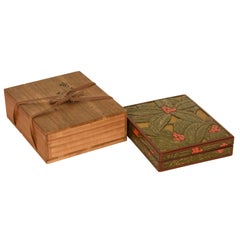
Japanese Lacquer Maki-E Scroll Box Fubako by Kansonsai Edo Period

Japanese Lacquer Maki-E Scroll Box Fubako by Kansonsai Edo Period

Located in Atlanta, GA

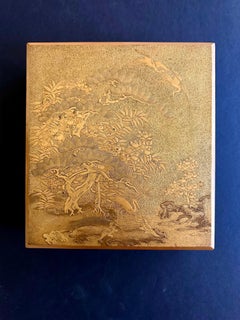
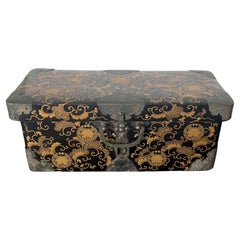
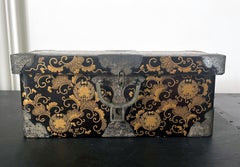
A Japanese lacquered wood fubako (a box to store document or small scroll painting) circa late 18th century of Edo period. The rectangular box features a deep lid with rounded corners and recessed mid-edge and a lower box with two bronze medallion rings and tasseled silk ties. The surface of the fubako was elaborately decorated with hiramaki-e and a low takamaki-e on a mottled Mura-nashiji background. The motifs on the lid depict branches of Japanese pine with finely rendered needles on the lower part; on the upper part, it showcases fruited persimmon branches. Two different shades of gold fundame were used to contrast the design and augmented by scattered gold kirigane to highlight some of the leaves. The design continues and cascades down to all sides of the lid as well as the walls of the box. The two bronze medallions appear original to the box and the silk ties show significant fading from the age. This Fine fubako is signed on the lower wall "Kanshosai" in Kanji with a kao mark. All the trims were finished in gold fundame and the interiors a dense nashiji in gold. Kanshosai is the mark of the distinguished lacquer artist Lizuka Toyo I who also signed his work "Toyosai". He was active in the second half of the 18th century during Edo period, employed by Hachisuka Shigeyoshi (1738-1801), daimyo of Awa on Shikoku Island. Although most survived work bearing his marks are inros, he was also known to decorated trays and other larger objects...

Category

Antique Late 18th Century Japanese Edo Lacquer

Materials

Wood, Lacquer

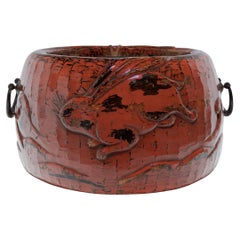
Japanese Red Lacquer Negoro Hibachi with Rabbits, Edo Period, c. 1850

Japanese Red Lacquer Negoro Hibachi with Rabbits, Edo Period, c. 1850

Located in Chicago, IL

With monumental scale and beautiful, hand-carved details, this remarkable red lacquer hibachi is a true work of art. Designed to hold glowing embers, hibachi vessels such as this were used for cooking or as a source of heat in Japanese homes. Placed under a low wood kotatsu table...

Category

Antique Mid-19th Century Japanese Edo Lacquer

Materials

Metal, Bronze, Copper

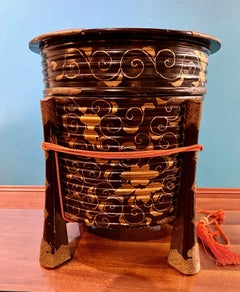
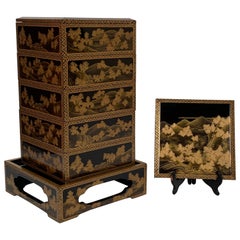
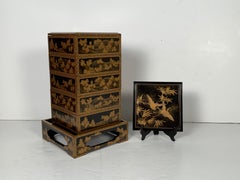
Japanese Maki-e Lacquer Stacking Box, Jubako, Meiji Period, Japan

Japanese Maki-e Lacquer Stacking Box, Jubako, Meiji Period, Japan

Located in Austin, TX

A fine and impressive Japanese gold maki-e decorated black lacquer five-tier jubako with presentation tray, two lids, and the original tomobako storage box, Meiji period, late 19th c...

Category

Antique Late 19th Century Japanese Meiji Lacquer

Materials

Lacquer

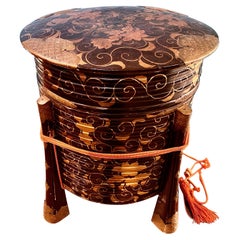
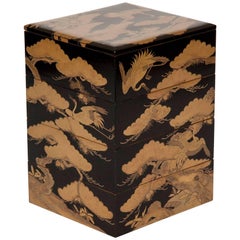
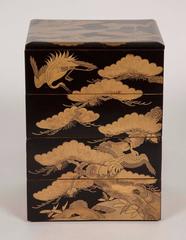
Japanese Black Lacquer Jubako Box with Stork Motif

Japanese Black Lacquer Jubako Box with Stork Motif

Located in Stamford, CT

A four-tier Japanese Meiji period black lacquer Jubako box with stork and fir tree decoration. Box in four sections with lid.

Category

Antique Late 19th Century Japanese Edo Lacquer

Materials

Lacquer

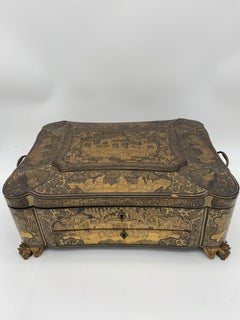
19th Century Chinese Lacquer Sewing Box

19th Century Chinese Lacquer Sewing Box

Located in Brea, CA

19th century Chinese lacquer sewing box from the Qing Dynasty. Decorated all over beautifully with intricate designs and images of ancient C...

Category

Antique 19th Century Chinese Qing Lacquer

Materials

Lacquer

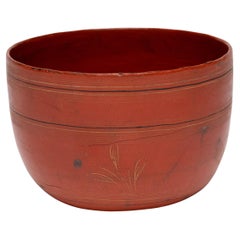
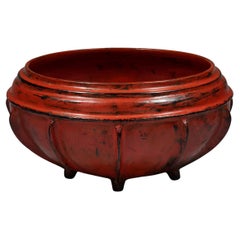
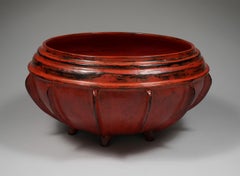
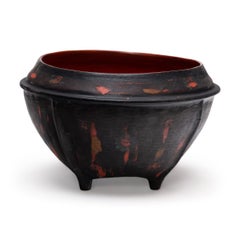
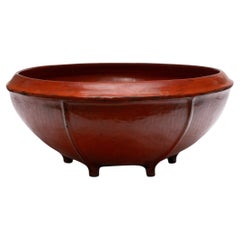
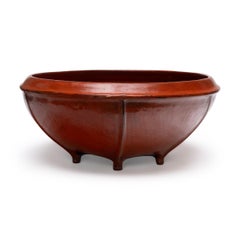
Late 19th/ early 20th Century Large Red Lacquer Offering Bowl, Burma

Late 19th/ early 20th Century Large Red Lacquer Offering Bowl, Burma

Located in Point Richmond, CA

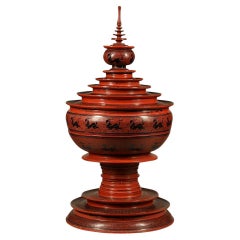
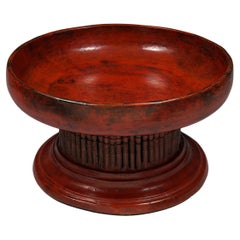
Large Red Offering Bowl Burma Late 19th/early 20th century Bamboo, lacquer D: 21 in x H: 7.5 in :: 78.7 cm x 19 cm Traditionally used to bring offerings to an altar, and to present ...

Category

Early 20th Century Burmese Tribal Lacquer

Materials

Bamboo, Lacquer

Persimmon Box in Black Lacquer by Robert Kuo, Limited Edition

Persimmon Box in Black Lacquer by Robert Kuo, Limited Edition

By Robert Kuo

Located in Los Angeles, CA

Persimmon Box Black Lacquer Hand Repousse Copper Base Limited Edition Lacquer is a laborious and time-consuming process. After it is tapped from the trees, lacquer needs to b...

Category

21st Century and Contemporary Chinese Lacquer

Materials

Copper

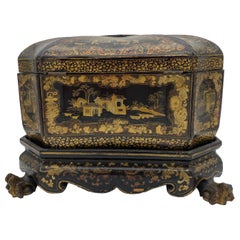
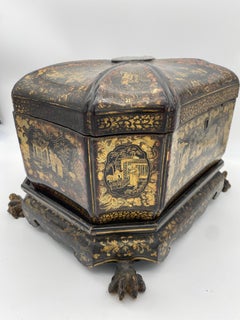
19th Century Chinese Lacquer Tea Caddy

19th Century Chinese Lacquer Tea Caddy

Located in Brea, CA

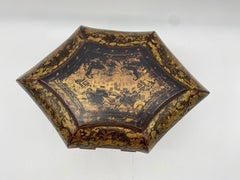
Middle 19th century Chinese Export double lacquer tea caddy on stand from the Qing dynasty. octagonal form with hinged lid ,divided interior with me...

Category

Antique 19th Century Chinese Qing Lacquer

Materials

Lacquer

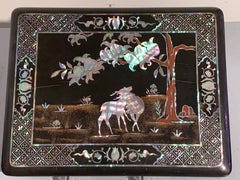
Japanese Momoyama Period Black Lacquer and Mother of Pearl Box, 16th Century

Japanese Momoyama Period Black Lacquer and Mother of Pearl Box, 16th Century

Located in Austin, TX

A fine and unusual Japanese black lacquer and mother of pearl inlaid box, Momoyama Period, 16th century, Japan. The large box and cover featu...

Category

Antique 16th Century Japanese Edo Lacquer

Materials

Lacquer, Abalone

Antique Japanese Lacquer and Inlay Box from Ryukyu Island

Antique Japanese Lacquer and Inlay Box from Ryukyu Island

Located in Atlanta, GA

A lacquer presentation box with mother-of-pearl inlays from Japanese Ryukyu Islands circa 17-18th century. The lidded box in rectangular form with rounded corner is a classic example...

Category

Antique 18th Century Japanese Japonisme Lacquer

Materials

Mother-of-Pearl, Lacquer

Japonese Lacquered Box with Flower, Late of the 19th Century

Japonese Lacquered Box with Flower, Late of the 19th Century

Located in Beuzevillette, FR

Nice little black lacquer box from Japan. It is made of black lacquered wood and decorated with flowers and foliage. The inside is covered with red velvet. It is ideal for storing je...

Category

Antique Late 19th Century Japanese Lacquer

Materials

Lacquer

Burmese Yun Lacquer Betel Box

Burmese Yun Lacquer Betel Box

Located in Chicago, IL

Intricately decorated with red and black lacquer, this petite Burmese betel box (kun-it) is a lovely example of a traditional craft. A blend of betel leaves, areca nuts, slaked lime,...

Category

20th Century Burmese Folk Art Lacquer

Materials

Bamboo

Fine Japanese Lacquered Inro with Inlays by Kajikawa

Fine Japanese Lacquered Inro with Inlays by Kajikawa

Located in Atlanta, GA

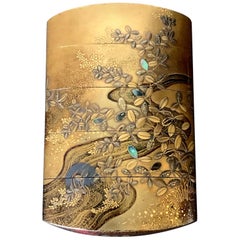
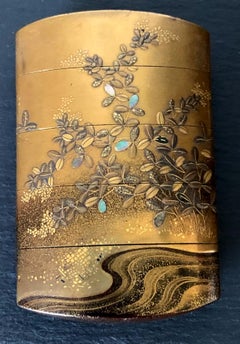
A Japanese four-case lacquer inro by a member of Kajikawa family circa 19th century (late Edo to early Meiji period). It depicts a nocturnal scenery of a meandering stream surrounded by bush clovers, where a full moon is reflected on the water. It was masterfully decorated in gold and silver maki-e using a combination of techniques including takamakie, togidashi and kirigane as well as aogai (abalone shell) inlays. The stream was set between the slightly elevated banks, adding to this piece a already strong three-dimensional composition. The interior was decorated in gold nashiji. It was signed on the bottom "Kajikawa Zou" (made by Kajikawa and a pot seal centered with "Ei" in Kanji. In one of the compartment, there is a katakana mark, appears to be a name, possibly the owner. Kajikawa clan was one of the most famous lacquer artisanal family established in the 17th century. Many well known members over the generations produced lacquer art in a wide range of formats, but two third were signed only with the family name such as this one. It is therefore not possible to pinpoint the exact author of this piece. Provenance: This inro was purchased as lot 349 in Christie's New York sale Japanese...

Category

Antique 19th Century Japanese Japonisme Lacquer

Materials

Shell, Wood, Lacquer

Fine Japanese Lacquered Inro by Yutokusai

Fine Japanese Lacquered Inro by Yutokusai

Located in Atlanta, GA

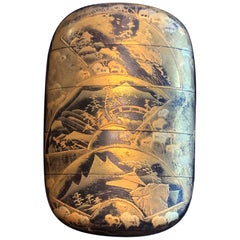
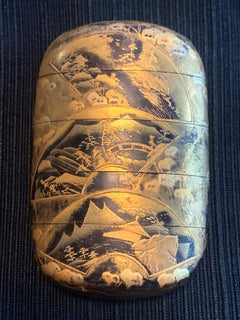
A four-case lacquered Japanese inro by Yutokusai (Gyokkei), a lacquer artist active from 1845-1900 (end of Edo to Meiji period). The slightly round inro features a very intricate design with three unfolded fans on the front and two on the back: each reveals a vignette landscape scenery, likely real places in Japan. Using a combination of hiramaki-e and slight takamaki-e, the artist deftly created the pictures with fine details, rendering the inro as a miniature artwork...

Category

Antique 19th Century Japanese Japonisme Lacquer

Materials

Wood, Lacquer

Japanese Lacquer Hokai Box, 19th Century

Japanese Lacquer Hokai Box, 19th Century

Located in Pasadena, CA

This is a good example of a traditional Japanese Hokai shell storage box for the Kai-awase game. This box is well-detailed in chased brass appliques and makie. The box is in overall ...

Category

Antique Late 19th Century Japanese Japonisme Lacquer

Materials

Wood, Lacquer

Persimmon Box in Cream Lacquer by Robert Kuo, Limited Edition

Persimmon Box in Cream Lacquer by Robert Kuo, Limited Edition

By Robert Kuo

Located in Los Angeles, CA

Persimmon box Black lacquer Hand repousse Copper base Limited Edition Lacquer is a laborious and time-consuming process. After it is tapped from the trees, lacquer needs to b...

Category

21st Century and Contemporary Chinese Lacquer

Materials

Copper

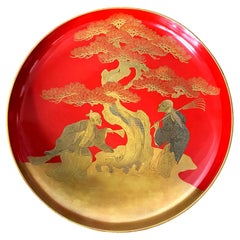
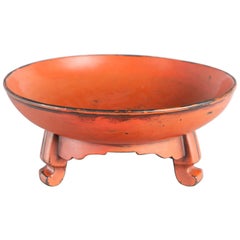
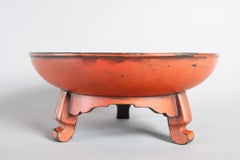
Late 19th-Early 20th Century Lacquer Standing Offering Dish, Burma

Late 19th-Early 20th Century Lacquer Standing Offering Dish, Burma

Located in Point Richmond, CA

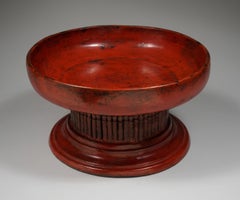
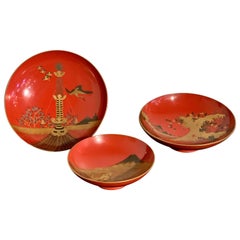
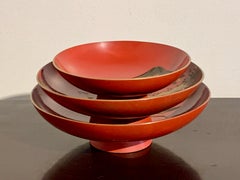
Late 19th-early 20th century lacquer standing offering dish, Burma Beautifully lacquered in gold and red pigments, such offering dishes were designed to serve meals for monks, hig...

Category

Antique Late 19th Century Burmese Tribal Lacquer

Materials

Wood, Lacquer

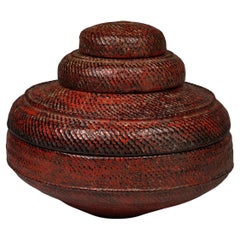
Early 20th Century Lacquer and Bamboo Offering Vessel, Hsun Ok, Pagan, Burma

Early 20th Century Lacquer and Bamboo Offering Vessel, Hsun Ok, Pagan, Burma

Located in Point Richmond, CA

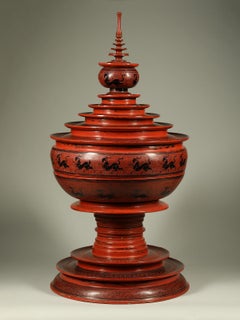
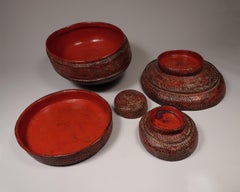
Late 19th or early 20th century lacquer and bamboo offering vessel, Hsun Ok, Pagan, Burma A large offering vessel composed of four pieces, a base, a large food bowl with lid and the...

Category

Early 20th Century Burmese Tribal Lacquer

Materials

Bamboo, Lacquer

Japanese Lacquered Tebako 'Box'

Japanese Lacquered Tebako 'Box'

Located in PARIS, FR

Tebako box with three compartments in golden and nashi-ji lacquer, decorated with golden, red, and kirigane lacquer, golden persimmon tree leaves, among rocks. The compartments are of increasing size from the top. The decoration is in continuity. Persimmon has been cultivated in southern China for more than 2500 years and is believed to have been introduced to Japan in the 8th century. The veneer is a tree with very hard wood, similar to ebony. According to a legend, one specimen survived the atomic bombing of Nagasaki on August 9, 1945, close to the epicenter. It is therefore in Japan a symbol of strength and longevity. It is also the national fruit of the country. It is eaten as a traditional dish during New Year's Day celebrations. Tebako literally means "portable box...

Category

Antique 1860s Japanese Lacquer

Materials

Lacquer

Chinese Black Lacquer Snack Box, c. 1820

Chinese Black Lacquer Snack Box, c. 1820

Located in Chicago, IL

This simple lacquered box was once used as a 19th-century snack box, presented as a gift during holidays and special occasions. To the delight of the recipients, the unassuming box w...

Category

Antique Early 19th Century Chinese Qing Lacquer

Materials

Wood, Lacquer

1940s Burmese Lacquered Red Tray Large Size Bamboo Thai Stand

1940s Burmese Lacquered Red Tray Large Size Bamboo Thai Stand

Located in Moreno Valley, CA

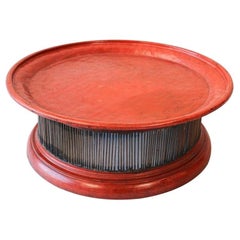
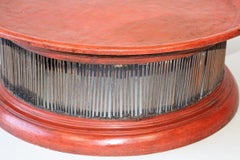
Early 20th century large Burmese lacquered bamboo tray handcrafted red Thai lacquered rattan footed stand. This Thai features a drum shape circular tray top sitting above a body rhythmically accented with spindle motifs, the ensemble resting on a confirming plinth. Burmese (Myanmar) lacquer ware has a long tradition dating back to the 13th century. Lacquer in Burma is called “Thitsi” meaning the sap of a Thitsi Tree (Melanhorrea Usitata). Typically, bamboo and wood are used as a frame or base in making lacquer work. This table tray stand called a “Dang lan”. This stand is constructed with woven bamboo that is then applied with many layers of lacquer. Black lacquered frame covered with red lacquer. A large high quality handcrafted wooden elevated tray...

Category

Mid-20th Century Thai Folk Art Lacquer

Materials

Rattan, Wood, Paper, Bamboo

Red Chinese Vintage Lacquer Box

Red Chinese Vintage Lacquer Box

Located in Franklin Park, IL

Red Chinese Vintage Lacquer Box This box measures: 14.5 wide x 14.5 deep x 8 inches high We take our photos in a controlled lighting studio to show as much detail as possible. We d...

Category

Early 20th Century American Lacquer

Materials

Malachite

Chinese Lacquered Snack Box, c. 1820

Chinese Lacquered Snack Box, c. 1820

Located in Chicago, IL

This simple lacquered container was once used as a 19th-century snack box, presented as a gift during holidays and special occasions. To the delight of the r...

Category

Antique Mid-19th Century Chinese Qing Lacquer

Materials

Wood, Lacquer

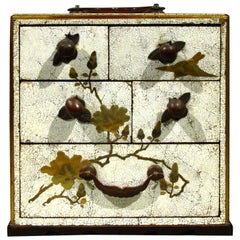
Signed Japanese White Lacquer and Maki-E Lacquer Tansu, Meiji Period

Signed Japanese White Lacquer and Maki-E Lacquer Tansu, Meiji Period

Located in Ottawa, Ontario

The case decorated overall in crackle-glaze white lacquer and fitted with a patinated metal carrying handle over three tiers of small drawers. The first two tiers are comprised of a ...

Category

Antique Late 19th Century Japanese Meiji Lacquer

Materials

Lacquer

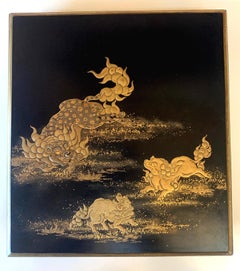
Japanese Rinpa Style Lacquer Ink Stone Box Suzuribako

Japanese Rinpa Style Lacquer Ink Stone Box Suzuribako

Located in Atlanta, GA

A Japanese writing box with ink stone (known as Suzuribako) with exquisite maki-e decoration circa late Meiji to early Taisho period (1890s-1930s)...

Category

Early 20th Century Japanese Japonisme Lacquer

Materials

Wood, Lacquer

Antique Japanese Lacquer and Inlay Kang Table from Ryukyu Island

Antique Japanese Lacquer and Inlay Kang Table from Ryukyu Island

Located in Atlanta, GA

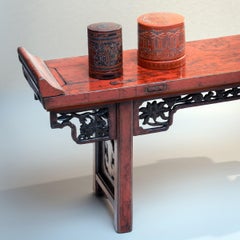
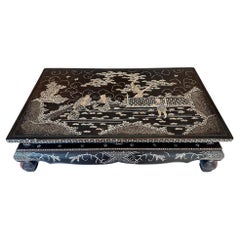
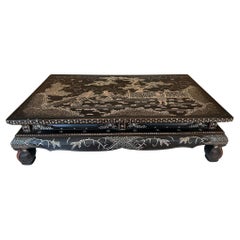
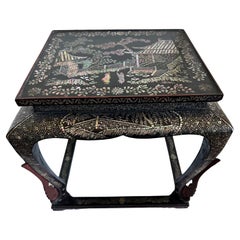
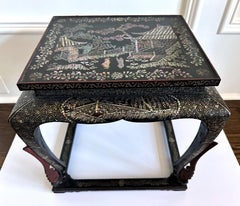
A small low table with lacquer and intricate mother-of-pearl inlay design from Ryukyu Islands kingdom circa 17-18th century. Ryukyuan kingdom was used to be an independent island cou...

Category

Antique 18th Century Japanese Edo Lacquer

Materials

Mother-of-Pearl, Lacquer

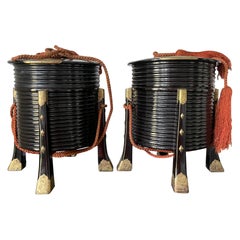
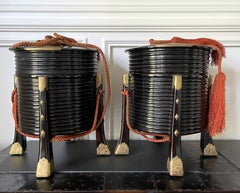
Pair of Large Antique Japanese Hokai Lacquer Boxes

Pair of Large Antique Japanese Hokai Lacquer Boxes

Located in Atlanta, GA

A pair of Japanese lacquered lidded Hokai boxes with chased brass hardware and original ropes. Hokai boxes are traditionally used in Japan as the containers ...

Category

Early 20th Century Japanese Japonisme Lacquer

Materials

Wood, Lacquer

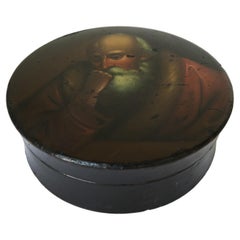
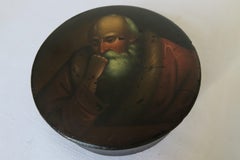
1800s Russian Lacquer Box Philosopher

1800s Russian Lacquer Box Philosopher

Located in Vienna, AT

In this ad you get the chance to buy a beautiful hand-painted Russian lacquer box from the 1800s. It is cylindrical in shape, slightly curving in...

Category

Antique 18th Century Russian Lacquer

Materials

Bentwood

Late 19th/ early 20th Century Large Red Lacquer Offering Tray, Burma

Late 19th/ early 20th Century Large Red Lacquer Offering Tray, Burma

Located in Point Richmond, CA

Large Red Offering Tray, Burma Late 19th/early 20th century Bamboo, lacquer ...

Category

Early 20th Century Burmese Tribal Lacquer

Materials

Bamboo, Lacquer

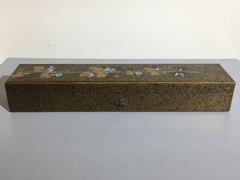
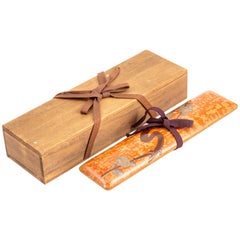
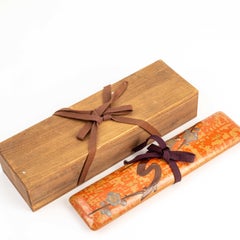
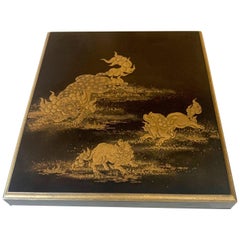
Japanese Edo Period Igarashi School Long Lacquer Box, Tanzaku-Bako

Japanese Edo Period Igarashi School Long Lacquer Box, Tanzaku-Bako

Located in Austin, TX

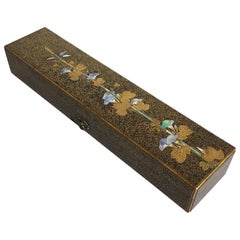
A stunning Japanese Edo period lacquer tanzakubako, box for poem cards, late 18th-early 19th century, Edo Period, Japan. Attributed to the Igarashi School, this box is masterfully ...

Category

Antique Early 19th Century Japanese Edo Lacquer

Materials

Mother-of-Pearl, Lacquer

Chinese Celadon Lacquer Peach Box, 19th Century

Chinese Celadon Lacquer Peach Box, 19th Century

Located in Chicago, IL

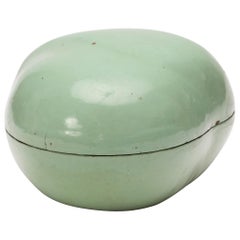
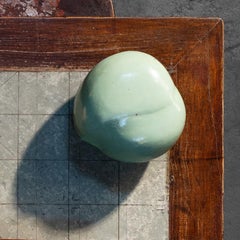
This small presentation box from the late Qing dynasty (1644-1911) is cloaked in a rare shade of celadon-teal lacquer, an unusual color we've never seen in our years of collecting. T...

Category

Antique Mid-19th Century Chinese Qing Lacquer

Materials

Wood

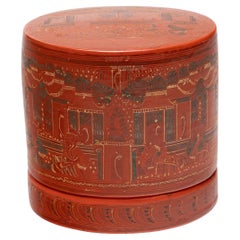
Highly Decorative Antique Burmese Lacquered Betel Box / Kun-It, Circa 1900

Highly Decorative Antique Burmese Lacquered Betel Box / Kun-It, Circa 1900

Located in Ottawa, Ontario

The vermillion lacquered cylindrical body decorated overall with repeating bands of curvilinear geometric motifs, the cover lifting to reveal both of its original trays intended to h...

Category

Early 20th Century Burmese Lacquer

Materials

Lacquer, Bamboo

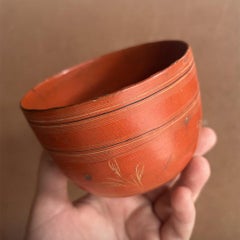
Burmese Yun Lacquer Cup, c. 1900

Burmese Yun Lacquer Cup, c. 1900

Located in Chicago, IL

This delicate cup from the late 19th century is a lovely example of the Burmese art of lacquer (pan yun). Shaped from coiled bamboo and finished with cinnabar-red lacquer (hinthabada...

Category

Antique Late 19th Century Burmese Folk Art Lacquer

Materials

Bamboo

Japanese Lacquered Furoshiki Kobako 'Box'

Japanese Lacquered Furoshiki Kobako 'Box'

Located in PARIS, FR

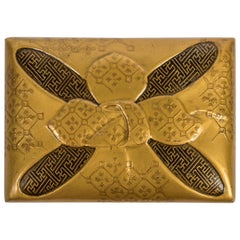
Rectangular and flat lacquer Kobako (small box) representing a furoshiki knot seen from above. Fundame background, furoshiki in takamaki-e with floral pattern, inside the folds of the fabric with black and gold sayagata pattern with togidashi maki-e technique. The saya (or sayagata) pattern is composed of Chinese swastikas...

Category

Antique Late 19th Century Japanese Lacquer

Materials

Lacquer

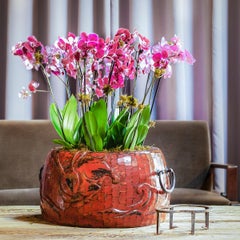
Japanese Red Lacquer Hibachi, c. 1900

Japanese Red Lacquer Hibachi, c. 1900

Located in Chicago, IL

Designed to hold glowing embers, hibachi vessels were used for cooking or as a source of heat in Japanese homes. Placed under a low wood kotatsu table wi...

Category

Early 20th Century Japanese Meiji Lacquer

Materials

Copper

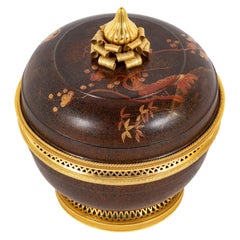
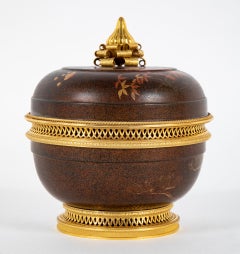
Lacquer Potpourri
Lacquer Potpourri

Lacquer Potpourri

Located in Stamford, CT

Lacquer Potpourri box and cover with ormolu mountings from 18th century Directoire Japan/ France.

Category

Antique 18th Century Japanese Lacquer

Materials

Lacquer

Intricately  Carved Kamakura Lacquer Box with Botanical Design by Tamerou Ono

Intricately Carved Kamakura Lacquer Box with Botanical Design by Tamerou Ono

Located in Prahran, Victoria

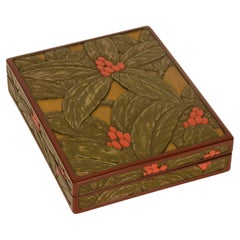
A vintage Japanese Tsuzuri bako, writing box. with an unusual, deeply carved relief of Japanese sarcandra glabra, a woody herbal sub-shrub native to Asia with deep green glossy leave...

Category

Mid-20th Century Japanese Lacquer

Materials

Wood

Chinese Cinnabar Lacquer Cuspidor

Chinese Cinnabar Lacquer Cuspidor

Located in New Orleans, LA

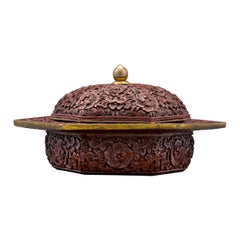
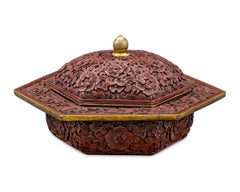
This intriguing Chinese zhadou is intricately carved of fine cinnabar lacquer. A work of exceptional artistry, this covered bowl is adorned with an intricately carved floral motif on all surfaces, including the cover and the wide rim. Also known as a cuspidor or spittoon, this rare container would have been used by members of the imperial family and scholar- officials at the court. Carved during the Kangxi period (1662-1722), this charming piece exhibits the high detail and charm associated with items from that period, making it a true treasure, Early 18th century (Kangxi dynasty) Measures: 6 ¼” wide x 3 ¼” high Cinnabar has been revered for its color all over the world. It has been found in the royal burial chambers of the Mayas, in the rituals of India, and in the ruins of ancient Greece and Rome. In China, cinnabar and gold were the two most important elements in alchemy. Mined since the Neolithic Age, cinnabar is the ore of mercury, and as such, it can be incredibly toxic, especially when mining. In fact, during the Roman Empire, miners at Spain’s Almadén mine in Spain were frequently exposed to mercury fumes, and the subsequent, often fatal, sickness was considered an occupational hazard. The most popular known use of cinnabar is in Chinese carved lacquer-ware, a technique that is believed to have originated in the Song Dynasty, in which cinnabar is ground to a powder and added to clear lacquer. As with mining, there was inherent danger of mercury poisoning for those who carved the lacquer, as mercury was also released into the air when artisans ground the pigments. Most antique cinnabar...

Category

Antique 18th Century Chinese Other Lacquer
Materials

Lacquer
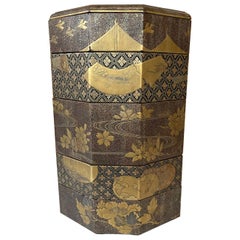
Japanese Maki-e Lacquer Stack Box Jubako
Japanese Maki-e Lacquer Stack Box Jubako
Located in Atlanta, GA

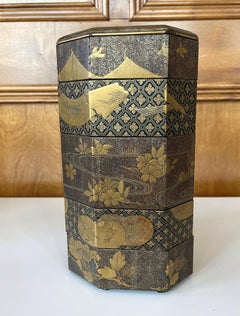
An antique jubako (stack boxes) with five tiers in an elongated octagon shape circa 19th century (end of Edo or beginning of Meiji period). jubako was traditionally used to store and...

Category

Antique 19th Century Japanese Japonisme Lacquer
Materials

Wood, Lacquer
Antique Japanese Lacquered Incense Box Kobako Ex-Christie's

Antique Japanese Lacquered Incense Box Kobako Ex-Christie's

Located in Atlanta, GA

An old Japanese lacquered small box likely used to contain incense powder called Kobako, circa Momoyama to early Edo period (16-17th century). The rectangular form box with a fitted ...
Category

Antique 17th Century Japanese Japonisme Lacquer
Materials

Lead

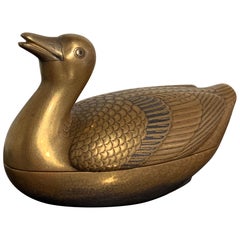
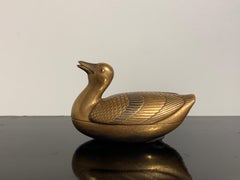
Small Japanese Lacquer Duck Incense Box, Kogo, Meiji Period, Late 19th Century
Small Japanese Lacquer Duck Incense Box, Kogo, Meiji Period, Late 19th Century
Located in Austin, TX

An exquisite Japanese Meiji Period small lacquer incense box, kogo, in the form of a duck or goose, late 19th century, Japan. The delicate lacquer box, known as a kogo in Japanese, ...
Category

Antique Late 19th Century Japanese Meiji Lacquer
Materials

Lacquer
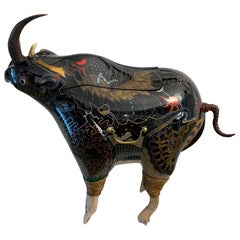
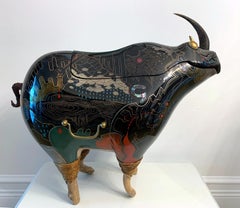
Rhino Contemporary Japanese Lacquer Art by Someya Satoshi

Rhino Contemporary Japanese Lacquer Art by Someya Satoshi

Located in Atlanta, GA

Japanese Lacquer Rhino Sculpture by Someya Satoshi (1983-). A hand-molded lacquer sculpture that depicts a fantasy beast "Rhino". The artist uses century-old traditional techniques and symbols but with an innovative contemporary energy that borders mysticism, shamanism and surrealism. Found objects were equally treated as part of the meticulous designs as the elaborate Maki-e and shell inlays. According to the press of Honolulu Museum of Art: "Someya Satoshi has been described as “one of the most significant contemporary lacquer artists working in Japan today.” (Japan Times, 12 Dec. 2013) His work combines objects of daily use, such as bathing buckets, serving trays, and soup bowls, with a wide array of natural materials, including animal bones, horns and antlers, sand, stones, leaves and branches. In the process, he implements a range of traditional lacquer methods passed down from pre-modern eras, such as the kanshitsu or “dry lacquer” technique, the origins of which date to Japan’s Nara period (710–784). After creating his forms, he embellishes them with designs inspired by calligraphy, traditional Japanese textile patterns, and even contemporary manga or comic books. His work defies ordinary definitions of lacquer art and successfully challenges the perceived limits of this extremely difficult and, in some ways, most conservative of traditional Japanese art forms". His work was exhibited in US such as Honolulu Museum of Art, Minneapolis Institute of Art, Morikami Museum etc. For a complete resume of the artist, see the artist's page in Imura Art Gallery. Reference: For a very similar Bull Sculpture see Hard Bodies Contemporary Japanese Lacquer...

Category

Early 2000s Japanese Japonisme Lacquer

Materials

Rope, Wood, Lacquer

Pair of Large Antique Japanese Hokai Lacquer Boxes

Pair of Large Antique Japanese Hokai Lacquer Boxes

Located in Atlanta, GA

A pair of Japanese lacquer lidded Hokai boxes with chased brass hardware and original ropes. Hokai boxes are traditionally used in Japan to store and carry s...

Category

Early 20th Century Japanese Japonisme Lacquer

Materials

Wood, Lacquer

Chinese Lacquer Hand-Painted Toiletry Box with Mirror

Chinese Lacquer Hand-Painted Toiletry Box with Mirror

Located in Prato, Tuscany

We kindly suggest you read the whole description, because with it we try to give you detailed technical and historical information to guarantee the authenticity of our objects. Valua...

Category

Mid-20th Century Chinese Chinoiserie Lacquer

Materials

Wood

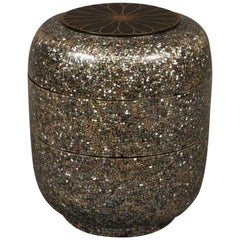
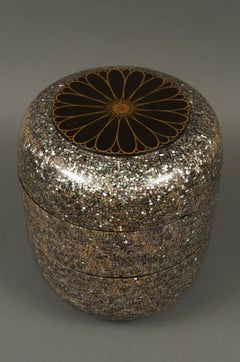
Antique Japanese Lacquer Stacking Food Box 'Jubako'

Antique Japanese Lacquer Stacking Food Box 'Jubako'

Located in Hudson, NY

With all-over mother of pearl inlay and mon design of chrysanthemum in gold and black lacquer on top. The chrysanthemum is a national symbol of Japan and the Imperial family.

Category

Antique 19th Century Japanese Lacquer

Materials

Gold

Japanese Laquered Box with Hinged Lid hand painted, 19th Century Meiji Period

Japanese Laquered Box with Hinged Lid hand painted, 19th Century Meiji Period

Located in Lincoln, Lincolnshire

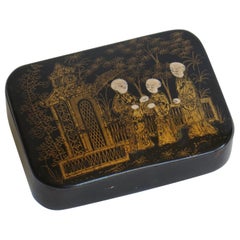
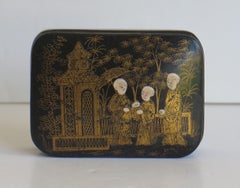
This is a good papier mâché, rectangular shaped black lacquered lidded box, hand enamelled and gilded, made in Japan during the 19th century, early Meiji period. This rectangular shaped papier mâché box has a well fitting hinged lid, with the box base and lid slightly domed. The box was probably originally made as a pocket box but could easily sit on a desk or dressing table as required. This is a very decorative box with finely hand painted scenes of three people, one holding a parasol, in a garden setting, with a pagoda type building, large gate...

Category

Antique 19th Century Japanese Meiji Lacquer

Materials

Paper