1960s Figurative Sculptures

to
11
171
23
14
5
10
Overall Width
to
Overall Height
to
194
663
2,273
7,505
94
40
101
102
54
101
168
225
285
69
147
11
10
6
6
4
2
1
66
43
33
28
25
24
17
16
14
13
12
12
9
9
8
7
7
7
7
6
118
101
63
52
20
8
6
2
2
2
1
3
144
77
Period: 1960s
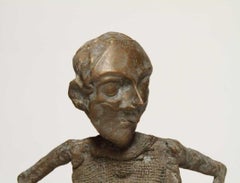
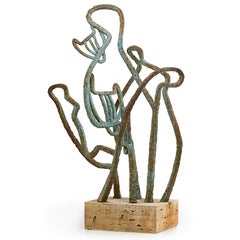
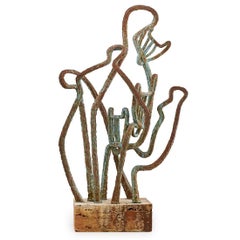
1960s Pop Art Unique Cast Bronze Sculpture Americana Folk Art William King

1960s Pop Art Unique Cast Bronze Sculpture Americana Folk Art William King

By William King (b.1925)

Located in Surfside, FL

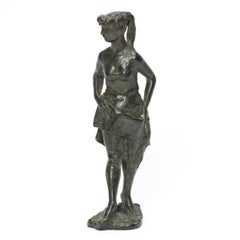
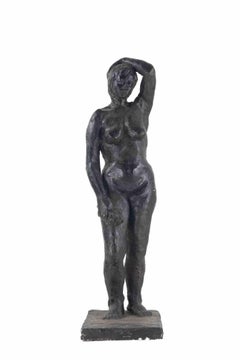
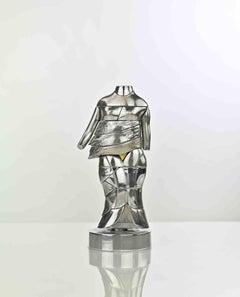
Mid-Century Modern wrought iron sculpture a person with oversize top, shorts, and carrying a hat, signed, artist's monogram and cipher, further mounted on a plaster base. 28" H. This a unique piece. It is interesting in that it speaks of a transition, leading into the later aluminum public pieces that kind of defined his work in the 70's. According to his estate this is most probably cast bronze. It might possibly be wrought iron.. William Dickey King was born in 1925 in Jacksonville, Florida and grew up in the Coconut Grove neighborhood of Miami. As a boy, William King made model airplanes and helped his father and older brother build furniture and boats. “I was 19, 20, my mother gave me a hundred bucks, says, ʻGet out of this state and don’t come back until you’re 65; there is nothing here for you,’ ” Bill King recalled in a video interview for the Smithsonian museum. He came to New York, where he attended the Cooper Union and began selling his early sculptures even before he graduated. He later studied with the sculptor Milton Hebald and traveled to Italy on a Fulbright grant. He was a contemporary, at the Cooper Union, of Alex Katz and Lois Dodd, his first wife, and remained close in many ways to their common aesthetic grounding, shared also with younger sculptors such as Red Grooms and Marisol Escobar. The hallmark of King’s early work was radical experiment keeping company with social connection and hedonism. The mix of big, important, innovative ideas and immediate, sensory, in-the-moment experience was a kind of visual jazz. For this was not just the time of Franz Kline’s big open defiant brushstrokes and Jackson Pollock’s all-over mists of intricately drooling line, but of Charlie Parker and Dizzy Gillespie. If we look at the works that King made in the early 1950s when he got back from his Fulbright to Italy we see free, experimental, open forms that take their cue from jazz as much as art in their fusion of virtuosity and cool.American sculptor King is most noted for his long-limbed figurative public art sculptures depicting people engaged in everyday activities such as reading or conversing. He created his busts and figures in a variety of materials, including clay, wood, metal, and textiles. Mr. King worked in clay, wood, bronze, vinyl, burlap and aluminum. He worked both big and small, from busts and toylike figures to large public art pieces depicting familiar human poses — a seated, cross-legged man reading; a Western couple (he in a cowboy hat, she in a long dress) holding hands; a tall man reaching down to tug along a recalcitrant little boy; a crowd of robotic-looking men walking in lock step. Mr. King’s work often reflected the times, taking on fashions and occasional politics. In the 1960s and 1970s, his work featuring African-American figures (including the activist Angela Davis, with hands cuffed behind her back) evoked his interest in civil rights. But for all its variation, what unified his work was a wry observer’s arched eyebrow, the pointed humor and witty rue of a fatalist. His figurative sculptures, often with long, spidery legs and an outlandishly skewed ratio of torso to appendages, use gestures and posture to suggest attitude and illustrate his own amusement with the unwieldiness of human physical equipment. His subjects included tennis players and gymnasts, dancers and musicians, and he managed to show appreciation of their physical gifts and comic delight at their contortions and costumery. His suit-wearing businessmen often appeared haughty or pompous; his other men could seem timid or perplexed or awkward. Oddly, or perhaps tellingly, he tended to depict women more reverentially, though in his portrayals of couples the fragility and tender comedy inherent in couplehood settled equally on both partners. His first solo exhibit took place in 1954 at the Alan Gallery in New York City. William Dicky King was elected to the American Academy of Arts and Letters in 2003, and in 2007 the International Sculpture Center honored him with the Lifetime Achievement in Contemporary Sculpture Award. Mr. King’s work is in the collections of the Metropolitan Museum of Art, Guggenheim Museum, Whitney Museum and the Museum of Modern Art in New York and the Hirshhorn Museum at the Smithsonian American Art Museum in Washington, among other places, and he had dozens of solo gallery shows in New York and elsewhere. Reviews of his exhibitions frequently began with the caveat that even though the work was funny, it was also serious, displaying superior technical skills, imaginative vision and the bolstering weight of a range of influences, from the ancient Etruscans to American folk art to 20th-century artists including Giacometti, Calder and Elie Nadelman. The New York Times critic Holland Cotter once described Mr. King’s sculpture as “comical-tragical-maniacal,” and “like Giacometti conceived by John Cheever.” From an article by David Cohen "In a career that ran in tandem with the hegemony of formal abstraction in sculpture, Bill King inevitably struggled with the prejudice that sculpture full of humanity and humor can’t be quite as serious as sculpture devoid of them. But the tide has clearly turned in ways that ought to work in King’s favor, with an increasing number of sculptors, fêted internationally, who are producing work that looks remarkably close in spirit, if not quite as regal in sheer mastery of form, as his own. When art historians of the future connect the dots of modern sculpture then artists like Franz West, Stephan Balkenhol, Huma Bhabha...

Category

Pop Art 1960s Figurative Sculptures
Materials

Bronze

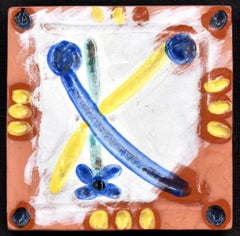
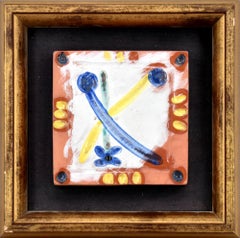
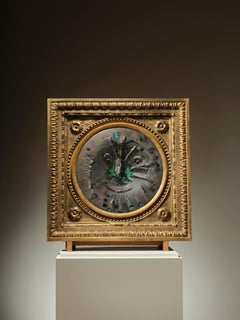
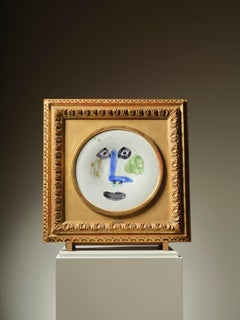
Visage (Nez à Angle Droit)

Visage (Nez à Angle Droit)

By Pablo Picasso

Located in PARIS, FR

An authenticated work Dated June 21, 1963, this unique painted and glazed ceramic comes with a certificate of authenticity from Claude Ruiz Picasso (2019). A dated work Inscribed Ju...

Category

Modern 1960s Figurative Sculptures

Materials

Ceramic

Kusama Pumpkins (Set of 3 works)

Kusama Pumpkins (Set of 3 works)

By Yayoi Kusama

Located in NEW YORK, NY

Yayoi Kusama Set of 3 Pumpkins: Yellow and Black, Red & White and Red & Black Naoshima: An iconic, vibrantly colored pop art set - these small Kusama pumpkin sculptures feat...

Category

Pop Art 1960s Figurative Sculptures

Materials

Resin

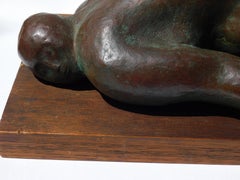
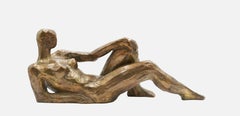
RECLINGING WOMAN
RECLINGING WOMAN

RECLINGING WOMAN

By Antoniucci Volti

Located in Los Angeles, CA

ANTONIUCCI VOLTI "RECLINGING WOMAN" BRONZE, SIGNED, NUMBERED 2/6 VALSUANI FOUNDRY ITALiAN, WORKED IN PARIS, C.1960 6.5 X 18.5 X 10.5 INCHES Antoniucci Volti 1915-1989 Sculptor, painter, and printmaker Antoniucci Volti was born in Albano, Italy, in 1915. His family lived in Italy until 1920 when the family moved to France. Volti studied at the Ecole des Arts Décoratifs in Nice from 1928 to 1920. By 1932 the young artist had won a gold medal for two polychrome bas-reliefs before going to Paris, where he entered the studio of Jean Boucher at the Ecole Nationale des Beaux-Arts in Paris at the age of only fifteen. After serving in the Second World War, when he was interned as a prisoner of war in Bavaria, he returned in poor health to Paris, only to find his studio destroyed. From 1947 he showed work at various Paris Salons and, in 1954 and 1955 at the Brussels and Antwerp Biennales. In 1957 a retrospective of his work was organized at the Museum Rodin in Paris. He died in Paris in 1989 Works by Volti are in leading museums such as the Musée National d'Art Moderne, Paris. Antoniucci Volti is one of the most important Late Modern...

Category

Modern 1960s Figurative Sculptures

Materials

Bronze

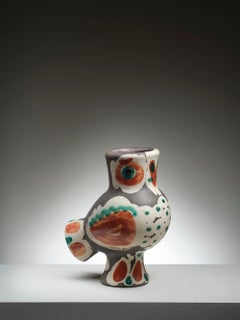
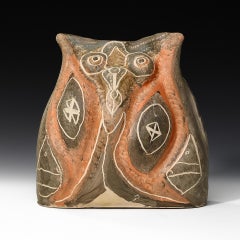
Chouette (A.R.604)
Chouette (A.R.604)

Chouette (A.R.604)

By Pablo Picasso

Located in PARIS, FR

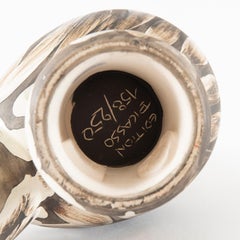
• Picasso began working with ceramics in 1946 at the Madoura workshop in Vallauris, marking the beginning of an important and highly productive chapter in his career. What initially ...

Category

Modern 1960s Figurative Sculptures

Materials

Ceramic

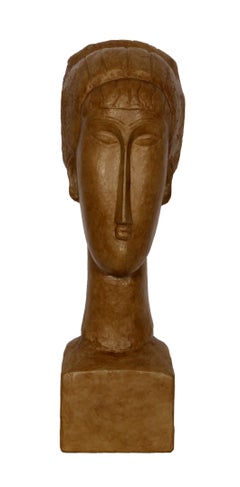
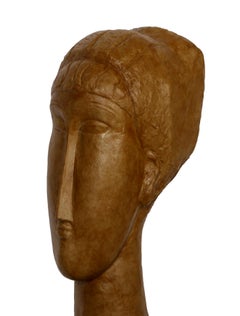
Tête de Femme, after Modigliani

Tête de Femme, after Modigliani

By Amedeo Modigliani

Located in Long Island City, NY

Tete de Femme after Modigliani, produced by Austin Productions in 1961. Austin Productions started in Brooklyn in 1952 and began manufacturing reprodu...

Category

Modern 1960s Figurative Sculptures

Materials

Resin

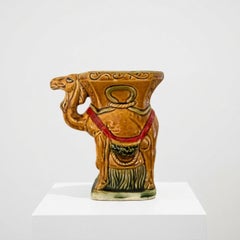
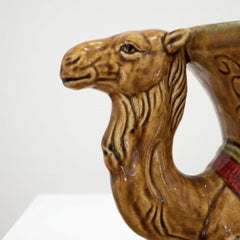
Mid-Century Japanese Glazed Majolica-Style Ceramic Camel Vessel, circa 1960s

Mid-Century Japanese Glazed Majolica-Style Ceramic Camel Vessel, circa 1960s

Located in Tulsa, OK

This finely molded ceramic figure is an excellent representation of mid-century Japanese export pottery, a booming industry in the post-WWII era where factories in regions like Seto ...

Category

Modern 1960s Figurative Sculptures

Materials

Ceramic

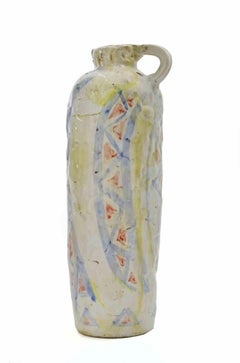
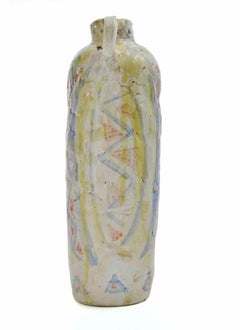
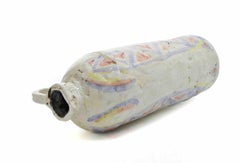
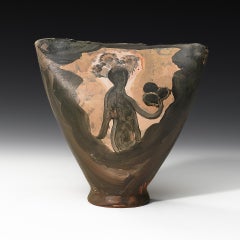
Vase - Sculpture by Sirio Pellegrini - 1960s

Vase - Sculpture by Sirio Pellegrini - 1960s

By Sirio Pellegrini

Located in Roma, IT

Painted ceramic vase realized by Sirio Pellegrini in 1960s. Good condition. Sirio Pellegrini, born in Rome on March 1, 1922, of Abruzzo origins (Capestrano), spent his childhood ye...

Category

Modern 1960s Figurative Sculptures

Materials

Terracotta

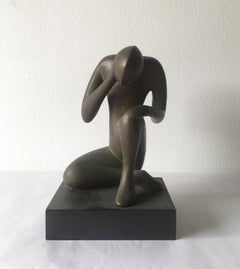
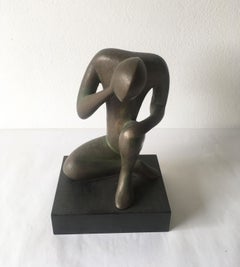
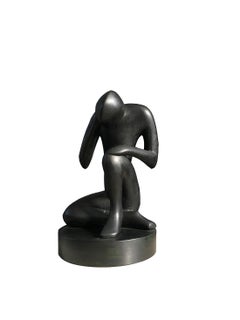
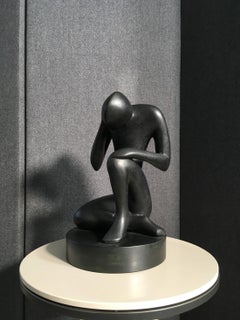
Latin American Sculpture by Raúl Valdivieso

Latin American Sculpture by Raúl Valdivieso

By Raúl Valdivieso

Located in Washington, DC

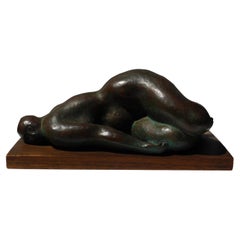
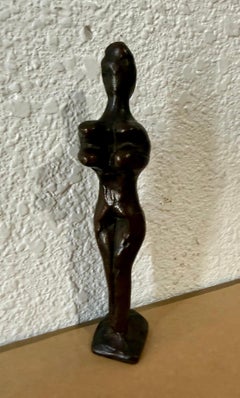
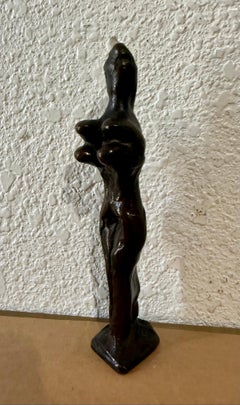
Bronze sculpture by Latin American sculptor Raúl Valdivieso (Chilean, 1931-1993). Valdivieso is known for his reinterpretation of the classic organic forms and human figures. Raúl Valdiveso was born September 9, 1931 in Santiago, Chile. In 1952 he began his studies at the School of Fine Arts at the University of Chile. There he took to sculpture and studied under professors like Marta Colvin...

Category

Abstract 1960s Figurative Sculptures

Materials

Bronze

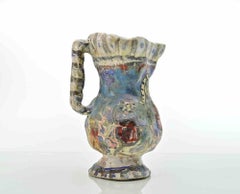
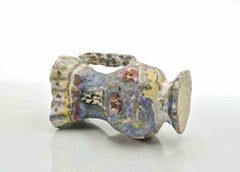
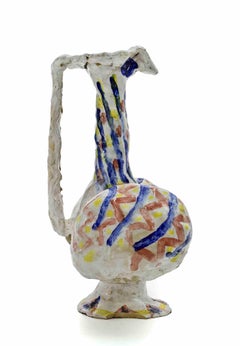
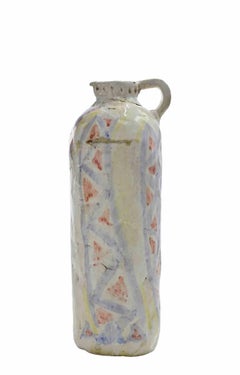
Jug - Sculpture by Sirio Pellegrini - 1960s

Jug - Sculpture by Sirio Pellegrini - 1960s

By Sirio Pellegrini

Located in Roma, IT

Painted Terracotta sculpture realized by Sirio Pellegrini in 1960s. Good condition. Sirio Pellegrini, born in Rome on March 1, 1922, of Abruzzo origins (Capestrano), spent his chil...

Category

Modern 1960s Figurative Sculptures

Materials

Terracotta

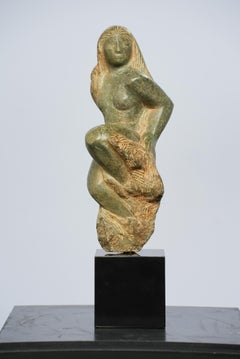
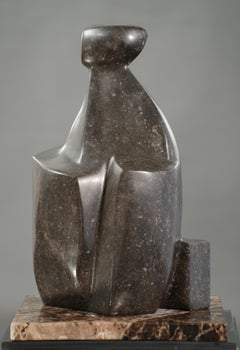
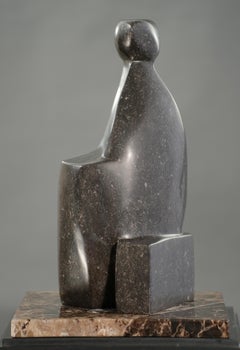
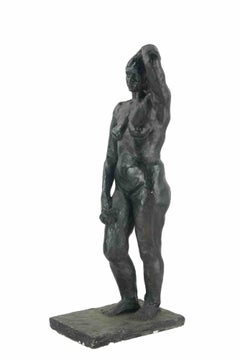
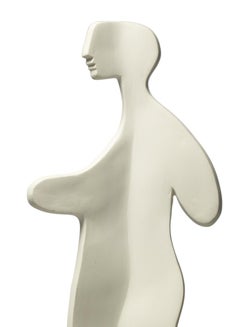
Strong Female Form
Strong Female Form

Strong Female Form

Located in New York, NY

This is a great sculpture with real gravitas and elegance. A great conception in terms of the forms and planes. Can be a star piece in a room - stone and surface are very attractive! Active primarily in the mid to late 20th century, Leo De Beer...

Category

Abstract 1960s Figurative Sculptures

Materials

Stone

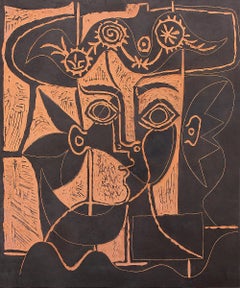
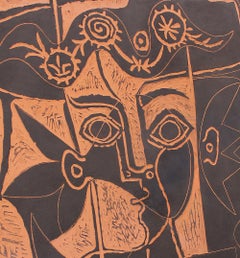
Grande Tête De Femme Au Chapeau Orné (Woman’s Big Head with Decked Hat)

Grande Tête De Femme Au Chapeau Orné (Woman’s Big Head with Decked Hat)

By Pablo Picasso

Located in Palo Alto, CA

Created in 1964, this red earthenware clay big rectangular plaque printed with engobe pad is #15 from the edition of 50. This work is stamped with the 'MADOURA PLEIN FEU’ and ‘EMPREINTE ORIGINALE DE PICASSO’ stamps on the reverse. Pablo Picasso Grande Tête De Femme Au Chapeau Orné (Woman’s Big Head with Decked Hat), 1964 A.R. 518 is a remarkable and beautiful work. It represents Picasso’s most important relationships at the time, namely his artistic partnership with the Ramiés and his romance with Jacqueline Roque. It is also notably one of two ceramic works Picasso has ever made of this scale. Picasso takes immense care in depicting this portrait of his greatest muse Jacqueline; its wonderful texture and delicate variations in line weight are testaments to the artist’s innate creative skill. Composed of a simple linear carved design in an earth tone clay plaque...

Category

Modern 1960s Figurative Sculptures

Materials

Ceramic

Visage
Visage

Visage

By Pablo Picasso

Located in PARIS, FR

An authenticated work Authenticated by Claude Ruiz Picasso on February 1, 2021, the piece comes directly from the Marina Picasso Collection. A prestigious provenance A provenance fr...

Category

Modern 1960s Figurative Sculptures

Materials

Ceramic

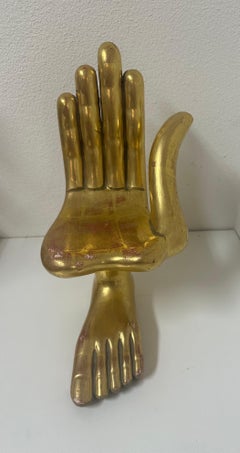
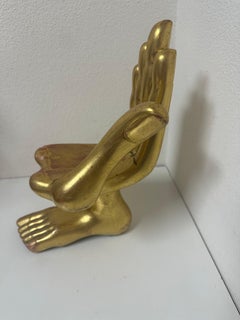
Pedro Friedeberg, "Hand Foot", unique sculpture

Pedro Friedeberg, "Hand Foot", unique sculpture

By Pedro Friedeberg

Located in Chatsworth, CA

Pedro Friedeberg Unique Hand Foot Sculpture Gilt finished wood Signed PEDRO FRIEDEBERG on bottom of the foot 12 inches tall, 6 inches wide (base of hand), 3 inches wide (base of foot...

Category

Modern 1960s Figurative Sculptures

Materials

Wood

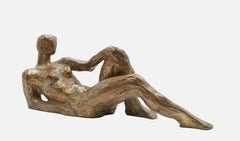
Reclining Female Nude / - Original body landscape -

Reclining Female Nude / - Original body landscape -

Located in Berlin, DE

Karl Josef Dierkes (1924 Dalhausen - 2008 ibid.), Reclining Female Nude, circa 1960. Bronze 26.5 cm (length), x 11 cm (height) x 7 cm (depth), signed “K.[arl] J.[osef] Dierkes” on th...

Category

Abstract 1960s Figurative Sculptures

Materials

Bronze

Visage de Face
Visage de Face

Visage de Face

By Pablo Picasso

Located in London, GB

Unglazed white earthenware plate from the Madoura Workshop 1960 Diameter 42.3 cm Stamped, marked and numbered 'Madoura Plein Feu/Empreinte Originale de Picasso/U 100/Exemplaire Edite...

Category

Contemporary 1960s Figurative Sculptures

Materials

Earthenware

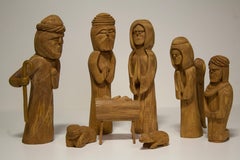
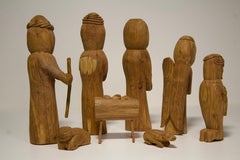
Nativity Scene By Leo Salazar Hand Carved Cedar Wood 1960s

Nativity Scene By Leo Salazar Hand Carved Cedar Wood 1960s

By Leo Salazar

Located in Detroit, MI

Nativity Scene with Blessed Mary, Kneeling Joseph, Angel, One Shepherd, One King, Manger, Baby Jesus, and Two Animals. The figures range in height from 18.5" to 12"; animals are 3" ...

Category

Modern 1960s Figurative Sculptures

Materials

Cedar

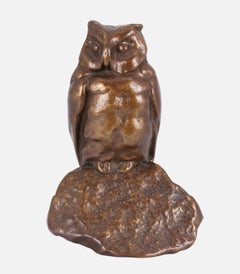
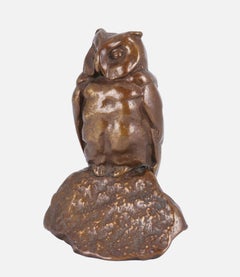
Watching Owl on Rock / - The Library Guardian -

Watching Owl on Rock / - The Library Guardian -

Located in Berlin, DE

Anonymous, Watching Owl on Rock, around 1960. Bronze, solid cast figure, 6.5 inches (height) x 4.7 inches (width) x 3.9 inches (depth), 2.44 kg. - Excellent condition - The Libr...

Category

Realist 1960s Figurative Sculptures

Materials

Bronze

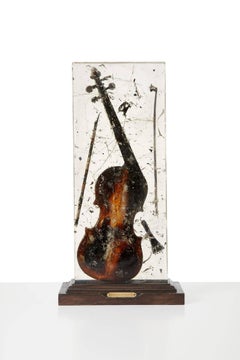
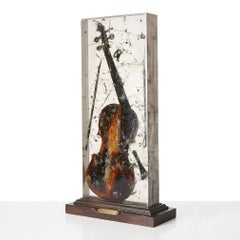
Colère de Violon
Colère de Violon

Colère de Violon

By Fernandez Arman

Located in Östermalm, Stockholms län

Unique. Signed and dated -66 on the right side. Provenance: Galerie Bonnier, Genève Size with socle: 74x38x17 cm Arman explores reality. He strives to transform and sublimate art...

Category

Contemporary 1960s Figurative Sculptures

Materials

Resin, Plexiglass, Polyester

The Madonna of Port Lligat Sculpture

The Madonna of Port Lligat Sculpture

By Salvador Dalí­

Located in Hollywood, FL

ARTIST: Salvador Dali TITLE: The Madonna of Port Lligat MEDIUM: Sculpture with Bronze Patina SIGNED: Engraved signature in the sculpture EDITION NUMBER: F 015/100 MEASUREMENTS...

Category

Surrealist 1960s Figurative Sculptures

Materials

Bronze

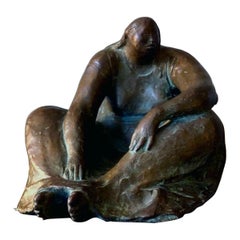
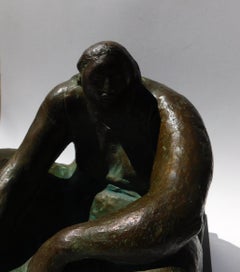
Francisco Zuniga Bronze Sculpture, 1965, "Juchiteca Sentada"

Francisco Zuniga Bronze Sculpture, 1965, "Juchiteca Sentada"

By Francisco Zúñiga

Located in Phoenix, AZ

Francisco Zuniga bronze sculpture. Seated female. Edition: 5. #467 in the Zuniga catalog raisonne. Titled: "Juchiteca Sentada". Measures: 8 7/8" H x 10 1/4" L x 10 5/8" W (not including the 1 ½" wood plinth). Signed Zuniga and numbered 111/V. Created 1965. A Letter of Authenticity issued by the Zuniga foundation (and son Ariel Zuniga...

Category

1960s Figurative Sculptures

Materials

Bronze

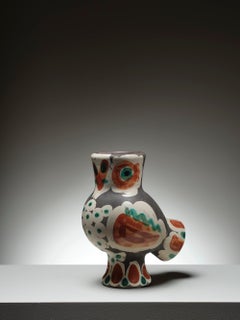
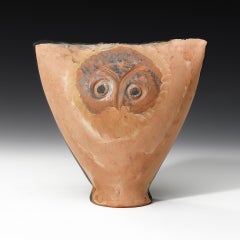
Chouette (A.R.542)
Chouette (A.R.542)

Chouette (A.R.542)

By Pablo Picasso

Located in PARIS, FR

• Picasso began working with ceramics in 1946 at the Madoura workshop in Vallauris, marking the beginning of an important and highly productive chapter in his career. What initially ...

Category

Modern 1960s Figurative Sculptures

Materials

Ceramic

Female Figure
Female Figure

Female Figure

By Lorrie Goulet

Located in New York, NY

It is marvelous to find discoveries such as Lorrie Goulet's female form, one of our few American women sculptors who direct carved in marble. Goulet has an attractive technique of u...

Category

American Modern 1960s Figurative Sculptures

Materials

Marble

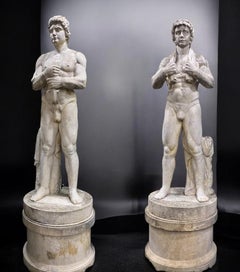
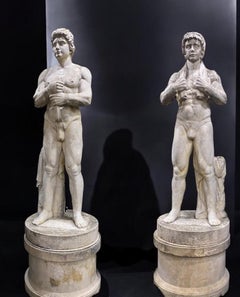
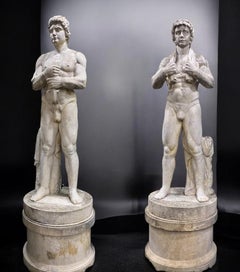
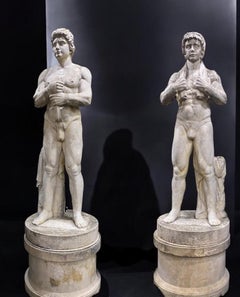
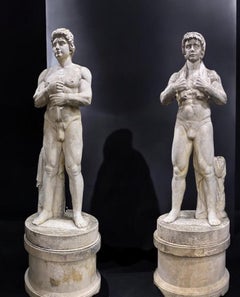
Monumental Italian Rationalist Marble Sculptures of Young Athletes

Monumental Italian Rationalist Marble Sculptures of Young Athletes

Located in Rome, IT

This monumental pair of sculptures in "Bardiglio" marble represent Greek Athletes figure , on a cylindrical base . Exaltation of the male strength and beauty, inspired by the trend i...

Category

Modern 1960s Figurative Sculptures

Materials

Marble

Large Vintage Chinese Jadeite Sculpture, Mountains Scene, 1960s

Large Vintage Chinese Jadeite Sculpture, Mountains Scene, 1960s

Located in Lake Worth Beach, FL

Large Vintage Chinese Jadeite Sculpture, Mountains Scene, 1960s Stunning Jade sculpture dimension's 28w x15.5h x 9.5d presented on wooden base 30.5w x 24h x 11d. Vintage after 1960's...

Category

1960s Figurative Sculptures

Materials

Stone

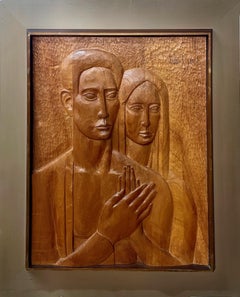
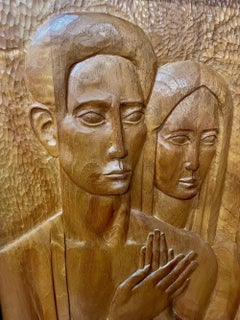
"Lovers" in Carved Wood, Young But Eternal

"Lovers" in Carved Wood, Young But Eternal

Located in San Francisco, CA

We are surrounded by graphic images, songs, greeting cards, and even paintings all created toward the effort of expressing romantic love. While so potent, and even sometimes transfor...

Category

Modern 1960s Figurative Sculptures

Materials

Wood

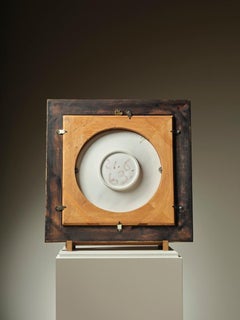
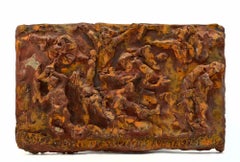
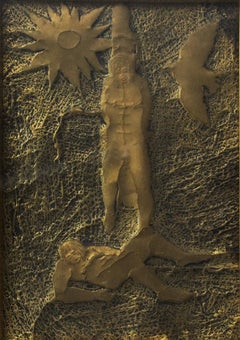
Martyrs - Relief Sculpture - 1965

Martyrs - Relief Sculpture - 1965

Located in Roma, IT

Martyrs is a modern artwork realized by Artist of 20th century. Relief on metal decoration artwork depicting a martyrdom scene. Includes frame.

Category

Modern 1960s Figurative Sculptures

Materials

Metal

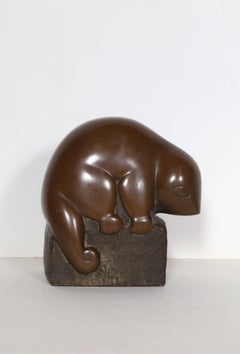
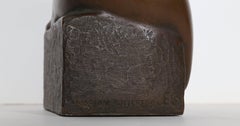
Opossum, Resin and Patina Sculpture by Marian Weisberg

Opossum, Resin and Patina Sculpture by Marian Weisberg

By Marian Weisberg

Located in Long Island City, NY

Artist: Marian Weisberg, American XXth Title: Opossum Year: circa 1969 Medium: Resin-cast Sculpture, signature inscribed on base Size: 7 x 7 x 3.5 in. (17.78 x 17.78 x 8.89 cm)

Category

Art Deco 1960s Figurative Sculptures

Materials

Resin

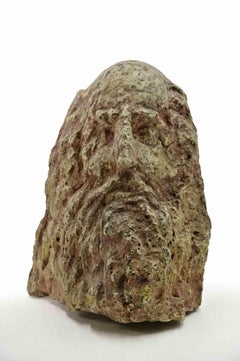
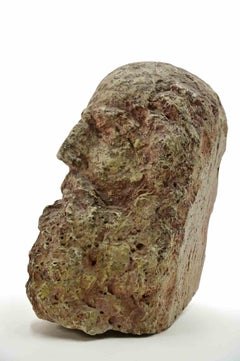
New Zealand Modernist Abstract Bronze Maori Head Sculpture Colin Webster Watson

New Zealand Modernist Abstract Bronze Maori Head Sculpture Colin Webster Watson

By Colin Webster Watson 1

Located in Surfside, FL

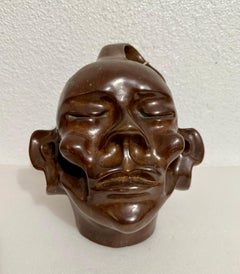
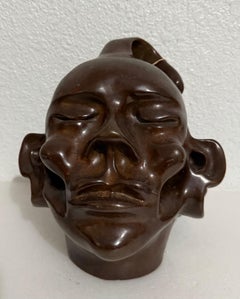
Colin Webster-Watson (1926, Palmerston North, New Zealand – 2007, Eastbourne) Sculpture portrait of a head, This appears to be a native New Zealander, A Maori Warrior. It is not numb...

Category

Modern 1960s Figurative Sculptures

Materials

Bronze

The Throne, Unique Enamel Painted Chair Sculpture by Alan Siegel

The Throne, Unique Enamel Painted Chair Sculpture by Alan Siegel

By Alan Siegel

Located in Long Island City, NY

Artist: Alan Siegel, American (1938 - ) Title: The Throne Year: 1967 Medium: Enamel On Laminated Wood, signed on bottom Size: 40 x 23.5 x 20 in. (101.6 x 59.69 x 50.8 cm)

Category

Contemporary 1960s Figurative Sculptures

Materials

Wood

Rune Andersson's The Hands  A Remarkable Swedish Conversation Piece

Rune Andersson's The Hands A Remarkable Swedish Conversation Piece

Located in Stockholm, SE

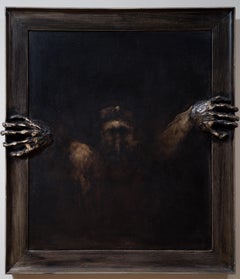
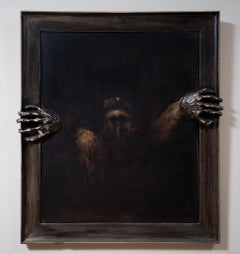
Rune Andersson (1936– ) Sweden Händerna (The Hands), 1968 signed and dated a tergo oil on panel and relief framed approximately 66 × 57 cm (26 × 22.4 in) Provenance: Private colle...

Category

Surrealist 1960s Figurative Sculptures

Materials

Plaster, Oil, Board

1960s Pop Art Unique Cast Aluminum Sculpture Cool Cat Bell Bottoms Americana

1960s Pop Art Unique Cast Aluminum Sculpture Cool Cat Bell Bottoms Americana

By William King (b.1925)

Located in Surfside, FL

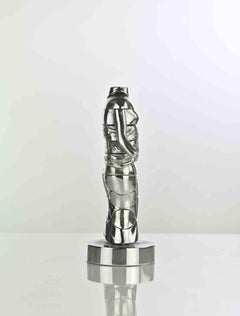
Mid-Century Modern cut steel sculpture depicting a man in bell bottom pants standing casually with a cigarette in his right hand, His left hand is in his back pocket, signed and dated, artist's monogram and cipher and "1968." This a unique piece. It is interesting in that it speaks of a transition, leading into the later aluminum public pieces that kind of defined his work in the 70's. According to his estate this is most probably cast and sheet aluminum. It might possibly be steel. William Dickey King was born in 1925 in Jacksonville, Florida and grew up in the Coconut Grove neighborhood of Miami. As a boy, William King made model airplanes and helped his father and older brother build furniture and boats. “I was 19, 20, my mother gave me a hundred bucks, says, ʻGet out of this state and don’t come back until you’re 65; there is nothing here for you,’ ” Bill King recalled in a video interview for the Smithsonian museum. He came to New York, where he attended the Cooper Union and began selling his early sculptures even before he graduated. He later studied with the sculptor Milton Hebald and traveled to Italy on a Fulbright grant. He was a contemporary, at the Cooper Union, of Alex Katz and Lois Dodd, his first wife, and remained close in many ways to their common aesthetic grounding, shared also with younger sculptors such as Red Grooms and Marisol Escobar. The hallmark of King’s early work was radical experiment keeping company with social connection and hedonism. The mix of big, important, innovative ideas and immediate, sensory, in-the-moment experience was a kind of visual jazz. For this was not just the time of Franz Kline’s big open defiant brushstrokes and Jackson Pollock’s all-over mists of intricately drooling line, but of Charlie Parker and Dizzy Gillespie. If we look at the works that King made in the early 1950s when he got back from his Fulbright to Italy we see free, experimental, open forms that take their cue from jazz as much as art in their fusion of virtuosity and cool.American sculptor King is most noted for his long-limbed figurative public art sculptures depicting people engaged in everyday activities such as reading or conversing. He created his busts and figures in a variety of materials, including clay, wood, metal, and textiles. Mr. King worked in clay, wood, bronze, vinyl, burlap and aluminum. He worked both big and small, from busts and toylike figures to large public art pieces depicting familiar human poses — a seated, cross-legged man reading; a Western couple (he in a cowboy hat, she in a long dress) holding hands; a tall man reaching down to tug along a recalcitrant little boy; a crowd of robotic-looking men walking in lock step. Mr. King’s work often reflected the times, taking on fashions and occasional politics. In the 1960s and 1970s, his work featuring African-American figures (including the activist Angela Davis, with hands cuffed behind her back) evoked his interest in civil rights. But for all its variation, what unified his work was a wry observer’s arched eyebrow, the pointed humor and witty rue of a fatalist. His figurative sculptures, often with long, spidery legs and an outlandishly skewed ratio of torso to appendages, use gestures and posture to suggest attitude and illustrate his own amusement with the unwieldiness of human physical equipment. His subjects included tennis players and gymnasts, dancers and musicians, and he managed to show appreciation of their physical gifts and comic delight at their contortions and costumery. His suit-wearing businessmen often appeared haughty or pompous; his other men could seem timid or perplexed or awkward. Oddly, or perhaps tellingly, he tended to depict women more reverentially, though in his portrayals of couples the fragility and tender comedy inherent in couplehood settled equally on both partners. His first solo exhibit took place in 1954 at the Alan Gallery in New York City. William Dicky King was elected to the American Academy of Arts and Letters in 2003, and in 2007 the International Sculpture Center honored him with the Lifetime Achievement in Contemporary Sculpture Award. Mr. King’s work is in the collections of the Metropolitan Museum of Art, Guggenheim Museum, Whitney Museum and the Museum of Modern Art in New York and the Hirshhorn Museum at the Smithsonian American Art Museum in Washington, among other places, and he had dozens of solo gallery shows in New York and elsewhere. Reviews of his exhibitions frequently began with the caveat that even though the work was funny, it was also serious, displaying superior technical skills, imaginative vision and the bolstering weight of a range of influences, from the ancient Etruscans to American folk art to 20th-century artists including Giacometti, Calder and Elie Nadelman. The New York Times critic Holland Cotter once described Mr. King’s sculpture as “comical-tragical-maniacal,” and “like Giacometti conceived by John Cheever.” From an article by David Cohen "In a career that ran in tandem with the hegemony of formal abstraction in sculpture, Bill King inevitably struggled with the prejudice that sculpture full of humanity and humor can’t be quite as serious as sculpture devoid of them. But the tide has clearly turned in ways that ought to work in King’s favor, with an increasing number of sculptors, fêted internationally, who are producing work that looks remarkably close in spirit, if not quite as regal in sheer mastery of form, as his own. When art historians of the future connect the dots of modern sculpture then artists like Franz West, Stephan Balkenhol, Huma Bhabha...

Category

Pop Art 1960s Figurative Sculptures
Materials

Metal

Chest (1968) Sculpture by Allen Jones

Chest (1968) Sculpture by Allen Jones

By Allen Jones

Located in Hong Kong, HK

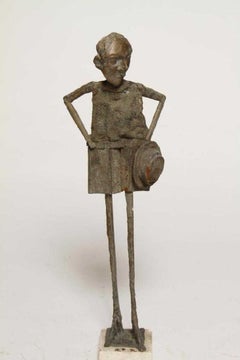
Allen Jones (1937) Chest (1968) Sculpture. Silkscreen print on fiberglass published by Xartcollection 14 3/5 × 10 1/5 × 4 7/10 in 37 × 26 × 12 cm An iconic example of Jones's early w...

Category

Pop Art 1960s Figurative Sculptures
Materials

Fiberglass

“Chinoi Plaque #1” Philip & Kelvin LaVerne Etched Bronze & Pewter Wall Plaque

“Chinoi Plaque #1” Philip & Kelvin LaVerne Etched Bronze & Pewter Wall Plaque

Located in Yardley, PA

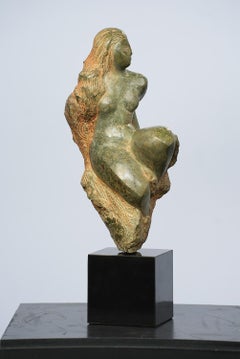
In “Chinoi #1,” Philip and Kelvin LaVerne return to their favorite theme of Chinoiserie reverie, rendering a lyrical vignette from acid etched bronze and pewter. A lone figure ascend...

Category

American Modern 1960s Figurative Sculptures
Materials

Metal, Bronze

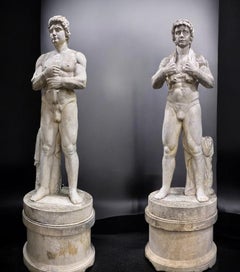
Monumental Italian Rationalist Marble Sculptures of Young Athletes

Monumental Italian Rationalist Marble Sculptures of Young Athletes

Located in Rome, IT

This monumental pair of sculptures in "Bardiglio" marble represent Greek Athletes figure , on a cylindrical base . Exaltation of the male strength and beauty, inspired by the trend i...

Category

Modern 1960s Figurative Sculptures
Materials
Marble