By Aldo Luongo
Located in San Francisco, CA
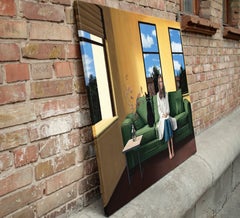
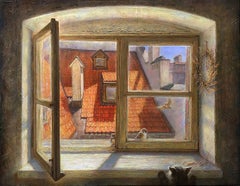
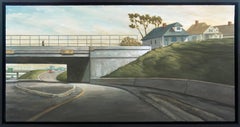
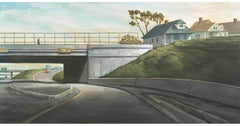
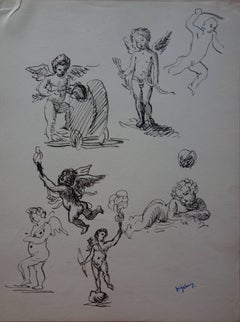
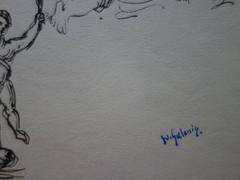
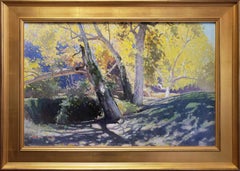
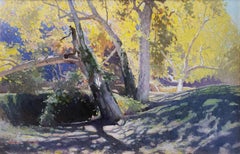
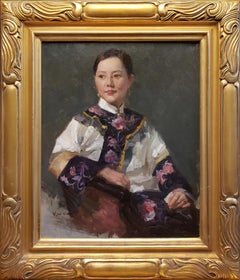
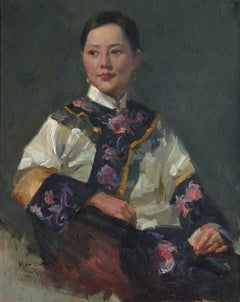
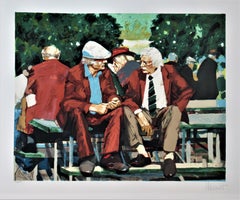
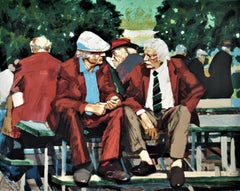
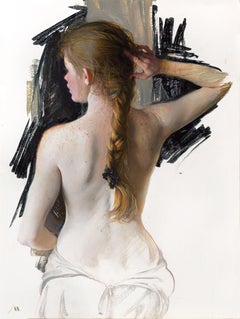
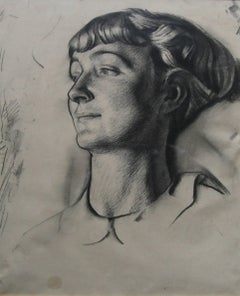
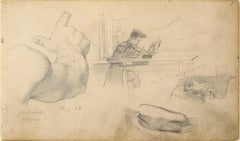
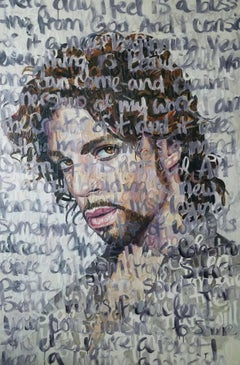
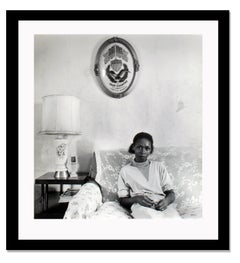
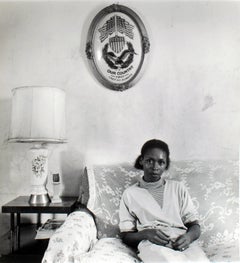
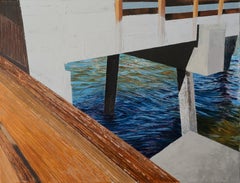
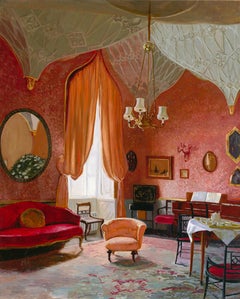
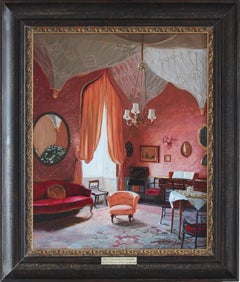
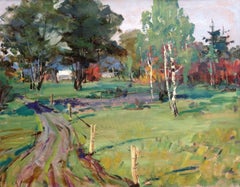
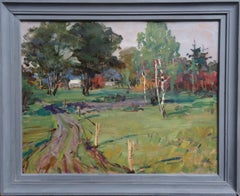
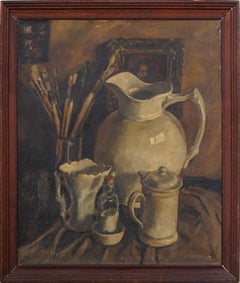
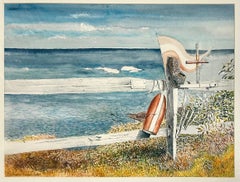
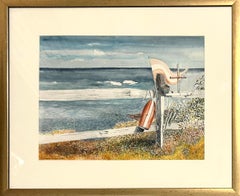
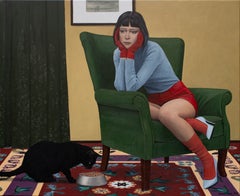
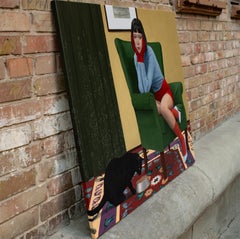
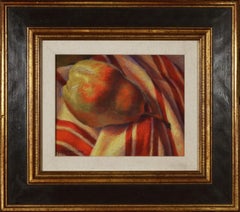
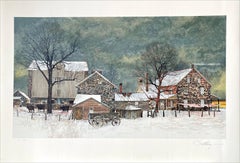
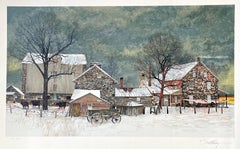
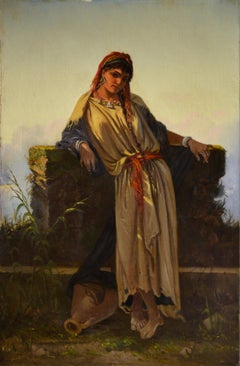
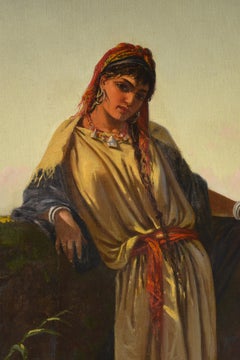
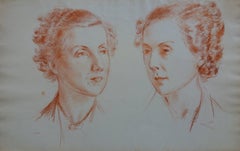
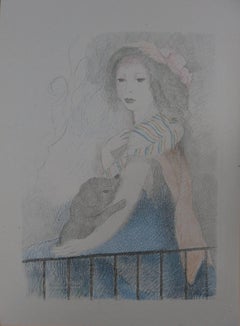
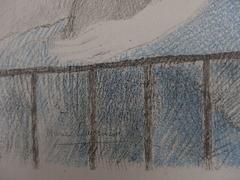
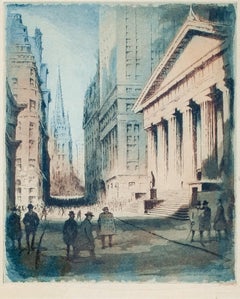
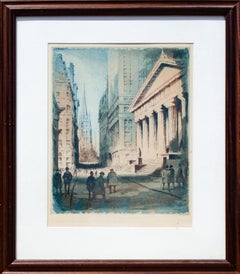
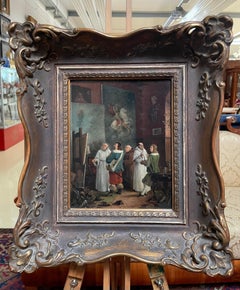
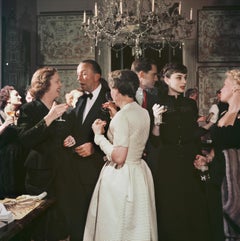
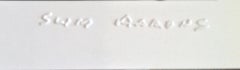
This artwork titled "Conversation" 1988 is a color lithograph on Arches paper by noted Italian/Argentinian artist Aldo Luongo, b.1941. It is hand signed and numbered 103/275 in pencil by the artist. The image size is 20 x 25 inches, sheet size is 25 x 29 inches. It is in excellent condition.
About the artist:
Aldo Luongo was born in Buenos Aires, Argentina, of Italian heritage. Since as far back as he can remember, Luongo had two great passions: art and soccer. Shortly after his graduation from the Academy of Fine Arts in Buenos Aires, Luongo came to the U.S. to play professional soccer for the New York Generals. After his athletic career was cut short due to an injury, he arrived in New York City with a dream to pursue his artwork full time.
In the 70’s, he had his first major success with multiple reproductions of his black & white drawings. Not only were these prints released to great critical acclaim, they were a huge commercial success as well (hundreds of thousands of pieces sold within several years). Aldo had put himself on the map as a major international artist.
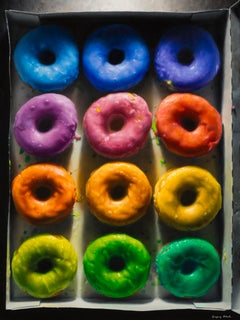
Aldo Luongo has continued his reign at the top of the contemporary art world for almost four decades – a distinction that puts him in a class of his own. He has received numerous awards and honors, including being named a 3-time official Olympic Artist (Summer 1988, Summer 1996, and Winter 2002); an official World Cup Artist (1998); an official U.S. Women’s World Cup Artist (1999); and the 1999 Sports Artist of the Year (U.S. Sports Museum). He also has twice been chosen to paint eggs for the White House Easter Egg Hunt which now reside in the Smithsonian Institute.
SELECTED PUBLIC EXHIBITIONS & COLLECTIONS
2018 Chloe Gallery Summer Art and Winemakers’ Dinner Exhibition Chloe Gallery, San Francisco, California
The Smithsonian Institute, Washington, D.C.
The Museum of Science and Industry, Los Angeles, California
The Juarez Museum, Juarez, Chihuahua, Mexico
The John F. Kennedy Museum, Boston, Massachusetts
The Olympic Museum, Lausanne, Switzerland
The Olympic Village Collection, Colorado Springs, Colorado
The Sports Museum, Daphne, Alabama
PRIZES, HONORS, & AWARDS
International Olympics, “Official Olympic Artist,”
(Summer 1988, Summer 1996, Winter 2002, Winter 2010)
World Cup of Soccer, “Official World Cup Artist” (1998)
U.S. Women's Soccer World Cup, “Official Artist” (1999)
1999 “Sports Artist of the Year,” U.S. Sports Museum
White House “Easter Egg Hunt,” commissioned painting
Smithsonian Institute, Washington, D.C.
FAMOUS COLLECTORS:
Giada De Laurentiis
Mary Kate & Ashley Olsen
Matt Leinert
Bob Arum
Geena Davis
Kevin Costner
Placido Domingo
Argentine President Menem
Luciano Pavarotti
Jose Carreras...
Category
Late 20th Century Realist Art