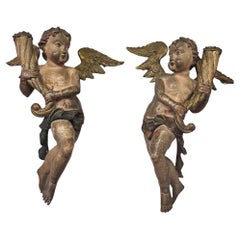
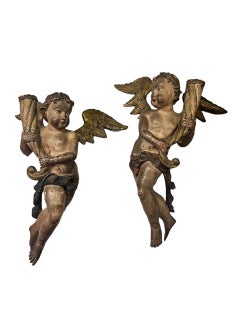
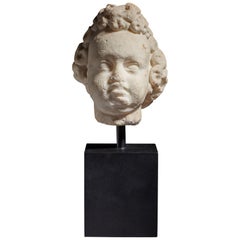
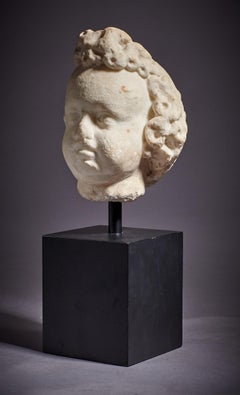
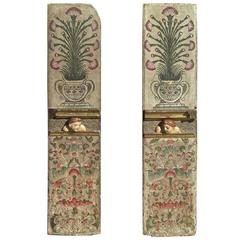
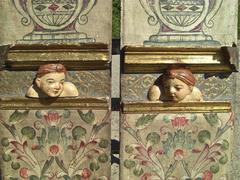
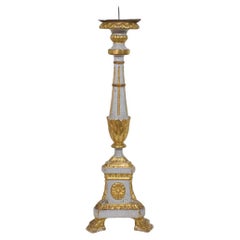
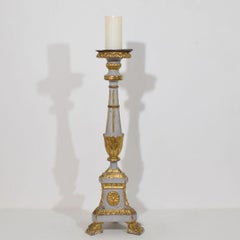
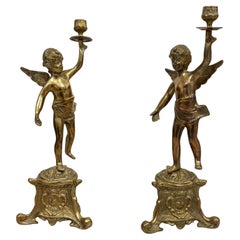
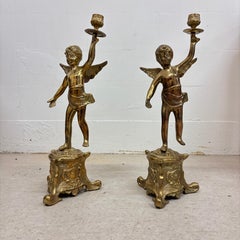
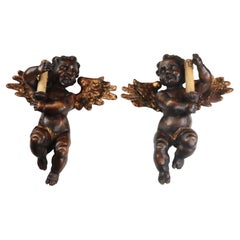
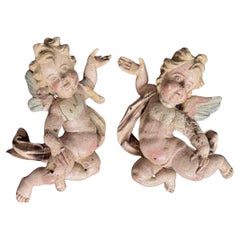
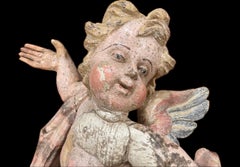
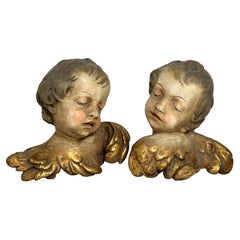
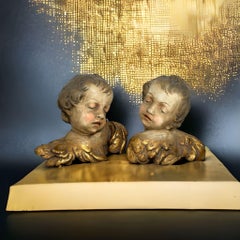
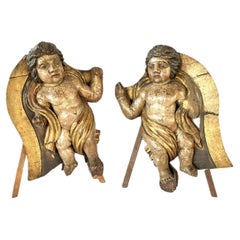
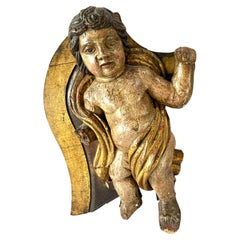
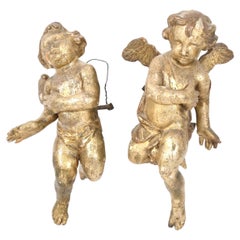
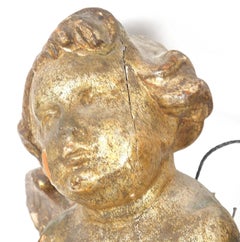
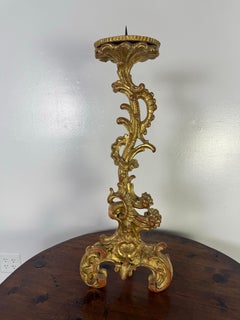
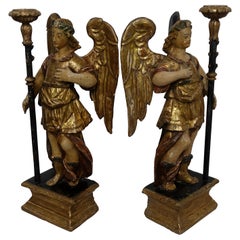
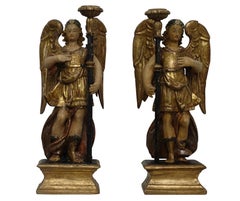
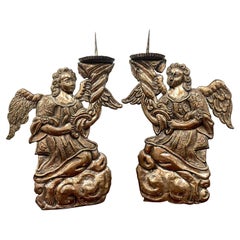
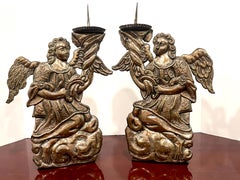
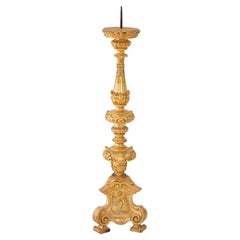
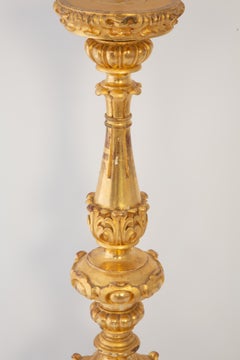
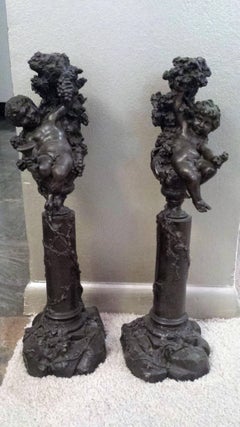
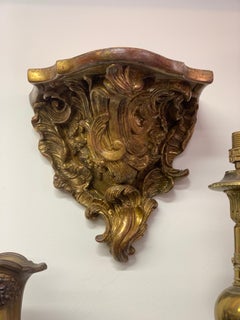
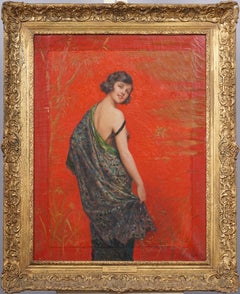
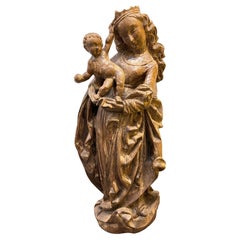
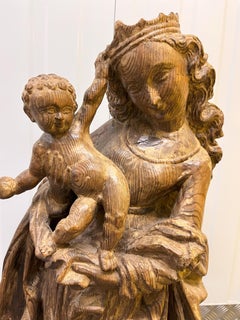
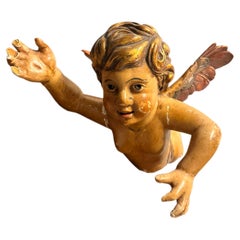
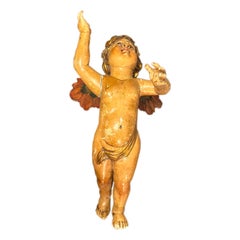
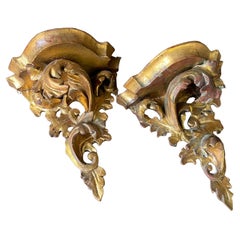
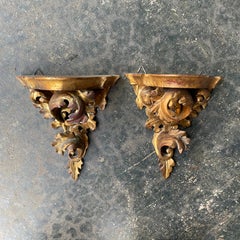
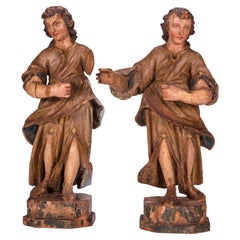
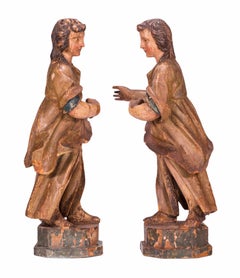
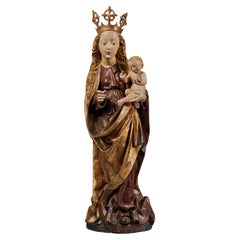
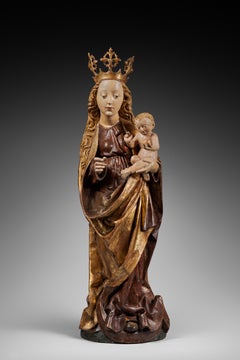
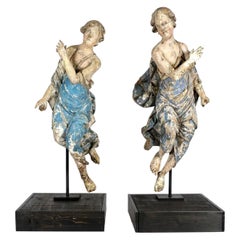
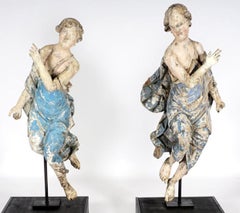
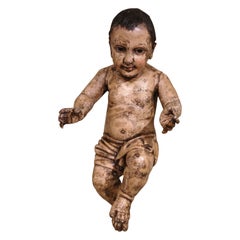
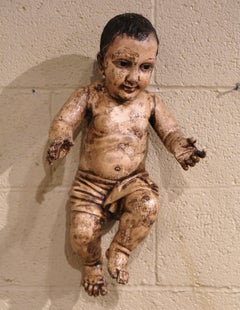
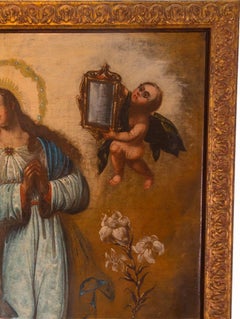
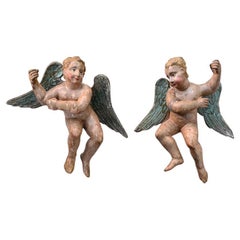
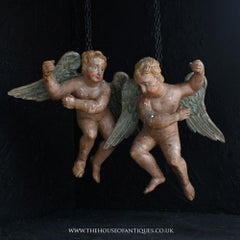
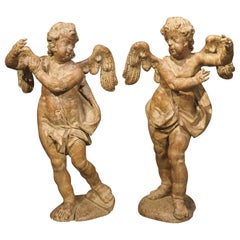
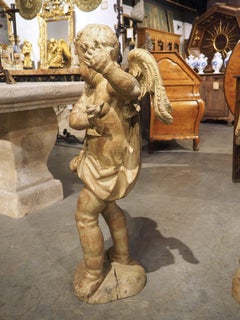
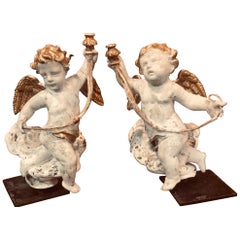
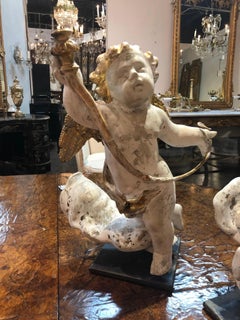
Choose from an assortment of styles, material and more with respect to the 16th century carved cherub you’re looking for at 1stDibs. Each 16th century carved cherub for sale was constructed with extraordinary care, often using
wood,
metal and
glass. Your living room may not be complete without a 16th century carved cherub — find older editions for sale from the 18th Century and newer versions made as recently as the 20th Century. When you’re browsing for the right 16th century carved cherub, those designed in
Baroque,
louis xv and
Georgian styles are of considerable interest. Many designers have produced at least one well-made 16th century carved cherub over the years, but those crafted by
Europa Antiques and
Moustiers are often thought to be among the most beautiful.
A 16th century carved cherub can differ in price owing to various characteristics — the average selling price 1stDibs is $10,346, while the lowest priced sells for $950 and the highest can go for as much as $3,174,603.
Spanning an era of cultural rebirth in Europe that harkened back to antiquity, the Renaissance was a time of change in design. From the late 1400s to the early 1600s, Rome, Venice and Florence emerged as artistic centers through the expansion of global trade and a humanist belief in the arts being central to society. Antique Renaissance furniture was ornately carved from sturdy woods like walnut, its details standing out against the tapestries and stained glass adorning the walls.
Renaissance chests, which were frequently commissioned for marriages, were often decorated with gilding or painted elements. Those that were known as cassoni were crafted in shapes based on classical sarcophagi. As opposed to the medieval era, when furniture was pared down to the necessities, a wide range of Renaissance chairs, tables and cabinets were created for the home, and the designs regularly referenced ancient Rome.
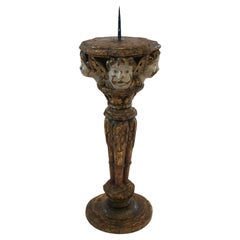
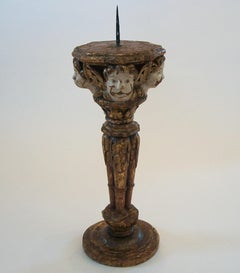
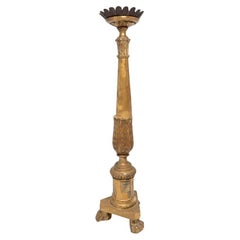
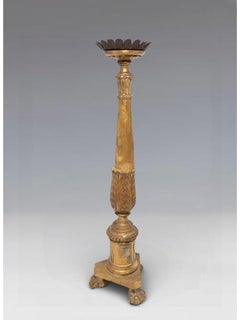
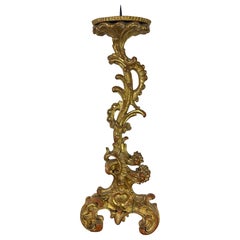
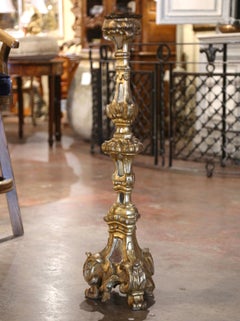
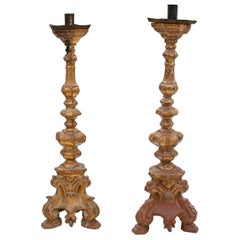
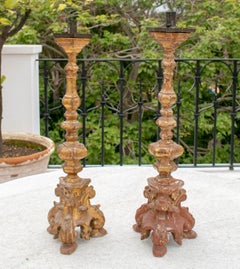
Large torchères of the Renaissance era that were used as floor lamps were inspired by classical candelabras, while marble surfaces evoked frescoes. The inlaid boxes being imported from the Middle East informed the intarsia technique, which involved varying hues of wood in mosaic-like patterns, such as those by architect Giuliano da Maiano in the Florence Cathedral.
Tapestry-woven cushion covers accented the variety of Renaissance seating — from conversation to study chairs — while bookcases for secular use reflected the migration of culture and knowledge from the church into the home. The aesthetics of the Italian Renaissance later spread to France through the publishing of work by renowned designers, including Hugues Sambin and Jacques Androuet du Cerceau. Centuries later, the 19th-century Renaissance Revival would see a return to this influential style.
Find a collection of antique Renaissance case pieces, decorative objects and other furniture on 1stDibs.