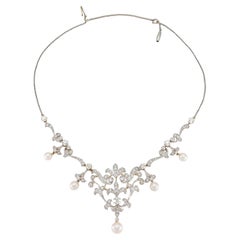
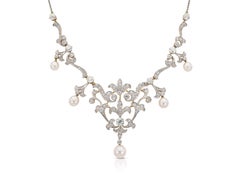
Antique Edwardian 1910s Pearl and 8.50 Carat Diamond Necklace
Located in New York, NY
Circa 1910s
Category
Vintage 1910s Edwardian Choker Necklaces
Materials
Diamond, Pearl, 18k Gold, Platinum
Antique Edwardian 1910s Pearl and 8.50 Carat Diamond Necklace
Located in New York, NY
Circa 1910s
Diamond, Pearl, 18k Gold, Platinum
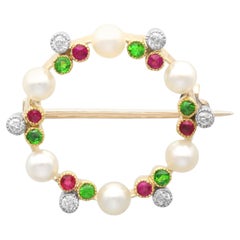
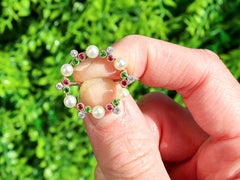
1910s Pearl Diamond Peridot and Ruby Yellow Gold Brooch
Located in Jesmond, Newcastle Upon Tyne
This 1910s brooch is a very good gauge of gold and is in excellent condition.
Diamond, Pearl, Peridot, Ruby, 9k Gold, Yellow Gold
Antique 1910s Pearl and Diamond Yellow Gold and Platinum Necklace
Located in Jesmond, Newcastle Upon Tyne
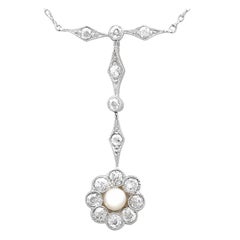
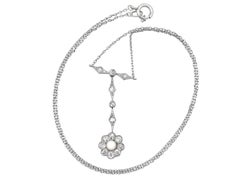
An impressive antique Edwardian pearl and 0.62 carat diamond, 14 karat yellow gold and platinum necklace; part of our diverse antique jewelry and estate jewelry collections. This fi...
Diamond, Pearl, Gold, 14k Gold, Yellow Gold, Platinum
Antique Pearl Ruby and Diamond Yellow Gold Twist Ring
Located in Jesmond, Newcastle Upon Tyne
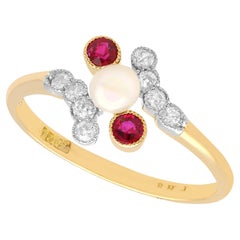
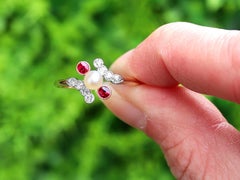
The video however provides a truer representation of the actual colour and showcases each stone. Condition This 1910s pearl twist ring with diamonds is excellent quality, set with a...
Diamond, Pearl, Ruby, Yellow Gold
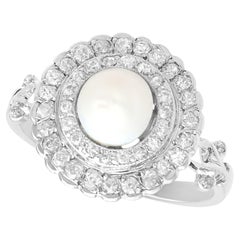
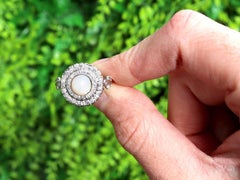
Antique Pearl and 0.76 Carat Diamond 18k White Gold Target Ring
Located in Jesmond, Newcastle Upon Tyne
A fine and impressive antique 1910's pearl and 0.76 carat diamond, 18 karat white gold target ring; part of our diverse antique jewellery and estate jewelry collections.
Diamond, Pearl, White Gold
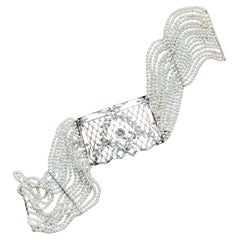
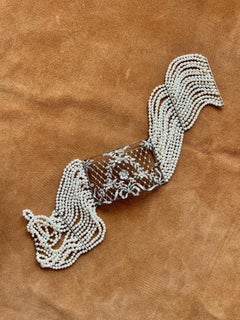
1910s Platinum Natural Pearl and Diamond Choker Necklace
Located in Roma, RM
An exceptional Belle Époque choker necklace dating to the 1910s, crafted in platinum and composed of multiple strands of natural pearls, centered by an elegant openwork plaque set wi...
Diamond, Natural Pearl, Platinum
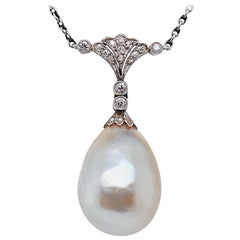
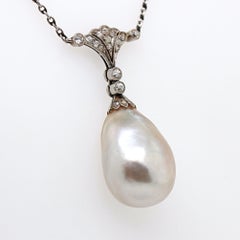
Edwardian Natural Saltwater Pearl and Diamond Pendant, circa 1910s
Located in Idar-Oberstein, DE
A natural pearl and diamond pendant from the Edwardian period, ca. 1910s.
Diamond, Natural Pearl
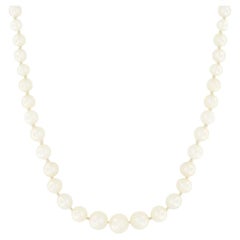
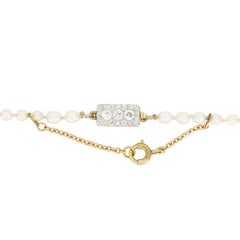
Edwardian Saltwater Pearl and Diamond Necklace, c.1910s
Located in London, GB
The pearls taper in size from 5.9mm down to 3mm at the bail.
Diamond, Pearl, 18k Gold, Yellow Gold, Platinum
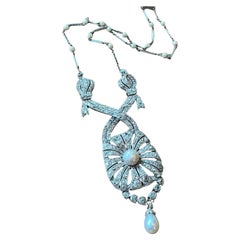
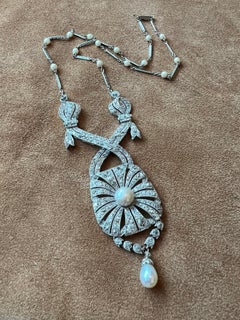
1910s Natural Pearl and Diamond Platinum Necklace with Certificate
Located in Roma, RM
An exquisite natural pearl and diamond necklace dating to the 1910s, finely crafted in platinum and accompanied by a certificate attesting to the natural origin of the pearls.
Diamond, Natural Pearl, Platinum
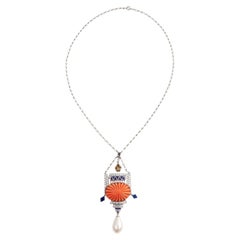
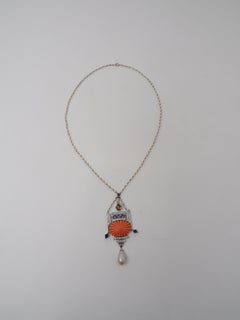
1910s Natural Pearl, Coral and Diamond Necklace with cert.
Located in Roma, RM
An exceptional antique necklace dating to the 1910s, composed of natural pearls and centered by a refined architectural pendant set with carved natural coral, old-cut diamonds, and a...
Coral, Diamond, Natural Pearl
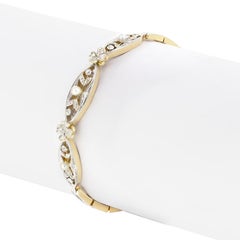
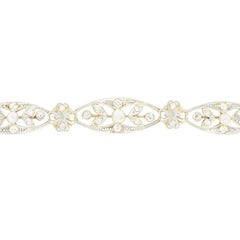
Edwardian 0.32ct Diamond and Pearl Bracelet, c.1910s
Located in London, GB
Each floral designed link features a pearl at its centre surrounded by old cut diamonds.
Diamond, Pearl, 18k Gold, Yellow Gold, Platinum
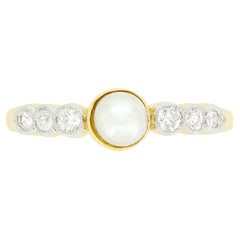
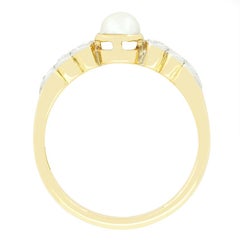
Edwardian Pearl and Diamond Solitaire Ring, c.1910s
Located in London, GB
A simple band of 18 carat yellow gold completes this beautiful ring. Gemstone: Pearl Metal: 18ct Yellow Gold & Platinum Age: 1910s Size: M 1/2
Diamond, Pearl, 18k Gold, Yellow Gold, Platinum
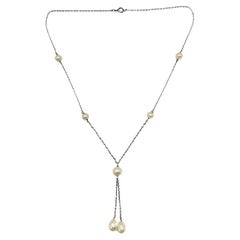
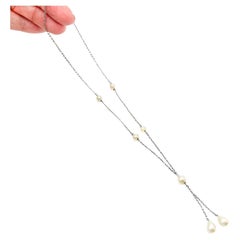
Antique Edwardian Silver & Pearl Lavaliere Necklace 1910s
Located in Wilmslow, GB
An delicate and elegant Antique Silver Pearl Lavaliere Necklace from the Edwardian era. Crafted in sterling silver with round and teardrop pearls. An unsigned beauty. A rare treasure...
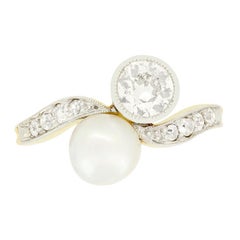
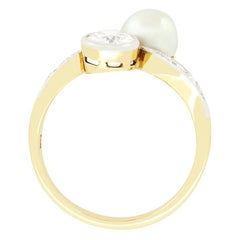
Edwardian 0.65ct Diamond and Pearl Twist Ring, c.1910s
Located in London, GB
Dating back to the 1910s, this twist ring features a stunning natural pearl along side a sparkling old cut diamond.
Diamond, Pearl, 18k Gold, Yellow Gold, Platinum
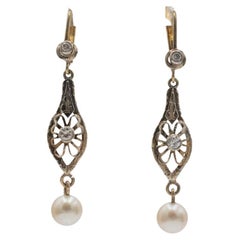
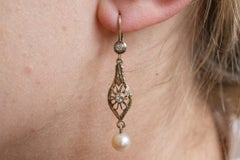
Vintage hanging earrings with pearls and old-cut diamonds circa 1910s.
Located in Chorzów, PL
Dangling gold earrings with diamonds and cultured pearls, circa 1910. Earrings made of 0.375 yellow gold and 0.585 white gold and 0.750 (18-karat gold clasps) Origin: Western Europ...
Diamond, Pearl, Gold, White Gold
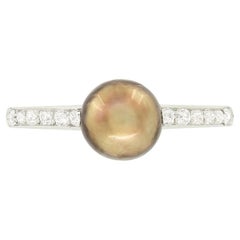
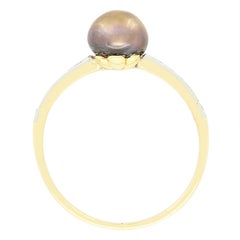
Edwardian Natural Tahtitan Pearl and Diamond Solitaire Ring, c.1910s
Located in London, GB
The ring itself has been crafted by hand in 18 carat yellow gold. Gemstone: Pearl Metal: 18ct Yellow Gold & Platinum Age: 1910s Size: O
Diamond, Pearl, 18k Gold, Yellow Gold, Platinum
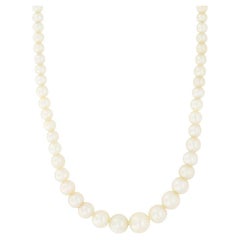

Edwardian Pearl and Diamond Necklace, c.1910s
Located in London, GB
Gemstone: Diamond Stone Shape: Old Cut Carat Weight: 0.16 Colour: H Clarity: VS Certification: The Gem & Pearl Laboratory #26137 Age: 1910s Metal: 18ct Yellow Gold, Platinum
Diamond, Pearl, Yellow Gold, Platinum, 18k Gold
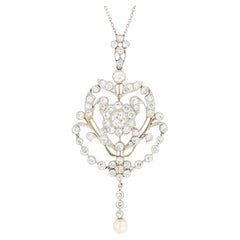
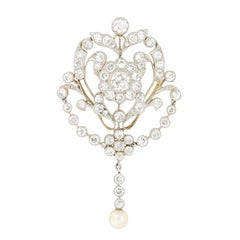
Edwardian 5.50ct Diamond and Pearl Necklace and Brooch, c.1910s
Located in London, GB
Gemstone: Diamond Stone Shape: Old Cut Carat Weight: 5.50 Colour: H-I Clarity: VS-SI Metal: 18ct Yellow Gold, Platinum Age: 1910s
Diamond, Pearl, 18k Gold, Platinum
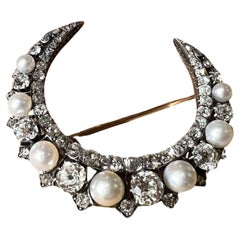
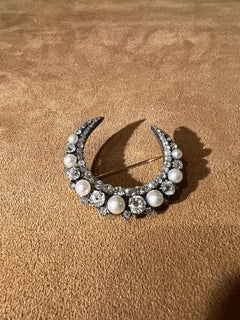
Antique Mellerio Natural Pearl and Diamond crescent Brooch in Gold, circa 1910s
By Mellerio
Located in Roma, RM
Designed as a graceful crescent, the brooch is set with a harmonious arrangement of natural pearls, selected for their soft luster and gentle glow.
Diamond, Natural Pearl, Gold
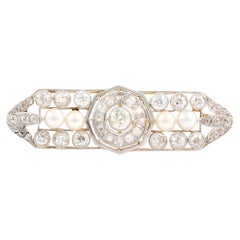
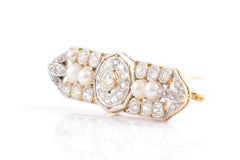
Antique Edwardian 1910s 4.50 Carat Diamonds & Pearl Brooch
Located in New York, NY
Finely crafted in platinum and 18k yellow gold with Old European and Old Mine cut Diamonds weighing approximately a total of 4.50 carats, and four pearls. Circa 1910s, Belle Epoque 3...
Diamond, Pearl, 18k Gold, Platinum
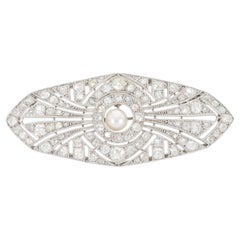
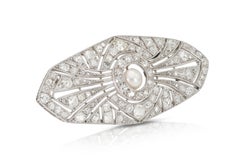
Antique Edwardian 1910s 5.00 Carat Diamonds & Pearl Brooch
Located in New York, NY
Finely crafted in platinum with a pearl at the center and Old Mine cut Diamonds weighing a total of approximately 5.00 carats Circa 1910s, Belle Epoque 1 x 2 1/4 inches
Diamond, Pearl, Platinum
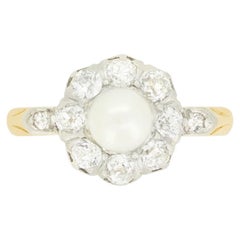
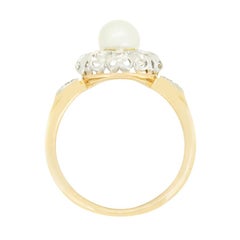
Edwardian Pearl and Diamond Cluster Ring, c.1910s
Located in London, GB
A band of contrasting 18 carat yellow gold completes the piece in classic Edwardian style. Gemstone: Pearl Metal: 18ct Yellow Gold, Platinum Age: 1910s Size: M
Diamond, Pearl, 18k Gold, Yellow Gold, Platinum
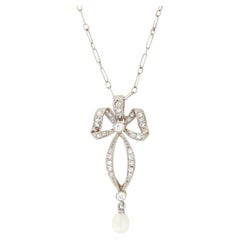
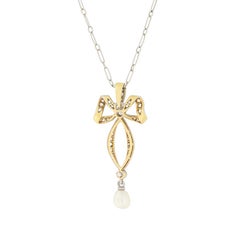
Edwardian 0.50ct Diamond and Pearl Necklace, c.1910s
Located in London, GB
This dainty diamond and pearl necklace dates back to the Edwardian period.
Diamond, Pearl, 18k Gold, Platinum
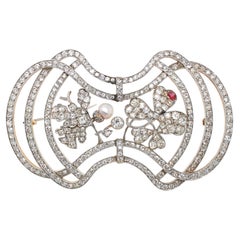
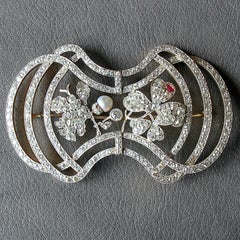
Diamond Pearl and Ruby Oak Leaf and Trefoil Clover Brooch, Art Nouveau, ca 1910s
Located in Idar-Oberstein, DE
A large diamond, pearl and ruby Art Nouveau brooch in platinum and yellow gold, ca. 1910s.
Diamond, Pearl, Ruby, Yellow Gold, Platinum
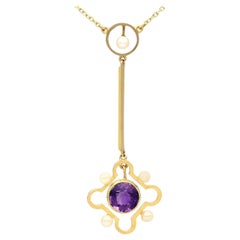
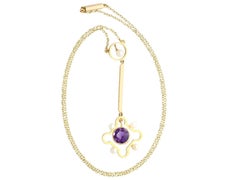
1910s 1.31 Carat Amethyst and Pearl Yellow Gold Necklace
Located in Jesmond, Newcastle Upon Tyne
An exceptional, fine and impressive 1.31 carat amethyst and pearl, 15k yellow gold Necklace; part of our diverse antique jewelry and estate jewelry collections. This exceptional, fi...
Amethyst, Pearl, 15k Gold, Yellow Gold
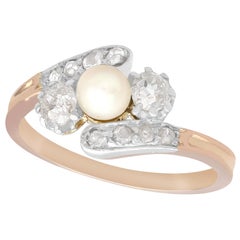
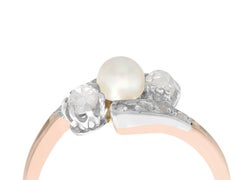
1910s Antique Pearl and Diamond Rose Gold Twist Ring
Located in Jesmond, Newcastle Upon Tyne
An impressive antique pearl and 0.51 Carot diamond, 18k rose gold and 18k white gold set twist ring; part of our diverse antique jewelry and estate jewelry collections. This fine an...
Diamond, Pearl, 18k Gold, Rose Gold
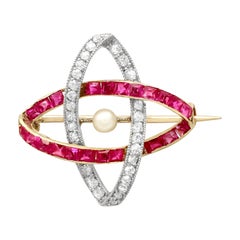
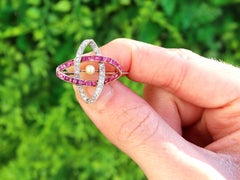
1910s Antique Pearl Ruby and Diamond Yellow Gold Brooch
Located in Jesmond, Newcastle Upon Tyne
An impressive pearl and 0.55 carat ruby, 0.30 carat diamond and 12 karat yellow gold brooch; part of our diverse antique jewelry and estate jewelry collections. This stunning, fine ...
Diamond, Pearl, Ruby, Yellow Gold, Platinum
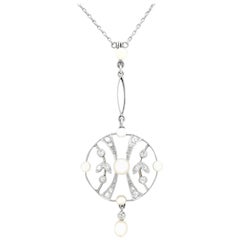
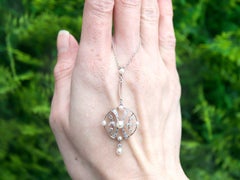
Antique 1910s Seed Pearl and Diamond Yellow Gold Pendant
Located in Jesmond, Newcastle Upon Tyne
A fine and impressive 0.24 carat diamond and seed pearl, 14k yellow gold and platinum set pendant; part of our diverse antique jewelry and estate jewelry collections. This fine and ...
Diamond, White Diamond, Pearl, 14k Gold, Yellow Gold
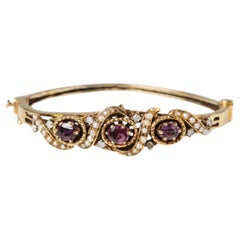
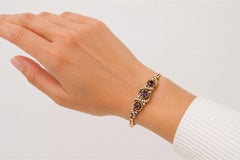
Antique bracelet with rubies, natural pearls and diamonds, Scandinavia, 1910s.
Located in Chorzów, PL
An old rigid bracelet made of 14-karat yellow gold (0.585 fineness), set with rubies, natural pearls and diamonds. Origin: Scandinavia, early 20th century. The bracelet is decorate...
Pearl, Diamond, Natural Pearl, Ruby, Gold, 14k Gold

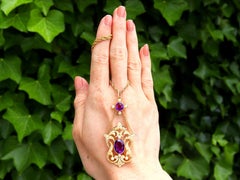
Antique 1910s 4.83 Carat Amethyst and Pearl Yellow Gold Pendant
Located in Jesmond, Newcastle Upon Tyne
An impressive antique 4.83 carat amethyst and seed pearl, 18 karat yellow gold pendant and 9 karat yellow gold chain; part of our diverse antique jewelry and estate jewelry collectio...
Amethyst, Pearl, Gold, 18k Gold, 9k Gold, Yellow Gold
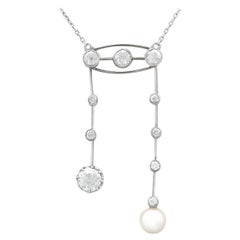
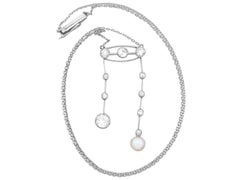
Antique 1910s 1.32 Carat Diamond and Pearl Yellow Gold Necklace
Located in Jesmond, Newcastle Upon Tyne
A stunning antique 1.32 carat diamond and pearl, 14 karat yellow gold and 14 karat white gold set necklace; part of our diverse antique jewelry collections. This stunning, fine and...
Diamond, Pearl, 14k Gold, Yellow Gold
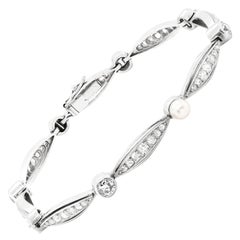
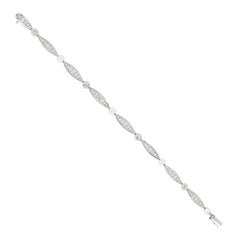
Art Nouveau French Natural Pearl and Diamond Platinum Line Bracelet, circa 1910s
Located in London, GB
Dating from the 1910s, this elegant French bracelet reflects the refined transition from Art Nouveau into the early twentieth century.
Diamond, Pearl, Natural Pearl, Platinum
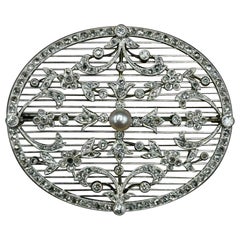
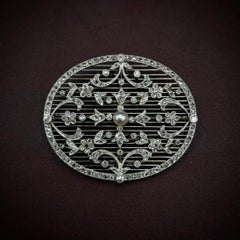
Antique Edwardian Pearl Diamond Openwork Oval Plaque Brooch Platinum 1900s 1910s
Located in Lisbon, PT
Antique Edwardian Pearl and Diamond Openwork Plaque Brooch, Platinum, circa 1900–1910. A superb Edwardian openwork plaque brooch crafted in platinum, dating from the early 20th cent...
Diamond, Pearl, Platinum
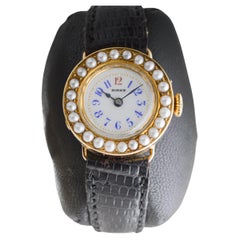
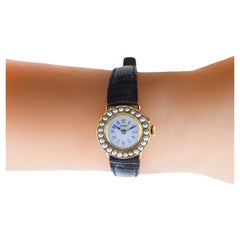
Birks of Canada Ladies 18Kt. Yellow Gold Pearl Bezel Dress Manual Watch, 1910s
By Birks and Son
Located in Long Beach, CA
Yellow Solid Gold CIRCA: 1910's DIMENSIONS: Length 26mm X Diameter 25mm MOVEMENT / CALIBER: Manual Winding / 15 Jewels DIAL / HANDS: Kiln Fired Enamel Dial with Arabic Numeral Marke...
Yellow Gold
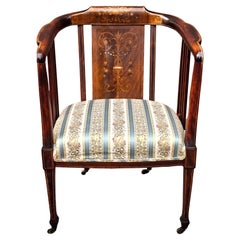
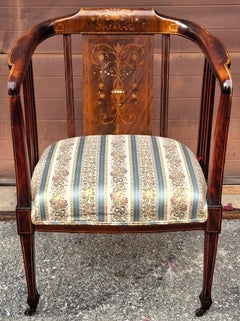
Edwardian Mahogany Mother of Pearl and Marquetry Inlaid Armchair, Circa 1910s
Located in Germantown, MD
Early 20th Century Edwardian Mahogany Mother of Pearl and Marquetry Inlaid Armchair Measures 26" in width, 24" in depth and 35.25 " in height. Seat height is 19". Arm height 32". Sea...
Mother-of-Pearl, Mahogany, Satinwood
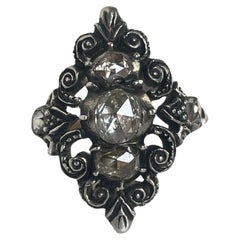
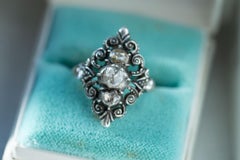
1910's Marquise Dutch Antique Rosecut Diamond Navette Ring
Located in EINDHOVEN, NB
1900's Marquise Dutch Antique Rosecut Diamond Navette Ring This original Dutch ring features a beautiful hand-cut rose-cut diamonds, set in the classic silver over gold style of the...
Diamond, Cultured Pearl, 14k Gold
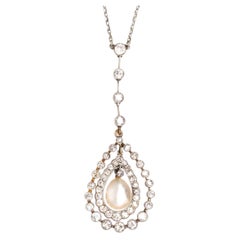
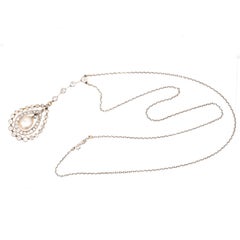
Edwardian Platinum & 18ct Gold Diamond & Natural Saltwater Pearl Necklace
Located in London, England
Additional information: Material: Platinum and 18ct Gold Origin: England Date of Manufacture: 1910s Era: Edwardian (1901-1914) Pearl: * Natural Saltwater Pearl 7.9mm x 6.4mm x 9.7mm ...
18k Gold, Platinum
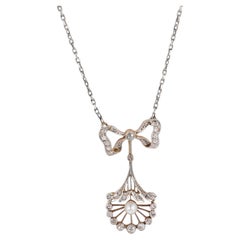
Edwardian pearl diamond 18k and platinum necklace
Located in Beverly Hills, CA
This elegant Edwardian pearl and diamond necklace is a beautifully delicate jewel from the 1910’s, centered by a pearl measuring approximately 2.88mm.
Diamond, Pearl, Gold, 18k Gold, Yellow Gold, Platinum
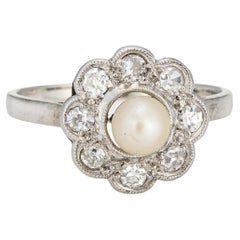

Antique Edwardian Pearl Diamond Ring Cluster 18k White Gold Engagement Bridal 6
Located in Torrance, CA
Stylish antique Edwardian pearl & diamond cluster ring crafted in platinum topped 18k white gold (circa 1900s to 1910s).
Diamond, White Diamond, Pearl, 18k Gold, White Gold, Platinum
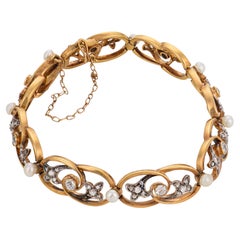
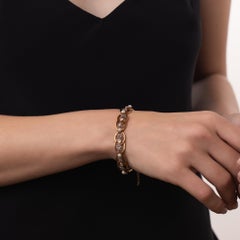
Edwardian pearl diamond 18k yellow gold and platinum bracelet
Located in Beverly Hills, CA
This beautiful Edwardian pearl and diamond bracelet is a refined antique design from the 1910’s, featuring 8 pearls measuring approximately 3.39mm-3.56mm.
Diamond, Pearl, Gold, 18k Gold, Yellow Gold, Platinum
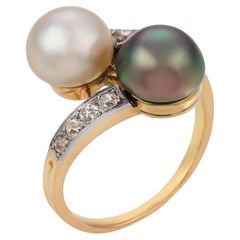
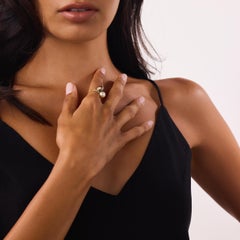
Edwardian natural pearl diamond 18k yellow gold toi et moi ring
Located in Beverly Hills, CA
This beautiful Edwardian toi et moi ring is a romantic antique design from the 1910’s, featuring 2 natural pearls measuring approximately 8.40mm - 8.43mm.
Pearl, Diamond, Platinum, Yellow Gold, 18k Gold, Gold
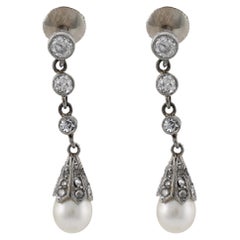
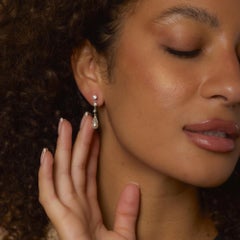
Edwardian Platinum Drop Earrings with Pearls and Diamonds, Circa 1910
Located in Beverly Hills, CA
These graceful Edwardian earrings from the 1910s feature two luminous pearls measuring approximately 5.92 mm, suspended beneath a delicate arrangement of old European and rose cut di...
Diamond, Pearl, Gold, 18k Gold, White Gold, Platinum
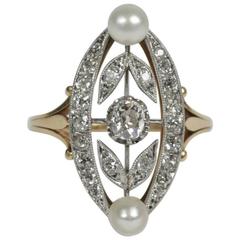
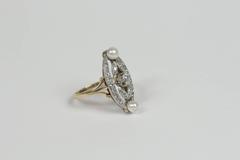
1910s Diamond Pearl Gold Platinum Marquise Ring
Located in Saint-Ouen, FR
Antique "Marquise" ring in 18k yellow platinum set with rose cut and brillant cut diamonds (total weight approx. 1 ct) decorated with 2 fine pearls. Circa 1910.
Diamond, Natural Pearl, 18k Gold
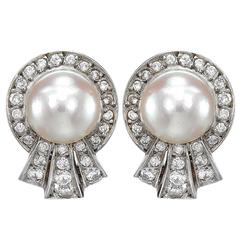
1910s Natural Pearl Diamond Gold Spray Earrings
Located in Stratford upon Avon, GB
A charming pair of natural pearl and diamond spray clip earrings in 18ct white gold. The layers of tiny light-reflecting crystals contained within the pearl's structure create a wond...
Diamond, Natural Pearl, 18k Gold, White Gold
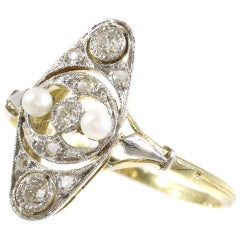
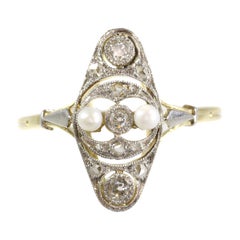
Vintage Edwardian Diamond and Pearl Ring, 1910s
Located in Antwerp, BE
Precious stones: Two seed pearls Birthstones: Diamond is the birthstone (or month stone) for April and pearl for June.
Diamond, White Diamond, Pearl, Gold, 18k Gold, White Gold, Yellow Gold, ...
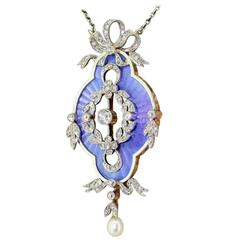
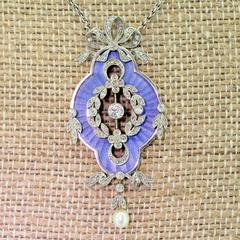
1910s Edwardian Guilloché Enamel Pearl Diamond Gold Platinum Pendant
Located in Theydon Bois, Essex
So magnificent. This utterly gorgeous Edwardian pendant is presented in immaculate condition. Set with 63 old European cut and rose cut diamonds set in decorative platinum “bows,” “r...
Diamond, Natural Pearl, 18k Gold, Platinum
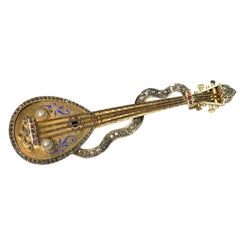
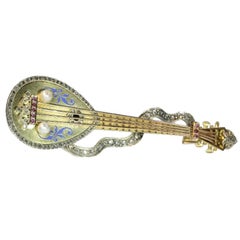
Russian Antique Brooch Mandoline or Domra with Enamel, 1910s
Located in Antwerp, BE
94 rose cut diamonds all encrusted in silver carry you through this 14K red gold Russian Victorian brooch, starting from the stringed musical instrument's head with miniature tuning ...
Diamond, Pearl, White Diamond, Ruby, 14k Gold, Rose Gold, Silver, Gold
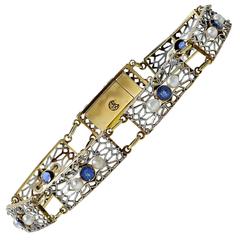

1910s Pearl Sapphire Platinum Bracelet
Located in Miami, FL
Platinum and 14k yellow gold circa 1915 bracelet featuring 7 sapphires weighing approximately 1.2cts total, accented by 13 button shaped pearls, measuring 2.6-3mm wide. Measuremen...
Blue Sapphire, Pearl, Platinum
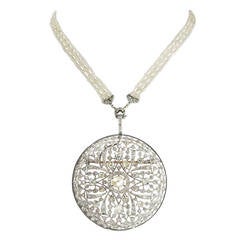

1910s Pearl Seed Pearl and Diamond Pendant-Brooch
Located in Bay Harbor Islands, FL
Delicate openwork pendant-brooch with a 6.5mm pearl in the center and numerous old mine, rose and single-cut diamonds. It is suspended from a seed pearl necklace with rose-cut diamon...
Diamond, Natural Pearl, Platinum
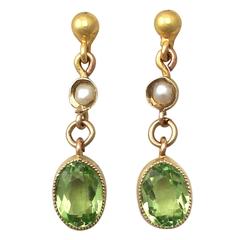

1910s Pearl 1.22 Carat Peridot Gold Drop Earrings
Located in Jesmond, Newcastle Upon Tyne
A fine and impressive pair of antique 1.22 carat natural peridot and pearl, 9 karat yellow gold drop earrings; part of our antique jewelry and estate jewelry collections This fine a...
Pearl, Peridot, 9k Gold, Yellow Gold
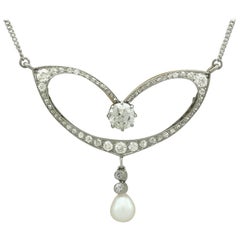

1910s Pearl and 2.61 Carat Diamond Yellow Gold Necklace / Brooch
Located in Jesmond, Newcastle Upon Tyne
A stunning antique English 2.61 carat diamond and 14 karat yellow gold, platinum set necklace / brooch; part of our diverse antique jewelry collections This stunning, fine and impre...
Diamond, Gold, 14k Gold, 18k Gold, White Gold, Yellow Gold, Platinum
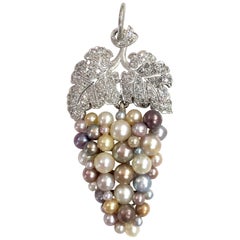
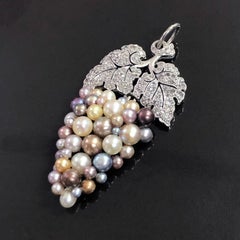
Edwardian Natural Pearl Vine Grapes Pendant, circa 1910s
Located in Idar-Oberstein, DE
Edwardian Natural Saltwater Pearl and Diamond Vine Grapes Pendant, ca. 1910s A beautiful and elegant pendant from the 1910s featuring a vine grapes in the form of multicoloured natu...
Diamond, Natural Pearl, Platinum
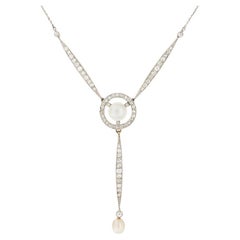

Edwardian 1.80ct Diamond and Pearl Necklace, c.1910s
Located in London, GB
Dating back to the Edwardian Era this diamond and pearl necklace is truly beautiful. It features a 7.8mm in diameter pearl in the centre halo'd with a circle of grain set diamonds.
Diamond, Pearl, 18k Gold, Platinum
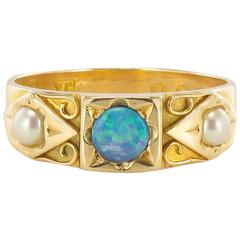
1910s Opal and Natural Pearl Ring
Located in Poitiers, FR
Antique Ring - English work of the 1910s. Our opinion : A delightful antique opal and pearl ring.
Opal, Pearl, Natural Pearl, Gold, 18k Gold, Yellow Gold
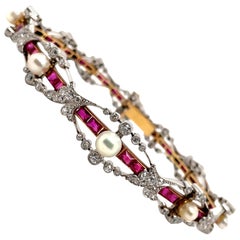
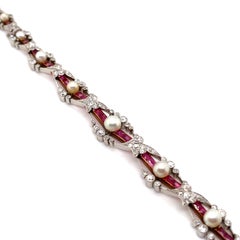
Belle Epoch Natural Pearl Ruby and Diamond Bracelet, circa 1910s
Located in Idar-Oberstein, DE
Belle Epoch Natural Pearl Ruby and Diamond Bracelet, ca. 1910s A very unique and well-made Edwardian platinum and gold bracelet, set with very fine natural pearl boutons and old-cut...
Diamond, Natural Pearl, Ruby, Gold, Platinum
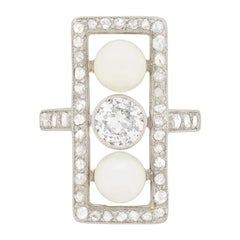

Edwardian 0.70 Carat Diamond and Pearl Cocktail Ring, circa 1910s
Located in London, GB
A beautiful old cut diamond and two pearls are set in this one of a kind Edwardian cocktail ring.
Diamond, Cultured Pearl, 18k Gold, Platinum
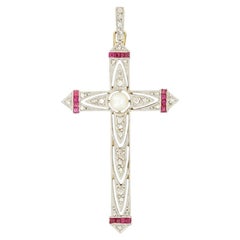
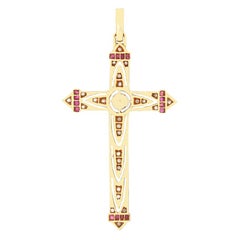
Edwardian 0.10ct Diamond Ruby and Pearl Cross Pendant, c.1910s
Located in London, GB
Gemstone: Diamond Carat Weight: 0.10 Stone Shape: Rose Cut Age: 1910s Metal: 18ct Yellow Gold, Platinum
Diamond, Pearl, Ruby, 18k Gold, Yellow Gold, Platinum
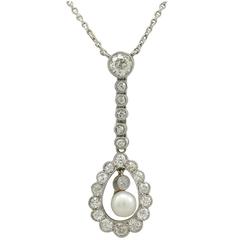

1910s 1.10 Carat Diamond Pearl and Platinum Necklace
Located in Jesmond, Newcastle Upon Tyne
A stunning antique 1.10 carat diamond, pearl and and platinum necklace; part of our diverse antique jewelry and estate jewelry collections This stunning, fine and impressive diamond...
Diamond, Pearl, Platinum
Sold
W 0.63 in L 6.75 in
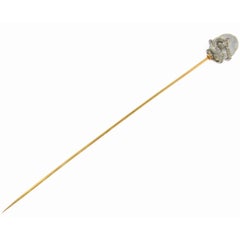
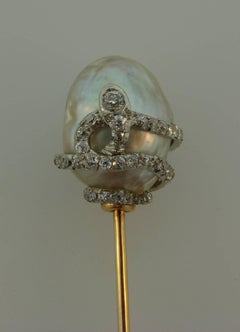
J. E. Caldwell Art Deco Baroque Pearl Diamond Platinum Gold Hat Stick Pin, 1910s
By J.E. Caldwell & Co.
Located in Beverly Hills, CA
Exquisite hat stick pin created by J. E. Caldwell in the 1910's. It features a natural baroque pearl wrapped with a snake.
Diamond, Natural Pearl, 14k Gold, Yellow Gold, Platinum
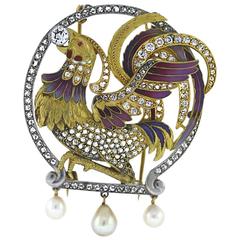

1910s Enamel Pearl Diamond Gold Platinum Rooster Brooch
Located in Scottsdale, AZ
Magnificent Antique Rooster Brooch made of platinum. Consists approximately 2.50ctw of diamonds, finely done purplish pink enamel, 18k yellow gold, and 3 pearls. Beautiful look!
Pearl, White Diamond, 18k Gold, Platinum
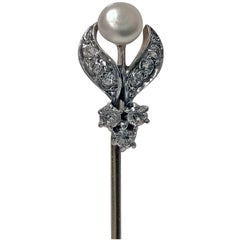

1910s Natural Pearl Diamond Platinum Stickpin
Located in Toronto, ON
Platinum, 18K Diamond and natural Pearl Stickpin, C.1910. The stickpin in the form of an open foliate bud, set with a small silver grey button natural pearl, gauging approximately 4....
Diamond
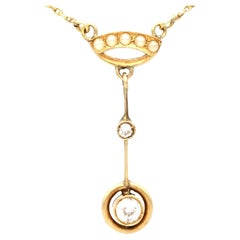

Antique 1910s Diamond and Pearl Yellow Gold Pendant
Located in Jesmond, Newcastle Upon Tyne
A fine and impressive antique 0.28 carat diamond and seed pearl, 18 karat yellow gold pendant; part of our diverse antique jewelry and estate jewelry collections. This fine and impr...
Diamond, Pearl, 18k Gold, Yellow Gold
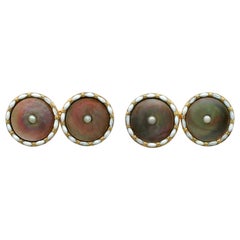

Antique 1910s Mother of Pearl and Seed Pearl, Enamel Yellow Gold Cufflinks
Located in Jesmond, Newcastle Upon Tyne
A fine and impressive pair of antique mother of pearl and seed pearl, enamel 9 karat yellow gold cufflinks; part of our antique jewelry/estate jewelry collection. These fine antique...
Pearl, 9k Gold, Yellow Gold, Enamel
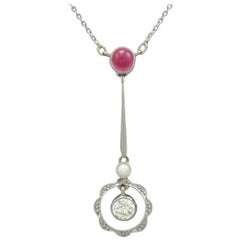

1910s Antique Ruby, Diamond, Pearl and White Gold Pendant
Located in Jesmond, Newcastle Upon Tyne
An impressive antique 0.35 carat ruby and 0.25 carat diamond, seed pearl and 14 karat white gold pendant; part of our diverse antique gemstone jewelry collections This fine and impr...
Diamond, Pearl, Ruby, 14k Gold, White Gold
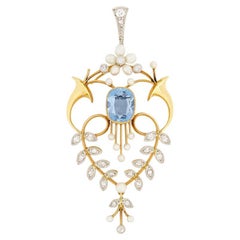
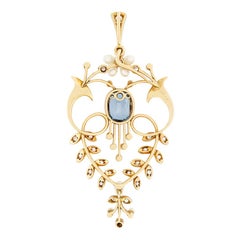
Edwardian 2.00ct Blue Zircon, Diamond and Pearl Pendant, c.1910s
Located in London, GB
Gemstone: Blue Zircon Stone Shape: Cushion Cut Carat Weight: 2.00 Metal: 15ct Rose Gold, Platinum Age: 1910s
Diamond, Pearl, Zircon, Blue Zircon, 15k Gold, Platinum
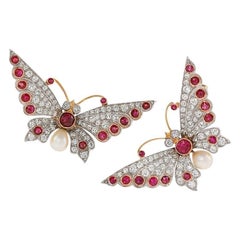
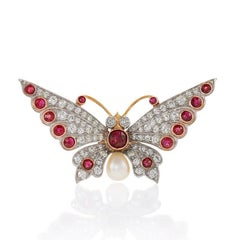
Pair of 1910s Diamond Ruby Pearl Platinum and Gold Butterfly Brooches
Located in New York, NY
An Early-20th Century pair of 18 karat yellow gold/platinum top butterfly brooches with diamonds, rubies and pearls. The pair of brooches have 120 Old European cut diamonds with an a...
Diamond, Pearl, Ruby, 18k Gold, Platinum

Sold
H 0.19 in W 0.19 in L 7.6 in
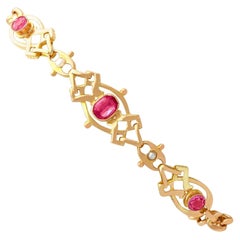
1910s Antique 1.20 Carat Pink Tourmaline and Seed Pearl Yellow Gold Bracelet
Located in Jesmond, Newcastle Upon Tyne
An impressive antique 1.20 Ct pink tourmaline and seed pearl, 9k yellow gold bracelet; part of our diverse antique jewelry and estate jewelry collections. This fine and impressive p...
Pearl, Tourmaline, 9k Gold, Yellow Gold
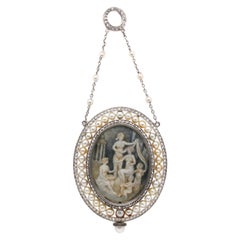
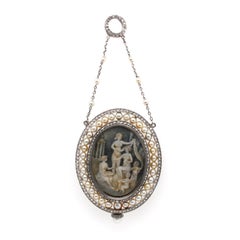
Verger Freres Paillet Belle Epoch Pendant Watch, circa 1910s
By Verger Frères
Located in Idar-Oberstein, DE
A beautiful and rare Belle Epoch Pendant Watch, by Verger Frères, ca. 1910 The pendant centres beautiful hand painted paintings of Ferdinand Paillet on both sides, depicting Venus a...
Diamond, Natural Pearl, Platinum
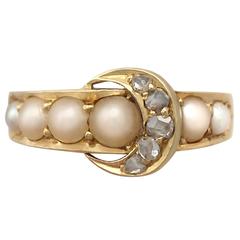
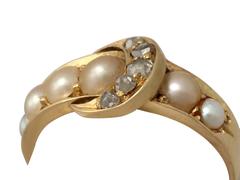
1910s 0.15 Carat Diamond and Pearl, 18 Carat Yellow Gold 'Buckle' Ring
Located in Jesmond, Newcastle Upon Tyne
A fine and impressive antique 0.15 carat diamond and pearl, 18 karat yellow gold buckle style dress ring; part of our diverse antique jewelry and estate jewelry collections This f...
Diamond, Pearl, Gold, 18k Gold, Yellow Gold

Sold
H 0.17 in W 0.98 in L 15.5 in
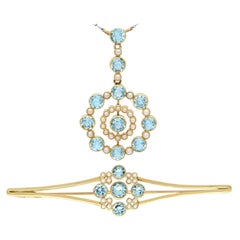
1910s Antique 4.42 Carat Aquamarine and Pearl Yellow Gold Pendant and Brooch Set
Located in Jesmond, Newcastle Upon Tyne
A stunning, fine and impressive antique 4.42 carat aquamarine and seed pearl pendant and brooch jewelry set in 15 karat yellow gold; part of our diverse jewelry collections. This fi...
Aquamarine, Pearl, 15k Gold, Yellow Gold
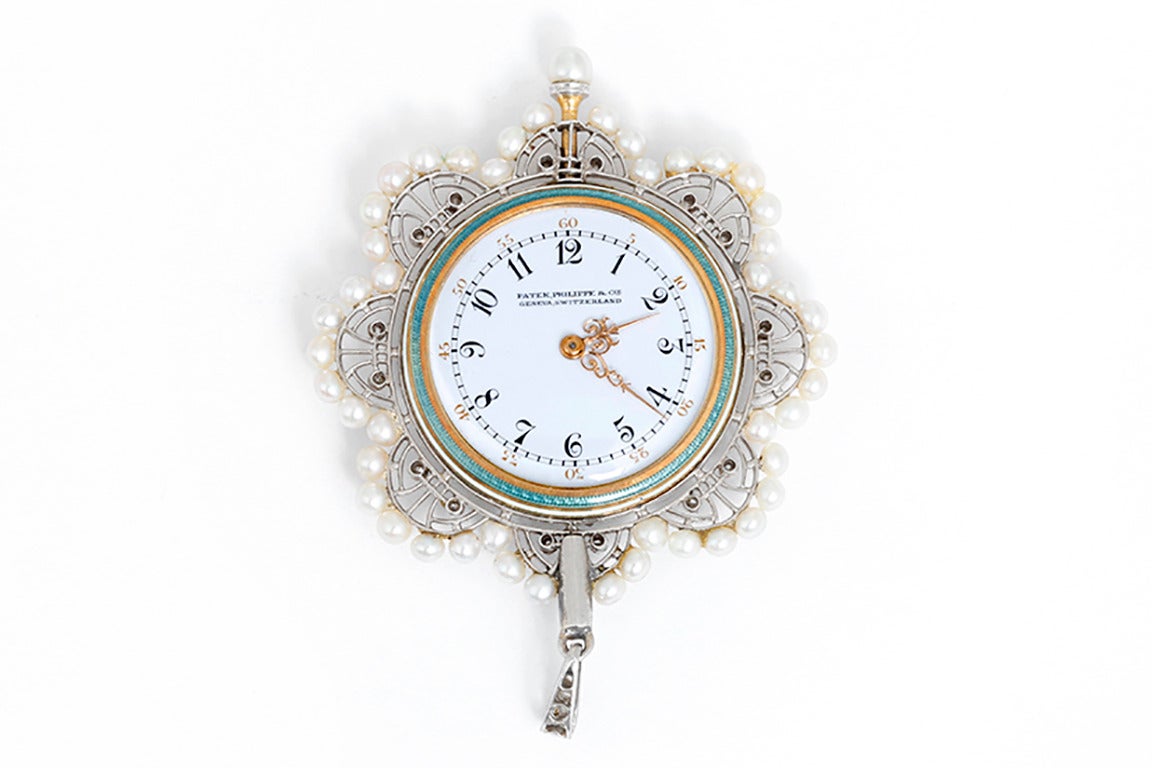
Patek Philippe Lady's Gold and Enamel Pendant Watch circa 1910s
By Patek Philippe
Located in Dallas, TX
This is a very rare watch that is almost impossible to find in this condition. Circa 1910s.
Diamond, Pearl, 18k Gold
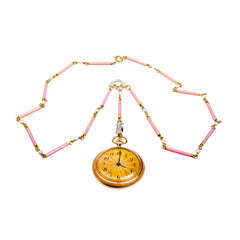
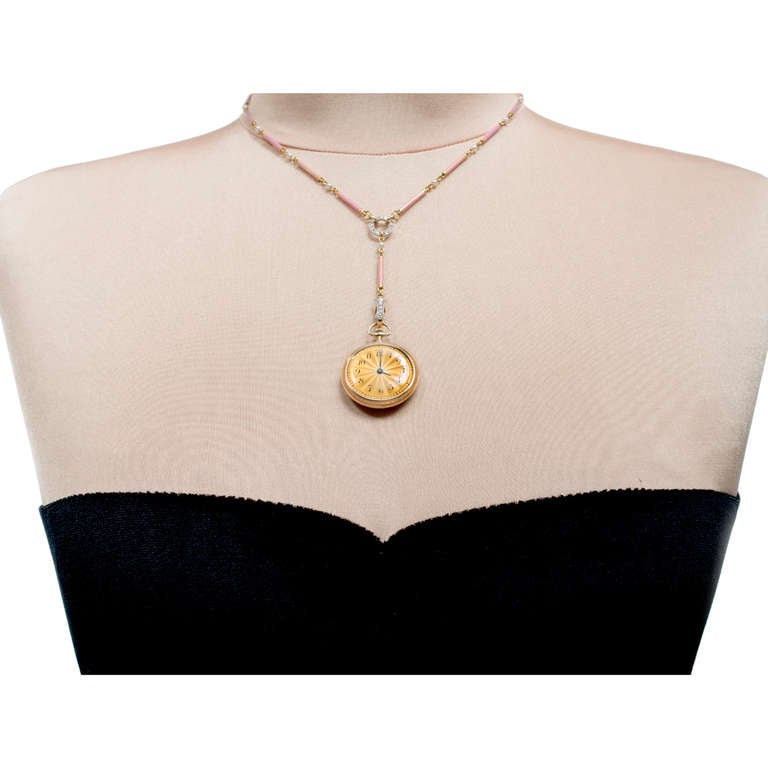
Lady's Rose Gold, Pink Enamel and Diamond Pendant Watch and Chain circa 1910s
Located in Stamford, CT
Rose gold, pink enamel and diamond pendant watch with natural pearl, gold, enamel and diamond chain, circa 1910s.
Diamond, Natural Pearl, Rose Gold, 14k Gold, Platinum
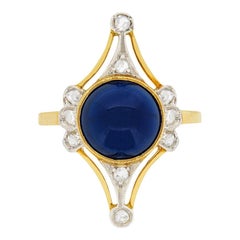

Edwardian 4.30 Carat Sapphire and Diamond Ring, circa 1910s
Located in London, GB
Gemstone: Sapphire Stone Shape: Cabochon Carat Weight: 4.30 Metal: 18ct Yellow Gold, Platinum Age: 1910s Certification: The Gem & Pearl Laboratory #18691 Size: N
Diamond, Sapphire, 18k Gold, Platinum
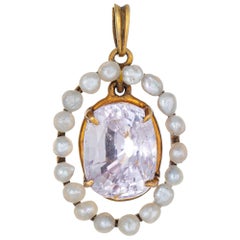

Antique Edwardian Pink Sapphire Seed Pearl Pendant 14 Karat Gold Small Oval
Located in Torrance, CA
Finely detailed antique Edwardian pink sapphire & seed pearl pendant (circa 1910s) crafted in 14k yellow gold.
Pearl, Natural Pearl, Pink Sapphire, 14k Gold, Yellow Gold
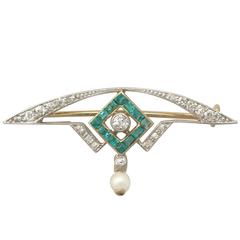

Sold
H 0.13 in W 1.61 in L 0.78 in
Antique 1910s 0.28 Carat Emerald and 0.25 Carat Diamond, 18 k Yellow Gold Brooch
Located in Jesmond, Newcastle Upon Tyne
An exceptional French 0.28 carat emerald and 0.25 carat diamond, 18 karat yellow gold and 18 k white gold set brooch; part of our diverse antique jewelry collections This exceptiona...
Diamond, Emerald, Pearl, Gold, 18k Gold, White Gold, Yellow Gold
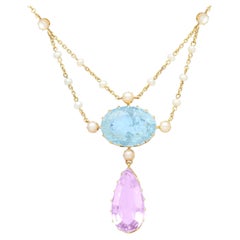

Sold
H 0.3 in W 1 in L 18.5 in
Antique 8.18 Carat Aquamarine 5.14 Carat Amethyst and Pearl Yellow Gold Pendant
Located in Jesmond, Newcastle Upon Tyne
This 1910's aquamarine, pearl and amethyst pendant has been independently tested using state of the art technology (Niton XL2 Analyzer) and verified as 18k yellow gold.
Amethyst, Aquamarine, Pearl, Yellow Gold
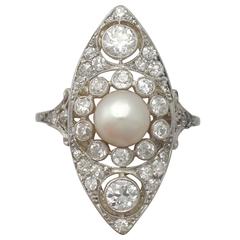

Antique 1910s Pearl and 1.84 Carat Diamond, 14k Yellow Gold Marquise Ring
Located in Jesmond, Newcastle Upon Tyne
This stunning, fine and impressive pearl and diamond ring has been crafted in 14k yellow gold with a platinum setting. The pierced decorated, marquise shaped setting is displays a 6...
Diamond, Pearl, 14k Gold
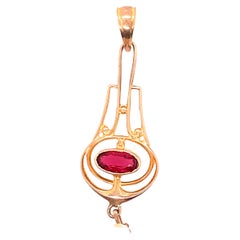
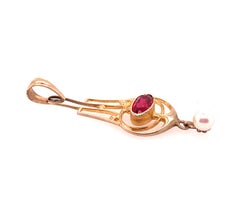
Art Deco Ruby Pearl Lavalier Pendant Necklace .60ct Antique Original 1910s Yello
Located in Dearborn, MI
Genuine Original Antique from 1910s .60ct Ruby Pearl Yellow Gold Vintage Art Deco Lavalier Pendant Necklace Features a Genuine Natural .60ct Oval Ruby Gemstone Genuine 3.7mm Pearl...
Pearl, Ruby, 10k Gold, Yellow Gold
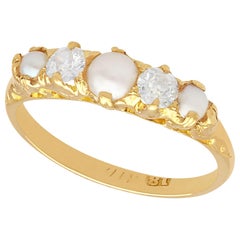

Antique 1910s Diamond and Pearl Yellow Gold Cocktail Ring
Located in Jesmond, Newcastle Upon Tyne
This fine and impressive pearl dress ring has been crafted in 18k yellow gold.
Diamond, Pearl, 18k Gold, Yellow Gold
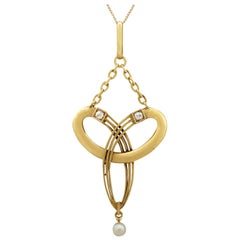

1910s Antique Diamond and Seed Pearl Yellow Gold Pendant
Located in Jesmond, Newcastle Upon Tyne
Diamond Quality Color (average grades) G Clarity (average grades) VS2 Cut Old European round Content (total) 0.10 carat Dimensions Length of Drop 6cm/2.36" Width of Pendant 2.6cm/1....
Diamond, Pearl, 14k Gold, Yellow Gold
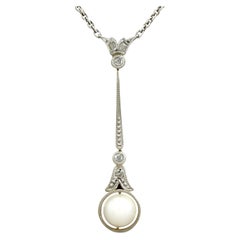

Antique 1910s Diamond and Seed Pearl Yellow Gold Pendant
Located in Jesmond, Newcastle Upon Tyne
An impressive antique seed pearl and 0.05 carat diamond, 14 karat yellow gold and silver set necklace; part of our diverse antique jewelry collections. This fine and impressive pear...
Diamond, Pearl, Gold, 14k Gold, Yellow Gold


1910s Diamond and Pearl Yellow Gold Platinum Set Bar Brooch
Located in Jesmond, Newcastle Upon Tyne
An impressive antique 0.60 carat diamond and pearl, 15 karat yellow gold and platinum set bar brooch; part of our diverse pearl jewelry collections. This fine and impressive diamond...
Diamond, Cultured Pearl, Pearl, 15k Gold, Yellow Gold, Platinum
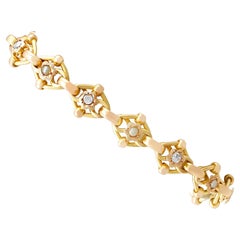

1910s 2.61 Carat Diamond and Seed Pearl Yellow Gold Bracelet
Located in Jesmond, Newcastle Upon Tyne
An impressive antique seed pearl and 2.61 Ct diamond, 9k yellow gold bracelet; part of our diverse antique jewelry and estate jewelry collections. This fine and impressive antique p...
Diamond, Pearl, 9k Gold, Yellow Gold
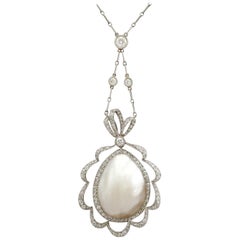

Antique 1910s Blister Pearl and 2.65 carat Diamond Platinum Necklace
Located in Jesmond, Newcastle Upon Tyne
A stunning antique blister pearl and 2.65 carat diamond, platinum necklace; part of our diverse antique jewellery and estate jewelry collections. This stunning, fine and impressive ...
Diamond, Pearl, Platinum
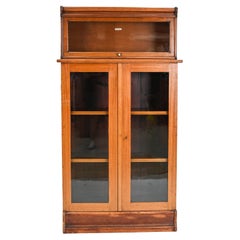

Rare Globe Wernicke Mahogany Barrister Bookcase Cabinet, c. 1910's
By Globe Wernicke
Located in Norwalk, CT
This superb and rare "Combination" bookcase by Globe Wernicke features their iconic "Elastic" bookcase unit, stacked atop a lower cabinet with two glass doors. Every inch is finished...
Metal
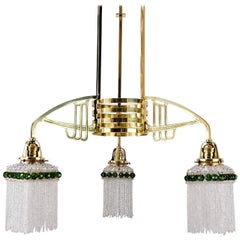

Very Beautiful Jugendstil Chandelier with Original Pearls Around 1910s
Located in Wien, Au
Very beautiful jugendstil chandelier with original pearls around 1910s Polished and stove enamelled.
Brass
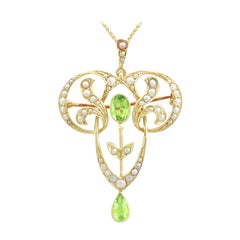
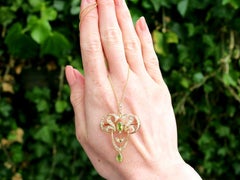
Sold
W 1.18 in D 1.77 in L 16 in
1910s Art Nouveau Peridot and Seed Pearl Yellow Gold Pendant / Brooch
Located in Jesmond, Newcastle Upon Tyne
An impressive antique Art Nouveau 1.01 carat peridot and seed pearl, 18 karat yellow gold pendant / brooch; part of our diverse antique jewelry collections. This fine and impressive...
Pearl, Peridot, 18k Gold, Yellow Gold
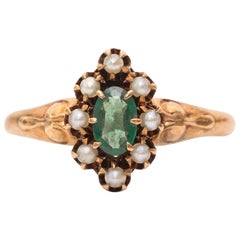
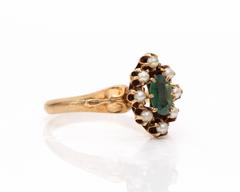
1910s Art Deco Emerald Seed Pearl 9 Karat Yellow Gold Halo Ring
Located in Hicksville, NY
1910s Art Deco Emerald Seed Pearl 9 Karat Yellow Gold Halo Ring features an oval shape Emerald with a six-prong mount.
Emerald, Pearl, 9k Gold
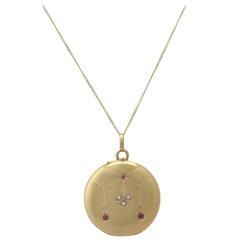

1910s French 0.09 Carat Ruby and Seed Pearl, 18k Yellow Gold Locket
Located in Jesmond, Newcastle Upon Tyne
This fine and impressive Edwardian locket has been crafted in 18k yellow gold. The locket has a circular form. The anterior face of the locket has an engraved decoration and is...
Pearl, Ruby, 18k Gold, Yellow Gold

Sold
Dm 0.5 in L 18.5 in
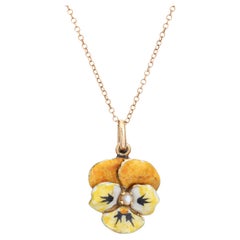
Antique Art Nouveau Pansy Necklace Yellow Enamel Pearl 14k Gold Flower Jewelry
Located in Torrance, CA
Finely detailed antique Art Nouveau pansy necklace crafted in 14 karat yellow gold (circa 1900s to 1910s). One small 1.5mm natural pearl is set into the mount.
Pearl, Natural Pearl, Gold, 14k Gold, Yellow Gold, Enamel
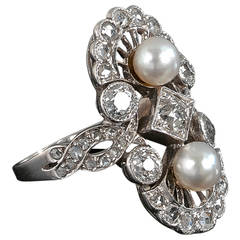
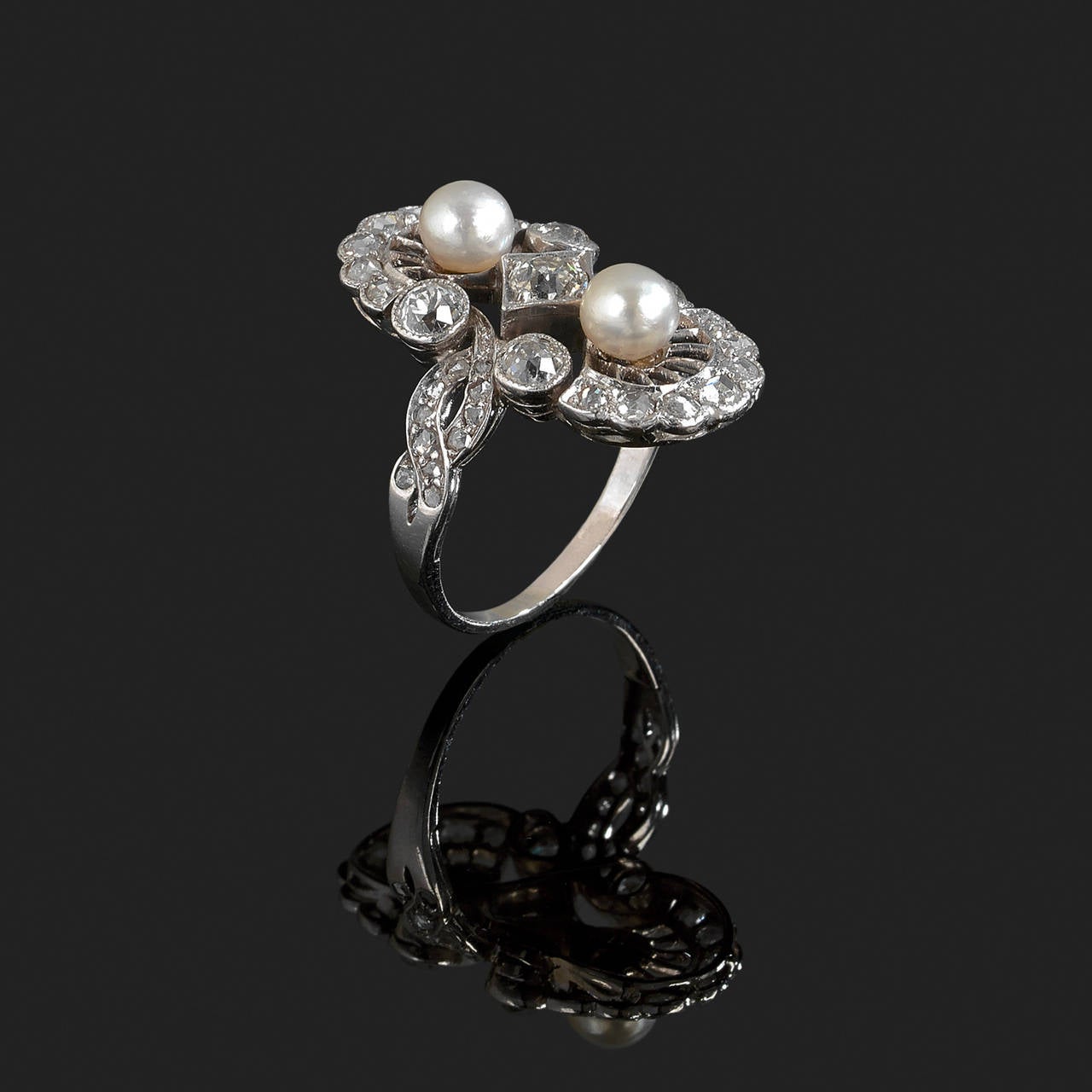
1910s Pearl Diamond Platinum Ring
Located in Paris, FR
A diamonds, natural pearls and platinum ring. Circa 1910 / 1920. Total diamonds weight: 0.7 ct
Diamond, Natural Pearl, Platinum
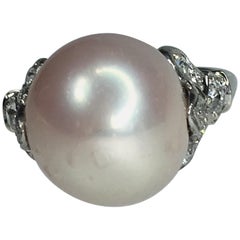
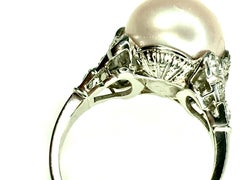
GIA Natural Freshwater Pearl and Diamond Ring, Art Deco, 1910s
Located in Munich, DE
GIA Natural Freshwater Pearl & Diamond ring, Art Deco, 1910´s
Diamond, Natural Pearl, Platinum
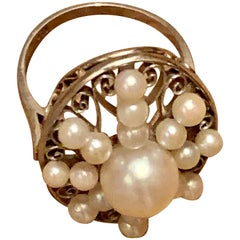
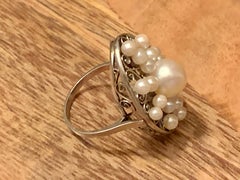
Vintage 1910s-1930s Era Cultured Pearl Platinum Ring
Located in St. Louis Park, MN
This lovely 1910-1930's vintage ring reminds me of a winter snowflake, or a summer flower.
Cultured Pearl, Platinum
Sold
H 1.38 in W 0.87 in L 17.72 in
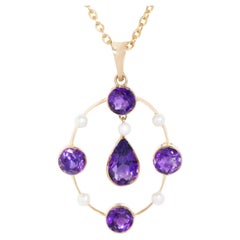
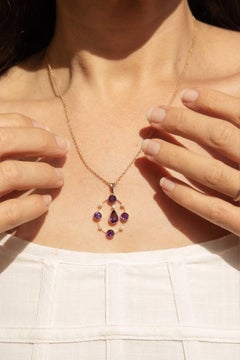
Antique Circa 1910s Deep Dark Amethyst & Pearl Necklet 8 Carat Yellow Gold
Located in Hamilton, AU
The 8K yellow gold Boheme Necklet showcases deep dark purple amethysts paired with luminous button freshwater pearls. A pear-shaped amethyst takes centre stage, encircled by alternat...
Amethyst, Pearl, Gold, Yellow Gold

Sold
W 0.63 in L 0.88 in
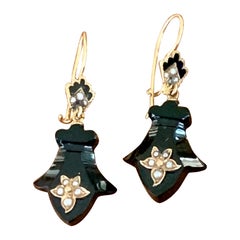
Vintage 1910's Black Onyx and Seed Pearl 14 Karat Yellow Gold Dangle Earrings
Located in St. Louis Park, MN
These fabulous, vintage 1910's to 1920's earrings feature a Trefoil-shaped piece of black Onyx which provides a backdrop to a seed Pearl flower design.
Onyx, Pearl, 14k Gold, Yellow Gold
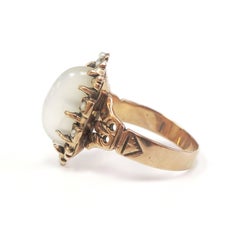
Art Nouveau 1910s Moonstone and Seed Pearls Ring, 14 Karat Rose Gold
Located in Bellmore, NY
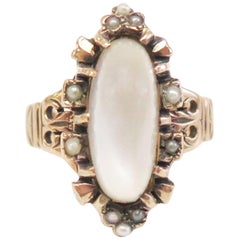
A gorgeous moonstone ring from the Art Nouveau (circa 1910) era! A beautiful oval-shaped moonstone cabochon rests at the center of the lovely 14 karat rose gold mounting. The moonsto...
Moonstone, Pearl, 14k Gold
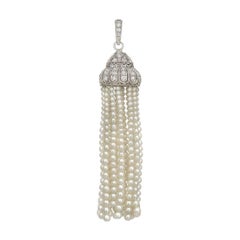
Art Deco Diamond Pearl Tassel Pendant
Located in Greenwich, CT
Art Deco tassel pendant, of openwork and milgrained design in platinum, set with 51 single-cut round diamonds weighing approximately 0.93 total carats (F-G color, VS1-VS2 clarity), s...
Diamond, White Diamond, Pearl, Platinum


English 9 Karat Gold Brooch Seed Pearls and Persian Turquoise, 1910s
Located in Las Vegas, NV
Seed Pearls Persian Turquoise circa 1910's Origin: England Metal: 9K Yellow Gold
Pearl, Turquoise, Gold, 9k Gold, Yellow Gold
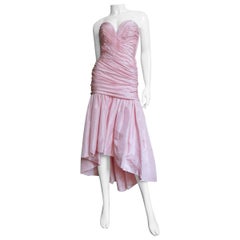
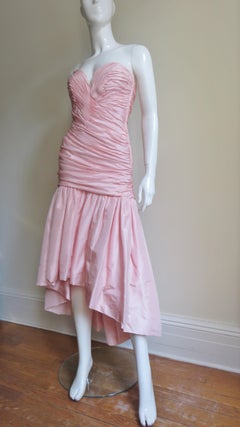
Vicky Tiel 1980s Silk Strapless High Low Bustier Dress
By Vicky Tiel
Located in Water Mill, NY
A great pink silk high low dress from Vicky Tiel. It has a drop waist horizontally ruched boned bustier bodice onto which is gathered a full skirt knee length in the front, ankle len...
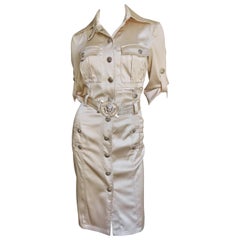
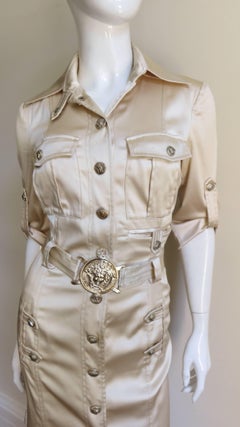
Versace SS 2005 Madonna Ad Campaign Backless Silk Dress
By Versace
Located in Water Mill, NY
A fabulous light yellow stretch silk dress as featured in Versace's notable 2005 ad campaign. It has a shirt collar, fold up elbow length sleeves with functional tabs, 2 chest flap p...

$1,238Sale Price|44% Off
Size: 40
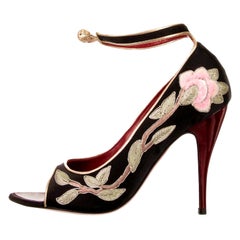
Rare Tom Ford for Yves Saint Laurent YSL Lotus Heels 2004 Pumps Sz 40
By Yves Saint Laurent
Located in Conroe, TX
Yves Saint Laurent Heels Worn Twice. Only signs of Use is to the Sole, the Uppers are Perfect * Tom Ford Lotus Runway Ad Heels * This was his last collection for Yves Saint Laurent...
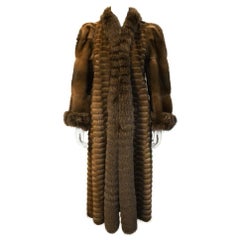
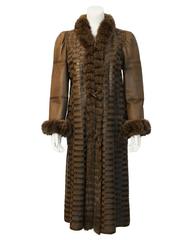
1980's Brown Mink Lightweight Reversible Coat
Located in Toronto, Ontario
Chic 1980's unmarked Canadian brown mink reversible long coat. One side is brown leather patchwork pattern with a fur collar and cuffs. The textured pattern is created by piecing the...

Sold|$5,779
Size: FR 38 - IT 42 - UK 10 - US 6
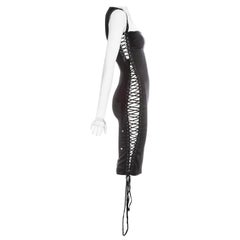
Dolce & Gabbana black silk spandex and leather lace up dress, ss 2003
By Dolce & Gabbana
Located in London, GB
Dolce & Gabbana; black silk spandex figure hugging evening dress. - Lambskin leather grommet trim - Open on both sides with lace up fastenings - Invisible side zip closure ...
$1,780Sale Price|20% Off
Size: Large
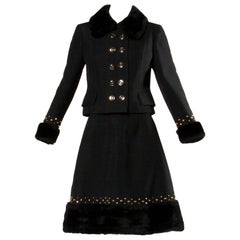
1960s Jean Patou Vintage Wool Jacket + Skirt Suit Ensemble with Faux Fur Trim
By Jean Patou
Located in Sparks, NV
Completely amazing vintage 1960s Jean Patou black wool jacket and skirt ensemble with faux fur trim and gold studs. Incredible tailoring and construction and chic enamel buttons. Ful...
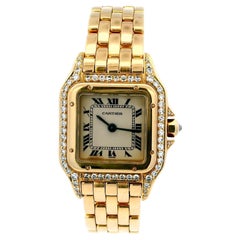
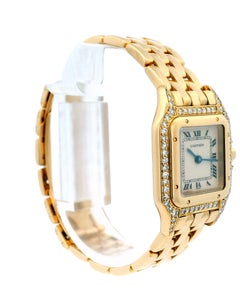
Cartier Panthere 8669 Diamond 18K Yellow Gold Ladies Watch
By Cartier
Located in Great Neck Plaza, NY
The Cartier Panthere 8669 Ladies Watch is a stunning piece that embodies luxury and sophistication. Its 22mm case, crafted from 18K yellow gold, is adorned with factory-set diamonds,...
18k Gold

$12,920
W 17 in D 4 in L 13 in
Chanel Timeless Vintage Cc Tote Towel Rare Piece Black Terry Cloth Beach Bag
By Chanel
Located in Miami, FL
Chanel Vintage Beach Bag CC Tote Towel Rare Piece 1989 {VINTAGE 33 Years} White terry "CC" lettering stitched on one side Black leather lined interior Interior zippered and open poc...
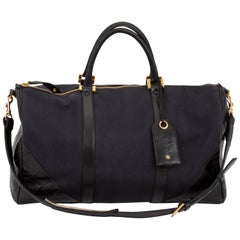
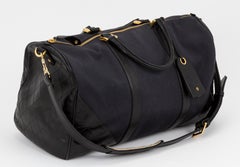
Chanel 90s Vintage Canvas & Leather Duffle Bag
By Chanel
Located in West Hollywood, CA
Chanel late 80s early 90s canvas and leather quilted duffle bag. Gold tone hardware. Handle drop 6.5". Detachable strap measures 44". Small glue residue on top, interior smell due to...
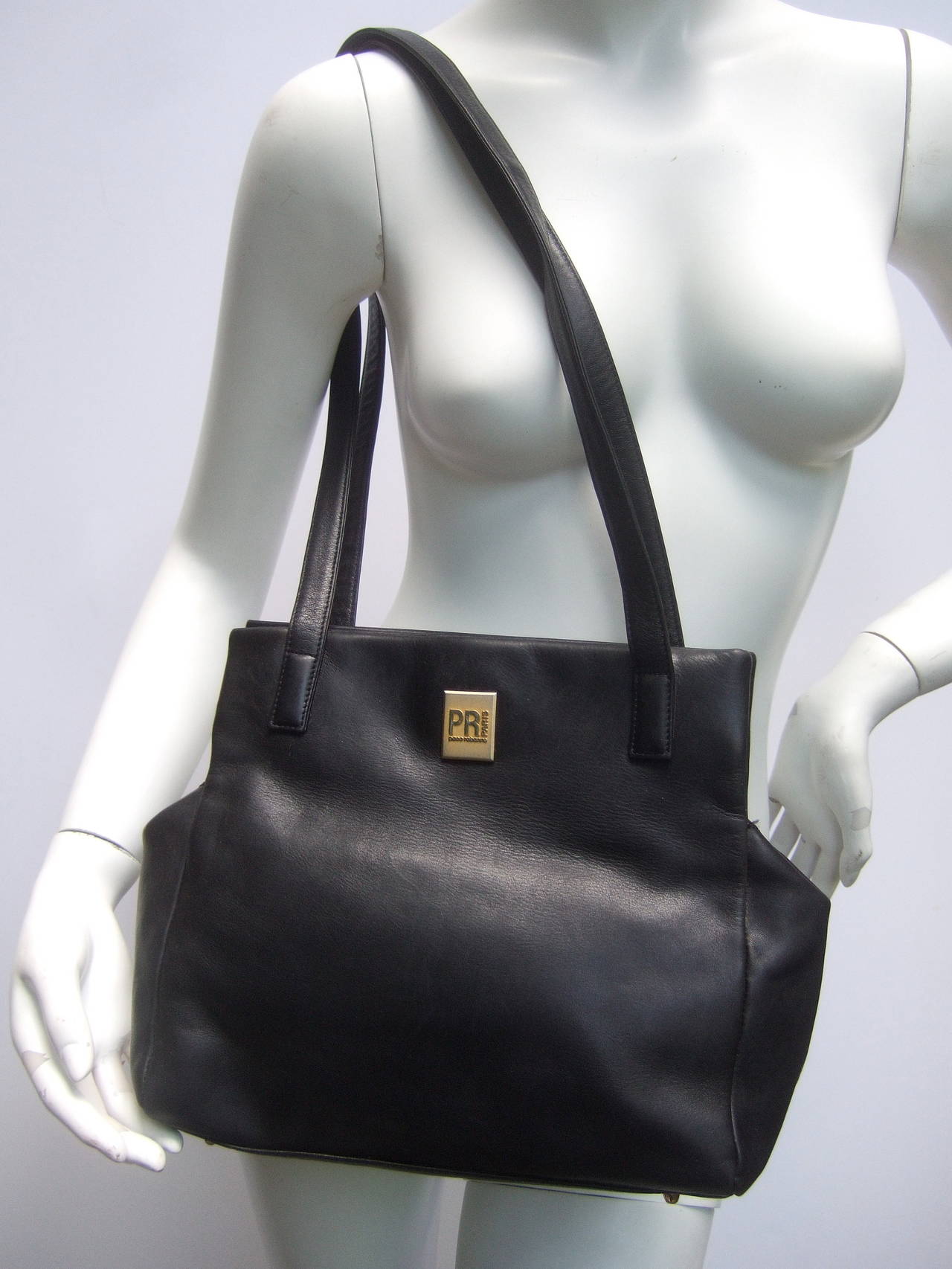
Paco Rabanne Paris Black Leather Shoulder Bag 1980s
By Paco Rabanne
Located in University City, MO
Paco Rabanne Paris Black leather shoulder bag c 1980s The classic saddle style shoulder bag is covered in supple black leather. Designed with twin leather shoulder straps The fron...
$19,953
Size: FR 40 - UK 12 - US 8
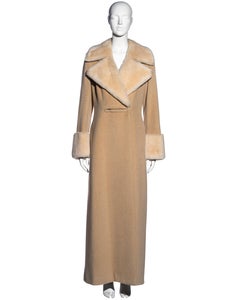
Givenchy by Alexander McQueen beige angora wool and shearling coat, c. 1999-2001
By Givenchy, Alexander McQueen
Located in London, GB
▪ Givenchy beige maxi coat ▪ Designed by Alexander McQueen ▪ Large shearling collar and cuffs ▪ Double breasted ▪ Center pleat to the back ▪ 65% Angora, 35% Wool ▪ 100% Acetate linin...
$337
H 3.94 in W 7.09 in D 1.19 in Dm 7.09 in
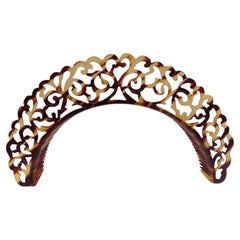
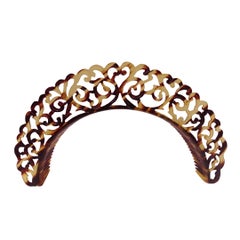
Victorian headband hair comb in imitation tortoiseshell, semicircular structure
Located in VALLADOLID, ES
Elegant headband hair comb in imitation tortoiseshell, made around the 1890s in Spain. It features a semicircular structure that adapts to the top of the hairstyle, serving as a ligh...
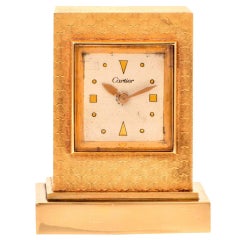
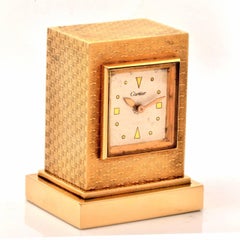
1950s Cartier Vintage Gold Eight Day Desk Clock
By Cartier
Located in Miami, FL
This aesthetically captivating authentic circa 1950 Cartier eight-day desk clock is made with a solid 14K yellow gold case. It is rendered in artfully textured gold, adding a glitter...
14k Gold, Gold
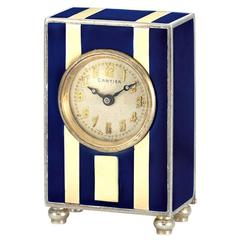
Cartier Art Deco Sterling Silver and Enamel Miniature Desk Timepiece circa 1920s
By Cartier
Located in New York, NY
A beautiful miniature desk timepiece, rectangular case with blue enamel, accented by silver bands, centering a circular brushed silvered dial with gilt Arabic numerals, dial signed C...
Sterling Silver
$2,752Sale Price|20% Off
H 0.95 in W 3.15 in D 2.37 in
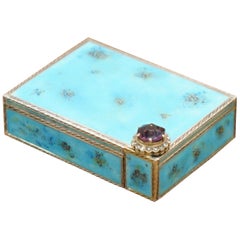
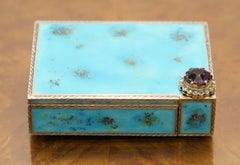
Rare circa 1900 Sterling Silver Diamond and Enamel Powder Compact with Lipstick
Located in GB
Wimbledon Furniture We are delighted to offer For sale this stunning circa 1900 French or Italian Sterling silver Diamond & Enamel powder compact with lipstick A very good looking a...
Sterling Silver, Enamel
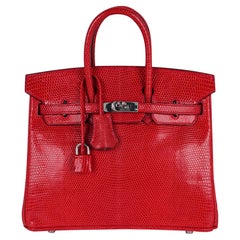
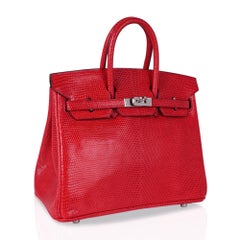
Hermes Birkin 25 Rouge Exotic Lizard Bag Palladium Hardware
By Hermès
Located in Miami, FL
The Hermès Birkin 25 is presented here in Rouge Exotique lizard, a softened red tone that balances vibrancy with restraint. The color offers presence while remaining versatile, makin...
The pearl has been synonymous with ladylike elegance since the Tudor period — learn what to look for when shopping for vintage and antique pearl jewelry as well as how to tell the origin of a pearl with our handy primer.
Every woman at some point in her life desires a simple strand of pearls. They are elegant, timeless, versatile — just ask Coco Chanel or Jacqueline Kennedy — and valuable. In 1917, Pierre Cartier famously traded a double-strand of natural pearls for a Fifth Avenue mansion, the Cartier brand’s flagship store ever since. And if you were born in the beginning of summer, pearl is the June birthstone.
It is possible to tell where a pearl originated from its appearance. Akoyas are usually round and white — the classic pearl, if you will. South Sea pearls are normally larger and vary in color; orangey yellow ones are not uncommon. Tahitian pearls are mostly black but can also be gray or brown, and between the Akoya and the South Sea varieties in size. Freshwater pearls, or Orientals, run the gamut in terms of color and size, but in shape, they tend to resemble Rice Krispies. Another important distinction is a round pearl versus a baroque pearl. A round pearl is self-explanatory, but there are two types of baroque pearls: symmetrical and asymmetrical. In general, the symmetrical variation commands a higher valuation. Within a strand of pearls, uniformity is prized — the more the individual pearls resemble one another, the more valuable the strand.
According to the Gemological Institute of America (GIA), the earliest recorded mention of a pearl was in 2206 BC by a Chinese historian. Centuries later, Christopher Columbus made it a point to visit pearl fisheries during his 15th-century exploration of the Caribbean. Since the late-19th century, the Japanese have been at the forefront of cultivating pearls, when jeweler Kokichi Mikimoto successfully cultured the world’s first pearl in 1893.
On 1stDibs, find vintage and antique pearl necklaces, pearl earrings and other accessories.