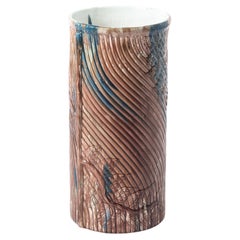
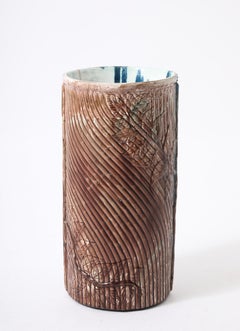
Art Nouveau Ceramic "Trunk" Umbrella Stand, Italy 1920's
Located in New York, NY
Ceramic umbrella stand with an art nouveau floral decor 20x9.5
Category
Vintage 1920s Italian Art Nouveau Umbrella Stands
Materials
Ceramic
Art Nouveau Ceramic "Trunk" Umbrella Stand, Italy 1920's
Located in New York, NY
Ceramic umbrella stand with an art nouveau floral decor 20x9.5
Ceramic
$4,239Sale Price|20% Off
H 72.84 in W 90.56 in D 13 in
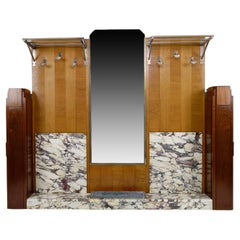
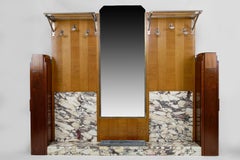
Important Art Deco Hall cabinet / coat stand in oak, marble and mahogany, 1920's
Located in VÉZELAY, FR
Important Art Deco hall cabinet / coat stand hatstand /hatrack / coat rack / coat stand /hall tree
Marble, Carrara Marble, Metal, Chrome
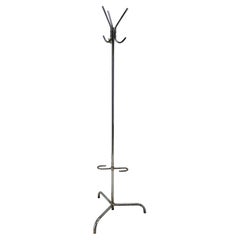
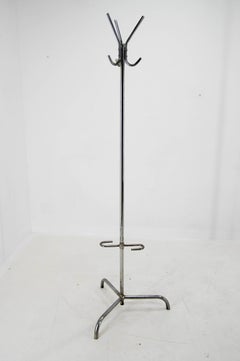
Bauhaus Chrome Coat Stand, 1920s
Located in Praha, CZ
Industrial coat rack from Bauhaus factory built in 1920s. Original condition with losses on chrome
Steel, Chrome
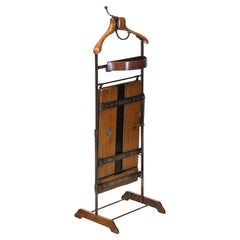
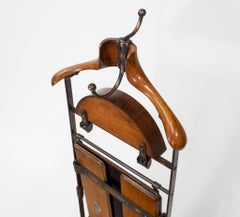
1920's English Deluxe Valet Stand with Trouser Press
Located in Norwich, GB
A wonderful, impeccably English deluxe valet stand with trouser press. Circa 1920's. Labelled 'Watt
Metal
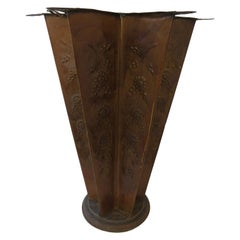
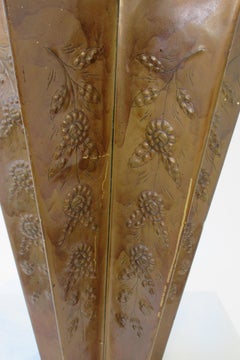
1920s Star Shaped Brass Umbrella Stand
Located in Tarrytown, NY
1920s star shaped brass umbrella stand.
Brass
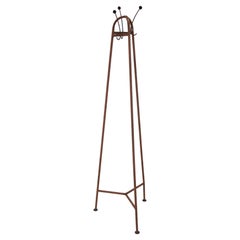
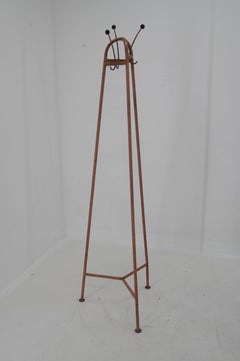
Bauhaus Industrial Pink Coat Stand, 1920s
Located in Praha, CZ
Coat stand from Czech Bauhaus factory built in 1920s. Unusual original pink paint. Traces of rust
Steel
$5,548
H 47.64 in W 25.6 in D 18.12 in
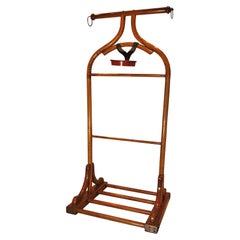
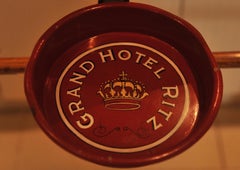
1920's Rare Art Deco Grand Ritz Hotel Simulated Bamboo & Wood Valet Stand
Located in Reading, Berkshire
1920's Rare Art Deco Grand Ritz Hotel Bamboo & Wood Valet Stand In 1894, when César Ritz opened
Enamel
$669
H 8.47 in W 9.85 in D 11.42 in
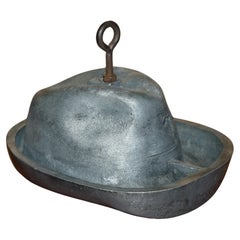
ANTIQUE ORIGINAL PEWTER TRILBY HAT STAND MOLD FOR CIRCA 1920'S ART DECO HATs
Located in West Sussex, Pulborough
Trilby hat Mold circa 1920’s A good looking well made and decorative table mounted piece, this is the
Pewter
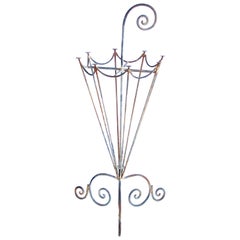
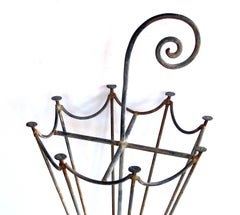
Charming French 1920s Metal Openwork Umbrella Stand
Located in San Francisco, CA
With scrolling handle and openwork body over a tripod base.
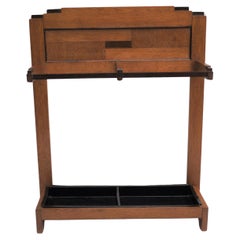
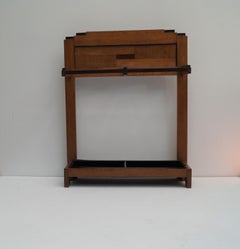
Dutch Art Deco Umbrella Stand, Haagse School, 1920s
Located in EVERDINGEN, NL
A large Haagse School 1920s umbrella stand with a geometric, modernist design. The stand is solid
Macassar, Oak
$1,295
H 62 in W 14 in D 14 in
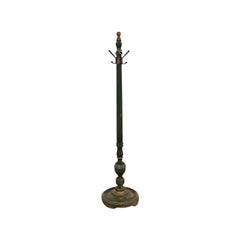
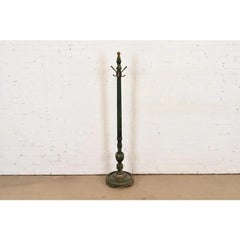
Stickley Brothers Antique Early American Green Lacquered Hall Tree, Circa 1920s
By Stickley Brothers
Located in South Bend, IN
A gorgeous antique American Colonial or Country Cottage style hall tree or coat rack By Stickley
Oak, Lacquer
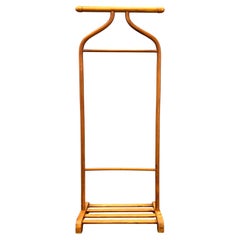
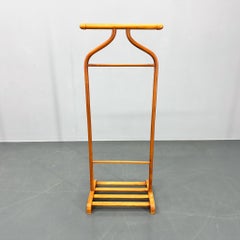
Thonet Vienna Art Deco Dressing Stand, Nr. 133, 1920s
By Thonet
Located in Praha, CZ
Silent Servant Nr. 133 by Thonet. Produced in Vienna in the 1920's. Good vintage condition.
Wood
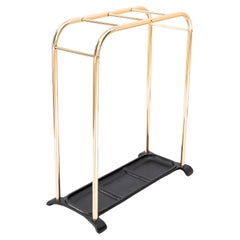
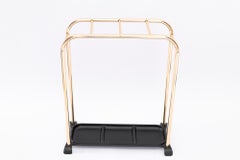
Art Deco umbrella stand around 1920s
Located in Wien, AT
Art Deco umbrella stand around 1920s Brass polished and stove enameled Metal blackened
Metal, Brass
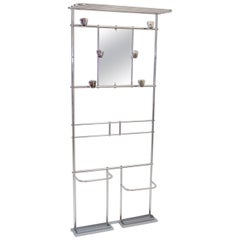
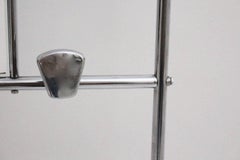
Art Deco Vintage Chromed Coat Rack or Coat Stand, 1920s
Located in Vienna, AT
stand with umbrella stand or cane holder from the 1920s. It is easy to fix the coat stand with two
Metal
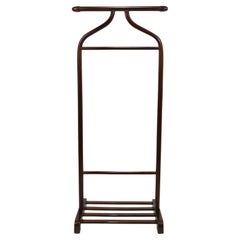
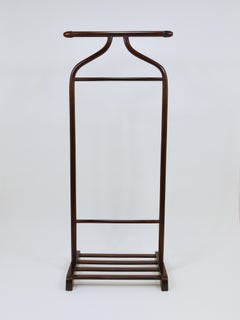
$1,900
H 41 in W 18 in D 12.5 in
Thonet Vienna Art Deco Bentwood Clothing Valet / Dressing Stand, Austria, 1920s
By Thonet, Gebrüder Thonet Vienna GmbH, Michael Thonet
Located in Vienna, AT
An elegant Art Deco gentleman’s valet or dressing stand from the 1920s, designed and crafted by
Wood, Beech, Bentwood
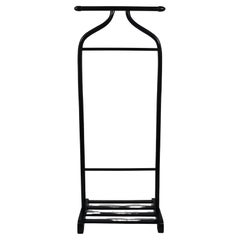
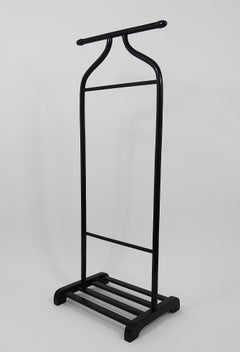
$2,200
H 43 in W 18 in D 12.5 in
Thonet Vienna Art Deco Bentwood Clothing Valet / Dressing Stand, Austria, 1920s
By Michael Thonet, Thonet, Gebrüder Thonet Vienna GmbH
Located in Vienna, AT
An elegant Art Deco gentleman’s valet or dressing stand from the 1920s, designed and crafted by
Wood, Beech, Bentwood
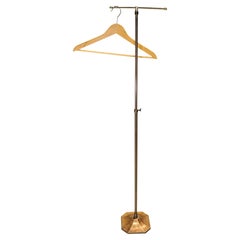
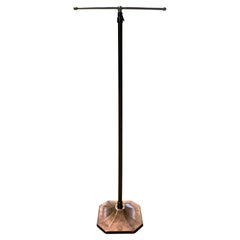
Art Deco Copper & Chrome Adjustable Display Stand by Levine & Sons 1920s
Located in Reading, Berkshire
Art Deco Copper and Chrome Adjustable Clothing Display Stand, Raised on a Shaped Octagonal Base by
Copper
$1,625
H 27.96 in W 8.27 in D 11.03 in
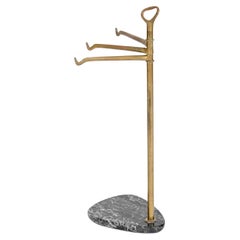
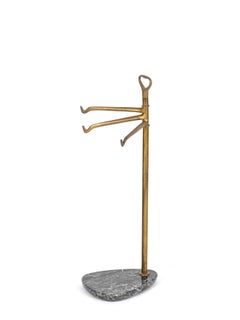
Italian Art Deco Brass and Black Marble Towel Stand, Gio Ponti Style, 1920s
By (After) Gio Ponti
Located in Roma, IT
Marvelous towel stand in solid brass and Nero Marquina black marble. This incredibly elegant and
Marble, Brass
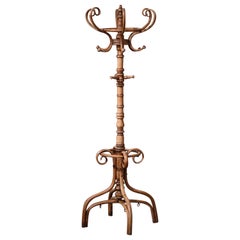
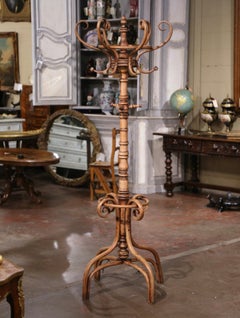
1920s French Thonet-Style Bleached Bentwood Perroquet Coat Stand
By Michael Thonet
Located in Dallas, TX
20th-century French Perroquet coat stand. Crafted circa 1920 in the manner of celebrated German
Bentwood
$1,089
H 23.63 in W 30.71 in D 9.85 in
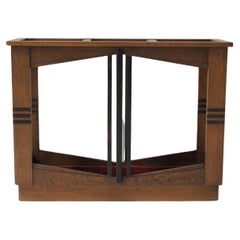
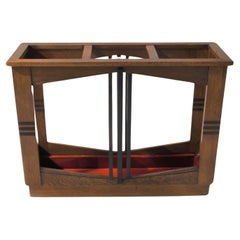
Umbrella stand by P.E.L. Izeren for Genneper Molen, Dutch Art Deco, 1920s
By Genneper Molen, P.E.L. Izeren 1
Located in EVERDINGEN, NL
A large Haagse School 1920s umbrella stand by P.E.L. Izeren, modernist design, marked with Genneper
Macassar, Oak
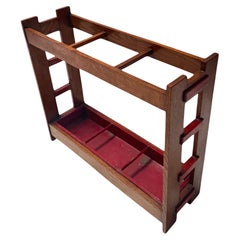
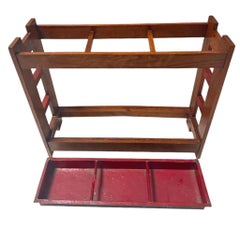
$1,354
H 23.63 in W 27.56 in D 8.67 in
Art Deco Modernist Umbrella Stand by P.E.L. Izeren for De Genneper Molen, 1920s
By Genneper Molen, P.E.L. Izeren 1
Located in Amsterdam, NL
Magnificent and rare Art Deco Modernist umbrella stand. Design by P.E.L. Izeren for De Genneper
Oak
$1,683
H 47.64 in W 21.07 in D 18.31 in
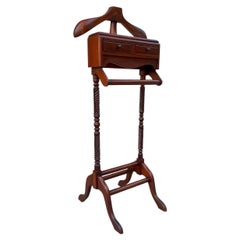
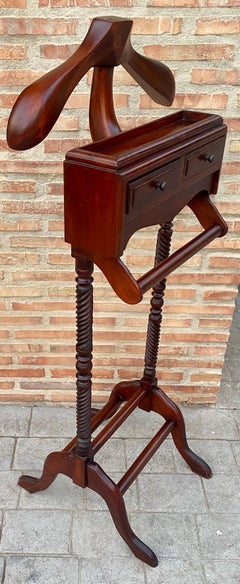
Spanish Baroque Revival Walnut Gentleman’s Valet Stand with Drawers, 1920s
Located in BÉTERA, ES
This elegant Spanish gentleman’s valet stand dates from the early 20th century and is crafted in
Iron
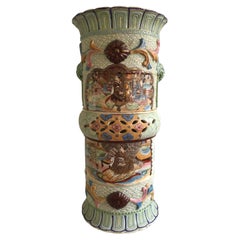
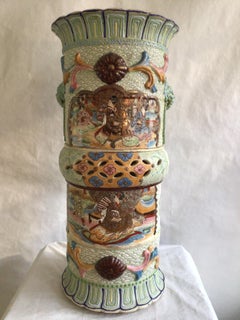
1920s Satsuma Style Ceramic Umbrella Stand With Painted and Raised Motifs
Located in Tarrytown, NY
1920s Satsuma Style Ceramic Umbrella Stand With Painted and Raised Motifs featuring Oriental Scene
Ceramic
$1,800
H 23 in W 14 in D 5.5 in
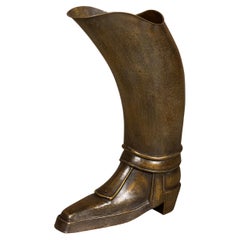
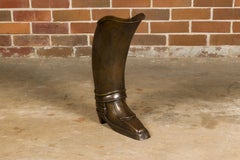
English 1920s Hand-Hammered Copper and Brass Musketeer Boot Umbrella Stand
Located in Atlanta, GA
An English hand-hammered brass and copper musketeer boot umbrella stand from circa 1920 with front
Copper, Brass
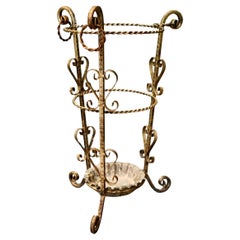
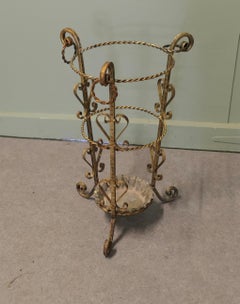
Twisted Metal Walking Stick Stand A charming 1920s piece with a round shape
Located in Godshill, Isle of Wight
Twisted Metal Walking Stick Stand A charming 1920s piece with a round shape the twisted rings
Iron
$2,368
H 78.15 in W 27.56 in D 9.85 in
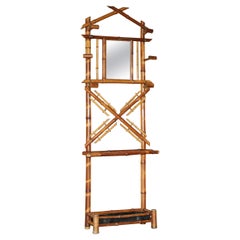
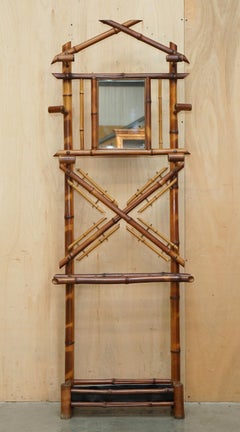
ANTIQUE CIRCA 1920's ART DECO BAMBOO HAT COAT GLOVES & SCARF RACK WITH MIRROR
Located in West Sussex, Pulborough
French Art Deco circa 1930's bamboo coat rack with central mirror Please note the delivery fee listed is
Bamboo, Mirror
$1,130Sale Price / set|20% Off
H 33.86 in W 28.55 in D 6.7 in
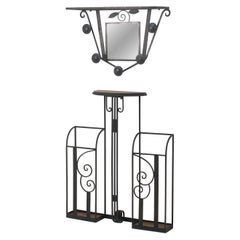
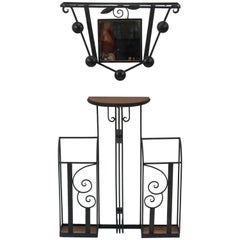
Two-Piece Art Deco Hallway Set 'Umbrella Stand, Mirror and Coatrack', 1920s
Located in Den Haag, NL
Graceful Art Deco wall-mounted hallway set consisting of an umbrella stand and a coat rack
Iron
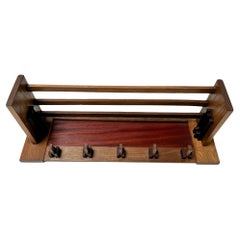
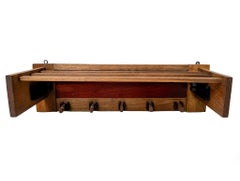
Art Deco Modernist Coat Rack, 1920s
Located in Amsterdam, NL
Stunning and rare Art Deco Modernist coat rack. Striking Dutch design from the 1920s. Solid oak
Oak, Padouk
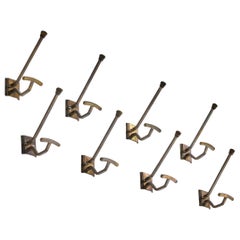
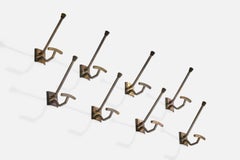
German Designer, Coat Hangers, Brass, Germany, 1920s
Located in High Point, NC
A set of 8 brass coat hangers likely designed and produced in Germany, 1920s. Overall Dimensions
Brass
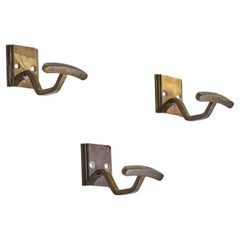
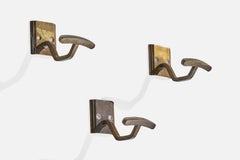
German Designer, Coat Hangers, Brass, Germany, 1920s
Located in High Point, NC
A set of three brass coat hangers likely designed and produced in Germany, c. 1920s. Overall
Brass
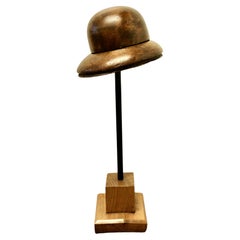
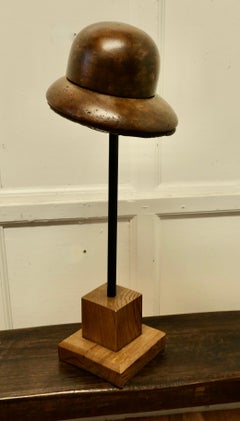
French Fruit Wood Hat Display Stand This is a form for a 1920s Deep Brim Cloche
Located in Godshill, Isle of Wight
French Fruit Wood Hat Display Stand This is a form for a 1920s Deep Brim Cloche style hat, with a
Fruitwood
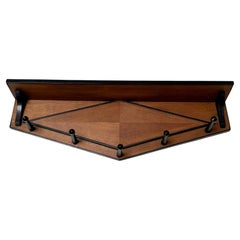
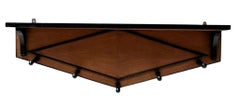
Art Deco Amsterdamse School Wall Coat Rack, 1920s
Located in Amsterdam, NL
1920s. Solid oak and original oak veneer base with 5 original black lacquered beech hooks and black
Oak
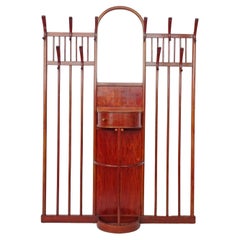
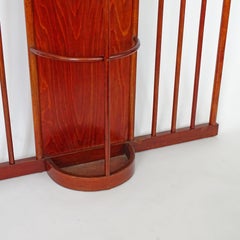
$4,710Sale Price|20% Off
H 82.68 in W 57.88 in D 11.03 in
Coat Rack by Jacob & Josef Kohn, Austria, 1920s
By Jacob & Josef Kohn
Located in Milan, IT
Rare And Important Cloakroom, Coat Rack Model No 1368 By Jacob & Josef Kohn. Vienna Secession.
Mirror, Wood
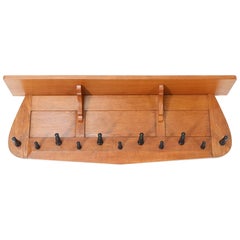
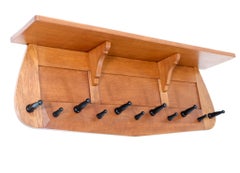
$1,177Sale Price|20% Off
H 15.75 in W 45.67 in D 8.67 in
Oak Art Deco Amsterdamse School Wall Coat Rack, 1920s
Located in Amsterdam, NL
. Striking Dutch design from the 1920s. Solid oak frame with eleven original black lacquered wooden hooks
Ebony, Oak
$2,237 / set
H 9.85 in W 7.88 in D 5.91 in
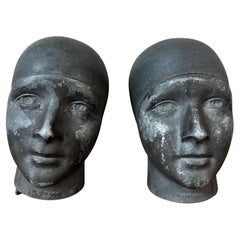
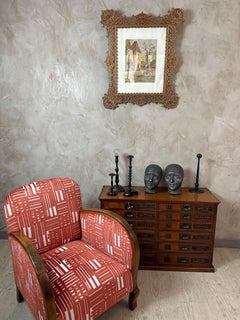
Early 20th century Pair of Aluminium Hat or Wig Holder, 1920s
Located in LEGNY, FR
Rare! Pair of aluminum hat or wig holder dating from the 1920s in good condition. Stamped "Breveté
Aluminum
$1,365Sale Price|20% Off
H 13.78 in W 40.56 in D 2.76 in
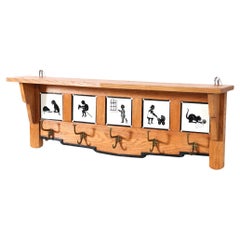
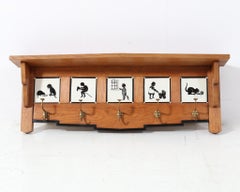
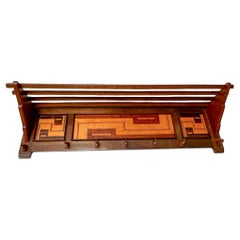
Oak Art Deco Amsterdamse School Coat Rack with Tiles, 1920s
Located in Amsterdam, NL
Stunning and ultra rare Art Deco Amsterdamse School coat rack. Striking Dutch design from the 1920s
Brass
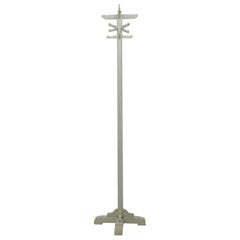

Antique Wood Rack, 1920s
Located in Praha, CZ
In original paint In good original condition.
Wood
$4,600
H 70.08 in W 26.78 in D 11.03 in
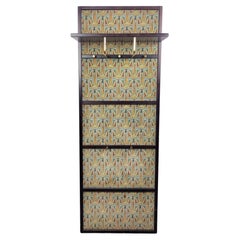
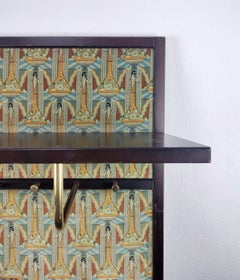
Art Deco Compact Foyer Coat Rack with Klimt-Esque Fabric, Austria, 1920s
By (after) Gustav Klimt
Located in Beograd, RS
In this listing you will find a magnificent Compact Art Deco coat rack, with the curved brass rails and simulated matching grains, as well the shelf for the hats. This wall mounted c...
Brass
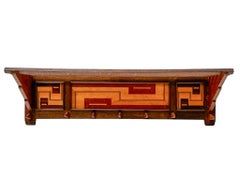
$1,354
H 12.21 in W 43.31 in D 10.24 in
Art Deco Amsterdamse School Coat Rack by L.O.V. Oosterbeek, 1920s
By L.O.V. Oosterbeek
Located in Amsterdam, NL
Dutch design from the 1920s. Solid oak with original decorative satinwood details. Seven original and
Oak, Satinwood
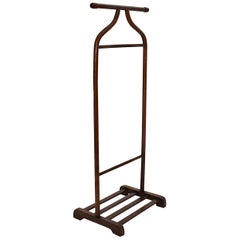

$2,225
H 42.52 in W 17.72 in D 12.41 in
Art Deco Vintage Bentwood Beech Valet Coat Rack by Thonet, Vienna, 1920s
By Thonet
Located in Vienna, AT
, Vienna, 1920s. Throughout its warm wooden tone and its practical form the valet would be beautiful for
Beech
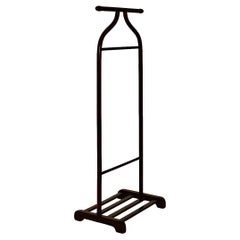

$1,990
H 43.31 in W 17.13 in D 12.41 in
Art Deco Vintage Brown Beech Gebr, Thonet Valet Coat Rack 1920s Vienna
By Thonet
Located in Vienna, AT
, 1920s, Vienna. Wonderful and usable valet from the Viennese Art Deco period. Very good condition and
Beech
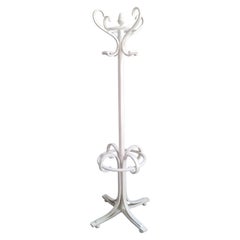
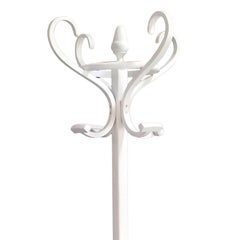
$3,297
H 74.81 in Dm 19.69 in
Art Nouveau 1920s, Italy Coat and Hat Rack Thonet Manner Bent Beech Lacquered
By Thonet
Located in Vigonza, Padua
Art Nouveau, Italian original 1920s coat and hat rack Thonet style in bent beech lacquered
Beech
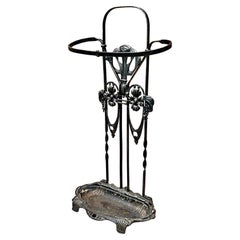
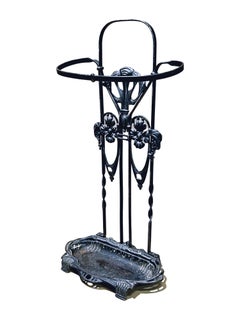
1880-1920s Art Nouveau / Jugend Umbrella Rack
Located in Skien, NO
1880-1920s) This elegant umbrella stand, crafted from iron / metal / wrought iron during the late 19th
Metal, Wrought Iron
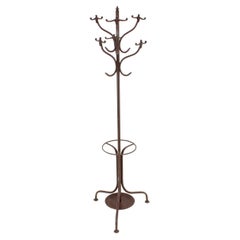
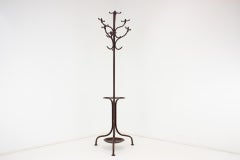
Antique Cast Iron Coat Rack, 1920s
Located in Praha, CZ
- Nice patina - In original condition - Heavy metal.
Iron
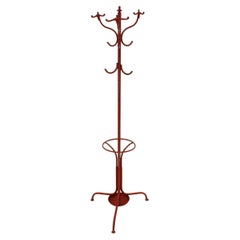
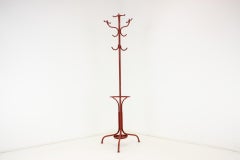
Antique Cast Iron Coat Rack, 1920s
Located in Praha, CZ
- Nice patina - In original condition - Heavy metal.
Iron
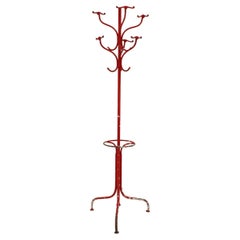
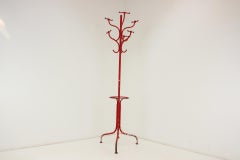
Antique Cast Iron Coat Rack, 1920s
Located in Praha, CZ
- Nice patina - In original condition - Heavy metal.
Iron
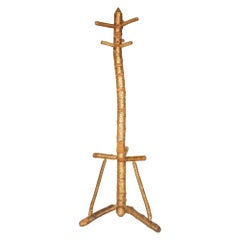
Birch Log Coat Tree from USA, 1920s
Located in Sagaponack, NY
A vintage artisan made coat tree comprised of birch logs.
Wood
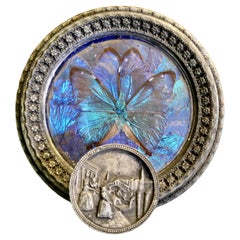
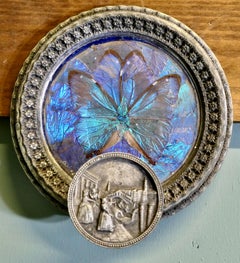
1920s Silver-Plated Venetian Butterfly Wings Coat Hanger
Located in Godshill, Isle of Wight
1920s Silver-Plated Venetian Butterfly Wings Coat Hanger 1920s silver-plated butterfly wings
Silver Plate
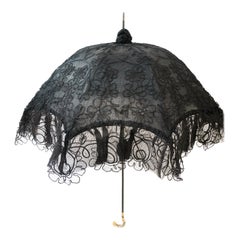
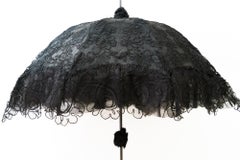
Parasol made of silk and fabric around 1920s
Located in Wien, AT
Parasol made of silk and fabric around 1920s Original condition The last 5 pictures shows that the
Brass
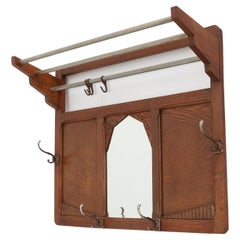
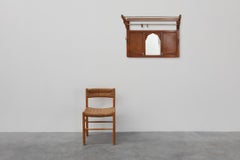
Art Deco oak carved wall coatrack with mirror, France 1920s
Located in Meulebeke, BE
France / 1920 / Coat Rack / oak, metal, mirror / Art Deco Beautiful Art Deco hall mirror with hat
Metal
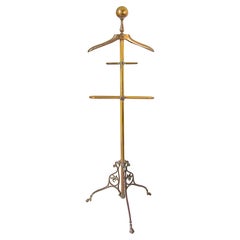
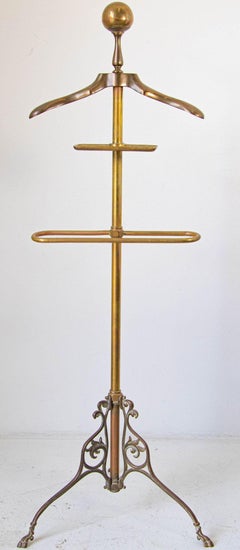
Art Deco Brass Valet, Neoclassical Design, Cast Technique, 1920s USA
Located in Moreno Valley, CA
Art Deco Antique Gentleman Brass Valet, circa 1920s Mastercraft gentleman brass Neoclassical
Brass
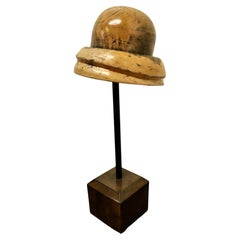
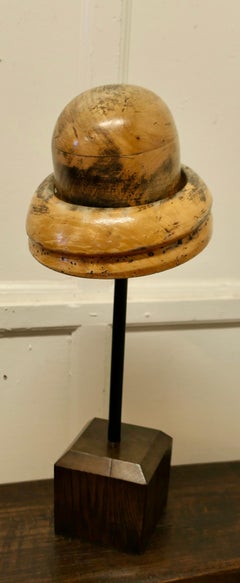
Art Deco French Fruitwood Hat Block Milliners Form from the 1920s
Located in Godshill, Isle of Wight
French Fruit Wood Hat Block Milliners Form This is a form for a 1920s Double Brim Cloche style hat
Fruitwood
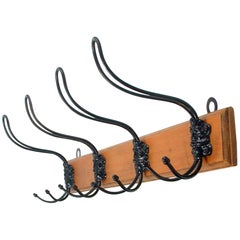

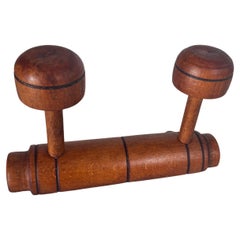
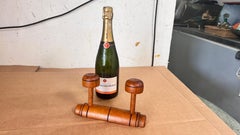
German 1920s Pine Wood and Black Metal Zeus Head Coat Rack
Located in NUEMBRECHT, NRW
This cottage style coat hanger was manufactured in German in the 1920s. It is made of wood (I
Metal
$317
H 2.37 in W 9.06 in D 4.73 in
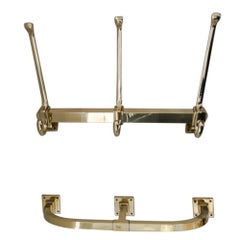
1920s French Wooden Wall Coat Rack with Two Hat and Garment Hooks Description:
Located in Auribeau sur Siagne, FR
1920s French Wooden Wall Coat Rack with Two Hat and Garment Hooks Description: This authentic
Wood
$1,648 / set
H 7.49 in W 14.18 in D 6.7 in
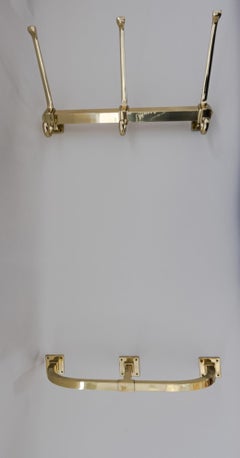
Two Art Deco Wall Wardrobe with Umbrella Holder for Wall Mount, circa 1920s
Located in Wien, AT
Two Art Deco wall wardrobe with umbrella holder for wall mount, circa 1920s 2 sets like the
Brass

$1,295
H 70.87 in W 25.6 in D 9.85 in
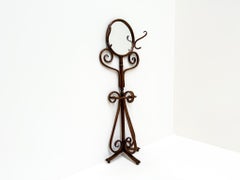
Antique Bentwood Shaving or Hall Stand with Beveled Mirror, 1920s–1940s
Located in BERKEL EN RODENRIJS, NL
Elegant antique bentwood shaving stand, also known as a hall stand, designed in the style of Thonet
Beech, Glass
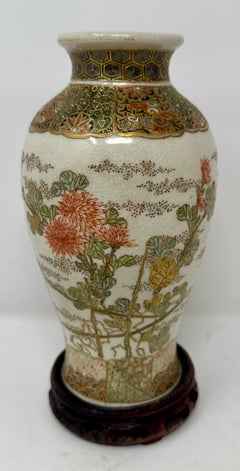
Antique Japanese Satsuma Porcelain Vase on Stand, Circa 1910-1920's.
Located in New Orleans, LA
Antique Japanese Satsuma Porcelain Vase on Stand, Circa 1910-1920's.
Porcelain
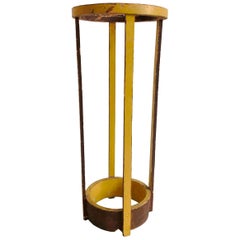

Bauhaus Umbrella Stand, Hungary, 1920s
By Jozsef Heisler
Located in BUDAPEST, HU
Original condition Bauhaus school umbrella stand.
Wood, Paint
Unavailable
H 20.87 in W 20.08 in D 12.6 in
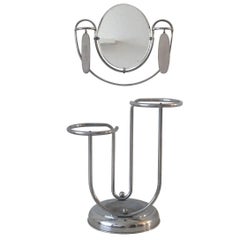
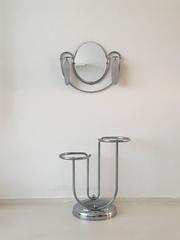
Machine Age, Art Deco Entryhall, Umbrella Stand with Mirror and Brushes, 1920s
By Gispen
Located in Schagen, NL
Amazing set, consisting of a tubular chrome umbrella stand and a mirror with beveled glass and with
Metal
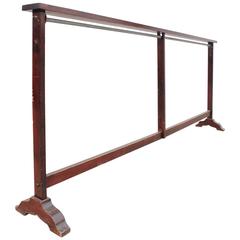
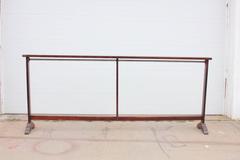
1920s American School Wood Coat Rack
Located in Chicago, IL
1920s American school wood coat rack.
Metal
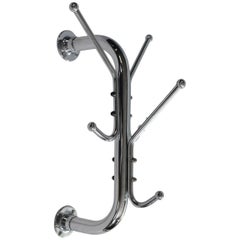
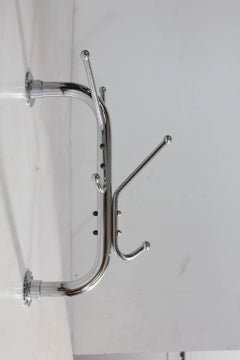
1920s Barber Shop Chrome Hat and Coat Wall Rack
Located in Chicago, IL
1920s barber shop chrome hat and coat wall rack. We have three available. Listed price is for one.
Chrome
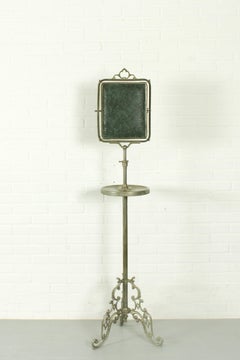
Unavailable
H 59.06 in W 16.54 in D 16.54 in
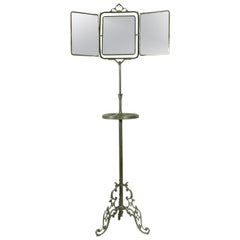
Art Nouveau Shaving Stand Three Fold Barber Mirror, 1920s
Located in Appeltern, Gelderland
Fantastic and rare shaving mirror on a metal stand. The mirror has three panels, the central one
Metal
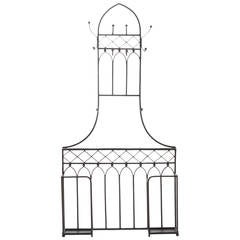

French 1920's Iron Hall Tree
Located in Baton Rouge, LA
coats and hats. The detailed base has 2 umbrella stands. 1920's
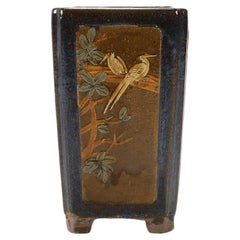

Anrt Nouveau Umbrella Stand, 1920's
Located in Meulebeke, BE
Art Nouveau umbrella stand made of concrete with some bird scene. Made around 1920.
Concrete
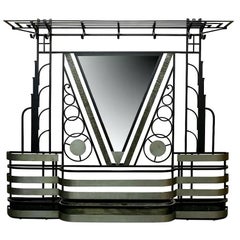

French Art Deco Mirrored Hall Stand Coat Rack Storage, 1920s
Located in London, GB
A stunning and rare French Art Deco metal mirrored hall stand. Beautiful piece surmounted by a
Wrought Iron
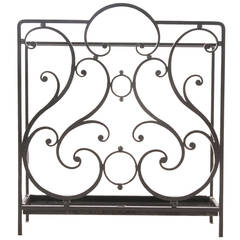
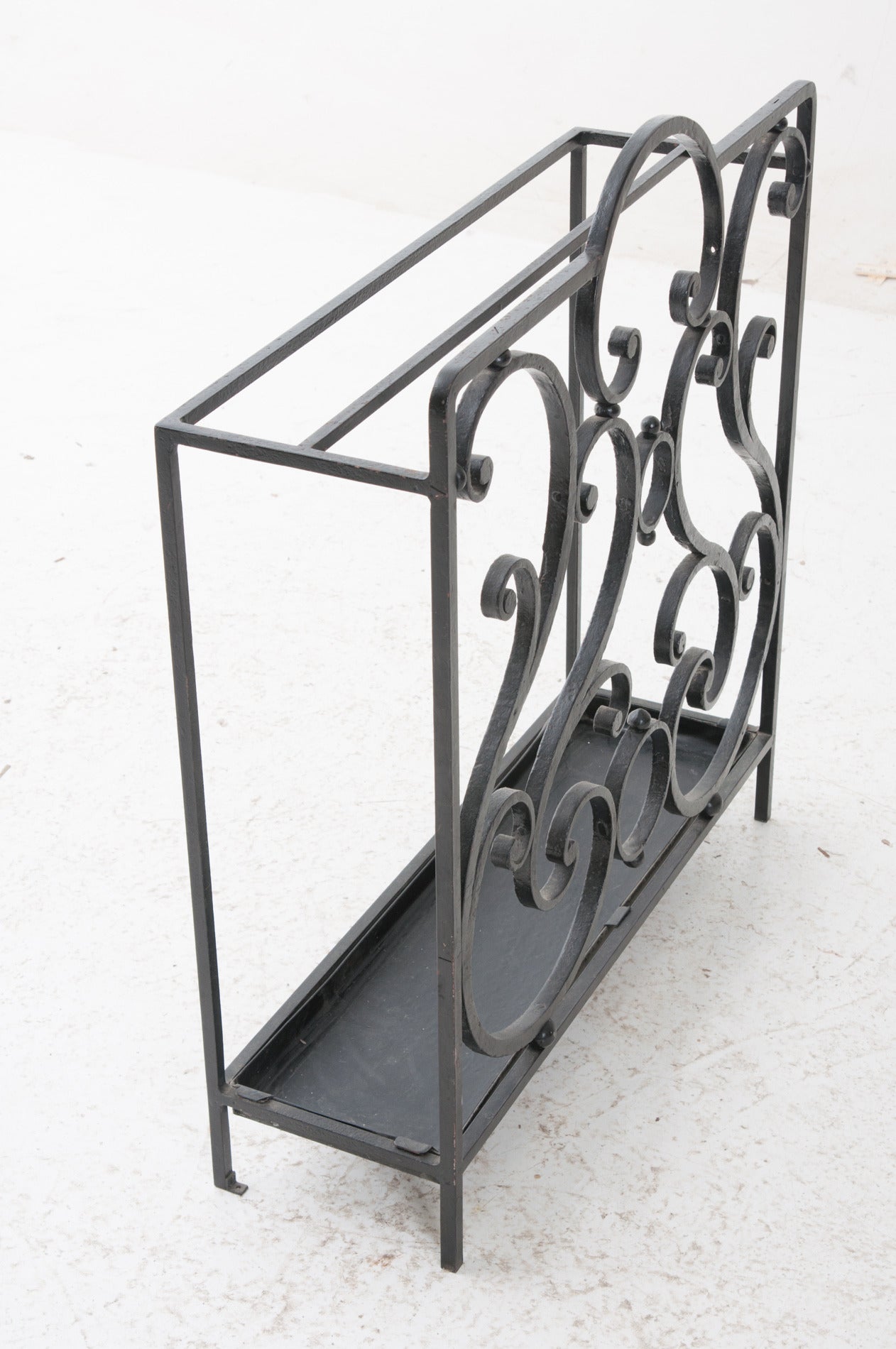
French 1920s Flat Iron Umbrella Stand
Located in Baton Rouge, LA
French 1920's Flat Iron Umbrella Stand French 1920's flat iron umbrella stand with square flat
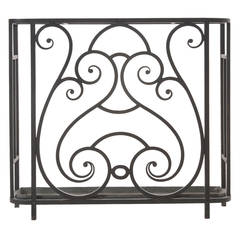
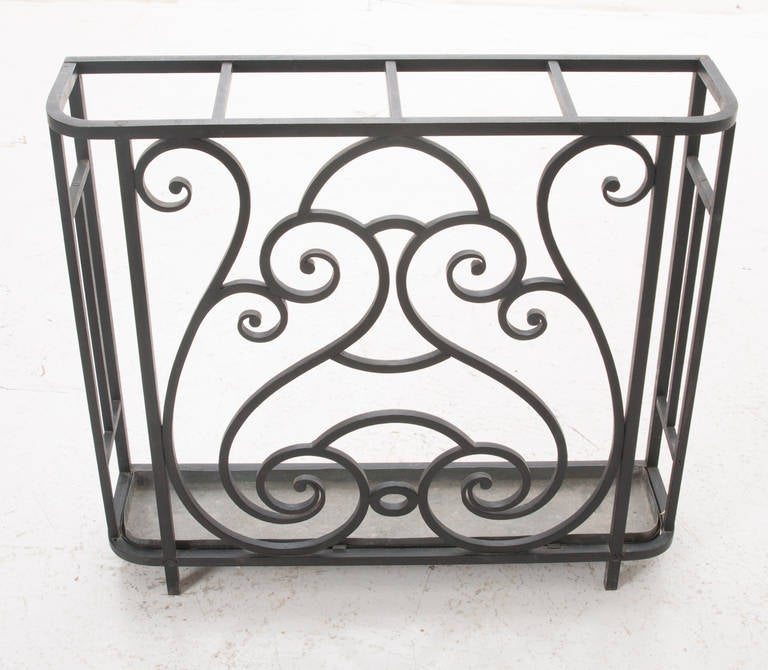
French 1920s Flat Iron Umbrella Stand
Located in Baton Rouge, LA
A darling umbrella stand with square, flat edge iron in whimsical designs, similar to a stairway
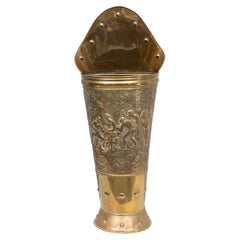

Large brass embossed umbrella stand 1920s
Located in Den Haag, NL
Very nice large solid Brass umbrella stand . comes with a embossed picture of a Drinking pleasure
Brass
Sold
H 22.4 in W 13 in D 13 in
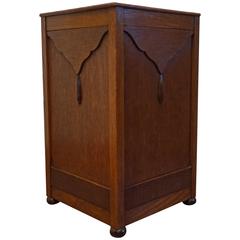
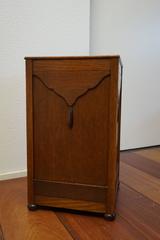
1920s Oak Art Deco Umbrella Stand or Walking Cane Stand Geometrical Design
Located in Lisse, NL
Beautiful shape and stunning condition 1930s umbrella stand. This rare and fine quality Art Deco
Oak
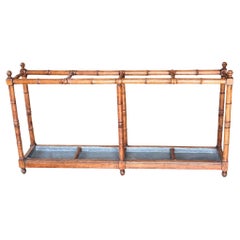

1920s Faux Bamboo Umbrella Stand
Located in Charlottesville, VA
This could make an entry way . Holds lots of umbrellas.
Metal
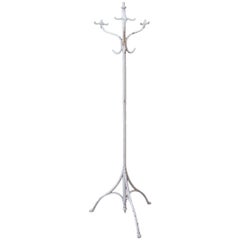

1920s Steel Hall Tree with Claw Feet for Coats and Hats
Located in New York, NY
1920s painted white steel hall tree with claw feet. Will hold both coats and hats. This can be seen
Metal
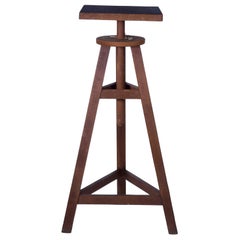

French Revolving Sculptors Stand, circa 1920s
Located in Gloucestershire, GB
A French early 20th century revolving adjustable sculptors stand, circa 1920.
Wood
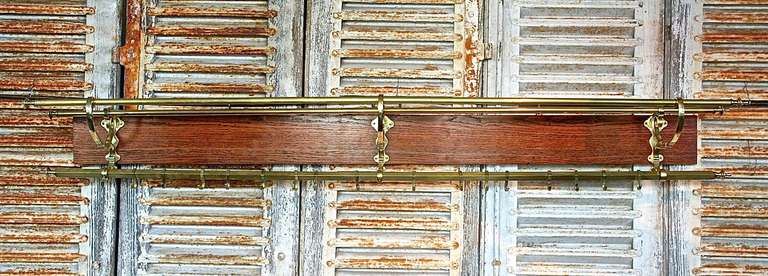
Large 1920's Brass & Wood Coat Rack
Located in Buchanan, NY
Gorgeous 3 bar-coat rack with brass scrolled brackets and hooks supported by a wood back.
Brass
Sold
H 75.99 in W 33.47 in D 11.03 in
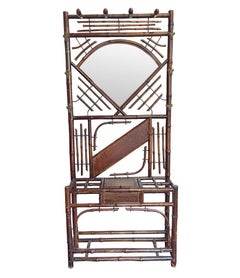
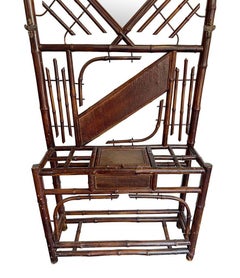
1920s Bamboo Coat and Hat Stand with Central Mirror and Umbrella Stand
Located in London, GB
A 1920s bamboo coat and hat stand with central fan shaped mirror, brass cherub hooks and umbrella
Brass
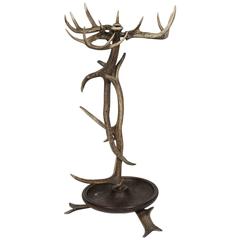

Black Forest Style Antler Umbrella Stand from a 1920s Adirondack Great Camp
Located in New York, NY
Black Forest style Antler umbrella stand from a 1920s Adirondack Great Camp. The antlers are
Copper
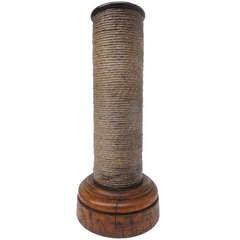
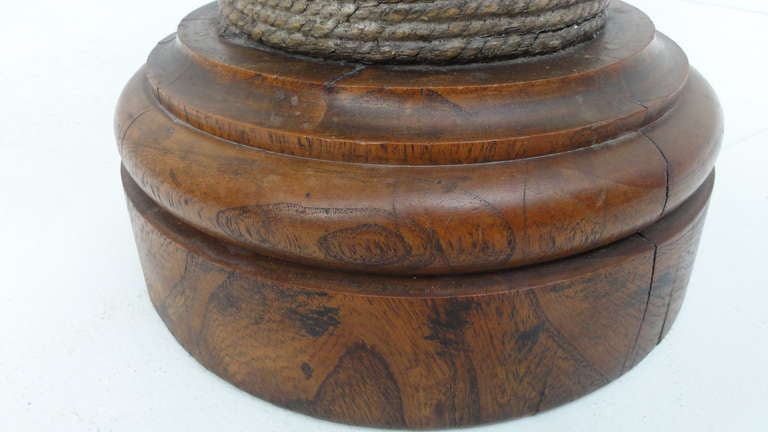
Mobach Ceramic, Rope and Solid Wood umbrella holder 1920's
By Mobach
Located in bergen op zoom, NL
A very well made umbrella holder from around the 1920's. The base is made out of 1 piece of wood
Ceramic, Canvas, Wood
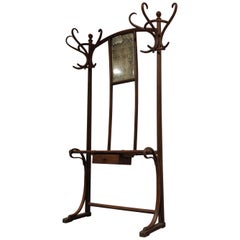
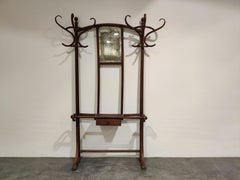
Thonet No.4 Coat Stand with Mirror, 1920s
By Gebrüder Thonet Vienna GmbH
Located in Leuven, Vlaams Gewest
Early 20th century coat stand by Thonet, Vienna. The coat stand features very elegantly shaped
Mirror, Bentwood
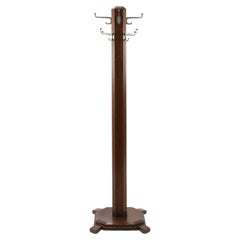
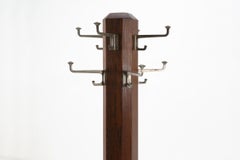
Art Deco Coat Rack 1920's
Located in Meulebeke, BE
Art Deco coat rack made of wood and metal. Has a typical geometric shape.
Metal
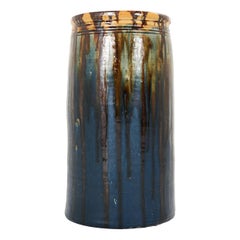
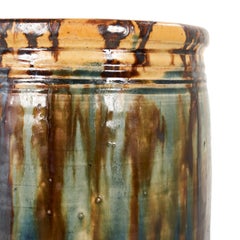
1920s Antique Pottery Umbrella Stand by Joseph Talbot, Stamped
By Joseph Talbot
Located in New York, NY
Discovered in France, this ceramic umbrella stand bears the stamp of Joseph Talbot. Handmade in La
Ceramic
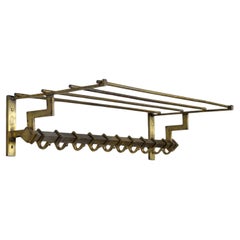

Wall coat rack, 1920s
Located in Amsterdam, Noord Holland
Wall coat rack from the 1920s, beautiful and characteristic modernist model from the Art Deco
Brass, Iron
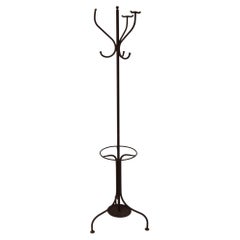

Antique Cast Iron Coat Rack and Umbrellas, 1920's
Located in Praha, CZ
With aged patina. Made in metal. Original condition.
Metal

Sold
H 33.86 in W 28.55 in D 6.7 in
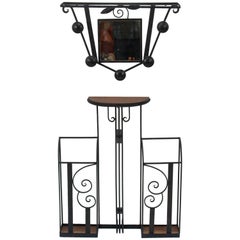
Two-piece art deco hallway set (umbrella stand, mirror and coatrack), 1920s
Located in Den Haag, NL
Graceful Dutch art deco wall-mounted hallway set consisting of an umbrella stand and a coat rack
Iron
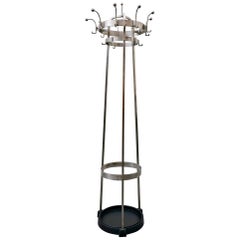

Nickel-Plated Steel Coat Hanger, 1920s
Located in Brussels, BE
Nickel-plated steel coat hanger, 1920s.
Steel
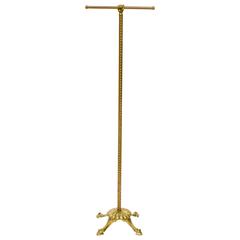
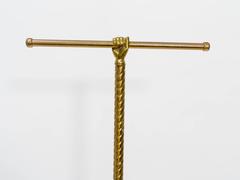
1920s Brass Valet/Clothing Rack Clenched Fist
By Jacques Adnet
Located in Tarrytown, NY
A 1920s brass valet/clothing rack.
Brass
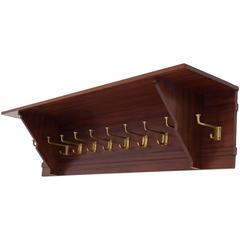

Dutch Art Deco Amsterdam School Coat Rack, 1920s
Located in Amsterdam, NL
Dutch Art Deco Amsterdam School coat rack 1920s. Solid mahogany with ten original solid brass
Brass
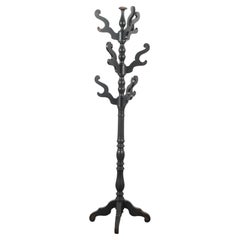

1920s Belgian Wooden Coat Rack
Located in High Point, NC
This 1920s Belgian wooden coat rack exudes the timeless elegance of the Art Nouveau period. With
Wood
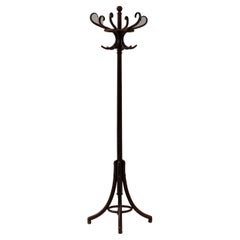

1920s Austrian Wooden Coat Rack
Located in High Point, NC
This 1920s Austrian wooden coat rack reflects the elegance and functionality of early 20th-century
Wood
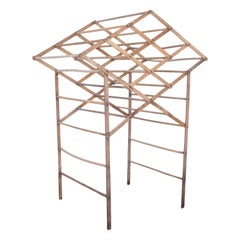

1920s Wooden Clothes Drying Rack
Located in High Point, NC
Vintage clothes dryer from Belgium, circa 1920. In durable oak, this folding clothes rack is a
Oak
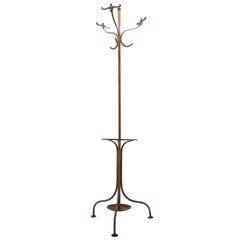

Antique Cast Iron Coat Rack, 1920s
Located in Praha, CZ
- Nice patina - In original condition - Heavy metal peg.
Iron
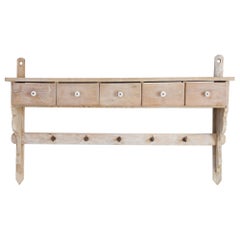

1920s French Oak Kitchen Wall Shelf
Located in High Point, NC
An oak wall shelf from France, circa 1920. Below the shelf sit five small storage drawers; a
Porcelain, Oak
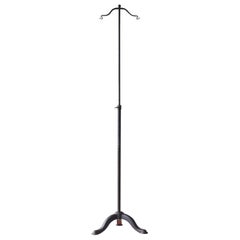
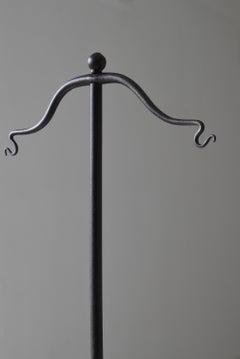
Sold
H 82.68 in W 15.75 in L 82.68 in
Japanese Vintage Steel Hanger Rack 1900s-1920s/Store Fixtures Antique Coat Rack
Located in Sammu-shi, Chiba
1900 to 1920. The texture of dull iron is wonderful. Polished and clear protected. The height
Steel
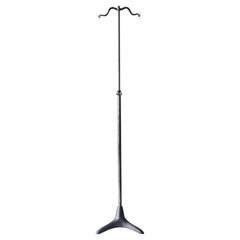
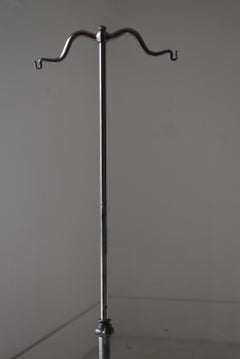
Sold
H 58.47 in W 14.97 in D 13 in
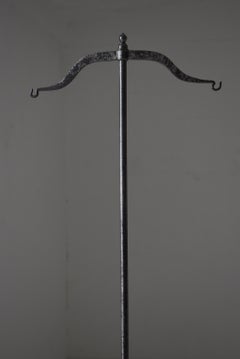
Japanese Vintage Steel Hanger Rack 1920s-1940s/Store Fixtures Antique Coat Rack
Located in Sammu-shi, Chiba
part is made of brass) The period is from 1920 to 1940. The beautiful design and the texture of the
Steel
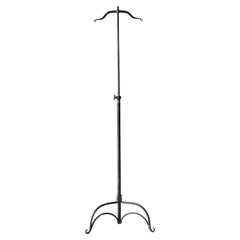
Sold
H 72.05 in W 22.05 in D 18.9 in
Japanese Vintage Steel Hanger Rack 1900s-1920s/Store Fixtures Antique Coat Rack
Located in Sammu-shi, Chiba
It is an old medical device used in an old hospital in Japan. The period is from 1900 to 1920
Steel, Iron

Sold
H 13.78 in W 39.38 in D 9.06 in
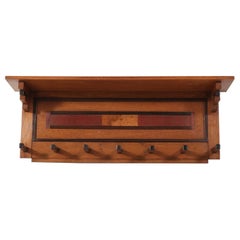
Oak Art Deco Haagse School Coat Rack by P.E.L. Izeren for Genneper Molen, 1920s
By P.E.L. Izeren 1, Genneper Molen
Located in Amsterdam, NL
Stunning Art Deco Haagse School coat rack. Design by P.E.L. Izeren for Genneper Molen. Striking Dutch design from the twenties. Solid oak with solid Macassar ebony hooks and inlay...
Macassar, Oak

Sold
H 13.78 in W 39.38 in D 8.86 in
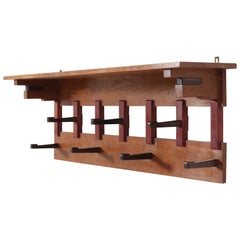
Oak Art Deco Haagse School Coat Rack by P.E.L. Izeren for Genneper Molen, 1920s
By P.E.L. Izeren 1, Genneper Molen
Located in Amsterdam, NL
Stunning and elegant Art Deco Haagse School coat rack. Design by P.E.L. Izeren for Genneper Molen. Striking Dutch design from the twenties. Solid oak and mahogany with 7 original ...
Macassar, Mahogany, Oak
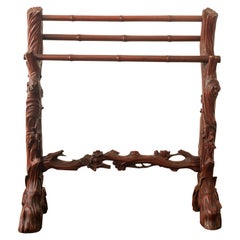
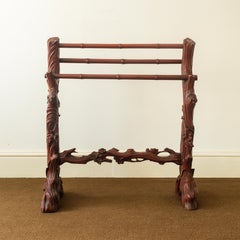
Carved Towel or Clothes Rail lacquered bamboo, English, 1920s
Located in London, GB
. English 1920s Size: 85 x 80 cms
Wood
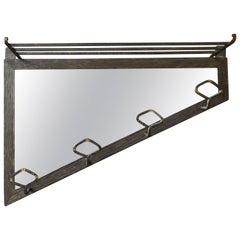
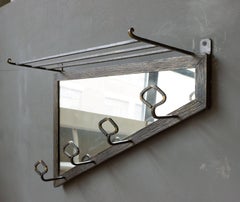
French 1920s Art Deco Coat Rack with Mirror
Located in Buchanan, NY
Art Deco period mirror in a tooled and forged iron frame. Four hooks for coats and hats.
Iron
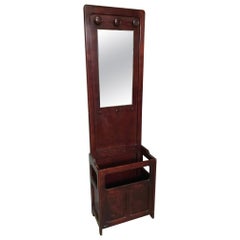

20th Century Stained Beech Kohn Style Coat Rack, 1920s
By Jacob & Josef Kohn
Located in LEGNY, FR
Very nice and original 20th century stained beech Kohn style coat Rack from the 1920s. Jacob Kohn
Beech
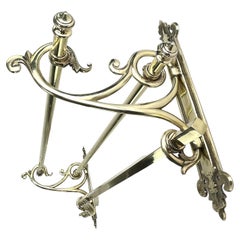

Original Art Nouveau Coat Rack Brass Wall Coat Rack, 1920s
Located in Bingen am Rhein, RP
This beautiful French wall coat rack from the 1920s is in the style of late Art Nouveau/early Art
Brass
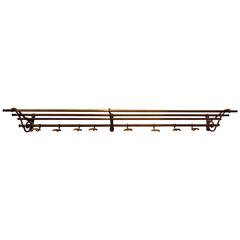
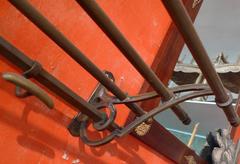
French 1920s Brass Bistro Coat and Hat Rack with Eight Hooks
Located in Santa Monica, CA
French 1920s brass bistro coat and hat rack with eight hooks.
Brass
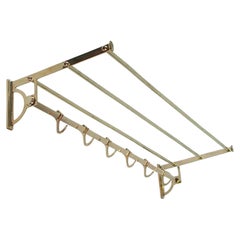
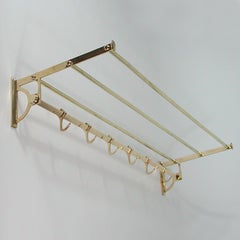
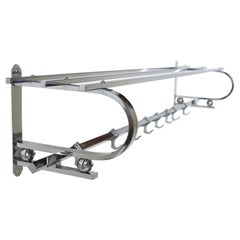
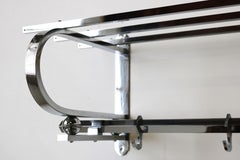
Vintage Art Deco Bauhaus Brass Coat and Hat Rack, Austria 1920s
Located in NUEMBRECHT, NRW
This large vintage coat and hat rack was designed and manufactured in Austria in the 1920s during
Brass

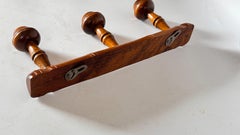
Sold
H 2.37 in W 13.39 in D 4.73 in
1920s French Provincial Turned Wood & Faux Bamboo Coat Rack, Three Hooks
Located in Auribeau sur Siagne, FR
1920s French Provincial Turned Wood & Faux Bamboo Coat Rack, Three Hooks Description: This elegant
Faux Bamboo
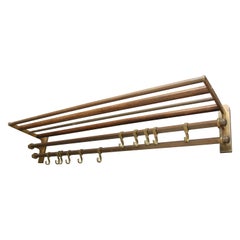
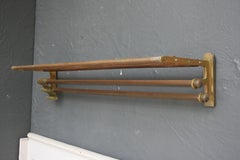
French Art Deco Coat and Hat Rack Made of Brass, 1920s
Located in Dusseldorf, DE
the 1920s. 2 bars of the hat shelf were replaced by wooden bars (see pictures). Dimensions: 17 cm
Brass
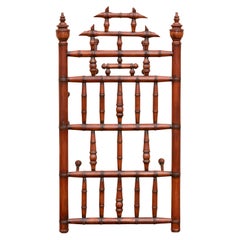

Sold
H 44.5 in W 24 in D 6.5 in
English 1920s Chinese Chippendale Style Bamboo Coat Hanger with Turned Spindles
Located in Atlanta, GA
lines and nice patina, this English bamboo Chinese Chippendale style coat and hat hanger circa 1920 will
Bamboo
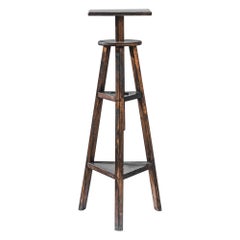
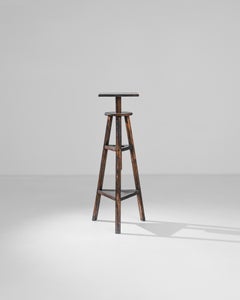
1920s French Adjustable Wooden Sculpture Stand
Located in High Point, NC
A wooden pedestal from 1920s France, with an adjustable stand. An arrangement of a square platform
Metal
Sold
H 8.27 in W 3.15 in D 5.12 in
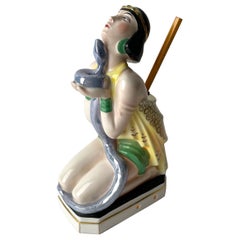
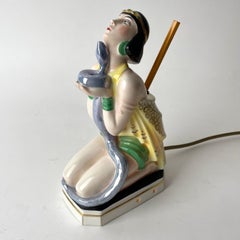
Oriental Art Deco Sculptural Table Lamp with Pen Stand, Lady with Serpent, 1920s
Located in Knivsta, SE
Art Deco Table Lamp with Pen Stand, depicting lady with oriental dress facing upwards while holding
Ceramic
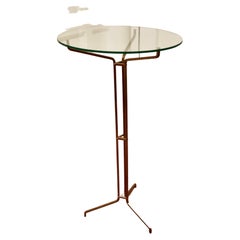
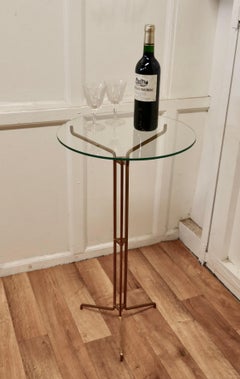
Art Deco Display Stand Table, Gilt Brass with Glass Top, 1920s Design
Located in Godshill, Isle of Wight
Art Deco Shop Window Display Stand/ Table This 3 leg stand is made in gilt brass, it has a round
Brass
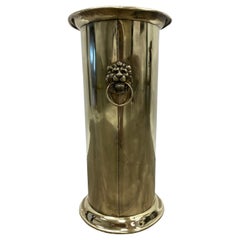

Vintage 1920's Brass Umbrella Stand
Located in Nashville, TN
A handsome vintage solid brass umbrella stand adorned with lions head ring pulls on both sides
Brass
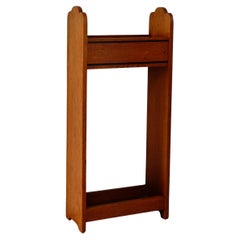

1920's English Arts and Crafts Oak Stick Stand
Located in Leicester, GB
A really elegant and simple Arts and Crafts stick stand. This Arts and Crafts solid oak stand has a
Oak
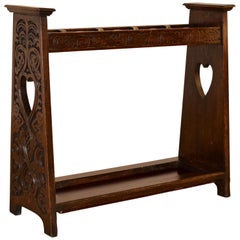

Cane Stand, circa 1920s
Located in High Point, NC
English oak cane stand in the Arts & Crafts style. The sides of the piece are heavily carved and
Oak
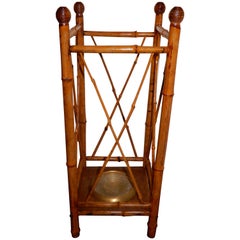

West Indies Antique Bamboo 1920s Umbrella Stand
Located in Bellport, NY
An antique British West Indies umbrella stand with a removable original brass tray. Turned bamboo
Bamboo
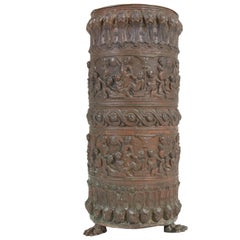

French Brass Umbrella Stand with Nice Carving, 1920s
Located in Amsterdam, NL
Magnificent and rare umbrella stand. Striking French design from the twenties. Brass with nice
Brass
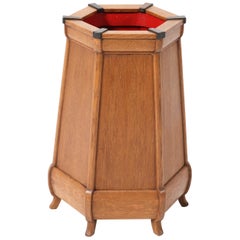

Oak Art Deco Amsterdam School Umbrella Stand, 1920s
Located in Amsterdam, NL
Wonderful and rare Art Deco Amsterdam School umbrella stand. Striking Dutch design from the
Macassar, Oak

Sold
H 69 in W 20.25 in D 20.25 in
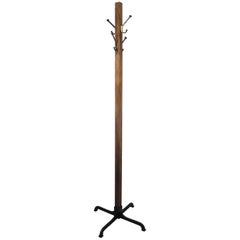
Vintage 1920s Industrial Craftsman Hall Tree Coat Rack with Iron Base
Located in Lafayette, IN
This awesome little craftsman style hall tree features a solid wood post with brass-plated hooks
Brass, Iron
$612Sale Price|35% Off
H 38.19 in W 17.33 in D 14.57 in
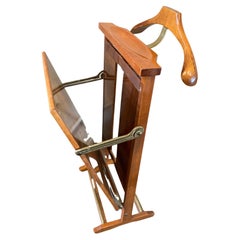
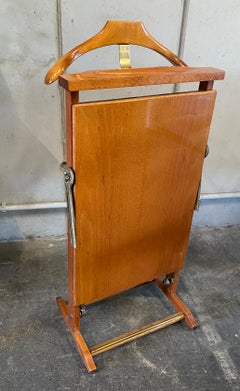
Valet by Ico & Luisa Parisi for Fratelli Reguitti, Italian Valet with Trouser Pr
By Ico & Luisa Parisi
Located in Hamburg, DE
Valet by Ico & Luisa Parisi for Fratelli Reguitti, an Italian valet with trouser press. This piece is a must have for every man's dressing room. You can take off your pants without c...
Wood
$5,365 / item
H 42.01 in W 25.99 in D 1.19 in
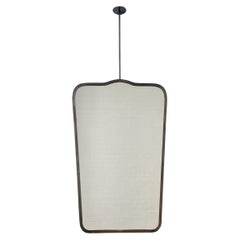
Mid century style Ceiling Suspended Mirror with Bronze Patina Frame, Vintage N.4
By Alguacil & Perkoff Ltd.
Located in London, London
Mid-century style Vintage N.4 ceiling suspended mirror with a high quality pure brass full frame with a bronze patina finish. This piece is part of our original and fully customisabl...
Brass, Bronze
Unavailable|$22,000
H 100.4 in W 231.5 in D 19.3 in
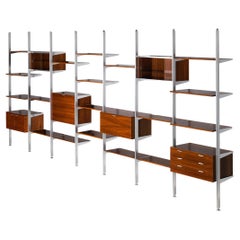
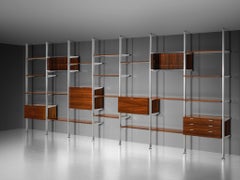
George Nelson for Herman Miller CSS Modular Wall Unit in Walnut & Aluminum
By George Nelson, Herman Miller
Located in Waalwijk, NL
George Nelson for Herman Miller, modular wall unit model 'CSS', walnut, aluminium, glass, United States, 1959 Herman Miller introduced George Nelson’s Comprehensive Storage System (...
Aluminum
$3,290
H 82.68 in W 57.88 in D 1.19 in
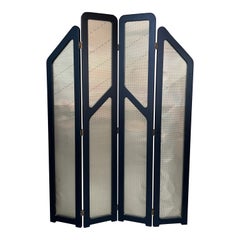
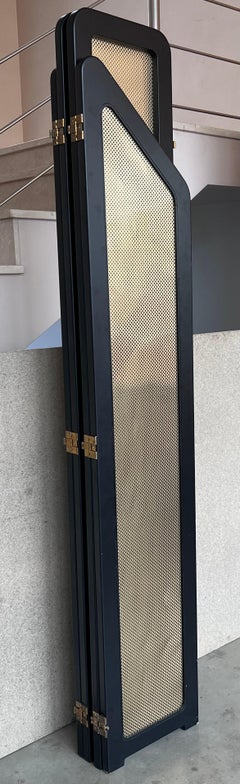
Art Deco Room Divider Black Ebonized Wood and Gold Metal Screens
Located in Miami, FL
Art Deco room divider black ebonized wood and gold metal screens A beautiful 4-panel folding screen, in black lacquered wood over gold metal finish great design easy to move, each...
Metal
$6,427 / set
H 32.49 in W 72.05 in D 34.65 in
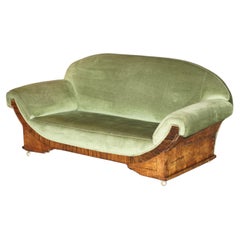
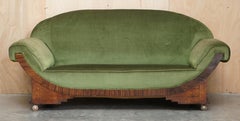
STYLISH ANTIQUE ART DECO CIR 1920 BURR WALNUT GREEN VELOUR SOFA PART OF A SUiTE
Located in West Sussex, Pulborough
Royal House Antiques Royal House Antiques is delighted to offer for sale this exquisite circa 1920’s Art Deco Burr Walnut framed sofa with Green Velour upholstery that is part of a ...
Upholstery, Walnut
$1,645Sale Price|30% Off
H 70.5 in W 67 in D 31 in
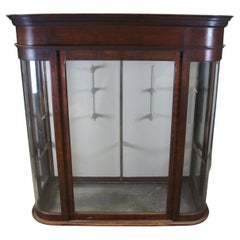
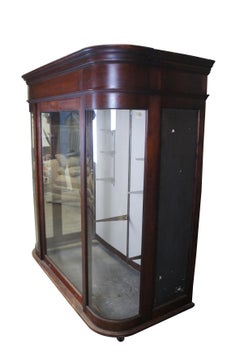
Antique Victorian Mahogany General Store Display Case Apothecary Cabinet 71"
Located in Dayton, OH
Monumental Victorian general store / apothecary display cabinet. Made from mahogany with curved glass and a large weight driven door that extend through the top. Most recently used a...
Glass, Mahogany
$2,638
H 50.99 in W 47.25 in D 24.02 in
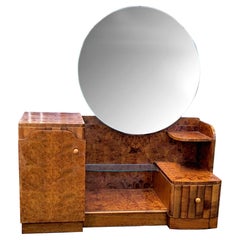
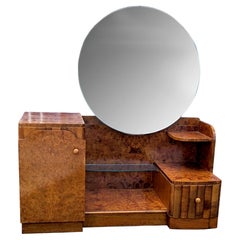
Art Deco Stylish Vanity Dressing Table In Walnut, English, c1930
Located in Devon, England
For your consideration is this original 1930s Art Deco Walnut dressing table. Originating from England and oozing everything about this wonderful bygone era we've all come to love an...
Mirror, Walnut
$2,231
H 9.45 in W 49.22 in D 10.83 in
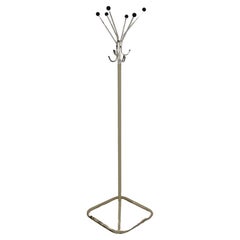
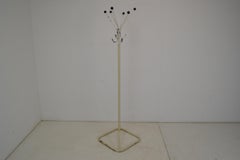
Antique Art Deco Bauhaus Chrome Coat Rack / Hat Rack 1930 Design Hallway Hanger
By Bauhaus
Located in Ijzendijke, NL
Gorgeous fully original Art Deco Bauhaus coat rack in Chrome from the 1930s. Marvelous Art Deco design with the square chrome frame and 4 chrome balls. The coat rack has its 8 or...
Chrome
Bauhaus Coat Rack, 1930's.
Located in Praha, CZ
Made in Czechoslovakia Made of Metal With aged patina Original condition
Metal
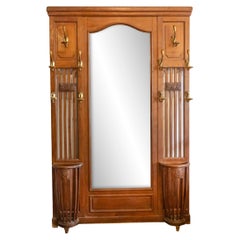
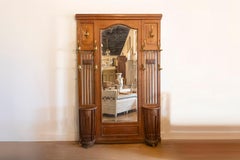
20th Century French Coat Rack
Located in Atlanta, GA
This beautiful 20th Century French coat rack embodies classic French craftsmanship with a blend of style and functionality. Constructed from warm, rich wood, it features a tall centr...
Brass
$8,400Sale Price|20% Off
H 70.5 in Dm 21.5 in
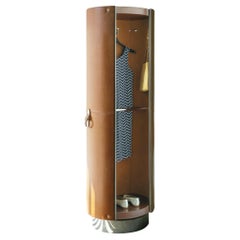
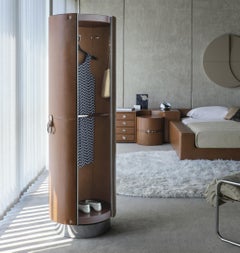
'Tucroma' Leather Rotating Wardrobe by Guido Faleschini for i4Mariani, Italy
By i4 Mariani, Guido Faleschini
Located in Los Angeles, CA
This 'Tucroma' leather rotating wardrobe was designed by Guido Faleschini in the 1970s and produced by i4Mariani (Italy). Custom colors and finishes are available. The Tucroma ro...
Chrome
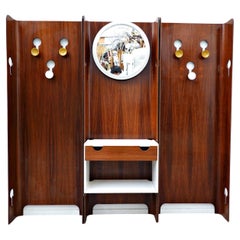
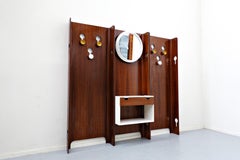
Mid-Century Modern Italian Coat Rack by Carlo de Carli, 1960s
By Carlo di Carli
Located in Brussels, BE
Mid-Century Modern Italian Coat Rack by Carlo de Carli, 1960s Carlo de Carli (bon 1910, Milan, Italy–died 1999, Milan, Italy) was an Italian modernist designer, architect, essayist,...
Wood
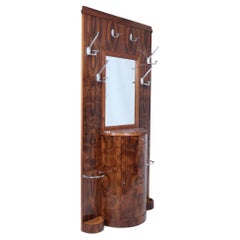
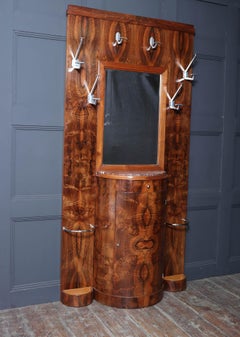
Art Deco Figured Walnut Hall Stand, 1930s
Located in Paddock Wood Tonbridge, GB
A tall and elegant Art Deco hall stand, crafted in beautifully figured walnut with chrome fittings and mirror, dating to the 1930s. This striking piece combines practical functionali...
Walnut
$1,950 / item
H 64 in Dm 11 in
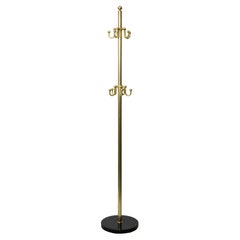
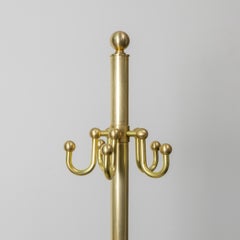
Freestanding Brass Coat Rack 10-hooks, Marble Base, Coat Tree, Stand, USA
Located in Brooklyn, NY
10-hook Brass Coat Tree by Luft Tanaka Studio Freestanding Coat tree made of solid brass components and brass tubing with a black or white marble base. The piece is made-to-order a...
Marble, Brass, Steel
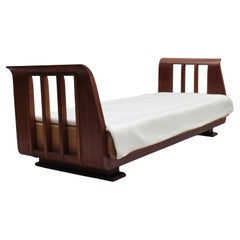
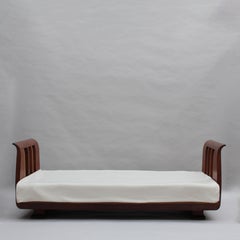
Fine French 1930s Daybed / Sofa Attributed to Lucien Rollin
By Lucien Rollin
Located in Long Island City, NY
A fine French Art Deco stained walnut sofa/daybed attributed to Lucien Rollin (frame only). Inside dimensions of mattress/cushion area are 72 5/8" x 27 1/2"
Wood
$15,761 / item
H 63.39 in Dm 18.51 in
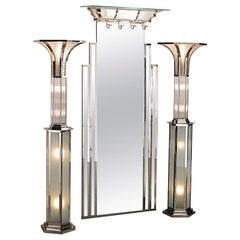
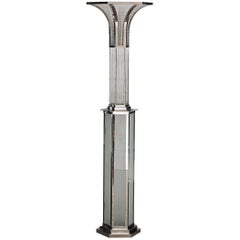
Art Deco Brass and Glass Floor Lamp by Sofar, Nickel Finish, France
By Sofar
Located in Rebais, FR
2 Art Deco lamps with, 2 column, 1 Coat rack Wall light, 1 mirror nickel finish. .
Brass
Produced in 1843, the well-preserved volume is evidence of the author's exacting specifications.
New or old, the coverlets add old-time charm to any space.
Get into the games! These items celebrate the events, athletes, host countries and sporting spirit.
French trendsetter and serial collector Daniel Rozensztroch tells us about his obsession with objects related to seafaring men.
It's hard to resist the allure of a beautiful pool. So, go ahead and daydream about whiling away your summer in paradise.
The sought-after designer worked with the team at Hoffman Creative to produce a monograph that beautifully showcases some of Studio Shamshiri's most inspiring projects.
Italian writer and collector Umberto Pasti opens the doors to his remarkable cave of wonders in North Africa.
Hollywood A-listers, ex-pat aristocrats and art collectors and style setters of all stripes appreciate the allure of the coastal California hamlet — much on our minds after recent winter floods.