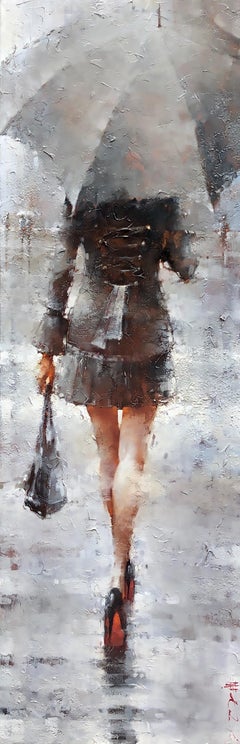
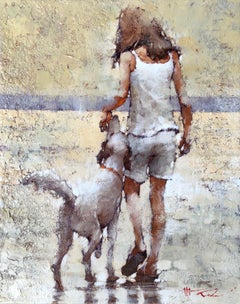
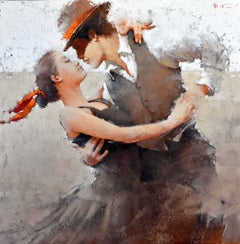
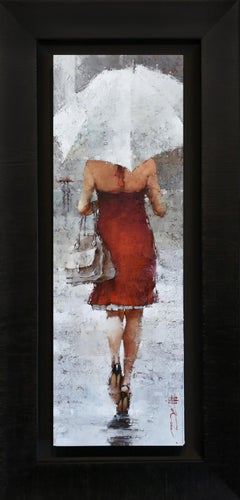
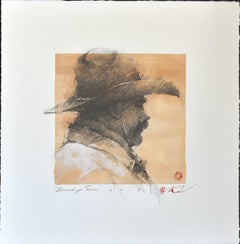
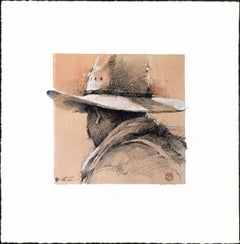
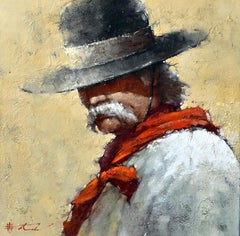
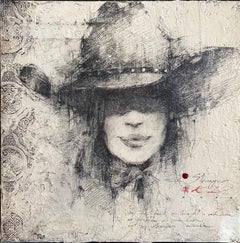
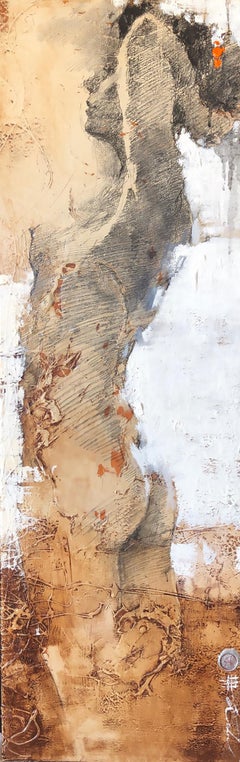
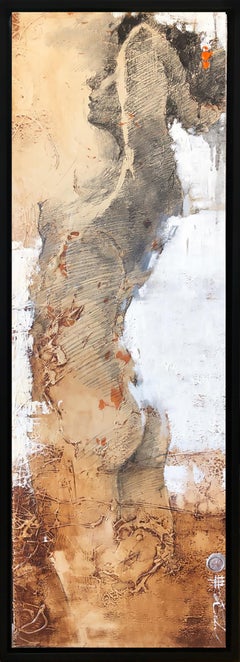
Andre Kohn for sale on 1stDibs
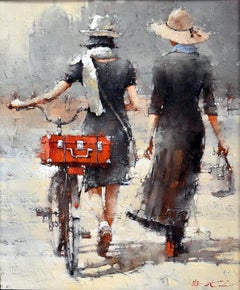
The precise convergence of three dynamic forces, culture, environment and talent, combined to produce one of the most collected figurative painters on the American art scene today. Raised by an artistically gifted family near the Caspian Sea in southern Russia, Andre Kohn's childhood was marked by the natural splendor of mountains and sea, and by an unfettered access to all the creative arts.
While always innovative in drawing and painting, Kohn's professional art education began at age 15 when he was chosen to apprentice in the studios of Moscow's most esteemed Impressionist and Social Realism artists. At that time, Impressionism in Russia was nearing the end of a harmonic and prolific century, a prodigious period in Russian art, that literally changed the world. Kohn's childhood and art education corresponded with an eruption of cultural progress in all the arts, including ballet, literature, music, and painting. He was principally influenced by such artists as, Nicolai Fechin, Ilya Repin, Valentin Serov, and the classics: Edgar Degas, John Sargent, and Joaquin Sorolla.
He followed the apprenticeships with a classical academic formal art education at the University of Moscow where he studied with members of the last great generation of Russian Impressionists. With his talent already in evidence, he quickly earned an invitation from the Artist's Union of Bulgaria (Europe) to stage a prestigious one-man show in one of their country's major exhibition halls. Still in his first year of college, Kohn was the only student so honored for the year.
He fondly remembers the majesty of the University. The experience was totally unique, he has said. The atmosphere was one of huge columns, marble floors and masterworks on the walls. Legends of the Russian art world walked the halls and discussed your work. It was a privilege to be there, and it laid the foundation for his entire career.
However, fate soon dramatically redirected the young artist's life and art. His father, a colonel in the Russian Army, was the first candidate to participate in the post-Cold War officer exchange program at the U.S. Air War College in Montgomery, Alabama. In 1993, while Kohn was in America visiting his parents, his father announced his intention to defect to the United States. Suddenly, the young artist realized he would never again be permitted to return to his homeland.
It took little time for American art audiences and media to discover the mature, fresh figurative painting style of the young Russian. His first one-man show in America created instant interest in his work and helped introduce Kohn to audiences in his adopted country.
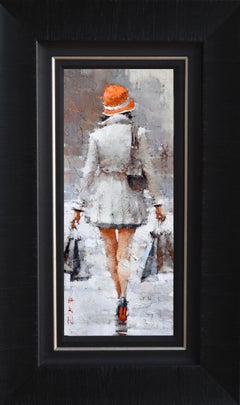
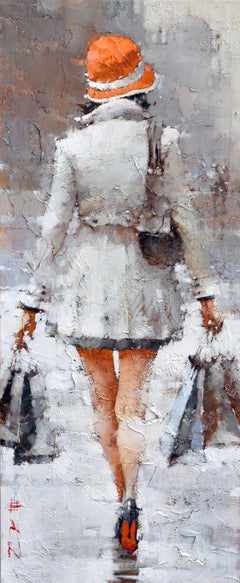
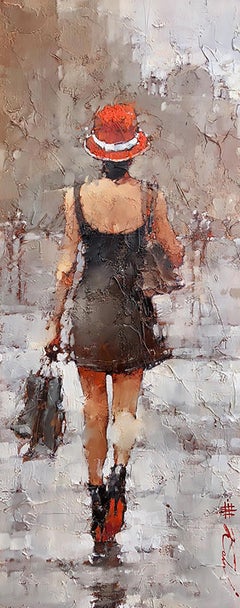
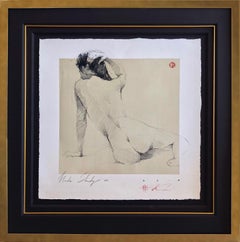
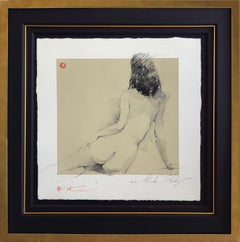
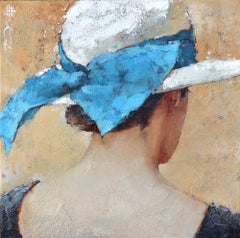
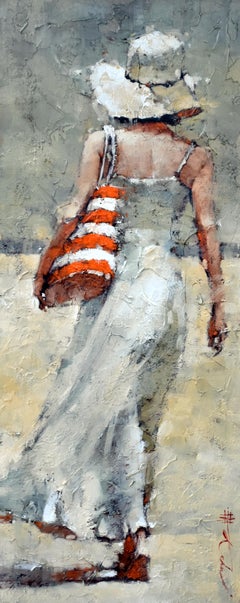
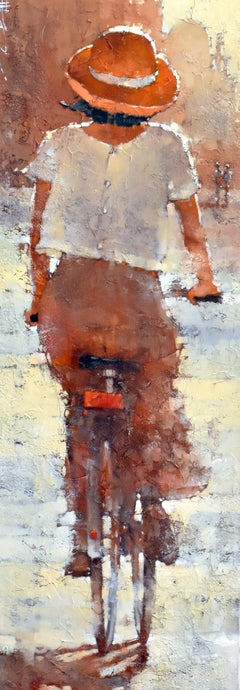
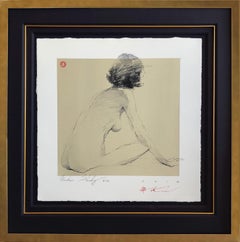
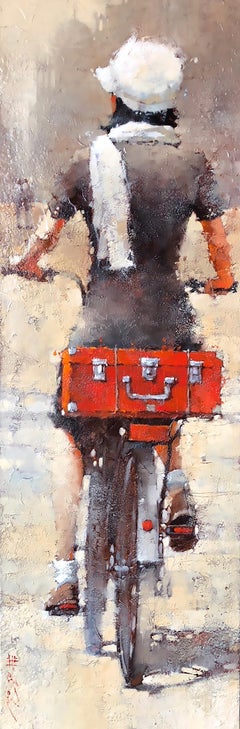
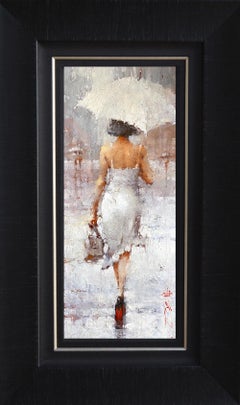
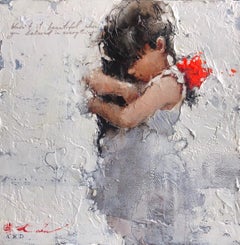
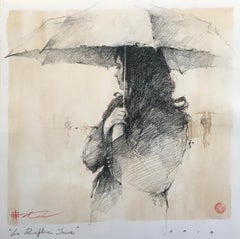
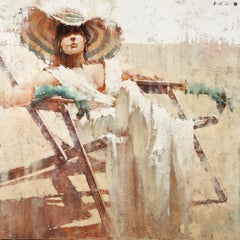
Kohn remains a preeminent leader of Figurative Impressionism which seeks to capture the complexity as well as the simplicity and directness of the human form. "I'm seeking my own unique, poetic interpretation of the moment," he says. "I'm striving to find the extraordinary in the ordinary."
A Close Look at Impressionist Art
Emerging in 19th-century France, Impressionist art embraced loose brushwork and plein-air painting to respond to the movement of daily life. Although the pioneers of the Impressionist movement — Claude Monet, Edgar Degas, Paul Cézanne, Berthe Morisot, Camille Pissarro, and Pierre-Auguste Renoir — are now household names, their work was a radical break with an art scene led and shaped by academic traditions for around two centuries. These academies had oversight of a curriculum that emphasized formal drawing, painting and sculpting techniques and historical themes.
The French Impressionists were influenced by a group of artists known as the Barbizon School, who painted what they witnessed in nature. The rejection of pieces by these artists and the later Impressionists from the salons culminated in a watershed 1874 exhibition in Paris that was staged outside of the juried systems. After a work of Monet’s was derided by a critic as an unfinished “impression,” the term was taken as a celebration of their shared interest in capturing fleeting moments as subject matter, whether the shifting weather on rural landscapes or the frenzy of an urban crowd. Rather than the exacting realism of the academic tradition, Impressionist paintings, sculptures, prints and drawings represented how an artist saw a world in motion.
Many Impressionist painters were inspired by the perspectives in imported Japanese prints alongside these shifts in European painting — Édouard Manet drew on ukiyo-e woodblock prints and depicted Japanese design in his Portrait of Émile Zola, for example. American artists such as Mary Cassatt and William Merritt Chase, who studied abroad, were impacted by the work of the French artists, and by the late 19th century American Impressionism had its own distinct aesthetics with painters responding to the rapid modernization of cities through quickly created works that were vivid with color and light.
Find a collection of authentic Impressionist art on 1stDibs.