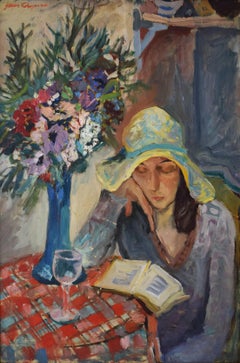
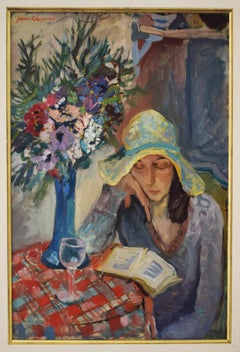
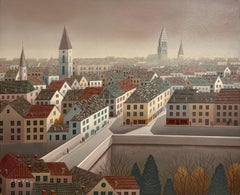
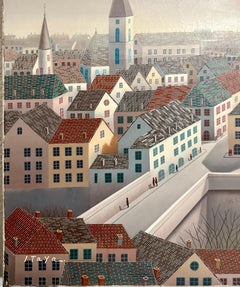
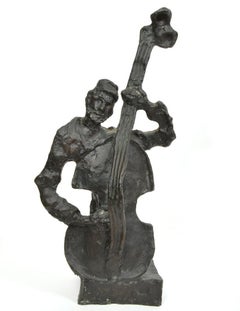
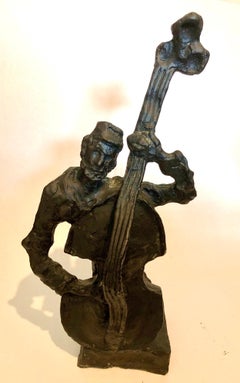
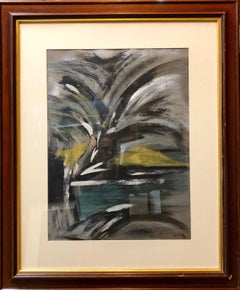
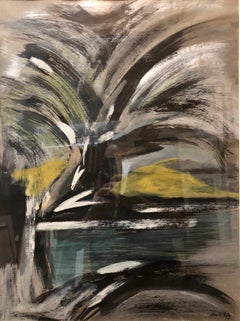
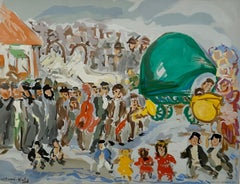
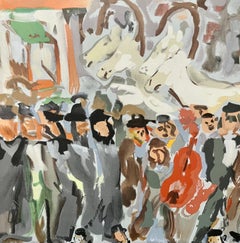
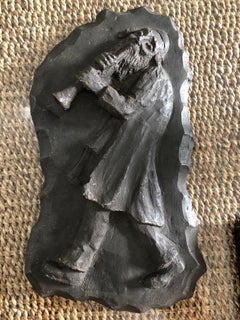
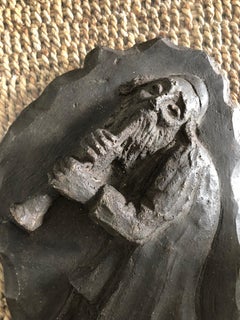
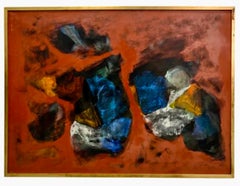
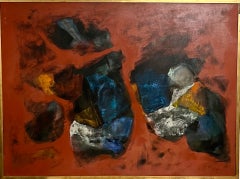
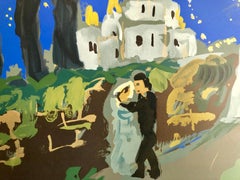
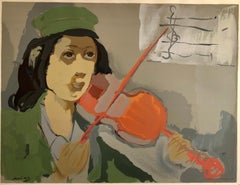
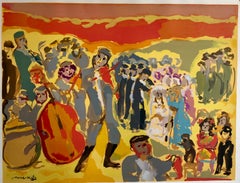
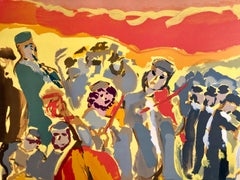
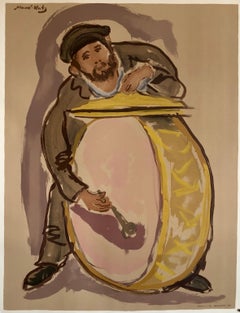
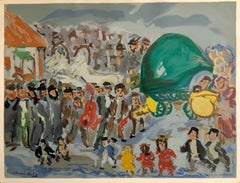
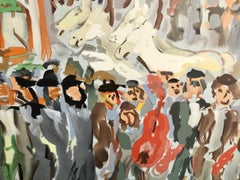
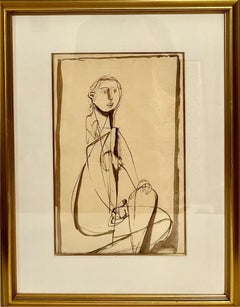
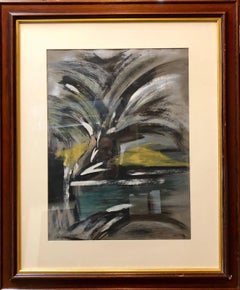
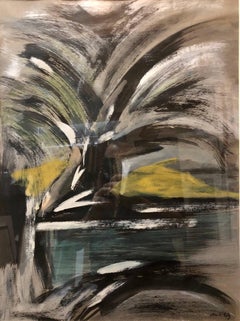
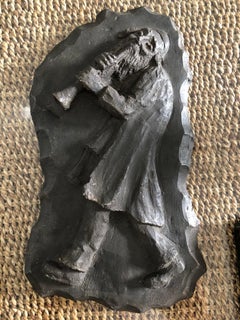
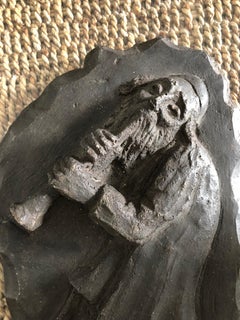
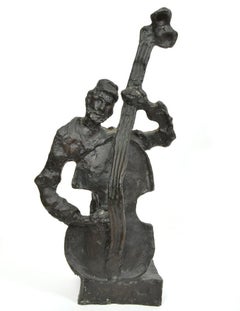
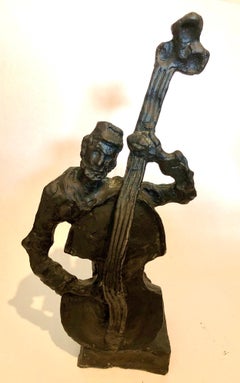
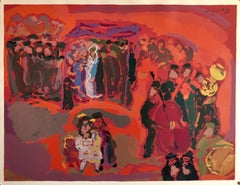
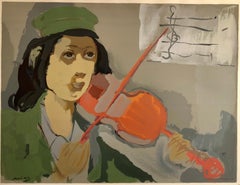
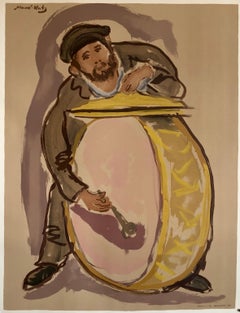
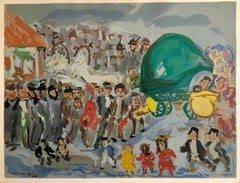
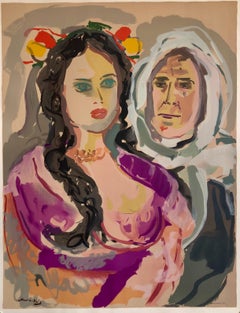
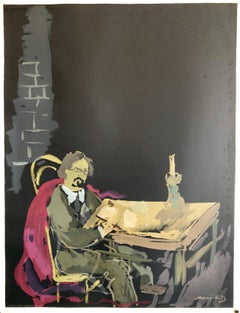
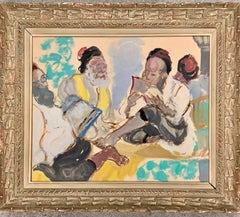
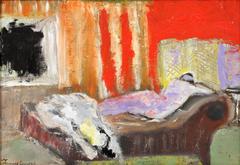
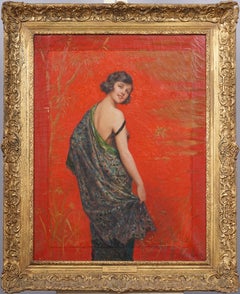
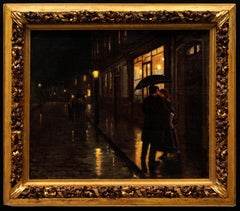
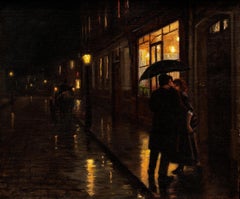
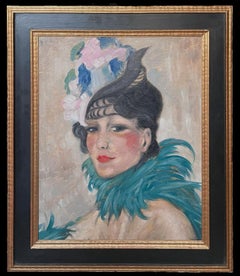
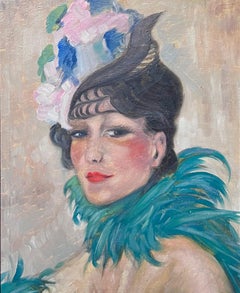
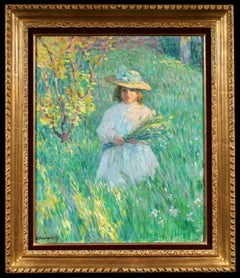
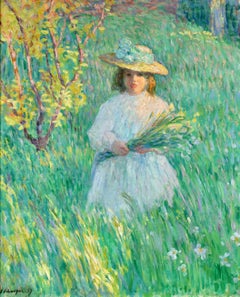
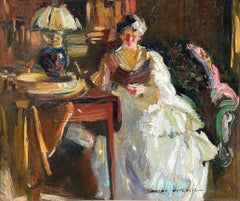
Find a variety of chapiro jacques available on 1stDibs. Browse a selection of
modern or
Expressionist versions of these works for sale today — there are 15
modern and 2
Expressionist examples available. There are many variations of these items available, from those made as long ago as the 20th Century to those made as recently as the 20th Century. Chapiro jacques available on 1stDibs span a range of colors that includes
brown,
gray,
black,
gold and more. There have been many well-done artworks of this subject over the years, but those made by
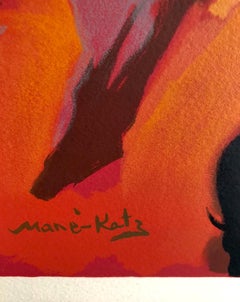
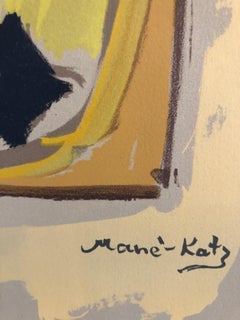
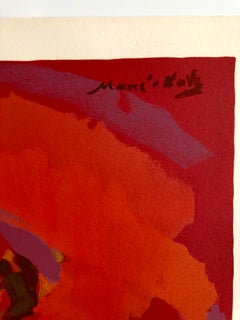
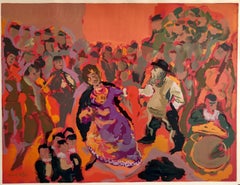
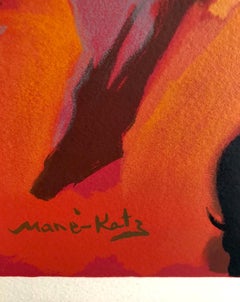
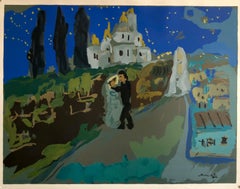
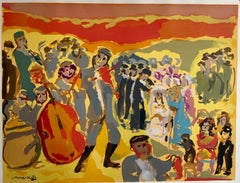
Mane Katz and
Jacques Chapiro are often thought to be among the most beautiful. The range of these distinct pieces — often created in
lithograph,
paint and
watercolor — can elevate any room of your home.
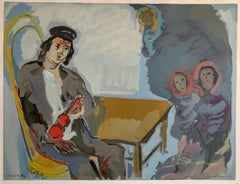
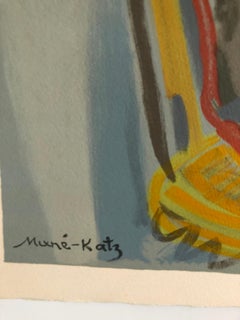
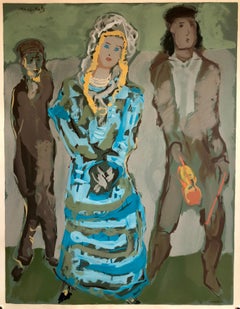
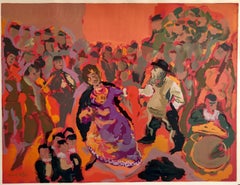
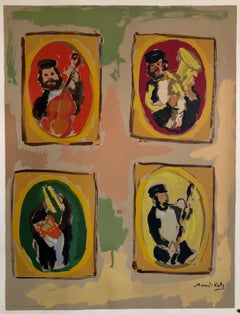
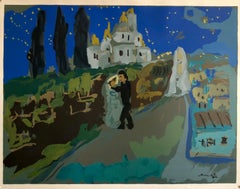
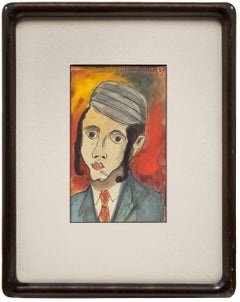
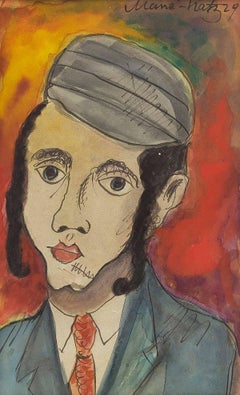
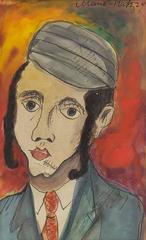
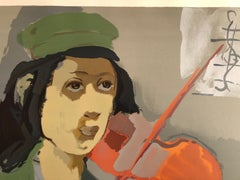
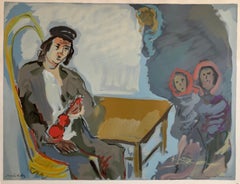
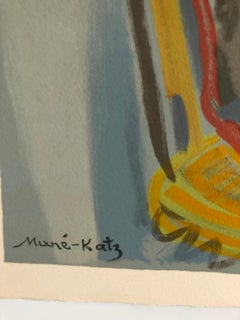
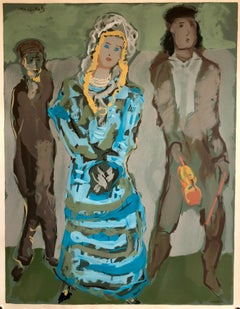
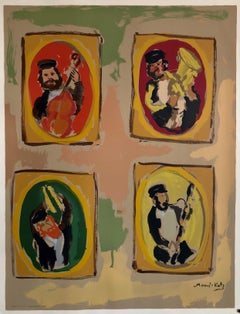
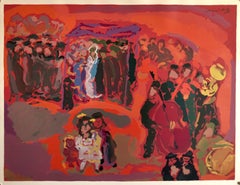
Emmanuel Mané-Katz was a prominent modernist in Paris at the beginning of the twentieth century. He studied at the Beaux Arts Academy in Kyiv, Ukraine. After his extensive travels through Europe (catalyzed by World War I), Mané-Katz eventually settled in Paris, where he befriended Pablo Picasso and other fellow modernists. Many of Mané-Katz’s paintings have deep religious significance and origins, often picturing rabbis, Jewish students, and other Hassidic personas. Such paintings of Jewish folklore are often compared to Marc Chagall’s religiously-influenced art practice. He continued his travels to places like Israel, Palestine, Brazil, and Japan throughout the rest of his life, maintaining adherence to religious themes and portraiture in his art.
The Mané-Katz Museum is located on Mt. Carmel in Haifa, Israel, and his work is part of the permanent collections of the Tate, the MOMA, and the Museum of Art at Ein Harod in Israel. After his death, Mané-Katz donated much of his art to Haifa, Israel, where his home was. His participation in the School of Paris alongside modernists like Picasso, Chagall, and Soutine solidified him as an influential modernist painter in the early twentieth century.
The first decades of the 20th century were a period of artistic upheaval, with modern art movements including Cubism, Surrealism, Futurism and Dadaism questioning centuries of traditional views of what art should be. Using abstraction, experimental forms and interdisciplinary techniques, painters, sculptors, photographers, printmakers and performance artists all pushed the boundaries of creative expression.
Major exhibitions, like the 1913 Armory Show in New York City — also known as the “International Exhibition of Modern Art,” in which works like the radically angular Nude Descending a Staircase by Marcel Duchamp caused a sensation — challenged the perspective of viewers and critics and heralded the arrival of modern art in the United States. But the movement’s revolutionary spirit took shape in the 19th century.
The Industrial Revolution, which ushered in new technology and cultural conditions across the world, transformed art from something mostly commissioned by the wealthy or the church to work that responded to personal experiences. The Impressionist style emerged in 1860s France with artists like Claude Monet, Paul Cézanne and Edgar Degas quickly painting works that captured moments of light and urban life. Around the same time in England, the Pre-Raphaelites, like Edward Burne-Jones and Dante Gabriel Rossetti, borrowed from late medieval and early Renaissance art to imbue their art with symbolism and modern ideas of beauty.
Emerging from this disruption of the artistic status quo, modern art went further in rejecting conventions and embracing innovation. The bold legacy of leading modern artists Georges Braque, Pablo Picasso, Frida Kahlo, Salvador Dalí, Henri Matisse, Joan Miró, Marc Chagall, Piet Mondrian and many others continues to inform visual culture today.
Find a collection of modern paintings, sculptures, prints and other fine art on 1stDibs.