During Mount Vesuvius’ eruption in 79 A.D., Pompeii and Herculaneum in today’s Italy were preserved as they were on the day of their destruction. Particularly at Herculaneum, furnishings were carbonized beneath volcanic ash. This was pivotal to understanding how Classical Roman furniture was designed. Archaeological investigations and printed reproductions of discoveries would influence styles evoking this ancient civilization, from the Renaissance to neoclassicism.
While knowledge of Classical Roman furniture comes from rare surviving pieces, it is also derived from frescoes and sculptures portraying Roman life. Much of Roman art, architecture and design was informed by Greece — Roman architect, military engineer and writer Marcus Vitruvius Pollio, whose timeless De architectura is taught in contemporary architecture classes and pays tribute to classical architecture, visited Greece while working under Julius Caesar and admired the country’s architectural developments. The Roman solium references the Greek thronos, a stately chair of honor with an upright form and footstool. As the Roman Empire spread across Europe and into North Africa and Western Asia, the expansion of trade for silver, silk, marble and wood allowed for more luxurious designs.
Classical Roman furniture was made from bronze, wood and stone — in particular, marble — with ornate touches like tortoiseshell veneers, bone and glass inlays and claw feet. Ornaments depicting lion heads and mythological figures were sculpted from silver, bronze and ivory. Compared to the decorative attention given to the mosaic floors and wall paintings, however, furniture for even a wealthy house was minimal. It focused on the necessities for guests arriving for both socializing and business and the rooms housing family, relatives and enslaved people.
The triclinium dining room had banquet couches, items so prized they were sometimes interred with the deceased. Tall bronze or terracotta candelabras held oil lamps for lighting. Carved marble tables reflected status, while the lararium home shrine demonstrated faith.
Find a collection of Classical Roman decorative objects, tables, seating and other furniture on 1stDibs.
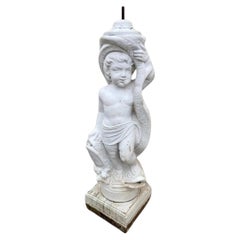
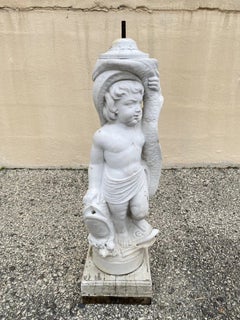
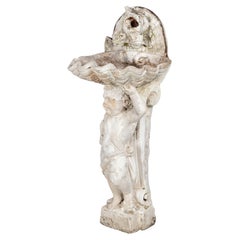
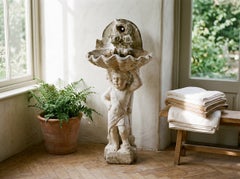
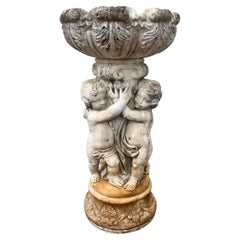
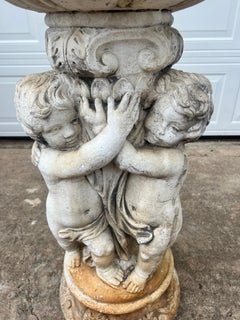
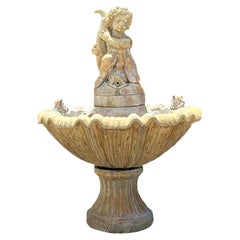
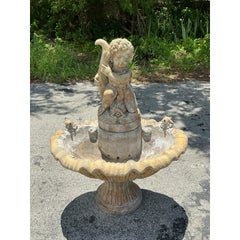
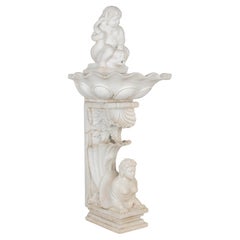
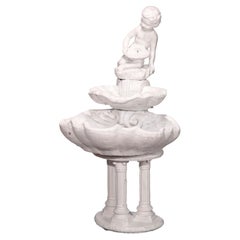
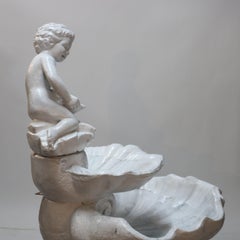
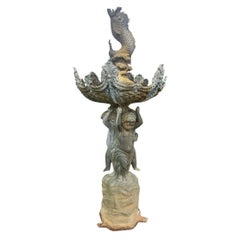
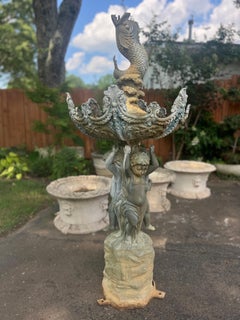
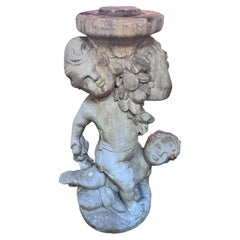
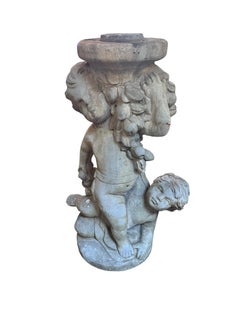
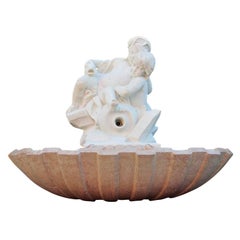
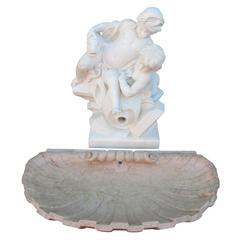
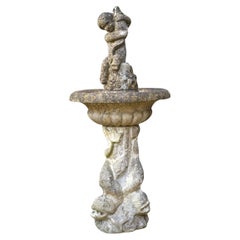
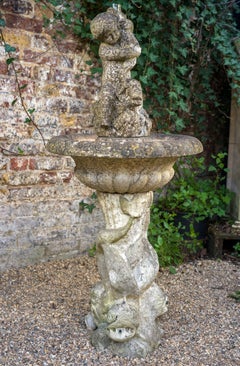
Adding antique and vintage fountains to your home and garden is a great way to accentuate your interiors or landscape design as well as reap the benefits of the calming sound of flowing water.
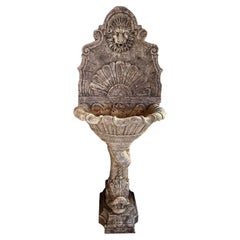
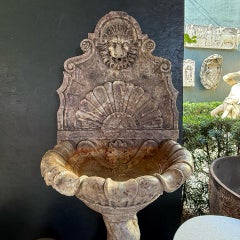
The design of your outdoor fountain — or the indoor fountain you’ve introduced to your parlor — is going to determine how the water flows into its basin. Whether your new addition is a simple bowl-shaped design, an elaborate wall-mounted Art Deco fountain or a classical tiered tower boasting decoratively carved floral motifs, this will determine the movement of the feature’s water as well as the sounds it makes. If you’re looking to ensure that there is steadily bubbling water, a slow trickle, a waterfall or cascading sheets of water, you’ll want to think about the architecture of your fountain.
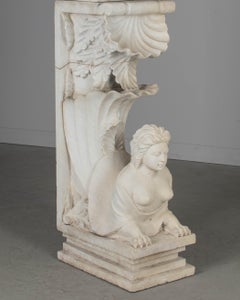
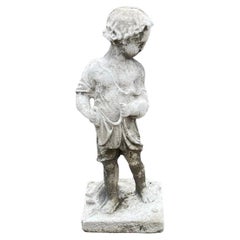
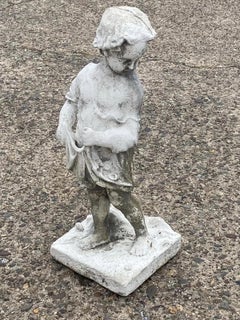
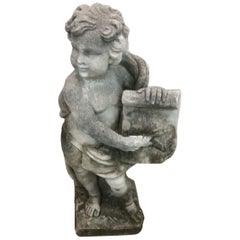
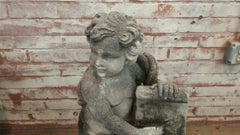
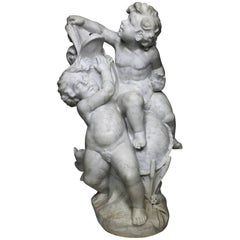
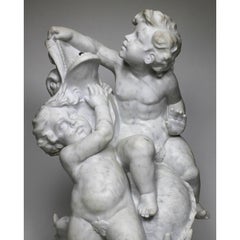
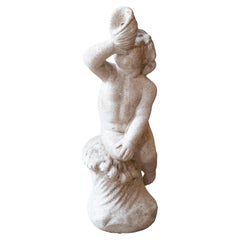
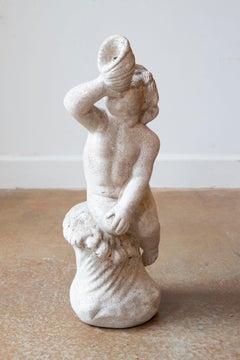
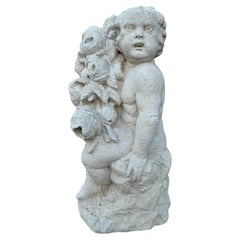
Interior and exterior fountains are made from a variety of materials. Cast concrete lends a classical look to your outdoor fountain. Limestone, a component of concrete, is a dense rock with a creamy white finish that calls to mind classical sculptures. If you’ve already adorned your garden or patio and firepit area with Roman statues, this will feel cohesive in your outdoor space. While limestone fountains are low maintenance, these features will require upkeep. A limestone fountain will need to be cleaned out and undergo a water change on occasion — at least every two to four months — in order to prevent algae growth as well as the smell that might accompany it.
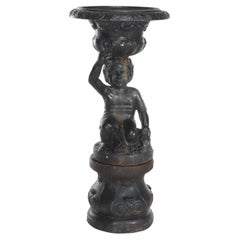
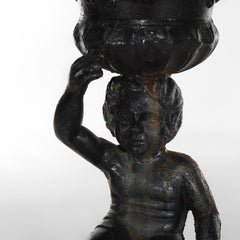
Glazed ceramic fountains, which also warrant regular cleaning to reduce buildup of debris and mineral deposits, will add a splash of color to your garden or entryway. A Spanish or Italian fountain adorned with vibrant ornamental tiles will pop against your shrubbery and concrete planters. Lightweight options for outdoor fountains can be found in fiberglass and cast iron if stone seems too heavy for your taste.
By the 19th century, Victorians realized there were health benefits to fountains. The sound of running water can help create a harmonious and soothing environment in your well-appointed outdoor oasis or inviting foyer, and today, we could all use a little relaxation.
It’s time to harness the calming properties of gently flowing water. You will love the serenity that a vintage, new or antique fountain from 1stDibs can add to your home and garden.