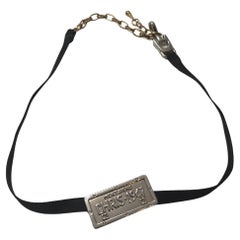
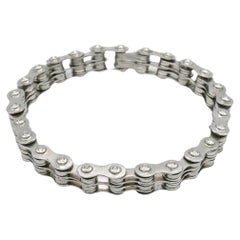
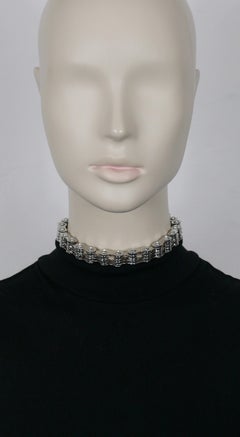
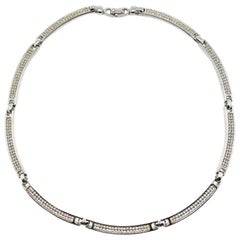
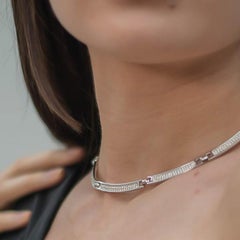
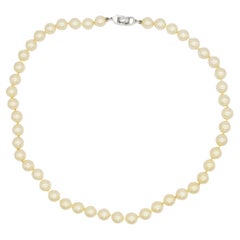
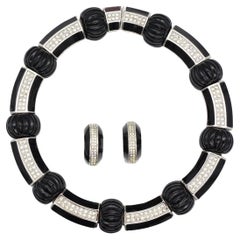
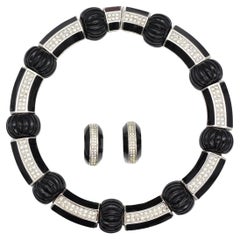
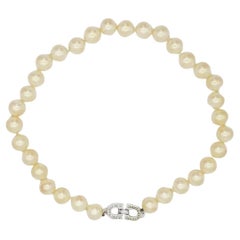
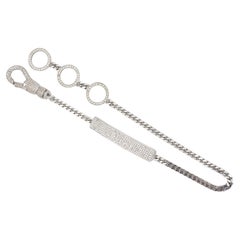
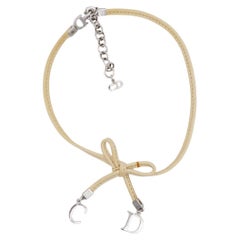
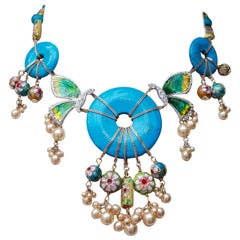
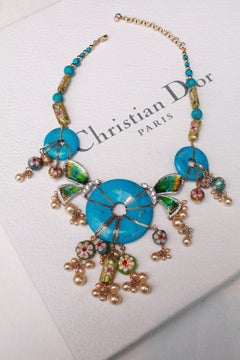
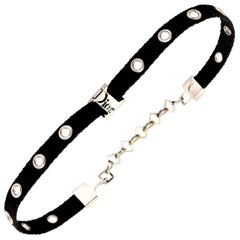
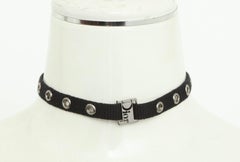
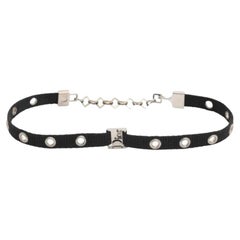
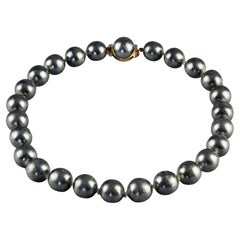
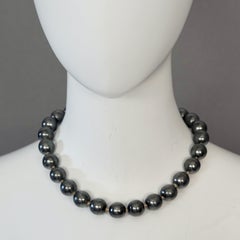
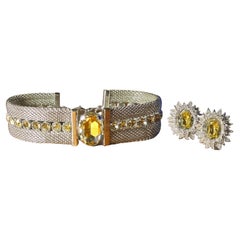
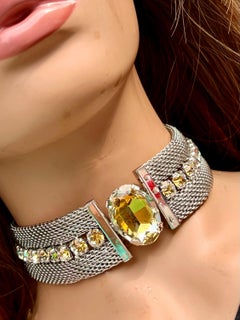
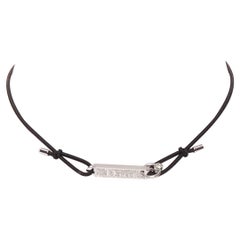
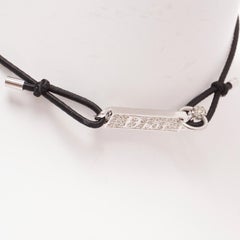
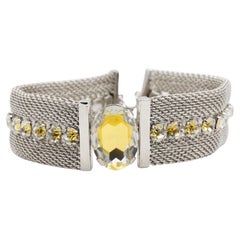
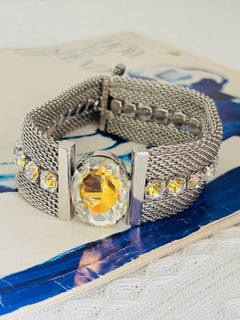
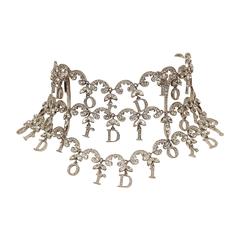
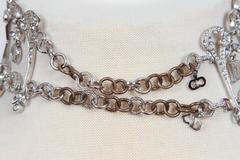
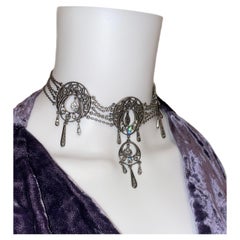
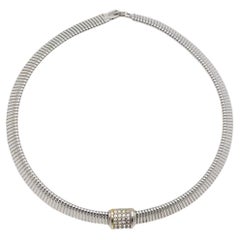
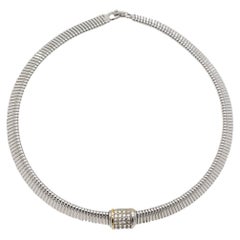
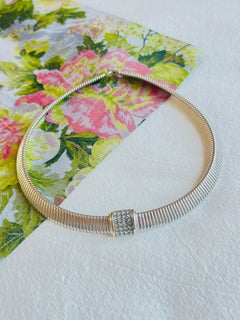
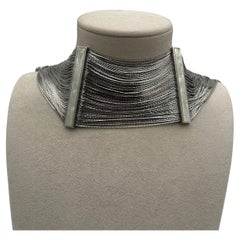
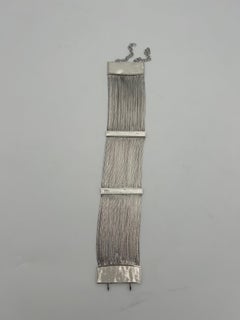
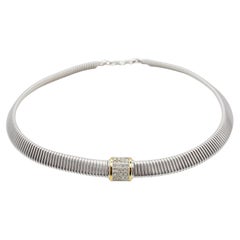
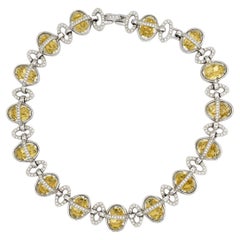
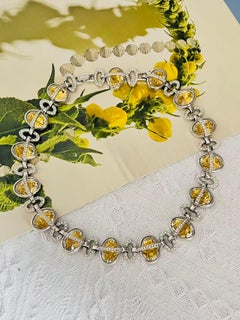
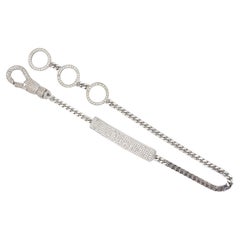
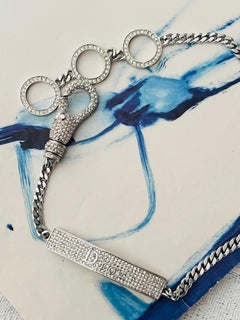
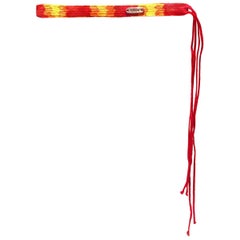
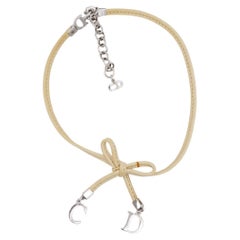
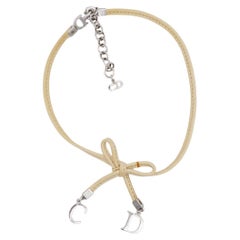
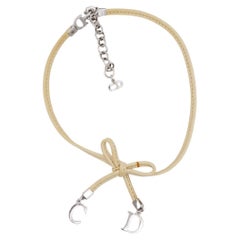
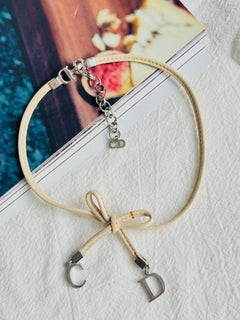
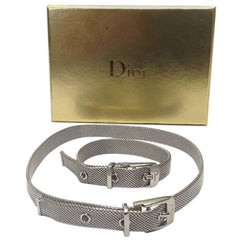
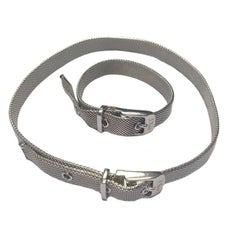
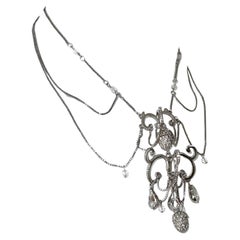
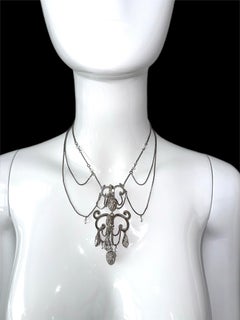
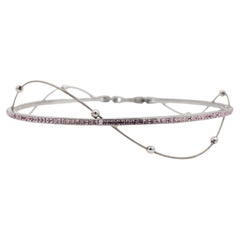
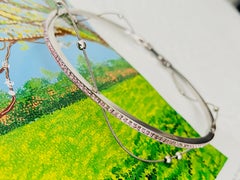
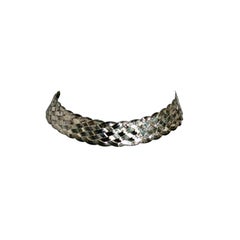
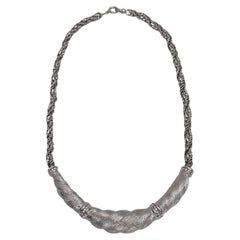
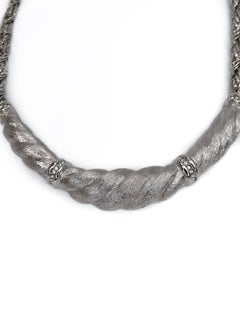
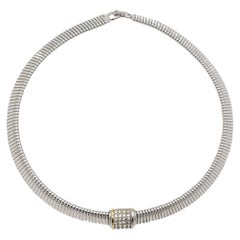
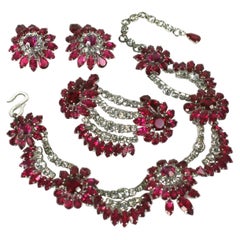
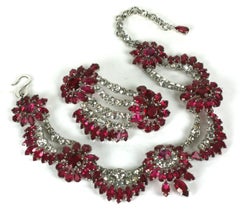
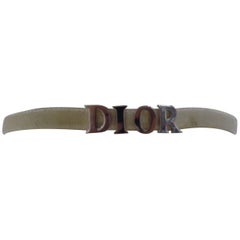
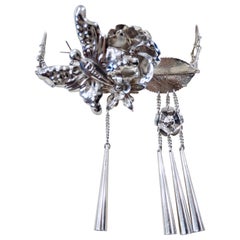
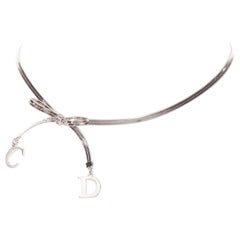
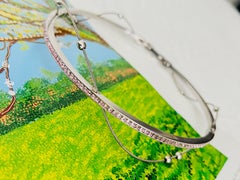
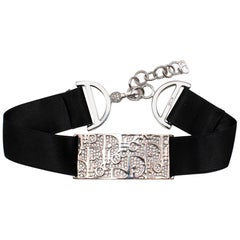
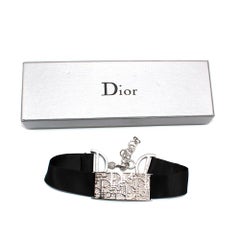
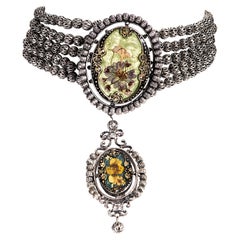
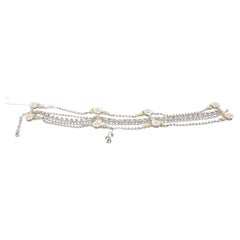
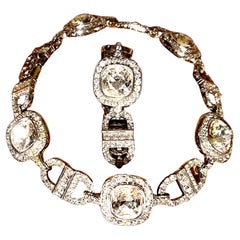
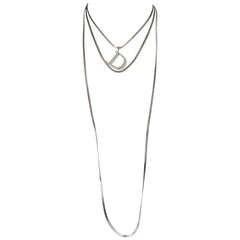
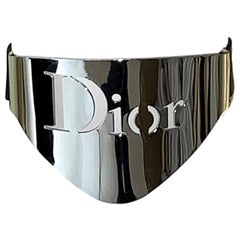
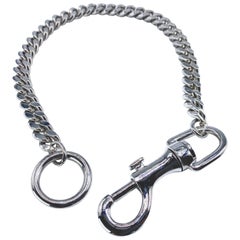
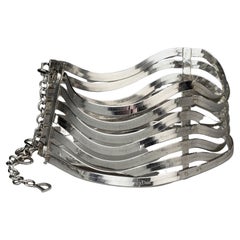
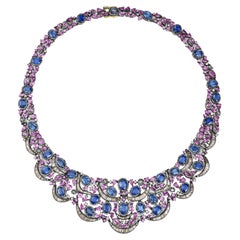
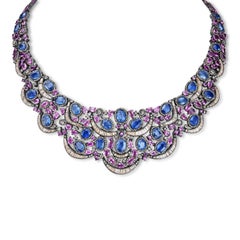
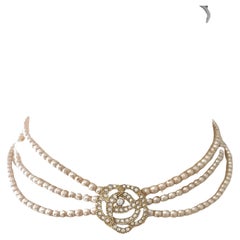
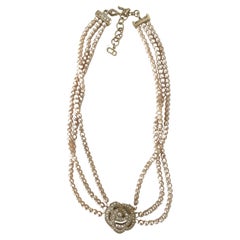
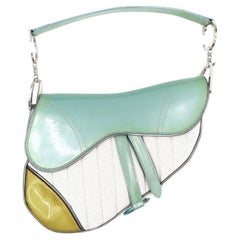
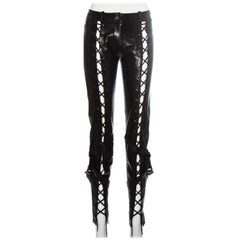
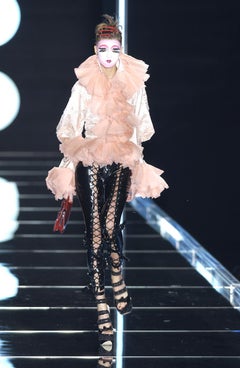
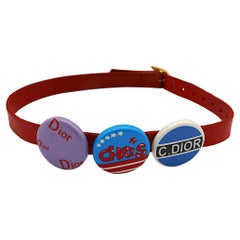
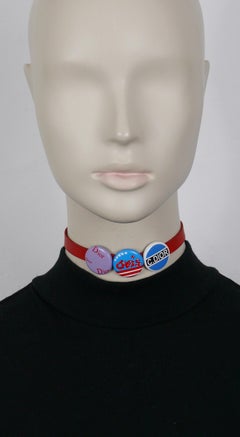
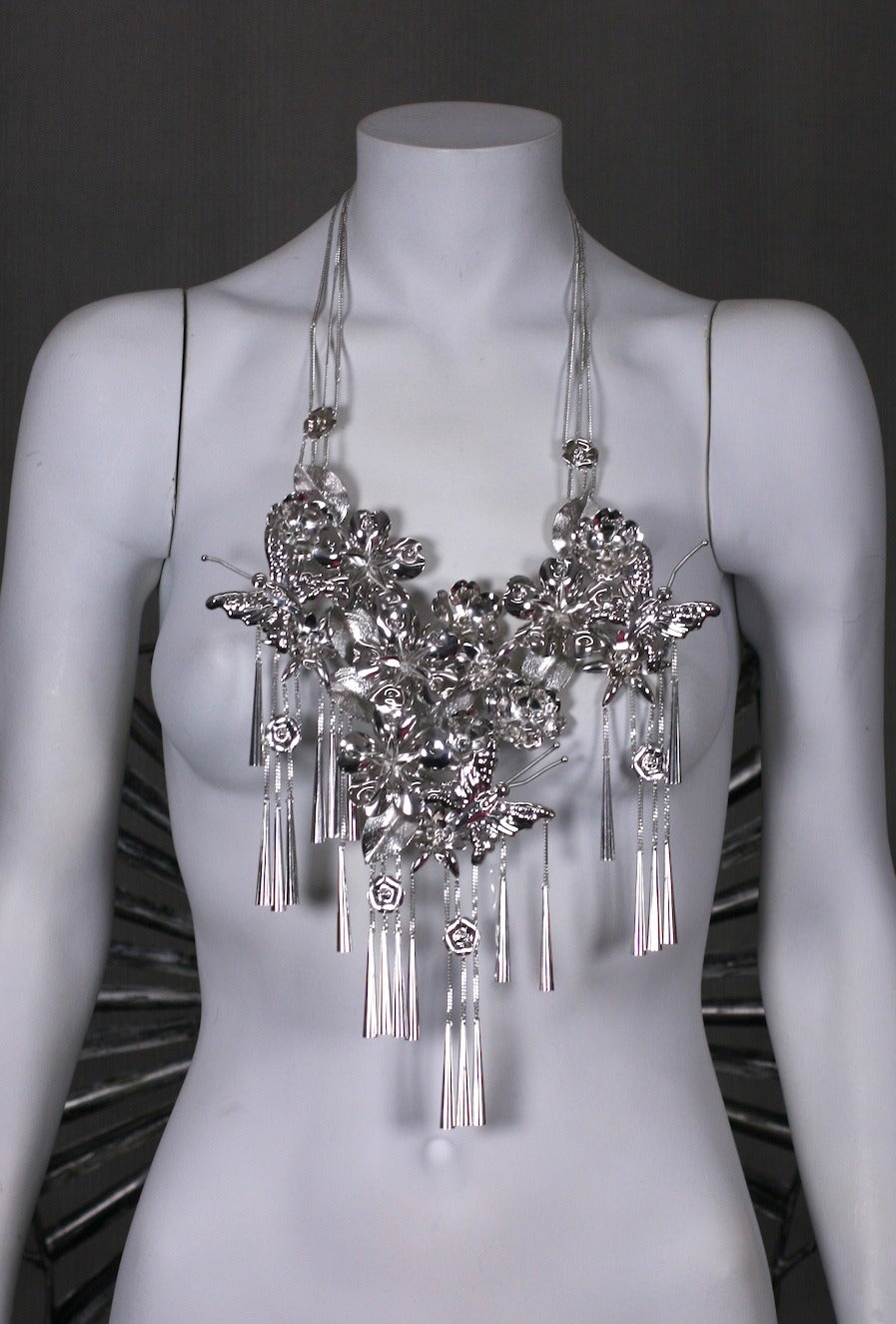
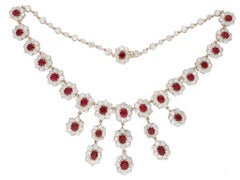
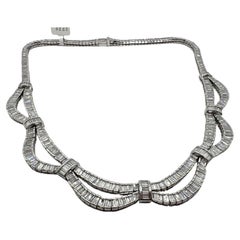
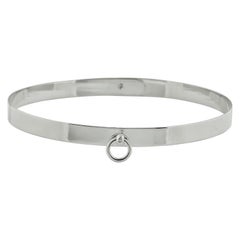
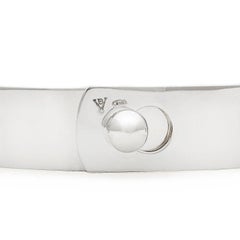
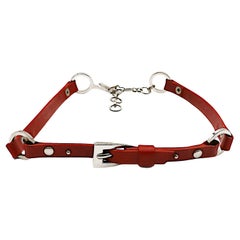
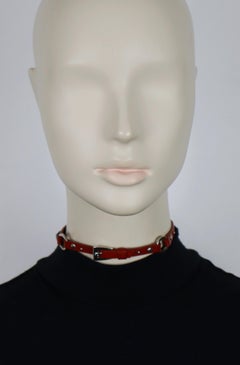
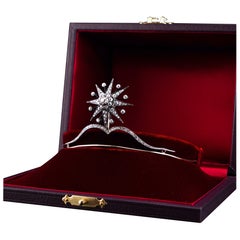
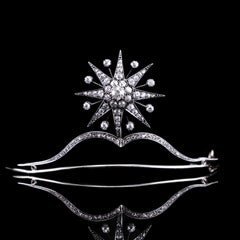
Surely you’ll find the exact piece of christian dior choker silver you’re seeking on 1stDibs — we’ve got a vast assortment for sale. Each design created in this style — which was crafted with great care and often made from
silver,
brass and
gilt metal — can elevate any look. You can easily find a 12 antique edition and 7 modern creations to choose from as well. Finding the perfect item from our selection of christian dior choker silver may mean sifting through those created during different time periods — you can find an early version that dates to the 20th Century and a newer variation that were made as recently as the 21st Century. There have been many well-made iterations of the classic choice in our collection of christian dior choker silver over the years, but those made by
Christian Dior,
Claude Lalanne and
Christian Dior Haute Couture are often thought to be among the most beautiful. An object in our assortment of christian dior choker silver can make for a versatile accessory, but a selection from our variety of 1
crystal versions can add an especially stylish touch. Today, if you’re looking for an
oval cut version of this piece and are unable to find the perfect match, our selection also includes alternatives. Most of our christian dior choker silver for sale are for
women, but there are 3 pieces available to browse for
men.
Prices for a piece of christian dior choker silver can differ depending upon size, time period and other attributes — at 1stDibs, these accessories begin at $208 and can go as high as $279,500, while this accessory, on average, fetches $1,659.
When Christian Dior launched his couture house, in 1946, he wanted nothing less than to make “an elegant woman more beautiful and a beautiful woman more elegant.” He succeeded, and in doing so the visionary designer altered the landscape of 20th century fashion. Vintage Dior bags, shoes, evening dresses, shirts and other garments and accessories are known today for their feminine and sophisticated sensibility.
Dior was born in Granville, on the Normandy coast, in 1905. His prosperous haute bourgeois parents wanted him to become a diplomat despite his interest in art and architecture. However, they agreed to bankroll an art gallery, which Dior opened in 1928 in Paris with a friend.
This was the start of Dior’s rise in the city’s creative milieu, where he befriended Pablo Picasso and Jean Cocteau. After seven years as an art dealer, Dior retrained as a fashion illustrator, eventually landing a job as a fashion designer for Robert Piguet, and in 1941, following a year of military service, he joined the house of Lucien Lelong. Just five years later, with the backing of industrialist Marcel Boussac, the ascendant Dior established his own fashion house, at 30 avenue Montaigne in Paris.
Just two years after the end of World War II, the fashion crowd and the moribund haute couture industry were yearning, comme tout Paris, for security and prosperity, desperate to discard the drab, sexless, utilitarian garb imposed by wartime deprivation. They needed to dream anew.
And Dior delivered: He designed a collection for a bright, optimistic future. “It’s quite a revolution, dear Christian!” exclaimed Carmel Snow, the prescient American editor-in-chief of Harper’s Bazaar, famously proclaiming, “Your dresses have such a new look.” The press ran with the description, christening Dior’s debut Spring/Summer haute couture collection the New Look. “God help those who bought before they saw Dior,” said Snow. “This changes everything.”
Dior’s collection definitively declared that opulence, luxury and femininity were in. His skirts could have 40-meter-circumference hems, and outfits could weigh up to 60 pounds. They were cut and shaped like architecture, on strong foundations that molded women and “freed them from nature,” Dior said. Rather than rationing, his ladies wanted reams of fabric and 19-inch waists enforced by wire corsets, and the fashion world concurred. The debut got a standing ovation.
In the subsequent decade, Paris ruled as the undisputed fashion capital of the world, and Christian Dior reigned as its king. With the luxuriously full skirts of his New Look, suits and his drop-dead gorgeous couture dresses and ball gowns worthy of any princess, Dior gave women the gift of glamour they’d lost in the miserable years of war.
On 1stDibs, find an exquisite range of vintage Christian Dior clothing, jewelry, handbags and other items.
Vintage choker necklaces are elegant, alluring and stylish. Cameos, pearls, diamonds and other stones can decorate these necklaces, which come in single or multiple strands. Whether it is a statement piece or a delicate chain, these short necklaces always stand out and turn heads.
The history of the choker can be traced back thousands of years, with Sumerian examples discovered from 2600–2500 B.C. They endured as a popular form of adornment through the centuries, and during the French Revolution they took on a symbolic significance. Women wore ribbons around their throats to mark the passing of those killed by the guillotine. Soon, the plain ribbons were adorned with small cameos and other ornamentation.
European choker necklaces gained a salacious reputation in the 19th century when prostitutes were associated with black ribbons tied around the neck, such as the model in Édouard Manet’s Olympia (1863). Queen Alexandra, Princess of Wales, reversed the trend in the late 19th century by wearing a large pearl and diamond choker, reputedly to hide a scar.
Fashioned from gold, pearls and other precious stones and metals, chokers continued to be worn into the 20th century, alternately statements of wealth and rebellion. They experienced periods of revival in the 1920s, ’40s, ’70s and ’90s for both men and women.
Vintage chokers make a statement with an unmistakable air of femininity. On 1stDibs, find an alluring collection of vintage chokers today, including gold, sapphire and emerald chokers.