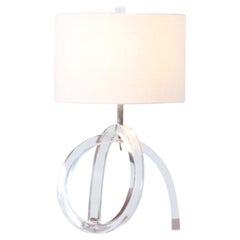
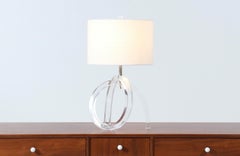
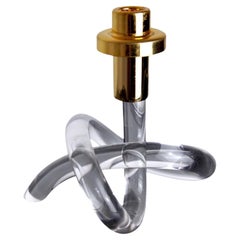
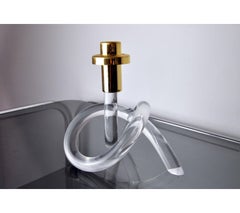
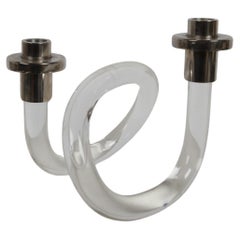
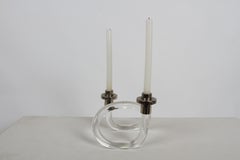
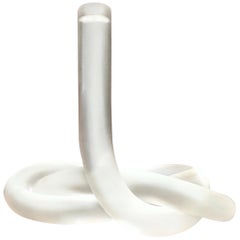
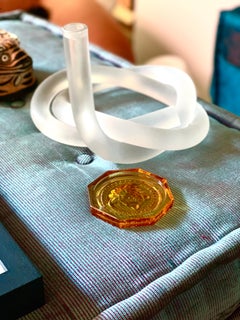
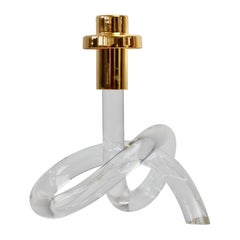
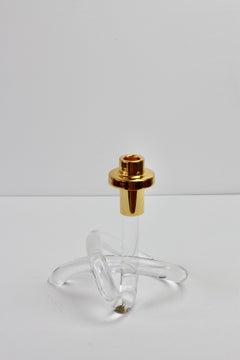
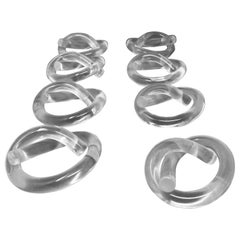
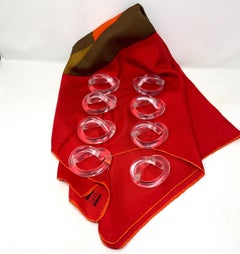
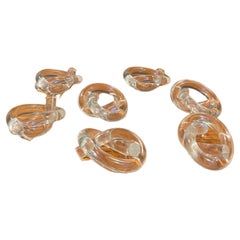
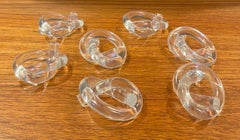
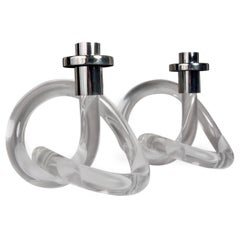
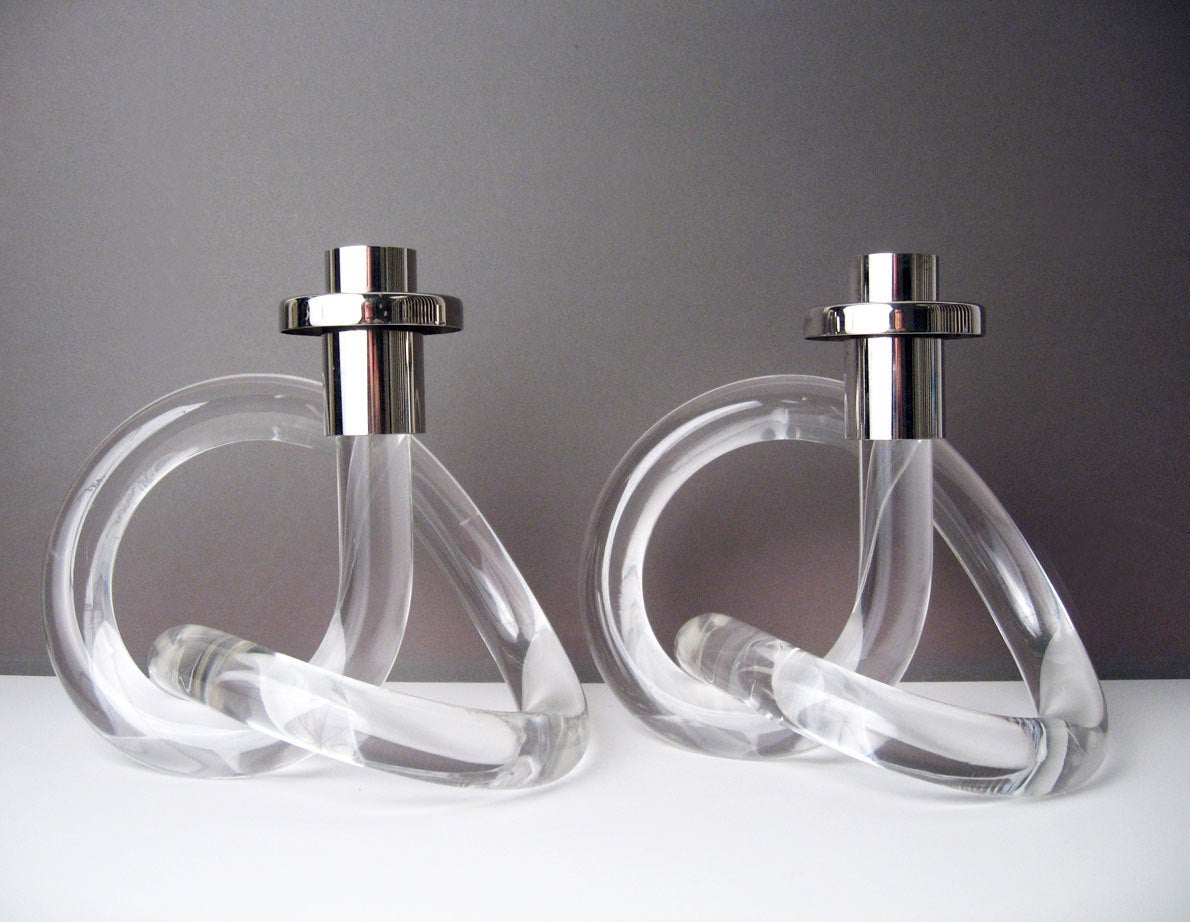
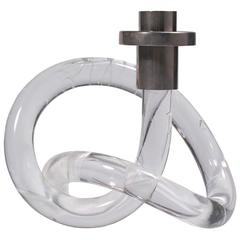
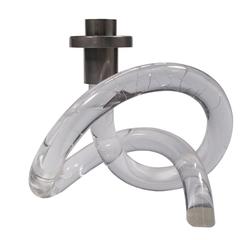
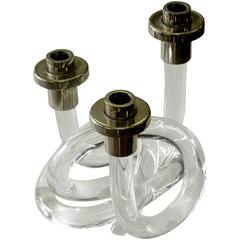
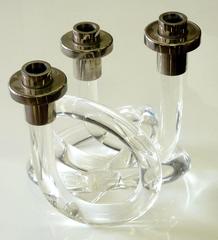
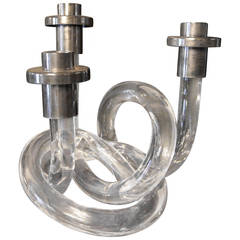
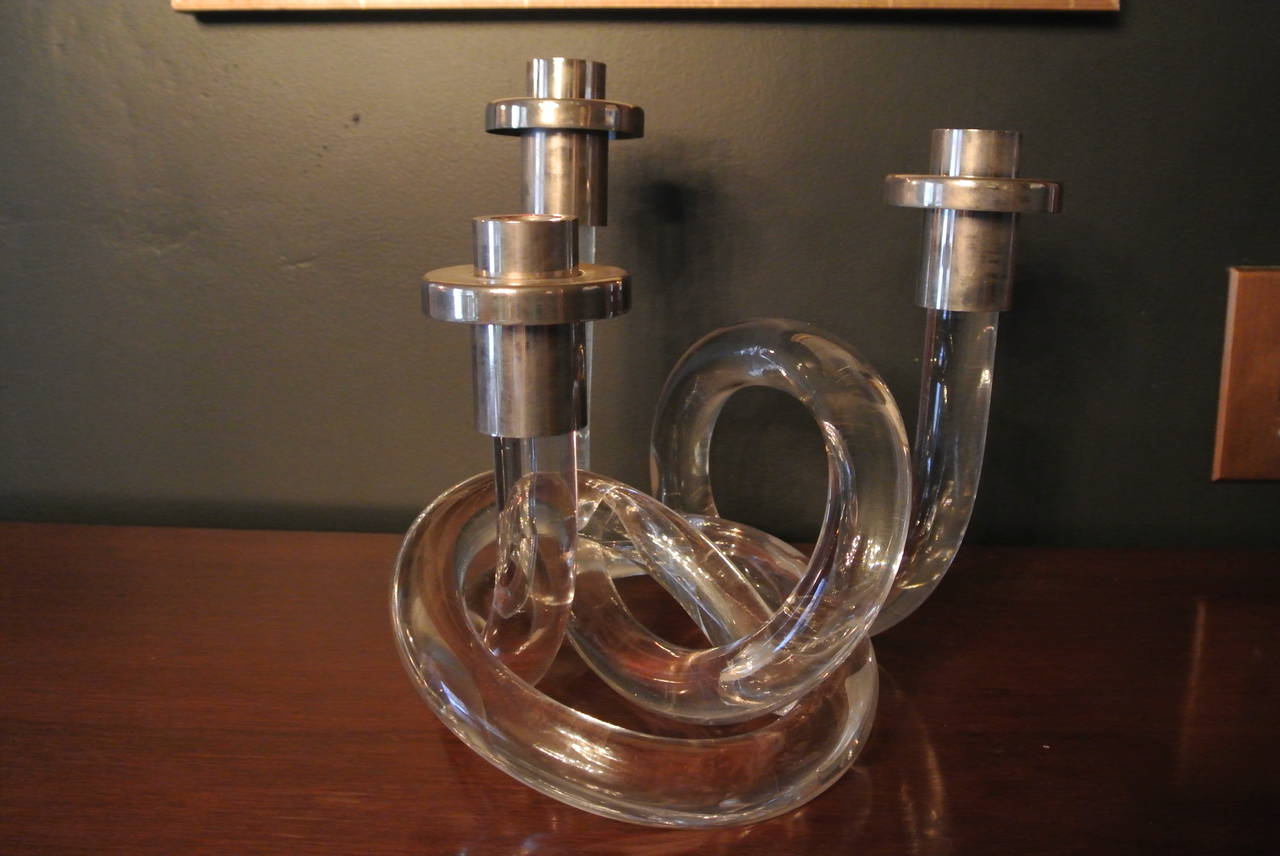
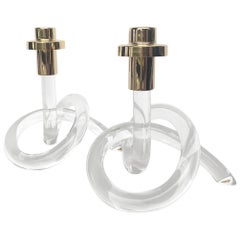
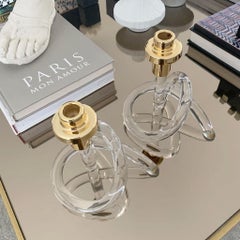
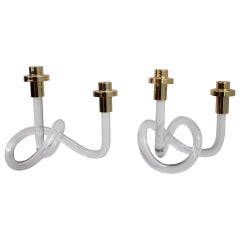
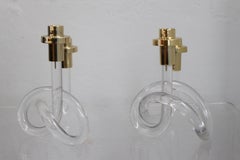
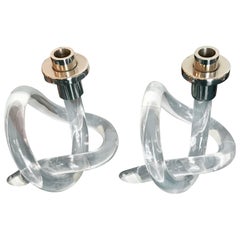
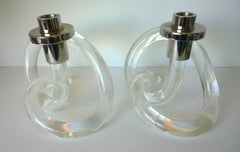
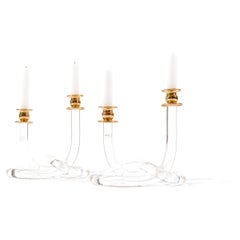
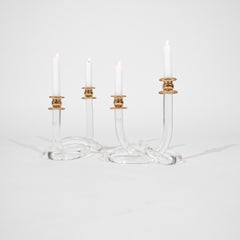
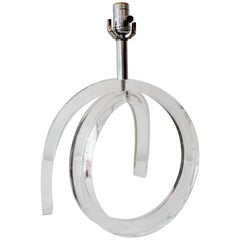
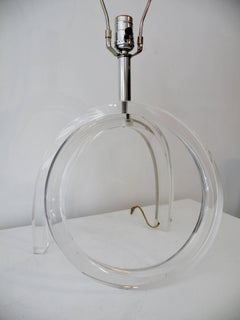
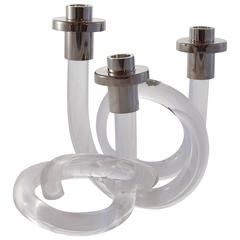
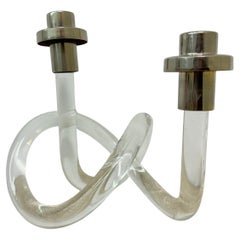
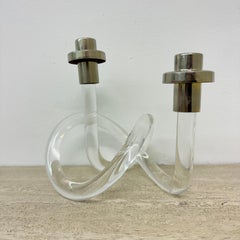
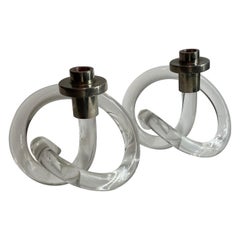
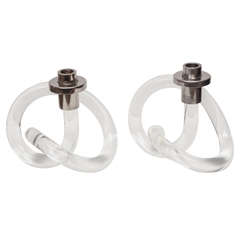
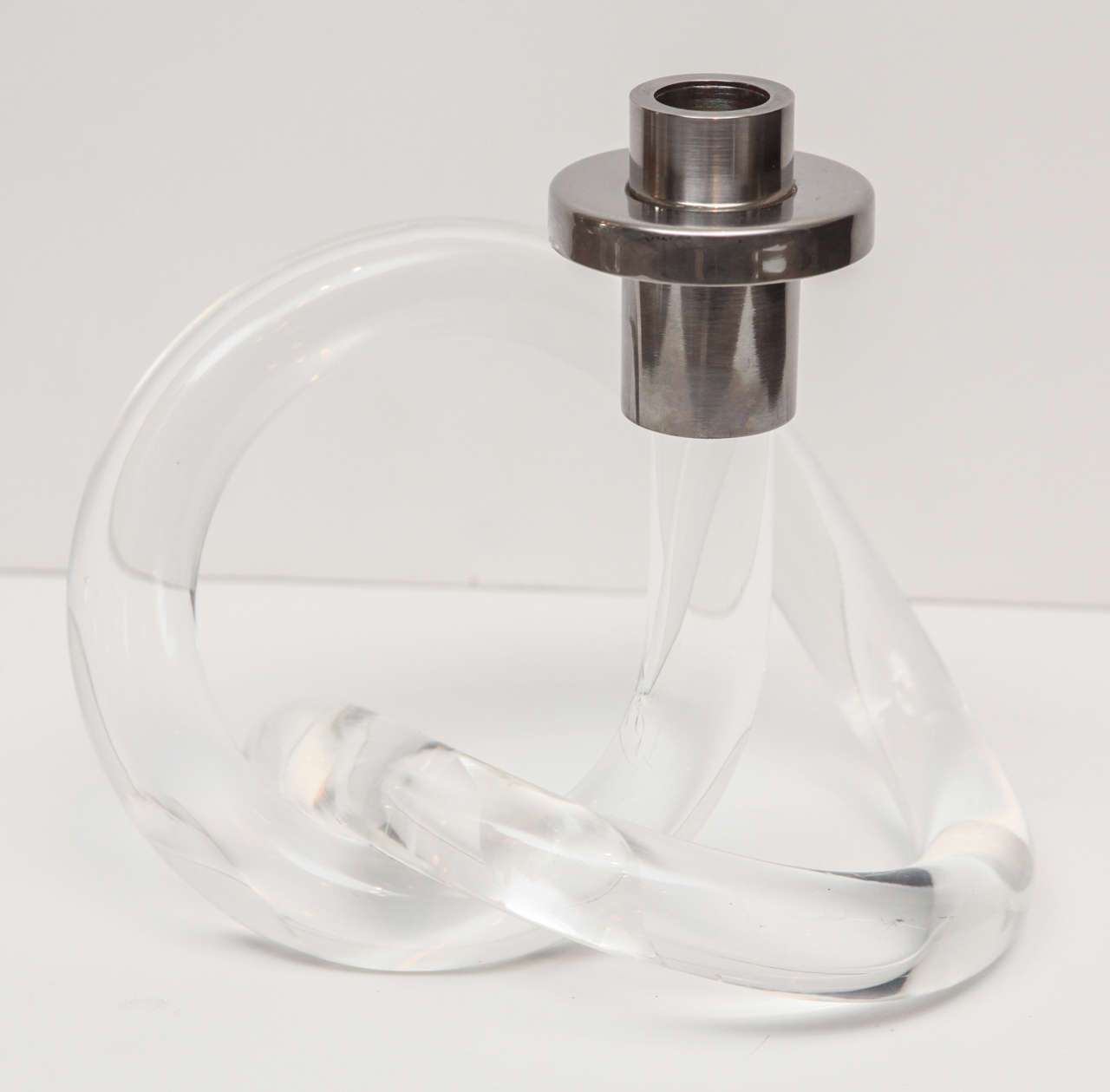
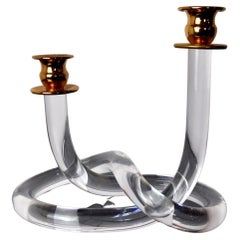
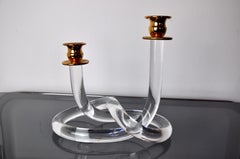
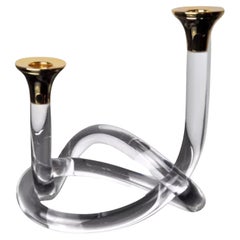
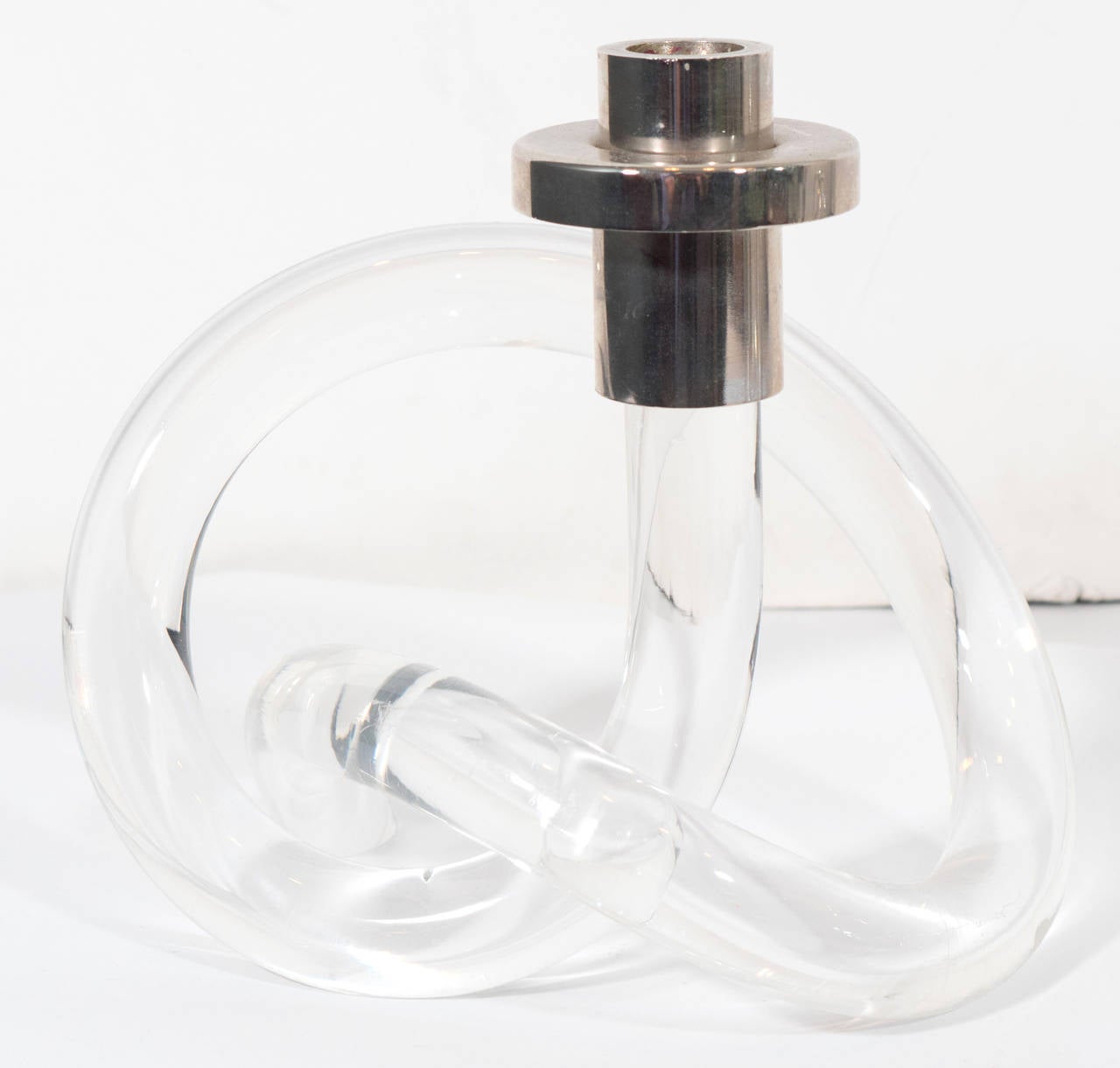
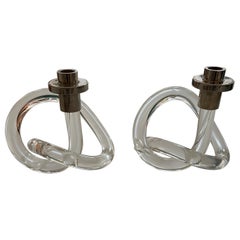
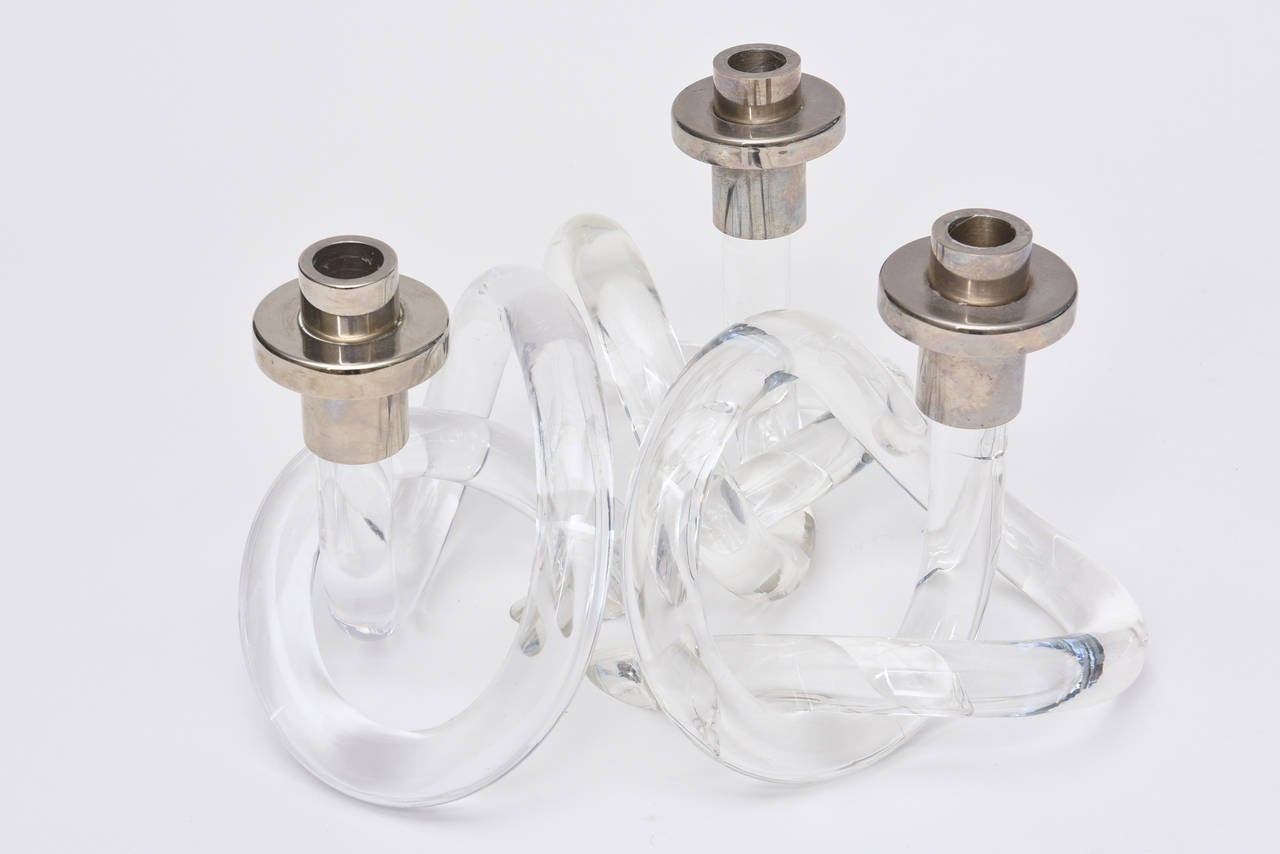
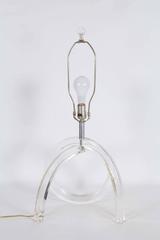
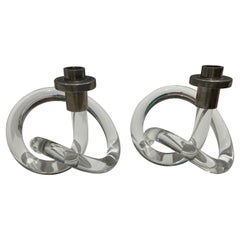
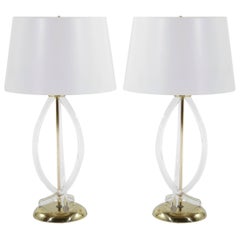
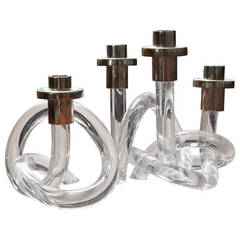
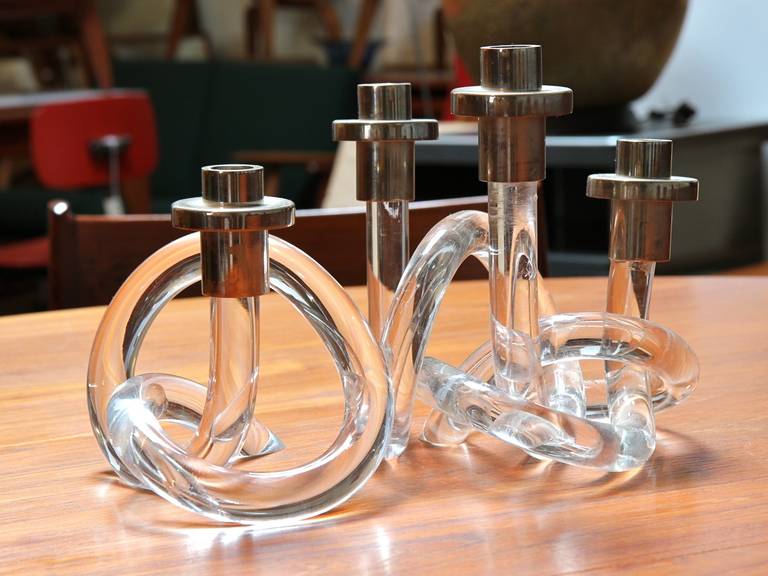
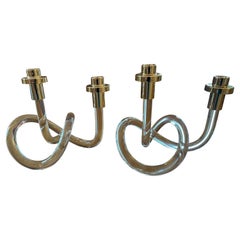
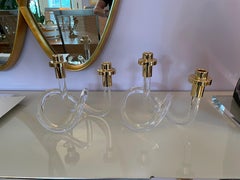
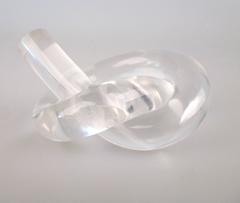
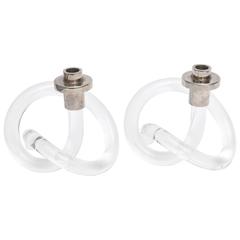
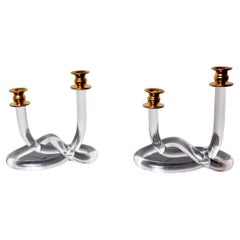
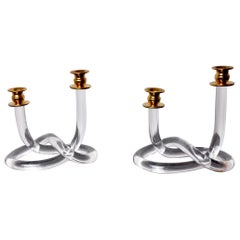
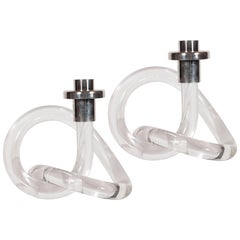
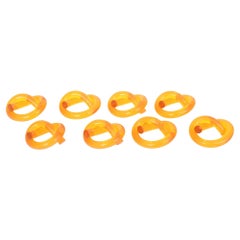
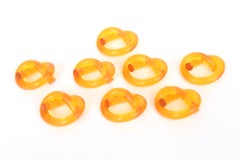
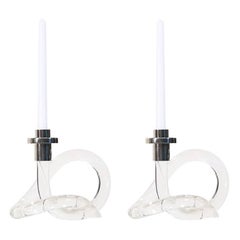
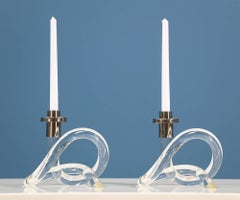
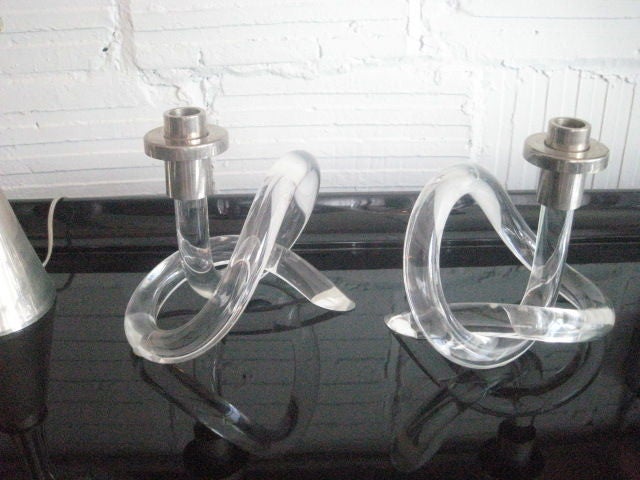
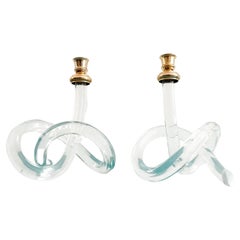
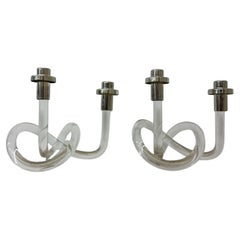
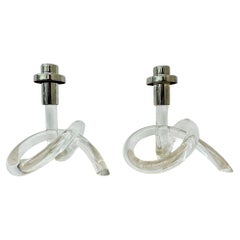
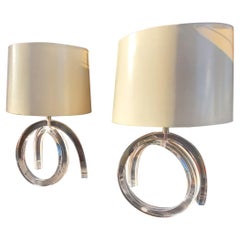
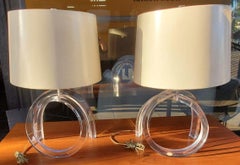
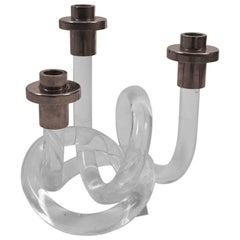
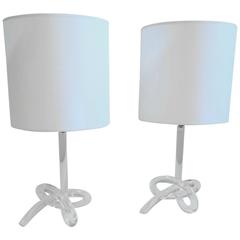
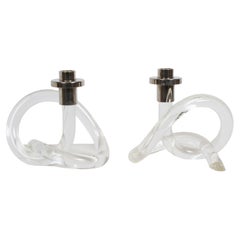
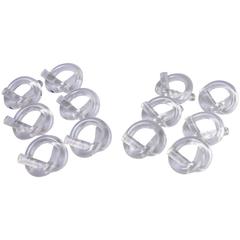
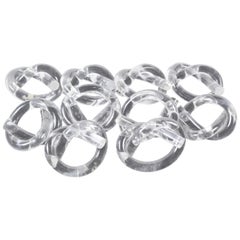
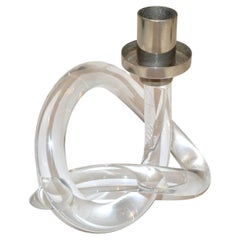
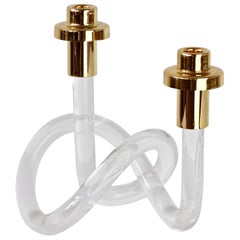
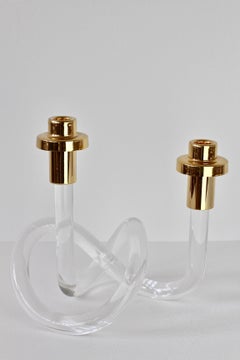
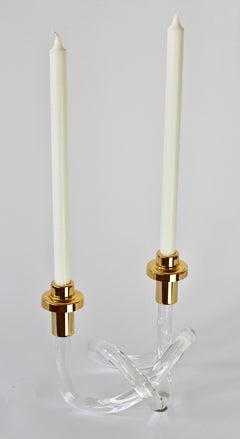
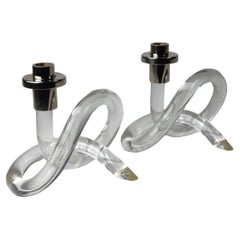
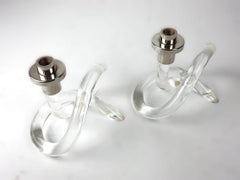
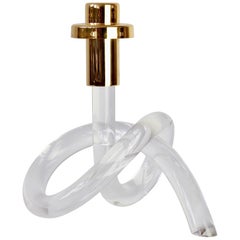
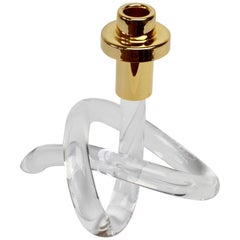
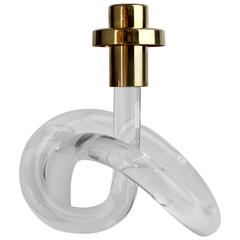
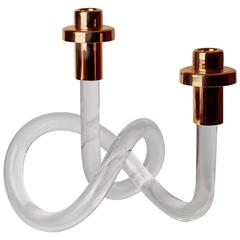
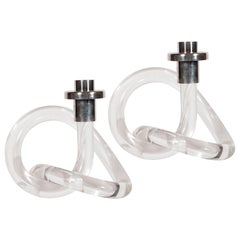
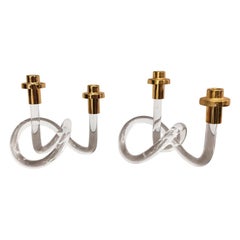
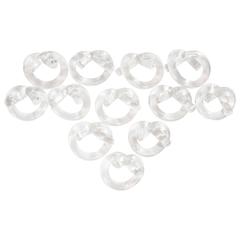
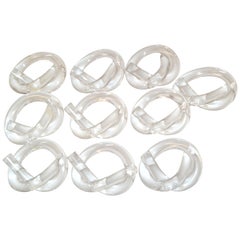
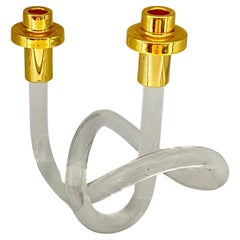
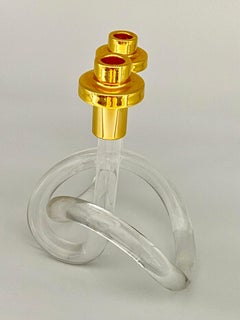
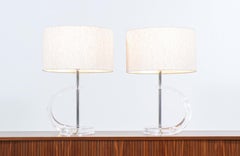
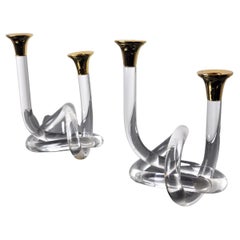
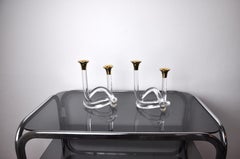
With a vast inventory of beautiful furniture at 1stDibs, we’ve got just the dorothy thorpe pretzel you’re looking for. A dorothy thorpe pretzel — often made from
plastic,
lucite and
metal — can elevate any home. Whether you’re looking for an older or newer dorothy thorpe pretzel, there are earlier versions available from the 20th Century and newer variations made as recently as the 20th Century. A dorothy thorpe pretzel is a generally popular piece of furniture, but those created in
Mid-Century Modern,
Modern and
Art Deco styles are sought with frequency.
Dorothy Thorpe,
Elaine Bscheider and
Astrolite each produced at least one beautiful dorothy thorpe pretzel that is worth considering.
A dorothy thorpe pretzel can differ in price owing to various characteristics — the average selling price 1stDibs is $1,080, while the lowest priced sells for $365 and the highest can go for as much as $2,600.
Dorothy Thorpe glassware was a chic staple of every mid-century modern wet bar, particularly her festive Roly Poly silver-banded tumblers. Although not as widely known as such contemporaries as Eva Zeisel and Edith Heath, Thorpe was one of a group of creative and entrepreneurial women whose designs captured the imagination of the postwar homeowner with her modern and cheery works.
Thorpe was born in Salt Lake City in 1901 and settled in Los Angeles as a young woman. She began creating her signature glassware using the trade name Dorothy Thorpe Originals in the 1930s. Thorpe was a designer, not a glassblower. To create her shimmering wares, she purchased glass blanks from a variety of manufacturers and subjected them to various techniques, including sandblasting, etching and silver overlay.
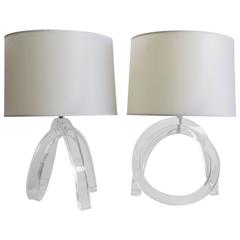
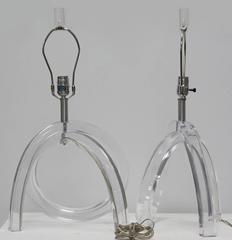
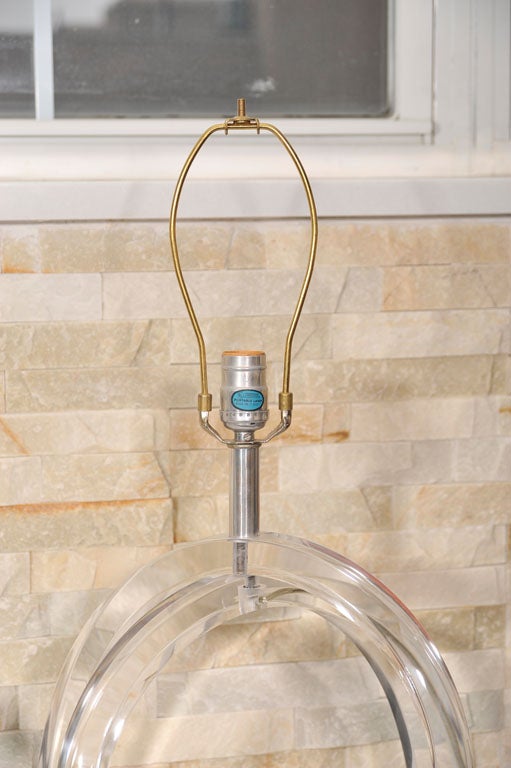
Initially Art Deco in style, the pieces were signed with a large T and smaller D. Thorpe also worked in ceramics and, in the 1940s, with Lucite, producing a line of household items, such as magazine racks, sculptural lamps, candlesticks and umbrella stands.
After World War II, Thorpe was inspired by a new interest in the flowers and animals of the South Pacific and began incorporating tropical floral motifs into her work. She traveled to Hawaii and studied local irises, roses, azaleas, narcissus and eucalyptus. The decorative patterns based on these studies were created primarily by sandblasting, which makes a glass surface appear frosted.
From the 1930s through the ’50s, Thorpe’s designs won her many fans among the members of café society, including Princess Grace of Monaco and the Shah of Iran. They were also widely imitated. Vintage tumblers that bear a silver stripe around the rim but lack the “DT” signature on the bottom are not Thorpe originals.
In the 1950s, Thorpe created the glassware line Atomic Splash, which featured the energetic geometric patterns that were so popular at the time. Atomic Splash patterned drinking glasses and serving dishes bore a silver overlay that evoked an explosion.
Thorpe also designed a line of ceramic tableware decorated with a wreath of spring flowers in collaboration with Crown Lynn Pottery, in New Zealand, and, in the mid-’60s, created coffee sets for the Santa Barbara and Monterey companies. Among her own ceramics products were lines glazed in the eye-catching shades of Orange Persimmon and Blue Periwinkle.
Find vintage Dorothy Thorpe glasses and tableware for sale on 1stDibs.
Arguably the world’s most ubiquitous man-made material, plastic has impacted nearly every industry. In contemporary spaces, new and vintage plastic furniture is quite popular and its use pairs well with a range of design styles.
From the Italian lighting artisans at Fontana Arte to venturesome Scandinavian modernists such as Verner Panton, who created groundbreaking interiors as much as he did seating — see his revolutionary Panton chair — to contemporary multidisciplinary artists like Faye Toogood, furniture designers have been pushing the boundaries of plastic forever.
When The Graduate's Mr. McGuire proclaimed, “There’s a great future in plastics,” it was more than a laugh line. The iconic quote is an allusion both to society’s reliance on and its love affair with plastic. Before the material became an integral part of our lives — used in everything from clothing to storage to beauty and beyond — people relied on earthly elements for manufacturing, a process as time-consuming as it was costly.
Soon after American inventor John Wesley Hyatt created celluloid, which could mimic luxury products like tortoiseshell and ivory, production hit fever pitch, and the floodgates opened for others to explore plastic’s full potential. The material altered the history of design — mid-century modern legends Charles and Ray Eames, Joe Colombo and Eero Saarinen regularly experimented with plastics in the development of tables and chairs, and today plastic furnishings and decorative objects are seen as often indoors as they are outside.
Find vintage plastic lounge chairs, outdoor furniture, lighting and more on 1stDibs.