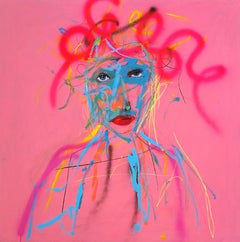
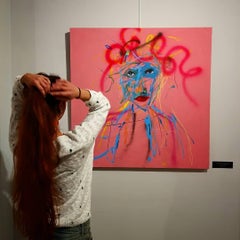
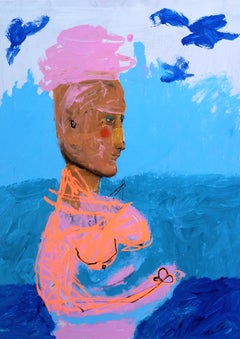
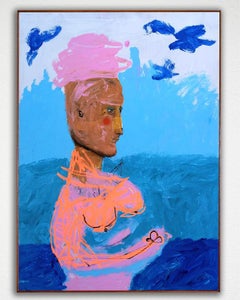
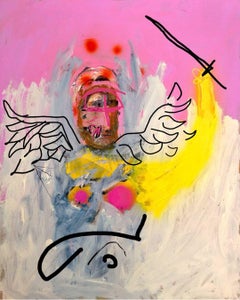
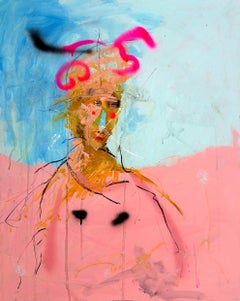
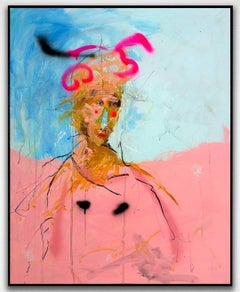
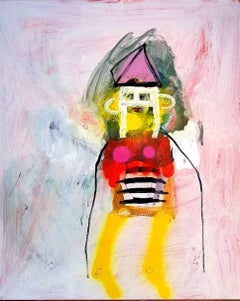
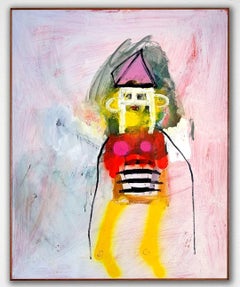
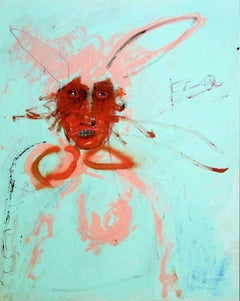
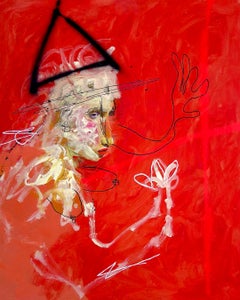
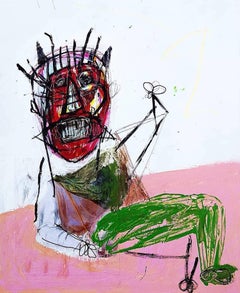
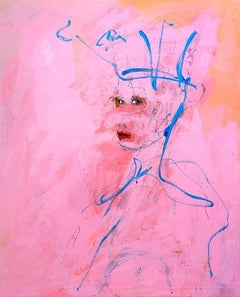
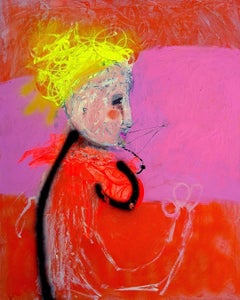
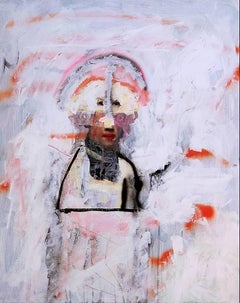
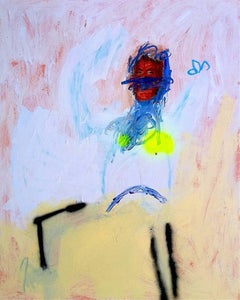
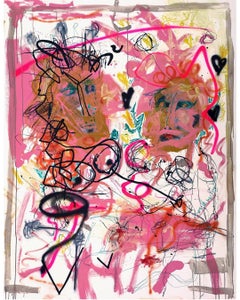
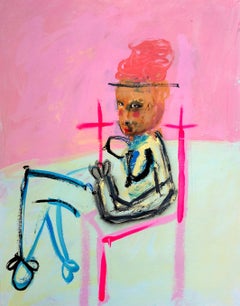
Emanuele Tozzoli For Sale on 1stDibs
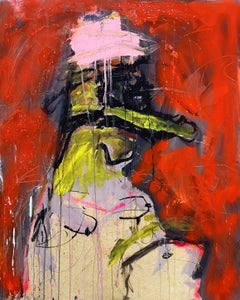
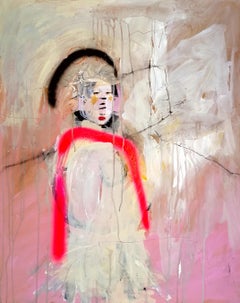
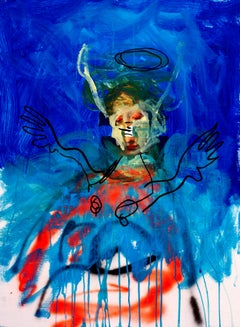
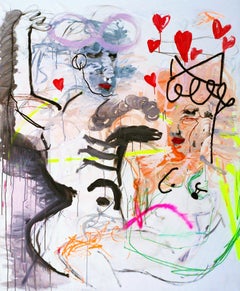
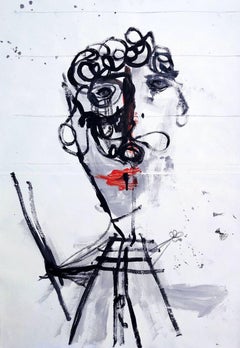
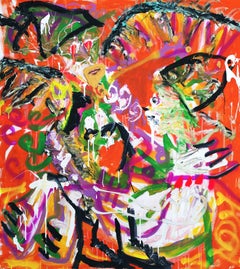
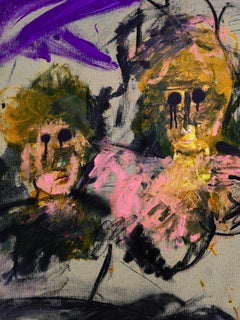
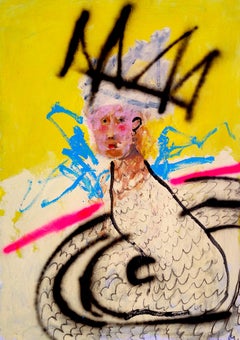
Surely you’ll find the exact emanuele tozzoli you’re seeking on 1stDibs — we’ve got a vast assortment for sale. Adding a emanuele tozzoli to a room that is mostly decorated in warm neutral tones can yield a welcome change — find a piece on 1stDibs that incorporates elements of
beige,
gray,
pink,
red and more. These artworks were handmade with extraordinary care, with artists most often working in
mixed media,
board and
canvas. A large emanuele tozzoli can be an attractive addition to some spaces, while smaller examples are available — approximately spanning 22 high and 18 wide — and may be better suited to a more modest living area.
How Much is a Emanuele Tozzoli?
The average selling price for a emanuele tozzoli we offer is $2,350, while they’re typically $1,950 on the low end and $4,700 for the highest priced.
Emanuele Tozzoli for sale on 1stDibs
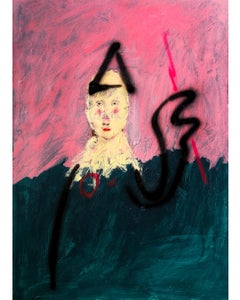
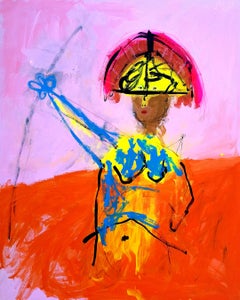
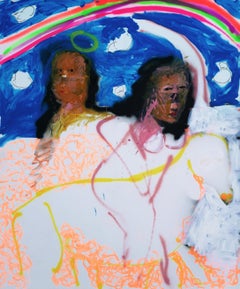
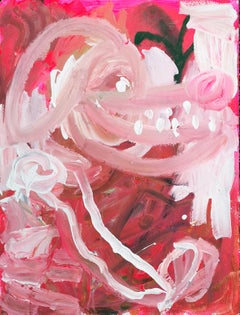
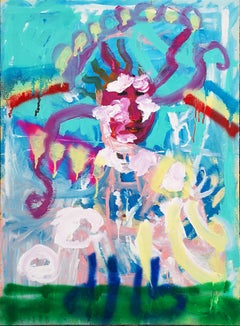
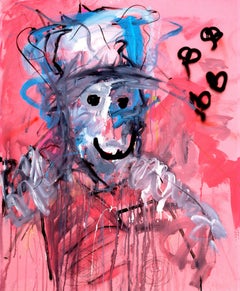
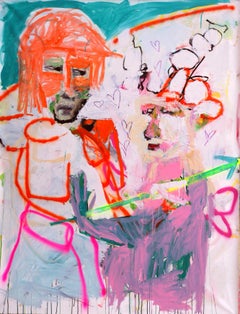
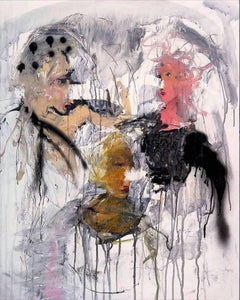
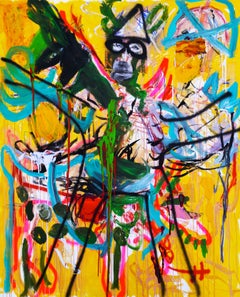
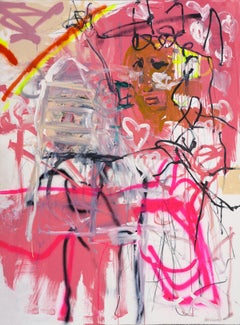
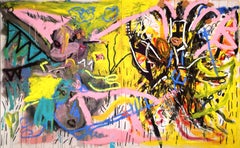
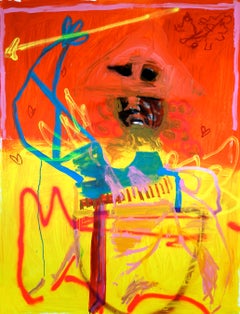
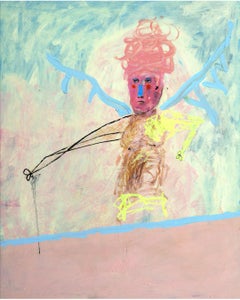
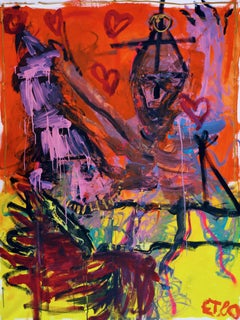
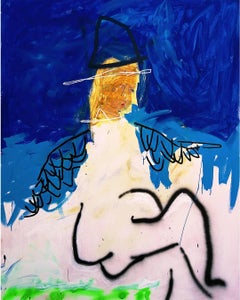
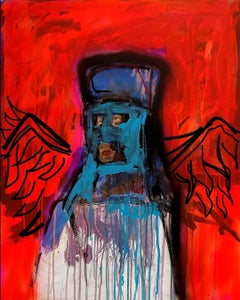
Emanuele Tozzoli, an Italian mixed media artist, fuses themes of abstraction, cubism, and impressionism to create ethereal, viscerally intriguing pieces. Rich in color and emotive body, Tozzoli treats his creative process much like writing a composition, with an awakened sense for the eyes that a pianist has for the ears.
With a background in music and art, Emanuele was bathed in creativity from a young age.
His roots seem to have fine-tuned his senses, enabling him to be a thoughtful and sensual artist, transcending the barriers of art, music, and emotion to mingle between them all.
Through the tactile use of acrylics, spray paint, and oil pastels, Tozzoli births many striking impressionist scenes, where portraiture meets symbolism and cubism meets color. Also experimenting with wall enamels and collage, Tozzoli plays confidently with the many niches and methods of expression.
Tozzoli describes his artistic process as a very instinctual and organic experience. “My working method is instinctive and visceral. I often notice that I have finished the painting only at the end.” His rationality is abandoned as he makes connections with his primitive eye and allows himself to enter the flow. He hopes that his works can “inspire and give feelings of freedom to those who look at them.”
His colorful and conceptual, often whimsically fragmented and faded works enable the viewer complete freedom and depth of perception to interpret and muse, his non-prescriptive style, and aura leave much to the interpretation of the individual. For Tozzoli, art is an “instrument of awareness and indispensable knowledge”, whereby he can communicate and compose freely through unfiltered emotion, rooted deeply in his primeval artistic flow. A sense of the sacred or ancient is brought forward in Emanuele Tozzoli’s method and works, he seems to tap into something quite otherworldly and spiritual in his organic practice, giving light to such rare and liberated visual evidence of a mind in complete dedication, passion, and oneness.
A Close Look at Neo-expressionist Art
A resurgence of interest in Expressionism, Pop art, Surrealism, Abstract Expressionism and other movements gained steam among artists of the 1970s and ’80s, in part as a reaction to the austerity of the prevailing minimalism and Conceptual art of the era. A decadent, bold and brash art style called Neo-Expressionism saw painters returning to figural representation, creating highly textured works that were imbued with intensely personal narratives.
Neo-Expressionist paintings are sensuous in nature and highly subjective in meaning. Expressive brushwork, highly pigmented colors and layered forms and materials lent sculptural attributes to the work and were used to depict symbolic narratives from history, mythology and the artist’s personal experience.
Prominent figures such as Jean-Michel Basquiat led the Neo-Expressionist movement in the United States with paintings and prints that were raw, emotional and often violent in nature. In Germany, Die Neuen Wilden (the “New Fauves”) was the name given to a group of postwar artists that included the likes of sculptor Georg Baselitz and Gerhard Richter, a painter and photographer who explored the possibilities of both abstraction and realism, sometimes in a single piece. The work of the New Fauves — labeled as such for its return to Fauvism’s textured brushwork and use of vibrant colors — shares commonalities with Neo-Expressionism, and Baselitz was a pioneer of the movement in Europe. In addition, Willem de Kooning’s pulsating action paintings and Julian Schnabel’s experimentation with the materiality of paintings also took shape during this period.
“I was trying to make paintings different from the paintings that I saw a lot of at the time, which were mostly minimal, and they were highbrow and alienating, and I wanted to make very direct paintings that most people would feel the emotion behind when they saw them,” said Basquiat.
Neo-Expressionism generated some polarizing opinions, with some celebrating the revival of personal subjectivity in art while others criticizing the movement for being too commercially driven and nostalgic. But most experts agree that Neo-Expressionism was a huge commercial success and culturally impactful, paving the way for the postmodern work of artists like Richter and Sigmar Polke.
Find original Neo-Expressionist paintings, prints, mixed-media works and other art on 1stDibs.
Finding the Right Figurative-paintings for You
Figurative art, as opposed to abstract art, retains features from the observable world in its representational depictions of subject matter. Most commonly, figurative paintings reference and explore the human body, but they can also include landscapes, architecture, plants and animals — all portrayed with realism.
While the oldest figurative art dates back tens of thousands of years to cave wall paintings, figurative works made from observation became especially prominent in the early Renaissance. Artists like Michelangelo, Leonardo da Vinci and other Renaissance masters created naturalistic representations of their subjects.
Pablo Picasso is lauded for laying the foundation for modern figurative art in the 1920s. Although abstracted, this work held a strong connection to representing people and other subjects. Other famous figurative artists include Francis Bacon and Lucian Freud. Figurative art in the 20th century would span such diverse genres as Expressionism, Pop art and Surrealism.
Today, a number of figural artists — such as Sedrick Huckaby, Daisy Patton and Eileen Cooper — are making art that uses the human body as its subject.
Because figurative art represents subjects from the real world, natural colors are common in these paintings. A piece of figurative art can be an exciting starting point for setting a tone and creating a color palette in a room.
Browse an extensive collection of figurative paintings on 1stDibs.