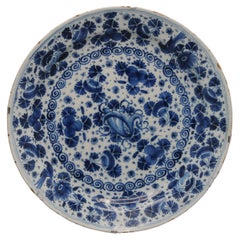
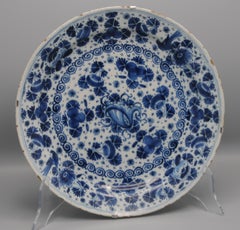
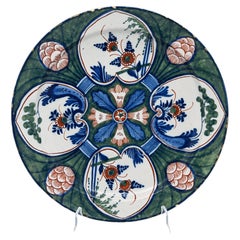
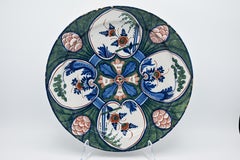
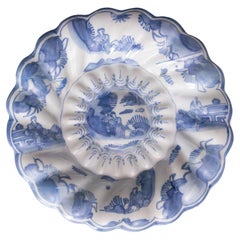
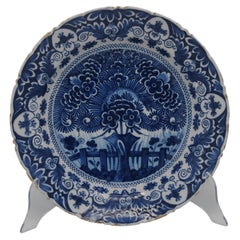
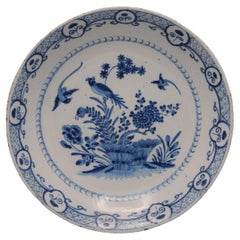
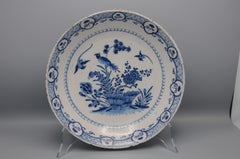
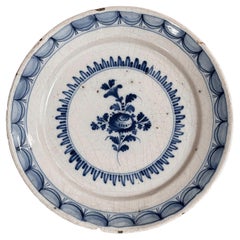
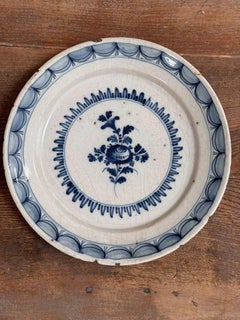
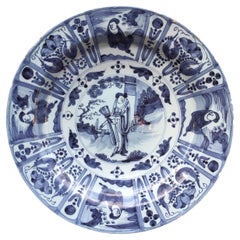
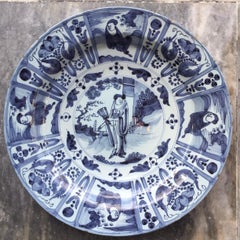
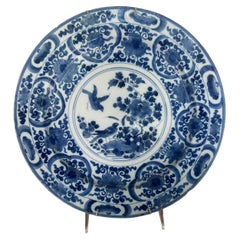
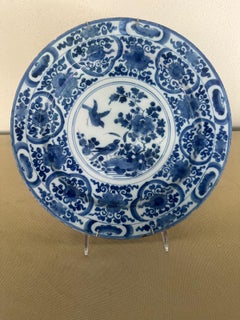
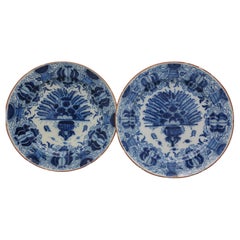
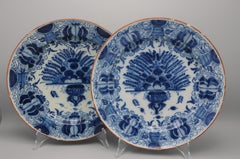
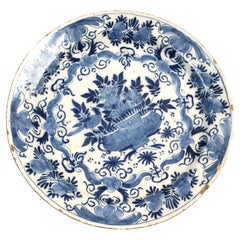
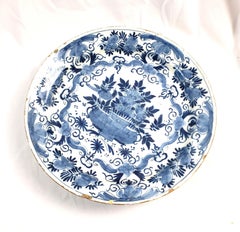
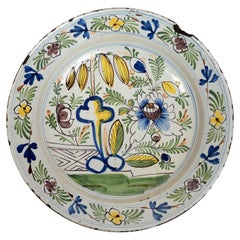
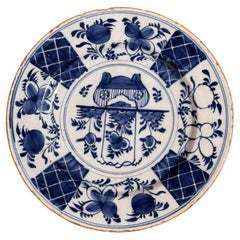
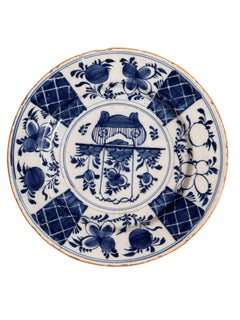
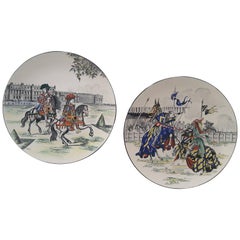
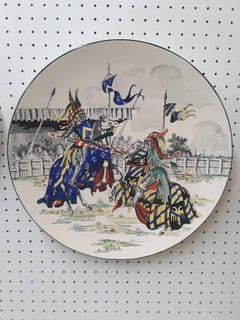
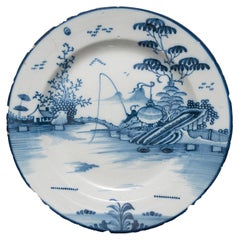
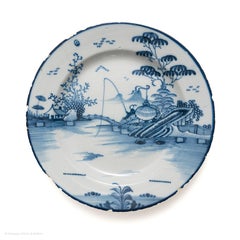
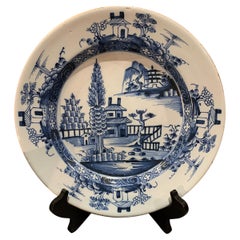
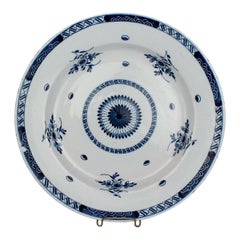
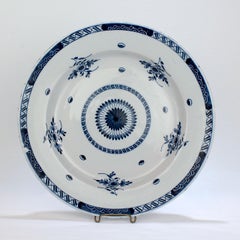
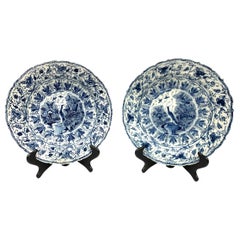
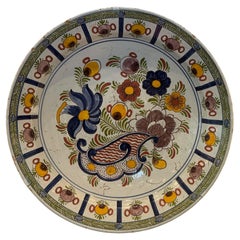
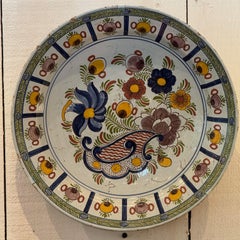
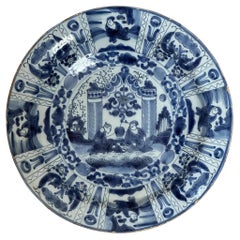
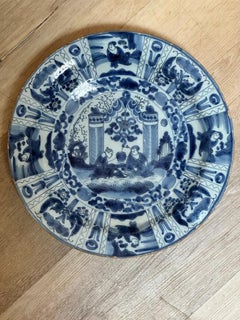
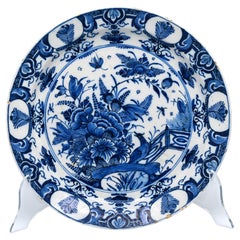
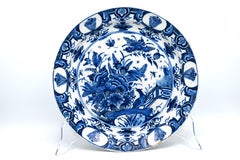
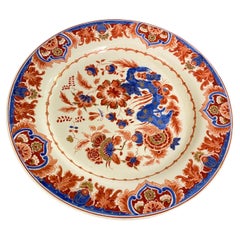
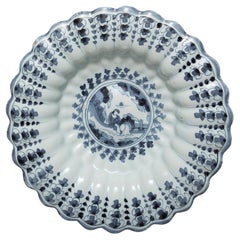
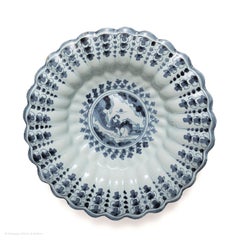
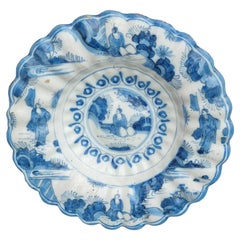
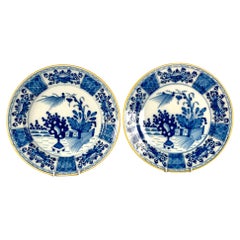
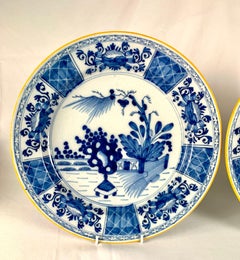
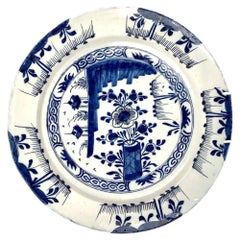
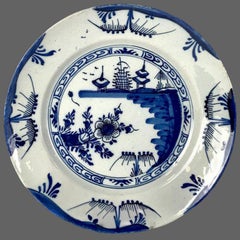
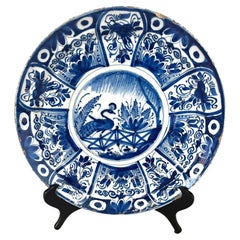
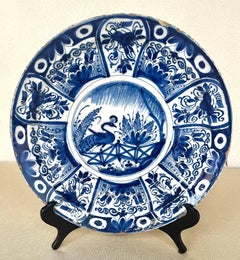
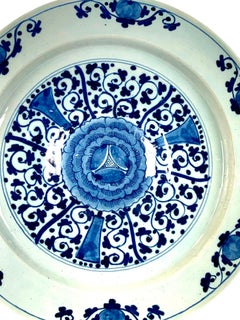
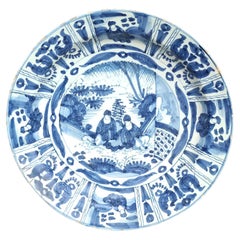
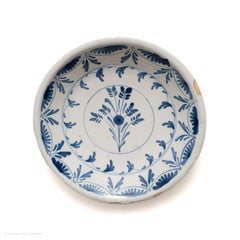
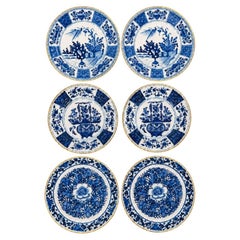
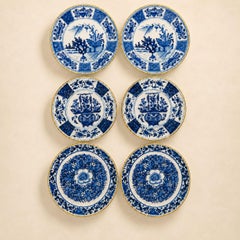
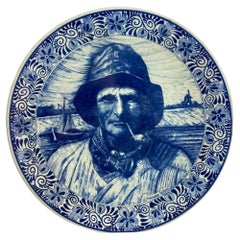
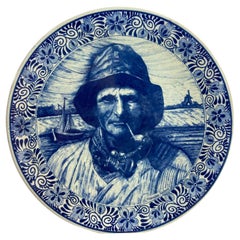
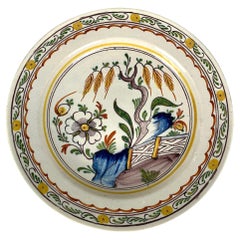
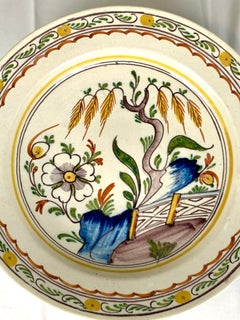
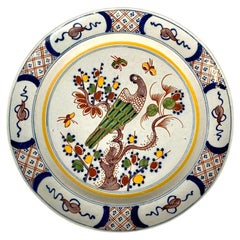
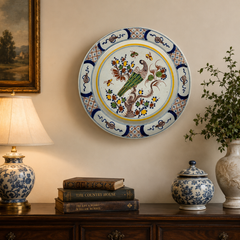
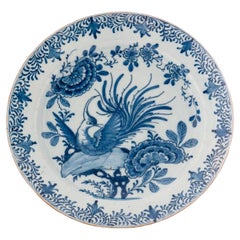
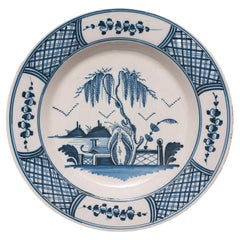
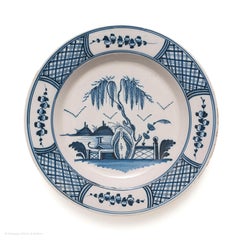
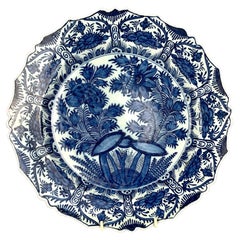
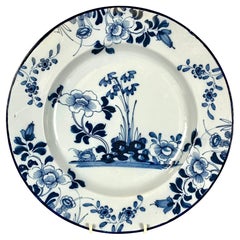
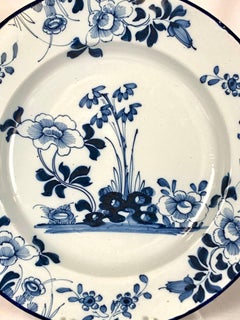
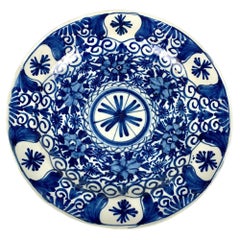
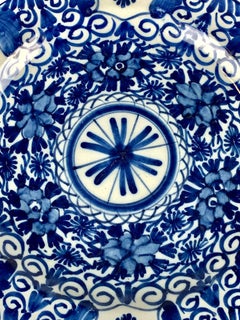
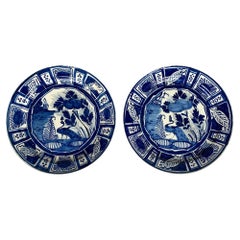
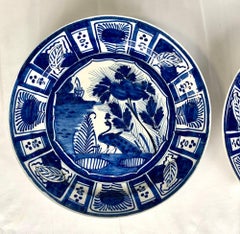
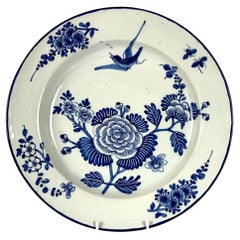
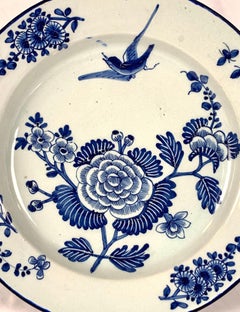
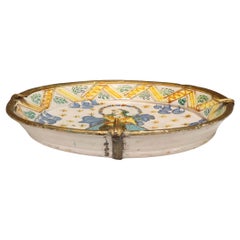
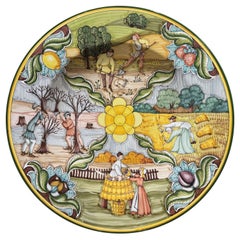
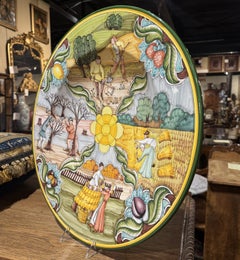
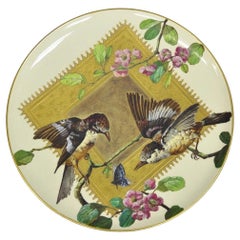
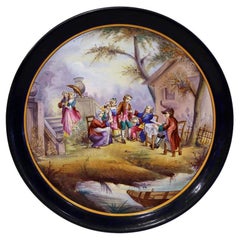
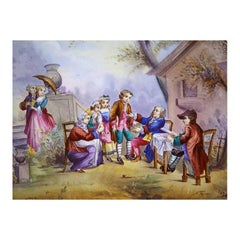
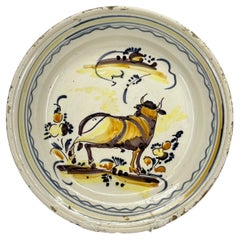
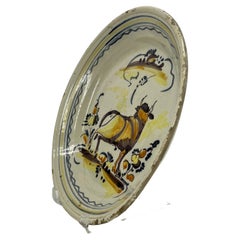
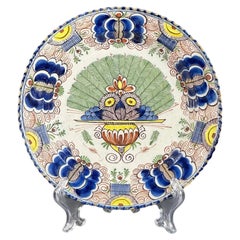
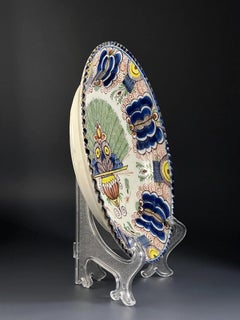
With a vast inventory of beautiful furniture at 1stDibs, we’ve got just the faience charger you’re looking for. A faience charger — often made from
ceramic,
earthenware and
delft — can elevate any home. There are 194 variations of the antique or vintage faience charger you’re looking for, while we also have 3 modern editions of this piece to choose from as well. Your living room may not be complete without a faience charger — find older editions for sale from the 18th Century and newer versions made as recently as the 21st Century. Each faience charger bearing
Rococo,
Neoclassical or
Baroque hallmarks is very popular. A well-made faience charger has long been a part of the offerings for many furniture designers and manufacturers, but those produced by
The Claw,
Delft and
The Axe are consistently popular.
A faience charger can differ in price owing to various characteristics — the average selling price 1stDibs is $1,768, while the lowest priced sells for $475 and the highest can go for as much as $17,400.
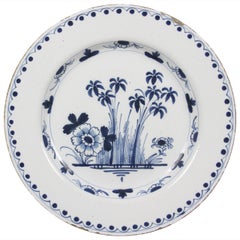
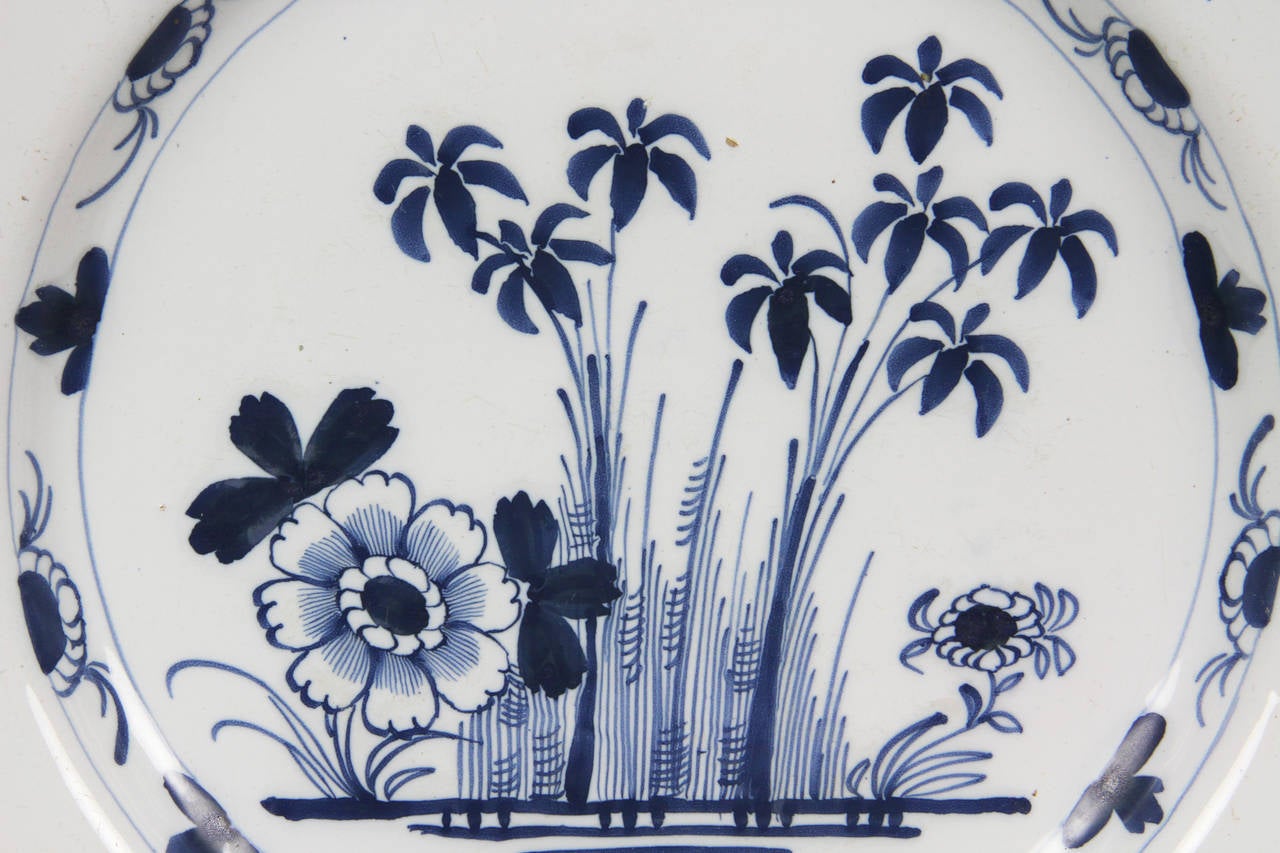
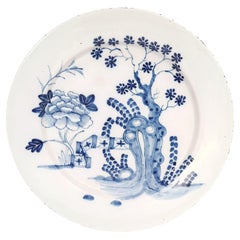
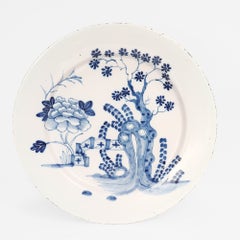
The unique graceful design and classic style of antique Delft pottery and faience make these pieces an exceptional addition to any dining room.
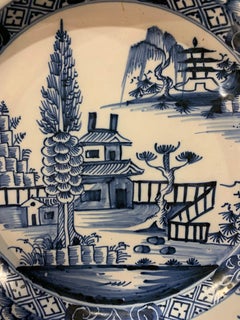
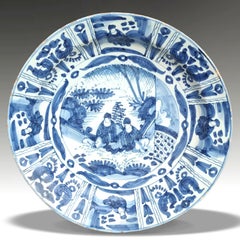
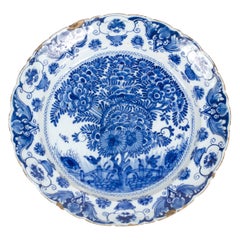
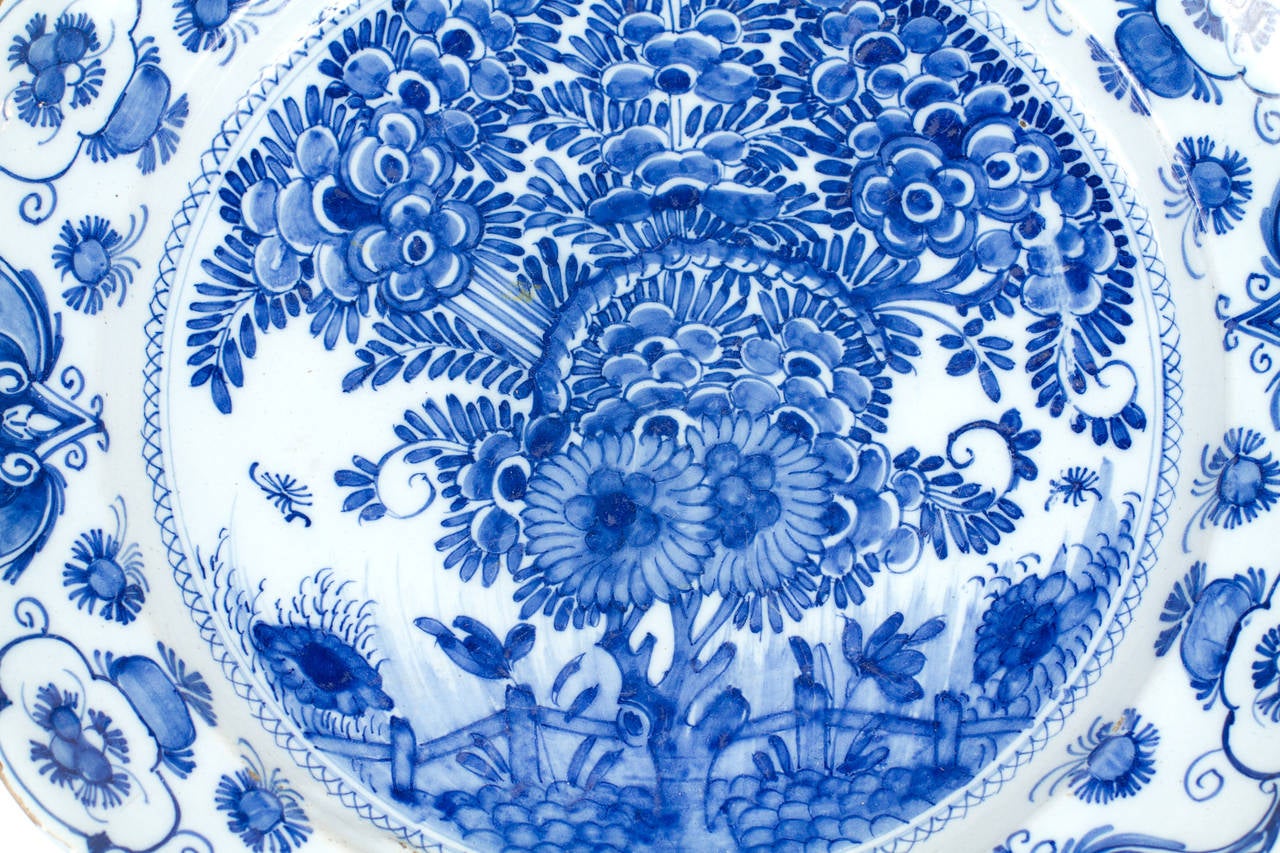
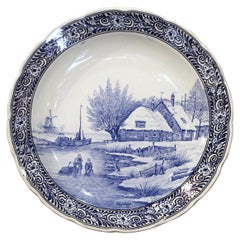
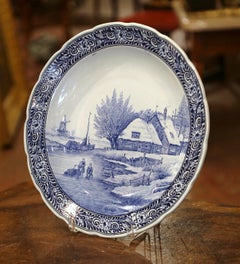
The popularity of the blue-and-white porcelain developed in 14th-century China inspired Delft and faience pottery in Europe. The global expansion of trade through the Dutch East India Company led to the import of numerous examples of Chinese porcelain, resulting in the creation of Dutch Delftware, which is the term generally used to describe the tin-glazed earthenware that Dutch potters used. There were other imitations of Chinese porcelain produced by ceramicists throughout Europe, but Delftware was the most successful. This iconic tradition — the subject of a 2020 exhibition at the Kunstmuseum den Haag — resembled Chinese porcelain but was more affordable.
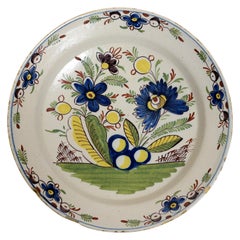
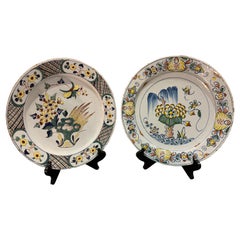
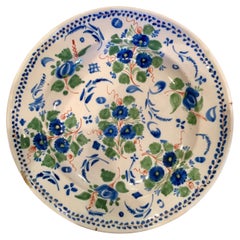
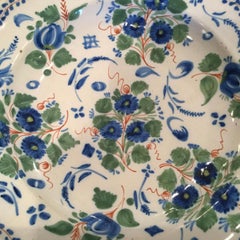
True blue Delftware originates only from a single location: Delft in the Netherlands. These precious pieces pair well with French faience. Unlike Delft plates, Delft vases and other pieces of Delftware, French faience utilizes a lead-and-tin glaze. This earthenware has roots in late-16th-century France. French Provincial Delft and faience tend to feature snow-white lacquered surfaces with colorful painted images or floral designs.
In terms of elegance and versatility, Baroque Delft and faience always impress. The most extravagant and boldly hued pieces are Rococo Delft and faience. Plates, tureens and other objects made in this style are frequently ornate and intricately decorated, making them ideal for display. Modern Dutch design masters often incorporate vintage decor into their contemporary designs, and Delftware items are a popular choice.
Browse antique Delft pottery and faience now on 1stDibs.