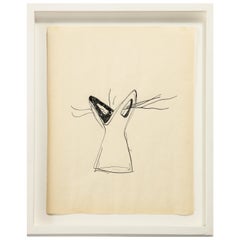
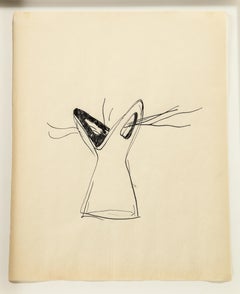
Gio Ponti Sketch "Disegni per Vasi Incrociatifor", Italy 1950
By Gio Ponti
Located in New York, NY
A wonderfully whimsical concept drawing of a vase. Authentication papers from the Gio Ponti
Category
Vintage 1950s Italian Drawings
Materials
Paper
Gio Ponti Sketch "Disegni per Vasi Incrociatifor", Italy 1950
By Gio Ponti
Located in New York, NY
A wonderfully whimsical concept drawing of a vase. Authentication papers from the Gio Ponti
Paper
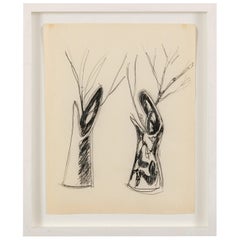
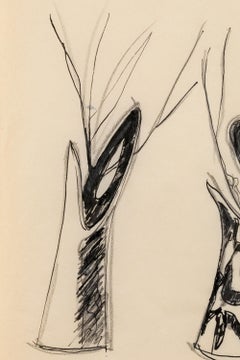
Gio Ponti Sketch "Disegni per Vasi Incrociatifor", Italy, 1950
By Gio Ponti
Located in New York, NY
A wonderfully whimsical concept drawing of two vases. Authentication papers from the Gio Ponti
Paper
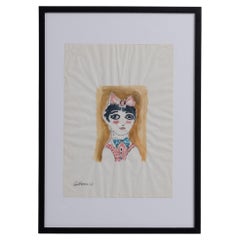
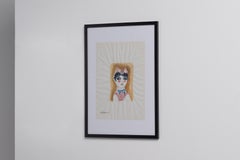
Gio Ponti portrait drawing of a girl Italy 1950s
By Gio Ponti
Located in Roosendaal, Noord Brabant
This original Gio Ponti sketch, created in the 1950s as a portrait of a girl for a terracotta
Paper
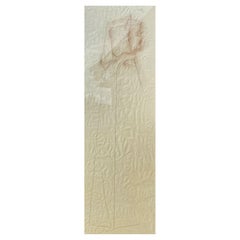
Large Original Hand Drawn Pencil Sketch of 'the Philosipher
By Gio Ponti
Located in Little Burstead, Essex
the Great Gio Ponti. It was a sketch which was part of the preperatory work for the interior of
Paper
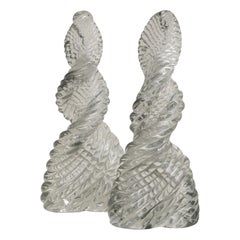
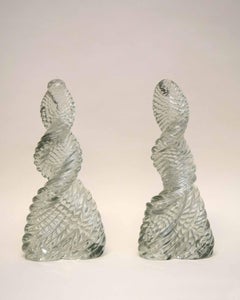
Pair of Venini Torqued Obelisks
By Carlo Scarpa
Located in New York, NY
Around 1930 Gio Ponti gave Paolo Venini some sketches for glass obelisks. Shortly thereafter Carlo
Glass
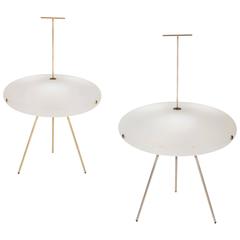
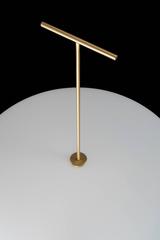
1957 Luna Lamp by Gio Ponti, never produced before
By Gio Ponti
Located in Munich, Bavaria
Tato Italia following Gio Ponti´s sketches and technical specifications. This project was developed
Brass, Steel
Sold
H 15.75 in W 38.98 in D 25.2 in
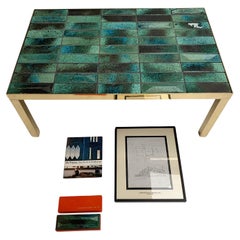
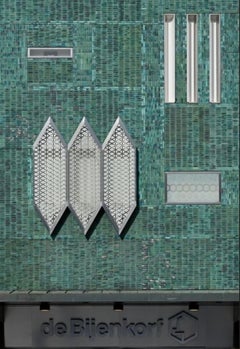
Gio Ponti Ceramic Tile Exterior Wall Panel from 'De Bijenkorf' Netherlands 1964
By Gio Ponti
Located in bergen op zoom, NL
March 1969 United with the original Gio Ponti sketch from 21-10-1964 for the building commissioned by
Brass
Gio Ponti Concept Panel Sketch, Italy 1950s
By Gio Ponti
Located in New York, NY
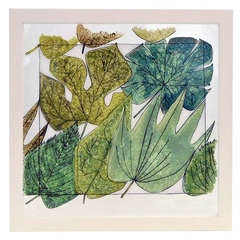
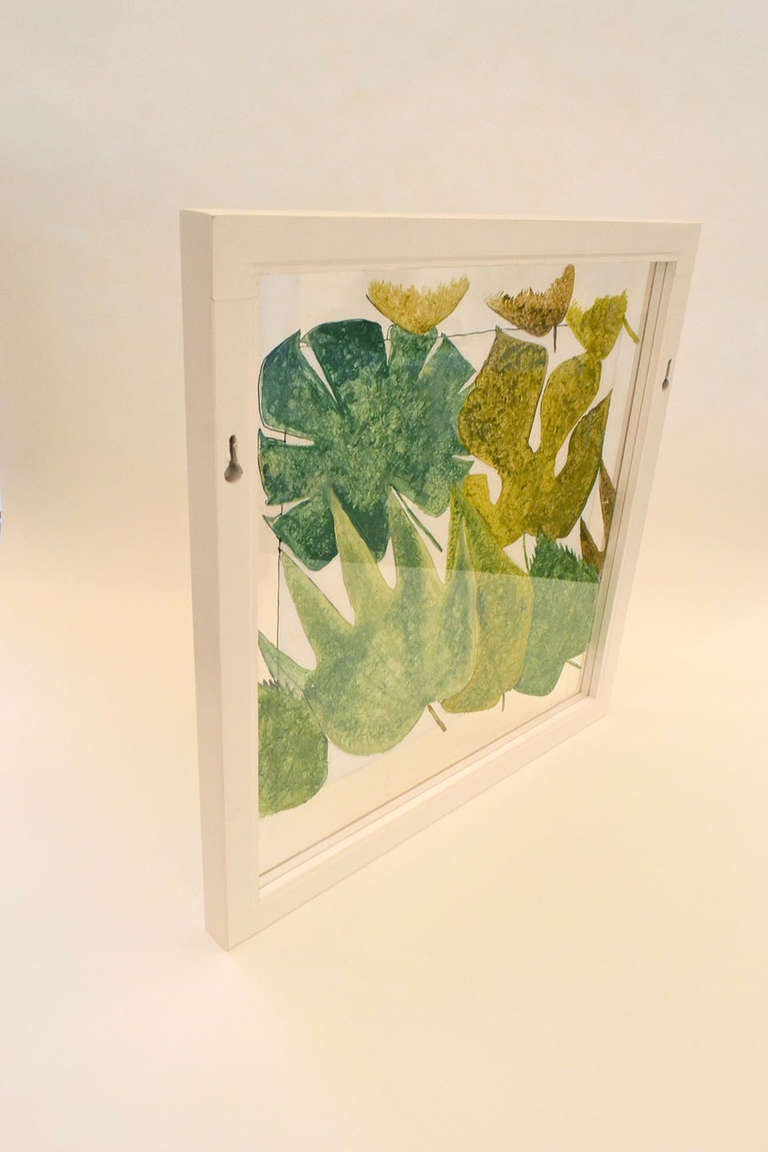
An incredibly rare sketch of leaves by Gio Ponti. Most likely this was made as a sample
Lucite
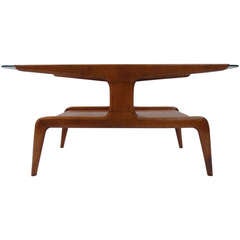
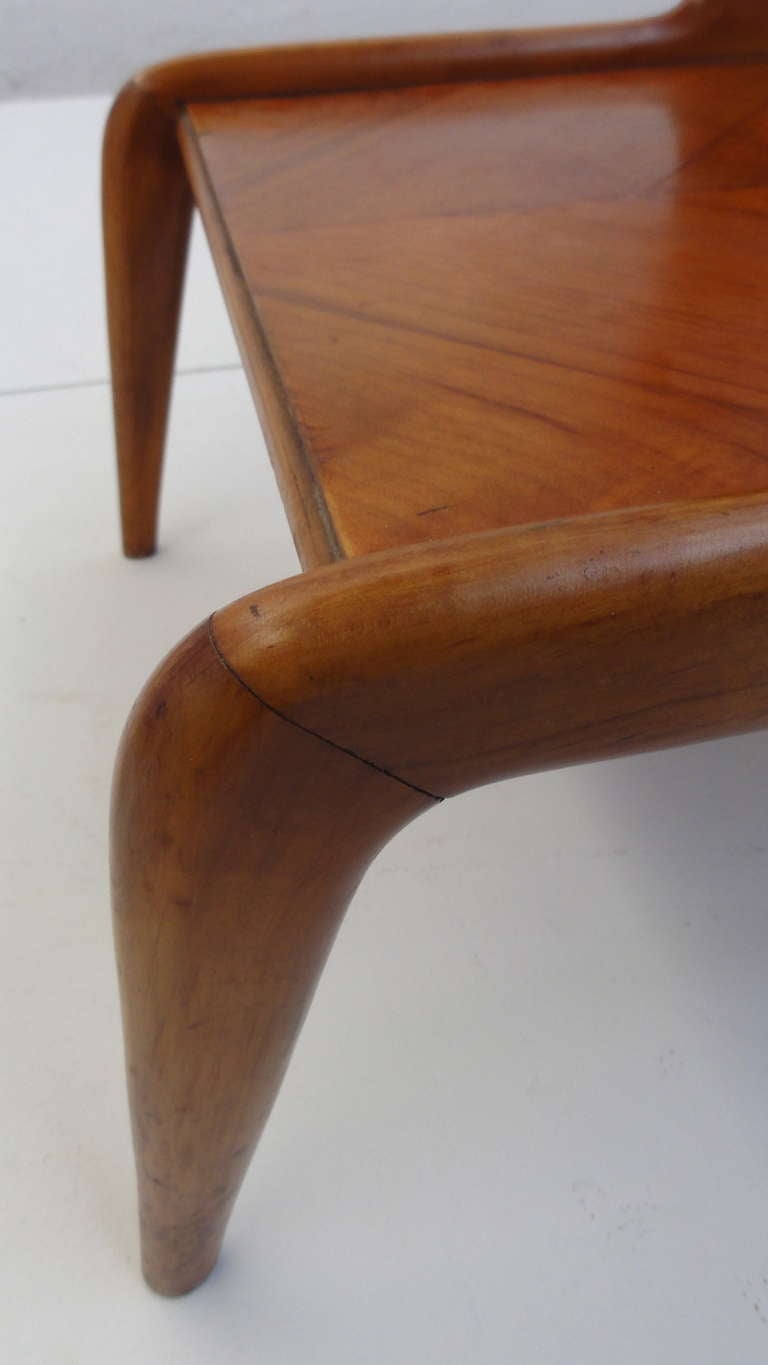
Domus Nova 2 Trier Coffee Table Attributed to Gio Ponti
By Gio Ponti
Located in bergen op zoom, NL
Christies London for $7000 in 2012 1 photo shows a sketch from Gio Ponti with a reminiscent design
Walnut
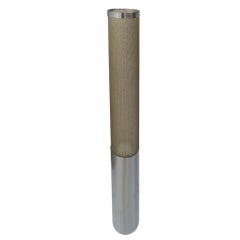
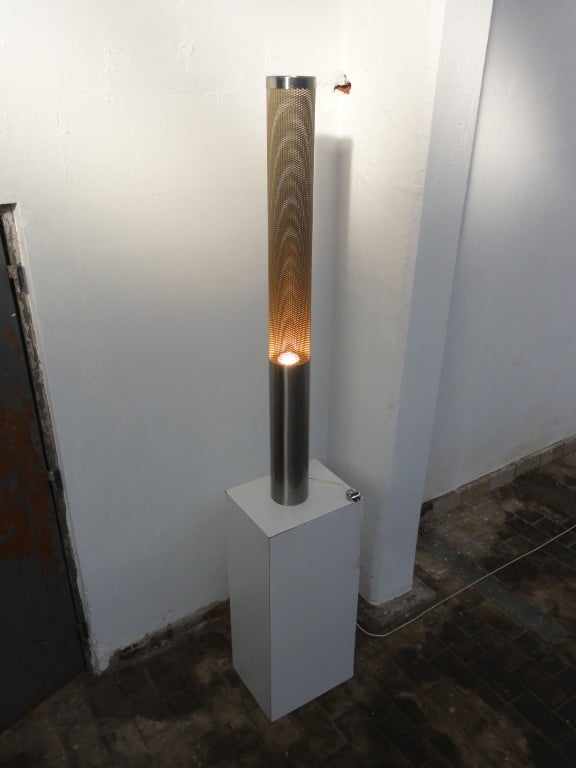
Important, GIO PONTI, Totem floor lamp, 1973, original label and published
By Gio Ponti
Located in bergen op zoom, NL
Pietra,Milan 1995, pages. 382-83, fig. 791 and sketches – Gio Ponti. please see image 4 for scan of page
Aluminum, Stainless Steel
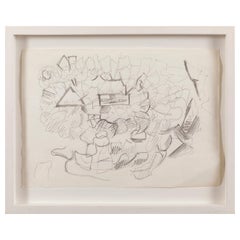

Gio Ponti Sketch of a City Plan, Italy, 1960s
By Gio Ponti
Located in New York, NY
A sketch of a city plan based on his triangular plan philosophy. Authentication papers from the Gio
Paper
$1,155Sale Price / item|30% Off
H 16.1 in Dm 11.5 in
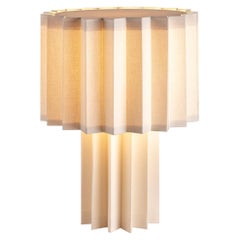
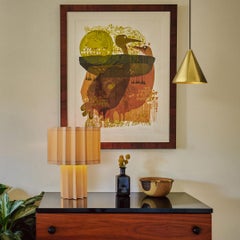
'Plissé White Edition' Pleated Textile Table Lamp by Folkform for Örsjö
By Örsjö Industri AB
Located in Glendale, CA
'Plissé White Edition' pleated textile table lamp by Folkform for Örsjö. This unique table lamp was awarded “Lighting of the Year 2022” by Residence Magazine Sweden, who called it “...
Textile
An architect, furniture and industrial designer and editor, Gio Ponti was arguably the most influential figure in 20th-century Italian modernism.
Ponti designed thousands of furnishings and products — from cabinets, mirrors and chairs to ceramics and coffeemakers — and his buildings, including the brawny Pirelli Tower (1956) in his native Milan, and the castle-like Denver Art Museum (1971), were erected in 14 countries. Through Domus, the magazine he founded in 1928, Ponti brought attention to virtually every significant movement and creator in the spheres of modern art and design.
The questing intelligence Ponti brought to Domus is reflected in his work: as protean as he was prolific, Ponti’s style can’t be pegged to a specific genre.
In the 1920s, as artistic director for the Tuscan porcelain maker Richard Ginori, he fused old and new; his ceramic forms were modern, but decorated with motifs from Roman antiquity. In pre-war Italy, modernist design was encouraged, and after the conflict, Ponti — along with designers such as Carlo Mollino, Franco Albini, Marco Zanuso — found a receptive audience for their novel, idiosyncratic work. Ponti’s typical furniture forms from the period, such as the wedge-shaped Distex chair, are simple, gently angular, and colorful; equally elegant and functional. In the 1960s and ’70s, Ponti’s style evolved again as he explored biomorphic shapes, and embraced the expressive, experimental designs of Ettore Sottsass Jr., Joe Colombo and others.
Ponti's signature furniture piece — the one by which he is represented in the collections of the Museum of Modern Art in New York, Germany’s Vitra Design Museum and elsewhere — is the sleek Superleggera chair, produced by Cassina starting in 1957. (The name translates as “superlightweight” — advertisements featured a model lifting it with one finger.)
Ponti had a playful side, best shown in a collaboration he began in the late 1940s with the graphic artist Piero Fornasetti. Ponti furnishings were decorated with bright finishes and Fornasetti's whimsical lithographic transfer prints of things such as butterflies, birds or flowers; the Montreal Museum of Fine Arts possesses a 1950 secretary from their Architetturra series, which feature case pieces covered in images of building interiors and facades. The grandest project Ponti and Fornasetti undertook, however, lies on the floor of the Atlantic Ocean: the interiors of the luxury liner Andrea Doria, which sank in 1956.
Widely praised retrospectives at the Queens Museum of Art in 2001 and at the Design Museum London in 2002 sparked a renewed interest in Ponti among modern design aficionados. (Marco Romanelli’s monograph, which was written for the London show, offers a fine overview of Ponti’s work.) Today, a wide array of Ponti’s designs are snapped up by savvy collectors who want to give their homes a touch of Italian panache and effortless chic.
Find a range of vintage Gio Ponti desks, dining chairs, coffee tables and other furniture on 1stDibs.
The Brooklyn-based designer is adept at styles ranging from austere to over-the-top, espousing an architectural, detail-oriented approach also evident in his line of furniture and lighting.
A blockbuster exhibition at the Musée des Arts Décoratifs shows the work of the modernist master in a brilliant new light.
The iconic mid-century estate outside of Milan opens its doors to the public for a very special homage.
A Spanish Colonial Revival gem in the heart of Santa Barbara has been reborn as a luxurious new boutique hotel.
The Antwerp-based designer lends his unique touch to homes, boutiques and offices in Belgium, the United States and Germany, as well as furniture for B&B Italia and Molteni.