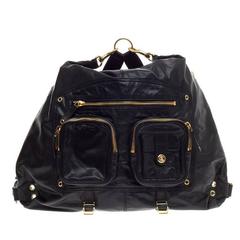
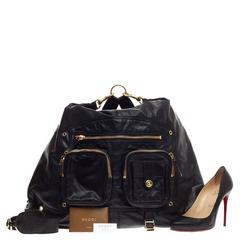
Gucci Darwin Convertible Backpack Leather Large
By Gucci
Located in NY, NY
This authentic Gucci Darwin Convertible Backpack Leather Large released in the brand's 2009
Category
Gucci Darwin Convertible Backpack Leather Large
By Gucci
Located in NY, NY
This authentic Gucci Darwin Convertible Backpack Leather Large released in the brand's 2009
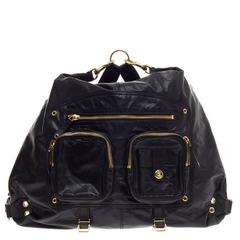
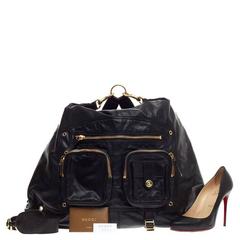
Gucci Darwin Convertible Backpack Leather Large
By Gucci
Located in NY, NY
This authentic Gucci Darwin Convertible Backpack Leather Large released in the brand's 2009
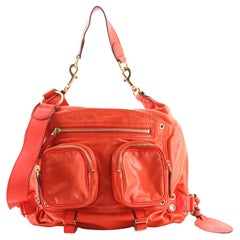
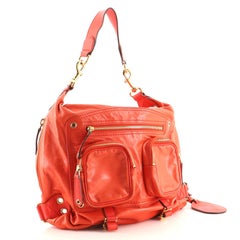
Gucci Darwin Convertible Backpack Leather Medium
By Gucci
Located in NY, NY
", Height 12", Width 14", Depth 2", Strap Drop 10-11.5" Designer: Gucci Model: Darwin Convertible Backpack
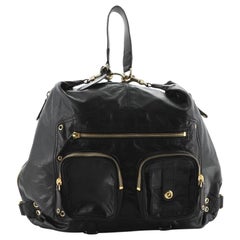
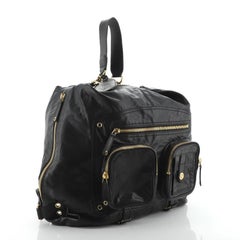
Gucci Darwin Convertible Backpack Leather Large
By Gucci
Located in NY, NY
", Height 18", Width 18", Depth 1", Strap Drop 14-16" Designer: Gucci Model: Darwin Convertible Backpack
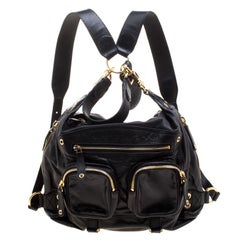

Gucci Black Leather Medium Darwin Convertible Backpack
By Gucci
Located in Dubai, Al Qouz 2
To accompany all your casual outings in the most fashionable way, Gucci brings you this Darwin
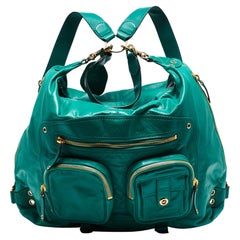

Gucci Green Leather Large Darwin Convertible Backpack
By Gucci
Located in Dubai, Al Qouz 2
Add some elevation to your everyday attire with this super stylish backpack. The Gucci creation is
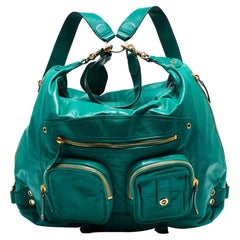

Gucci Green Leather Large Darwin Convertible Backpack
By Gucci
Located in Dubai, Al Qouz 2
Add some elevation to your everyday attire with this super stylish backpack. The Gucci creation is
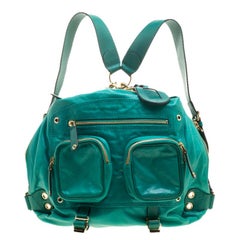

Gucci Green Leather Medium Darwin Convertible Backpack Bag
By Gucci
Located in Dubai, Al Qouz 2
Say hi to two new looks with just one piece! This backpack from the house of Gucci features a smart
Long before trend-bucking creative director Alessandro Michele brought his hallucinatory “Utopian Fantasy” campaign to Gucci, it was a modest Italian leather shop. Today, it’s an internationally renowned luxury house with an iconic logo, and vintage Gucci clothing, handbags and shoes are among high fashion's most covetable goods.
Guccio Gucci (1881–1953) admired the stylish suitcases he saw wealthy guests arrive with at the Savoy Hotel in London, where he worked as a bellhop. So, in 1921, after a stint at Franzi, a luggage company in his hometown of Florence, he opened a leather goods shop of his own.
At first, Gucci’s Florence business specialized in equestrian accessories. But as its reputation flourished, particularly among the English aristocracy, so too did its footprint. In 1938, he brought three of his sons — Aldo, Vasco and Rodolfo — into the business and expanded it to Rome and later Milan. In the mid-1930s, a League of Nations embargo against Italy pushed Gucci to experiment with alternatives to imported leather. Its woven hemp fabric from Naples, adorned with the brand’s signature diamond print, was a hit, especially among A-list celebrities. The material was first used on suitcases before finding enduring popularity on handbags. (No list of revered designer purses would be complete without Gucci.)
In the 1950s, Elizabeth Taylor carried one of Gucci’s bamboo-handled tote bags, another adaptation to material rationing. After Jackie Kennedy was seen sporting a slouchy Gucci tote in 1961, it was renamed for the First Lady. Then Grace Kelly, on a visit to the boutique in Milan, inspired Rodolfo Gucci to work with Italian illustrator and Gucci textile designer Vittorio Accornero on the Flora print in 1966. Taking cues from Sandro Botticelli’s Primavera, with its pattern of flora and insects, it was painted entirely by hand and featured no fewer than 37 colors.
In 1953, just 15 days after opening his first store on New York’s 5th Avenue, Guccio passed away at 72. The early 1970s saw store openings in Tokyo and Hong Kong, but by the late 1980s, Gucci was floundering. Rodolfo Gucci took charge in 1982, but family drama and lawsuits ensued. In 1993, Rodolfo’s son, Maurizio, transferred his shares in the company to Investcorp, ending the family’s involvement in Gucci. Dawn Mello, then-president of Bergdorf Goodman, joined as creative director in 1989. But it was Tom Ford, who took over as creative director in 1994, who ultimately revived the brand.
Ford’s racy ads, shot by photographers such as Mario Testino, stirred controversy. And his potent vision of sexed-up femininity — with “jewel-toned satin shirts unbuttoned to there,” as Vogue described his breakthrough 1995 runway show — was wildly successful. The new millennium brought new ownership — Pinault Printemps Redoute in 2004 — and a more toned-down vision from Frida Giannini, who became sole creative director in 2006. Alessandro Michele was named creative director in 2015, and the storied brand took a giant leap forward.
Find vintage Gucci clothing and accessories on 1stDibs.
Vintage and designer backpacks do more than carry our books, notebooks, electronic devices and other possessions to and fro. They are also a reflection of personal taste and style. Whether it’s an understated solid color — black backpacks will remain forever timeless — or it’s emblazoned with a dazzling graphic pattern or an iconic fashion house’s logo, a backpack makes a statement.
In 1908, decades before the JanSports and Eastpaks of the world materialized, Norwegian Ole Bergan crafted the first backpack, whittling and shaping a juniper branch to support a robust canvas rucksack on his back. Twenty-five years later, the patent on Bergan’s wildly convenient and functional accessory expired, and backpacks became popular with hikers, campers and other outdoor enthusiasts as other designers and companies scrambled to develop their own iterations. During the late 1930s, the first zippered backpack appeared — for students, it was a significant improvement over carrying their books with a leather belt.
Some designer backpacks are sleek and sporty, while others attract attention with flashy brass hardware and a textured exterior flap. While the innumerable handbag lovers of our modern times continue to gravitate toward iconic labels — classic bags still rule — today’s shoppers are savvier and have a wider range of shopping options. Backpacks designed by universally renowned brands such as Gucci, Dior and Burberry are similarly alluring when it comes to finding the perfect carryall.
Heavy-duty nylon backpacks or those made with polyester are likely the most common, but many alternatives can be found in canvas, leather and suede. The best backpack for you might be one that is modest in size and discreet, and thus ideal for carrying a few items. If that sounds like what you need, explore crossbody bags and messenger bags, as they’re a bit easier to access and you don’t have to remove the bag to get to its contents. Others may seek a bag that is spacious enough to fit all of the supplies for an overnight hike, in which case, a sturdy, structured backpack might be a better fit.
Whether it is for fashion, function or both, there is a backpack suited to every individual. Find yours in the extensive collection of vintage and designer backpacks on 1stDibs.
Created during Alessandro Michele's tenure at the brand, this sparkling, whimsical minaudière feels just right for a night out.
When the name of a bag is as well-known as its brand, you know it's a classic.