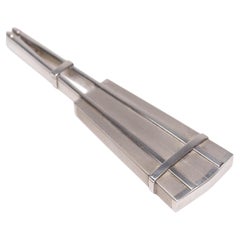
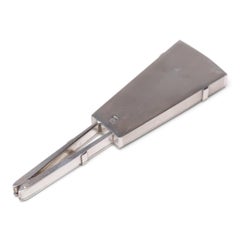
Japanese Silver Fan-Form Box
Located in Chicago, IL
This lovely silver box exemplifies Japanese refinement in all crafts. Precious in the hand, the
Category
20th Century Japanese Metalwork
Materials
Silver
Japanese Silver Fan-Form Box
Located in Chicago, IL
This lovely silver box exemplifies Japanese refinement in all crafts. Precious in the hand, the
Silver
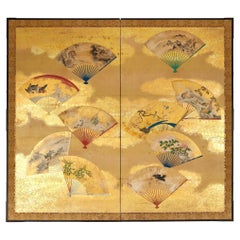

Japanese Two Panel Screen: Fans
Located in Hudson, NY
Old Fans mounted on a two panel screen of Gold Clouds. Mineral pigments and gold on mulberry paper
Gold
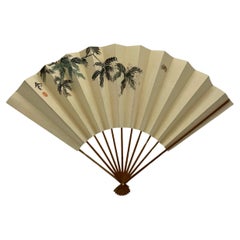
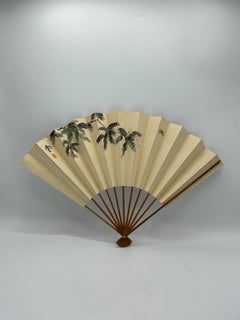
Japanese Bamboo and Paper Fan Printed 1980s
Located in Paris, FR
This is a fan which was made in Japan around 1980s in Showa era. This is made with a paper and
Bamboo, Paper
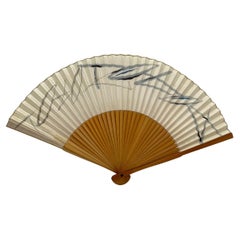
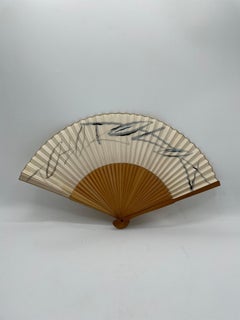
Japanese Bamboo and Paper Fan Leaves Design 1980s
Located in Paris, FR
This is a fan which was made in Japan around 1980s in Showa era. This is made with a paper and
Paper
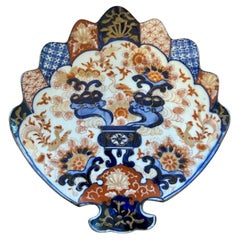
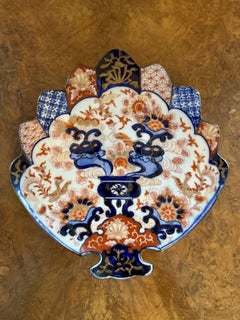
Fine quality unusual antique Japanese imari fan shaped plate
Located in Ipswich, GB
Fine quality unusual antique Japanese imari fan shaped plate, having a fine quality unusual fan
Ceramic
$2,725 / set
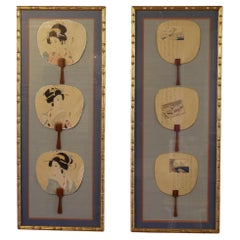
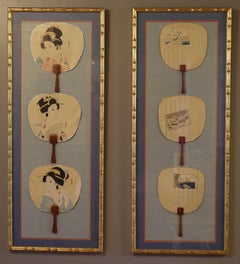
Antique 19th Century Framed Japanese Silk Fans
Located in Norton, MA
Antique 19th century Framed Japanese Silk Fans comprising two attractively framed Japanese silk
Silk, Wood
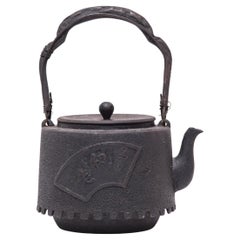
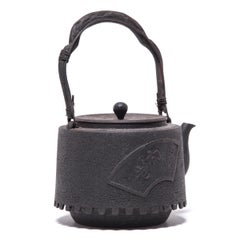
“Fanning the Fire” Japanese Tetsubin Kettle, c. 1924
Located in Chicago, IL
Decorated with a raised fan motif, this aptly named teapot was used to boil water for traditional
Iron
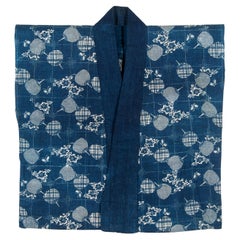
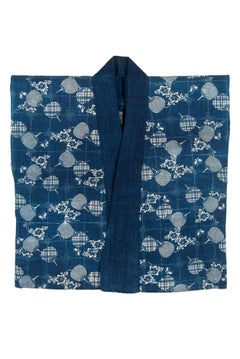
Antique Japanese Stencil-Dyed Han-Juban With Fan Motif
Located in Point Richmond, CA
Antique Japanese Stencil-Dyed Han-Juban With Fan Motif Han-juban are short, waist length garments
Cotton
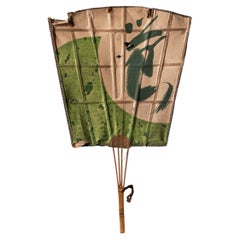
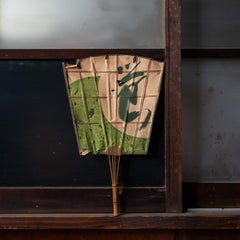
Vintage Japanese Bamboo and Paper ''Uchiwa'' Fan, 20th Century
Located in Edogawa-ku Tokyo, JP
A rare example of a traditional Japanese uchiwa fan, featuring a bold green and cream graphic
Bamboo, Paper
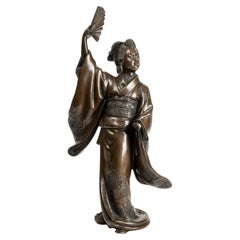

A Japanese bronze sculpture depicting a dancer with fan
Located in Milano, IT
A Japanese okimono bronze (sculpture) depicting a dancer holding a fan, inspired by the Nihon Buyō
Bronze
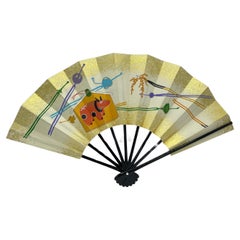
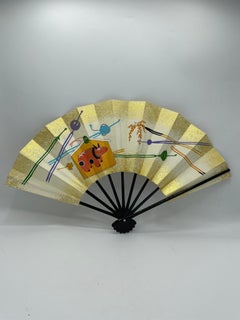
Japanese Paper Fan Akabeko and Kanzashi printed 1980s Showa
Located in Paris, FR
This is a fan which was made in Japan around 1980s in Showa era. This material is Paper and wood
Cotton, Wood, Paper
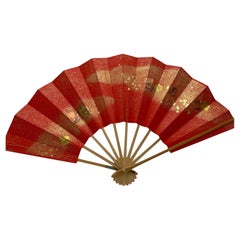
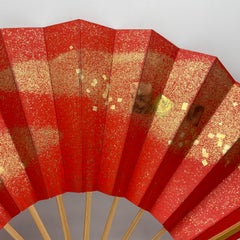
Japanese Red Bamboo and Paper Fan with Gold Reversible 1990s
Located in Paris, FR
This is a Japanese fan with gold and red and made with a paper and bamboos. Both side has same
Bamboo, Paper

Fan. Portrait of a girl, impressionism, vertical, beauty, Japan
Located in Oslo, NO
status. The fan was also considered an amulet in Japan, bringing good luck and prosperity. The artist
Canvas, Oil
$185Sale Price|30% Off
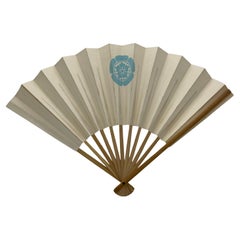
Japanese Paper Fan with Bamboo and Family Crest Odamokko 1990s
Located in Paris, FR
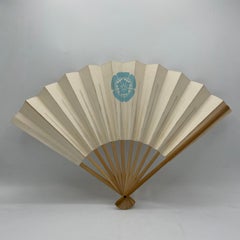
This is a paper fan with bamboo which was made in Japan around 1990s. In the middle, there is a
Bamboo, Paper
Japan – Geisha Girl with Fan – Hand-colored albumen print
By Baron Raimund von Stillfried
Located in Middletown, NY
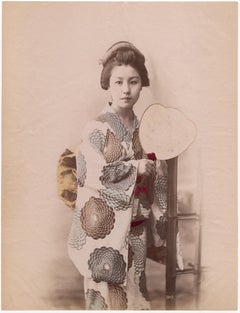
Yokohama, Japan: c 1885. Hand-tinted albumen print, 10 1/2 x 8 inches (268 x 204 mm), hand-numbered
Watercolor, Photographic Paper
Large Antique 18 inch Japanese Cloisonne Enamel Charger with Fans
Located in Long Island City, NY
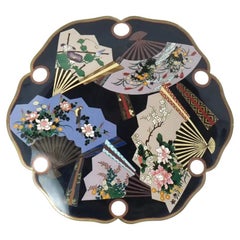
An antique Japanese, late Meiji era, enamel over gilt copper plate. The interior of the plate is
Enamel, Copper
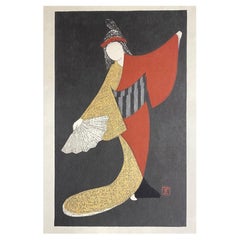
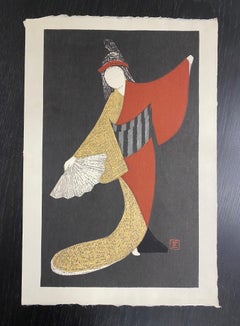
Kaoru Kawano Japanese Woodblock Print Dancer Figure with Fan 'Mai Ogi'
By Kaoru Kawano
Located in Studio City, CA
. Would make for a great addition to any Japanese art and print collection or stand-out accent work in
Paper
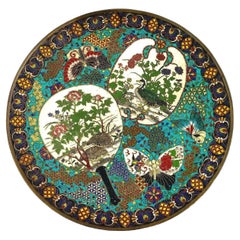
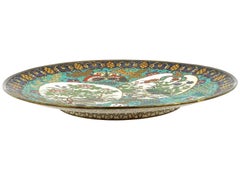
Antique Meiji Japanese Cloisonne Enamel Fan Butterfly Geometric Pattern Plate
Located in Long Island City, NY
An antique Japanese plate adorned with a polychrome cloisonne enamel design. The front side is
Enamel
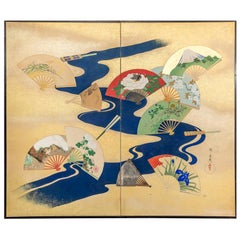

Japanese Two-Panel Screen, Deco Landscape with River Fans
Located in Hudson, NY
Japanese two-panel screen, deco landscape with river fans. Modern scene of a 12th century festival
Gold Leaf
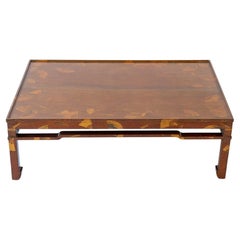
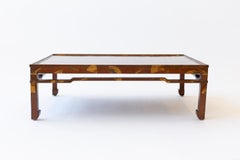
19th century Japanese Lacquer Zataku (low table) with Scattered fan Motif
Located in New York, NY
This Japanese antique low table features a scattered fan motif and is a type of zataku (low table
Gold Leaf
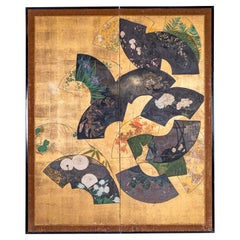
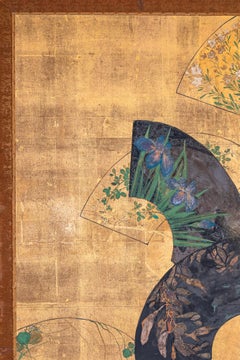
Japanese Two Panel Screen: Painted Fans on Gold Leaf
Located in Hudson, NY
Mineral pigments on gold leaf with brocade border. Calligraphy and sketching on back paper.
Gold Leaf
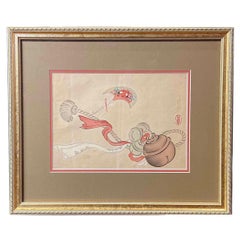
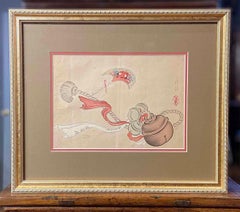
19th Century Japanese Woodblock Print Depicting a Ceremonial Tassel and Fan
Located in Yonkers, NY
An antique Japanese woodblock print from the 19th century depicting a ceremonial tassel. Created in
Glass, Wood, Paint, Paper
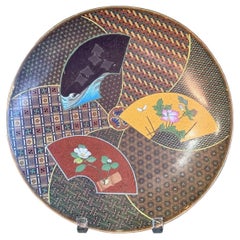
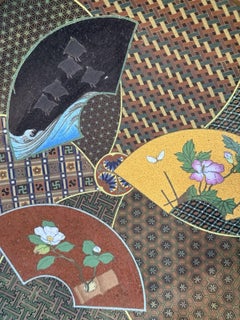
Fine Japanese Cloisonne Enamel Fan Design Plate with Tokugawa Mon by Goto
Located in Long Island City, NY
A refined Japanese cloisonne enamel plate by Goto Seizaburo, one of the most distinctive enamel
Enamel
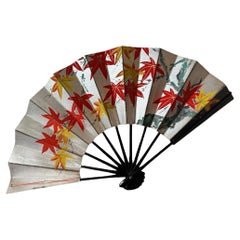
Double-Sided Japanese Fan — Edo Period, Hand-Painted on Silver Leaf Paper
Located in Fukuoka, JP
Japan, Edo period (1603–1868) Size: 49 × 30 cm A magnificent double-sided Japanese folding fan
Wood, Paper
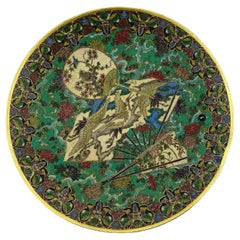
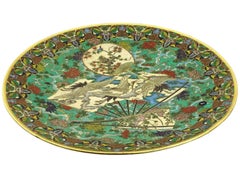
Antique High Quality Meiji Japanese Cloisonne Enamel Plate With Owl Cranes Fan
Located in Long Island City, NY
An antique Japanese Meiji era enamel over brass charger plate. The plate is superbly enameled with
Enamel, Brass
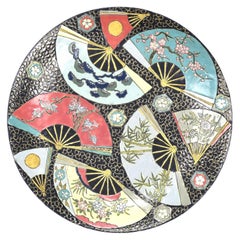
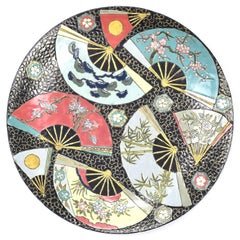
Large Meiji Imari Charger with Famille Noir Fan Motifs, Japan, 19th Century
Located in Bad Säckingen, DE
This magnificent large Japanese charger dates to the Meiji period (1868–1912) and is a striking
Enamel

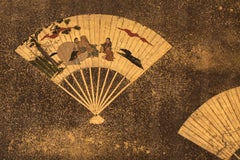
18th Century Japanese Two-Panel Screen Collection of Fans on Gold
Located in Hudson, NY
18th century Japanese Screen of a Collection of Fans. Paintings on fans depict famous Japanese
Gold Leaf
$569Sale Price|25% Off
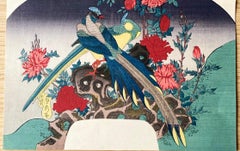
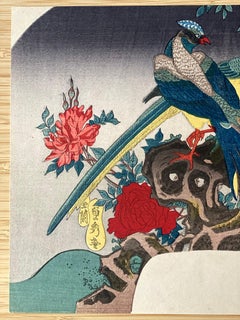
Authentic Japanese Woodblock Print-Birds and Flowers-Edo-Fan Re-carved 1920s
By Utagawa Sadahide
Located in London, GB
reproductions of the major prints in Japanese art, published in the 1920s by Nippon Gasui-Sha. The collection is
Handmade Paper, Ink


$1,734
Japanese girl with a fan, Impressionism, oil on canvas, ready display, interior
Located in Oslo, NO
young Japanese woman in a traditional kimono, gracefully holding a fan. Painted from life in a Munich
Canvas, Oil

$2,600
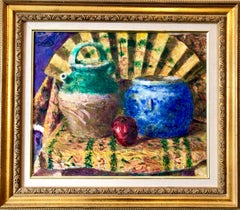
Japanese Fauvist Colorful Oil Painting Chinese Ceramic Jars with Fan and Apple
Located in Surfside, FL
Yoshio Aoyama (Japanese, 1894-1996) "Nature Morte". Oil on canvas. 1981. Signed 'Aoyama' (upper
Canvas, Oil
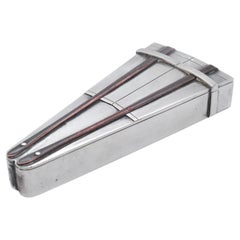
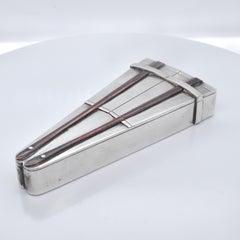
Signed Japanese Fan Shaped Mixed Metals / Silver Box Okimono by Miyamoto Shoko
Located in Philadelphia, PA
A very fine signed Japanese mixed metals okimono. In sterling silver with applied copper bands
Silver, Mixed Metal
$451Sale Price|25% Off
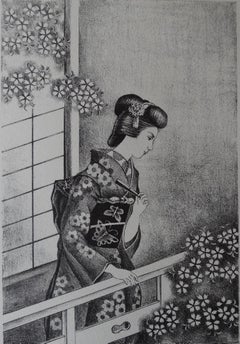
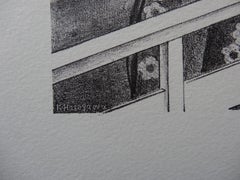
Japanese Woman with Fan - Stone lithograph, 1930 (Catalog Akio Uozu #522)
By Kiyoshi Hasegawa
Located in Paris, IDF
Kiyoshi HASEGAWA Japanese Woman with Fan, 1930 Original stone lithograph Printed signature in the
Lithograph
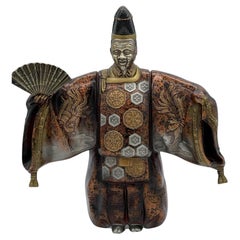
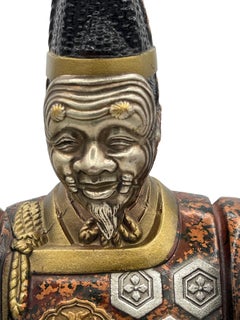
Japanese Painted Bronze of a Man w/ a Noh Mask of Okina & Holding Fan, Ca. 1900
Located in New York, NY
Japanese Painted Bronze of a Man Wearing a Noh Mask of Okina & Holding a Fan, Ca. 1900
Bronze
$2,540
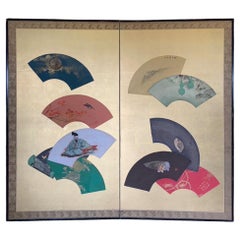
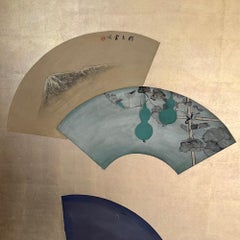
Taisho Golden Fan Screen
Located in Fukuoka, JP
exquisite two-panel Taisho screen adorned in gold, depicting fans adorned with various traditional Japanese
Gold Leaf
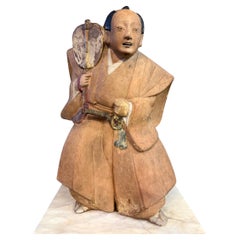
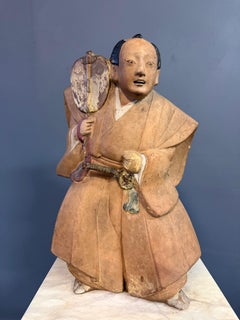
Early 19th Century Edo Period Japanese Polychrome Ceramic Samurai Figure w/ Fan
Located in Philadelphia, PA
A finely modeled Japanese ceramic figure depicting a samurai or martial attendant holding a gunbai
Clay
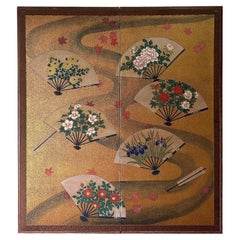
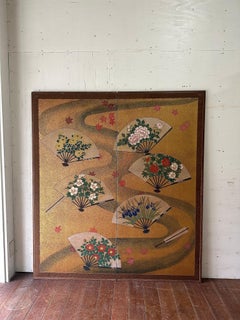
Dancing Fans of the Seasons
Located in Fukuoka, JP
In Japanese art, folding fans (ōgi) are symbols of prosperity and the unfolding path of life, as
Wood, Paper
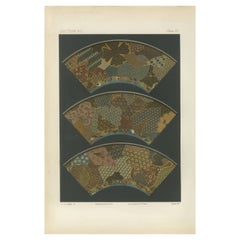
Intricate Patterns of Japanese Fan Design, from Audsley’s Decorative Art, 1884
Located in Langweer, NL
Title: Intricate Patterns of Japanese Fan Design – Plate IV from Section VII Description: This
Paper

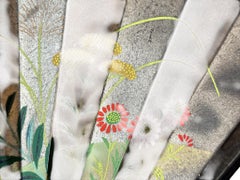
Double-Sided Samurai Fan — Edo Period, Hand-Painted on Gold and Silver Leaf Pape
Located in Fukuoka, JP
Japan, Edo period (1603–1868) Size: 49 × 30 cm A magnificent double-sided Japanese folding fan
Wood, Paper
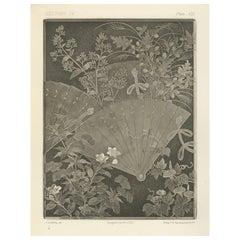
Japanese Fans and Floral Heliogravure Print by G. A. Audsley, Paris, c. 1880
Located in Langweer, NL
foreign motifs and its embrace of global artistic traditions. Collectors of Japanese art, fans of
Paper
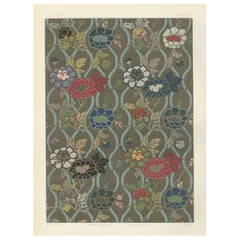
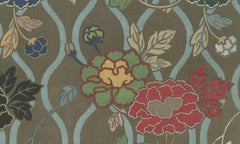
Japanese Floral Textile Pattern Print by G. A. Audsley, Paris, c. 1882
Located in Langweer, NL
century. Collectors of textile design, fans of Japanese art, or anyone with an appreciation for
Paper
Unavailable|$600
Japanese Fans
Located in Staten Island, NY
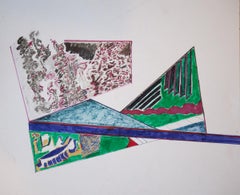
“Japanese Fans” from the delicately detailed Works on Paper Series by American artist Barbara Clark
Ink, Watercolor
Unavailable|$1,500
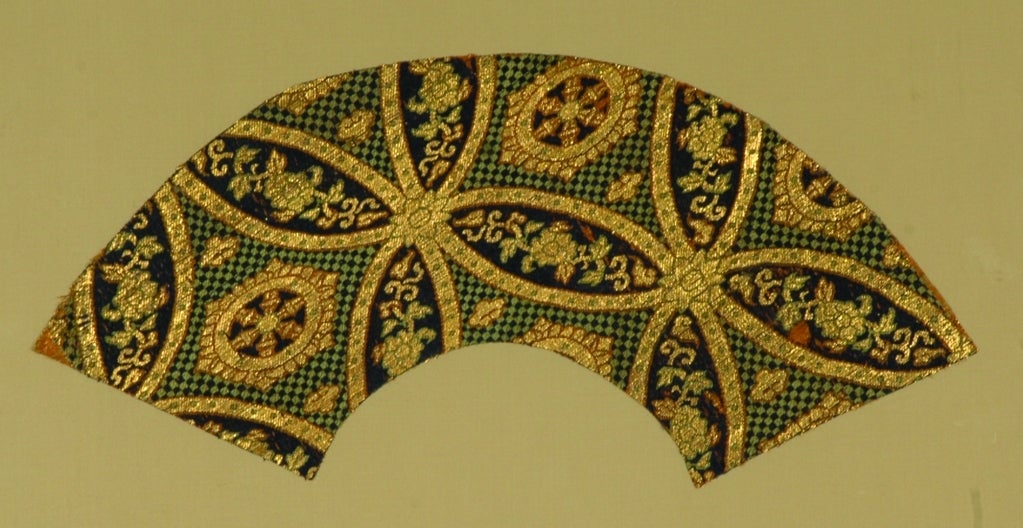
18th Century Japanese Fan
Located in New York, NY
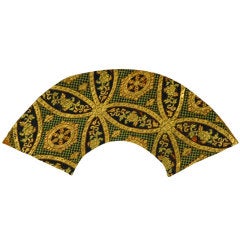
18th century Japanese Fan shaped fabric fragment
Silk
Unavailable|$2,288
Japanese Silk Fan, Meiji Era Japan
Located in Saverne, Grand Est
Precious silk fan painted with ink and embroidered, decorated with cranes in a lake landscape. The
Bone, Silk
Unavailable|$8,800
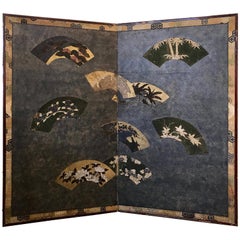
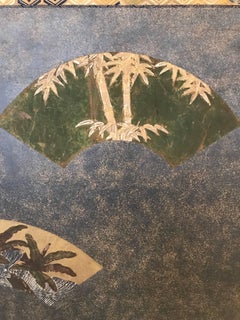
Japanese Two-Panel Screen with Fans
Located in New York, NY
A late 18th-early 19th century two panel screen with scattered fans. This screen has an interesting
Unavailable|$2,400 / set
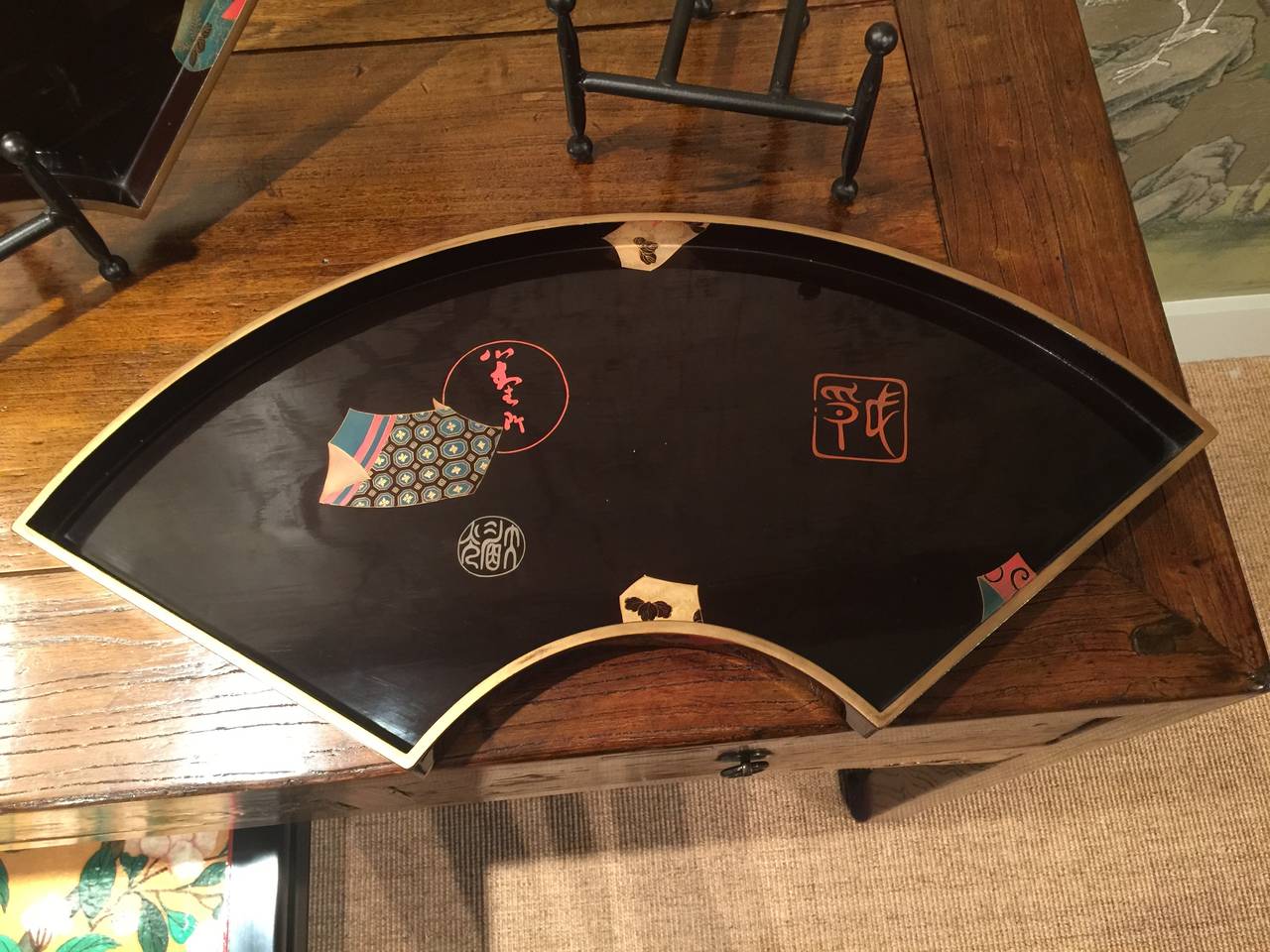
Pair of Large Japanese Lacquer Fan Trays
Located in New York, NY
A pair of lacquer trays, with stands. Scattered design on black lacquer background. Gold at edges. Stands included.
Wood
Unavailable|$711
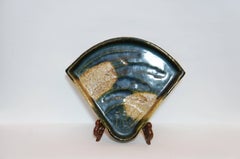
Japanese Dark Green Ceramic Oribe Ware Fan Plate, 1950s
Located in Paris, FR
This beautiful Oribe confectionary plate belonged to an antique collector in Owari, Japan (1904
Ceramic
Unavailable|$685
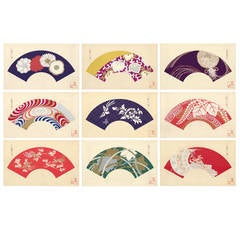
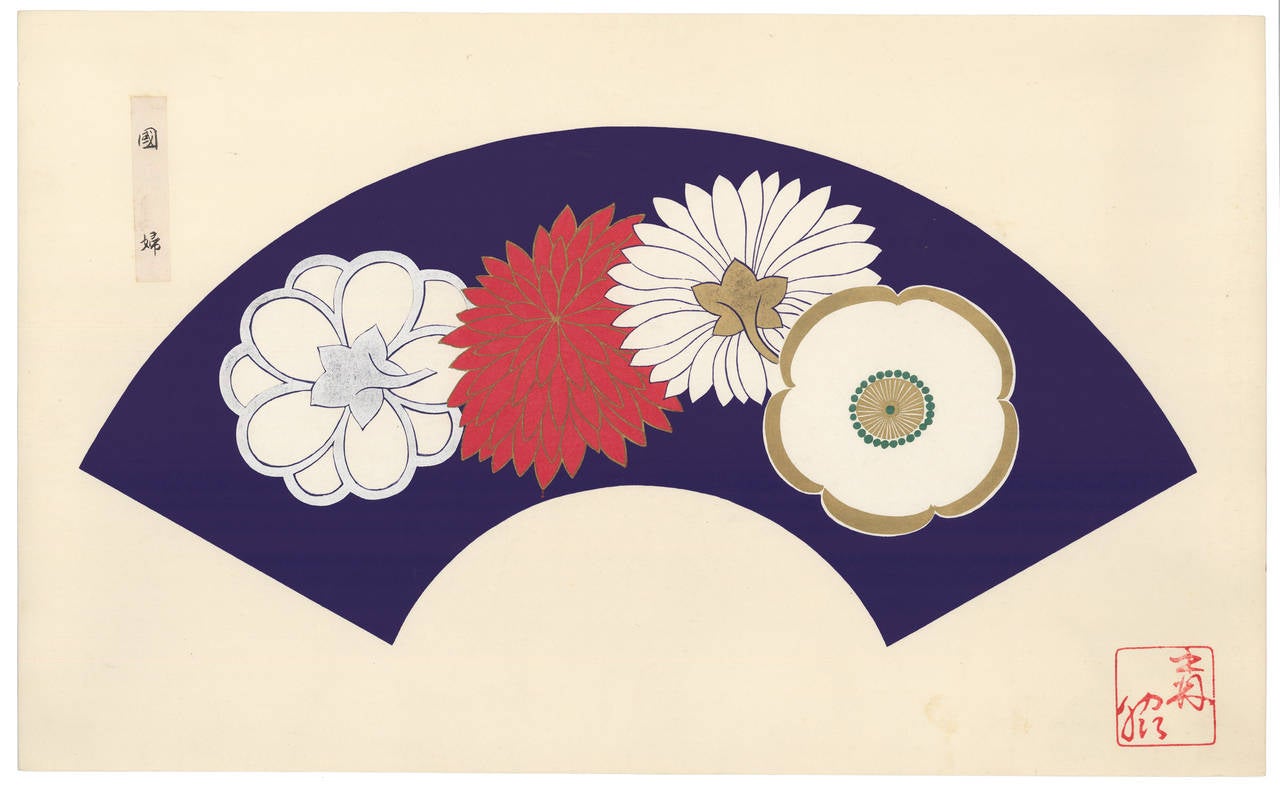
Japanese Fan Design Woodcut Prints, circa 1930, Set of Nine
By Yamaoka Chinpei
Located in New York, NY
, possibly by Yamaoka Chinpei. Printed in Japan, circa 1930. Each fan size is 9 1/2 x 20 1/2 inches.
Paper
Unavailable|$391 / set
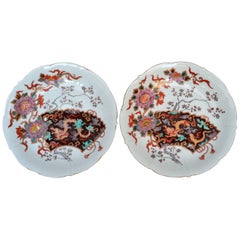
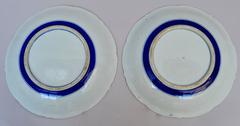
Pair of Japanese Imari Plates Adorned with Fans and Dragons
Located in Antwerp, BE
A pair of circa 1890 Japanese plates painted with brown fans with dragons and cherry trees in
Ceramic
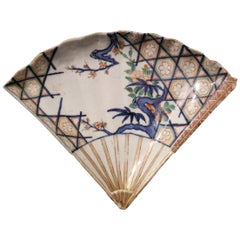
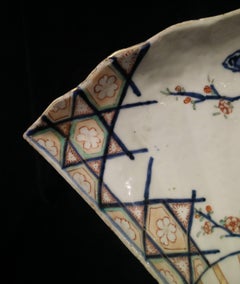
Late 17th Century Genroku Period Japanese Imari Porcelain Fan-Shaped Dish
Located in Paris, FR
The Imari porcelain fan-shaped porcelain dish decorated with underglaze blue and overglaze red
Porcelain
Unavailable
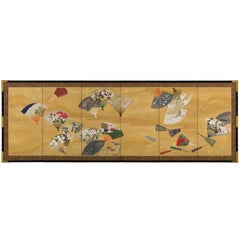
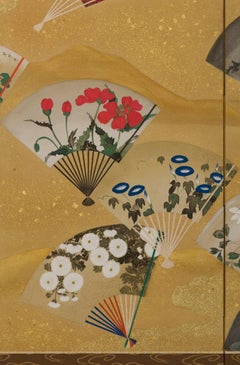
Six-Panel Screen, Scattered Fans
Located in New York, NY
Small six-panel screen; mineral colors, gold wash, and gold flakes on silk Scattered fans
Silk
Unavailable
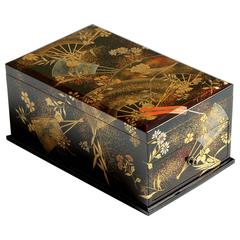
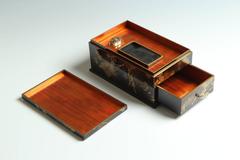
Writing Box with Fans and Flowering Plants
Located in New York, NY
takamaki-e embellished with gold hirame and nashiji depicting open, half-open, and closed fans and a
Lacquer
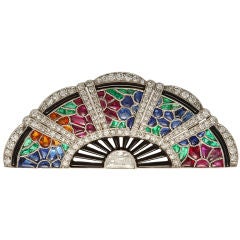
Art Deco Japanese Style Fan Diamond Gem Set Brooch
Located in New York, NY
American Platinum, Black Enamel, Onyx, Sapphire, Ruby, Diamond, Emerald & Yellow Spinel Fan Brooch
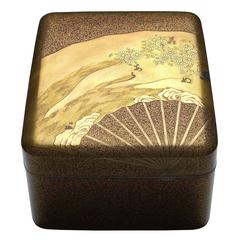
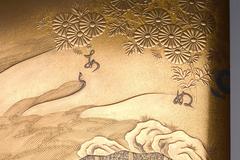
Gold Lacquer Tebako Box with Fan and Chrysanthemum
Located in New York, NY
Tebako box with takamakie décor of a fan on dense nashiji ground, the fan with chrysanthemum, wave
Lacquer
Unavailable|$1,650
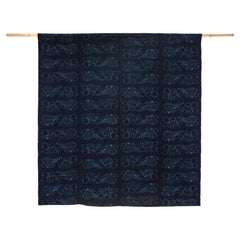
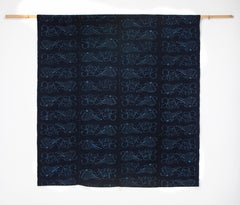
Antique Otafuku Ikat Textile of Masks and Fans
Located in Santa Cruz, CA
Antique Otafuku IKAT Textile of Masks and Fans Antique IKAT 4 Panel Futon Cover of Otafuku Masks
Cotton
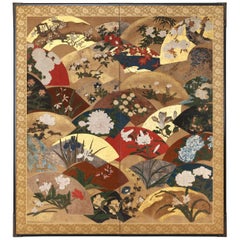
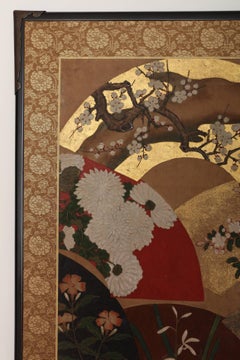
Two-Panel Screen, Scattered Fan with Seasonal Flowers
By Tosa School
Located in New York, NY
. Design of scattered fans, decorated with flowers associated to the different seasons.
Paper
Sold|$3,855
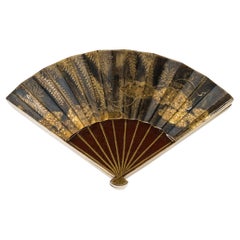
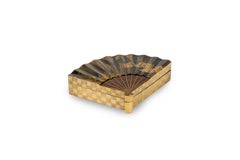
Japanese Lacquered Fan-Shaped Kobako 'Box'
Located in PARIS, FR
Fan-shaped kobako, decorated with clouds and wisterias in gold lacquer and kirigane on a silver
Lacquer
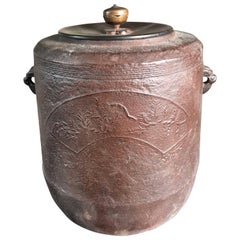
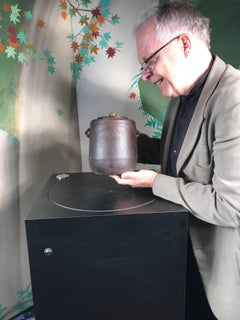
Japanese Fine Hand Cast Fan Art Tea Pot Chagama Immediately Usable
Located in South Burlington, VT
From our recent Japanese Acquisitions Travels. Here's a finely cast Japanese traditional iron
Copper, Iron
Decorated with white cranes and the sought-after thousand-butterflies motif, the Meiji-period vessel offers both a celebration of traditional aesthetics and a clear reflection of the era’s appetite for exquisite export pieces.
For 25 years, gallerist Betsy Nathan has leveraged her keen eye and key connections to bring a unique selection of rare finds to the market.
Now working alongside his daughter Bianca, dealer Joel Chen has presented a most covetable array of antiques, art and contemporary creations for more than 40 years.
From cherry-blossom-adorned walls paired with glamorous lighting to wood-paneled ceilings above checkerboard-patterned chairs, these 12 spaces seamlessly blend Eastern and Western aesthetics.
The dealer and curator has spent the past 50 years amassing a collection of exceptional art, furniture and architectural elements that trace the cultural influence of the Spanish empire from Europe to the Americas and beyond.
These spaces exemplify how Eastern elements elevate a home's decor.