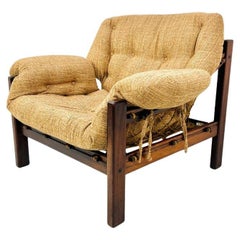
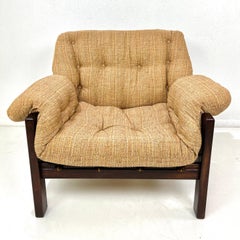
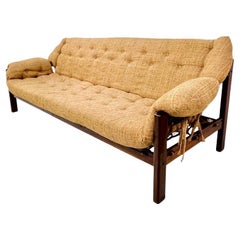
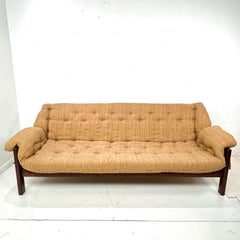
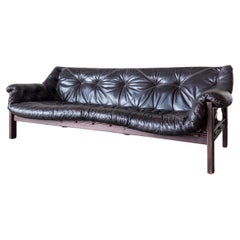
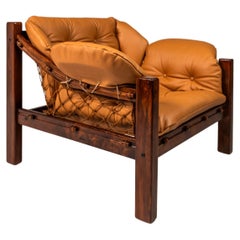
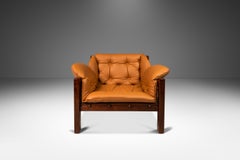
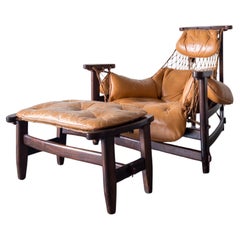
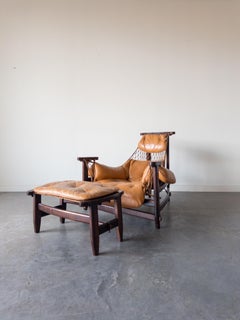
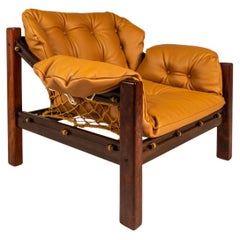
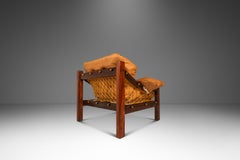
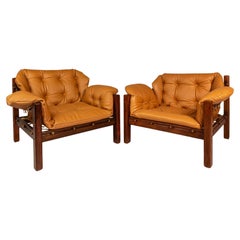
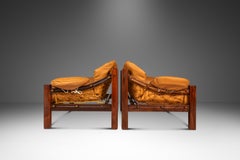
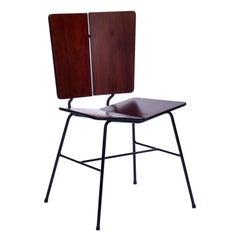
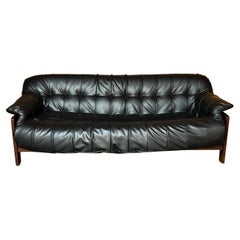
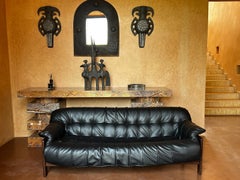
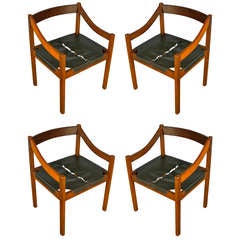
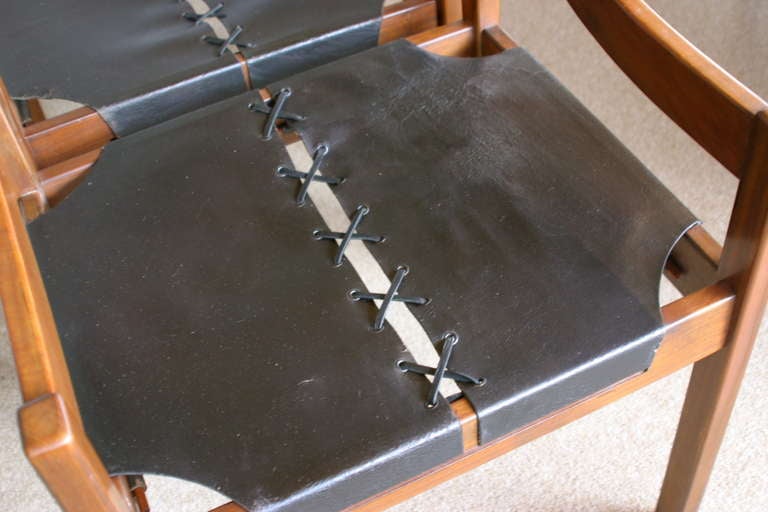
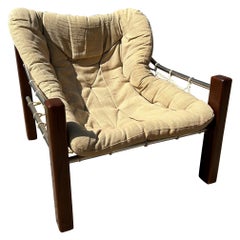
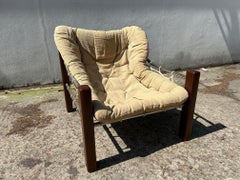
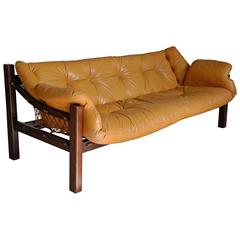
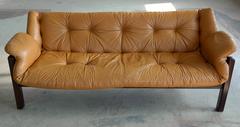
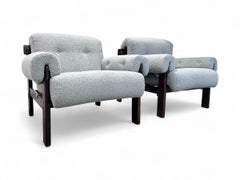
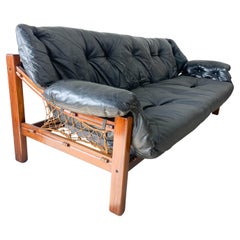
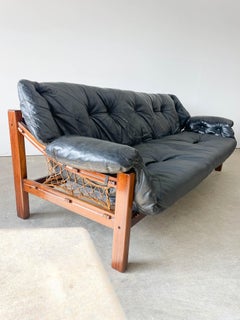
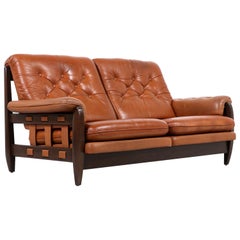
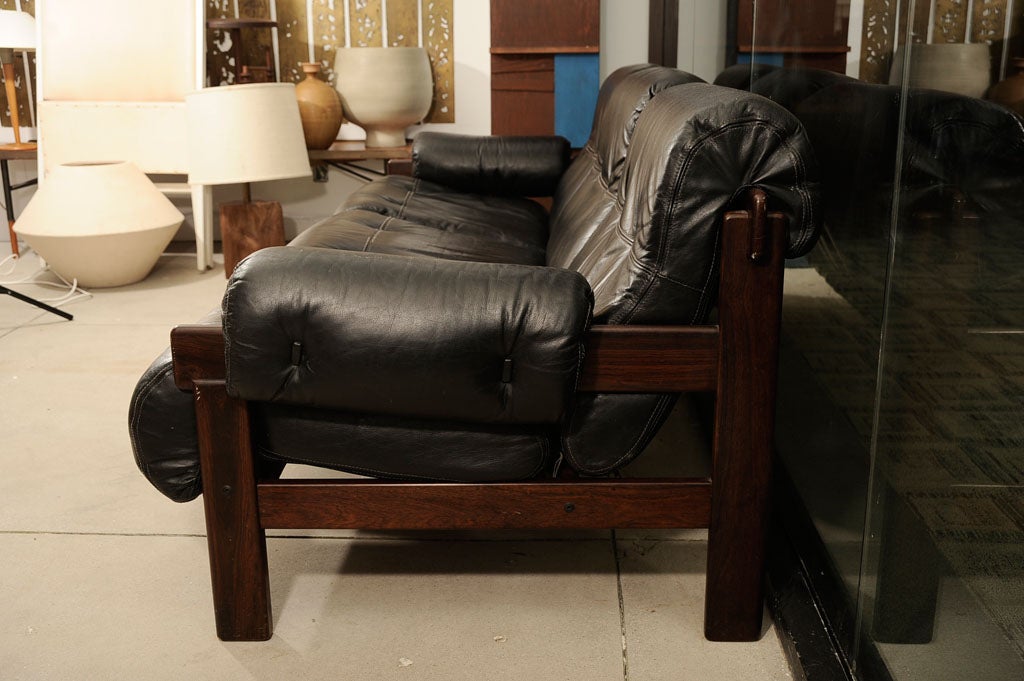
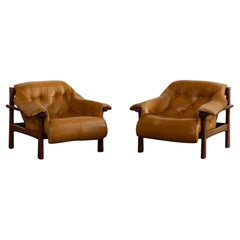
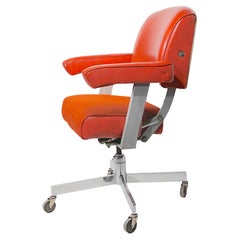
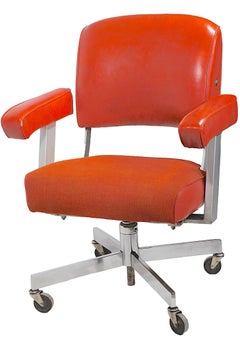
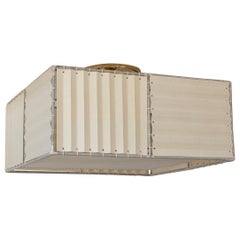
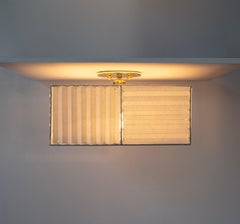
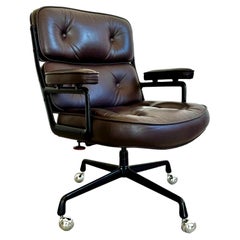
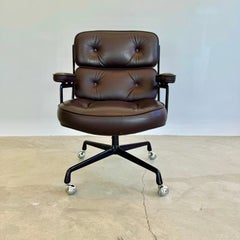
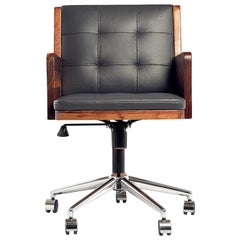
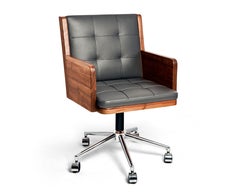
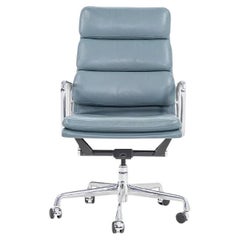
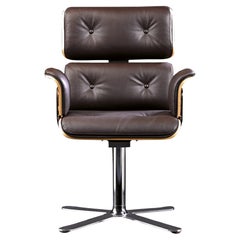
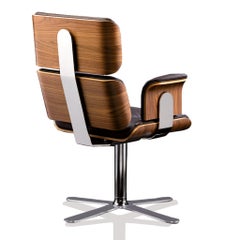
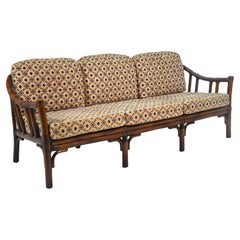
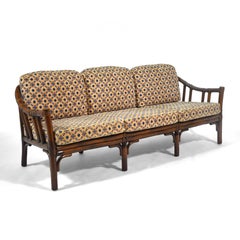
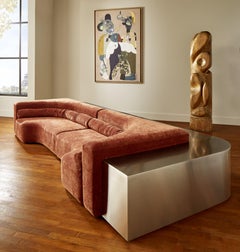
With a vast inventory of beautiful furniture at 1stDibs, we’ve got just the jean gillon for italma you’re looking for. A jean gillon for italma — often made from
wood,
animal skin and
leather — can elevate any home. There are many kinds of the jean gillon for italma you’re looking for, from those produced as long ago as the 20th Century to those made as recently as the 20th Century. When you’re browsing for the right jean gillon for italma, those designed in
Mid-Century Modern styles are of considerable interest.
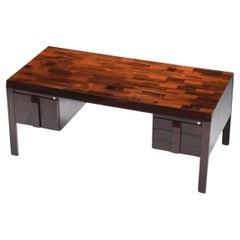
Although he was Romanian by birth, architect and designer Jean Gillon’s heart and soul belonged to his adopted country of Brazil. The country’s culture and revered architecture served as a muse for his mid-century furniture designs. Today Gillon ranks among the most interesting figures in Brazilian modernism, which is characterized by sensual forms and beautifully handcrafted chairs, tables and cabinets built from exotic hardwoods.
Gillon was born in Iasi and graduated from the city’s George Enescu National University of the Arts. He then moved to Paris, where he studied tapestry, worked at the newspaper Le Monde as a cartoonist and moonlighted as a set designer for the Paris Opera Ballet. He eventually left Paris for Vienna, where he studied architecture at the School of Industrial Arts, known today as the University of Applied Arts. In the early 1950s, Gillon was a visiting lecturer at London’s Central School of Arts and Crafts.
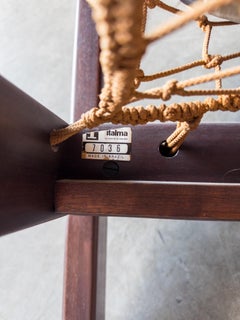
In 1956, Gillon moved with his wife and two daughters to São Paulo, where he developed a passion for Brazilian architecture, namely the work of modernists such as celebrated architect Lina Bo Bardi and designer José Zanine Caldas. Gillon took on interior decorating projects and formed the Fábrica de Móveis Cidam, which later became Italma Wood Art, in order to design furniture for his clients. Gillon’s furnishings, produced at Italma and also in collaboration with manufacturers such as Probel, were immensely popular and could be found in the planned capital city of Brasilia, a project launched in 1956 by Oscar Niemeyer.
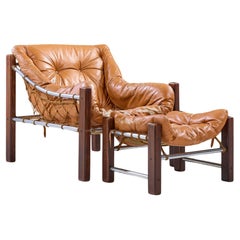
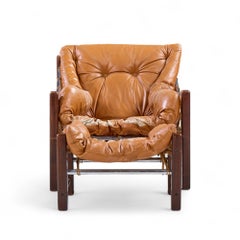
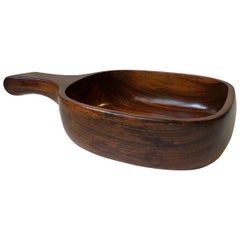
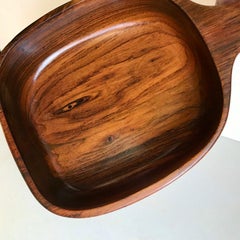
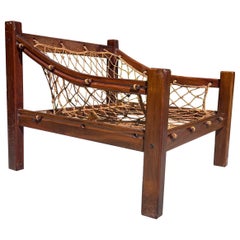
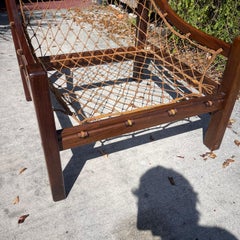
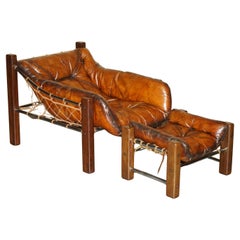
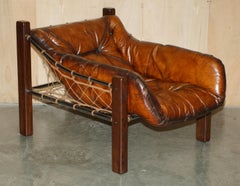
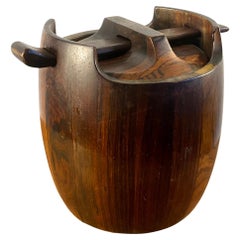
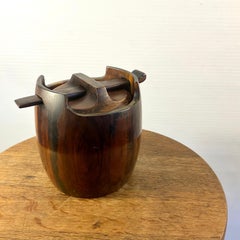
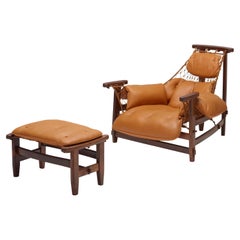
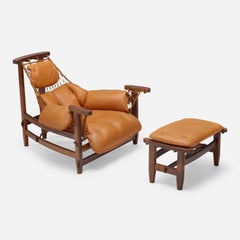
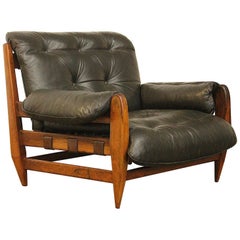
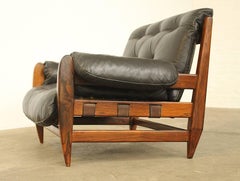
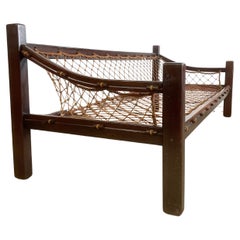
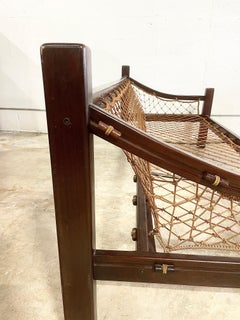
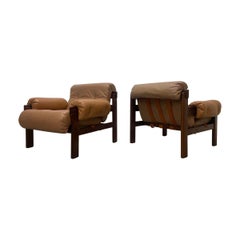
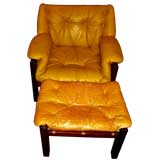
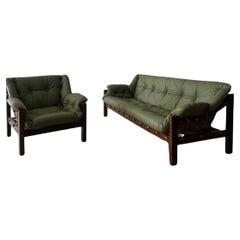
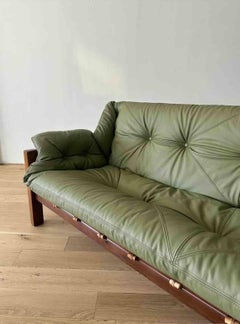
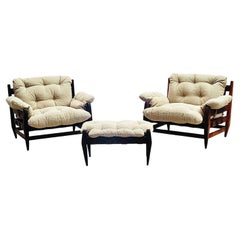
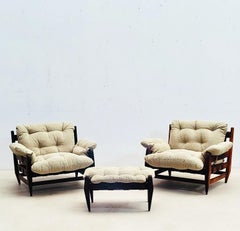
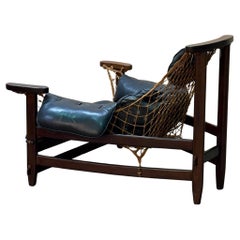
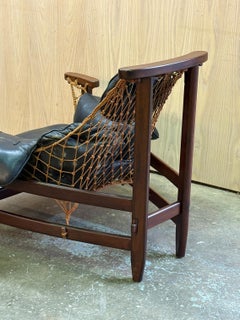
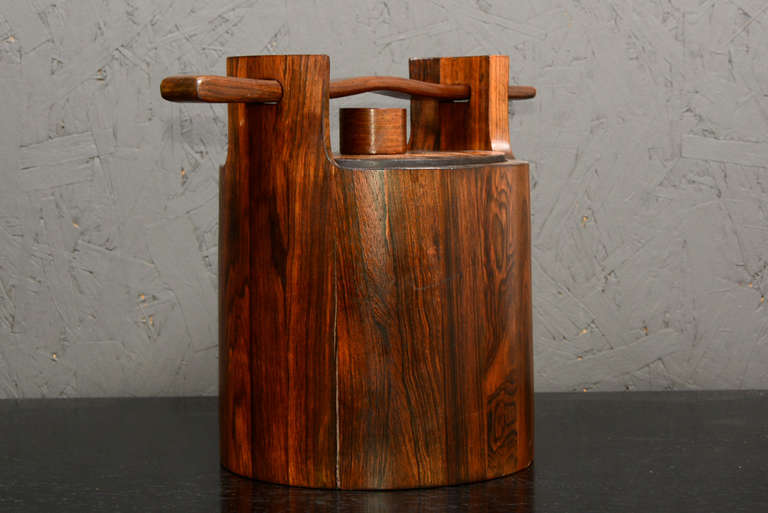
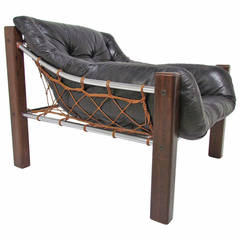
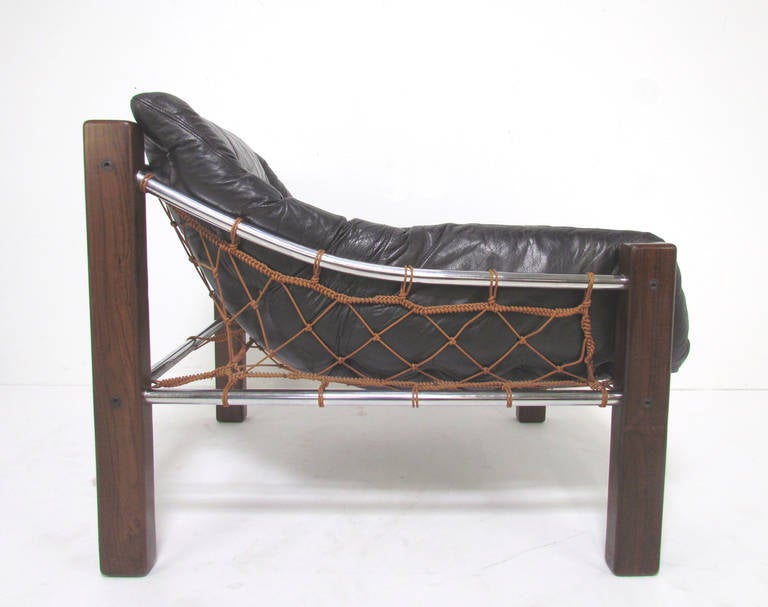
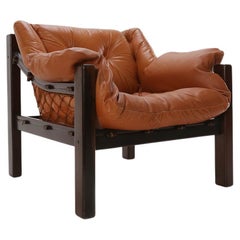
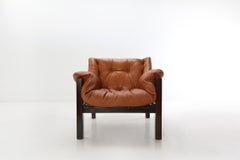
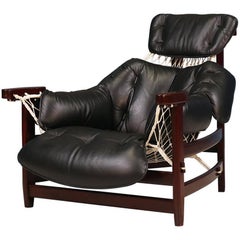
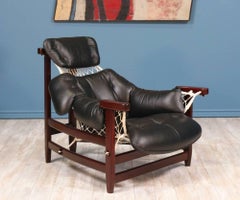
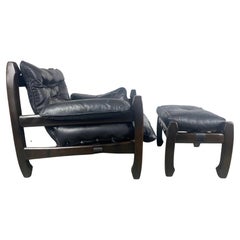
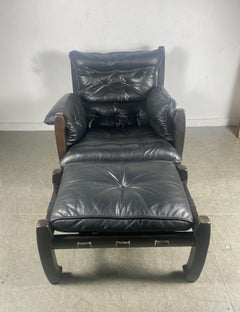
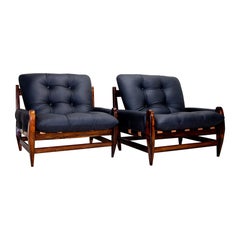
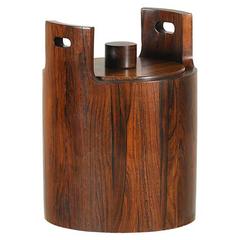
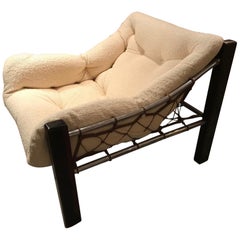
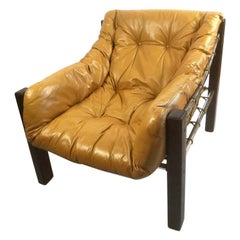
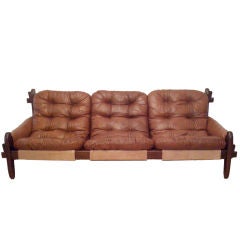
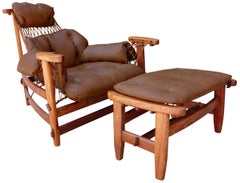
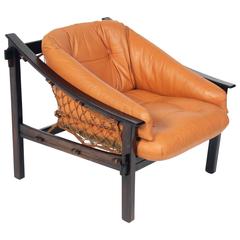
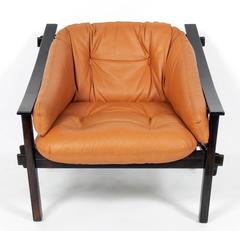
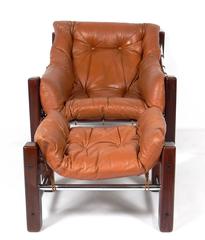
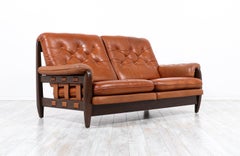
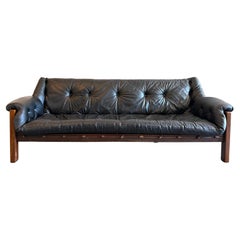
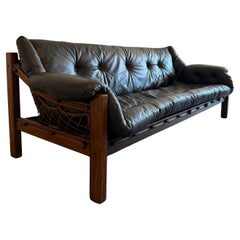
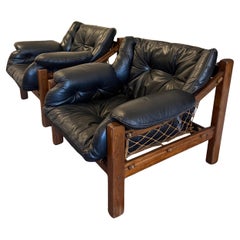
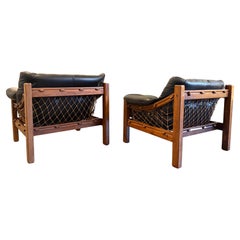
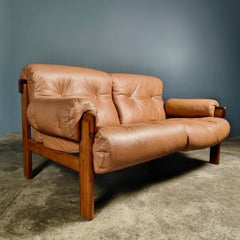
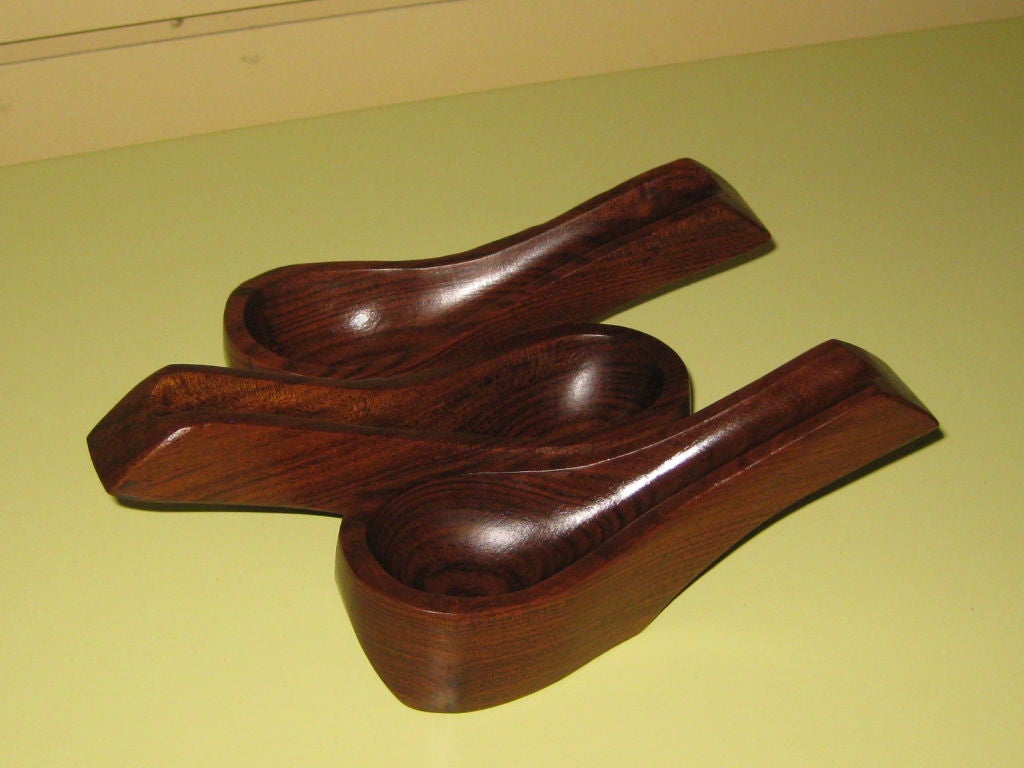
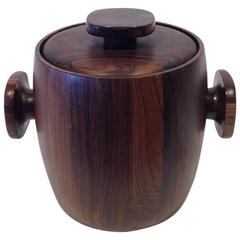
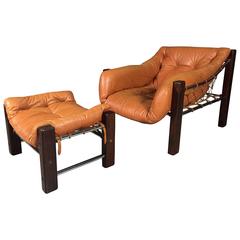
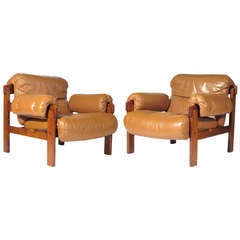
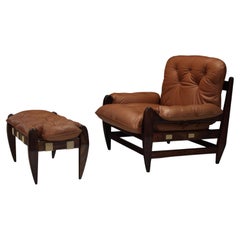
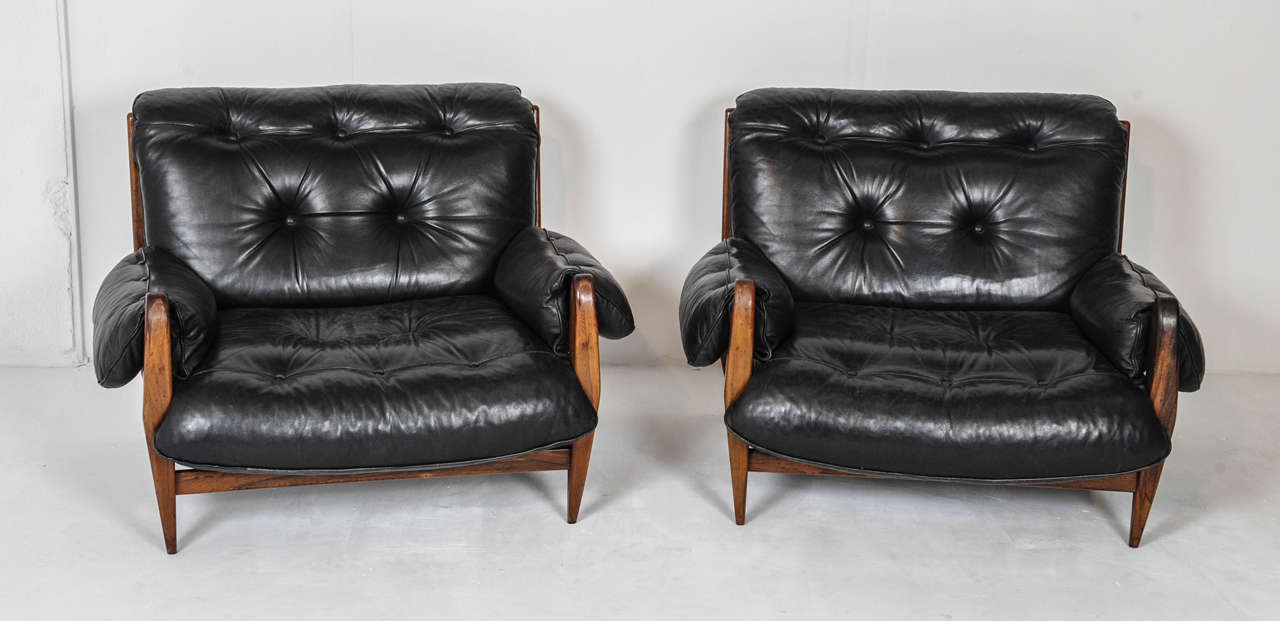
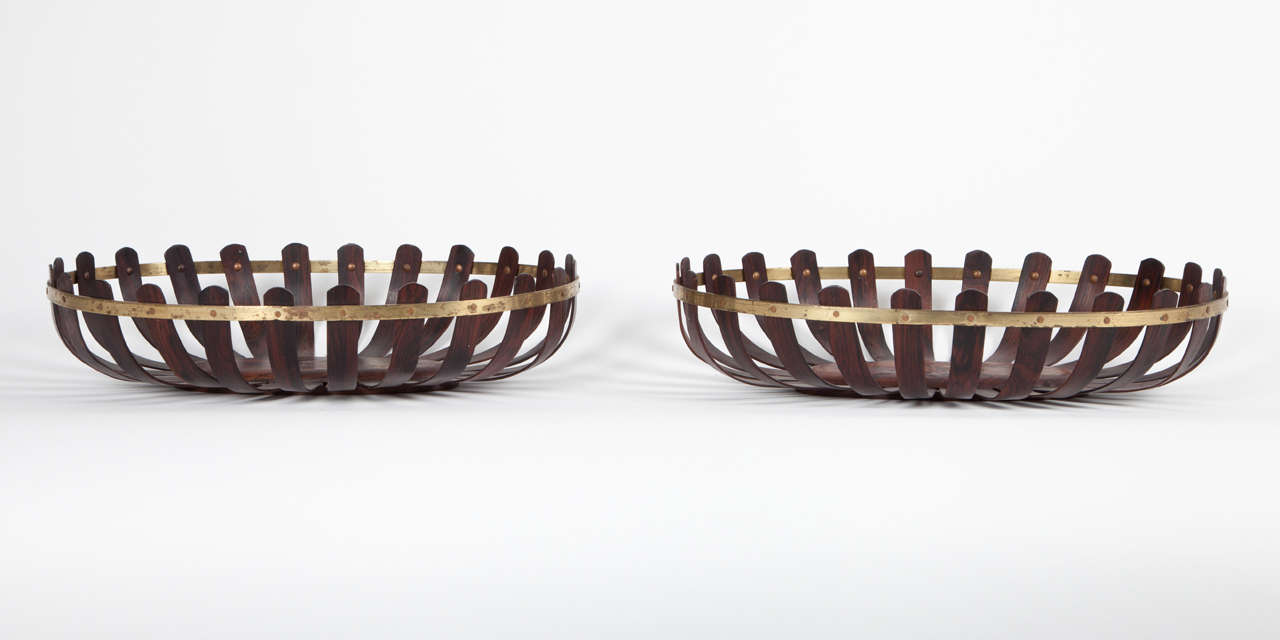
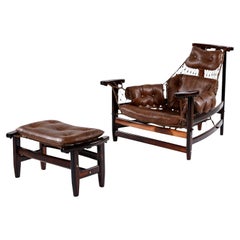
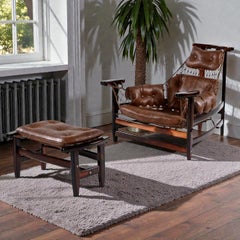
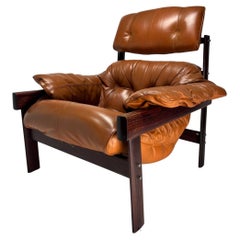
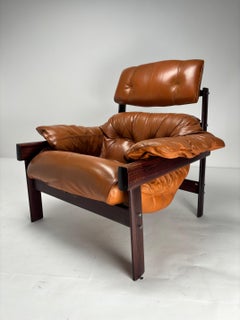
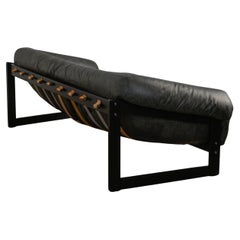
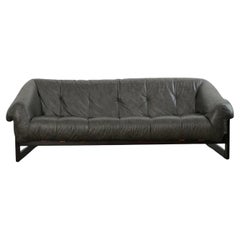
Gillon designed everything from bowls and baskets to centerpieces, tables and other objects and furniture. However, he was best known for his lounge chairs and sofas, including his iconic Jangada chair. Named for the Portuguese word for traditional Brazilian fishing boats, the award-winning Jangada was framed in jacaranda in the late 1960s. The welcoming seat of Gillon’s visually striking trapezoidal lounge chair features plush leather cushions that are supported by nylon fishing rope.
Gillon continued to produce furniture for Italma Wood Art until he retired in 2003. He died in 2007, and today Gillon’s pieces remain highly covetable among interior designers and collectors of modern furniture.
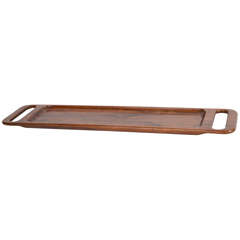
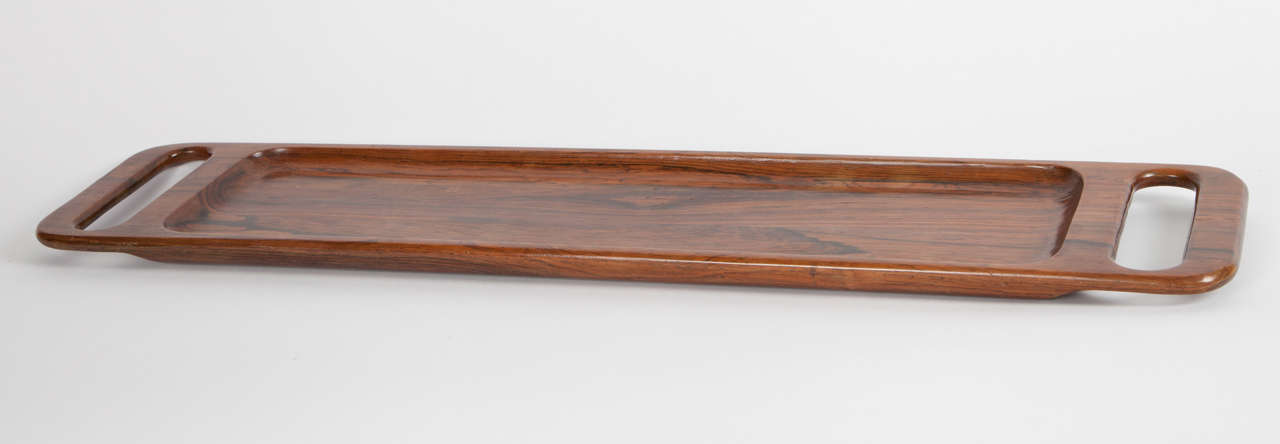
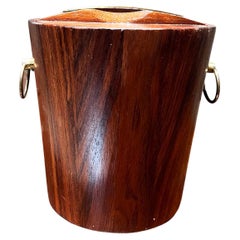
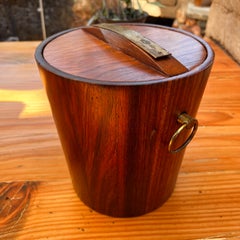
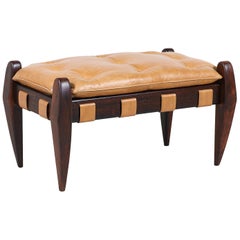
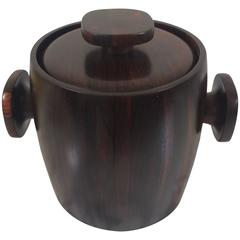
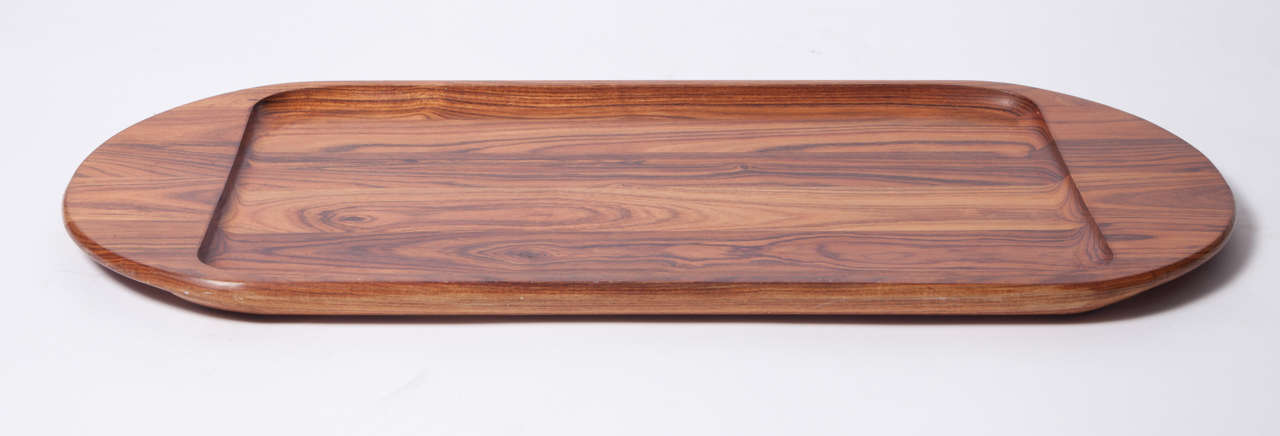
On 1stDibs, find a range of vintage Jean Gillon seating, decorative objects and serveware.
More often than not, vintage mid-century Brazilian furniture designs, with their gleaming wood, soft leathers and inviting shapes, share a sensuous, unique quality that distinguishes them from the more rectilinear output of American and Scandinavian makers of the same era.
Commencing in the 1940s and '50s, a group of architects and designers transformed the local cultural landscape in Brazil, merging the modernist vernacular popular in Europe and the United States with the South American country's traditional techniques and indigenous materials.
Key mid-century influencers on Brazilian furniture design include natives Oscar Niemeyer, Sergio Rodrigues and José Zanine Caldas as well as such European immigrants as Joaquim Tenreiro, Jean Gillon and Jorge Zalszupin. These creators frequently collaborated; for instance, Niemeyer, an internationally acclaimed architect, commissioned many of them to furnish his residential and institutional buildings.
The popularity of Brazilian modern furniture has made household names of these designers and other greats. Their particular brand of modernism is characterized by an émigré point of view (some were Lithuanian, German, Polish, Ukrainian, Portuguese, and Italian), a preference for highly figured indigenous Brazilian woods, a reverence for nature as an inspiration and an atelier or small-production mentality.
Hallmarks of Brazilian mid-century design include smooth, sculptural forms and the use of native woods like rosewood, jacaranda and pequi. The work of designers today exhibits many of the same qualities, though with a marked interest in exploring new materials (witness the Campana Brothers' stuffed-animal chairs) and an emphasis on looking inward rather than to other countries for inspiration.
Find a collection of vintage Brazilian furniture on 1stDibs that includes chairs, sofas, tables and more.