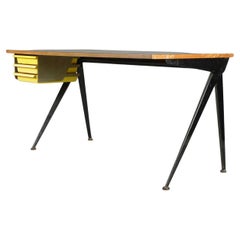
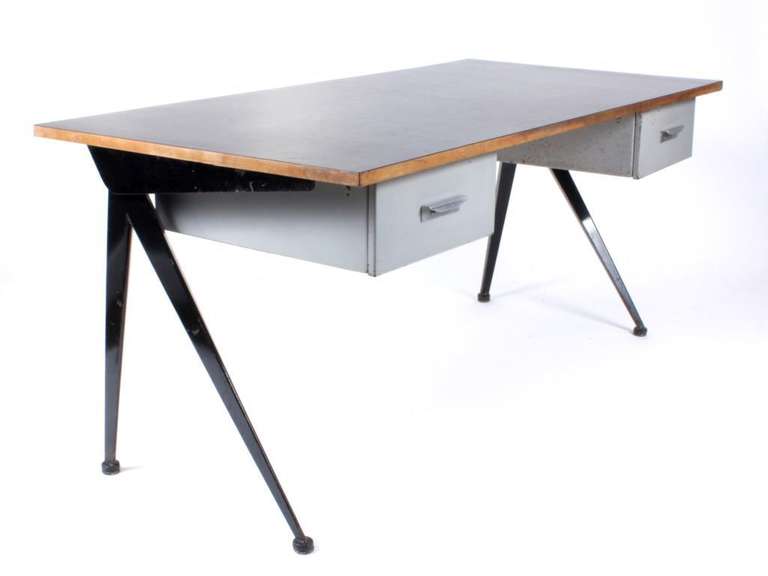
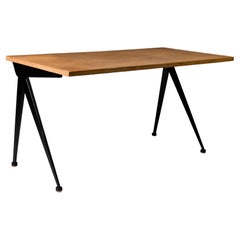
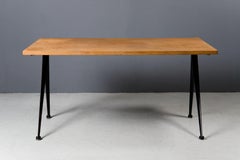
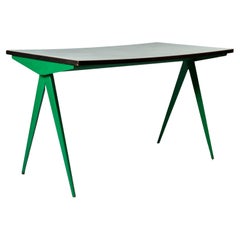
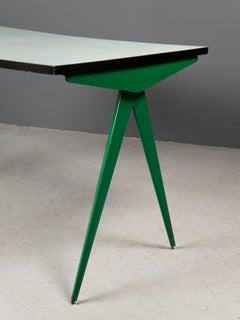
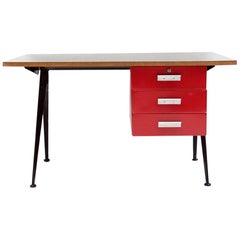
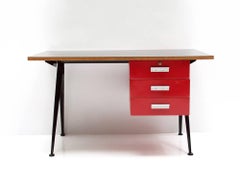
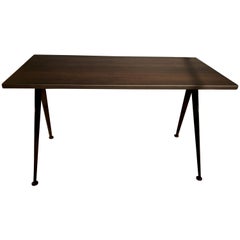
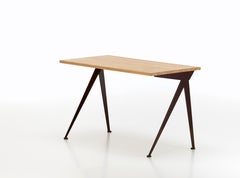
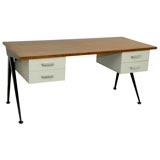
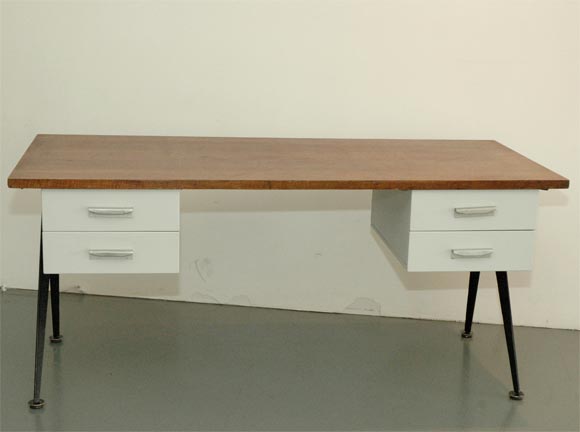
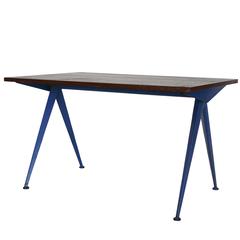
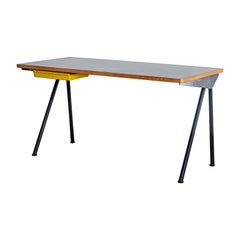
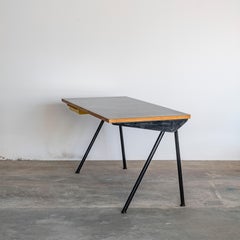
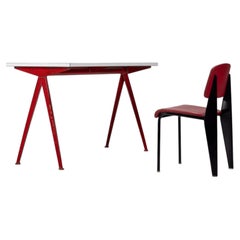
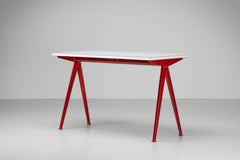
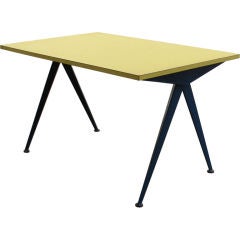
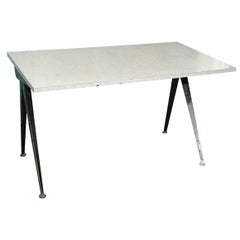
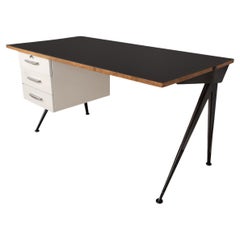
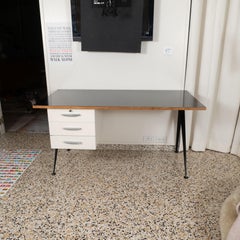
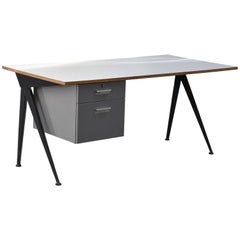
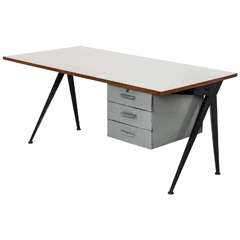
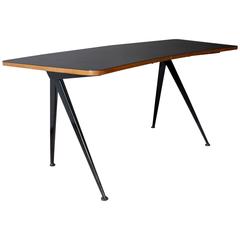
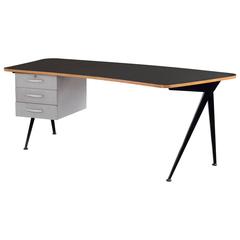
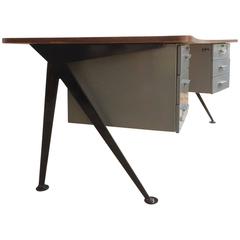
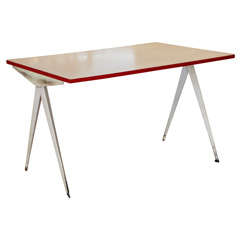
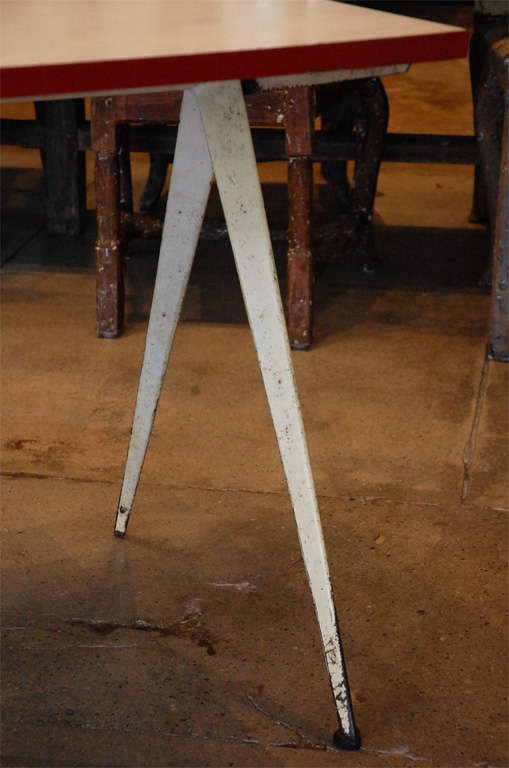
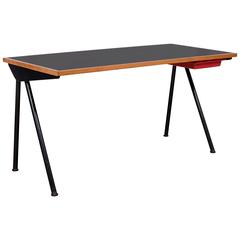
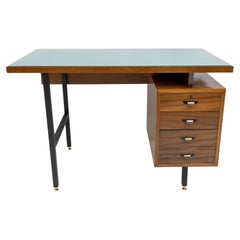
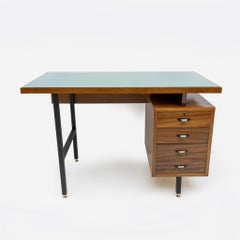
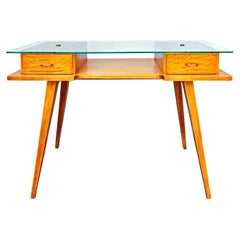
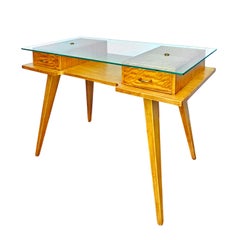
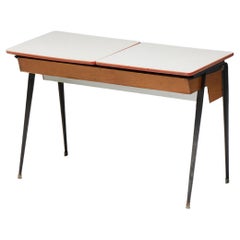
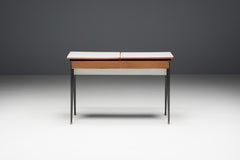
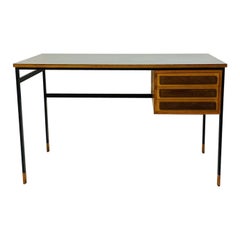
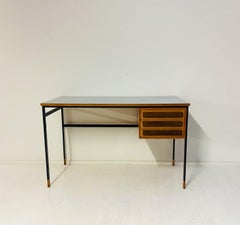
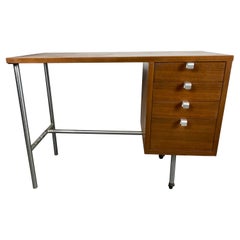
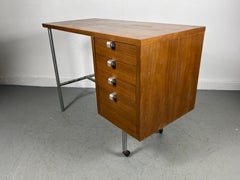
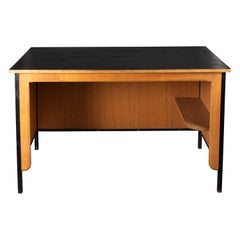
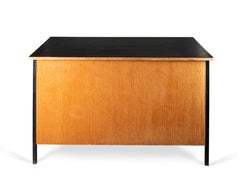
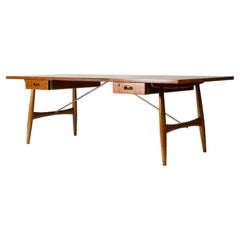
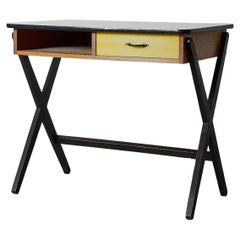
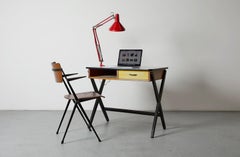
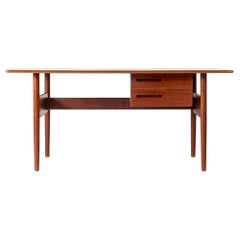
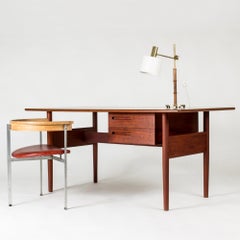
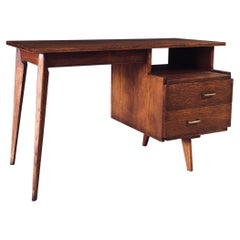
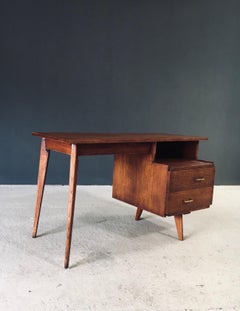
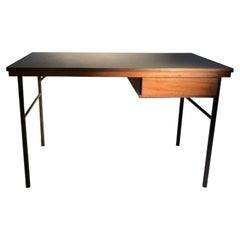
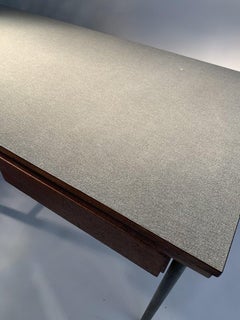
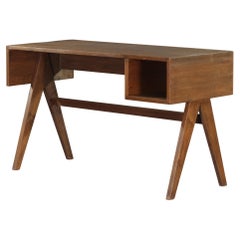
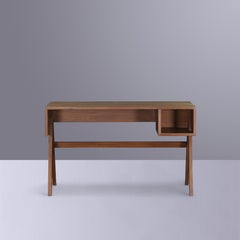
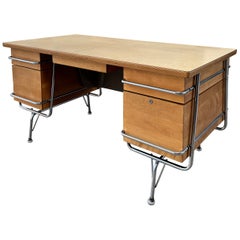
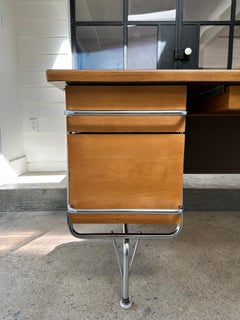
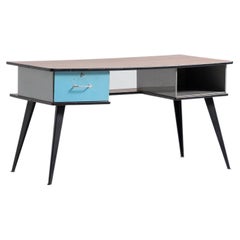
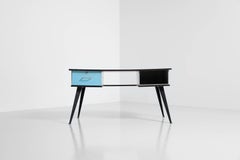
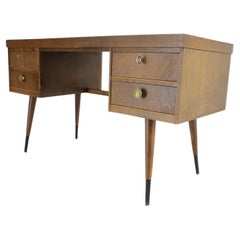
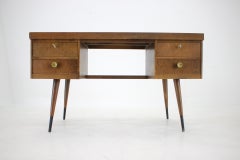
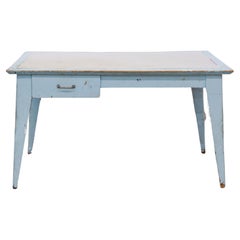
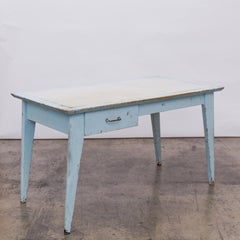
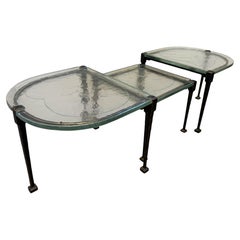
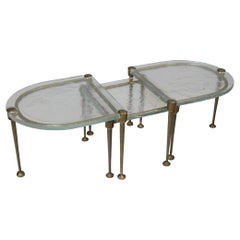
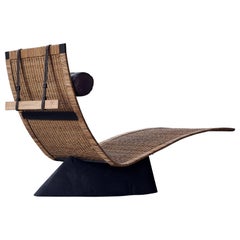
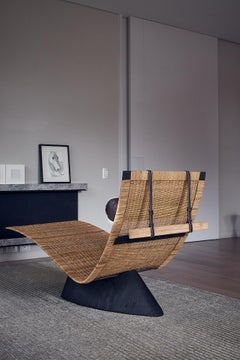
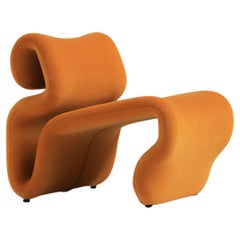
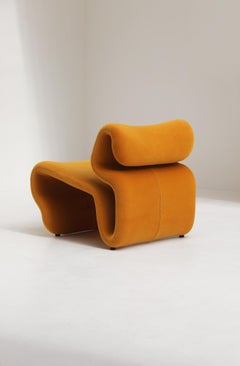
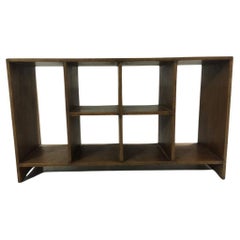
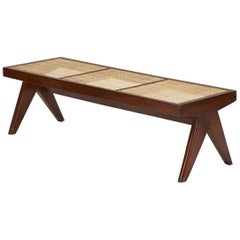
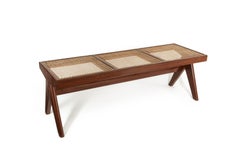
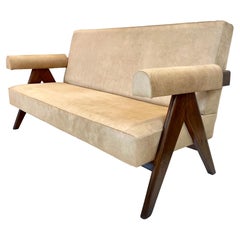
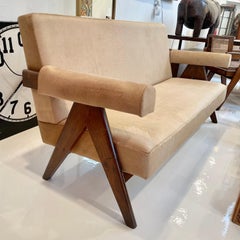
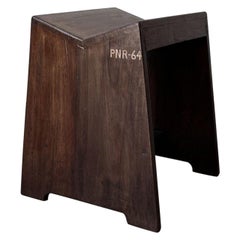
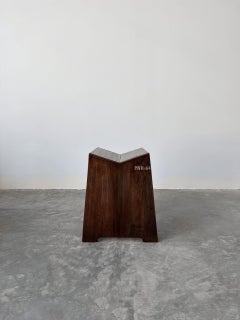
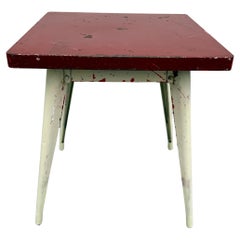
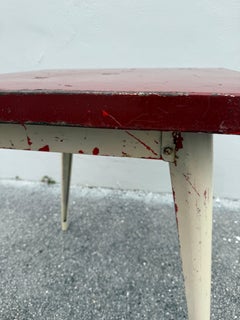
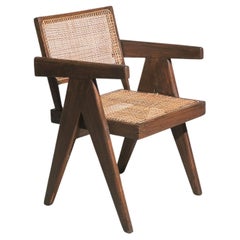
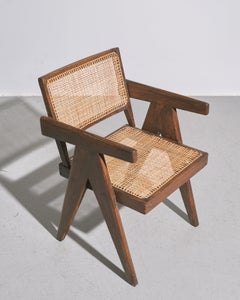
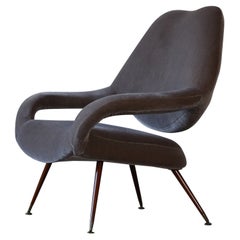
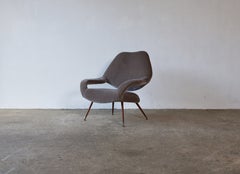
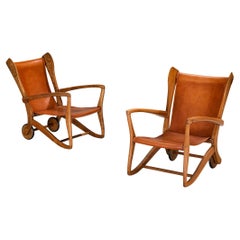
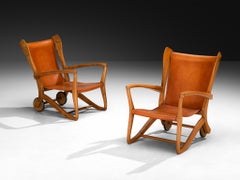
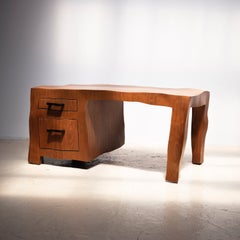
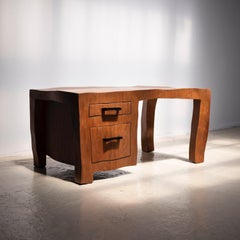
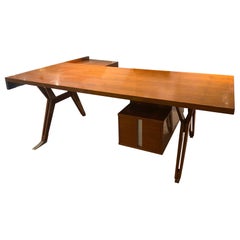
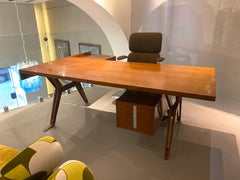
Choose from an assortment of styles, material and more with respect to the jean prouve compas desk you’re looking for at 1stDibs. A jean prouve compas desk — often made from
metal,
steel and
wood — can elevate any home. There are 12 variations of the antique or vintage jean prouve compas desk you’re looking for, while we also have 1 modern editions of this piece to choose from as well. Your living room may not be complete without a jean prouve compas desk — find older editions for sale from the 20th Century and newer versions made as recently as the 21st Century. A jean prouve compas desk, designed in the
Mid-Century Modern,
Industrial or
Modern style, is generally a popular piece of furniture. A well-made jean prouve compas desk has long been a part of the offerings for many furniture designers and manufacturers, but those produced by
Jean Prouvé and
Vitra are consistently popular.
Prices for a jean prouve compas desk can differ depending upon size, time period and other attributes — at 1stDibs, they begin at $4,003 and can go as high as $92,118, while the average can fetch as much as $24,000.
Engineer and metalsmith, self-taught designer and architect, manufacturer and teacher, Jean Prouvé was a key force in the evolution of 20th-century French design, introducing a style that combined economy of means and stylistic chic. Along with his frequent client and collaborator Le Corbusier and others, Prouvé, using his practical skills and his understanding of industrial materials, steered French modernism onto a path that fostered principled, democratic approaches to architecture and design.
Prouvé was born in Nancy, a city with a deep association with the decorative arts. (It is home, for example, to the famed Daum crystal manufactory.) His father, Victor Prouvé, was a ceramist and a friend and co-worker of such stars of the Art Nouveau era as glass artist Émile Gallé and furniture maker Louis Majorelle. Jean Prouvé apprenticed to a blacksmith, studied engineering, and produced ironwork for such greats of French modernism as the architect Robert Mallet-Stevens. In 1931, he opened the firm Atelier Prouvé. There, he perfected techniques in folded metal that resulted in his Standard chair (1934) and other designs aimed at institutions such as schools and hospitals.
During World War II, Prouvé was a member of the French Resistance, and his first postwar efforts were devoted to designing metal pre-fab housing for those left homeless by the conflict. In the 1950s, Prouvé would unite with Charlotte Perriand and Pierre Jeanneret (Le Corbusier’s cousin) on numerous design projects. In 1952, he and Perriand and artist Sonia Delaunay created pieces for the Cité Internationale Universitaire foundation in Paris, which included the colorful, segmented bookshelves that are likely Prouvé’s and Perriand’s best-known designs. The pair also collaborated on 1954’s Antony line of furniture, which again, like the works on 1stDibs, demonstrated a facility for combining material strength with lightness of form.
Prouvé spent his latter decades mostly as a teacher. His work has recently won new appreciation: in 2008 the hotelier Andre Balazs purchased at auction (hammer price: just under $5 million) the Maison Tropicale, a 1951 architectural prototype house that could be shipped flat-packed, and was meant for use by Air France employees in the Congo. Other current Prouvé collectors include Brad Pitt, Larry Gagosian, Martha Stewart and the fashion designer Marc Jacobs.
The rediscovery of Jean Prouvé — given not only the aesthetic and practical power of his designs but also the social conscience his work represents — marks one of the signal “good” aspects of collecting vintage 20th-century design. An appreciation of Prouvé is an appreciation of human decency.
Find antique Jean Prouvé chairs, tables, chaise longues and other furniture on 1stDibs.
Vintage desks and writing tables span centuries of design. The writing table came first, a simple surface built for correspondence, while the drawered desk followed as record-keeping at home and in the office grew more demanding.
Styles to Know
Any desk at least 20 years old falls under this broader vintage category. If you want a tapered-leg, mid-century look specifically, browse mid-century modern desks; Louis XVI and Art Deco secretary desks bridge the writing-table and desk forms. A vintage table lamp adds task lighting to either.
How to Choose the Right Vintage Piece
Writing tables often carry little to no storage of their own, so a separate file cabinet or desk organizer may be worth planning for, alongside a close look at the surface dimensions against the space available. Each piece comes from a vetted 1stDibs seller, with era, designer and condition detailed, and every purchase is covered by the 1stDibs Promise.