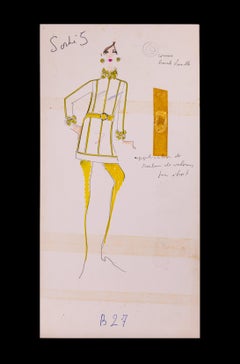
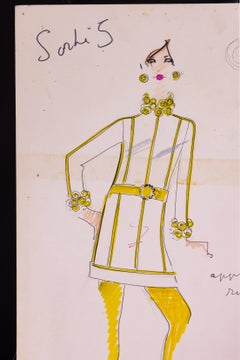
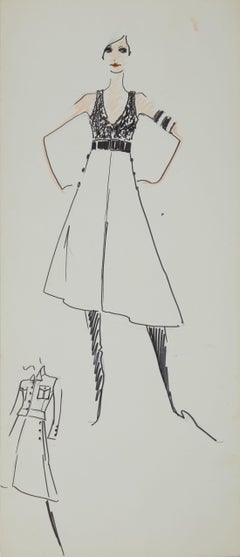
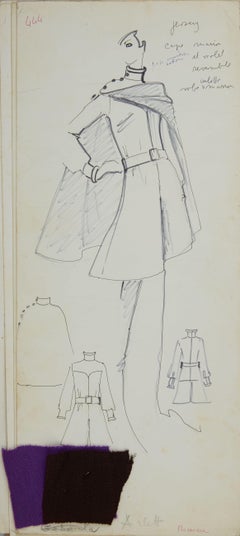
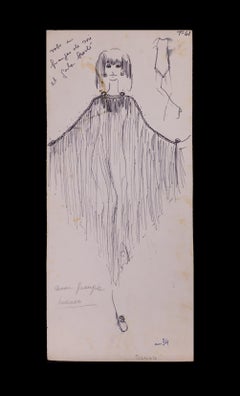
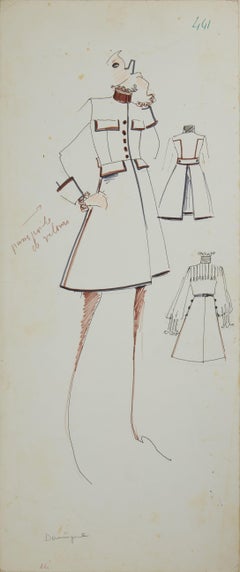
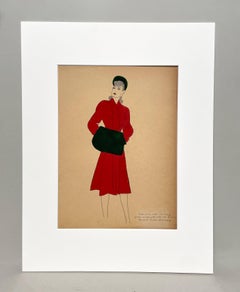
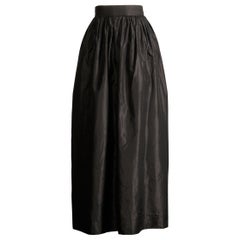
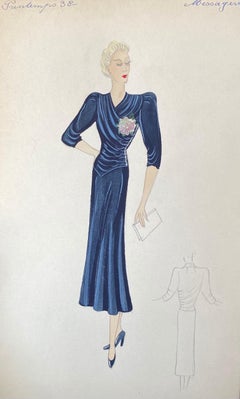
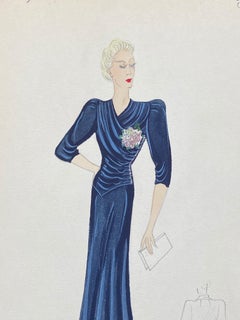
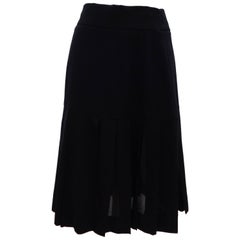
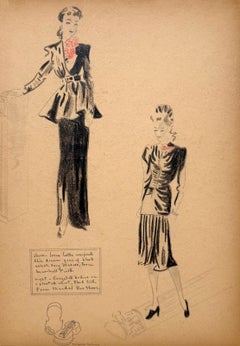
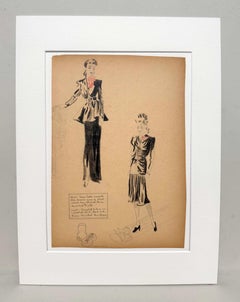
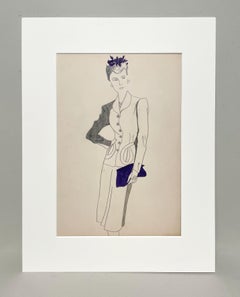
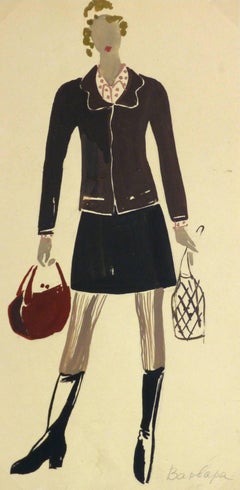
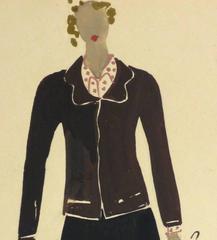
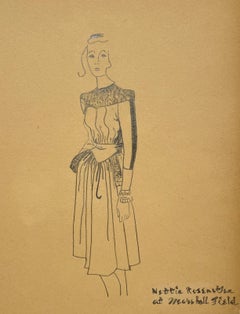
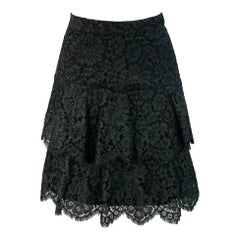
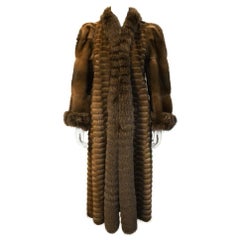
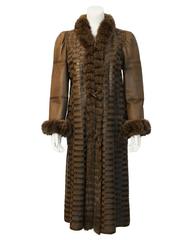
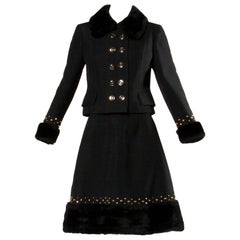
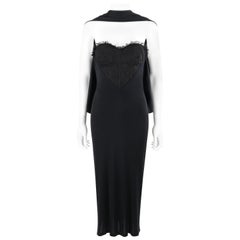
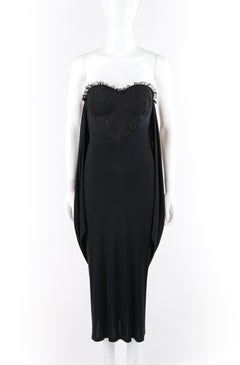
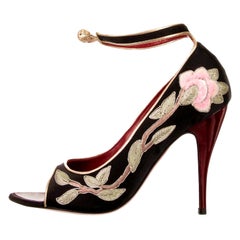
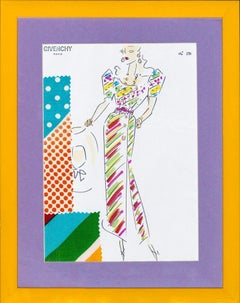
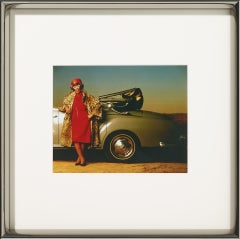
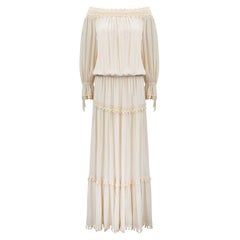
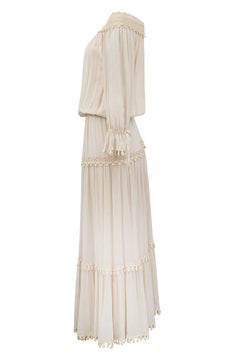
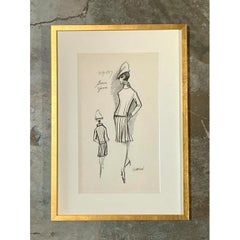
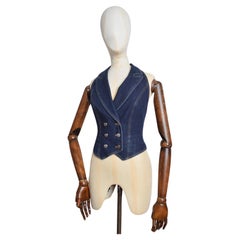
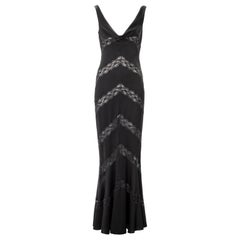
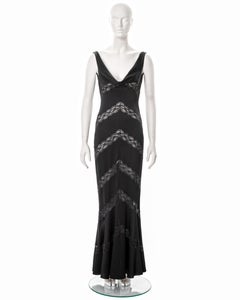
On 1stDibs, you can find the most appropriate vintage or contemporary karl lagerfeld for chloe 1964 for your needs in our varied inventory.
black is a pretty popular color, but we also have more in stock now. Finding the perfect karl lagerfeld for chloe 1964 may mean sifting through those that were made during different time periods — popular versions were made as early as the 20th Century and a newer one, made as recently as the 20th Century, can also be found on the site. Making an accessory such as this has likely been a part of the legacy of many fashion designers, but those produced by
Chloé and
Karl Lagerfeld are consistently popular.
More than a mere tastemaker, Karl Lagerfeld devoted himself to the continual pursuit of chic. “My life and my job,” the designer once said, “is to forget myself.” During his five-decade career designing shoes, handbags, evening dresses and other items for Chanel, Fendi, Chloé and many others, Lagerfeld was a quintessential chameleon, ever evolving to embody the times.
An outsize, instantly recognizable personality — his ponytail powdered like an 18th-century viscount, his eyes perpetually shielded by dark glasses, wearing fistfuls of chunky silver jewels — Lagerfeld was, above all, an avatar of style.
Born in Hamburg (in 1933, ’35, or ’38 by varying accounts), Karl Lagerfeld packed his bags for Paris in 1954. His design for a coat won him the International Wool Secretariat and landed him a job with the celebrated couturier Pierre Balmain. He went on to become the designer of Jean Patou, eventually realizing that his seemingly endless ideas could fuel a career as a designer-for-hire. As such, Lagerfeld lent his vision to everyone from Loewe and Max Mara to Krizia and Charles Jourdan, nimbly moving among a diverse range of styles. It was an unprecedented way of working in the days when freelance was still a dirty word.
During the late ’60s and ’70s, he refashioned Chloé to reflect the free spirit of the day and, beginning in 1965, joined forces with the Fendi family, taking it from sleepy furrier to fashion’s haute-est stratum. Because of his track record for reviving and reimagining brands that had grown stagnant, in 1983 Lagerfeld was handed the reins at Chanel, which had been gathering dust since its founder’s heyday.
From Lagerfeld's first Chanel collection, he injected the venerable house with a frisson of modernity. He riffed on its iconography — tweed skirt suits, pearls, camellias — accenting a lexicon of Chanel-isms with tastes of the moment. Despite producing eight collections a year for Chanel, as well as four to five for Fendi, Lagerfeld never faltered in proposing new ideas each time he put pencil to paper.
Lagerfeld’s collections for Chanel, in particular, displayed his knack for synthesizing old and new, high and low. From Watteau (Spring/Summer 1985 couture) and Serge Roche (Spring/Summer 1990 ready-to-wear) to hip-hop fly girls (Fall/Winter 1991 ready-to-wear), surfers (Spring/Summer 2003 ready-to-wear) and ancient Egypt (Pre-Fall 2019), Lagerfeld used each season’s inspiration to conceive Chanel’s signatures anew.
Browse a collection of sophisticated designs by Karl Lagerfeld on 1stDibs, including handbags and evening gowns for Chanel, vintage cocktail dresses for Chloé and more.
Revitalize your interiors — introduce drawings and watercolor paintings to your home to evoke emotions, stir conversation and show off your personality and elevated taste.
Drawing is often considered one of the world’s oldest art forms, with historians pointing to cave art as evidence. In fact, a cave in South Africa, home to Stone Age–era artists, houses artwork that is believed to be around 73,000 years old. It has indeed been argued that cave walls were the canvases for early watercolorists as well as for landscape painters in general, who endeavor to depict and elevate natural scenery through their works of art. The supplies and methods used by artists and illustrators to create drawings and paintings have evolved over the years, and so too have the intentions. Artists can use their drawing and painting talents to observe and capture a moment, to explore or communicate ideas and convey or evoke emotion. No matter if an artist is working in charcoal or in watercolor and has chosen to portray the marvels of the pure human form, to create realistic depictions of animals in their natural habitats or perhaps to forge a new path that references the long history of abstract visual art, adding a drawing or watercolor painting to your living room or dining room that speaks to you will in turn speak to your guests and conjure stimulating energy in your space.
When you introduce a new piece of art into a common area of your home — a figurative painting by Italian watercolorist Mino Maccari or a colorful still life, such as a detailed botanical work by Deborah Eddy — you’re bringing in textures that can add visual weight to your interior design. You’ll also be creating a much-needed focal point that can instantly guide an eye toward a designated space, particularly in a room that sees a lot of foot traffic.
When you’re shopping for new visual art, whether it’s for your apartment or weekend house, remember to choose something that resonates. It doesn’t always need to make you happy, but you should at least enjoy its energy. On 1stDibs, browse a wide-ranging collection of drawings and watercolor paintings and find out how to arrange wall art when you’re ready to hang your new works.