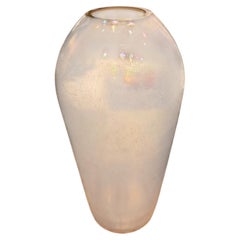
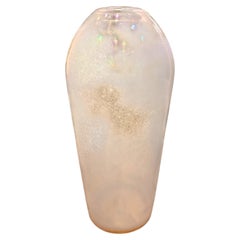
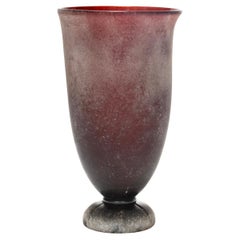
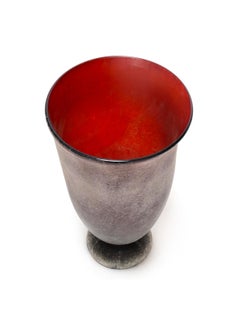
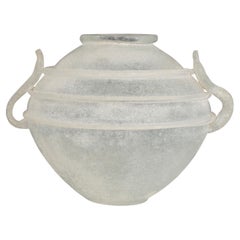
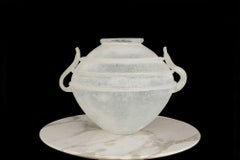
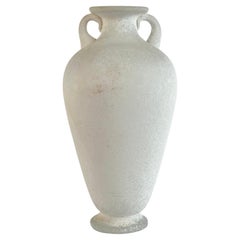
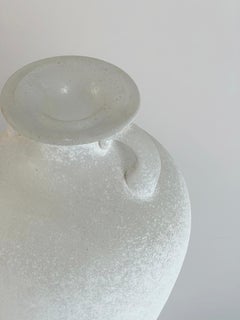
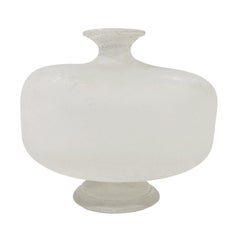
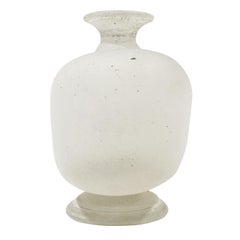
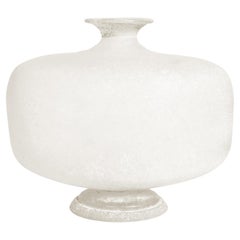
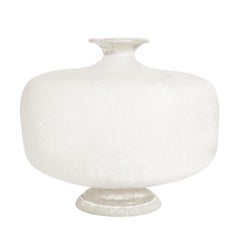
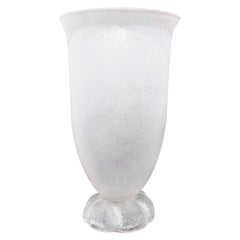
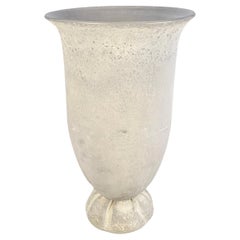
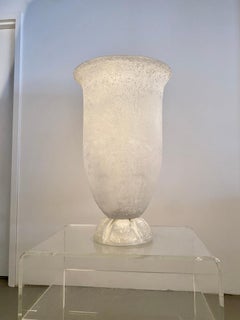
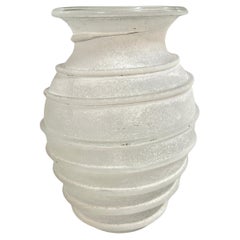
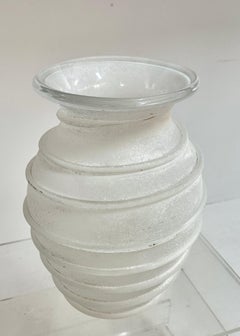
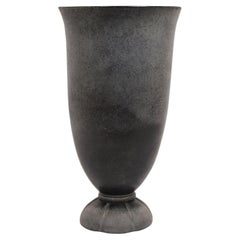
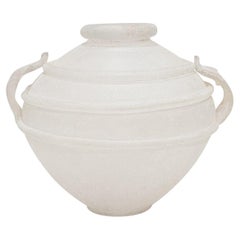
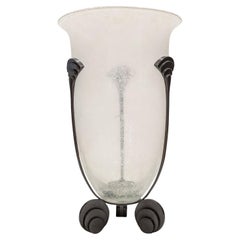
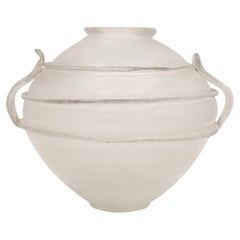
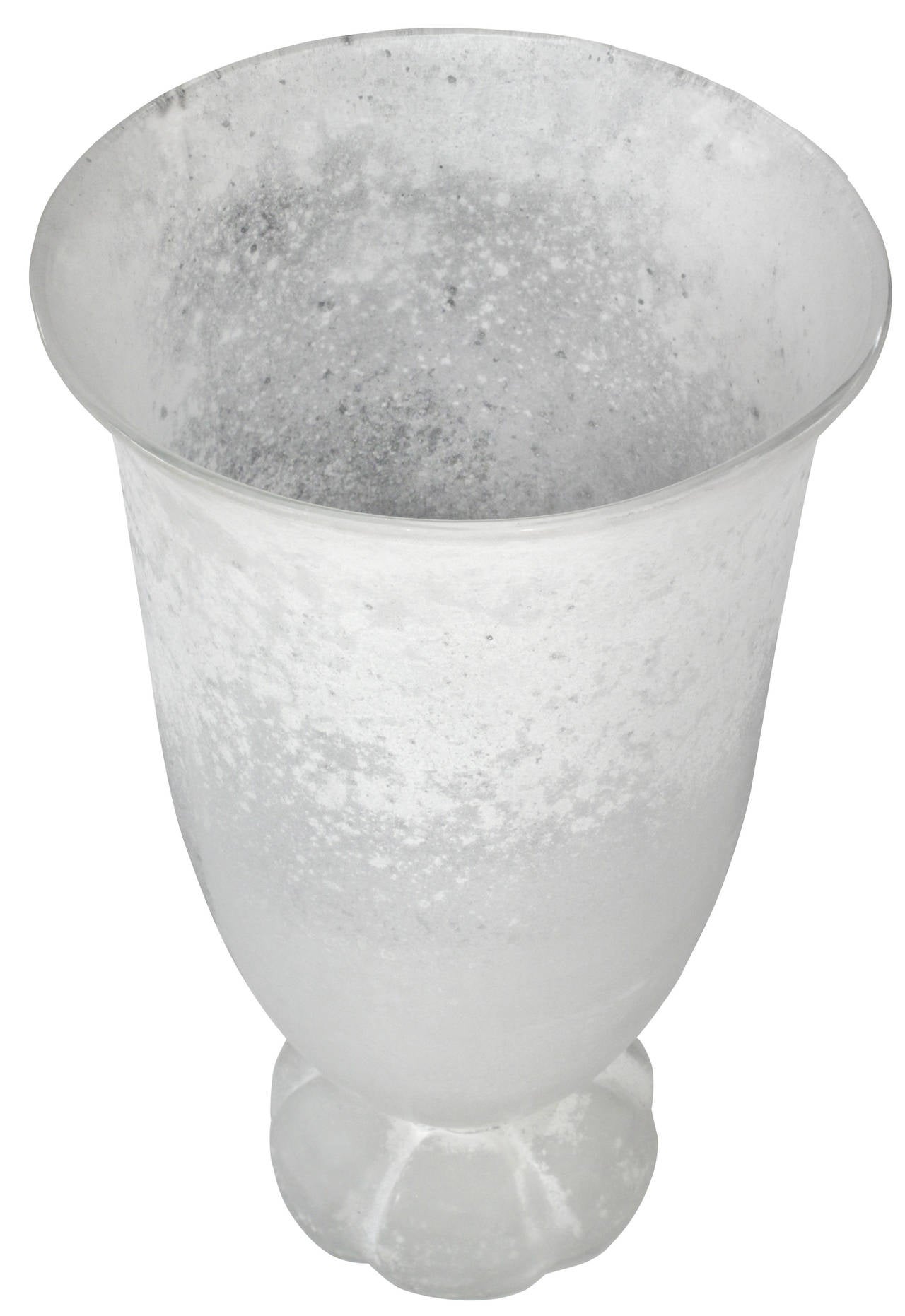
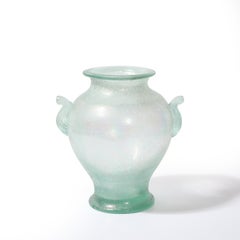
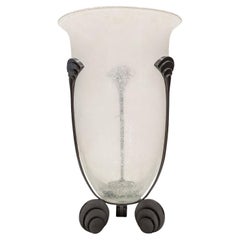
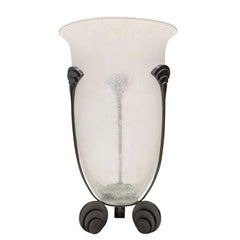
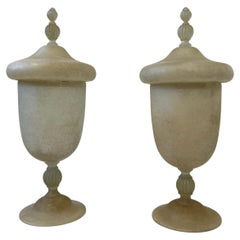
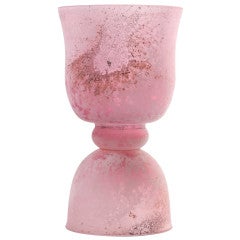
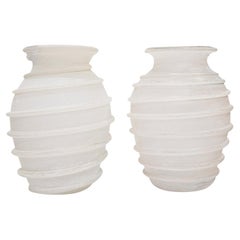
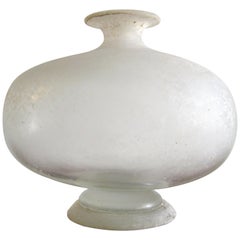
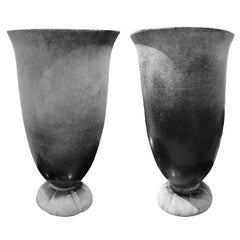
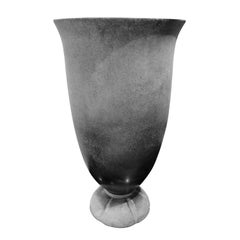
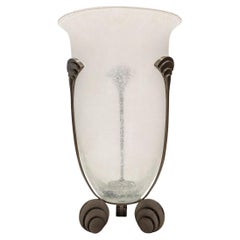
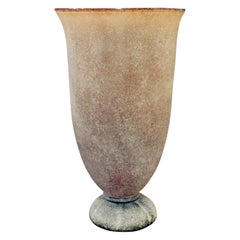
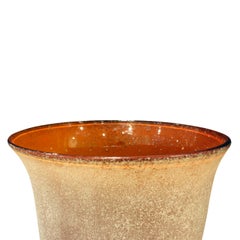
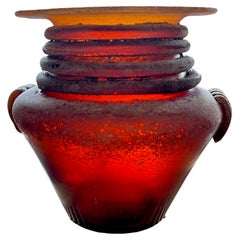
Find many varieties of an authentic karl springer scavo vase available at 1stDibs. A karl springer scavo vase — often made from
glass,
art glass and
metal — can elevate any home. There are many kinds of the karl springer scavo vase you’re looking for, from those produced as long ago as the 20th Century to those made as recently as the 20th Century. Each karl springer scavo vase bearing
modern or
mid-century modern hallmarks is very popular. Many designers have produced at least one well-made karl springer scavo vase over the years, but those crafted by
Karl Springer,
Seguso Vetri d'Arte and
Archimede Seguso are often thought to be among the most beautiful.
Prices for a karl springer scavo vase can differ depending upon size, time period and other attributes — at 1stDibs, they begin at $1,800 and can go as high as $15,000, while the average can fetch as much as $4,755.
The Berlin-born, New York–based designer Karl Springer brought a chic, high-fashion sensibility to his coffee tables, mirrors, Lucite lamps and other furnishings. During his heyday in the 1970s, Springer’s work was a favorite of the glamour set, who enjoyed the novelty of pieces finished in rich and striking materials that ranged from exotic hides and skins to lacquer and chromed metal.
In a sense, Springer was a pre-postmodernist. Much as the dull, safe, corporate sameness of late 20th-century modernism prompted Ettore Sottsass, Michael Graves and others to explore new and provocative structures and materials in design and architecture, so, too, was Springer driven to enliven his creations with fresh and alluring energy and sleekness.
Springer came to New York in the late 1950s and found work arranging window displays at the department store Lord & Taylor. He had studied bookbinding in Germany, and, using his meticulous skills, he began crafting desk accessories wrapped in leather as a sideline. These pieces were sold in luxury stores like Bergdorf Goodman and drew a sophisticated clientele that included the Duchess of Windsor.
By 1965, Springer had established his own Manhattan atelier. It was Pierre Scapula, decorator to Jackie and Aristotle Onassis, who spotted Springer's disco-era Onassis chairs — which didn't yet have a name — first commissioned for a private residence in Acapulco, on the floor of the designer’s East 61st Street showroom. Jackie ordered barstools for the couple’s yacht, the Christina O, and dining chairs for their house on the Greek mainland.
At the time of his death, Springer had showrooms as far afield as Los Angeles, Tokyo and Munich.
The chairs, tables, credenzas and other furniture forms Springer created are generally simple, but substantial, and often have robust, rounded lines. The appeal of his work lies in Springer's insistence on exacting construction and, above all, his eye for unusual materials and finishes.
Springer employed Lucite, brass, and gunmetal along with chromed and polished steel, and revived exquisite finishes rarely seen since the days of Art Deco masters such as Émile-Jacques Ruhlmann and Jean-Michel Frank: shagreen (a type of sharkskin), python, goatskin, bone, horn, and lacquered parchment, as well as fabrics that include batik prints. Made of such materials, Springer’s work is by its very nature flamboyant and eye-catching: a suite of pieces will astonish, and an artfully placed side table in exotic hide will add a surprising spark.
Find a collection of vintage Karl Springer furniture today on 1stDibs.
Whether it’s a Chinese Han dynasty glazed ceramic wine vessel, a work of Murano glass or a hand-painted Scandinavian modern stoneware piece, a fine vase brings a piece of history into your space as much as it adds a sophisticated dynamic.
Like sculptures or paintings, antique and vintage vases are considered works of fine art. Once offered as tributes to ancient rulers, vases continue to be gifted to heads of state today. Over time, decorative porcelain vases have become family heirlooms to be displayed prominently in our homes — loved pieces treasured from generation to generation.
The functional value of vases is well known. They were traditionally utilized as vessels for carrying dry goods or liquids, so some have handles and feature an opening at the top (where they flare back out). While artists have explored wildly sculptural alternatives over time, the most conventional vase shape is characterized by a bulbous base and a body with shoulders where the form curves inward.
Owing to their intrinsic functionality, vases are quite possibly versatile in ways few other art forms can match. They’re typically taller than they are wide. Some have a neck that offers height and is ideal for the stems of cut flowers. To pair with your mid-century modern decor, the right vase will be an elegant receptacle for leafy snake plants on your teak dining table, or, in the case of welcoming guests on your doorstep, a large ceramic floor vase for long tree branches or sticks — perhaps one crafted in the Art Nouveau style — works wonders.
Interior designers include vases of every type, size and style in their projects — be the canvas indoors or outdoors — often introducing a splash of color and a range of textures to an entryway or merely calling attention to nature’s asymmetries by bringing more organically shaped decorative objects into a home.
On 1stDibs, you can browse our collection of vases by material, including ceramic, glass, porcelain and more. Sizes range from tiny bud vases to massive statement pieces and every size in between.