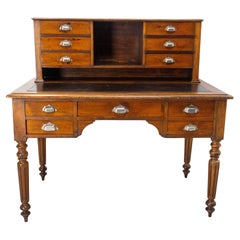
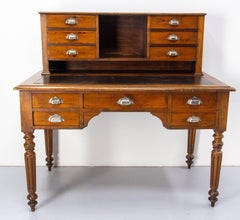
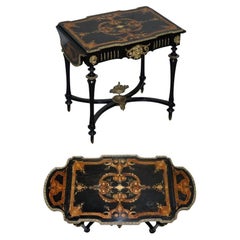
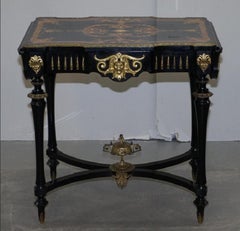
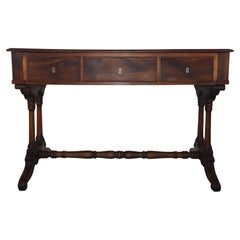
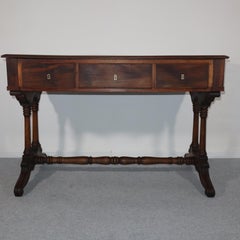
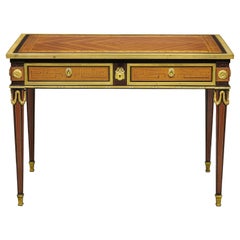
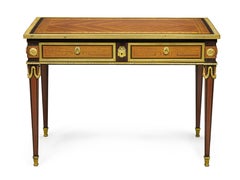
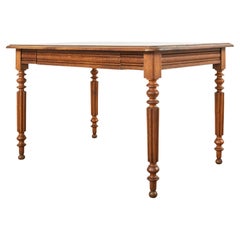
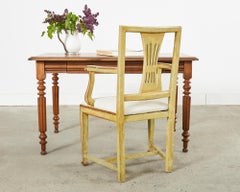
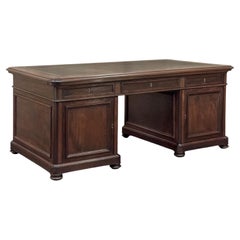
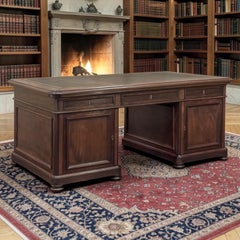
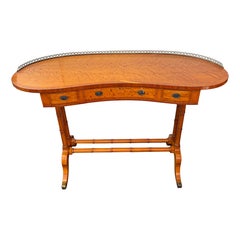
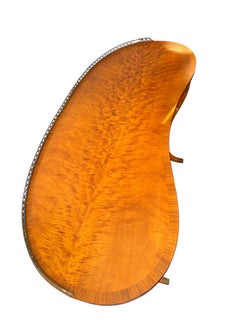
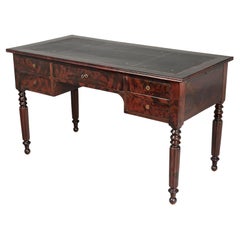
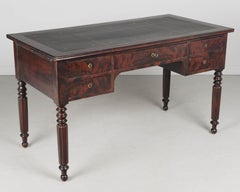
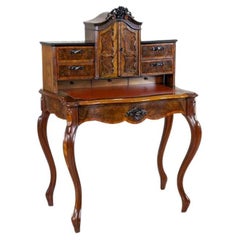
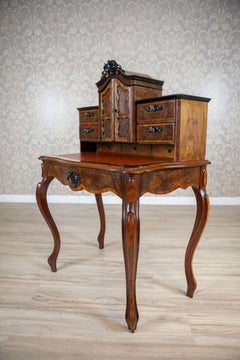
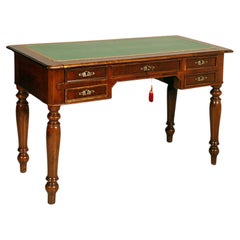
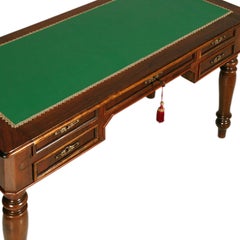
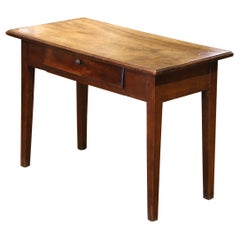
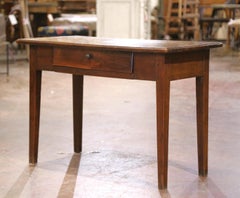
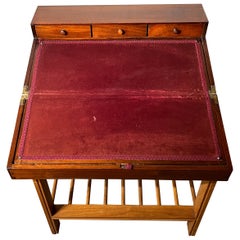
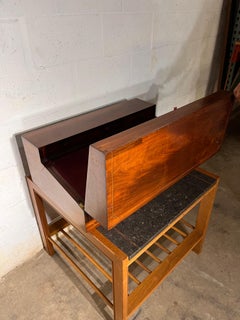
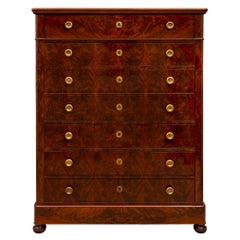
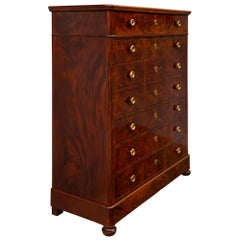
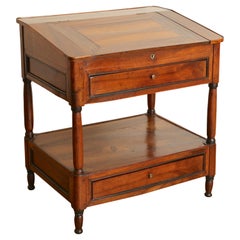
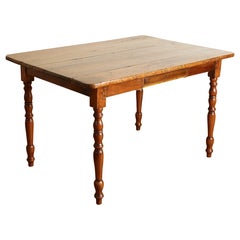
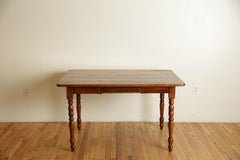
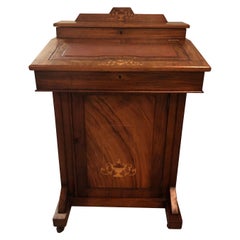
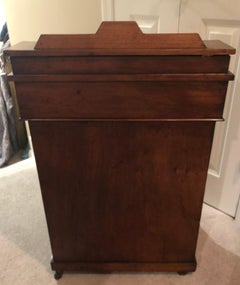
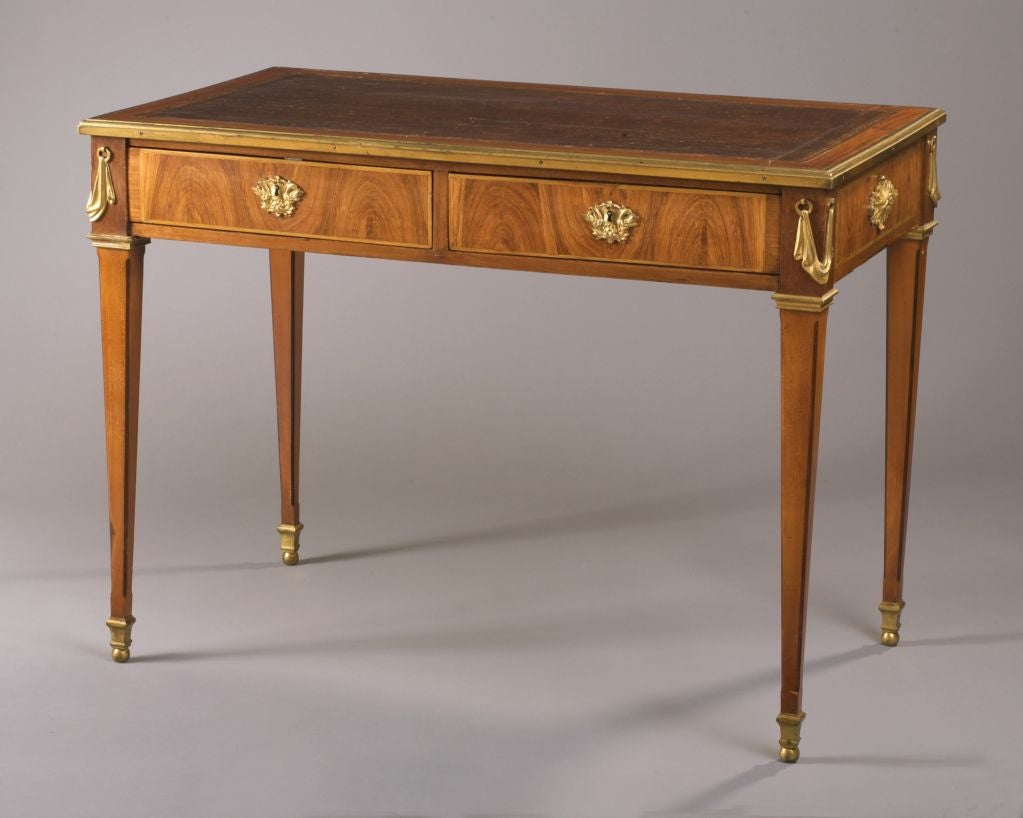
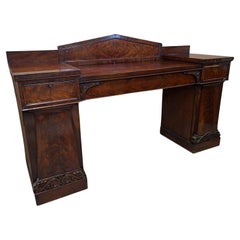
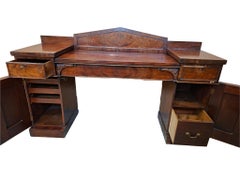
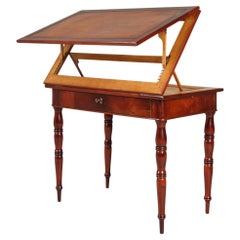
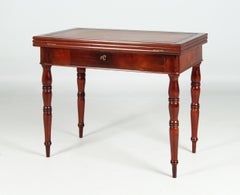
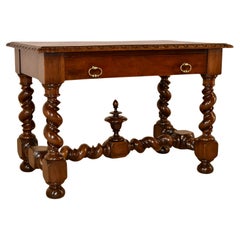
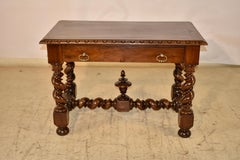
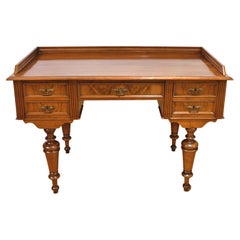
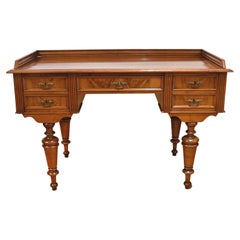
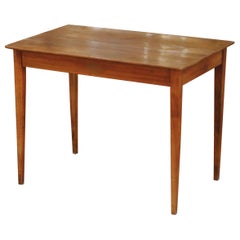
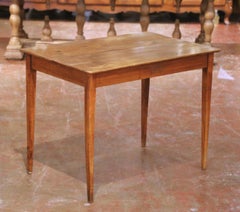
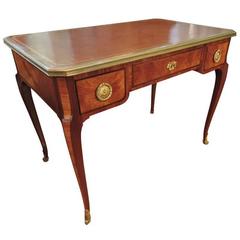
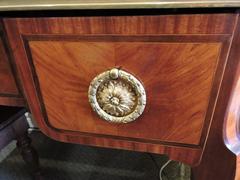
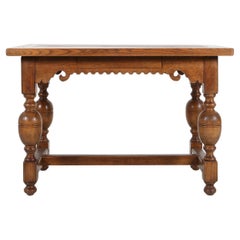
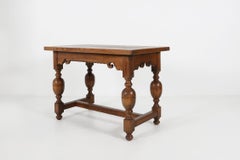
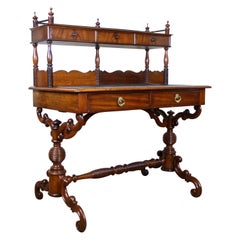
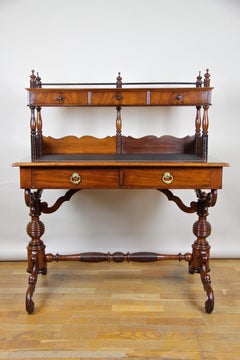
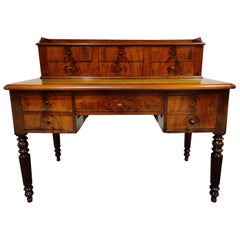
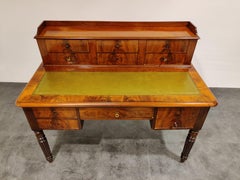
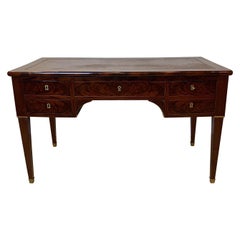
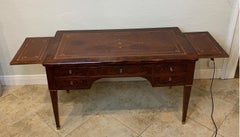
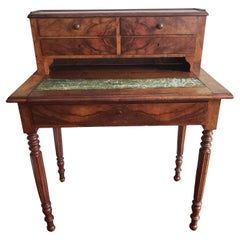
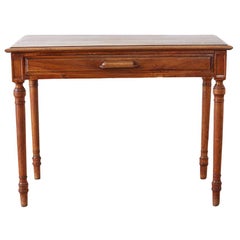
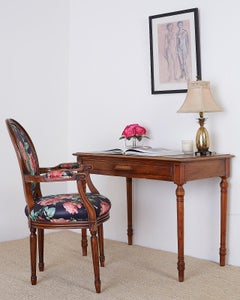
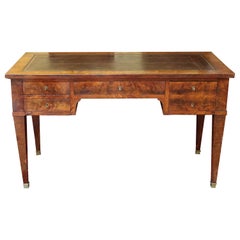
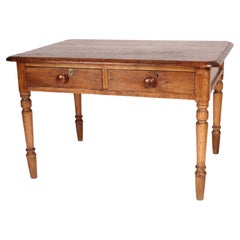
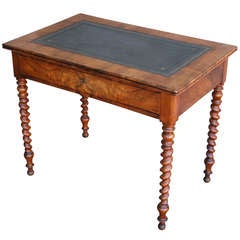
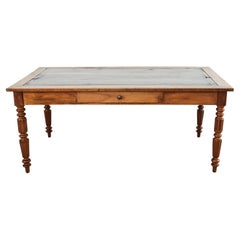
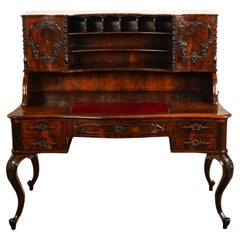
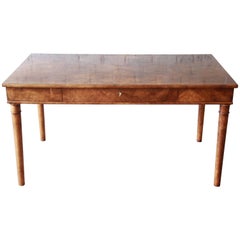
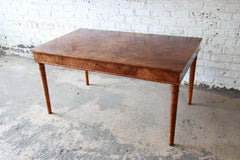
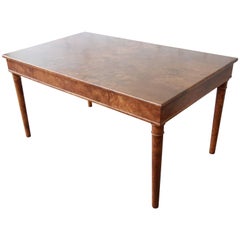
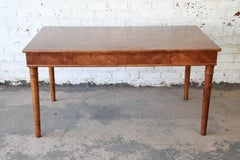
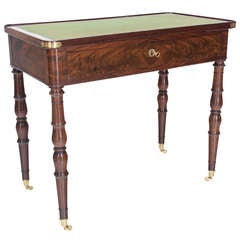
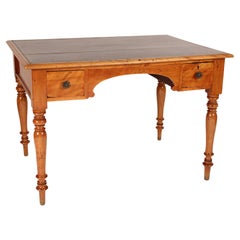
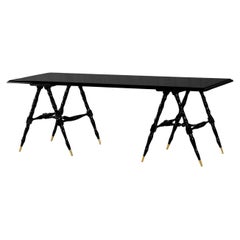
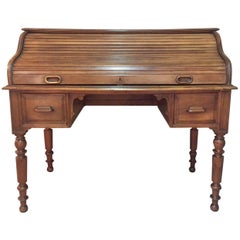
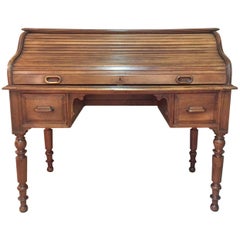
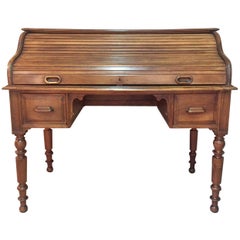
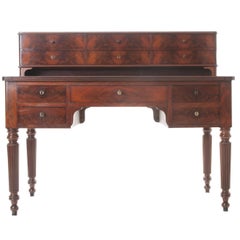
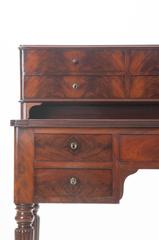
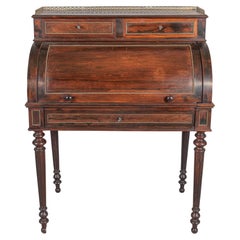
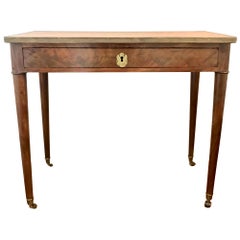
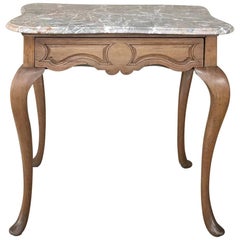
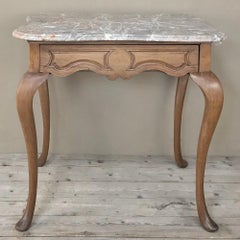
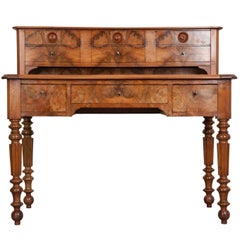
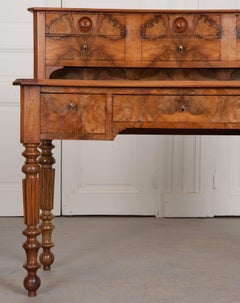
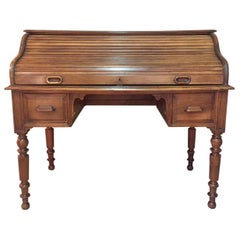
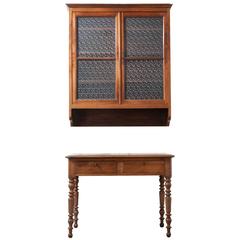
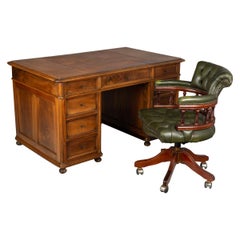
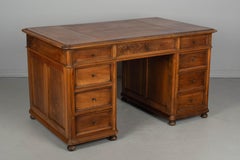
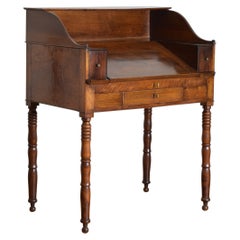
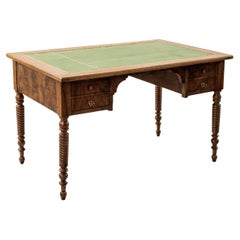
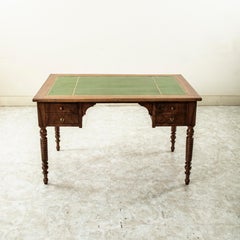
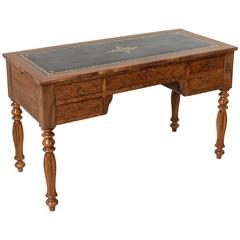
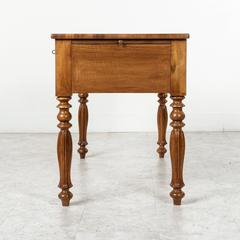
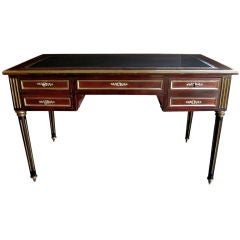
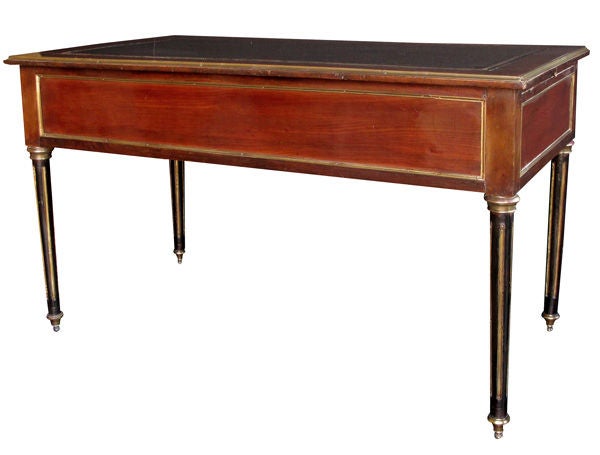
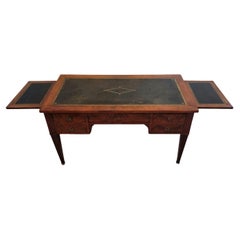
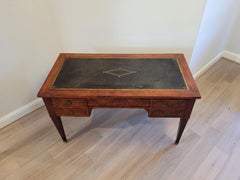
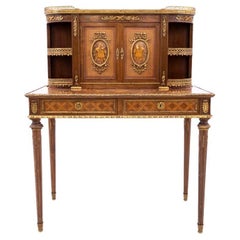
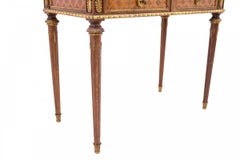
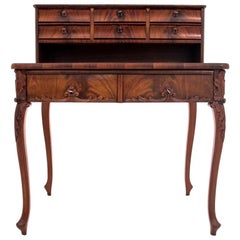
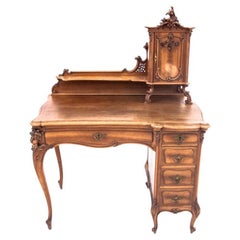
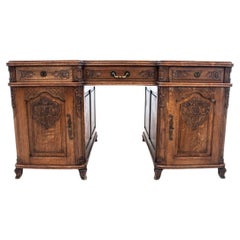
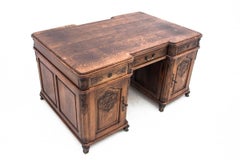
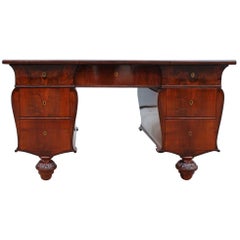
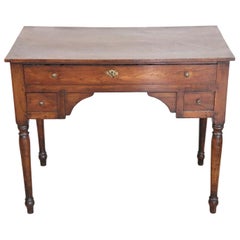
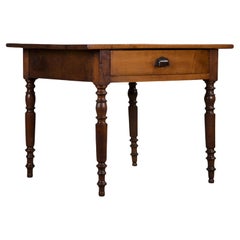
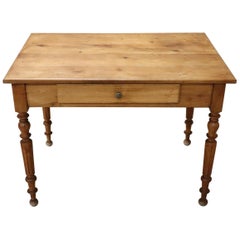
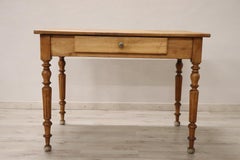
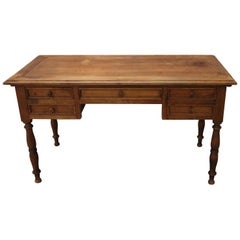
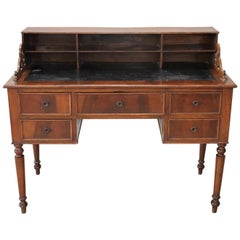
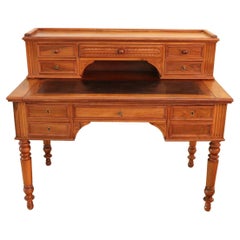
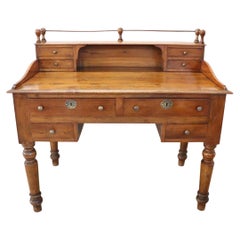
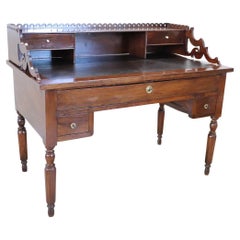
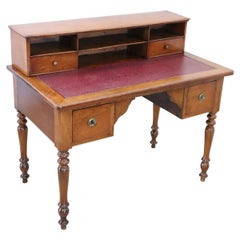
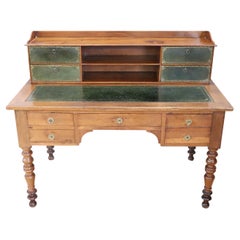
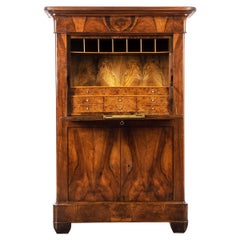
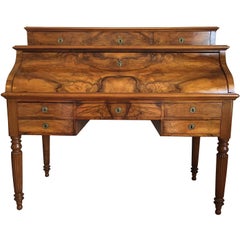
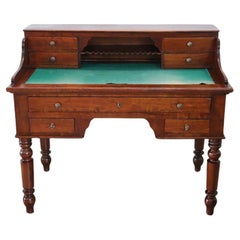
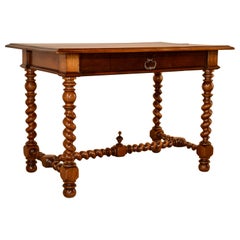
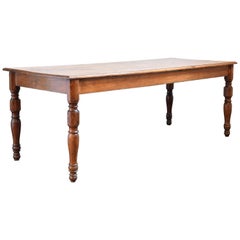
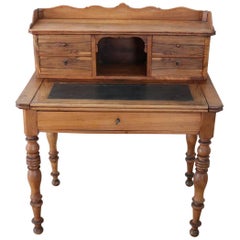
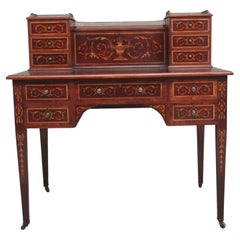
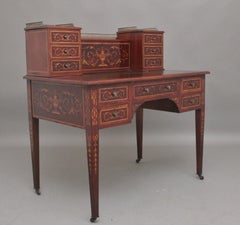
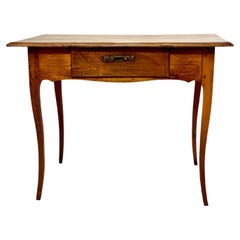
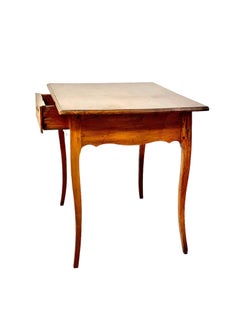
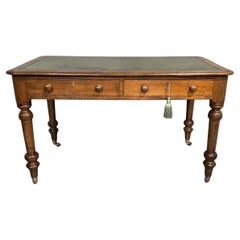
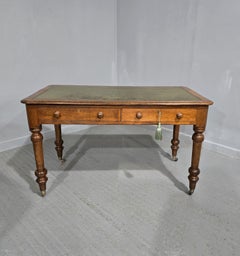
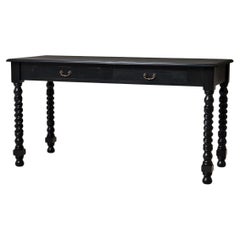
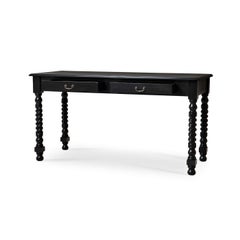
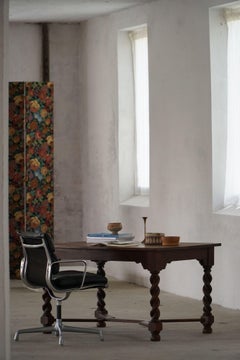
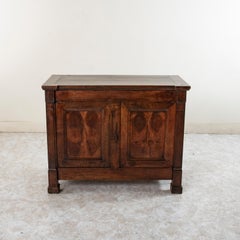
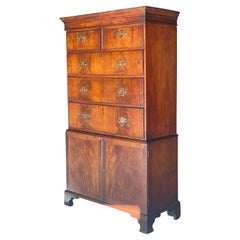
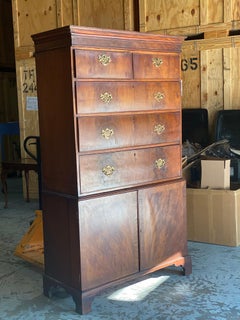
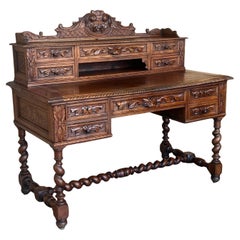
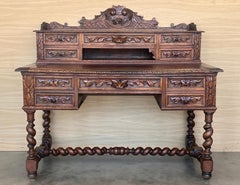
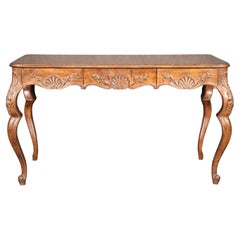
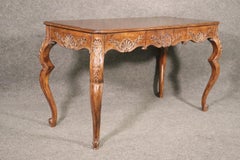
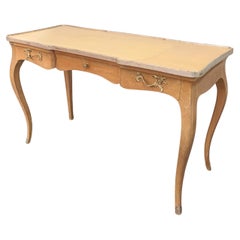
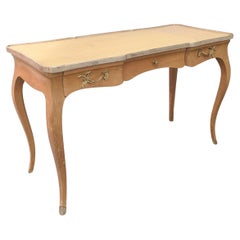
With a vast inventory of beautiful furniture at 1stDibs, we’ve got just the louis philippe writing desk you’re looking for. Frequently made of
wood,
walnut and
animal skin, every louis philippe writing desk was constructed with great care. Find 65 options for an antique or vintage louis philippe writing desk now, or shop our selection of 1 modern versions for a more contemporary example of this long-cherished piece. Your living room may not be complete without a louis philippe writing desk — find older editions for sale from the 18th Century and newer versions made as recently as the 21st Century. A louis philippe writing desk is a generally popular piece of furniture, but those created in
Victorian styles are sought with frequency.
Dessin Fournir and
Louis Philippe each produced at least one beautiful louis philippe writing desk that is worth considering.
Known as the “Citizen King,” Louis Philippe reigned from 1830 to the Revolution of 1848 with the support of the upper bourgeoisie. Whereas the monarchs of 18th-century France, including Louis XIV, Louis XV and Louis XVI, dictated aesthetics through the decadence of the aristocratic court, Louis Philippe had a more down-to-earth presence. He could be seen walking the streets like an ordinary person, carrying his own umbrella and shaking hands with subjects. Antique Louis Philippe–style furniture reflects a sense of simplicity and the sovereign’s passion for the country’s history, such as his establishment of a Museum of the History of France at Versailles, which had been mostly disused since the French Revolution.
Middle Ages, Gothic and Renaissance design informed a nationalist style that celebrated this heritage, with the hodgepodge of influences becoming prevalent in the homes of the bourgeoisie. Cabinetmakers Guillaume and Jean-Michel Grohé created reproductions of historic pieces for the king as well as royal houses abroad. Louis Philippe commissioned sculptor François Rude to create patriotic monuments that paid tribute to military heroes, while designs for furniture published by Claude-Aimé Chenavard, an ornamentalist who conceived widely loved objects for the Sèvres manufactory, further helped spread a revival of Renaissance style.
The rounded profiles of authentic Louis Philippe tables and chairs were preferred in the apartments rather than palaces being furnished by the affluent middle and upper classes. Ornamentation was minimal on the finely crafted pieces, such as large rectangular mirrors adorned with gold and silver leaf finishes and subdued carvings. The popular Louis Philippe commodes were solidly made with clean lines that showed off the grain of the wood and were often topped with marble surfaces.
Find a collection of antique Louis Philippe seating, dining tables, bedroom furniture and other items on 1stDibs.
Choosing the perfect writing desk or writing table is a profoundly personal journey, one that people have been embarking upon for centuries.
Queen Atossa of Persia, from her writing table circa 500 B.C., is said to have been the originator of the art of handwritten letters. Hers was reportedly the first in a long and colorful history of penned correspondence that grew in popularity alongside literacy. The demand for suitable writing desks, which would serve the composer of the letters as well as ensure the comfort of the recipient naturally followed, and the design of these necessary furnishings has evolved throughout history.
Once people began to seek freedom from the outwardly ornate styles of the walnut and rosewood writing desks and drafting tables introduced in the name of Queen Victoria and King Louis XV, radical shifts occurred, such as those that materialized during the Art Nouveau period, when designers longed to produce furniture inspired by the natural world’s beauty. A prime example is the work of the famous late-19th-century Spanish architect Antoni Gaudí — his rolltop desk featured deep side drawers and was adorned with carved motifs that paid tribute to nature. Gaudí regularly combined structural precision with decorative elements, creating beautiful pieces of furniture in wood and metal.
Soon afterward, preferences for sleek, geometric, stylized forms in furniture that saw an emphasis on natural wood grains and traditional craftsmanship took hold. Today, Art Deco desks are still favored by designers who seek to infuse interiors with an air of luxury. One of the most prominent figures of the Art Deco movement was French decorator and furniture designer Émile-Jacques Ruhlmann. With his use of neoclassical motifs as well as expensive and exotic materials such as imported dark woods and inlays of precious metals for his writing desks, Ruhlmann came to symbolize good taste and modernity.
The rise in appreciation for Scandinavian modernism continues to influence the design of contemporary writing desks. It employs the “no fuss” or “less is more” approach to creating a tasteful, sophisticated space. Sweden’s master cabinetmaker Bruno Mathsson created gallery-worthy designs that are as functional as they are beautiful. Finnish architect Alvar Aalto never viewed himself as an artist, but, like Mathsson, his furniture designs reflected a fondness for organic materials and a humanistic approach. Danish designers such as Hans Wegner introduced elegant shapes and lines to mid-century desks and writing tables, often working in oak and solid teak.
From vintage desks to contemporary styles, 1stDibs offers a broad spectrum of choices for conducting all personal and business writing and reading activities.