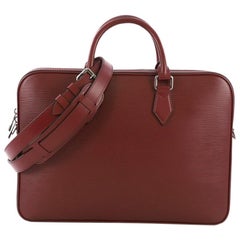
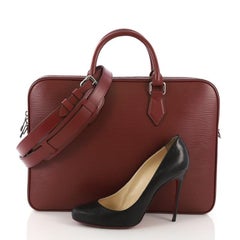
Louis Vuitton Dandy Briefcase Epi Leather MM
By Louis Vuitton
Located in NY, NY
This Louis Vuitton Dandy Briefcase Epi Leather MM, crafted from red epi leather, features dual
Category
Louis Vuitton Dandy Briefcase Epi Leather MM
By Louis Vuitton
Located in NY, NY
This Louis Vuitton Dandy Briefcase Epi Leather MM, crafted from red epi leather, features dual
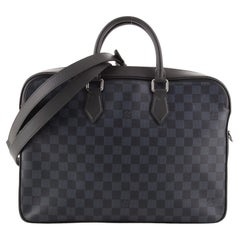
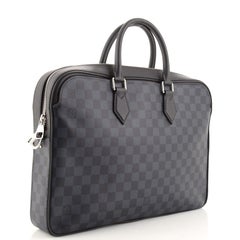
Louis Vuitton Dandy Briefcase Damier Cobalt MM
By Louis Vuitton
Located in NY, NY
" Designer: Louis Vuitton Model: Dandy Briefcase Damier Cobalt MM Exterior Material: Canvas Coated Exterior
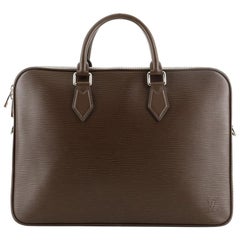
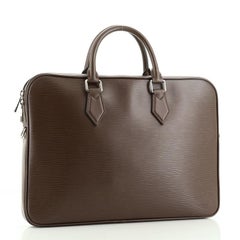
Louis VuittonDandy Briefcase Epi Leather MM
By Louis Vuitton
Located in NY, NY
Accessories Measurements: Handle Drop 4", Height 10.5", Width 15", Depth 2" Designer: Louis Vuitton Model
The story behind iconic luxury brand Louis Vuitton — best known for its esteemed handbags, crossbody bags, leather goods, ready-to-wear clothing and more — is one of craft and innovation in the worlds of fashion, jewelry and furniture.
The company’s modest origins can be traced back to when its founder, Louis Vuitton (1821–92), wishing to free himself from the conventional lifestyle in his provincial French city of Anchay as well as a difficult stepmother, left in the early 1830s to make a new life in Paris. The young Vuitton was 13 at the time and would need to travel on foot to get to the capital, which was hundreds of miles away. With stops along the way to make money so that he could forge ahead, the journey took a couple of years, but reward was close at hand.
When he arrived in Paris, Vuitton made a living with his hands. He toiled as a box maker and packer for more than a decade and built relationships with royals and members of the upper class while working for the empress of France, Eugenie de Montijo. In 1854, Vuitton launched his namesake company. The craftsman opened a humble workshop on rue Neuve des Capucines and advertised his services with a small poster that read: “Securely packs the most fragile objects. Specializing in packing fashions.”
Long before his brand would become known globally for its exemplary top-handle bags and stylish totes, Vuitton produced stackable and rectangular trunks. The most common trunks of the era were round, which weren’t ideal for toting and storing. In 1858, Vuitton debuted his lightweight, handcrafted canvas trunks, which were sturdy, rugged and equipped with convenient compartments. Travel’s popularity broadened in the late 19th century, and Vuitton’s trunks could easily be packed into train cars and ships — upright trunks meant hanging wardrobe storage that would allow his clients to transport their sophisticated garments without worry. Demand increased and the company grew. When Louis Vuitton died in 1892, control of the luxury house was passed onto his only son, Georges Vuitton.
In 1914, a Louis Vuitton store opened at 70 Champs-Élysées. The largest travel-goods store in the world at the time, it became the company’s flagship.
The Louis Vuitton brand embodies all the attributes of luxury, from the craftsmanship, exclusivity and relevance to heritage. It’s only appropriate that it boasts one of the most recognizable insignias — the imaginative interlocking of letters and fleurettes — in the fashion world. The famous LV monogram was first used in 1896 as part of an initiative by Georges to prevent counterfeiting of his coveted new line of travel trunks. It’s one of the earliest examples of fashion branding.
The LV monogram would soon appear on everything from bags and various fashion accessories to alligator-skin champagne cases, from stylish apparel and earrings to teddy bears and airplane models.
On 1stDibs, the unmistakable insignia can be found on both modern and vintage Louis Vuitton shoulder bags, suitcases, original 19th-century trunks, jackets and more.
Vintage and designer briefcases and attachés are the most common varieties of personal luggage. Whether you’re commuting daily or working from home more often and occasionally heading into the city for meetings, a briefcase or slim attaché case can be a fashionable and functional accessory when you’re on the go.
So, what is the difference between a briefcase and an attaché?
The difference is subtle. It depends on what you’re looking for. If you’re not eyeing a vintage tote bag or messenger bag because your needs are a bit more specific, one of these items may be for you.
The term “briefcase” emerged from the legal field because lawyers typically carried their briefs to court in leather cases. Briefcases are usually flat and rectangular and are outfitted with a lock to protect the contents. They may feature a sleeve or large exterior pocket for easy accessibility. Today, briefcases aren’t crafted only from leather; they are made in a wide variety of materials such as vinyl, metal and durable fabric.
The attaché — technically a type of slim, small briefcase — is a portable box-shaped case that opens into two separate compartments. A briefcase, on the other hand, will usually open into one main compartment. An attaché is also often expected to operate on a hinged metal frame. Originally, attachés were ideal for carrying important documents and papers to and from offices. In French, the original use for the term “attaché” was to refer to a member of an ambassador’s staff, specifically an administrative employee who transported documents to and fro in a slender case.
While you could potentially use the two interchangeably, venturesome designers over the years have sought to improve both briefcases and attachés. Legendary luxury houses such as Prada, Gucci, Louis Vuitton and Chanel offer distinguished and stylish but highly practical versions of these accessories. The briefcases and attachés of today feature leather trim and other decorative exterior embellishments, gold hardware and spacious interiors. They come in a range of shapes, sizes and colors to fit the needs of their fussy owners.
The collection of vintage and designer briefcases and attachés on 1stDibs has everything from rugged leather cases to understated canvas accessories that are perfect for the morning commute. Find yours today.
The Japanese artist is one of many creators with whom the French fashion house has partnered to impressive effect.
The late designer created an iridescent, irreverent take on the nearly century-old travel staple.
What are the telltale signs that you're holding a real Louis Vuitton and not a knockoff? We spoke with expert Diane D’Amato to find out. Of course, you don't have to worry about fakes on 1stDibs, where every seller is highly vetted.
The venerable brand has earned accolades (and gained new fans) for partnerships that meld fashion with art.
When the name of a bag is as well-known as its brand, you know it's a classic.