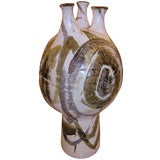
Susan Peterson Three Spouted Pottery Vessel
By Susan Petersen
Located in New York, NY
other Indian artists deserved the same attention. With this in mind, I wrote my next book, Lucy M. Lewis
Category
20th Century Vases
Materials
Pottery
Susan Peterson Three Spouted Pottery Vessel
By Susan Petersen
Located in New York, NY
other Indian artists deserved the same attention. With this in mind, I wrote my next book, Lucy M. Lewis
Pottery
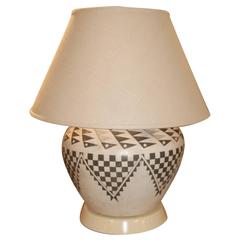
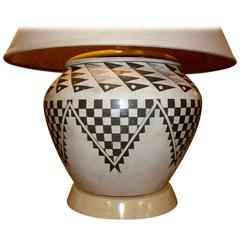
Large Acoma Pottery by Lucy Lewis Turned into a Lamp by Steve Chase
By Lucy M. Lewis
Located in Palm Springs, CA
A spectacular Acoma Tularosa piece of pottery, in the style of Lucy Lewis, the renown Native
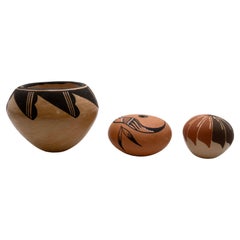
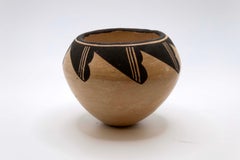
Lucy Martin Lewis Acoma Pueblo New Mexico with R.D. Jemez & N. Sandia Jemez
Located in Keego Harbor, MI
different artist’s signature: N. Sandia Jemez (Natalie Sandia), R.D. Jemez, and Lucy M. Lewis. The vessels
Pottery
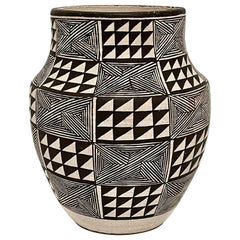
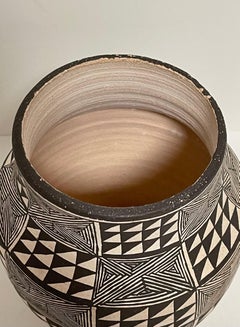
Lucy Lewis Acoma Vessel, 1984
Located in Palm Springs, CA
Lucy Lewis signed Acoma pottery vessel in a geometric pattern. Dated 1984. In good condition with
Pottery
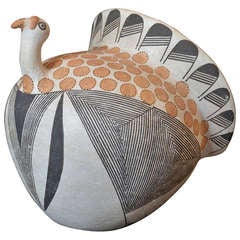

Turkey Effigy by Lucy M. Lewis
By Lucy M. Lewis
Located in Santa Fe, NM
Lucy Martin Lewis (1890/8–March 12, 1992) was a Native American potter from Acoma Pueblo, New
Terracotta
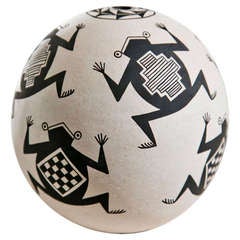

Acoma Globe Vase
By Emma Lewis Mitchell
Located in San Francisco, CA
. Made by Emma Lewis Mitchell, daughter of noted Native American (Acoma) New Mexican artist, Lucy Lewis
Ceramic, Paint
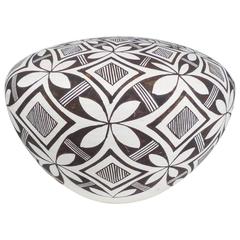

Acoma Pueblo Black on White Seed Jar, circa 1970
By Marie Z. Chino
Located in Santa Fe, NM
. Chino. Marie Z. Chino is amongst the best known potters from this region, along with Lucy Lewis. Chino
Clay
As part of thoughtful home decor, antique and vintage Native American objects — works created by Native American artists and artisans — can bring rich textures and colors into a space.
Art collecting can be done in a socially and environmentally conscious way that reinvests in local communities. Tribal art is traditionally crafted with earth-friendly materials that respect the environment.
Textiles have long been objects of art and utility for Native Americans. Traditional weaving techniques involve material made from plant and animal fibers. Different tribes have woven distinctive patterns and colors into blankets, rugs and garments, such as the vibrant geometric shapes woven from wool by the Navajo.
After metal and glass beads were introduced to North America by Europeans, they became a popular form of art. Intricate beading appears on clothing, jewelry and other objects. Beadwork not only looks stunning, but it is also deeply emblematic of Native American ethnicity and can be used to pass stories handed down from generation to generation. Beaded garments have often been commissioned for important events like weddings, dances and celebrations.
Native Americans initially created pottery out of necessity to carry water and store food. For centuries, artists have decorated jugs, vases and other vessels, from designs etched into clay to experimentation with firing methods for unique finishes.
Find a diverse collection of colorful and culturally enriching antique and vintage Native American decorative items, objects and much more on 1stDibs.
At Waddesdon Manor, artist Joana Vasconcelos has installed a three-tiered patisserie inspired by the narrative tile work of her homeland. We take a look at the cake sculpture and how Portuguese tiles have been used in architecture from the 17th century to today.
The streets of fin-de-siècle Paris were set aglow with colorful poster ads, thanks to the printing techniques invented by Jules Chéret. Now, the Milwaukee Art Museum is celebrating this undersung talent in America's first solo show dedicated his exuberant works.
Expert Jeff Bridgman explains the history and meaning behind the twinkling constellations that have graced Old Glory.
The iconoclastic style setter displayed African and Oceanic art, as well as works by indigenous peoples of the Americas, alongside pieces by such major modernists as Pablo Picasso and Jackson Pollock.
Perfect for July 4th weekend, a new show at Philadelphia's Museum of the American Revolution displays an array of antique red, white and blue flags.
Designers are beginning to see this enigmatic form of folk art in a whole new light.