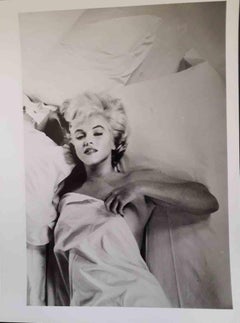
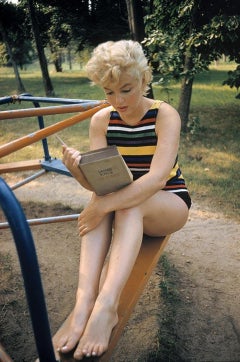
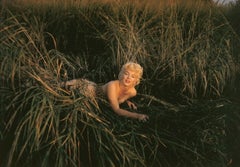
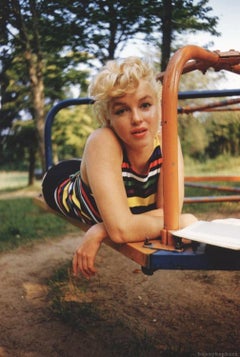
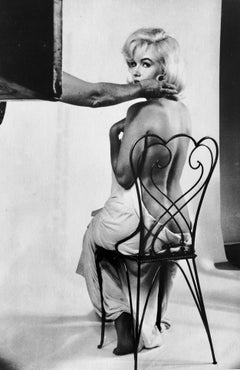
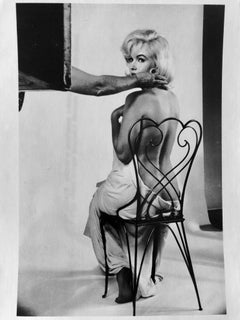
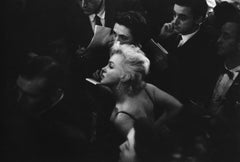
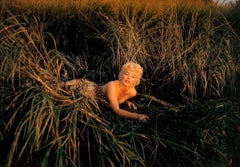
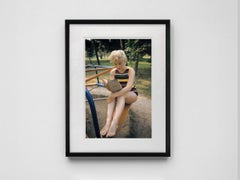
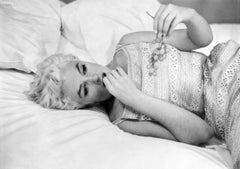
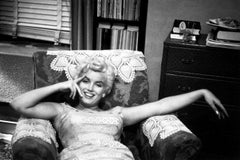
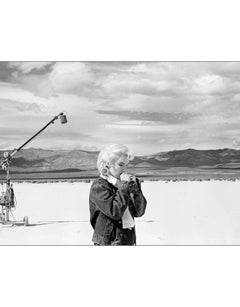
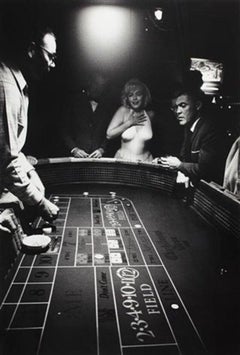
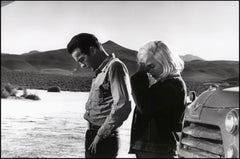
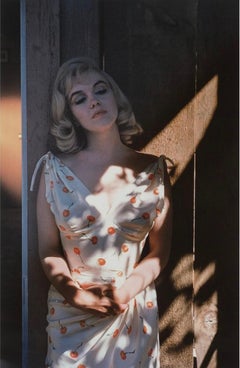
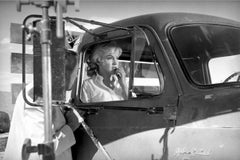
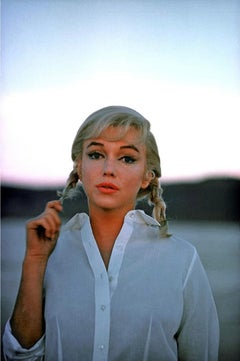
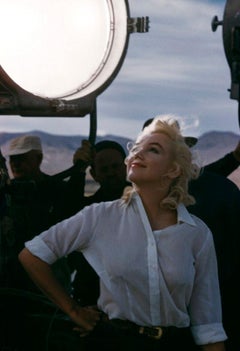
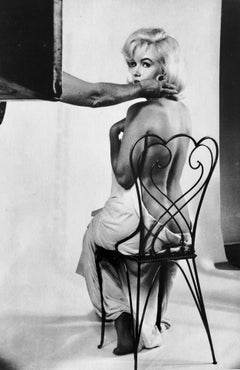
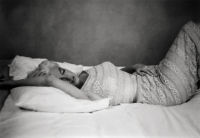
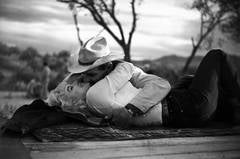
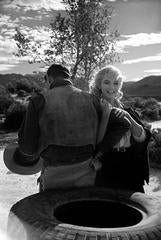
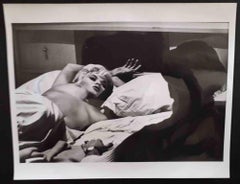
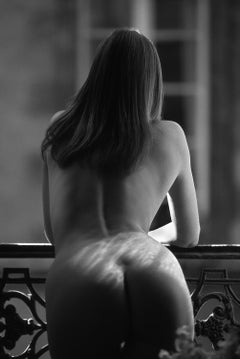
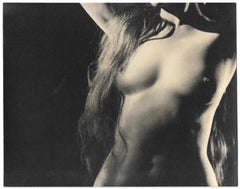
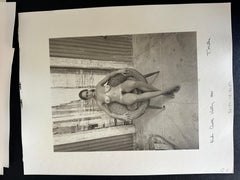
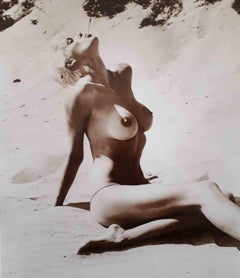
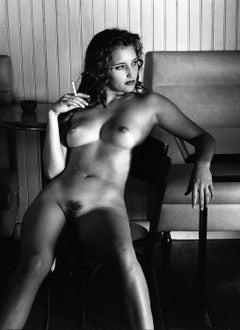
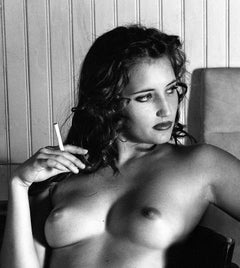
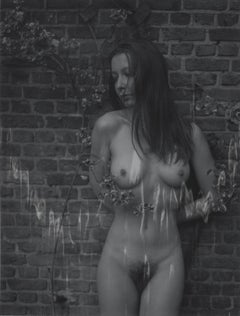
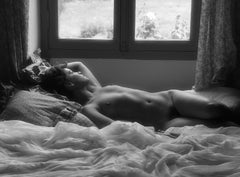
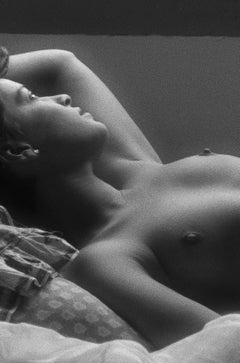
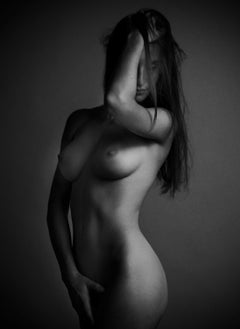
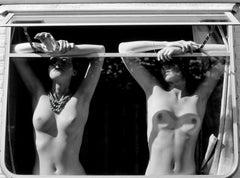
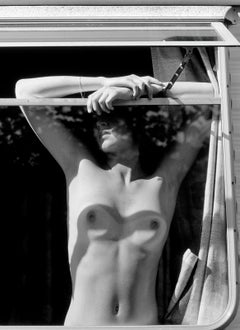
You are likely to find exactly the marilyn monroe eve arnold you’re looking for on 1stDibs, as there is a broad range for sale. Find
modern versions now, or shop for
modern creations for a more modern example of these cherished works. If you’re looking for a marilyn monroe eve arnold from a specific time period, our collection is diverse and broad-ranging, and you’ll find at least one that dates back to the 20th Century while another version may have been produced as recently as the 21st Century. Adding a marilyn monroe eve arnold to a room that is mostly decorated in warm neutral tones can yield a welcome change — find a piece on 1stDibs that incorporates elements of
beige,
silver and more. Artworks like these of any era or style can make for thoughtful decor in any space, but a selection from our variety of those made in
paper,
cotton and
fabric can add an especially memorable touch. A large marilyn monroe eve arnold can be an attractive addition to some spaces, while smaller examples are available — approximately spanning 4 high and 5 wide — and may be better suited to a more modest living area.
Eve Arnold, OBE (Hon.), FRPS was an American photojournalist. She joined the Magnum Photos agency in 1951 and became a full member in 1957.
Arnold was born Eve Cohen in Philadelphia, Pennsylvania, the middle of nine children born to immigrant Russian-Jewish parents, William Cohen (born Velvel Sklarski), a rabbi, and his wife, Bessie (Bosya Laschinger). Her interest in photography began in 1946 while working for Kodak in their photo-finishing plant in Fair Garden, New Jersey.
Over six weeks in 1948, Arnold learned photographic skills from Harper’s Bazaar art director Alexey Brodovitch at the New School for Social Research in Manhattan. She married Arnold Schmitz (later Arnold Arnold) in 1941.
Arnold photographed many of the iconic figures who shaped the second half of the 20th century, yet she was equally comfortable documenting the lives of the poor and dispossessed, “migrant workers, civil rights protests of apartheid in South Africa, disabled Vietnam war veterans and Mongolian herdsmen.” Her joyful picture of a Cuban couple with their child was selected in 1955 for the world-touring Museum of Modern Art exhibition, “The Family of Man,” and seen by 9 million visitors.
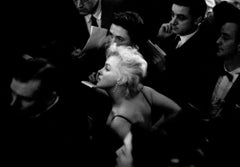
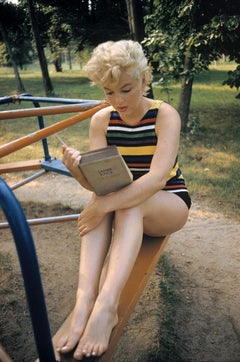
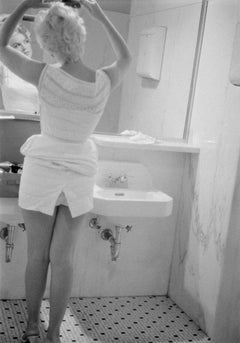
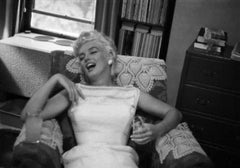
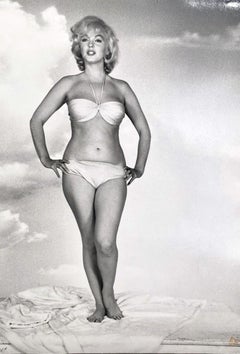
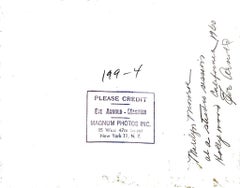
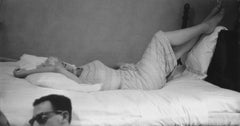
Arnold’s images of Marilyn Monroe on the set of The Misfits (1961) were perhaps her most memorable, but she had taken many photos of the actress from 1951 onward. Her previously unseen photos of Monroe were shown at a Halcyon Gallery exhibition in London in May of 2005. She also photographed Queen Elizabeth II, Malcolm X, Marlene Dietrich, and Joan Crawford, and traveled around the world, photographing in China, Russia, South Africa and Afghanistan.
Arnold left the United States and moved permanently to England in the early 1970s with her son, Francis Arnold. While working for the London Sunday Times, she began to make serious use of color photography.
Find original Eve Arnold photography on 1stDibs.
(Biography provided by Lions Gallery)
There’s a lot to love about black and white photography.
The unique and timeless quality of a black and white photograph accentuates any room. Some might argue that we’re naturally drawn to color photography because it’s the world we know best. This is a shared belief, particularly in the era of camera-phone photography, editing apps and the frenetic immediacy of sharing photos on social media. But when we look at black and white photography, we experience deep, rich shadows and tonal properties in a way that transfixes us. Composition and textures are crisp and engaging. We’re immediately drawn to the subjects of vintage street photography and continue to feel the emotional impact of decades-old photojournalism. The silhouettes of mountains in black and white landscape photography are particularly pronounced, while portrait photography and the skylines of urban cityscapes come to life in monochrome prints.
When decorating with fine photography, keep in mind that some color photographs may not be suitable for every space. However, you can be more daring with black and white photos. The gray tones are classic, sophisticated and generally introduce elegance to any corner of your home, which renders black and white prints amazingly versatile.
Black and white photography adapts to its surroundings like a chameleon might. A single large-scale black and white photograph above the sofa in your living room is going to work with any furniture style, and as some homeowners and designers today are working to introduce more muted tones and neutral palettes to dining rooms and bedrooms, the integration of black and white photography — a hallmark of minimalist decor — is a particularly natural choice for such a setting.
Another advantage to bringing black and white photography into your home is that you can style walls and add depth and character without worrying about disrupting an existing color scheme. Black and white photographs actually harmonize well with accent colors such as yellow, red and green. Your provocative Memphis Group lighting and bold Pierre Paulin seating will pair nicely with the black and white fine nude photography you’ve curated over the years.
Black and white photography also complements a variety of other art. Black and white photos pair well with drawings and etchings in monochromatic hues. They can also form part of specific color schemes. For example, you can place black and white prints in colored picture frames for a pop of color. And while there are no hard and fast rules, it’s best to keep black and white prints separate from color photographs. Color prints stand out in a room more than black and white prints do. Pairing them may detract attention from your black and white photography. Instead, dedicate separate walls or spaces to each.
Once you’ve selected the photography that best fits your space, you’ll need to decide how to hang the images. If you want to hang multiple photos, it’s essential to know how to arrange wall art. A proper arrangement can significantly enhance a living space.
On 1stDibs, explore a vast collection of compelling black and white photography by artists such as Mark Shaw, Jack Mitchell (a photographer you should know), Berenice Abbott and David Yarrow.