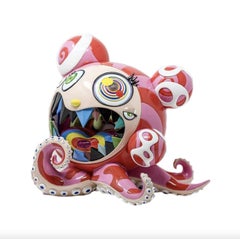
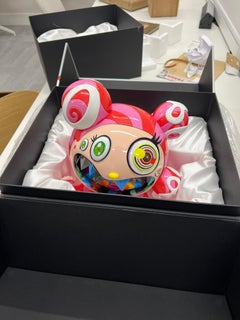
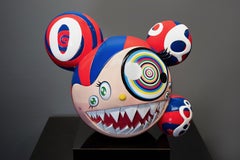
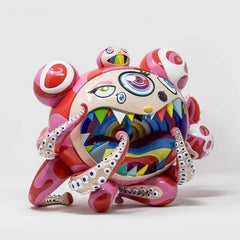
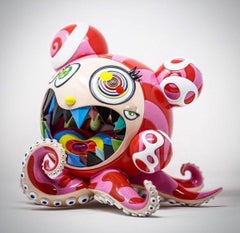
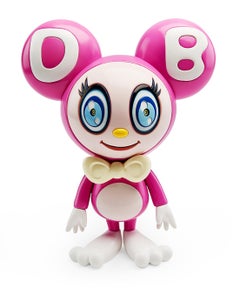
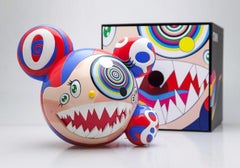
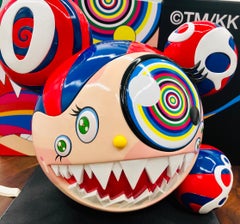
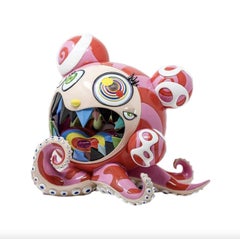
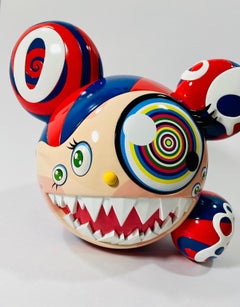
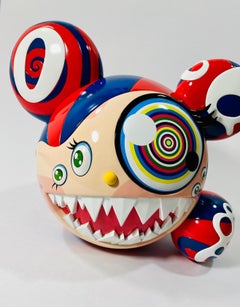
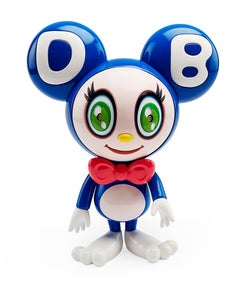
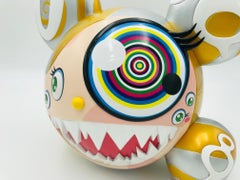
Surely you’ll find the exact murakami vinyl you’re seeking on 1stDibs — we’ve got a vast assortment for sale. You can easily find an example made in the
Contemporary style, while we also have 5
Contemporary versions to choose from as well. You’re likely to find the perfect murakami vinyl among the distinctive items we have available, which includes versions made as long ago as the 20th Century as well as those made as recently as the 21st Century. Adding a murakami vinyl to a room that is mostly decorated in warm neutral tones can yield a welcome change — find a piece on 1stDibs that incorporates elements of
gray,
beige,
orange,
purple and more. These artworks were handmade with extraordinary care, with artists most often working in
paint,
synthetic resin paint and
vinyl paint.
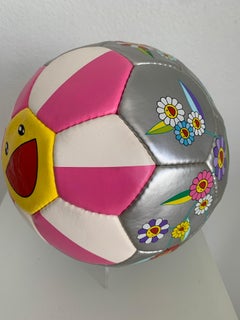
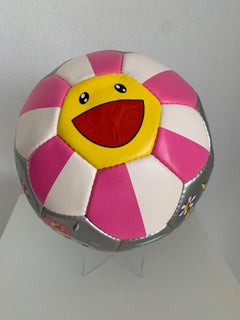
Japanese contemporary artist Takashi Murakami may be famous among collectors for the psychedelic flowers and chaotic cartoons that populate his prints and paintings, but artists likely know him as the theorist behind the contemporary art movement he calls “Superflat.”
Partially inspired by the Pop art of Andy Warhol, in which celebrity culture and mundane mass-produced items became the focus of bright and colorful works that both celebrated and criticized consumerism, Murakami’s Superflat encompasses painting, sculpture, digital design and more to present a subversive look at consumerism but is also an effort to blend fine art and lowbrow culture.
A multifaceted and remarkably influential artist as well as a compulsive art collector, Murakami has collaborated with brands such as Louis Vuitton, while one of his most famous Superflat works is the teddy bear on the cover of the Graduation album by American rapper Kanye West.
In 1993 Murakami earned his Ph.D. from Tokyo University of the Arts, where he was trained in nihonga, a style of painting that originated in the late 19th century by artists who worked to preserve and promote the conventions and processes associated with traditional Japanese art. While practicing nihonga, Murakami began to realize that his beliefs didn’t align with the tradition, so his art subsequently took on a satirical feel that embodied a critique of the movement. Before long, his style took a drastic turn, embracing otaku, a rising postwar cultural phenomenon among Japan’s younger crowd who loved anime and manga. (Otaku is also integral to Superflat.)
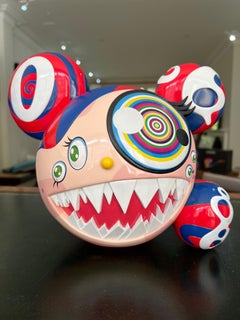
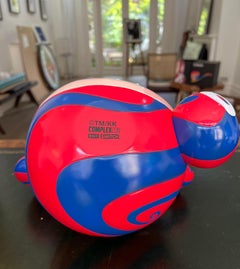
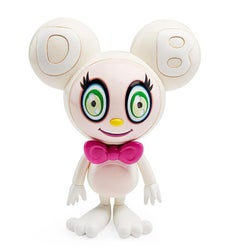
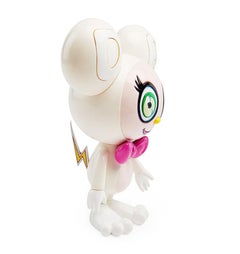
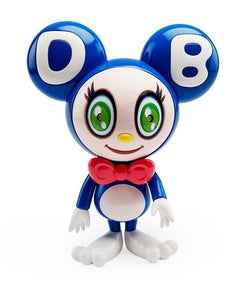
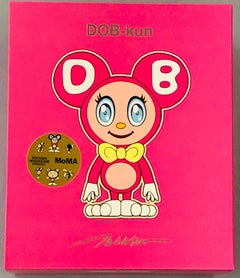
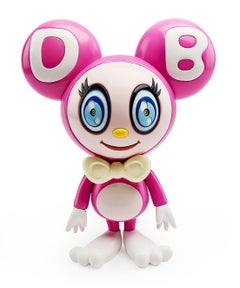
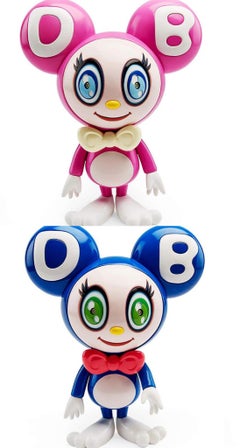
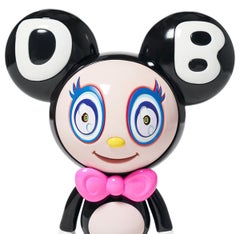
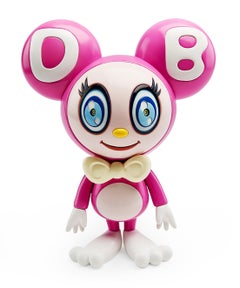
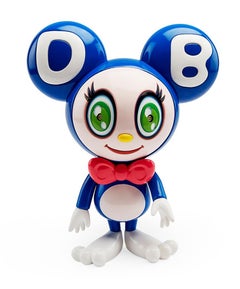
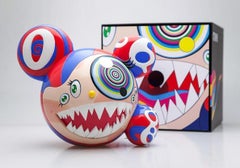
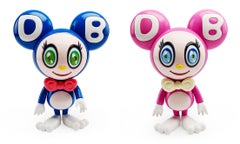
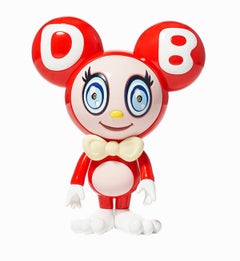
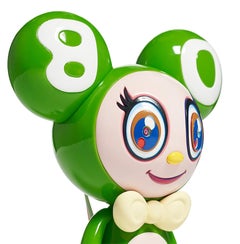
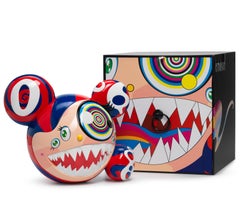
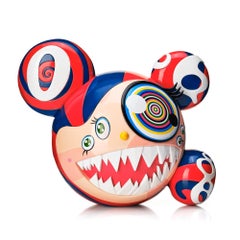
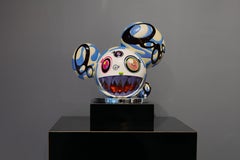
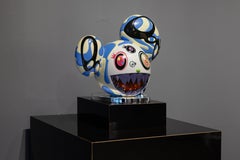
This is when Murakami’s most well-known character, Mr. DOB, was born. This anime-inspired icon, which Americans might interpret as a cross between Walt Disney’s Mickey Mouse and Lewis Carroll’s Cheshire Cat given its pronounced ears and broad and menacing grin, was part of the artist’s endeavor to elevate the otaku subculture but also to target mass consumerism. While Murakami conceived of Mr. DOB years ahead of his 2000-era Superflat theory, there is much common ground between the two. Not unlike his other creations, Murakami’s Mr. DOB is equal parts erotic, disturbing and cartoonish — an incisive mockery of the mingling of commerce and fine art so prevalent in Japanese popular culture.
Find original Takashi Murakami prints, sculptures and other art on 1stDibs.
The history of sculpture as we know it is believed to have origins in Ancient Greece, while small sculptural carvings are among the most common examples of prehistoric art. In short, sculpture as a fine art has been with us forever. A powerful three-dimensional means of creative expression, sculpture has long been most frequently associated with religion — consider the limestone Great Sphinx in Giza, Egypt — while the tradition of collecting sculpture, which has also been traced back to Greece as well as to China, far precedes the emergence of museums.
Technique and materials in sculpture have changed over time. Stone sculpture, which essentially began as images carved into cave walls, is as old as human civilization itself. The majority of surviving sculpted works from ancient cultures are stone. Traditionally, this material and pottery as well as metal — bronze in particular — were among the most common materials associated with this field of visual art. Artists have long sought new ways and materials in order to make sculptures and express their ideas. Material, after all, is the vehicle through which artists express themselves, or at least work out the problems knocking around in their heads. It also allows them to push the boundaries of form, subverting our expectations and upending convention. As an influential sculptor as much as he was a revolutionary painter and printmaker, Pablo Picasso worked with everything from wire to wood to bicycle seats.
If you are a lover of art and antiques or are thinking of bringing a work of sculpture into your home for the first time, there are several details to keep in mind. As with all other works of art, think about what you like. What speaks to you? Visit local galleries and museums. Take in works of public art and art fairs when you can and find out what kind of sculpture you like. When you’ve come to a decision about a specific work, try to find out all you can about the piece, and if you’re not buying from a sculptor directly, work with an art expert to confirm the work’s authenticity.
And when you bring your sculpture home, remember: No matter how big or small your new addition is, it will make a statement in your space. Large- and even medium-sized sculptures can be heavy, so hire some professional art handlers as necessary and find a good place in your home for your piece. Whether you’re installing a towering new figurative sculpture — a colorful character by KAWS or hyperreal work by Carole A. Feuerman, perhaps — or an abstract work by Won Lee, you’ll want the sculpture to be safe from being knocked over. (You’ll find that most sculptures should be displayed at eye level, while some large busts look best from below.)
On 1stDibs, find a broad range of exceptional sculptures for sale. Browse works by your favorite creator, style, period or other attribute.