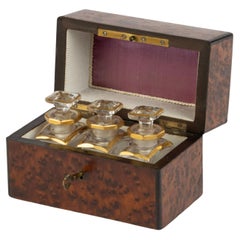
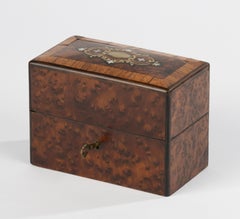
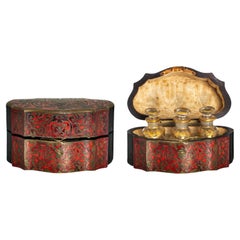
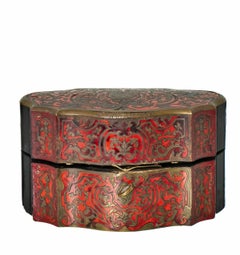
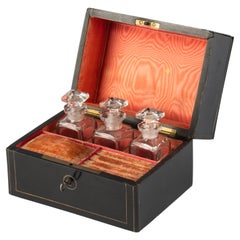
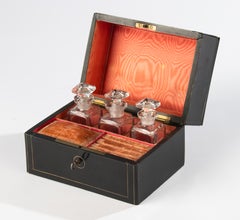
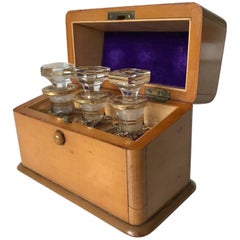
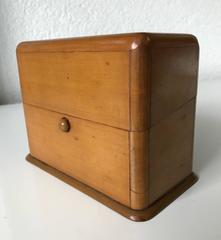
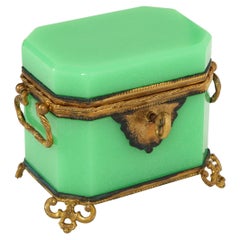
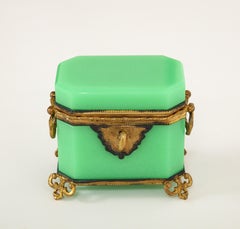
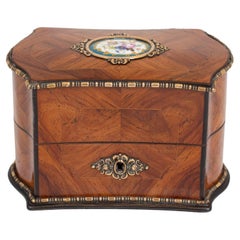
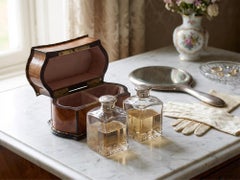
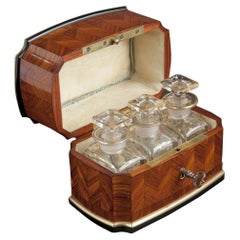
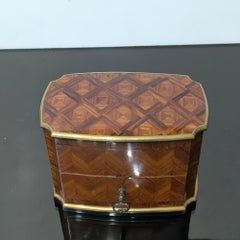
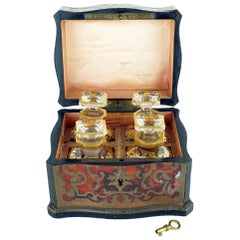
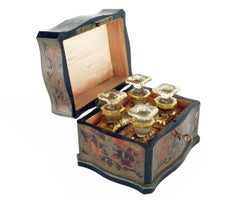
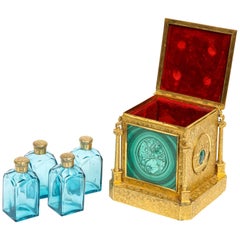
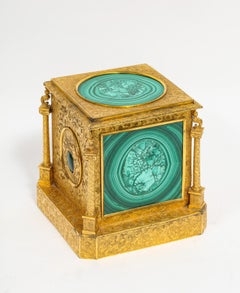
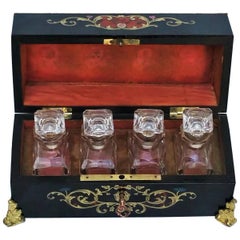
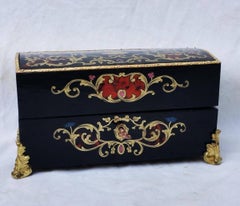
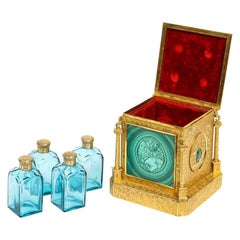
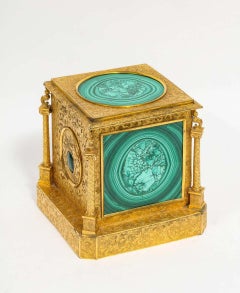
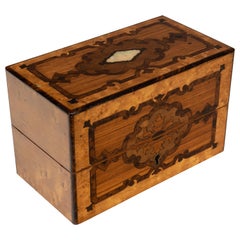
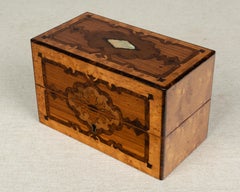
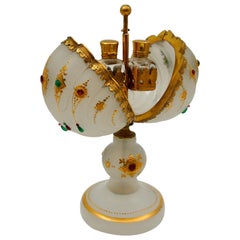
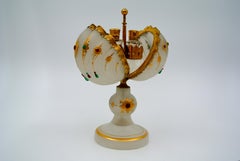
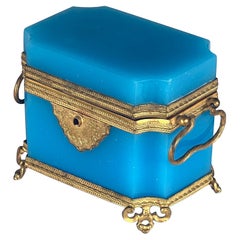
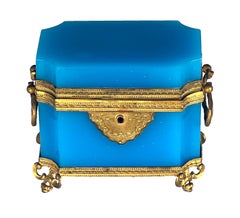
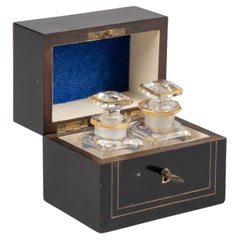
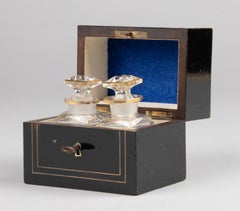
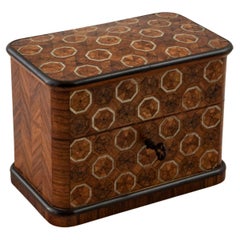
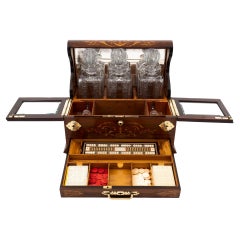
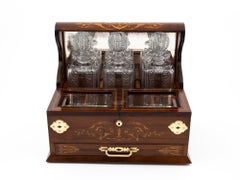
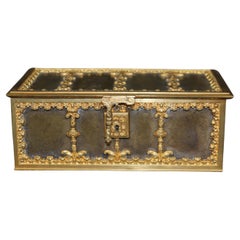
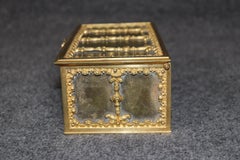
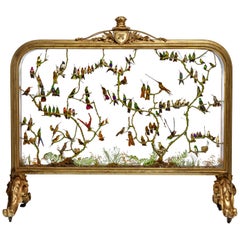
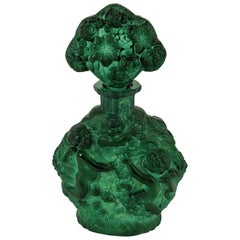
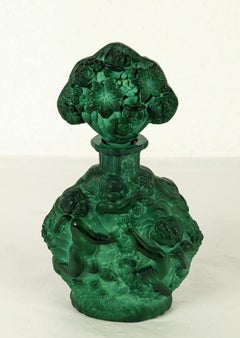
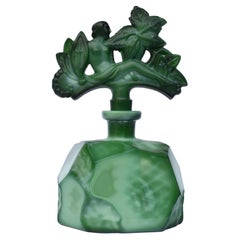
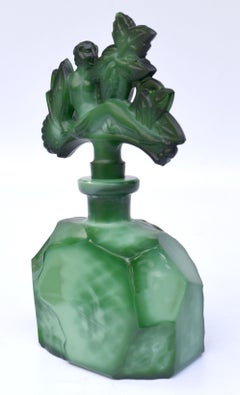
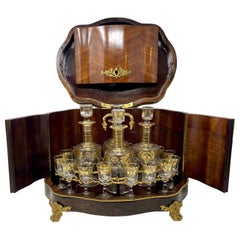
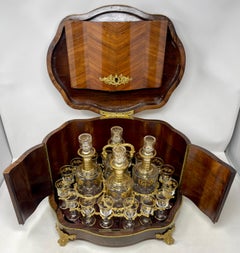
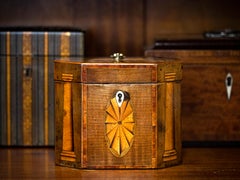
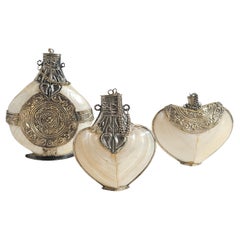
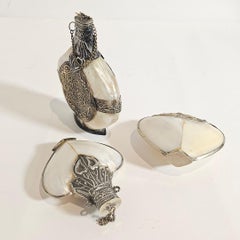
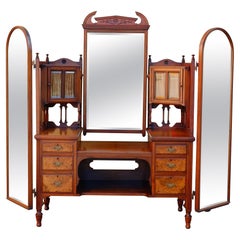
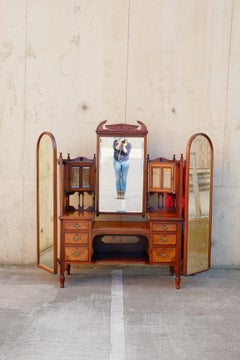
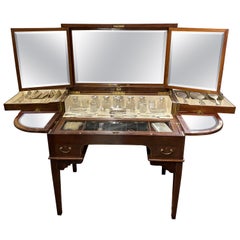
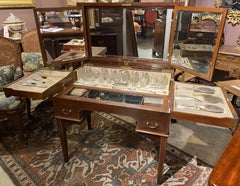
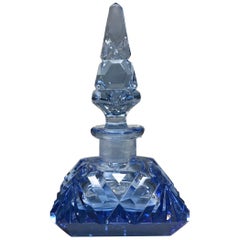
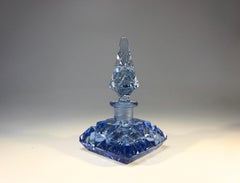
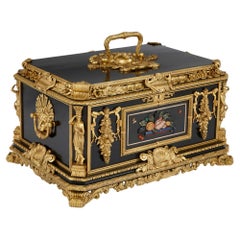
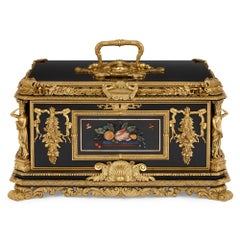
Choose from an assortment of styles, material and more with respect to the napoleon iii perfume box you’re looking for at 1stDibs. Each napoleon iii perfume box for sale was constructed with extraordinary care, often using
wood,
glass and
metal. There are many kinds of the napoleon iii perfume box you’re looking for, from those produced as long ago as the 19th Century to those made as recently as the 20th Century. Each napoleon iii perfume box bearing
Empire hallmarks is very popular.
Europa Antiques each produced at least one beautiful napoleon iii perfume box that is worth considering.
A napoleon iii perfume box can differ in price owing to various characteristics — the average selling price 1stDibs is $2,271, while the lowest priced sells for $446 and the highest can go for as much as $4,783.
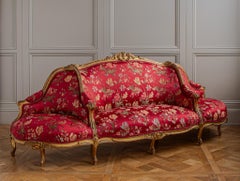
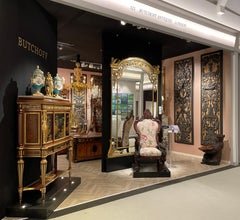
Under Napoleon III’s rule, Paris underwent a great rebuilding overseen by Baron Georges-Eugène Haussmann, which created grand avenues and lavish landmarks like the Paris Opera. Antique Napoleon III–style furniture was flamboyant and eclectic. It was also known as Second Empire style since it followed and referenced the Empire style of his uncle Napoleon I.
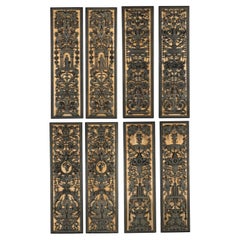
Developing from 1852–70, Napoleon III furniture was plush and ornate, matching the fashion for masked balls and socializing in salons. It borrowed freely from earlier French styles including Louis XIV, Louis XV and Louis XVI as well as aesthetics from around the world, from antiquity to Asian art. As writer Gustave Claudin remarked in 1867, the country’s architects worked in “a style which one would be tempted to call neo-Greco-Gothico-Pompadour-Pompeian.”
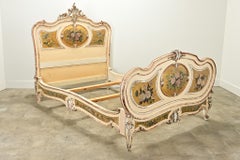
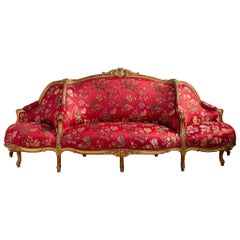
Napoleon III chairs were completely covered with velvet and lined with tassels; pouf footstools invited people to put up their feet. Sofas were upholstered with tapestries, and beds were adorned with gilt bronze and theatrical canopies. The addition of conservatories to homes led to new indoor-outdoor furniture, while the spirit of hygiene promoted by Baron Haussmann inspired bright, floral motifs.
Although the most ostentatious designs were for the elite, as seen in the Napoleon III apartments preserved in the Louvre, where red velvet, gilding and chandeliers create a cacophony of luxury, these trends influenced homes across classes as manufacturing made design increasingly accessible. Papier-mâché furniture allowed for elaborate shapes that would have been difficult to carve in wood. The malleable material was painted with chinoiserie patterns and decorative designs. It was mass-produced by factories such as Jennens and Bettridge with varnishing and mother-of-pearl inlays creating an effect reminiscent of Asian lacquer. (Surfaces that had been “japanned” — a specialty of Jennens and Bettridge — were intended to resemble lacquer work that was created in East Asia.)
Find a collection of antique Napoleon III decorative objects, tables, seating and other furniture on 1stDibs.
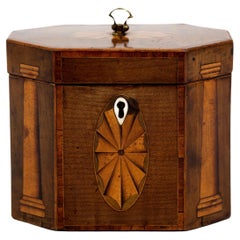
Antique, vintage and new decorative boxes will safely store items while adding a splash of color or texture to a corner in any room. They have had a range of purposes over the years — from trinkets to serving as useful receptacles, such as snuff boxes, jewelry boxes and more. Boxes have also been designed in a range of forms and styles.
Box making is a craft dating back thousands of years. Early boxes as decorative objects were regularly designed and decorated both inside and out, ranging from minimal looks to more flashy styles. Decorative boxes have been constructed from different materials, with wood and metal being the most common. Wood is widely available and versatile, with woodworkers able to carve complex designs or showcase its natural grain.
Some antique jewelry boxes were made with tortoiseshell, mother-of-pearl, ivory and even porcupine quills, such as those created by the Anishinabe in Canada and the United States. In Sri Lanka, well-crafted boxes were inlaid with porcupine quills and ivory discs between ebony bands. Chinese sewing boxes and tea boxes made of black lacquer were popular in Europe during the late 18th and early 19th centuries. These often featured gold-painted designs or landscape scenes. Silk, paper and velvet frequently enhanced these boxes’ interiors.
Any style of decorative box can be a nice tabletop or desktop decor, whether to hold candy or tea in the living room or paper, pencils and other business supplies in the office. They can also act as jewelry boxes. Sewing boxes can be a lovely touch to any space while storing magazines or other trinkets.
You can find metal, wood and silver antique boxes on 1stDibs. The collection includes mid-century modern, Victorian and Art Deco styles that can add elegance to any home.