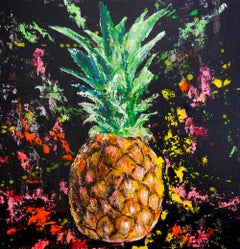
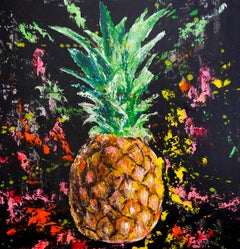
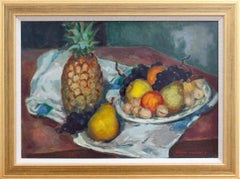
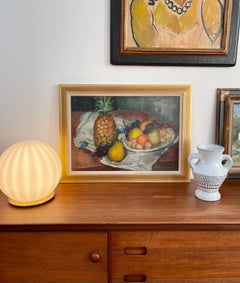
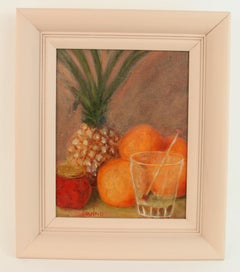
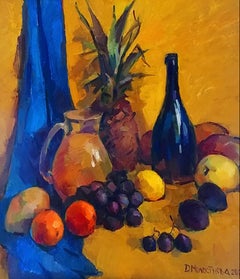
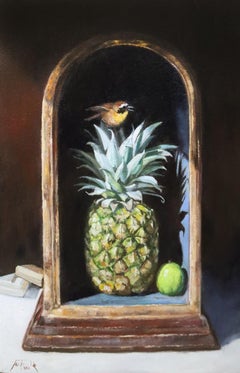
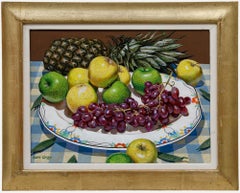
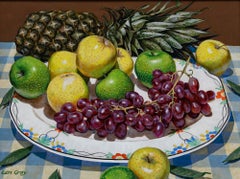
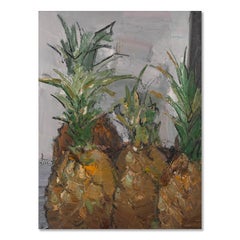
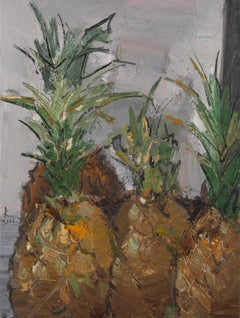
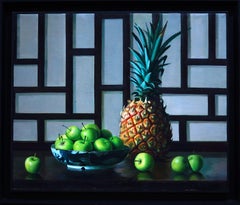
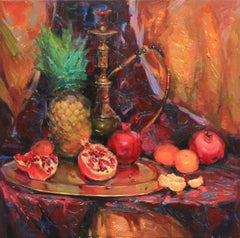
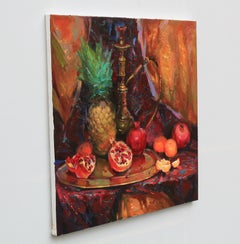
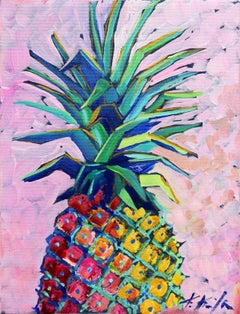
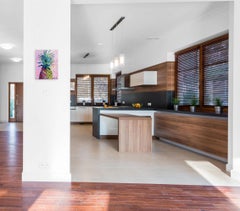
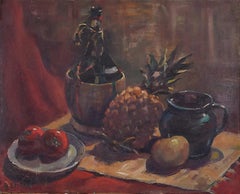
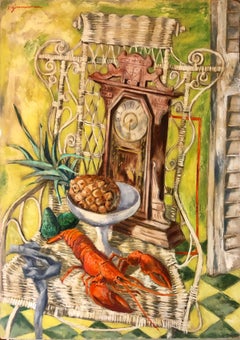
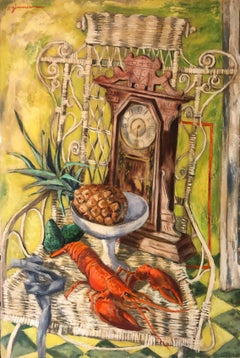
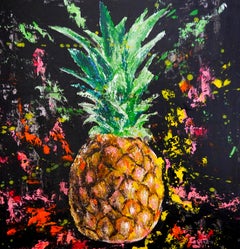
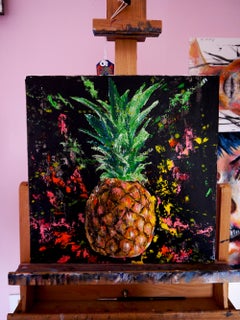
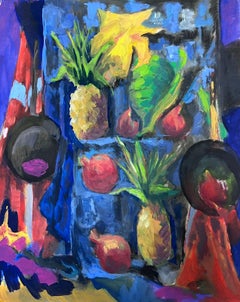
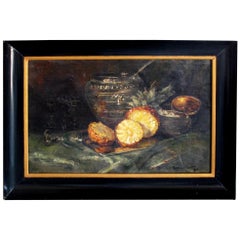
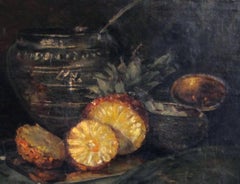
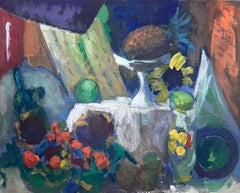
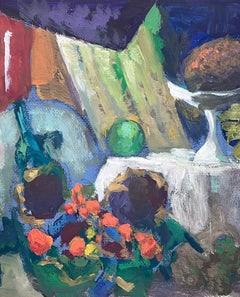
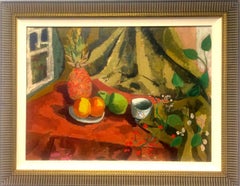
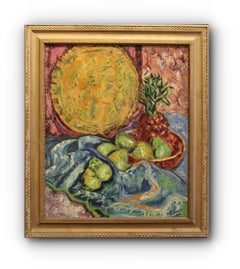
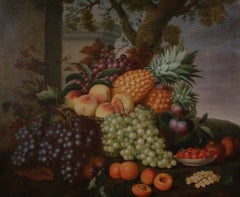
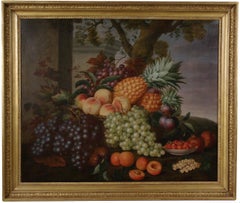
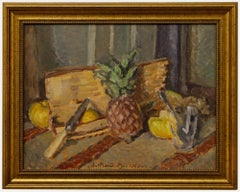
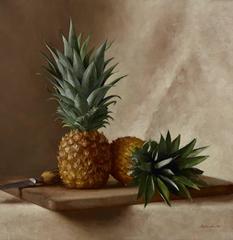
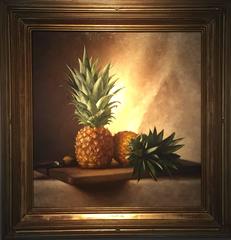
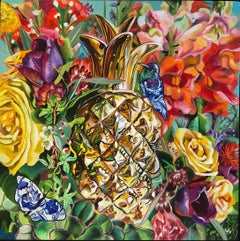
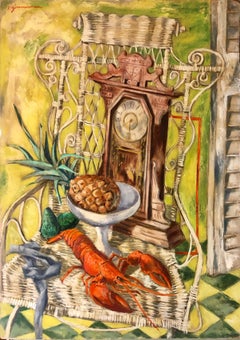
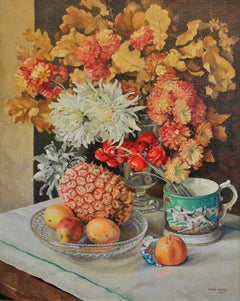
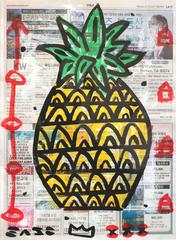
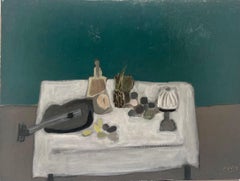
Find the exact still life painting pineapple you’re shopping for in the variety available on 1stDibs. You can easily find an example made in the
modern style, while we also have 5
modern versions to choose from as well. You’re likely to find the perfect still life painting pineapple among the distinctive items we have available, which includes versions made as long ago as the 18th Century as well as those made as recently as the 21st Century. When looking for the right still life painting pineapple for your space, you can search on 1stDibs by color — popular works were created in bold and neutral palettes with elements of
brown,
gray,
beige and
yellow. Creating a still life painting pineapple has been a part of the legacy of many artists, but those crafted by
george brookshaw,
Sarah Lamb,
Kristina Nemethy,
Jacobus Baas and
Antonio Castelló are consistently popular. Artworks like these of any era or style can make for thoughtful decor in any space, but a selection from our variety of those made in
paint,
oil paint and
fabric can add an especially memorable touch.
The price for an artwork of this kind can differ depending upon size, time period and other attributes — a still life painting pineapple in our inventory may begin at $120 and can go as high as $16,500, while the average can fetch as much as $1,900.
Still-life paintings work as part of the decor in nearly every type of space.
Still-life art, which includes work produced in media such as painting, photography, video and more, is a popular genre in Western art. However, the depiction of still life in color goes back to Ancient Egypt, where paintings on the interior walls of tombs portrayed the objects — such as food — that a person would take into the afterlife. Ancient Greek and Roman mosaics and pottery also often depicted food. Indeed, still-life paintings frequently feature food, flowers or man-made objects. By definition, still-life art represents anything that is considered inanimate.
During the Middle Ages, the still life genre was adapted by artists who illustrated religious manuscripts. A common theme of these paintings is the reminder that life is fleeting. This is especially true of vanitas, a kind of still life with roots in the Netherlands during the 17th century, which was built on themes such as death and decay and featured skulls and objects such as rotten fruit. In northern Europe during the 1600s, painters consulted botanical texts to accurately depict the flowers and plants that were the subject of their work.
Leonardo da Vinci’s penchant for observing phenomena in nature and filling notebooks with drawings and notes helped him improve as an artist of still-life paintings. Vincent van Gogh, an artist who made a couple of the most expensive paintings ever sold, carried out rich experiments with color over the course of painting hundreds of still lifes, and we can argue that Campbell’s Soup Cans (1961–62) by Andy Warhol counts as still-life art.
While early examples were primarily figurative, you can find still lifes that belong to different schools and styles of painting, such as Cubism, Impressionism and contemporary art.
As part of the wall decor in your living room, dining room or elsewhere, a still-life painting can look sophisticated alongside your well-curated decorative objects and can help set the mood in a space.
When shopping for a still-life painting, think about how it makes you feel and how the artist chose to represent its subject. When buying any art for your home, choose pieces that you connect with. If you’re shopping online, read the description of the work to learn about the artist and check the price and shipping information. Make sure that the works you choose complement or relate to your overall theme and furniture style. Artwork can either fit into your room’s color scheme or serve as an accent piece. Introduce new textures to a space by choosing an oil still-life painting.
On 1stDibs, find a collection of still-life paintings in a wide range of styles and subject matter.