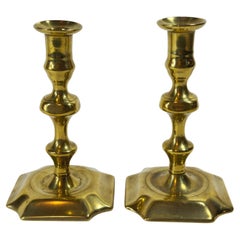
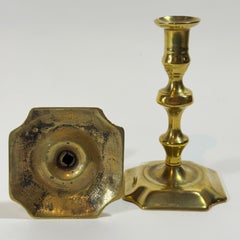
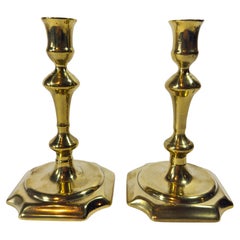
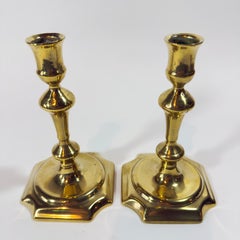
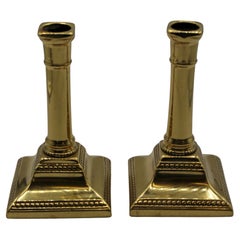
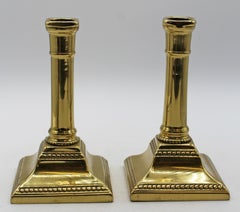
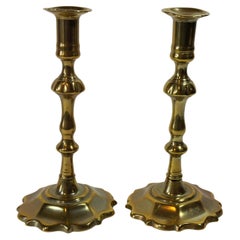
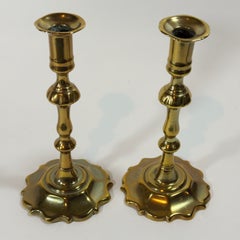
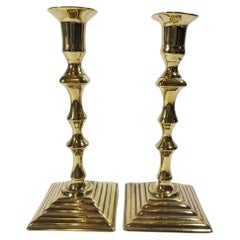
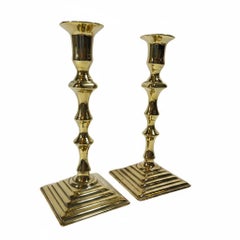
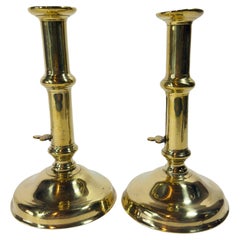
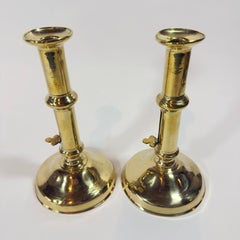
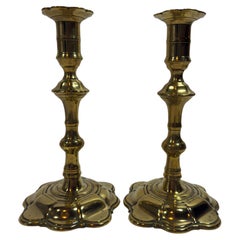
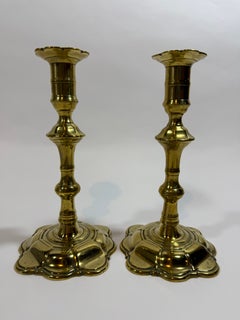
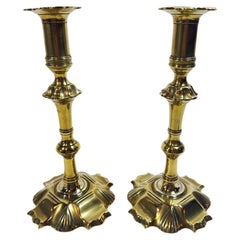
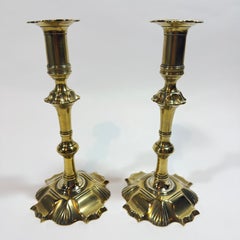
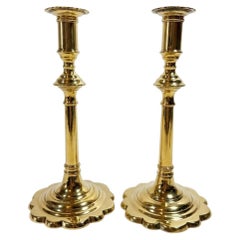
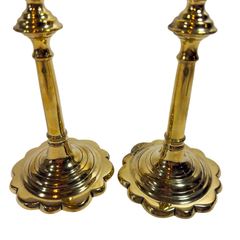
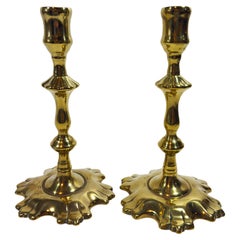
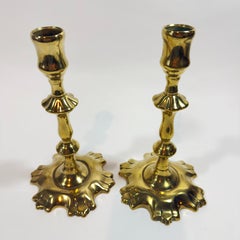
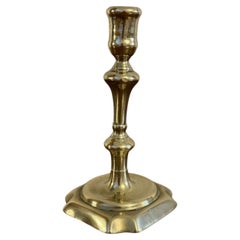
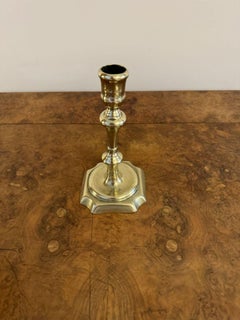
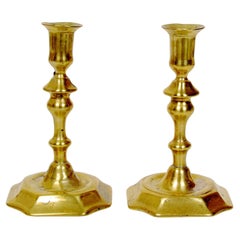
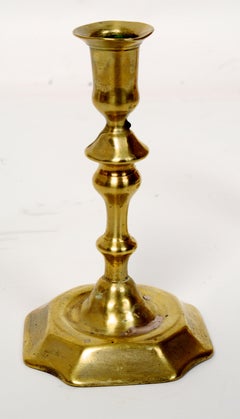
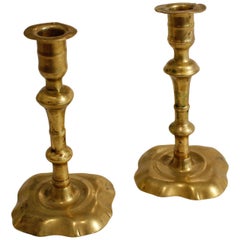
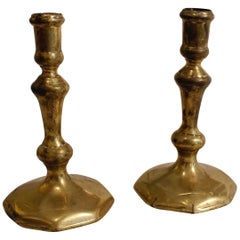
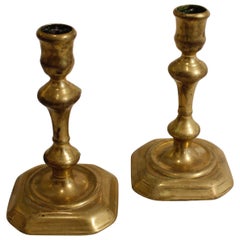
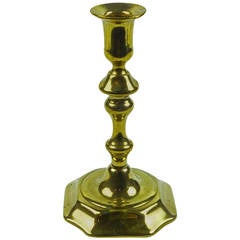
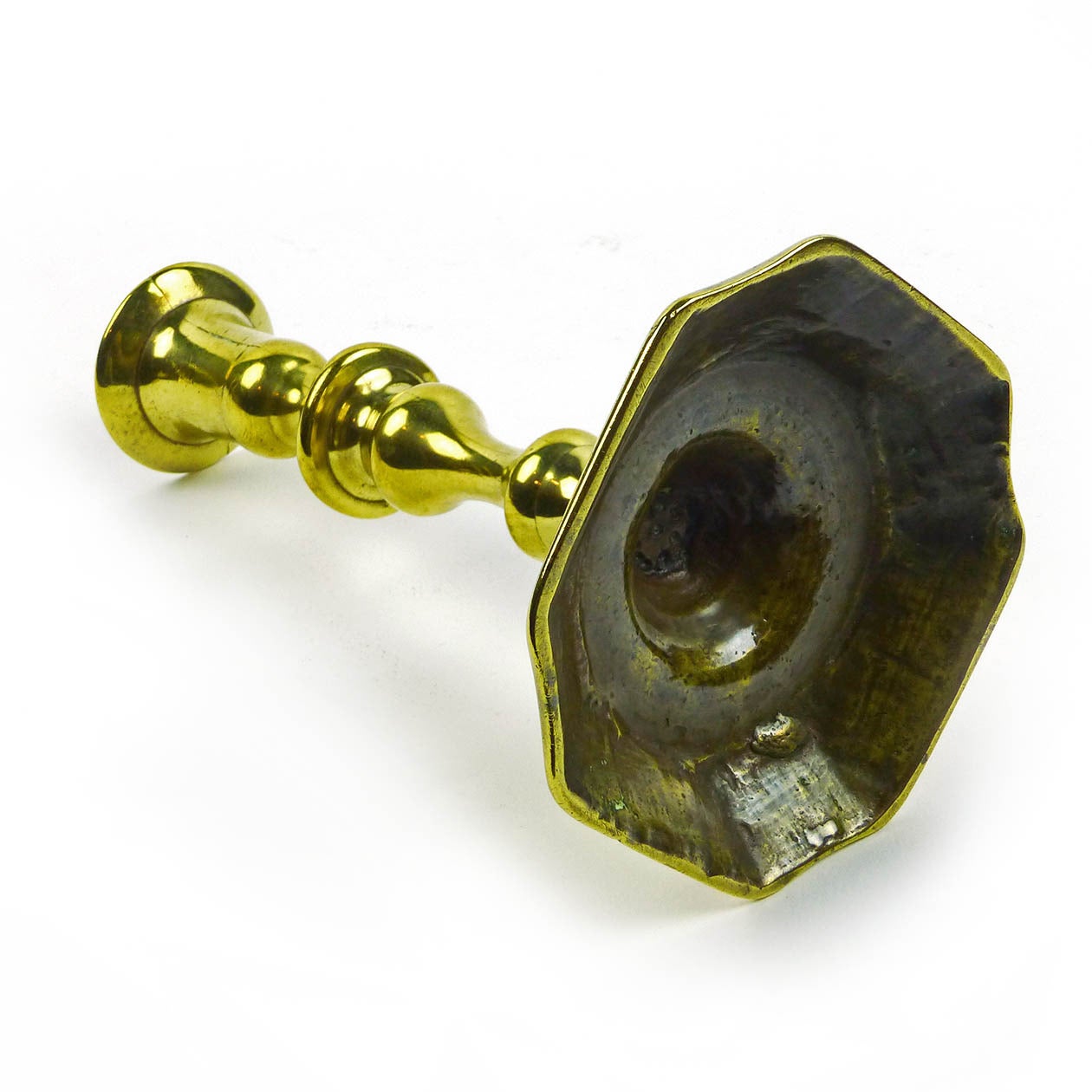
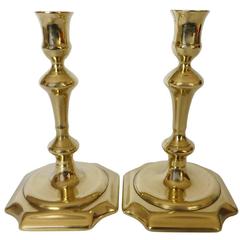
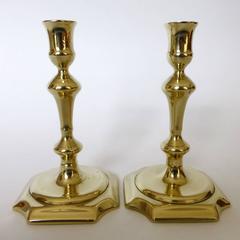
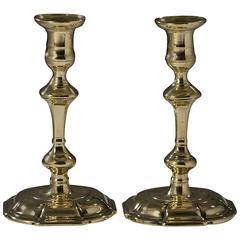
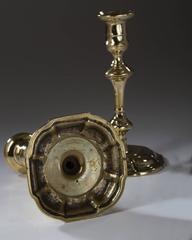
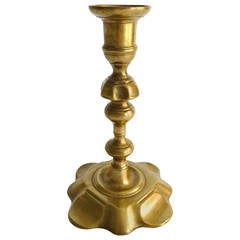
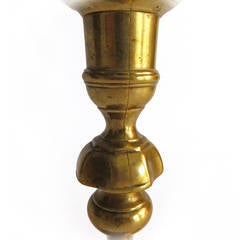
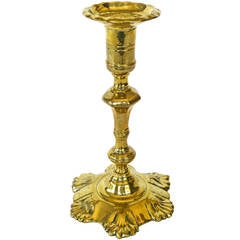
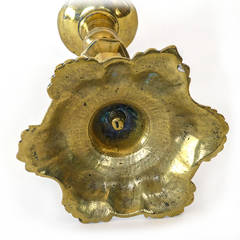
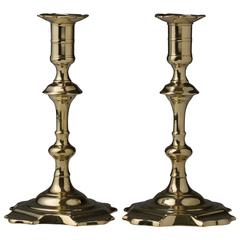
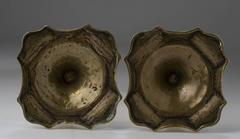
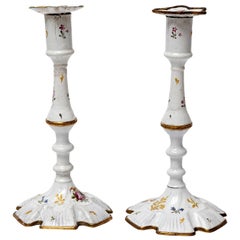
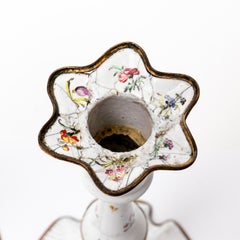
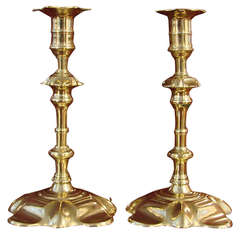
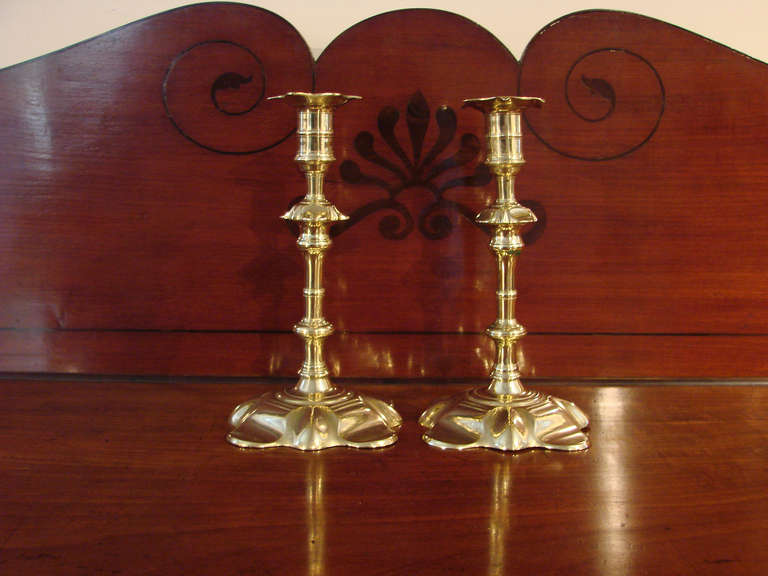
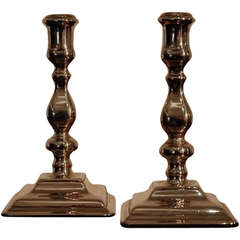
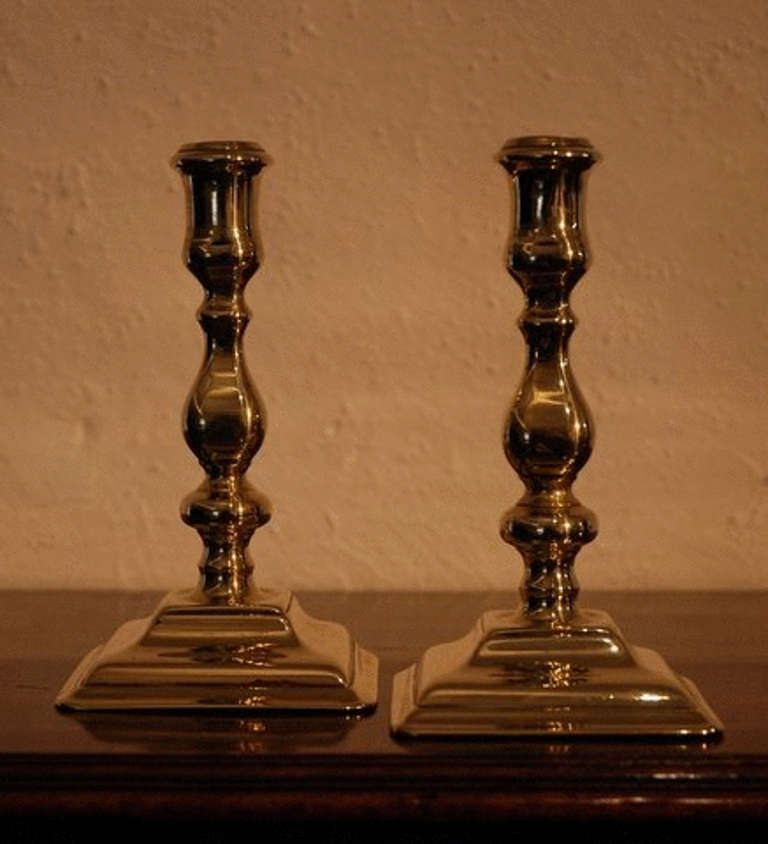
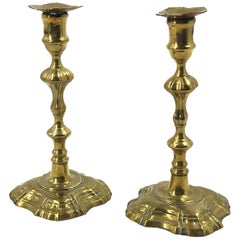
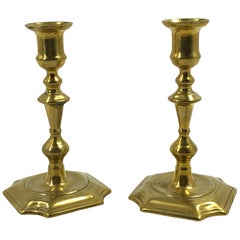
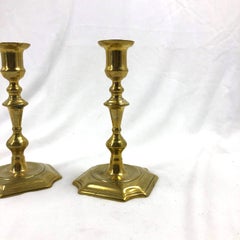
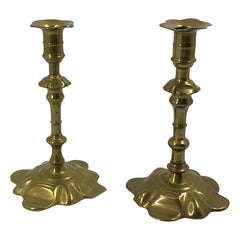
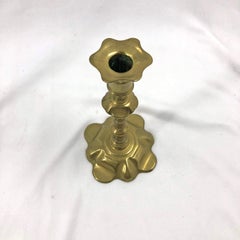
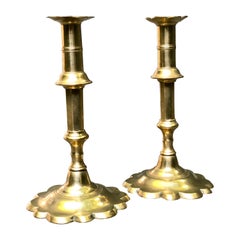
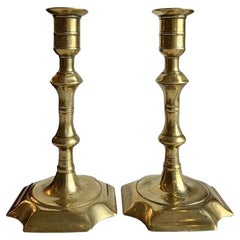
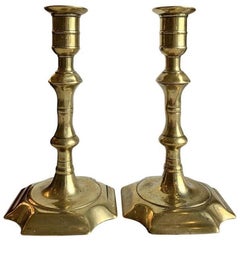
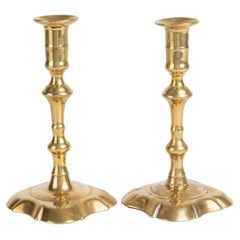
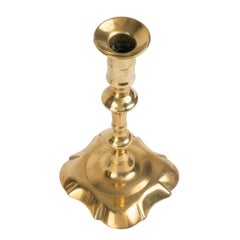
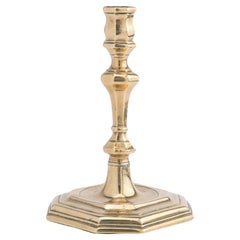
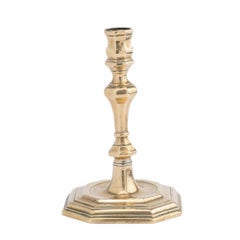
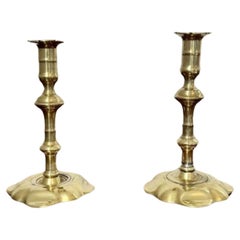
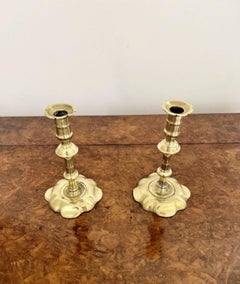
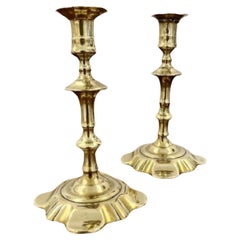
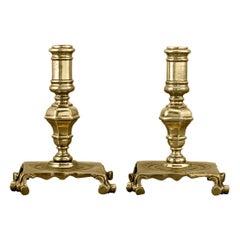
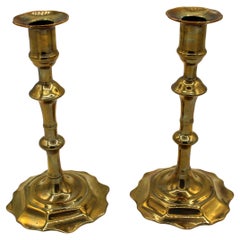
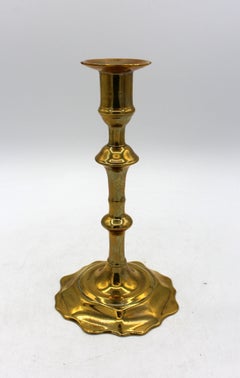
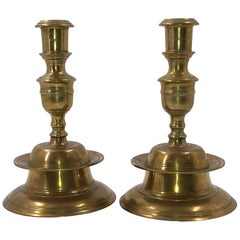
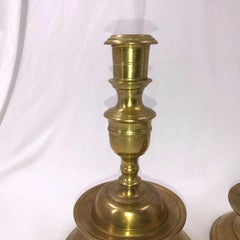
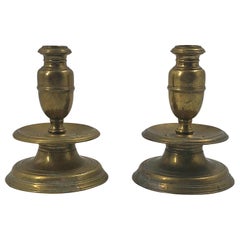
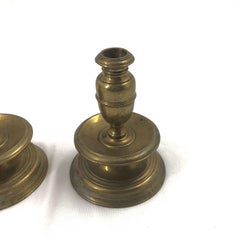
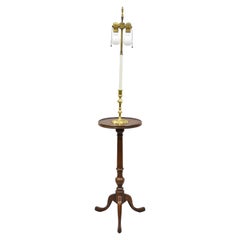
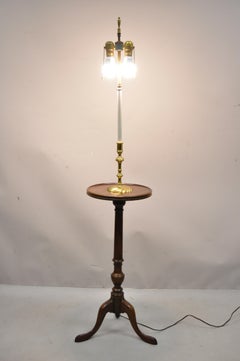
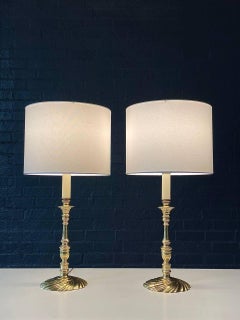
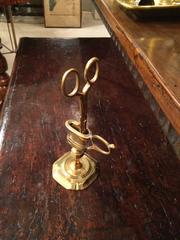
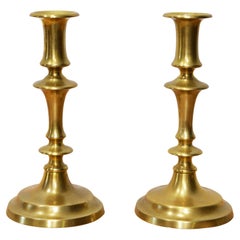
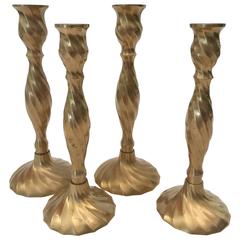
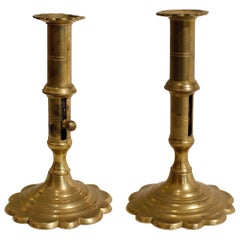
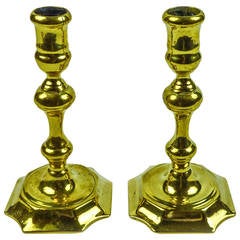
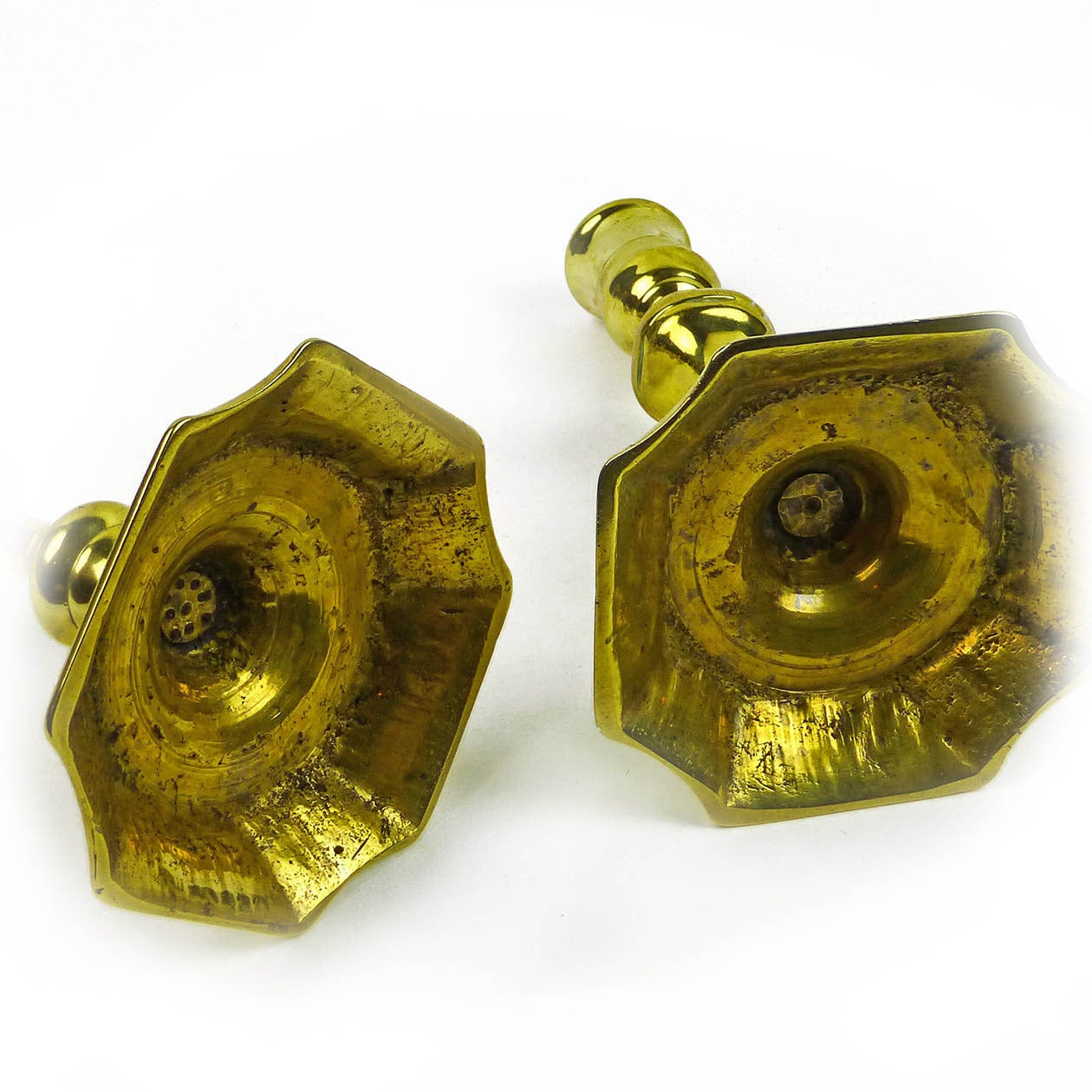
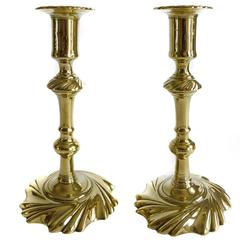
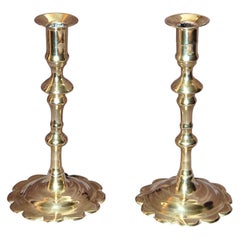
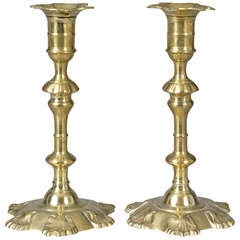
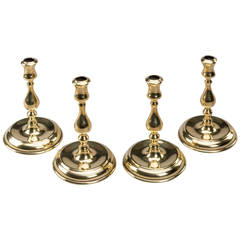
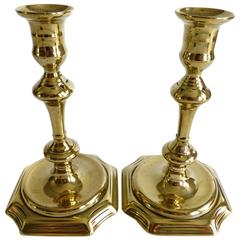
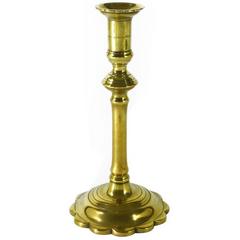
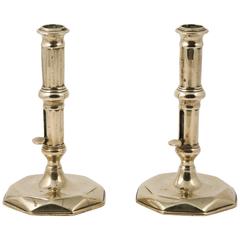
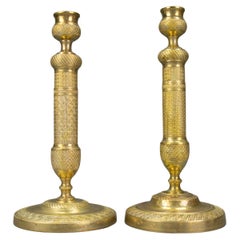
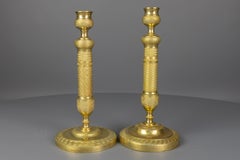
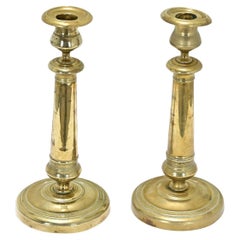
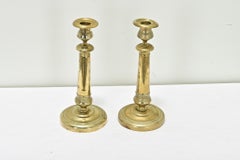
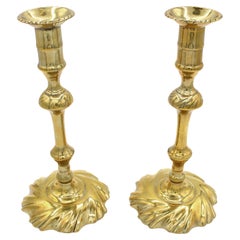
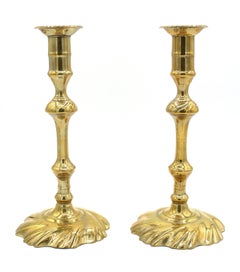
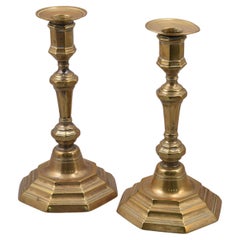
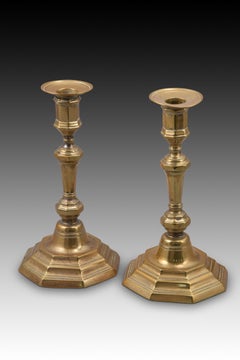
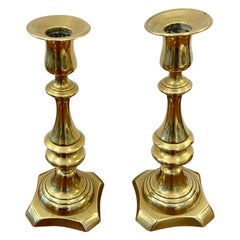
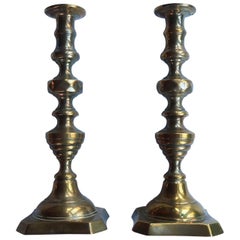
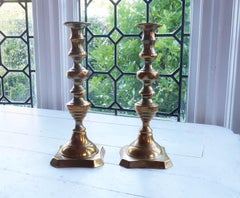
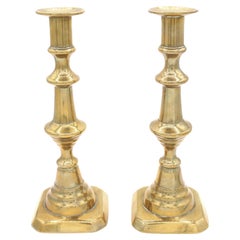
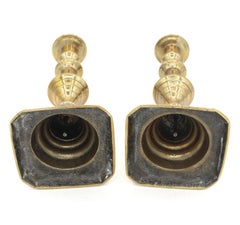
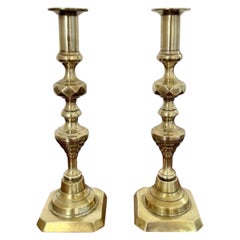
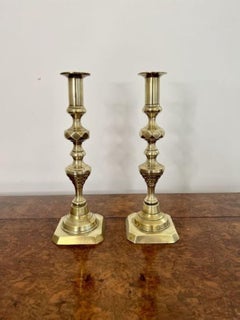
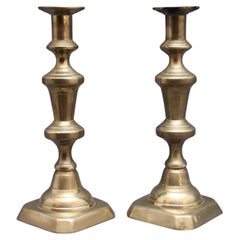
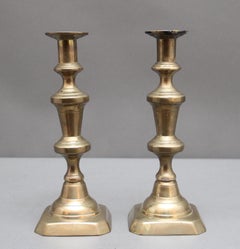
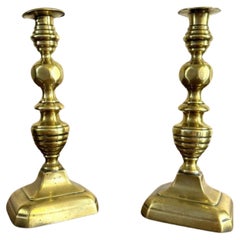
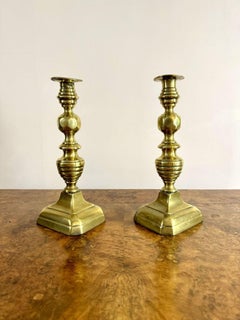
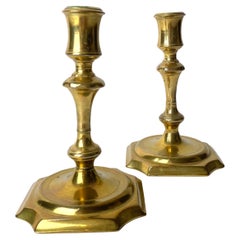
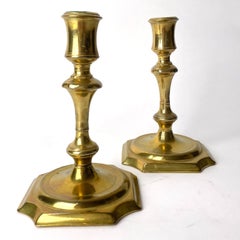
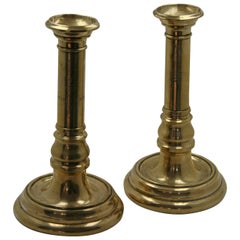
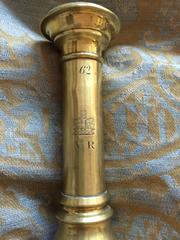
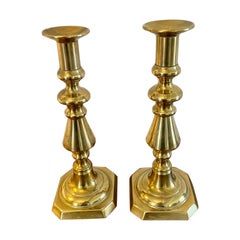
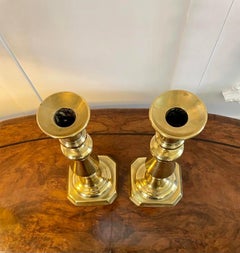
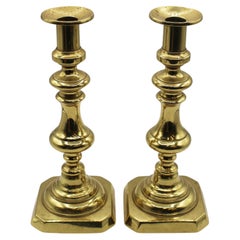
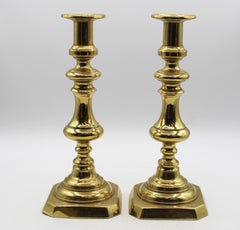
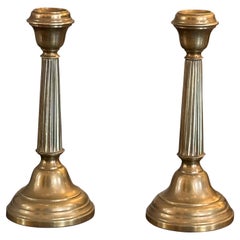
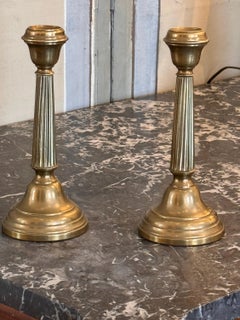
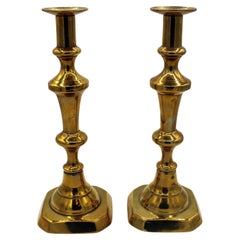
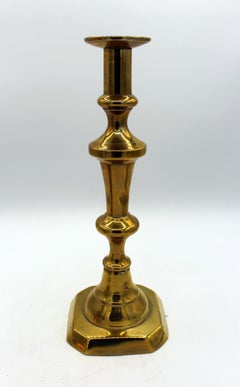
An assortment of queen anne brass candlesticks is available at 1stDibs. Each of these unique queen anne brass candlesticks was constructed with extraordinary care, often using
brass and
metal. Queen anne brass candlesticks have been produced for many years, with earlier versions available from the 18th Century and newer variations made as recently as the 20th Century. There have been many well-made queen anne brass candlesticks over the years, but those made by
Artisan-Craftsmen, Inc. are often thought to be among the most beautiful.
Although named for the last Stuart monarch of England, antique Queen Anne furniture, with its curvy cabriole legs and pad feet, has its origins in the earlier reign of King William III, which began in 1689 and ended with his death in 1702. Later evolving during Anne’s rule from 1702–14, the style would continue to influence design in the decades after her death.
Sometimes called late Baroque or early Georgian, Queen Anne chairs, bedroom furniture and tables are subdued yet ornate and characterized by a graceful blend of influences ranging from Asian design to classical motifs. Furnishings of this era — with their curvilinear supports and novel emphasis on comfort and versatility — are marked by a shift away from the more opulent and angular William and Mary style.
Chairs designed in the Queen Anne style are more functional and lightweight than their predecessors. They often feature a vase or fiddle-shaped splat, which refers to the central vertical back element, in order to support the spine and plush cushions. Craftsmen of the era predominantly worked in walnut, maple and pine. Any embellishments they introduced in their furnishings were frequently minimal and refined and expressed by way of modest flourishes such as shells or scrolls. Some pieces were more lavish with “japanned” finishes, or varnished interpretations of East Asian lacquer art. Almost every piece of furniture, whether a tea table or desk, included S-shaped, animalistic cabriole legs that end in a paw or claw-and-ball form.
These qualities made Queen Anne furniture popular throughout Europe and North America. Boston and Philadelphia became hubs for the production of this style of furniture, spurred by the arrival of British artisans who fostered a market for well-heeled colonists. While the showier Chippendale style later surpassed it in popularity, Queen Anne’s simple elegance still draws an enduring appreciation.
Find a collection of antique Queen Anne dining tables, seating, cabinets and other authentic period furniture on 1stDibs.
Whether burnished or lacquered, antique, new and vintage brass furniture can elevate a room.
From traditional spaces that use brass as an accent — by way of brass dining chairs or brass pendant lights — to contemporary rooms that embrace bold brass decor, there are many ways to incorporate the golden-hued metal.
“I find mixed metals to be a very updated approach, as opposed to the old days, when it was all shiny brass of dulled-out silver tones,” says interior designer Drew McGukin. “I especially love working with brass and blackened steel for added warmth and tonality. To me, aged brass is complementary across many design styles and can trend contemporary or traditional when pushed either way.”
He proves his point in a San Francisco entryway, where a Lindsey Adelman light fixture hangs above a limited-edition table and stools by Kelly Wearstler — also an enthusiast of juxtapositions — all providing bronze accents. The walls were hand-painted by artist Caroline Lizarraga and the ombré stair runner is by DMc.
West Coast designer Catherine Kwong chose a sleek brass and lacquered-parchment credenza by Scala Luxury to fit this San Francisco apartment. “The design of this sideboard is reminiscent of work by French modernist Jean Prouvé. The brass font imbues the space with warmth and the round ‘portholes’ provide an arresting geometric element.”
Find antique, new and vintage brass tables, case pieces and other furnishings now on 1stDibs.
Vintage, new and antique candlesticks and candleholders do not simply infuse a dining room with a soft, warm glow. They also add dimension, conjure drama and draw attention to a table or mantel. Despite their practical origins, today, decorative candlesticks and their holders elevate spaces by matching interiors or adding color and bold shapes.
For those who enjoy the rich pageantry of the Old Masters, candlesticks in the Baroque and Rococo styles offer intricacy and opulence. The design of Baroque candlesticks — thanks to the influence of the Catholic Church — often boasted complex shapes and featured biblical figures. While bronze candlestick holders have a long history dating back to the ancient world, many 17th-century candlesticks were made of luxurious silver. Armed with a disposable income and a desire to show off their status, the newly emerging middle class acquired candlestick holders as intricate art pieces, beautiful and opulent in their own right.
The Art Deco movement of the early 20th century saw candlesticks designed with simplicity and symmetry in mind. Art Deco candlesticks boast all manner of forms, ranging from sleek curves to bodies of ribbed crystal or bronze that take the shape of animals.
While some 20th-century-era candlesticks are akin to statues in their grandeur, these decorative items became especially fashionable in the mid-20th century for atmospherically illuminating dinner tables. Mid-century modern candlesticks frequently epitomize the streamlined functionality that we’ve come to associate with the era.
Find a comprehensive collection of vintage, new and antique candlesticks on 1stDibs.