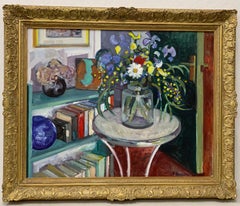
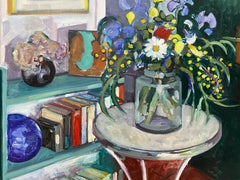
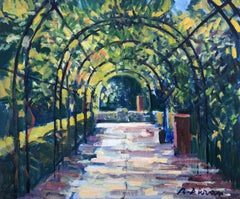
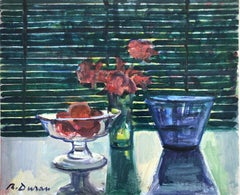
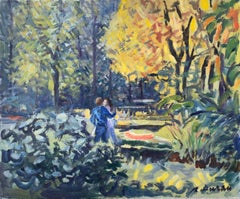
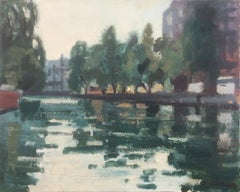
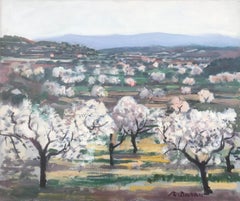
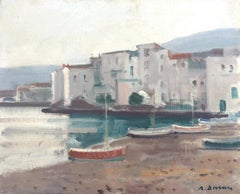
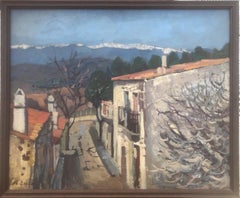
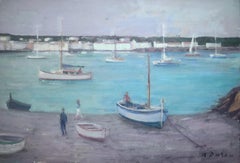
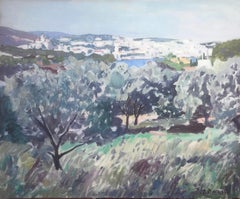
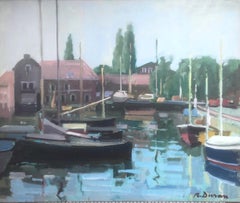
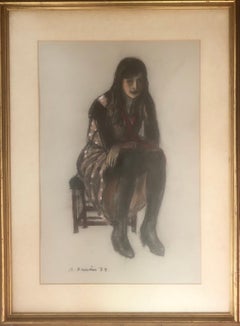
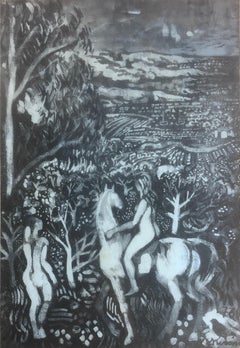
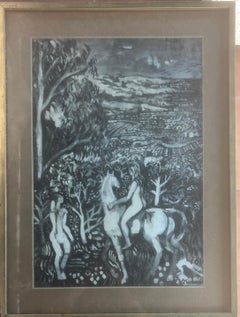
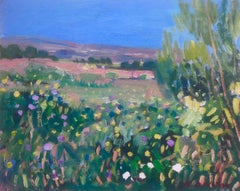
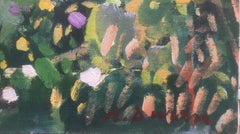
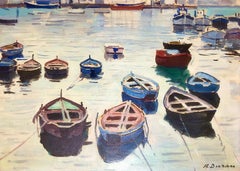
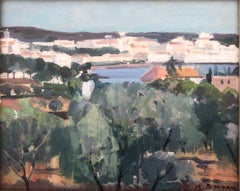
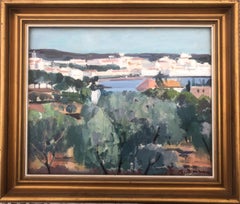
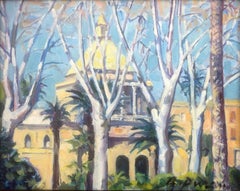
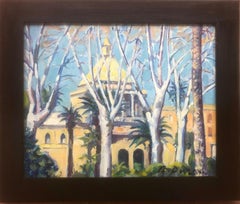
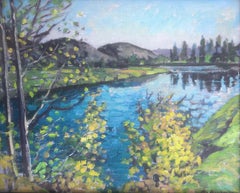
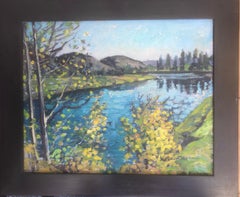
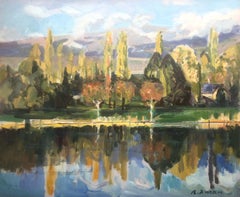
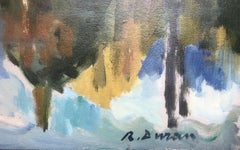
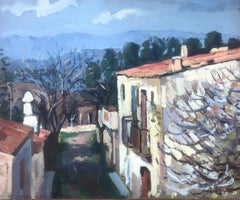
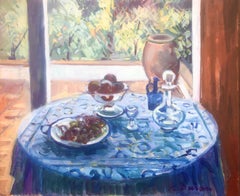
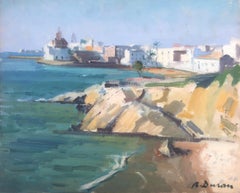
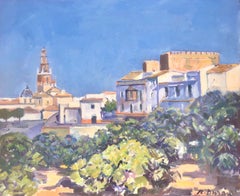
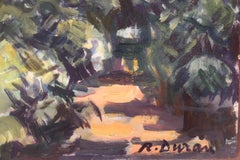
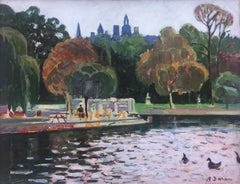
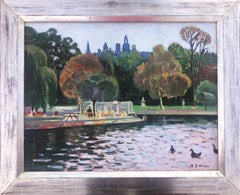
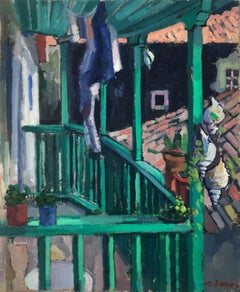
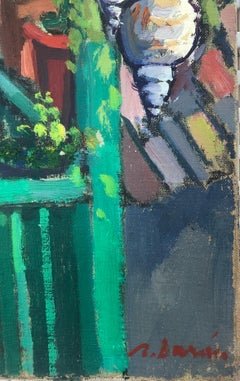
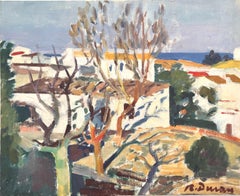
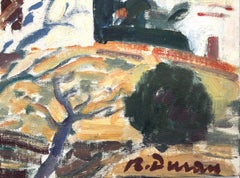
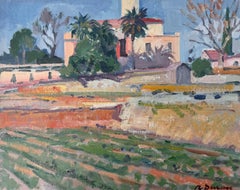
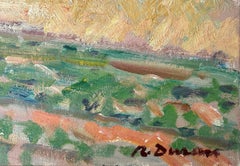
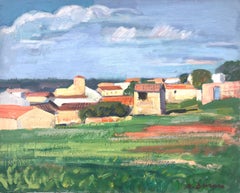
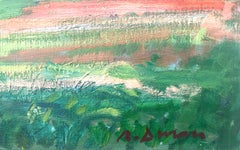
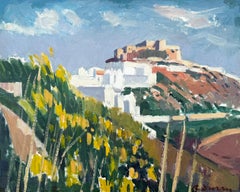
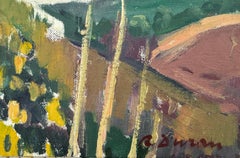
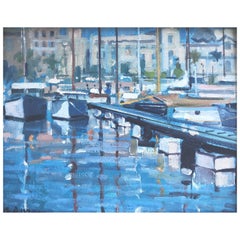
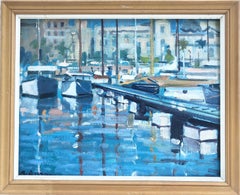
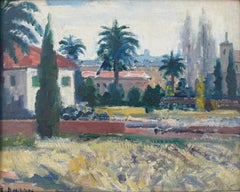
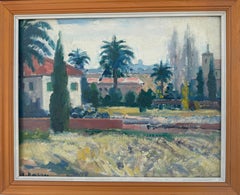
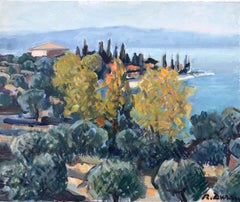
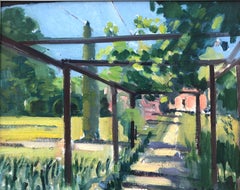
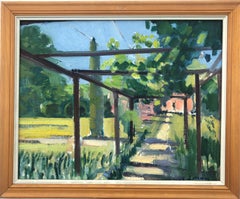
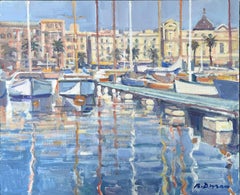
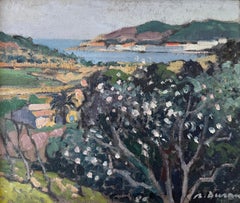
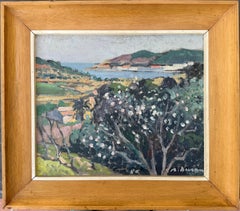
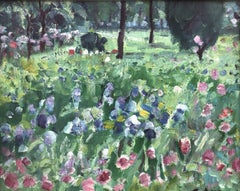
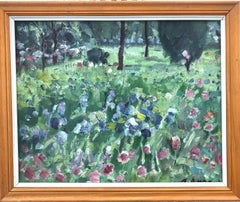
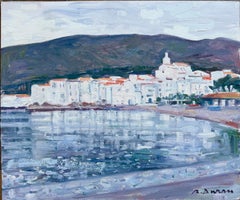
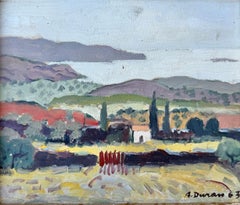
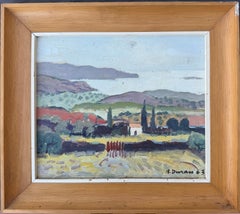
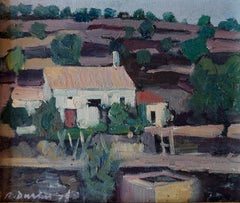
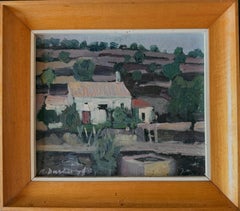
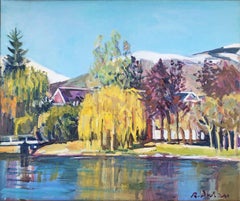
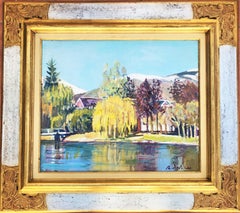
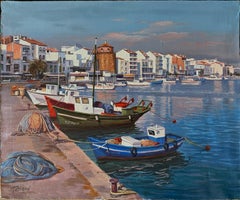
Rafael Duran Benet For Sale on 1stDibs
You are likely to find exactly the rafael duran benet you’re looking for on 1stDibs, as there is a broad range for sale. In our selection of items, you can find
Post-Impressionist examples as well as a
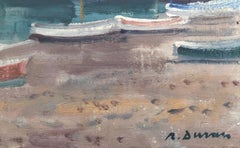
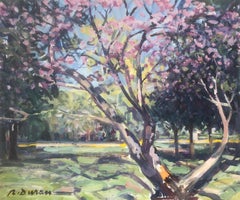
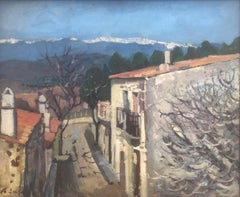
Impressionist version. If you’re looking for a rafael duran benet from a specific time period, our collection is diverse and broad-ranging, and you’ll find at least one that dates back to the 20th Century while another version may have been produced as recently as the 21st Century. On 1stDibs, the right rafael duran benet is waiting for you and the choices span a range of colors that includes
gray,
brown,
black and
blue. Finding an appealing rafael duran benet — no matter the origin — is easy, but
Rafael Duran Benet each produced popular versions that are worth a look. Frequently made by artists working in
canvas,
fabric and
oil paint, these artworks are unique and have attracted attention over the years. If space is limited, you can find a small rafael duran benet measuring 10.63 high and 8.67 wide, while our inventory also includes works up to 44 across to better suit those in the market for a large rafael duran benet.
How Much is a Rafael Duran Benet?
The price for a rafael duran benet in our collection starts at $319 and tops out at $1,850 with the average selling for $783.
Rafael Duran Benet for sale on 1stDibs
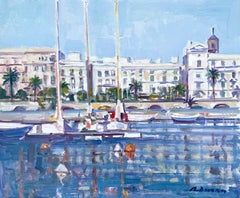
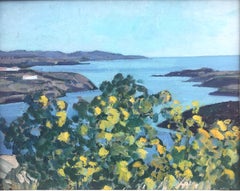
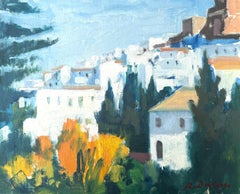
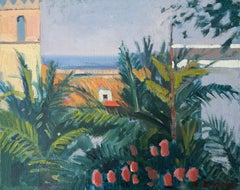
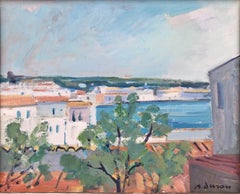
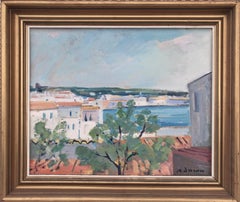
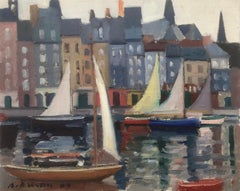
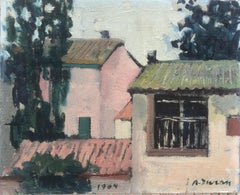
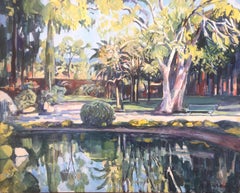
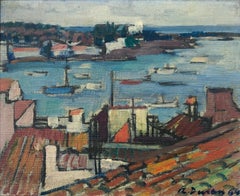
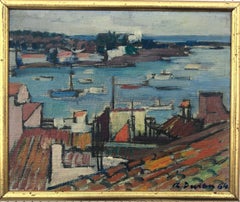
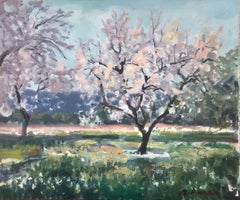
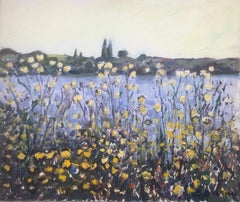
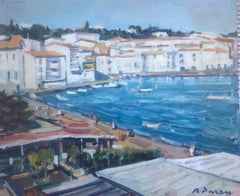
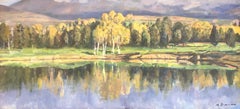
Rafael Duran Benet was a Catalan painter. He began painting during adolescence, by the hand of his uncle, who had the same name, and who received influences in his characteristic chromatic conception, and the artists Manolo Hugué and Rafael Llmona. In the 50s, he settled in Cadaqués, where his work acquired a marked Mediterranean character and where he treated artists like Salvador Dalí, Marcel Duchamp and Pablo Picasso. In 1958, he presented his first solo exhibition, in the Sala Vayreda in Barcelona. Then there would be 30 more, mainly in Barcelona (many in Sala Parés, to which he was linked all his life), Madrid and Cadaqués. In 2011, the City Council of his home city dedicated a retrospective in the Sala Muncunill. Benet also participated in numerous group exhibitions in Barcelona, Paris, London, Houston and Los Angeles, among others. Throughout his trajectory, he obtained several awards, among which the Henri Forman prize of the Société Nationale des Beaux Arts of Paris, in 1980. The favorite themes of Benet were landscapes, marinas and still lifes, with a style close to Impressionism and a particular treatment of color. The Museum of Terrassa has two works by Benet in his funds.
A Close Look at Post-impressionist Art
In the revolutionary wake of Impressionism, artists like Vincent van Gogh, Georges Seurat, Paul Cézanne and Paul Gauguin advanced the style further while firmly rejecting its limitations. Although the artists now associated with Postimpressionist art did not work as part of a group, they collectively employed an approach to expressing moments in time that was even more abstract than that of the Impressionists, and they shared an interest in moving away from naturalistic depictions to more subjective uses of vivid colors and light in their paintings.
The eighth and final Impressionist exhibition was held in Paris in 1886, and Postimpressionism — also spelled Post-Impressionism — is usually dated between then and 1905. The term “Postimpressionism” was coined by British curator and art critic Roger Fry in 1910 at the “Manet and the Postimpressionists” exhibition in London that connected their practices to the pioneering modernist art of Édouard Manet. Many Postimpressionist artists — most of whom lived in France — utilized thickly applied, vibrant pigments that emphasized the brushstrokes on the canvas.
The Postimpressionist movement’s iconic works of art include van Gogh’s The Starry Night (1889) and Seurat’s A Sunday on La Grande Jatte (1884). Seurat’s approach reflected the experimental spirit of Postimpressionism, as he used Pointillist dots of color that were mixed by the eye of the viewer rather than the hand of the artist. Van Gogh, meanwhile, often based his paintings on observation, yet instilled them with an emotional and personal perspective in which colors and forms did not mirror reality. Alongside Mary Cassatt, Cézanne, Henri Matisse and Gauguin, the Dutch painter was a pupil of Camille Pissarro, the groundbreaking Impressionist artist who boldly organized the first independent painting exhibitions in late-19th-century Paris.
The boundary-expanding work of the Postimpressionist painters, which focused on real-life subject matter and featured a prioritization of geometric forms, would inspire the Nabis, German Expressionism, Cubism and other modern art movements to continue to explore abstraction and challenge expectations for art.
Find a collection of original Postimpressionist paintings, mixed media, prints and other art on 1stDibs.
Finding the Right Landscape-paintings for You
It could be argued that cave walls were the canvases for the world’s first landscape paintings, which depict and elevate natural scenery through art, but there is a richer history to consider.
The Netherlands was home to landscapes as a major theme in painting as early as the 1500s, and ink-on-silk paintings in China featured mountains and large bodies of water as far back as the third century. Greeks created vast wall paintings that depicted landscapes and grandiose garden scenes, while in the late 15th century and early 16th century, landscapes were increasingly the subject of watercolor works by the likes of Leonardo da Vinci and Fra Bartolomeo.
The popularity of religious paintings eventually declined altogether, and by the early 19th century, painters of classical landscapes took to painting out-of-doors (plein-air painting). Paintings of natural scenery were increasingly realistic but romanticized too. Into the 20th century, landscapes remained a major theme for many artists, and while the term “landscape painting” may call to mind images of lush, grassy fields and open seascapes, the genre is characterized by more variety, colors and diverse styles than you may think. Painters working in the photorealist style of landscape painting, for example, seek to create works so lifelike that you may confuse their paint for camera pixels. But if you’re shopping for art to outfit an important room, the work needs to be something with a bit of gravitas (and the right frame is important, too).
Adding a landscape painting to your home can introduce peace and serenity within the confines of your own space. (Some may think of it as an aspirational window of sorts rather than a canvas.) Abstract landscape paintings by the likes of Korean painter Seungyoon Choi or Georgia-based artist Katherine Sandoz, on the other hand, bring pops of color and movement into a room. These landscapes refuse to serve as a background. Elsewhere, Adam Straus’s technology-inspired paintings highlight how our extreme involvement with our devices has removed us from the glory of the world around us. Influenced by modern life and steeped in social commentary, Straus’s landscape paintings make us see our surroundings anew.
Whether you’re seeking works by the world’s most notable names or those authored by underground legends, find a vast collection of landscape paintings on 1stDibs.