Robert Fournier Pottery

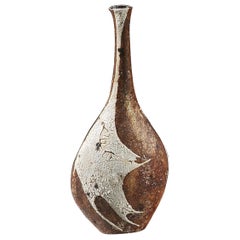
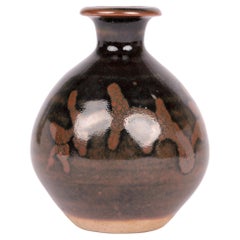
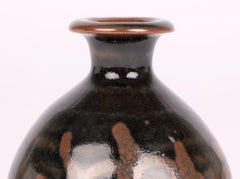
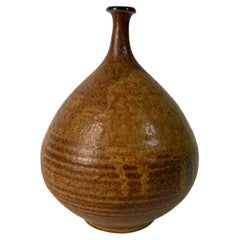
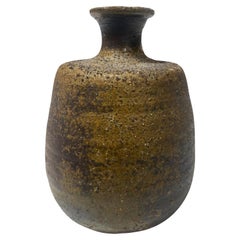
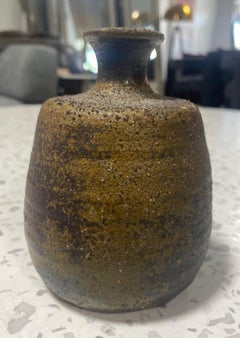
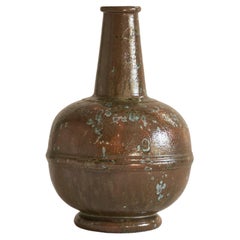
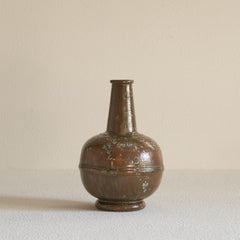
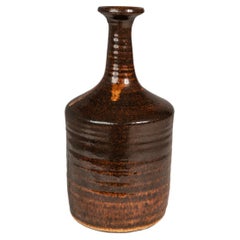
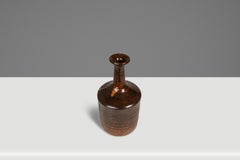
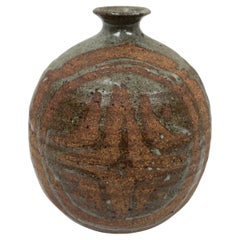
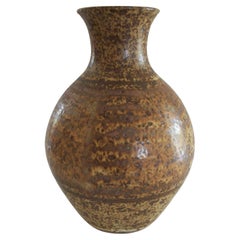
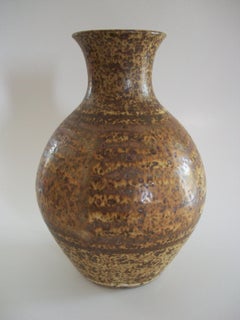
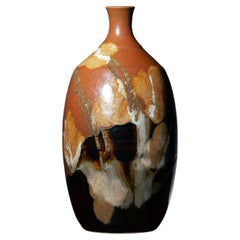
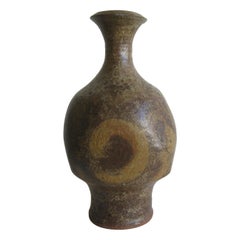
Robert Fournier British Studio Art Pottery Modernist Stoneware Vase Vessel Big

Robert Fournier British Studio Art Pottery Modernist Stoneware Vase Vessel Big

$960Sale Price|20% Off

H 11.25 in W 6.25 in D 6.25 in

Robert Fournier British Studio Art Pottery Modernist Stoneware Vase Vessel Big

By Bernard Leach

Located in San Diego, CA

Great studio art pottery vase/vessel by well known British artist, Robert Fournier. The vase has a

Category

Mid-20th Century Vases

Materials

Pottery

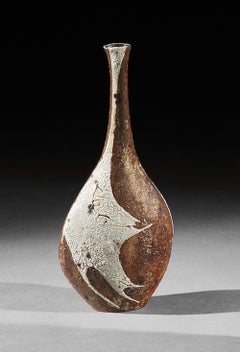
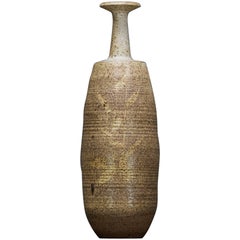
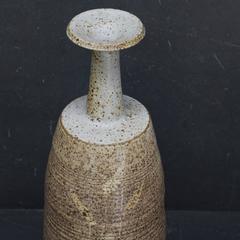
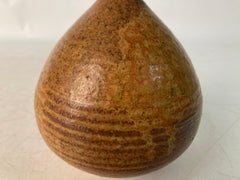
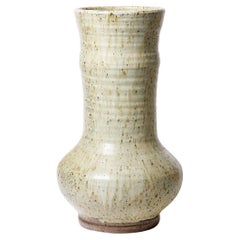
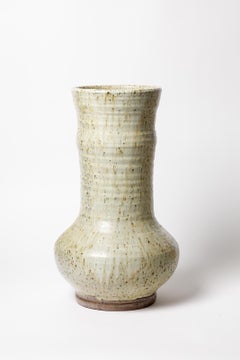
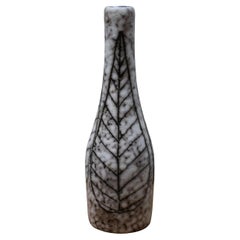
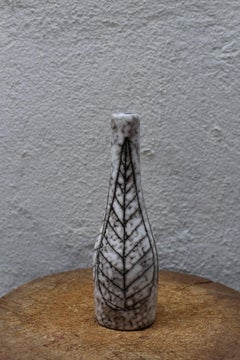
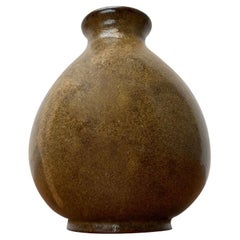
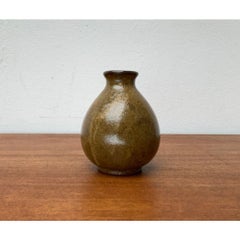
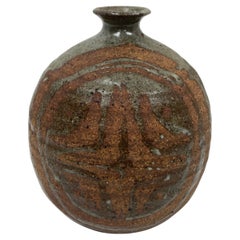
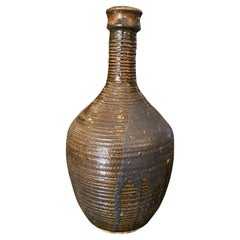
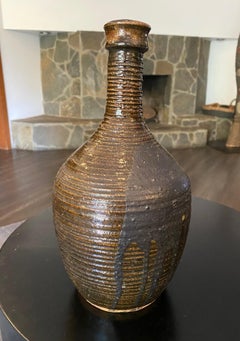
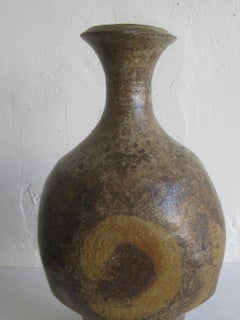
Robert Fournier Bottle Stoneware 1960-1965 White Brown Crusty Textured Glaze

Robert Fournier Bottle Stoneware 1960-1965 White Brown Crusty Textured Glaze

Located in BUNGAY, SUFFOLK

Robert Fournier (1915-2008), stoneware, tall flattened, bottle, circa 1960-1965 This bottle is

Category

Vintage 1960s British Mid-Century Modern Vases

Materials

Pottery

Recent Sales

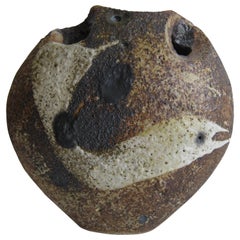
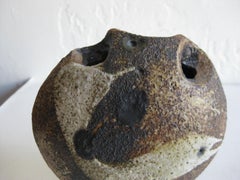
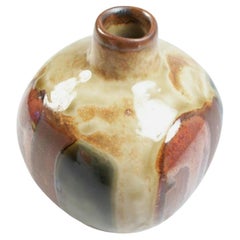
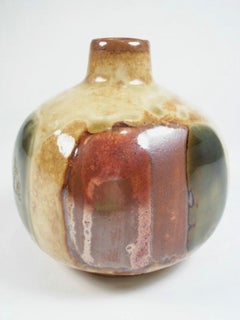
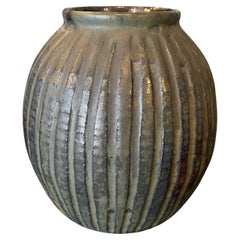
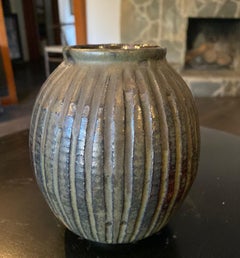
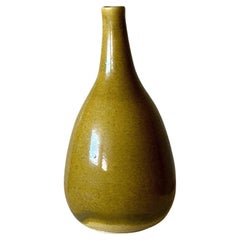
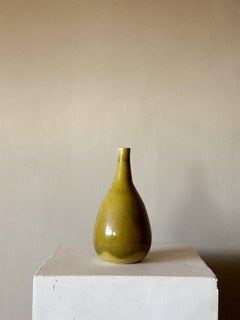
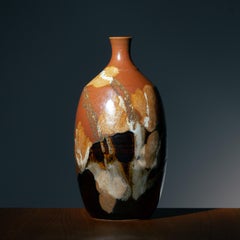
Robert Fournier British Studio Art Pottery Modernist Stoneware Vase Vessel

Robert Fournier British Studio Art Pottery Modernist Stoneware Vase Vessel

By David Cressey

Located in San Diego, CA

Great studio art pottery vase/vessel by well known British artist, Robert Fournier. The vase has a

Category

Mid-20th Century English Vases

Materials

Pottery

Get Updated with New Arrivals
Save "Robert Fournier Pottery", and we’ll notify you when there are new listings in this category.

Finding the Right Vases for You

Whether it’s a Chinese Han dynasty glazed ceramic wine vessel, a work of Murano glass or a hand-painted Scandinavian modern stoneware piece, a fine vase brings a piece of history into your space as much as it adds a sophisticated dynamic. 

Like sculptures or paintings, antique and vintage vases are considered works of fine art. Once offered as tributes to ancient rulers, vases continue to be gifted to heads of state today. Over time, decorative porcelain vases have become family heirlooms to be displayed prominently in our homes — loved pieces treasured from generation to generation.

The functional value of vases is well known. They were traditionally utilized as vessels for carrying dry goods or liquids, so some have handles and feature an opening at the top (where they flare back out). While artists have explored wildly sculptural alternatives over time, the most conventional vase shape is characterized by a bulbous base and a body with shoulders where the form curves inward.

Owing to their intrinsic functionality, vases are quite possibly versatile in ways few other art forms can match. They’re typically taller than they are wide. Some have a neck that offers height and is ideal for the stems of cut flowers. To pair with your mid-century modern decor, the right vase will be an elegant receptacle for leafy snake plants on your teak dining table, or, in the case of welcoming guests on your doorstep, a large ceramic floor vase for long tree branches or sticks — perhaps one crafted in the Art Nouveau style — works wonders.

Interior designers include vases of every type, size and style in their projects — be the canvas indoors or outdoors — often introducing a splash of color and a range of textures to an entryway or merely calling attention to nature’s asymmetries by bringing more organically shaped decorative objects into a home.

On 1stDibs, you can browse our collection of vases by material, including ceramic, glass, porcelain and more. Sizes range from tiny bud vases to massive statement pieces and every size in between.
Questions About Robert Fournier Pottery
  • 1stDibs ExpertNovember 13, 2024
    To identify Robert Maxwell pottery, search the bottom for a maker's mark. The American ceramicist incised his signature into the bases of many of his pieces. However, not all Robert Maxwell pottery is marked. As a result, you may also want to look at images of Maxwell's work to become familiar with his style. Maxwell was particularly well-known for using rutile glaze, which lent his pottery a speckled, mottled appearance. However, he experimented with other glazing techniques and even left some items unglazed. Because there is so much variation in his pottery, you may wish to have a certified appraiser or experienced antique dealer help you with the identification process. Explore a collection of Robert Maxwell pottery on 1stDibs.