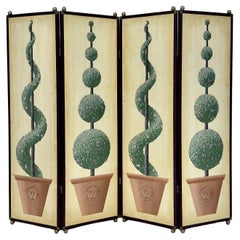

Painted Wood Four Panel Trompe L'oeil Screen/Rom Divider
Located in Darien, CT
against a warm yellow wash. The composition has a trompe l’oeil quality—the architectural framing, shaded
Category
Early 2000s Screens and Room Dividers
Materials
Wood
Painted Wood Four Panel Trompe L'oeil Screen/Rom Divider
Located in Darien, CT
against a warm yellow wash. The composition has a trompe l’oeil quality—the architectural framing, shaded
Wood
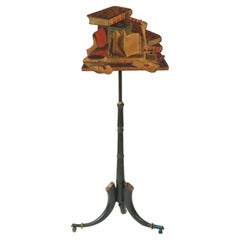
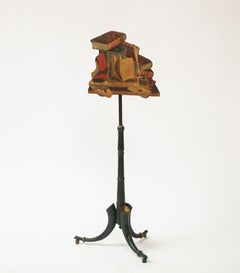
English Polychrome-Painted Paper Mâché 'Poet's Desk' Pole Screen
Located in New York, NY
Featuring a trompe l'oeil screen depicting antique books of poetry, an inkwell with plume, wax
Metal
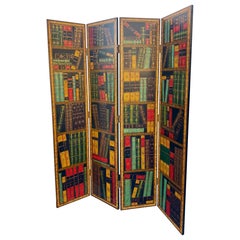
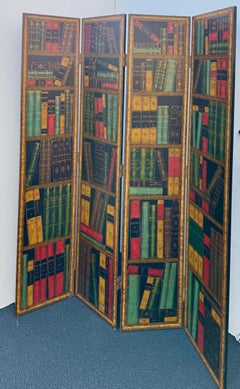
Sarreid Faux Leather Gilt Books Folding Screen Room Divider
By Sarreid Ltd.
Located in Haddonfield, NJ
An impressive 4 panel Trompe L'Oeil screen or room divider featuring classic books on what appears
Metal
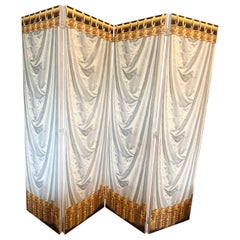
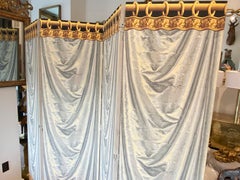
Trompe L'Oeil Wallpaper Four Panel Screen
Located in East Hampton, NY
with draped fabric. elegant trompe l'oeil paper in the Zuber style.
Paper
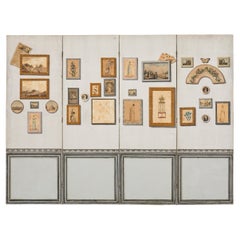
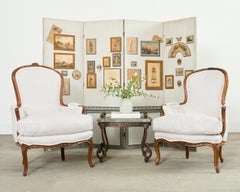
Mid-century French Trompe l'oeil Decoupage Folding Screen
Located in Rio Vista, CA
Fantastic mid-century modern Italian four panel double sided screen featuring painted trompe l'oeil
Metal
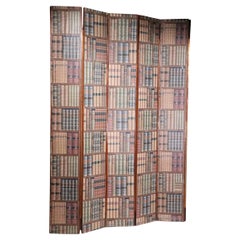
6 Panel Faux Library Trompe L'oeil Folding Screen
Located in New York, NY
Impressive six fold room divider, screen featuring a faux library with antique leather bound books
Plywood, Paper
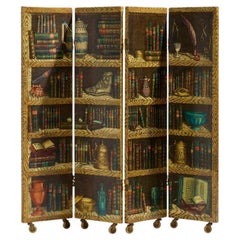
$19,500
H 53.75 in W 55 in D 2 in
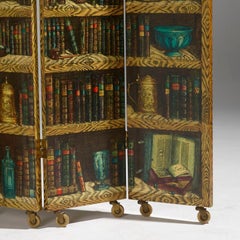
Trompe L’oeil “Libri” Four-Panel Folding Screen By Piero Fornasetti.
By Piero Fornasetti
Located in Montreal, QC
lithographic transfer-printed and lacquered wood trompe L"oeil “Libri” four-panel folding screen by
Wood
$2,995
H 72 in W 63 in D 1 in
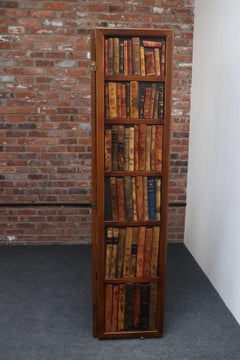
Mid-Century Italian Painted Trompe L’Oeil French Style Wallpaper Screen Divider
Located in Kennesaw, GA
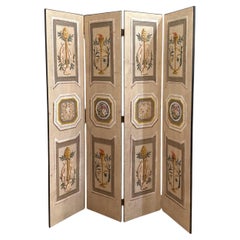
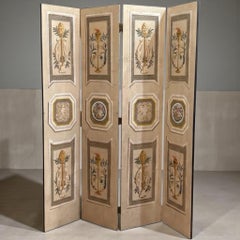
room divider. Each panel is a trompe l’oeil neoclassical seen mimicking architectural walls. It has
Poplar, Paper
$2,400
H 71.5 in W 16.38 in D 3 in
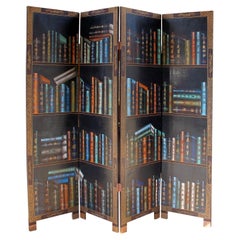
Vintage Italian Trompe L'oeil Leather Book Library Folding Screen by Sarreid
By Sarreid Ltd.
Located in Brooklyn, NY
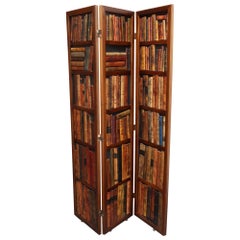
Vintage Trompe-l'œil decorative three-panel folding screen/room divider depicting a faux library
Brass
$8,217
H 72.05 in W 66.93 in D 0.6 in
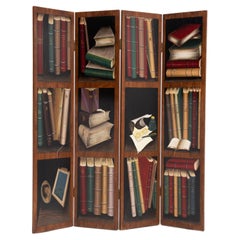
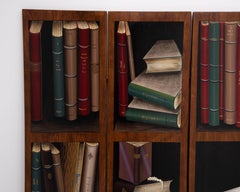
1950s Chinese Coromandel Four-Panel Screen with Trompe-l'œil Bookshelves and Gil
Located in London, GB
The front of the screen features a trompe-l'œil depiction of bookshelves filled with meticulously
Wood
$1,595
H 72.25 in W 64 in D 0.9 in
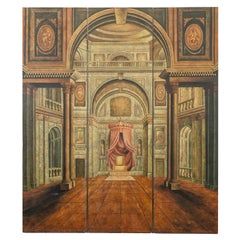
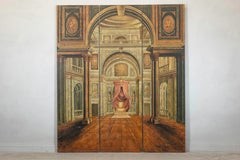
Trompe L''Oeil Painted Books 4 Panel Screen Room Divider After Maitland Smith
By Maitland Smith
Located in Forest Grove, PA
A Trompe L''Oeil style room divider depicting painted vintage library and book vignettes on a
Oak
$3,675
H 84 in W 72 in D 1 in
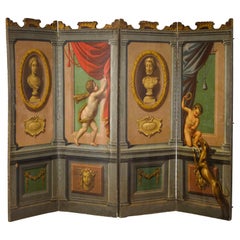
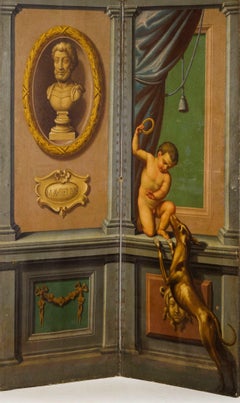
Painted Three-Panel Screen with Trompe-l'Œil Palace Interior and Throne Scene
Located in Yonkers, NY
interior, meticulously painted in trompe-l'œil to evoke architectural depth and opulence. The central focal
Canvas, Wood
$31,136
H 82.29 in W 118.12 in D 1.97 in
18th Century Italian Neoclassical Oil on Canvas Screen with Trompe L’œil
Located in IT
18th century, large Italian neoclassical oil on canvas four panels screen with Trompe L’œil
Canvas
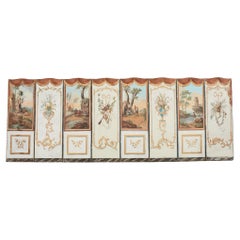
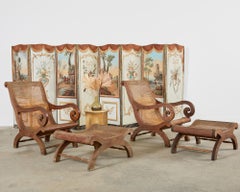
19th Century French Grand Tour Style Eight Panel Painted Screen
Located in Rio Vista, CA
have swag drapes with fringe in a trompe l'oeil style. The screen has an aged, weathered patina that
Canvas, Wood
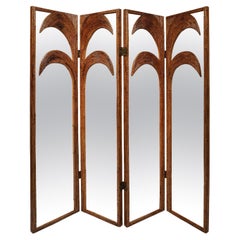
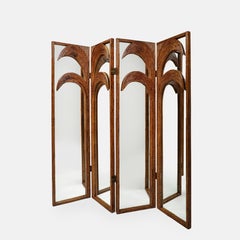
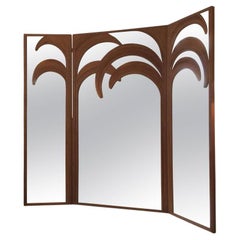
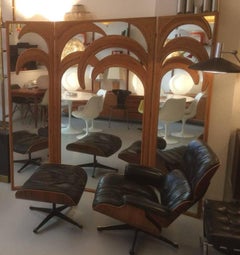
Vivai del Sud Bamboo Palm Trees Mirrored Screen, Italy, 1970s
By Vivai del Sud
Located in New York, NY
. In the spirit of Vivai del Sud, the use of trompe l'oeil in this screen creates an atmosphere of an
Bamboo, Mirror, Wood
$12,500
H 72.84 in W 78.75 in D 3.94 in
Signed Vivai del Sud Bamboo Palm Trees Mirrored Screen, Italy, 1970s
By Vivai del Sud
Located in Geneva, CH
, the use of trompe l'oeil in this screen creates an atmosphere of an oasis created by a presence of a
Bamboo, Rattan, Mirror
Incredible Trompe L'oeil Screen by Daniel Greene
By Daniel Greene
Located in San Francisco, CA
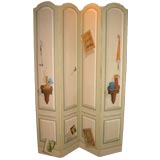
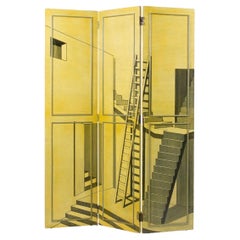
Incredible trompe l'oeil screen by Daniel Greene, once a consultant to Jackie Kennedy on the
Unavailable
H 67 in W 51 in D 0.75 in
Trompe L'oeil Screen or Room Divider in the Manner of Piero Fornasetti
Located in Los Angeles, CA
A fantastic, one-sided, hand painted screen after Piero Fornasetti. A wonderfully surreal
Hardwood
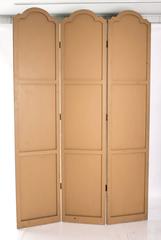
Trompe L'oeil Three-Panel Screen
Located in Stamford, CT
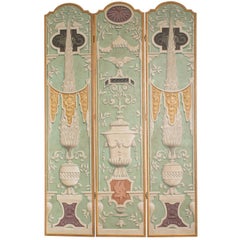
Three panel vintage screen with arched top decorated with architectural ornaments. Trompe l'oeil on
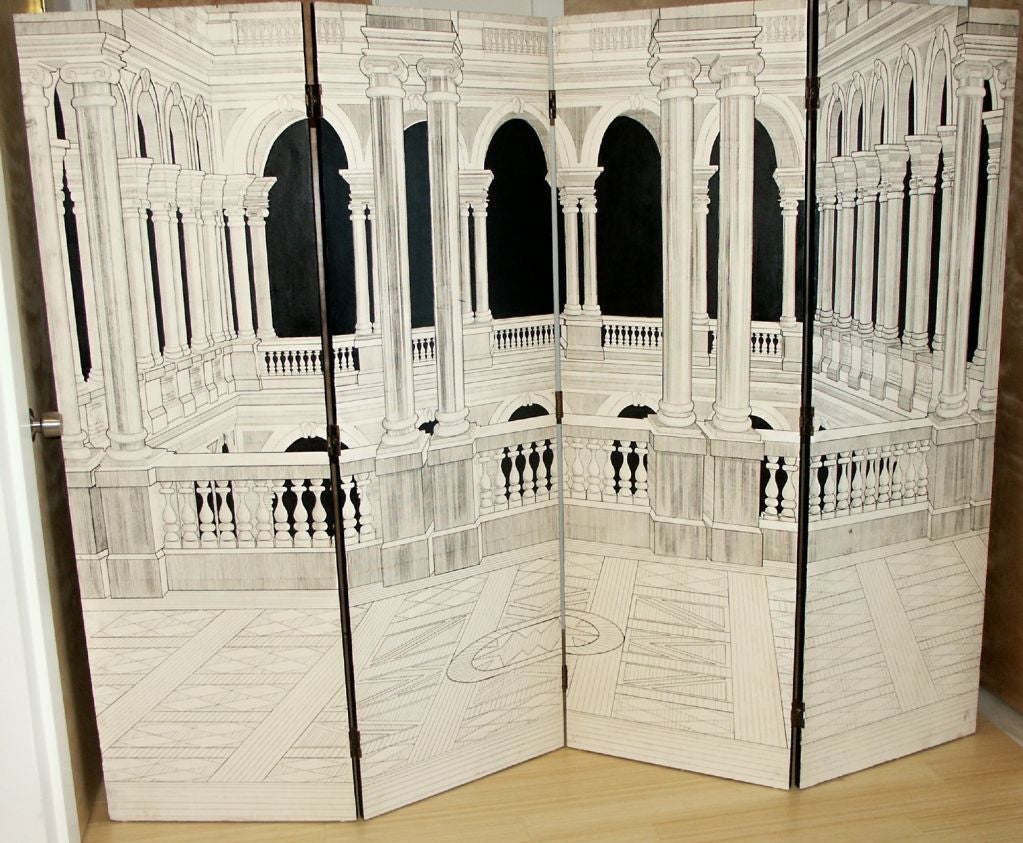
Architectural Trompe L'oeil Painted Room Divider Screen
Located in New York, NY
Exceptionally well executed Trompe L'oeil black and white four panel screen or room divider. The
Wood
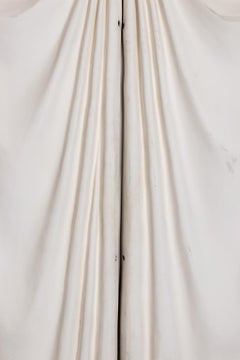
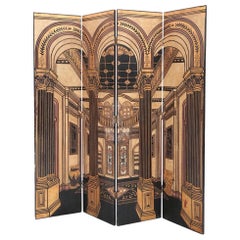
Four Panel Trompe L'oeil Fiberglass Screen by Marc Bankowsky
By Marc Bankowsky
Located in Stamford, CT
features a Trompe L’oeil effect of draped white cloth. The piece is further detailed with folds and pleats
Fiberglass
Unavailable
H 84.26 in W 80.32 in D 2.37 in
Trompe l’oeil Gilded and Carved Lacquer Four-Panel Dressing Screen
By Fournier Decoration
Located in Tetbury, GB
gilded, exceptionally rare Fournier Decoration, Paris four-panelled dressing screen. The principal
Wood
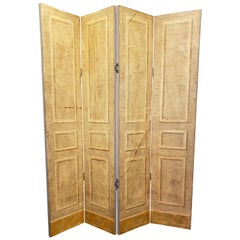
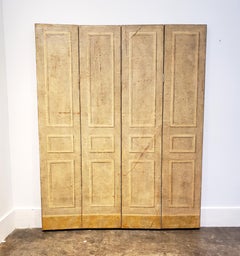
Trompe L'oeil Neoclassical Folding Screen by Jacques Lamy
By Jacques Lamy
Located in Dallas, TX
A hand painted folding screen by French - American artist Jacques Lamy. Known for using his old
Plaster, Wood, Paint
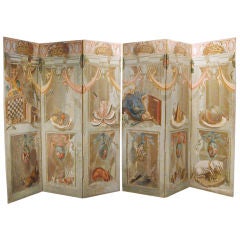

Pair of 18c. Trompe l'oeil Folding Screens
Located in West Palm Beach, FL
Rare pair of three paneled oil on canvas screens, each panel hand painted trompe l'oeil decoration
Canvas, Wood
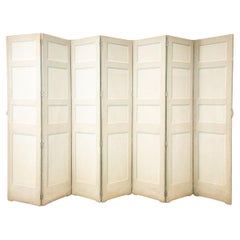
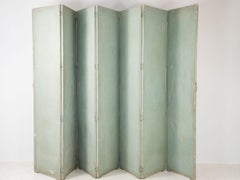
Painted Trompe-L'œil Swedish Canvas Screen, 1860
Located in South Salem, NY
A mid 19th century Swedish painted canvas screen in the trompe-l'œil style. There are seven panels
Canvas
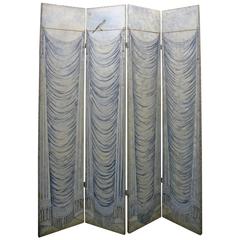

French Trompe L'oeil Blue and White Screen
Located in New York, NY
Tall hand-painted two sided four-panel screen or room divider with wood rope trim. France, circa
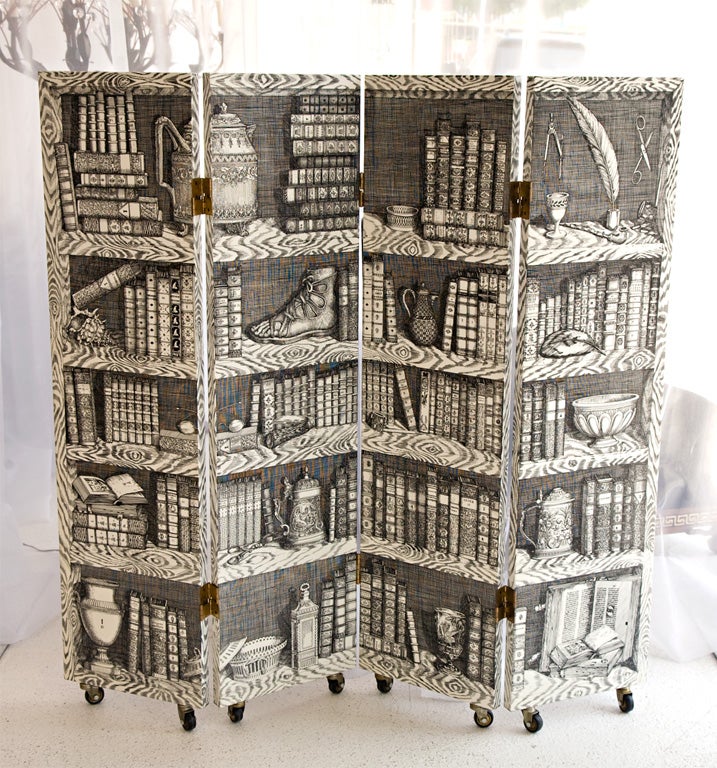
Four Panel "Library" Trompe L'Oeil Folding Screen by Fornasetti
Located in Palm Desert, CA
Four-panel trompe l'oeil transfer printed folding screen on rolling casters, titled "Library
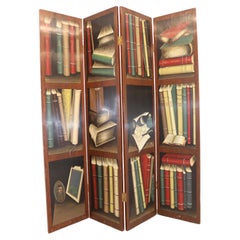
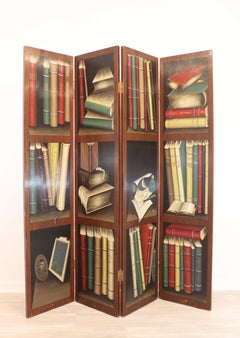
Trompe L'Oeil Painted Books 4 Panel Screen & Room Divider
Located in Keego Harbor, MI
Up for offering is this whimsical, Trompe L'Oeil style room divider depicting painted vintage
Wood

Sold
H 81 in W 78 in D 1.25 in
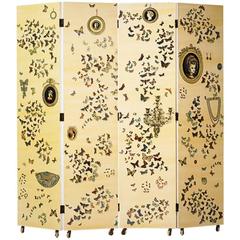
Rare Trompe l’oeil “Farfalle” Four-Panel Folding Screen by Piero Fornasetti
By Fornasetti
Located in Montreal, QC
Rare trompe l’oeil “Farfalle” four-panel folding screen by Piero Fornasetti. One side decorated
Sold
H 81 in W 78 in D 1 in
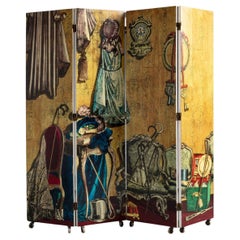
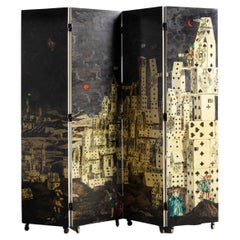
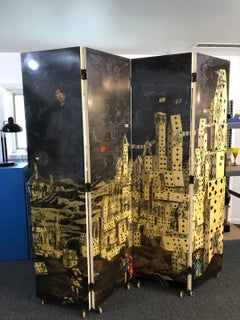
Rare trompe l’oeil Angolo di Spogliatoio' Folding Screen by Piero Fornasetti
By Piero Fornasetti
Located in Montreal, QC
folding screen by Piero Fronasetti lithographic printed and hand colouring on wood.
Wood
Sold
H 81 in W 78 in D 1 in
Rare Trompe L’oeil “Citta De Carte” and "Farfalle" Screen by Piero Fornasetti
By Piero Fornasetti
Located in Montreal, QC
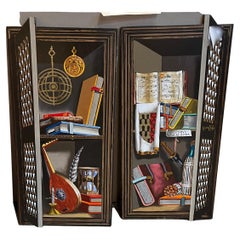
Rare and Exceptionally decorated reverse side trompe l’oeil “Citta de Carte” and "Farfalle" four
Wood
Mid Century Trompe L'oeil Panels by Palladio
By Palladio
Located in Winnetka, IL
A pair of mid century Trompe L'oelil panels by Palladio depicting shelves in the style of
Wood
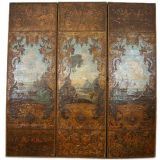
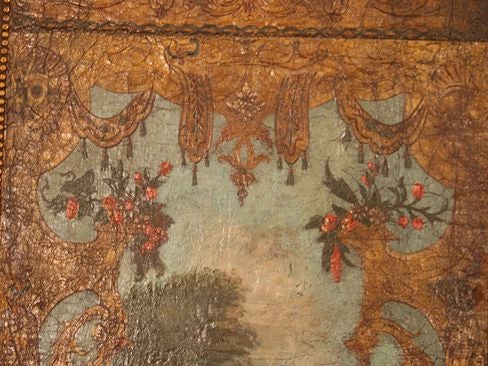
Elegant Italian Rococo Polychromed Leather Trompe l'oeil
Located in Atlanta, GA
with three panels featuring "Voyages of Discovery to Foreign Lands", each flanked by an elaborate chinoiserie frame with dragonheads, foliate sprays, swags, satyr masks and ornate ro...
Leather
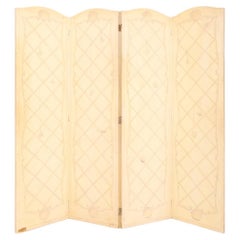
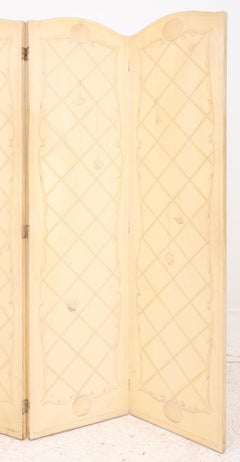
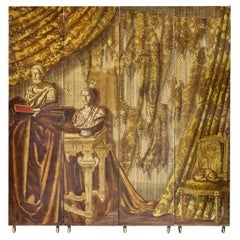
Louis XVI Architectural Painted 4 Panel Screen
Located in Astoria, NY
Louis XVI manner trompe l'oeil faux architectural four panel screen, each painted in the style of
Wood

Sold
H 81.5 in W 19.69 in D 1.19 in
Piero Fornasetti (Italian, 1913–1988) Four-Panel “Libreria” Folding Screen
By Piero Fornasetti
Located in London, GB
-l’œil mastery, this four-panel screen juxtaposes illusion and wit: one side depicts a neoclassical
Brass
Four Panel "Scaletta" Folding Screen by Fornasetti
By Fornasetti
Located in Palm Desert, CA
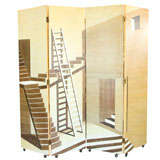
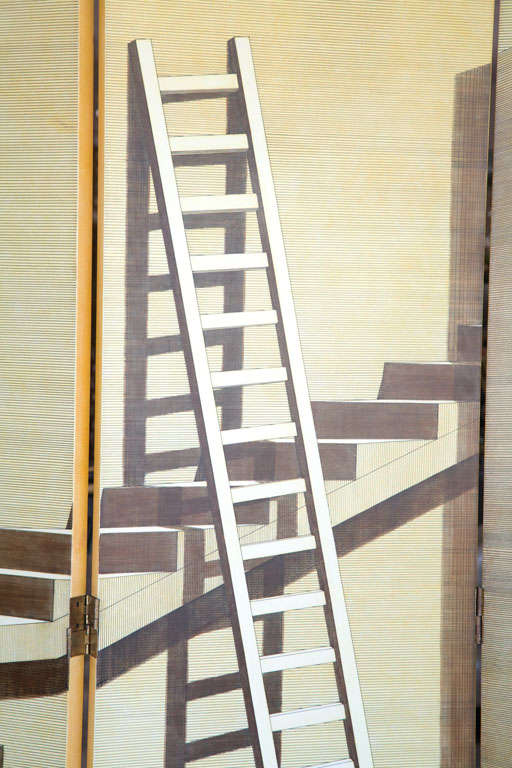
An amazing four-panel trompe l'oeil transfer print folding screen on eight rolling casters. This
Wood

Trompe l'Oeil Screen of Four Panels with Painted Books
Located in Hanover, MA
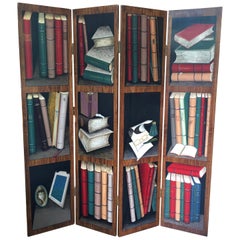
For the library, trompe l'oeil four-panel paravent with painted books on one inch thick solid oak
Oak
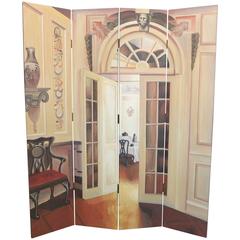

Trompe-l'oeil Four-Panel Folding Screen
Located in Hanover, MA
Seven foot tall six foot wide hand-painted four-panel room screen. This trompe-l'oei l screen is
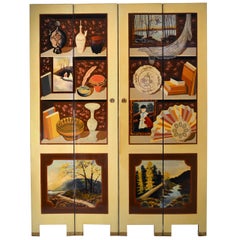
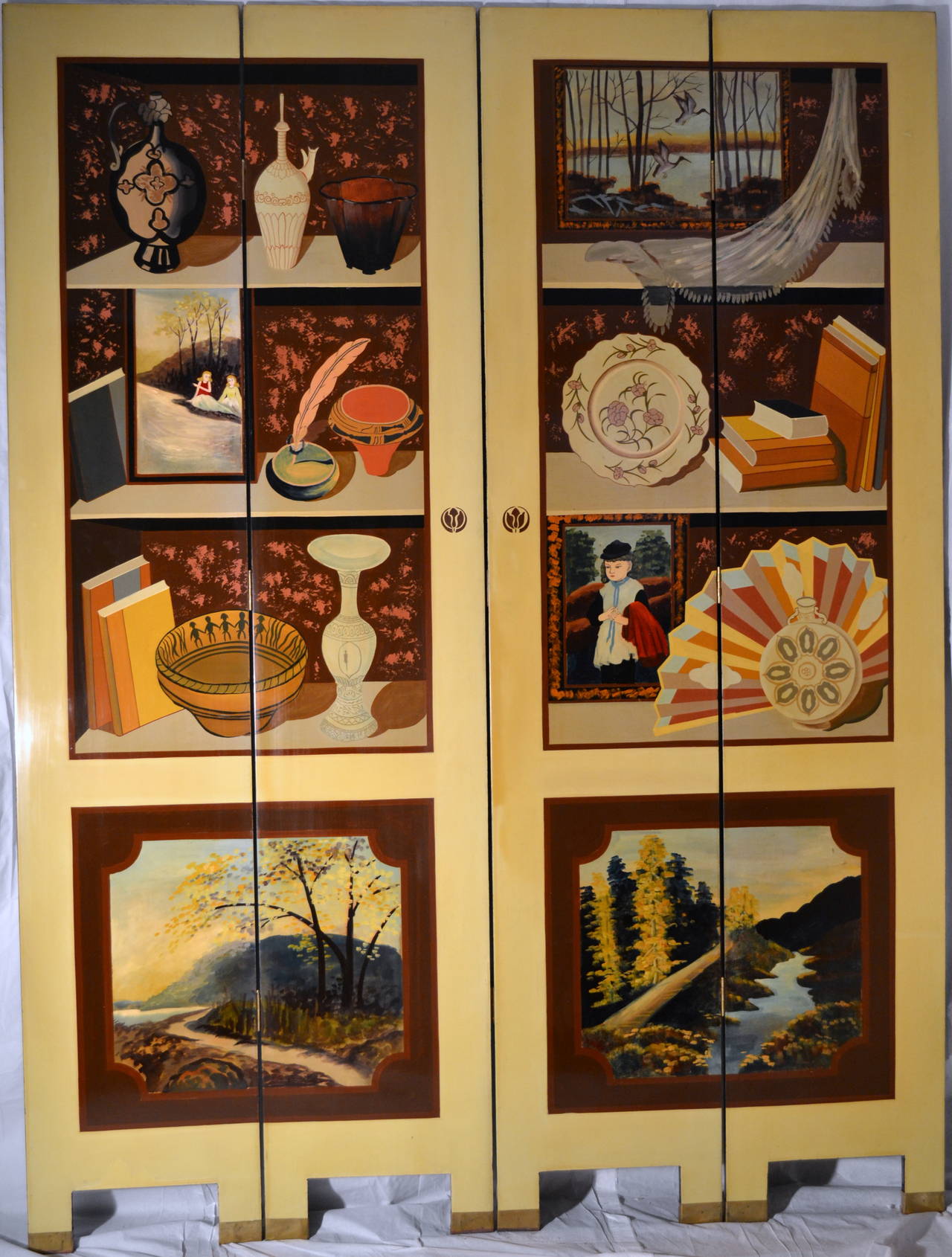
Exquisite Custom Studio Trompe L'oeil Four-Panel Folding Screen
By Dorothy Draper
Located in Camden, ME
screen is a Trompe L'oeil curio cabinet filled with an intriguing collection of artifacts, landscape
Brass
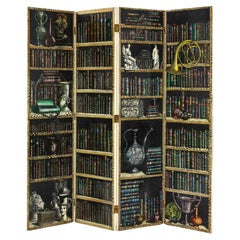

Sold
H 78 in W 79 in D 2 in
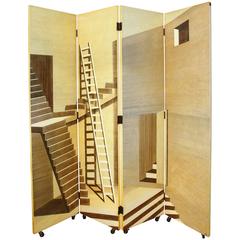
Rare Trompe L’oeil “Libreria” Four-Panel Folding Screen by Piero Fornasetti
By Piero Fornasetti
Located in Montreal, QC
Rare Trompe l’Oeil “Libreria” four-panel folding screen by Piero Fornasetti. The reverse decorated
Wood

Sold
H 78 in W 78 in D 2 in
Four-Panel Scaletta Folding Screen Piero Fornasetti Italy Trompe L’Oeil Transfer
By Fornasetti
Located in New York, NY
Piero Fornasetti Scaletta (Little Staircase) folding screen Fornasetti Milano Italy, 1990
Wood
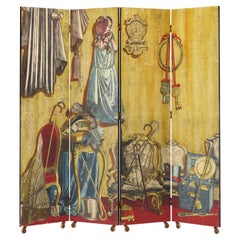

Rare Folding Screen "Grattacieli Rinascimentali" by Piero Fornasetti
By Piero Fornasetti
Located in Montreal, QC
Rare Trompe l'oeil double-sided folding screen features the Grattacieli rinascimentali motif to one
Wood

Sold
H 77 in W 65 in D 1 in
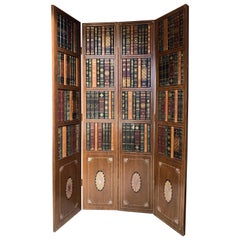
Maitland Smith Tooled Leather Room Divider & Screen, Embossed, Gilt, Handmade
By Maitland Smith
Located in Brooklyn, NY
Tooled leather embossed, gilt trompe l’oeil book-form room screen / divider by Maitland Smith
Leather
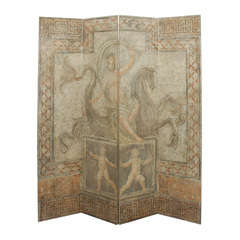
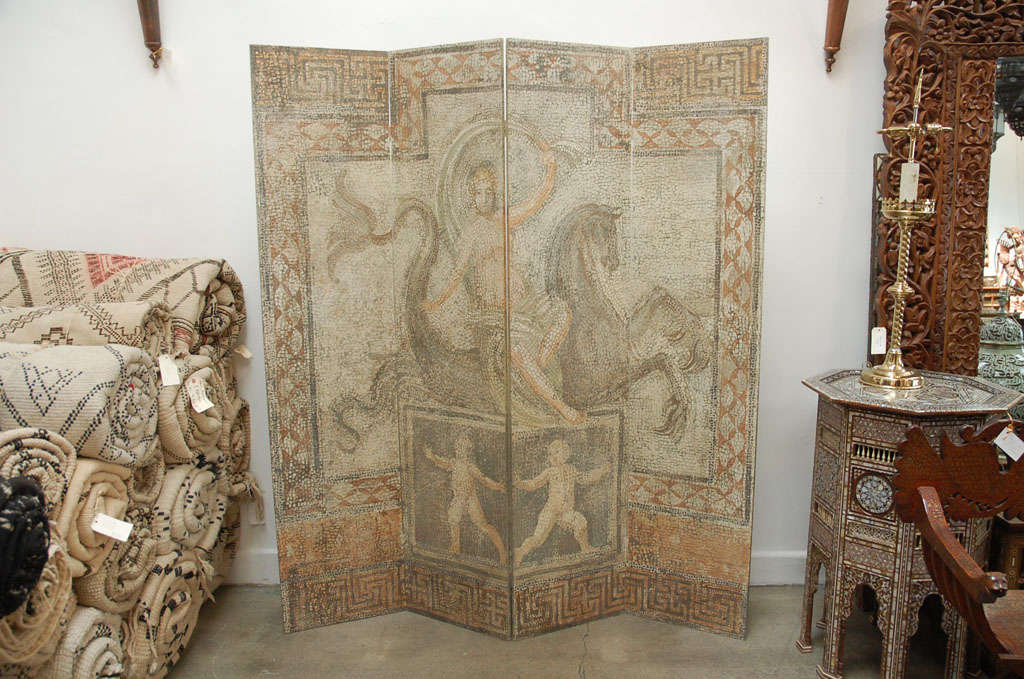
Italian Four Fold Screen by Carlo Marchiori
By Leonardo Fiori, Carlo Marchiori
Located in Moreno Valley, CA
Architectural Trompe L'oeil Hand Painted Room Divider, Floor Screen.Exceptionally well executed
Wood
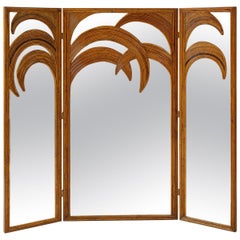
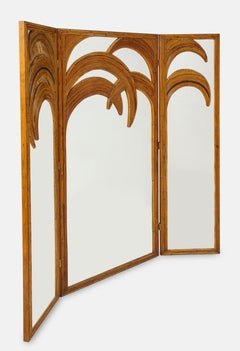
Vivai del Sud Bamboo Palm Trees Mirrored Screen, Italy, 1970s
By Vivai del Sud
Located in New York, NY
. In the spirit of Vivai del Sud, the use of trompe l'oeil in this screen creates an atmosphere of an
Mirror, Maple, Bamboo


Vivai del Sud Bamboo Palm Trees Mirrored Screen, Italy, 1970s
By Vivai del Sud
Located in New York, NY
, the use of trompe l'oeil in this screen creates an atmosphere of an oasis created by a presence of a
Mirror, Wood, Bamboo
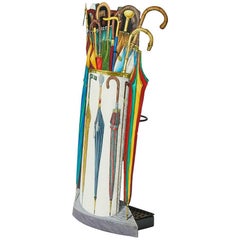

Umbrella Stand by Piero Fornasetti
By Fornasetti
Located in San Francisco, CA
A trompe-l'oeil umbrella stand in screen printed metal and brass. Produced in Italy. circa 1950s.
Metal


Antique Chinese, Art Deco Rug
Located in New York, NY
A pictorial three-panel screen for your floor! This trompe-l’oeil carpet presents a coral screen
Wool
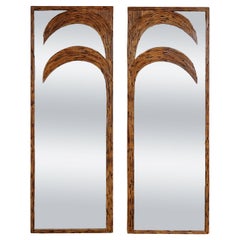

Vivai del Sud Pair of Standing Bamboo Palm Tree Mirrors, Italy, 1970s
By Vivai del Sud
Located in New York, NY
the spirit of Vivai del Sud, the use of trompe l'oeil in this screen creates an atmosphere of an oasis
Mirror, Wood, Bamboo
Incredible Trompe L'oeil Screen by Daniel Greene
Located in Palm Springs, CA
Incredible trompe l'oeil screen by Daniel Greene, once a consultant to Jackie Kennedy on the
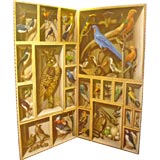

"Cabinet of Birds" Trompe L'oeil Screen
Located in New Preston, CT
A wonderful oil on canvas trompe l'oeil 2-panel screen, based on the oil paintings 'cabinet of
French Painted Trompe L'Oeil Screen Circa 19th Century
Located in New York, NY
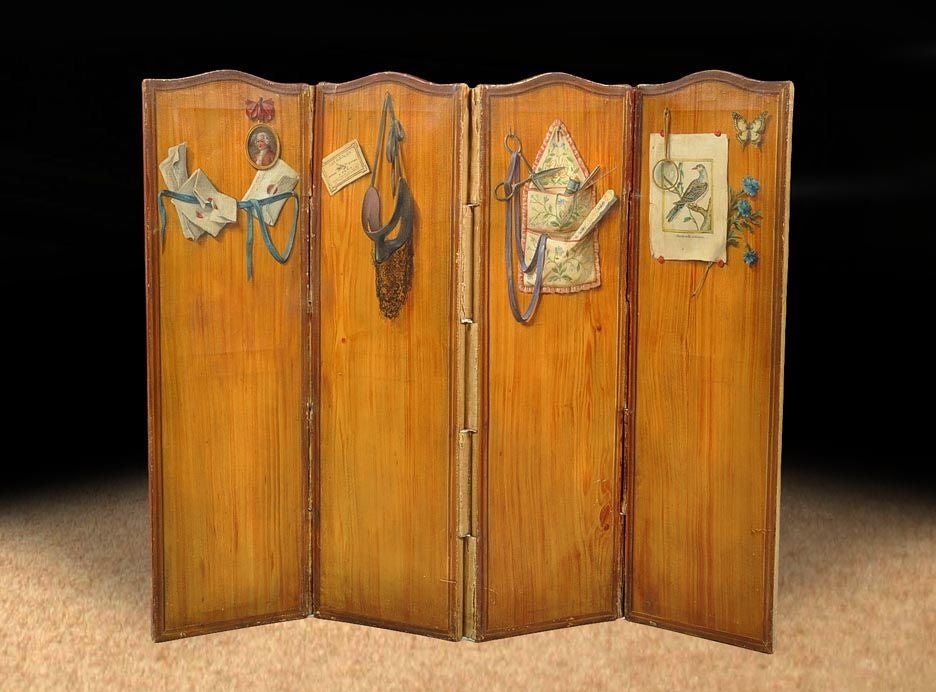
# T088 - Decorative painted trompe l'oeil four panel folding screen painted in a faux light wood
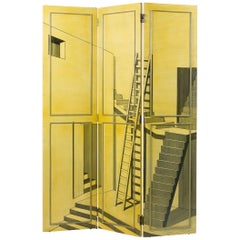

Trompe L'oeil Screen in the Manner of Piero Fornasetii
By Fornasetti
Located in Brooklyn, NY
One sided stair and ladder scene hand painted trompe l'oeil three panel screen after Piero
Wood
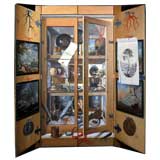

Trompe L'oeil Four Panel Screen
Located in New Preston, CT
A one-of-a-kind trompe l'oeil four panel, 2-sided, oil-on-canvas painted screen based on the 18th
Sold
H 53.15 in W 55.12 in D 1.19 in
Four panel trompe l'oeil double-sided "Library" screen by Piero Fornassetti
By Fornasetti
Located in Brussels, BE
Four panel trompe l'oeil double-sided screen, mounted on casters, titled "Library" design by
Sold
H 65 in W 49 in D 1 in
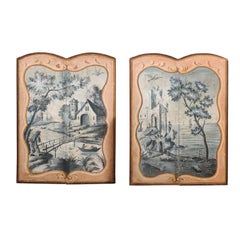
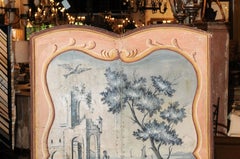
Pair of French 1780s Trompe-l'Oeil Grisaille Hand-Painted Pastoral Screens
Located in Atlanta, GA
set inside a trompe-l'oeil painted frame. These painted frames, made of delicate volutes, contrast
Canvas

Sold
H 24 in W 17.3 in D 1 in
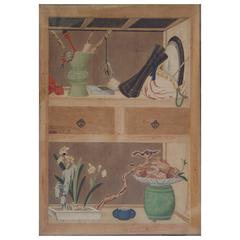
Set of Six 18th Century Korean Color Inks "Trompe-L'oeil Wood Imitation"
Located in Paris, FR
Set of six color inks “Trompe-L’œil Wood Imitation” with “Objets De Lettres” probably Korean
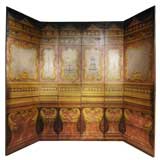

Magnificent Italian Renaissance-style Painted Six-Panel Screen
Located in Coral Gables, FL
Magnificent Italian Handpainted Trompe L'Oeil Renaissance-style Six-panel Screen with Seraphims
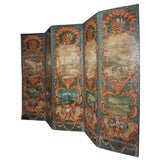

Oversized 18th Century Italian Painted 5 Paneled Canvas Screen
Located in San Francisco, CA
Magnificent 18th Century Italian Hand-painted Trompe L'Oeil Renaissance-style five-panel Screen
Wood, Canvas
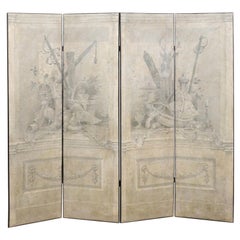

"Fontainebleu" Hand Painted Four-Panel Grisaille Trompe L'oeil Screen
Located in Atlanta, GA
Fontainebleau screen; a four-panel hand painted natural fiber Grisailles screen features trompe
Paint
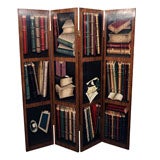
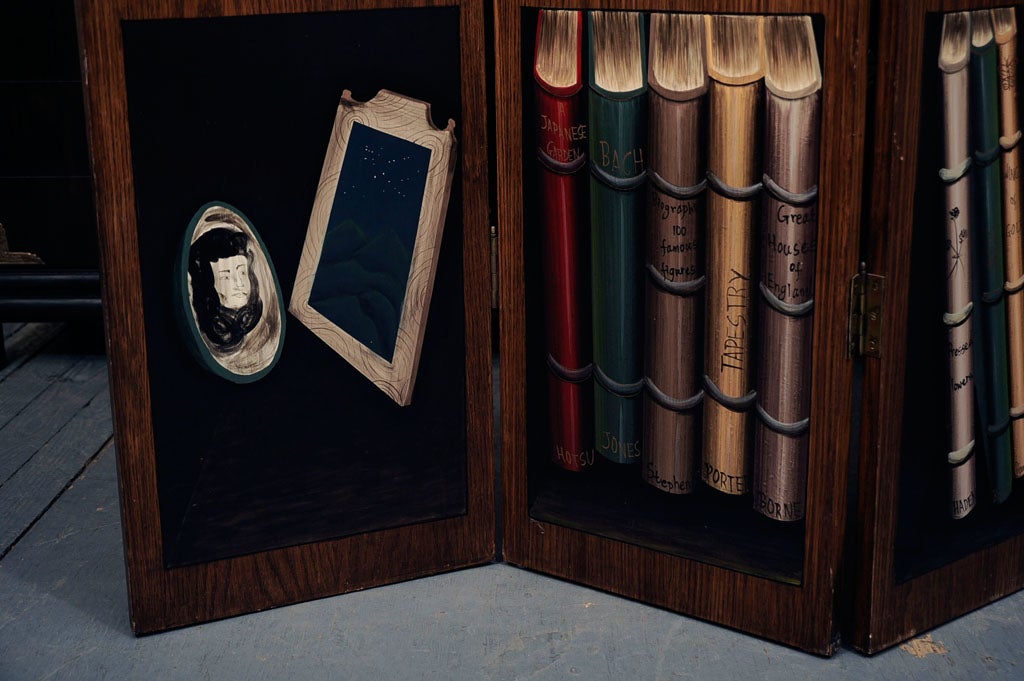
Charming Trompe L'Oeil Folding Screen or Room Divider
Located in New York, NY
Charming folding screen with a trompe l'oeil of books. The length and depth noted in the details
Wood
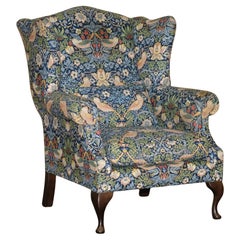
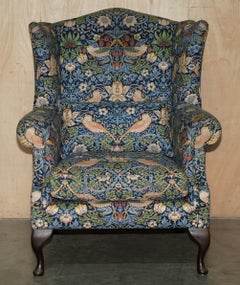
$2,626
H 42.52 in W 34.26 in D 35.44 in
STUNNINGLY RESTORED WiLLIAM MORRIS STRAWBERRY THIEF FABRIC WINGBACK ARMCHAIR
By William Morris (English)
Located in West Sussex, Pulborough
Royal House Antiques Royal House Antiques is delighted to offer for sale this stunning fully restored Victorian Style William Morris Wingback armchair newly upholstered in William M...
Upholstery, Hardwood
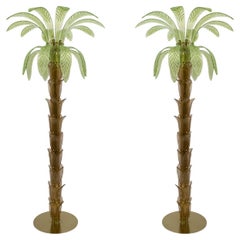
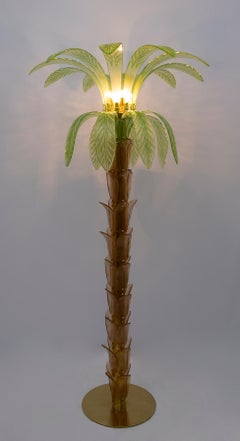
Pair of Murano Glass and Brass Palm Tree Floor Lamp
By Maestri Muranesi
Located in Puglia, Puglia
Pair of floor lamps in amber and green Murano blown glass, brass structure, four bulbs. The floor lamp is also a sculpture that reproduces the trunk and leaves of a palm tree with pi...
Brass
$1,650 / item
H 16.1 in Dm 11.5 in
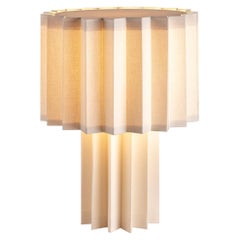
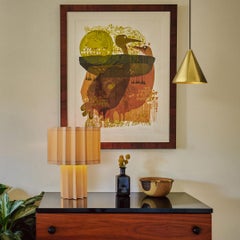
'Plissé White Edition' Pleated Textile Table Lamp by Folkform for Örsjö
By Örsjö Industri AB
Located in Glendale, CA
'Plissé White Edition' pleated textile table lamp by Folkform for Örsjö. This unique table lamp was awarded “Lighting of the Year 2022” by Residence Magazine Sweden, who called it “...
Textile
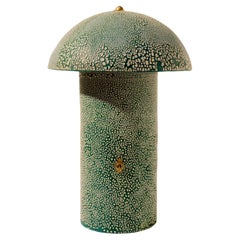
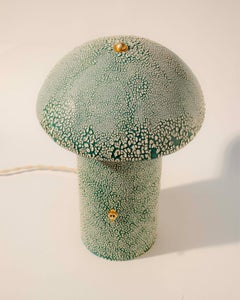
Crackle Textured Handmade Ceramic Mushroom Lamp, Blue
By Ethan Streicher, Streicher Goods
Located in Brooklyn, NY
Every mushroom lamp is hand-made and hand-painted by Ethan Streicher, the founder and designer behind the Streicher Goods brand in Brooklyn, NY. The lamp's silhouette is simple and c...
Brass
$6,500 / item
H 14 in W 36 in D 20 in
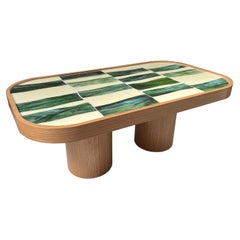
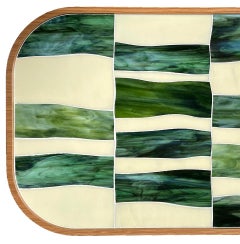
Modern Oval Coffee Table in Oak Wood Cylinder Base and Glass by Ercole Home
By Ercole Home
Located in Brooklyn, NY
Palazzo oval coffee table with green and ivory glass sits on 2 Rift White Oak Wood pedestals by Ercole Home. This new bespoke coffee table design by Ercole Home is available today fo...
Art Glass, Walnut, Cut Glass
$229,142Sale Price|33% Off
H 51.19 in W 55.12 in D 201.58 in
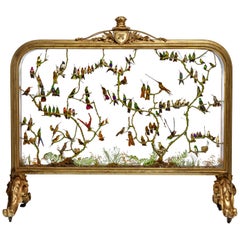
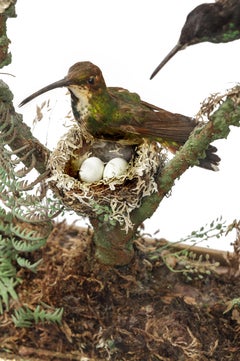
Rare Victorian Firescreen with Taxidermy Hummingbirds by Henry Ward
By Henry Ward
Located in Amsterdam, NL
England, third quarter of the 19th century On two scrolling foliate feet with casters, above which a rectangular two-side glazed frame, with on top a two-sided shield with initial...
Other

$5,099Sale Price / set|30% Off
H 24.01 in Dm 13.78 in
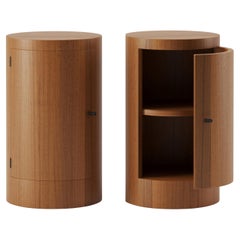
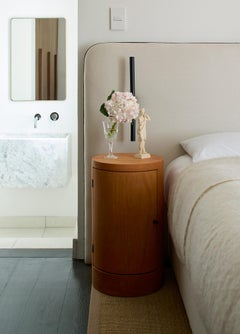
Pair of Constant Night Stands in Poplar Burl wood by Master for Lemon
By Lemon
Located in Amsterdam, NL
Envisioned by designer Yaniv Chen, the Constant nightstand exudes an air of refined luxury, celebrating the inherent splendor of Poplar burl wood. Meticulously crafted with impeccabl...
Burl, Poplar


White Turtle Bookcase, by Marcantonio, Made in Italy
By MARCANTONIO
Located in Beverly Hills, CA
Scroll down and click "view all from Seller" to see more than 500 other unique products. (2.2) A multipurpose turtle: its carapace acts as a support for a series of accessories. Onc...
Metal
$6,227 / set
H 24.01 in Dm 13.78 in
Pair of Constant Night Stands in Iroko Wood by Master Studio for Lemon
By Lemon
Located in Amsterdam, NL
Neatly proportioned with exceptional detailing, the constant nightstand is your perfect bedside partner. In our furniture making, the IDEA is to create special pieces that you can bu...
Hardwood
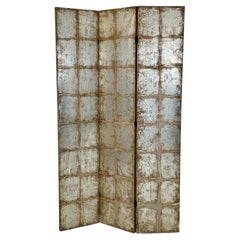
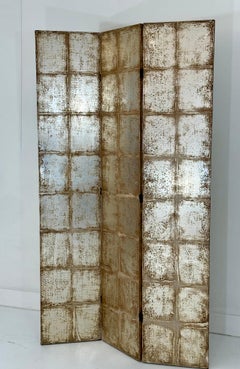
Three-Panel Silver Tea Leaf Folding Screen, Finished on Both Sides
Located in Palm Desert, CA
This sophisticated three-panel silver tea leaf folding screen is a striking decorative element, finished on both sides for maximum versatility. The front features a grid of rectangul...
Metal, Silver Leaf
$1,895
H 72 in W 53 in D 2 in
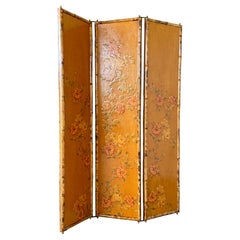
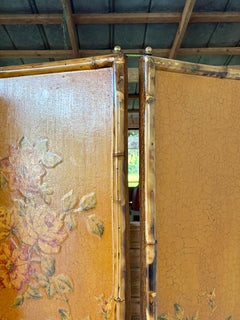
Vintage Chinoiserie Floral Three-Panel Bamboo Screen Room Divider With Cracked L
Located in North Fort Myers, FL
A charming and decorative piece, this vintage three-panel folding screen features a bamboo frame with a beautifully aged lacquered floral chinoiserie design in warm ochre tones. The ...
Rattan
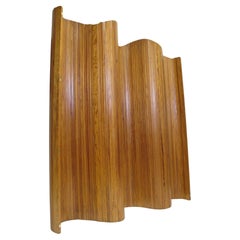
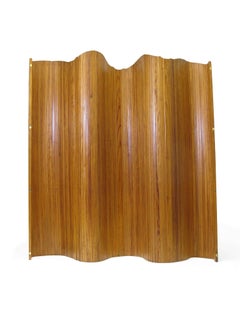
French Art Deco tambour screen room-divider
By Alvar Aalto
Located in Oakland, CA
French Art Deco tambour room divider / folding screen crafted of heart pine, can be coiled and shaped into multiple positions to fit the space as needed. Possibly Baumann et Fils, Me...
Pine
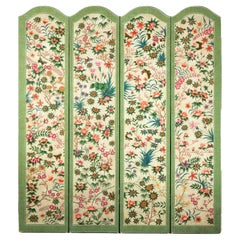
Hand-Painted Floral Screen with Butterflies, Vintage Four-Panel Divider
Located in Yonkers, NY
A vintage four-panel hand-painted screen with butterfly and flower motifs. A celebration of artistry and nature, this vintage Chinese four-panel screen brings elegance to any space w...
Wood, Paper
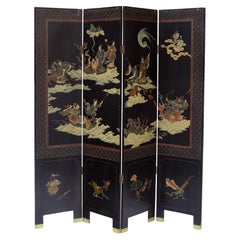
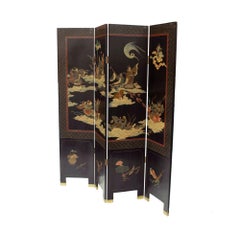
Chinoiserie Folding Screen or Room Divider
Located in Grand Rapids, MI
China, 1940s-1960s Folding screen or room divider in black lacquer with hand painted decoration. Chic and functional chinoiserie piece. Each side of the screen has a different design...
Wood, Lacquer, Paint
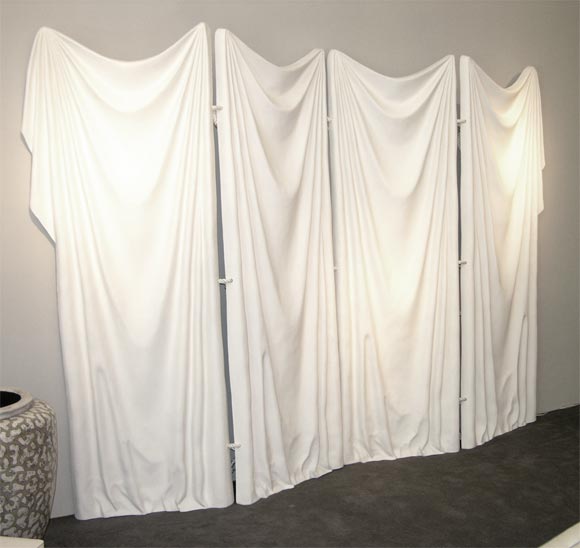
Marc Bankowsky, Four-Panel Plaster Screen, France, 2008
By Marc Bankowsky
Located in New York, NY
Contemporary four-panel screen in polyester plaster by Marc Bankowsky. A designer and decorator for the past 20 years, Marc Bankowsky creates uniquely beautiful furniture and access...
Rope
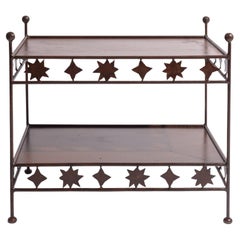
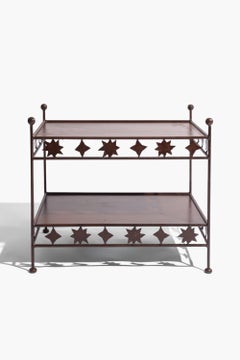
The 'Matisse' Etagere
Located in London, GB
The 'Matisse' wrought iron side table. A hand made and patinated wrought iron etagere with whimsical Matisse style cut-out decoration. Made to order based on a 1960s original. Avail...
Wrought Iron
Whether they are implemented as decorative accents or makeshift partitions to ensure privacy, antique and vintage folding screens and room dividers easily introduce sophistication and depth to any space in your home.
The earliest examples of folding screens are said to have originated in China and go back at least as far as the Han dynasty. Screens of the era were heavy structures made of wood and had hinges of cloth or leather. They were adorned with elaborate landscape paintings that were typically created on silk or paper canvases and applied directly to the screen’s panels afterward. Just as they had been in the 20th century and today, the folding screens then were recognized for both their practical and purely decorative properties.
Japanese room-divider screens were also decorated with paintings but constructed to be lightweight and mobile. They took on considerable event-based importance when the structures gained popularity in the East Asian country, as the folding screens were used in performing arts such as concerts, tea ceremonies and more. Later, artists elsewhere warmed to folding screens and sought to create their own.
In European countries such as France, where they were known as paravent, folding screens began to materialize in apartments in Paris, gaining favor with the likes of pioneering couturier Gabrielle “Coco” Chanel, who is said to have accrued more than 30 and used them as a precursor to what we now know as wallpaper.
On 1stDibs, find a wide range of antique and vintage folding screens and room dividers, which, given their history, may do a better job of bringing people and cultures together in your home than sectioning off a space. Search by material to find options in metal, fabric or wood, or browse by style for mid-century modern designs and examples from the Art Deco era.
Produced in 1843, the well-preserved volume is evidence of the author's exacting specifications.
New or old, the coverlets add old-time charm to any space.
Get into the games! These items celebrate the events, athletes, host countries and sporting spirit.
French trendsetter and serial collector Daniel Rozensztroch tells us about his obsession with objects related to seafaring men.
It's hard to resist the allure of a beautiful pool. So, go ahead and daydream about whiling away your summer in paradise.
The sought-after designer worked with the team at Hoffman Creative to produce a monograph that beautifully showcases some of Studio Shamshiri's most inspiring projects.
Italian writer and collector Umberto Pasti opens the doors to his remarkable cave of wonders in North Africa.
Hollywood A-listers, ex-pat aristocrats and art collectors and style setters of all stripes appreciate the allure of the coastal California hamlet — much on our minds after recent winter floods.