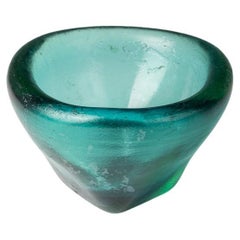
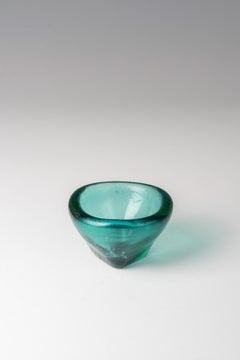
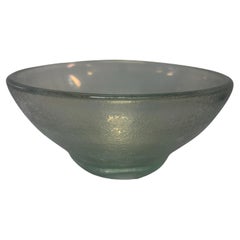
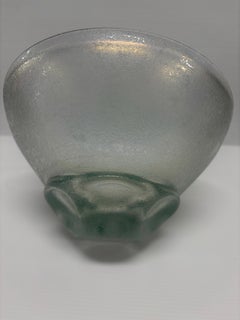
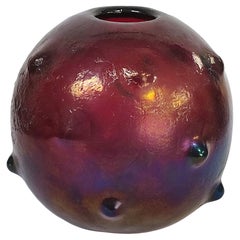
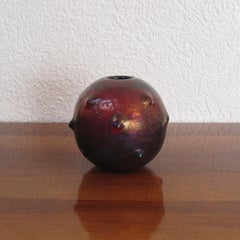
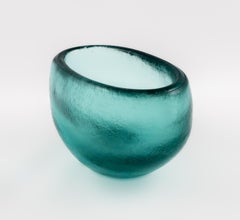
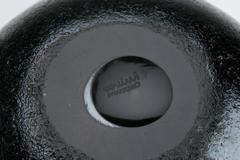
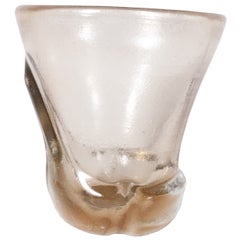
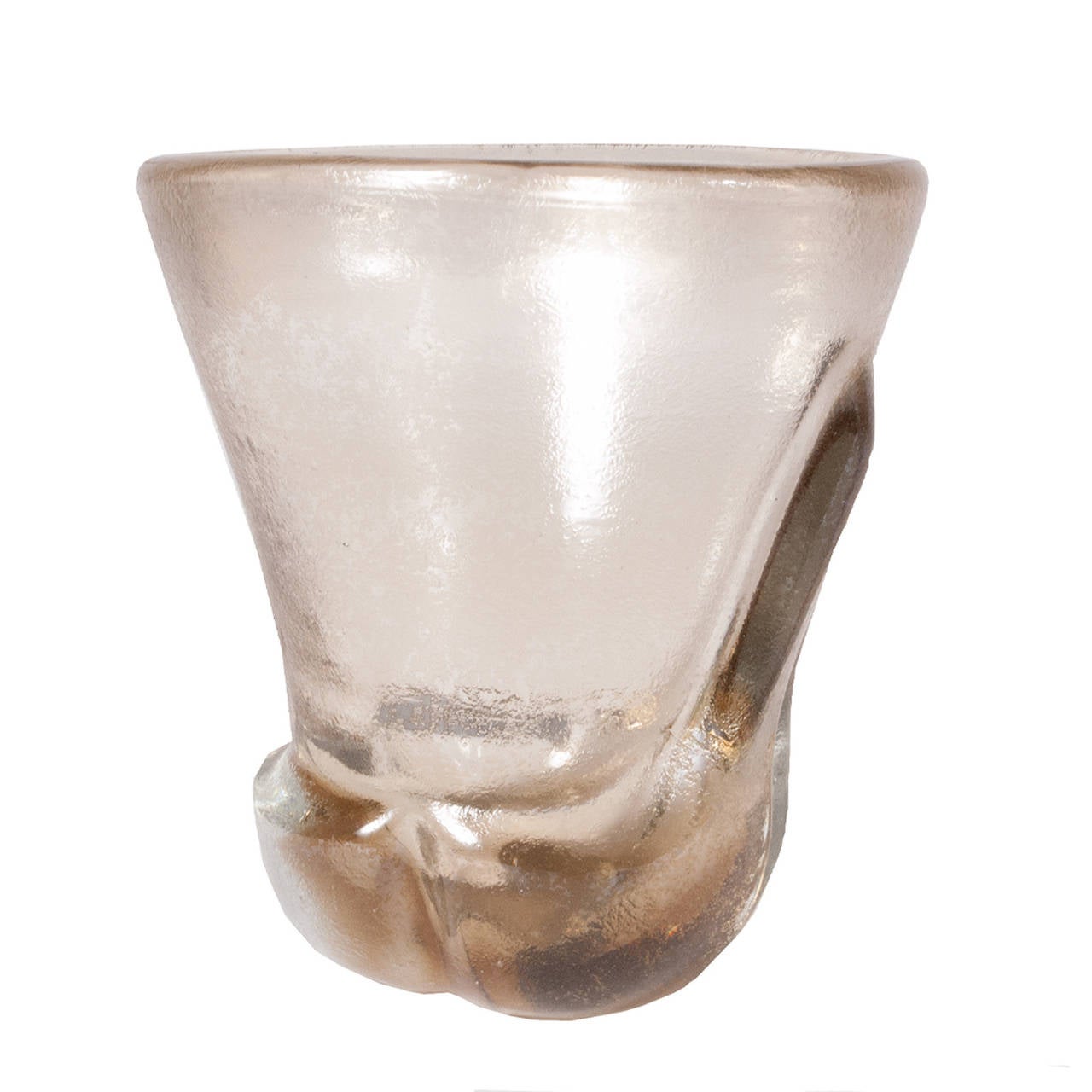
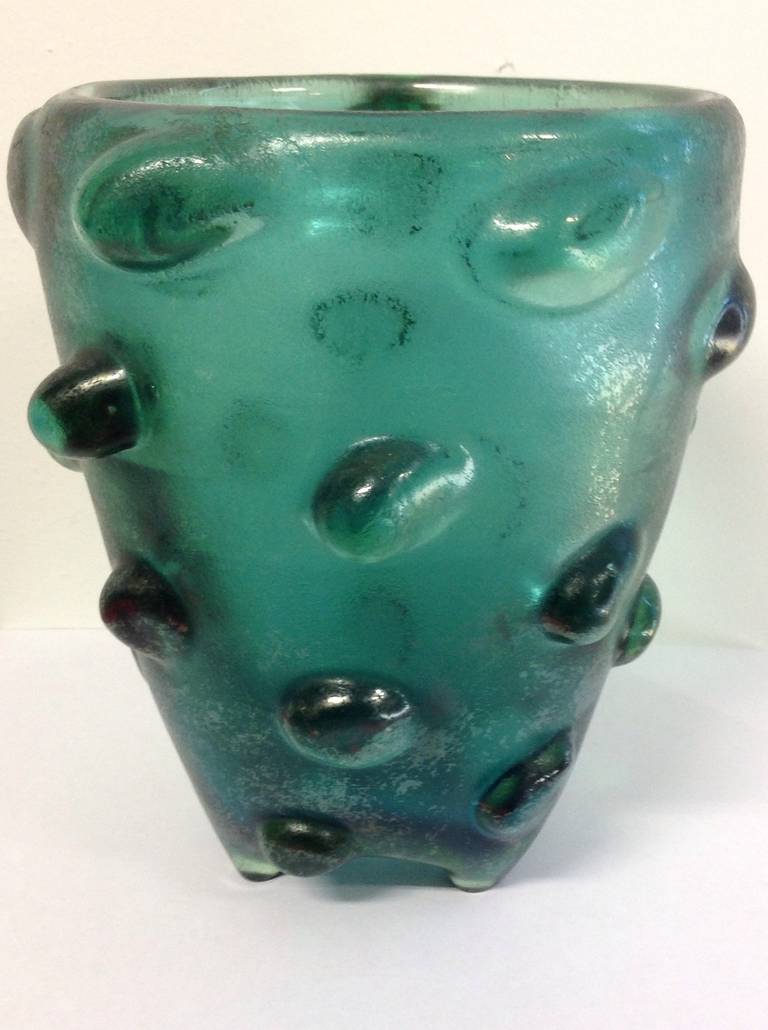
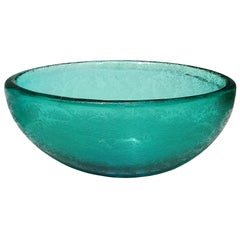
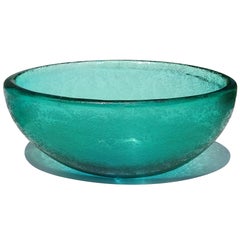
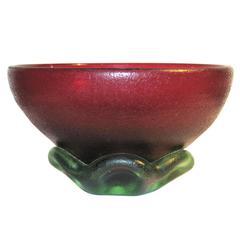
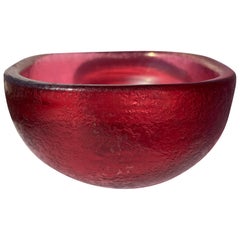
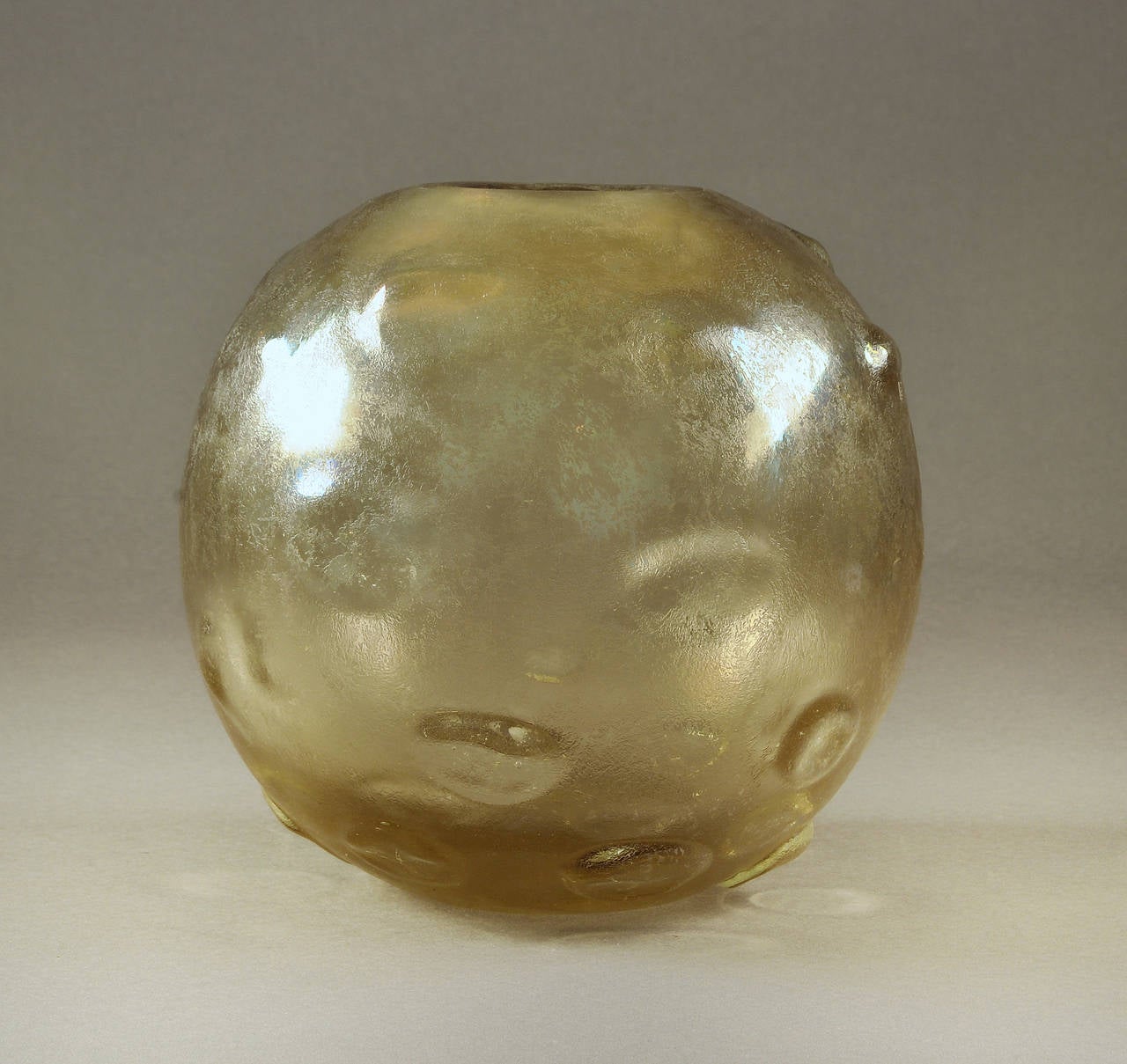
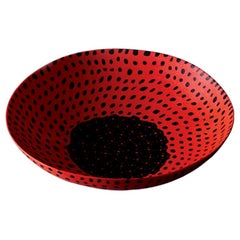
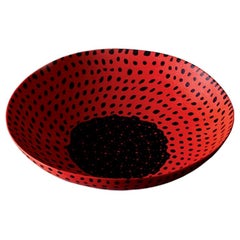
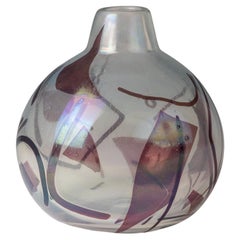
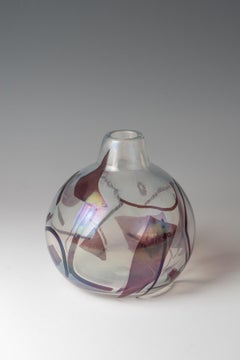
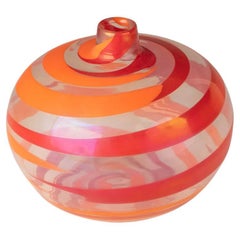
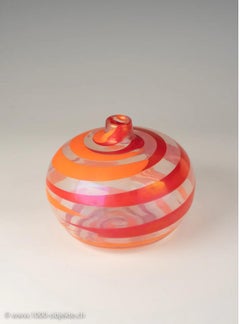
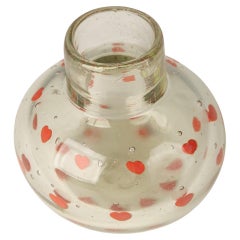
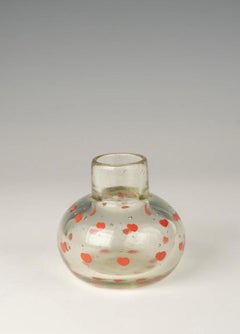
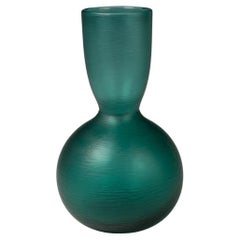
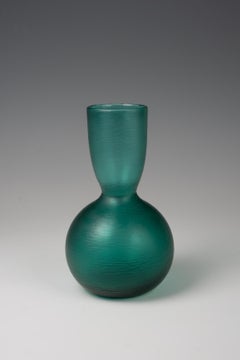
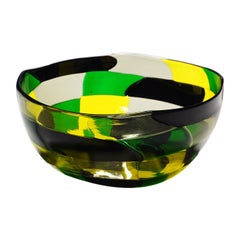
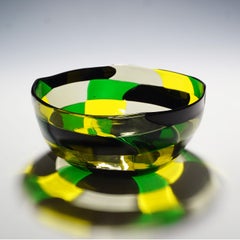
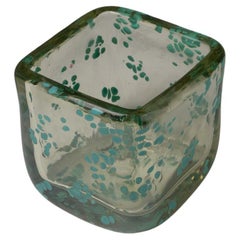
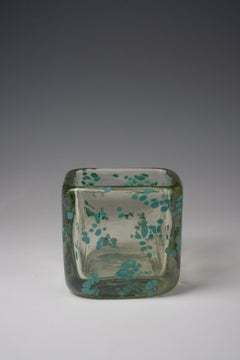
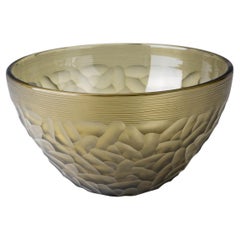
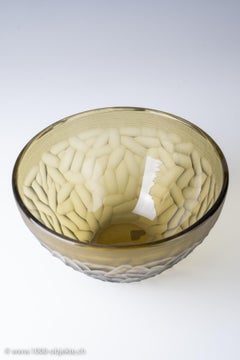
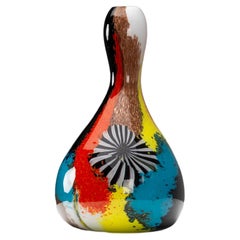
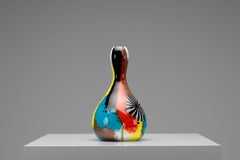
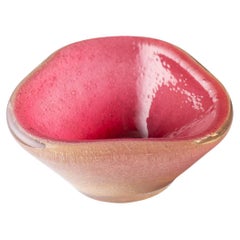
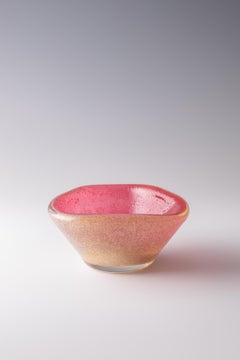
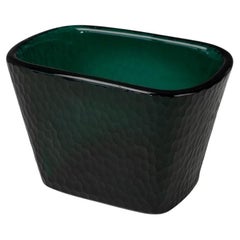
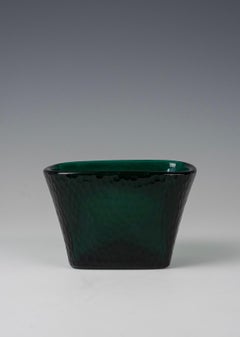
Carlo Scapa for Venini, corroso, signed, 1936
By Venini, Carlo Scarpa
Located in Zurich, CH
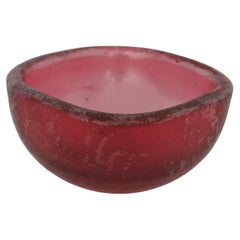
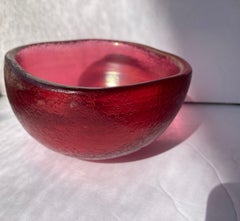
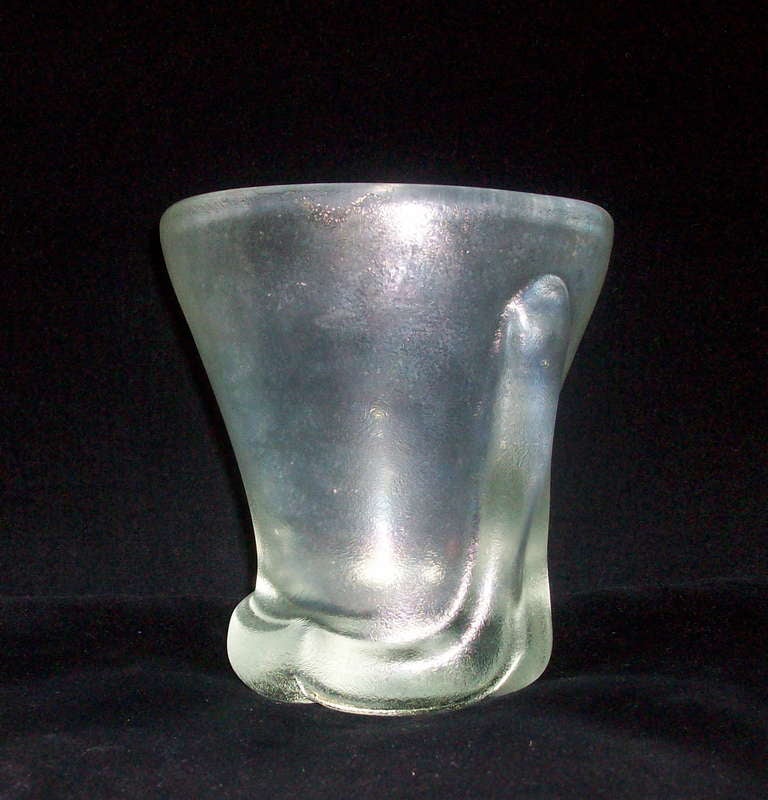
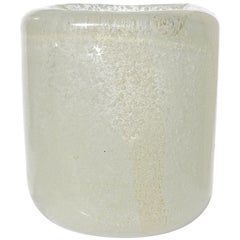
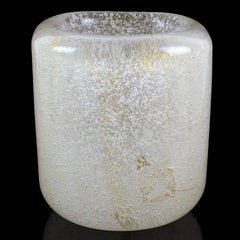
Carlo Scapa for Venini, signed Small bowl from the corrosi series made of dipped glass, the surface
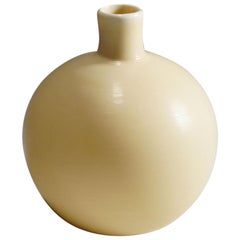
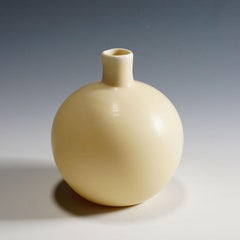
Vintage 1930s Italian Vases
Murano Glass
Carlo Scapa for Venini, corroso, signed, 1936
By Venini, Carlo Scarpa
Located in Zurich, CH
Carlo Scapa for Venini, signed Small bowl from the corrosi series made of dipped glass, the surface
Murano Glass
Carlo Scarpa, La Mina Vase, Corroso Glass, Venini, Murano, Italy 1940s
By Carlo Scarpa, Venini
Located in Bochum, NRW
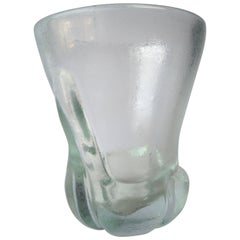
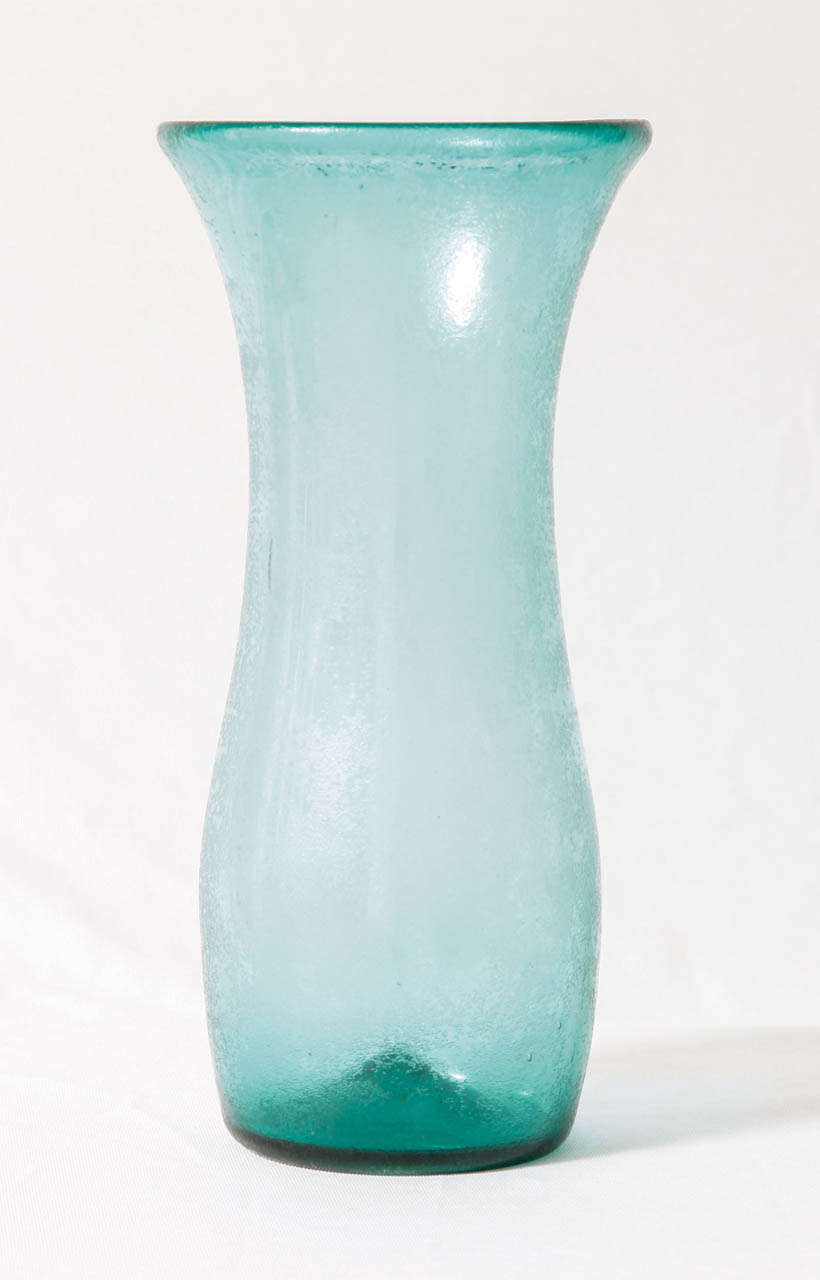
Murano Glass Vase 'La Mina' Vase designed by Carlo Scarpa for Venini in 1936. Corroded iridized
Murano Glass
$6,012
H 12.21 in W 5.91 in D 9.45 in
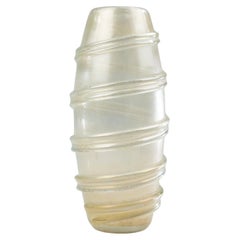
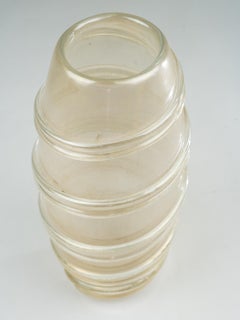
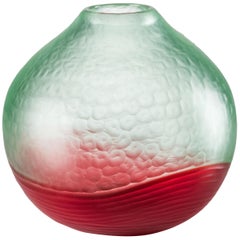
Vaso Venini Carlo Scarpa, corroso a fasce, firmato murano Venini
Located in Rome, IT
Vaso Venini Carlo Scarpa, corroso a fasce, firmato murano Venini,Vaso Venini Carlo Scarpa, corroso
Glass, Art Glass
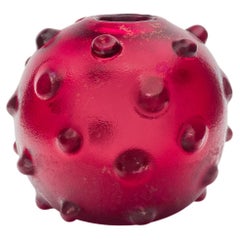
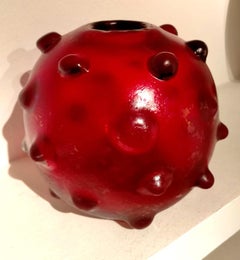
Carlo Scarpa, 'A Bugne corroso' vase, ca. 1936
By Carlo Scarpa, Venini
Located in Zurich, CH
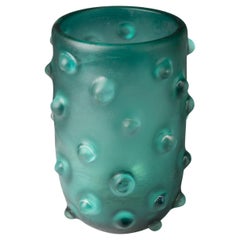
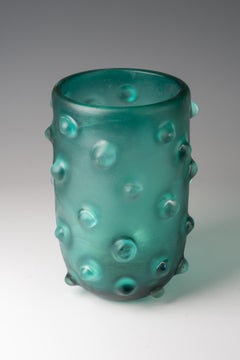
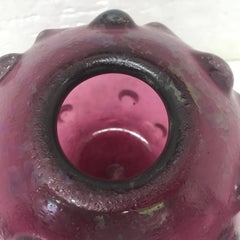
Carlo Scarpa (1906-1978), 'A Bugne corroso' vase, ca. 1936 model no. 4100 cylindrical with nubs
Murano Glass
Carlo Scarpa for Venini, Vase Corroso "Bugnato, " circa 1936
By Carlo Scarpa, Venini
Located in Bern, CH
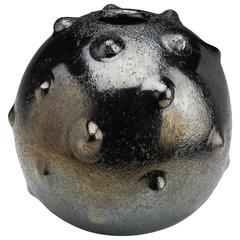
Carlo Scarpa for Venini, vase Corroso "bugnato," circa 1936 Black-violet glass, etched
Corroso a Bugne vase
By Carlo Scarpa, Venini
Located in Milano, MI
A beautiful Corroso a Bugne vase by Carlo Scarpa for Venini. With acid signature "Venini Murano
Glass, Murano Glass
Corroso a Relievi Art Glass Vase by Carlo Scarpa
By Carlo Scarpa, Venini
Located in Hudson, NY
, Venini Murano made in Italy. Ref: Anna Venini Diaz de Santillana, Venini: Catalogue Raisonné 1921-1986
Art Glass
Carlo Scarpa for Venini Corroso a Bugne Vase
Located in West Palm Beach, FL
Rare 1930s Carlo Scarpa Corroso A Bugne vase. Signed with the two line acid stamp "venini murano
Glass
Carlo Scarpa for Venini, Vase Corroso Bugnato , circa 1936
By Carlo Scarpa, Venini
Located in Aci Castello, IT
Rare pink-violet glass vase designed by Carlo Scarpa for Venini, called Bugnato. Acid etched
Murano Glass
Carlo Scarpa & Venini Corroso Glass Dish Italy 1935-1945
Located in La Teste-de-Buch, Nouvelle-Aquitaine
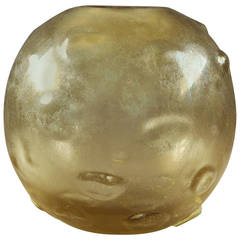
Dish or bowl by Carlo Scarpa & Venini "Corrosi" (corroded) glass 4 lines acid-etched mark
Art Glass
Calo Scarpa "Corroso Vase" by Venini Murano Glass, Signed
By Carlo Scarpa, Venini
Located in Los Angeles, CA
This is a very well-known piece by Carlo Scarpa, acid signed four lines underside, Murano Venini
Glass
Sold
H 2.88 in W 4.73 in D 4.73 in
Carlo Scarpa 'Vetro Corroso Aurato' Glass Bowl for Venini, circa 1936
By Carlo Scarpa, Venini
Located in Berghuelen, DE
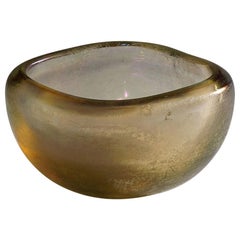
A rare 'vetro corroso aurato' glass bowl designed by Carlo Scarpa in 1936, manufactured by Venini
Art Glass
Sold
H 4 in W 5.38 in D 9.25 in
Carlo Scarpa Venini Murano Signed 1930s Corroso Surface Italian Art Glass Bowl
By Carlo Scarpa, Venini
Located in Kissimmee, FL
. Documented to designer and architect Carlo Scarpa for Venini, circa 1934-1936. Created in the "Corroso
Glass, Art Glass, Blown Glass, Murano Glass, Sommerso
Carlo Scarpa, Corroso Bowl
By Carlo Scarpa, Venini
Located in Bochum, NRW
Corroso bowl "Ciotola corrosa" bicolore. Carlo Scarpa for Venini & Co., Murano, Italy, 1960s
Murano Glass
Sold
H 2.25 in W 4 in D 4 in
Venini Murano Sommerso Glass, Corroso Vase, by Carlo Scarpa, Acid 3-Line Mark
By Paolo Venini, Carlo Scarpa
Located in Los Angeles, CA
Great Murano bowl acid signature, Venini Murano Italia" 3 line. This bowl was made in several
Murano Glass
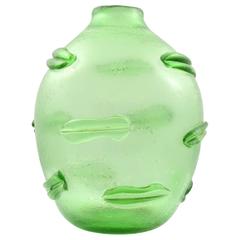
Carlo Scarpa, large 'Corroso a rilievi' vase, model no. 3695
By Venini, Carlo Scarpa
Located in Zurich, CH
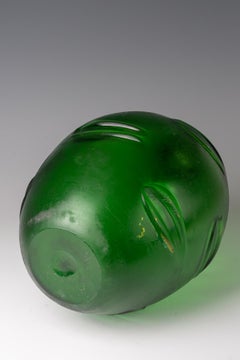
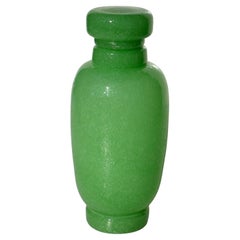
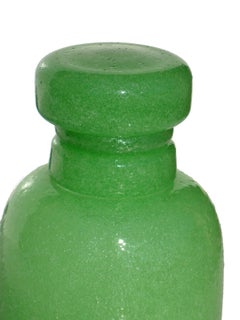
Carlo Scarpa (1906-1978), 'Corroso a rilievi', ca. 1938 model no. 3695 lightly iridized green glass
Murano Glass
Carlo Scarpa Venini Corroso Bowl
By Carlo Scarpa, Venini
Located in Waltham, MA
Iridized corroso glass bowl by Carlo Scarpa for Venini. Signed to the underside with the Venini
Glass
Carlo SCARPA for Venini, Corroso Vase
By Venini, Carlo Scarpa
Located in Brussels, BE
'Corroso' vase in acid-corroded jade green glass designed by the Italian architect Carlo Scarpa
Murano Glass, Blown Glass
Large Carlo Scarpa "Corroso a Rilievi" Vase, Venini
By Carlo Scarpa, Venini
Located in West Palm Beach, FL
Corroso vase with decoration in relief, model #3695. Two-line acid etched "Venini Murano" to bottom
Blown Glass
"Corroso" Vase by Venini
By Carlo Scarpa
Located in Milan, IT
A glass vase “corroso a rilievi” , acid-etched surface designed by Carlo Scarpa in 1936 and
Glass
Original Venini, Carlo Scarpa "Corroso a Bugne" Vase, circa 1940
By Carlo Scarpa, Venini
Located in Paris, FR
Original Venini, Carlo Scarpa "corroso a bugne" vase, circa 1940. Acid stamp signature "Venini
Glass
Carlo Scarpa Rare Corroso A Bugne Vase For Venini
Located in Toronto, ON
Rare Carlo Scarpa a bugne vase, combining sommerso and corroso technique . The series was first
Carlo Scarpa for Venini "Corroso" Vase
By Carlo Scarpa, Venini
Located in Waltham, MA
1930s Italian glass vase in the "Corroso" technique designed by Carlo Scarpa and executed by Venini
Glass
Venini, Carlo Scarpa, 1940 Rare Green "Corroso" Glass Sconces
By Carlo Scarpa, Venini
Located in Morbio Inferiore, CH
made in Murano, Venice by Venini.
Brass
Sold
H 3.35 in Dm 3.75 in
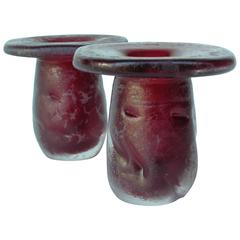
Pair of Rare Candleholders in "Vetro Corroso" - Carlo Scarpa for Venini, 1936
By Venini, Carlo Scarpa
Located in Bern, CH
A pair of rare Candleholders in "vetro corroso" by Carlo Scarpa for Venini, 1936. This model
Glass
$97,500
H 56.5 in W 193 in D 45.625 in
Sculptural Wall-Mounted Mid-Century Teak Console, Style of Ico Parisi, 1950s
By Ico Parisi
Located in Los Angeles, CA
An extraordinary and rare Mid-Century wall-mounted teak console, exquisitely crafted and evocative of the visionary work of Italian designer Ico Parisi. Strikingly sculptural and hig...
Steel
$12,000
H 13 in W 9.5 in D 5.75 in
Tiffany Studios Bronze Desk Lamp on Circular Fluted Base, New York. Circa 1920
By Tiffany Studios
Located in Charleston, SC
Tiffany Studios bronze desk lamp with original iridescent shade, scrolled bulbous harp, and resting on circular fluted base with the original five ball feet. Shade is etched LCT on r...
Bronze, Wire
$1,563,288
H 94.49 in W 63 in D 24.02 in
The Badminton Cabinet - Reproduction of the original 1950 Italy
By Mice di rugiano domenico e c. s.n.c.
Located in Cantù, IT
Reproduction of the original - The original Badminton Cabinet is a monumental piece of furniture from the 18th century that twice set the record for the most expensive piece of furni...
Marble
Swedish Grace Pendant light, Chr Berg & Co, Sweden, 1920s
Located in Stockholm, SE
Elegant Swedish Grace ceiling light, with a pewter and pale orange colored glass shade with a cut decor. Graphic, functionalist design. Original textile chord suspension.
Pewter
Louis Auguste Dage, Art Deco unique ceramic vase, France 1930s
By Louis Dage, Luis Auguste Dage
Located in Firenze, IT
Art Deco unique ceramic vase Louis Auguste Dage, Faïencerie de l'Adour France 1930s 33 cm H - diam. 20 cm Signed on the base L.Dage Conditions: excellent, no defects
Ceramic
$2,200 / item
H 19.69 in W 19.69 in D 17.72 in
Tombul 2-Drawer Nightstand with Push-to-Open Mechanism, Salmon
By Yet Design Studio
Located in Istanbul, 34
An aesthetic of honesty permeates Yet Design’s furniture, showcasing the power and beauty of simple geometric shapes. Their timeless designs combine sculptural forms, the material’s ...
Wood, Paint
Spanish Armchair in Cognac Leather and Oak
Located in Waalwijk, NL
Lounge chair, leather, brass, oak, Spain, 1960s. This lounge chair originates from Spain and stylistically refer to the late 19th century Revival period. The construction of the bas...
Brass
Art Deco Bronze Vase by GAB Guldsmedsaktiebolaget, Sweden, 1930s
By GAB Guldsmedsaktiebolaget, Just Andersen, Sune Bäckström
Located in Malmö, SE
A beautiful bronze vase with amazing patina. Art Deco / Swedish Grace. Made by GAB Guldsmedsaktiebolaget, Sweden, 1930s. Great condition, with a few light scratches. Stamped 'BRO...
Bronze
Stilux, Table Lamp, Brass, Metal, Acrylic, Italy, 1960s
Located in High Point, NC
A brass, green-lacquered metal and white opaline acrylic table lamp produced by Stilux, Italy, c. 1960s. Dimensions of Lamp with Shade (inches): 8.25“ H x 3.4” W x 3.4” D Bulb Spec...
Metal, Brass
$1,473
H 17.92 in W 11.82 in D 9.85 in
Swedish Folk Art Hand-Carved and Painted Wooden Birds on Tree Branch
Located in Kastrup, DK
Hand-carved and hand-painted wooden birds on a tree branch. The upper bird features a detailed feather structure with decorative white and blue markings on its tail, while the lower...
Wood
$3,400 / item
H 31.89 in W 13.98 in D 13.98 in
Plinth Leather Francesco Balzano for Giobagnara Assoluto Plinth
By Francesco Balzano
Located in New York, NY
Assoluto Plinth -- Francesco Balzano x Giobagnara Available in a printed calfskin, suede, or nappa finish. Pictured here is the plinth in A08 Siena suede finish. For simple and so...
Leather
$21,645
H 31.11 in W 62.21 in D 31.5 in
Exceptional Curved Cesare Lacca Sofa in Fadini Borghi Velvet, Italy, 1950s
By La Maison Pierre Frey, Cesare Lacca
Located in The Hague, NL
This exceptional two-seater sofa was designed by Cesare Lacca and produced in Italy in the early 1950s. The elegant, rounded lines of the backrest and curved seat create a sophistica...
Fabric, Upholstery, Velvet, Wood, Walnut
Victorian Nécessaire de Voyage
Located in New Orleans, LA
A work of extraordinary craftsmanship, this exquisite English vanity case is as much an item of luxury as it is of necessity. Known as a nécessaire de voyage, the case features a lux...
Velvet, Glass, Wood
BVIZ Antique Tapestry Fragment Pillow
Located in Baton Rouge, LA
Recently made toss pillow from an antique tapestry fragment of the Aubusson-Verdure tradition (French, 18th century) depicting a woodland scene in shades of gold, green, blue, and br...
Textile, Wool, Velvet, Feathers
Tiffany Studios New York "Geometric" Chandelier
By Louis Comfort Tiffany
Located in New York, NY
This exquisite 12-sided chandelier, crafted by Tiffany Studios New York, is a striking example of early 20th-century American design and craftsmanship. Suspended elegantly by six pat...
Bronze
$12,987 / item
H 25.99 in W 45.28 in D 35.04 in
Carlo Scarpa Cornaro Armchair by Cassina, Upholstered, Mid-Century
By Carlo Scarpa
Located in Barcelona, Barcelona
Carlo Scarpa Cornaro Armchair Manufactured by Cassina SCULPTURAL ELEGANCE A favourable balance between geometric rigour and enveloping shapes designed by maestro Carlo Scarpa. Th...
Metal
Carlo Scarpa was born in Venice in 1906 and became one of the leading figures of architecture and international design during the 20th century. At merely 21 years old — and still a student at the Academy of Fine Arts — Scarpa began working as a designer for master Murano glassmaker M.V.M. Cappellin. Within a few years, he completely revolutionized the approach to art glass.
In a short time, under the guidance of Scarpa, the Capellin furnace not only established itself as the top glass company, but above all it introduced modernity and international fame to Murano glassmaking. Scarpa created a personal style of glassmaking, a new vision that irreversibly changed glass production.
The young Scarpa experimented with new models and colors: his chromatic combinations, impeccable execution and geometric shapes became his modus operandi. Thanks to Scarpa’s continuous research on vitreous matter, Cappellin produced a series of high-quality glass objects, that saw the company revisiting ancient processing techniques such as the watermark and Phoenician decoration.
When he encountered the challenge of opaque glass, Scarpa proposed introducing textures of considerable chromatic impact, such as glass pastes and glazed glass with bright colors. Scarpa also collaborated in the renovation of Palazzo da Mula in Murano, the home of Cappellin. At the academy, he obtained the diploma of professor of architectural design and obtained an honorary degree from the Venice University Institute of Architecture of which he was director.
In 1931, Scarpa's collaboration with Cappellin ended, following the bankruptcy of the company because it was not able to withstand the economic crisis linked to the Great Depression. But Scarpa did not go unnoticed by Paolo Venini — in 1933, the young designer became the new artistic director of the biggest glass company in Murano.
Master glassmakers thought Scarpa's projects and sketches were impossible, but the passionate and curious designer always managed to get exactly what he wanted. Until 1947 he remained at the helm of Venini & Co., where he created some of the best known masterpieces of modern glassmaking. Scarpa’s work with Venini was characterized by the continuous research on the subject, the use of color and techniques that he revisited in a very personal way, and the development of new ways of working with master glassmakers.
At the beginning of the 1930s, "bubble", "half filigree" and "submerged" glass appeared for the first time on the occasion of the Venice Biennale of 1934. A few years later, at the Biennale and the VI Triennale of Milan, Venini exhibited its lattimi and murrine romane pieces, which were born from a joint idea between Scarpa and Paolo Venini.
In 1938 Scarpa increased production, diversifying the vases from "objects of use" to sculptural works of art. In the same year he laid the foundation for the famous "woven" glass collection, exhibited the following year. In the subsequent years, Scarpa–Venini continued to exhibit at the Biennale and in various other shows their the "black and red lacquers," the granulari and the incisi, produced in limited series, and the "Chinese," which was inspired by Asian porcelain.
Scarpa's creations for Venini garnered an international response and were a great success, leaving forever an indelible mark on the history of glassmaking. The last Biennale in which Carlo Scarpa participated as artistic director of Venini was in 1942. He left the company five years later.
The time that Scarpa spent in the most important glass factory in Murano would attach a great artistic legacy to the company. His techniques and styles were resumed in the postwar period under the guidance of Tobia Venini, Paolo's son. In the 1950s, after the departure of Scarpa, Fulvio Bianconi was the new visionary at the Biennials with Venini.
On 1stDibs, vintage Carlo Scarpa glass and lighting are for sale, including decorative objects, tables, chandeliers and more.
(Biography provided by Ophir Gallery Inc.)
Every time you move into a house or an apartment — or endeavor to refresh the home you’ve lived in for years — life for that space begins anew. The right home accent, be it the simple placement of a decorative bowl on a shelf or a ceramic vase for fresh flowers, can transform an area from drab to spectacular. But with so many materials and items to choose from, it’s easy to get lost in the process. The key to styling with antique and vintage decorative objects is to work toward making a happy home that best reflects your personal style.
Ceramics are a versatile addition to any home. If you’ve amassed an assortment of functional pottery over the years, think of your mugs and salad bowls as decorative objects, ideal for displaying in a glass cabinet. Vintage ceramic serveware can pop along white open shelving in your dining area, while large stoneware pitchers paired with woven baskets or quilts in an open cupboard can introduce a rustic farmhouse-style element to your den.
Translucent decorative boxes or bowls made of an acrylic plastic called Lucite — a game changer in furniture that’s easy to clean and lasts long — are modern accents that are neutral enough to dress up a coffee table or desktop without cluttering it. If you’re showcasing pieces from the past, a vintage jewelry box for displaying your treasures can spark conversation: Where is the jewelry box from? Is there a story behind it?
Abstract sculptures or an antique vessel for your home library can draw attention to your book collection and add narrative charm to the most appropriate of corners. There’s more than one way to style your bookcases, and decorative objects add a provocative dynamic. “I love magnifying glasses,” says Alex Assouline, global vice president of luxury publisher Assouline, of adding one’s cherished objects to a home library. “They are both useful and decorative. Objects really elevate libraries and can also make them more personal.”
To help with personalizing your space and truly making it your own, find an extraordinary collection of decorative objects on 1stDibs.