Yamaguchi Painting

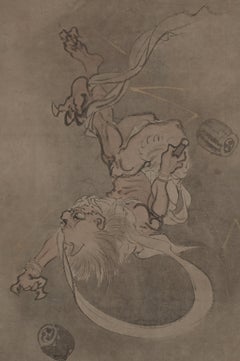
Late 18th Century Japanese Framed Painting, God of Thunder by Yamaguchi Soken

Late 18th Century Japanese Framed Painting, God of Thunder by Yamaguchi Soken

Located in Kyoto, JP

Raijin - God of Thunder Yamaguchi Soken (1759-1818) Mid to Late Edo period, circa 1800

Category

Antique Late 18th Century Asian Edo Paintings and Screens

Materials

Paper

Recent Sales

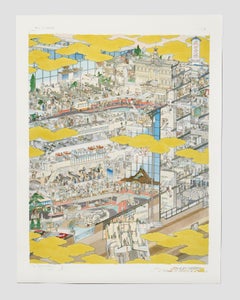
Narita International Airport: View of Flourishing New South Wing

Narita International Airport: View of Flourishing New South Wing

By Yamaguchi Akira

Located in Santa Fe, NM

and often humorous. Yamaguchi’s paintings expand the limits of the imagination by dramatically bending

Category

2010s Contemporary Prints and Multiples

Materials

Archival Pigment

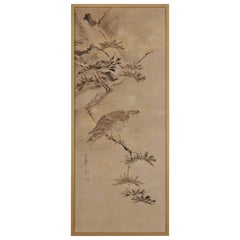
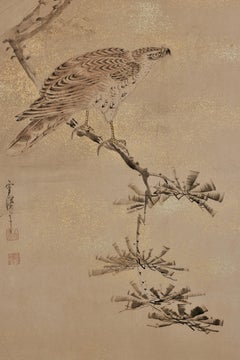
Japanese Painting, Framed, 17th-18th Century, Falcon by Yamaguchi Sekkei

Japanese Painting, Framed, 17th-18th Century, Falcon by Yamaguchi Sekkei

Located in Kyoto, JP

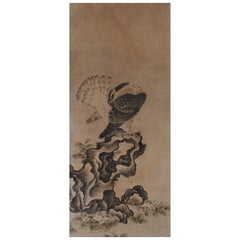
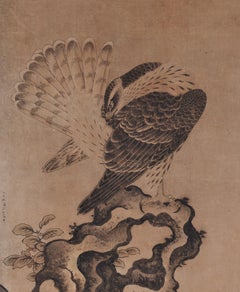
Yamaguchi Sekkei (1644-1732) Falcon Framed panel, ink and gold fleck on paper Dimensions

Category

Antique Early 1700s Japanese Edo Paintings and Screens

Materials

Wood, Paper

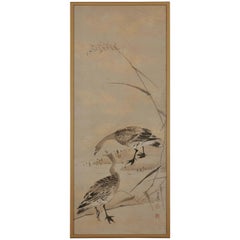
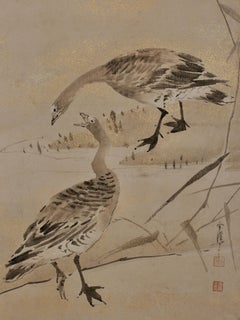
Japanese Painting, Framed, 17th-18th Century, Geese & Reeds by Yamaguchi Sekkei

Japanese Painting, Framed, 17th-18th Century, Geese & Reeds by Yamaguchi Sekkei

Located in Kyoto, JP

escape the excess heat of summer. Rather than painting in the prevailing styles of his time, Yamaguchi

Category

Antique Early 1700s Edo Paintings and Screens

Materials

Wood, Paper

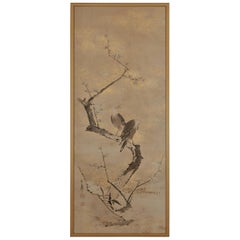
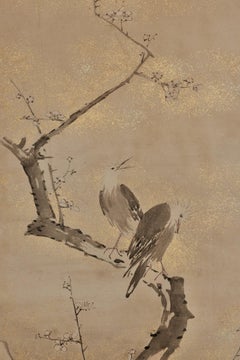
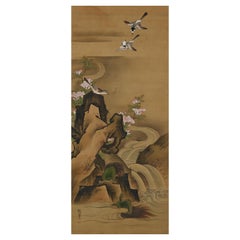
Japanese Painting, Framed, 17th-18th Century, Plum & Bird by Yamaguchi Sekkei

Japanese Painting, Framed, 17th-18th Century, Plum & Bird by Yamaguchi Sekkei

Located in Kyoto, JP

Yamaguchi Sekkei (1644-1732) Spring plum and birds Framed panel, ink and gold fleck on paper

Category

Antique Early 1700s Japanese Edo Paintings and Screens

Materials

Wood, Paper

People Also Browsed

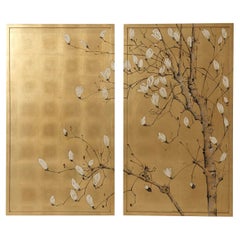
Set of Two Gilt Japanese Paintings

Set of Two Gilt Japanese Paintings

$2,757 / item

H 49.5 in W 56.25 in D 0.75 in

Set of Two Gilt Japanese Paintings

Located in Westwood, NJ

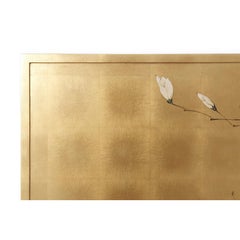
A set of two Japanese paintings, each with a hand gilt background depicting a Japanese Magnolia painted sans traverse across the two panels. The originals Japanese, circa 1900. Dime...

Category

21st Century and Contemporary Vietnamese Anglo-Japanese Paintings and Sc...

Materials

Wood, Giltwood

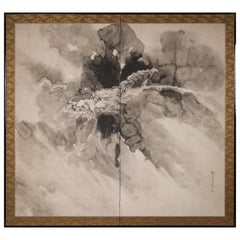
Japanese Two Panel Screen Dragon in the Mist

Japanese Two Panel Screen Dragon in the Mist

$43,700

H 69 in W 74.25 in D 1 in

Japanese Two Panel Screen Dragon in the Mist

Located in Hudson, NY

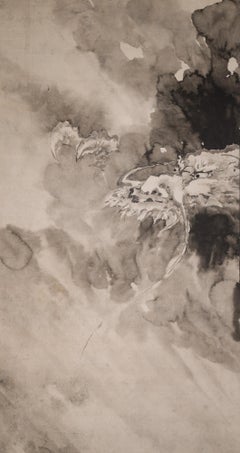
Ink (Sumi) on paper. Signature and Seal read: Kishi Ganku It is backed with paper covered in gold and silver flake. Kishi Ganku (1749 or 1756-1839) was the Edo period founder of the ...

Category

Antique Early 19th Century Japanese Edo Paintings and Screens

Materials

Wood, Paper

19th Century Japanese Silk Painting by Kano Chikanobu, Turtles & Azalea

19th Century Japanese Silk Painting by Kano Chikanobu, Turtles & Azalea

Located in Kyoto, JP

Birds & flowers of the seasons Pheasants & plum in snow Unframed painting. Ink, pigment and gofun on silk Kano Chikanobu 1819-1888 Signature: Chikanobu Seal: Shateki ...

Category

Antique Mid-19th Century Asian Edo Paintings and Screens

Materials

Silk

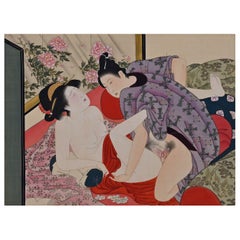
19th Century Japanese Shunga Hand-Scroll, Katsukawa School

19th Century Japanese Shunga Hand-Scroll, Katsukawa School

Located in Kyoto, JP

Shunga Unknown artist Meiji era, circa 1880 Hand-scroll mounted with 12 paintings Ink, pigment and gofun on silk Dimensions: Each image measures H. 23.2 cm x W. 34...

Category

Antique Late 19th Century Japanese Meiji Paintings and Screens

Materials

Silk

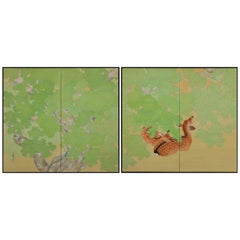
Early 20th Century Pair of Japanese Folding Screens, Deer Under Maple Trees

Early 20th Century Pair of Japanese Folding Screens, Deer Under Maple Trees

Located in Kyoto, JP

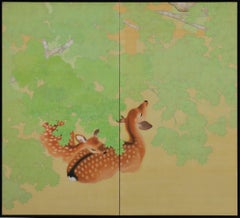
Deer under maples Late Taisho period, circa 1925-1930 Pair of two-panel screens. Ink and pigment on silk. Signature: Goho Seal: Goho A pair of two-fold Japanese silk s...

Category

Vintage 1920s Japanese Taisho Paintings and Screens

Materials

Wood, Paper, Silk

Japanese Painting, Framed Panel, 17th Century Falcon by Mitani Toshuku

Japanese Painting, Framed Panel, 17th Century Falcon by Mitani Toshuku

By Mitani Toshuku

Located in Kyoto, JP

Mitani Toshuku (1577-1654) “Falcon” Wall panel, ink and light color on paper. Upper seal: Mitani Lower seal: Toshuku Dimensions: Each 118.5 cm x 51 cm x 2 cm (46.5” x 20” x .75...

Category

Antique Early 17th Century Japanese Edo Paintings and Screens

Materials

Wood, Paper

Get Updated with New Arrivals
Save "Yamaguchi Painting", and we’ll notify you when there are new listings in this category.

Yamaguchi Painting For Sale on 1stDibs

At 1stDibs, there are many versions of the ideal yamaguchi painting for your home. A yamaguchi painting — often made from paper, ceramic and porcelain — can elevate any home. There are many kinds of the yamaguchi painting you’re looking for, from those produced as long ago as the 18th Century to those made as recently as the 20th Century. Many designers have produced at least one well-made yamaguchi painting over the years, but those crafted by Mitani Toshuku are often thought to be among the most beautiful.

How Much is a Yamaguchi Painting?

Prices for a yamaguchi painting start at $1,050 and top out at $47,500 with the average selling for $12,800.

A Close Look at Edo Furniture

Edo furniture was created during a flourishing time for the decorative arts owing to the stability of the Tokugawa shogunate rule in Japan. Spanning from 1603 to 1867, this era of peace and economic growth supported artistic advancements in lacquer, woodblock printing, porcelain and other artisanal trades. Because the country was largely isolated, there was little outside influence, leading to centuries of exceptional attention to the design of its furnishings and the quality of its traditional arts.

Unlike during the Meiji period that followed, with an increase in domestic and international markets, furniture during the Edo period was predominately commissioned by the ruling class, although people from across social groups benefited from the burgeoning metropolitan hubs for artisanal trades. For instance, Kyoto became a major center for lacquer art. Most furniture pieces were made from wood such as cedar or ash, including the era’s sashimono cabinets, which involved fine joinery and were rooted in the Heian period.

Sashimono cabinets, which were built by master craftsmen in a range of different wood types owing to the various trees that populate Japan, occasionally featured a stack of slender drawers as well as sliding doors. They were popular with everyone from samurai to kabuki actors. Tansu storage chests crafted from wood with metal fittings were also common in Edo-period homes. Some were designed to be easily portable while others were made to double as staircases.

Painted folding screens, called byōbu, were also fashionable, with Japanese artists inspired by nature, literature and scenes of history and daily life to create vivid works. In Buddhist temples and the palatial homes of the aristocratic class, fusuma, or large sliding panels, would sometimes be adorned with gold or silver leaf. These dividers allowed interiors to change throughout the day, closing in small spaces for personal use or reflecting candlelight to illuminate communal spaces after dark.

Find a collection of Edo tables, lighting, decorative objects, wall decorations and more furniture on 1stDibs.

Finding the Right Paintings-screens for You

Traditional Asian paintings were often created on scrolls and folding screens. Artisans made screens that could be folded up or spread out by connecting several panels using hinges. Today, antique Asian folding screens and paintings are sophisticated decorative accents that can serve as makeshift partitions to ensure privacy.

The original folding screens were created by Chinese artists. The earliest record of screens comes from the 2nd century B.C., and surviving examples date back to the Ming dynasty. Chinese painting utilizes many of the same tools as calligraphy — these screens were crafted from wood with painted panels featuring striking art or calligraphy that told cultural stories or represented nature and life in the area.

The practice was introduced to Japan, where paintings for screens were made on paper and silk, in the 8th century. These paintings frequently feature subjects such as landscapes, animals, flowers and Buddhist religious themes. Along with screens for tea ceremonies and dance backgrounds, there were screens for use in Shinto and Buddhist temples.

In the 17th century, screens began to be imported to Europe where their popularity grew. Coco Chanel famously collected Coromandel folding screens.

Traditional Asian paintings can make a tasteful addition to any wall, and screens can be used as decoration or, in the case of larger iterations, as an aesthetic way to divide a large room. Browse the selection of antique Asian paintings and screens from a variety of styles and eras on 1stDibs.