1stDibs ExpertAugust 8, 2024
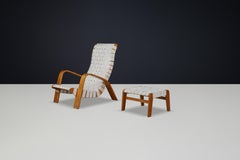
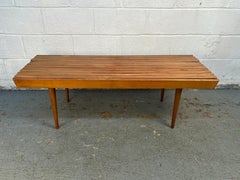
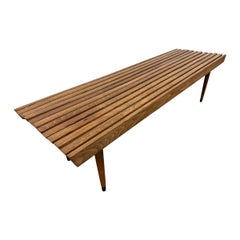
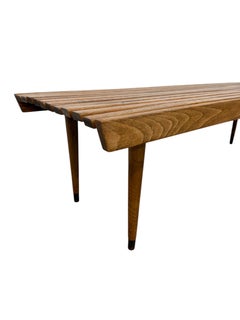
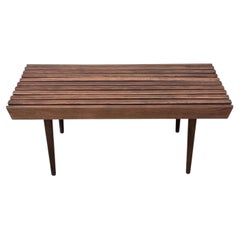
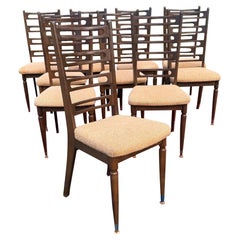
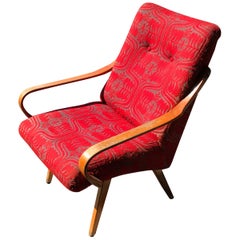
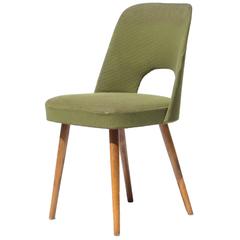
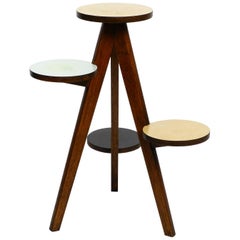
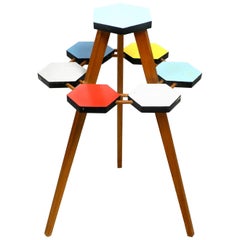
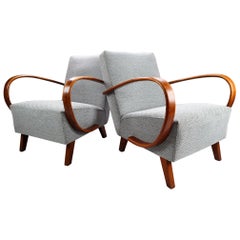
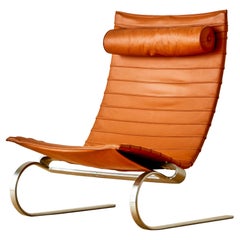
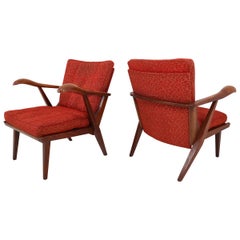
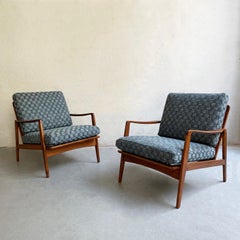
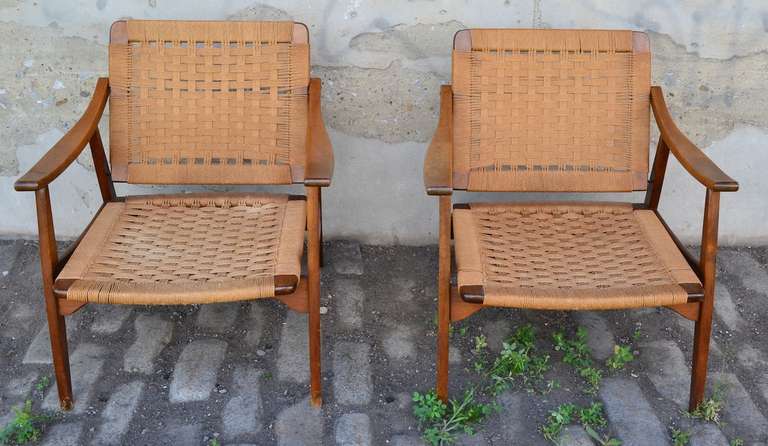
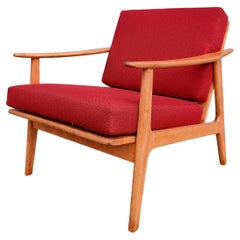
Modern furniture design is an overarching term for the new approach that designers began taking in the early 20th century. Many experts cite the Bauhaus movement as the start of the modern era. Its style was defined by the instructors and students at a progressive German art and design school founded by the architect Walter Gropius that operated from 1919 to 1933. In Bauhaus-style furniture, the school’s followers married industrial and natural materials in simple, geometric forms. The goal of the Bauhaus was to erase the distinction between art and craft while embracing the use of new technologies and materials. As the Bauhaus movement was emerging, so too was Art Deco. This iconic movement made an indelible mark on all fields of design throughout the 1920s and ’30s, celebrating society’s growing industrialization with refined elegance and stunning craftsmanship. Art Deco furniture makers respected the dark woods and modern metals with which they worked; they frequently incorporated decorative embellishments such as exotic animal hides as well as veneers in their seating, case pieces, living room sets and bedroom furniture. After World War II, modern design continued with the mid-century modern movement. The style is characterized by pieces that were conceived and made in an energetic, optimistic spirit by creators who believed that good design was an essential part of good living. Historians typically say that the modern approach to furniture design ended in the mid-1960s or early 1970s. Pieces made after that time may be called postmodern or contemporary. Shop a large collection of modern furniture on 1stDibs.