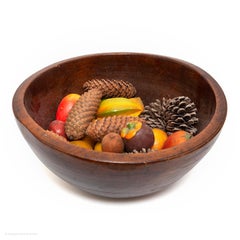
1750s Decorative Objects

to
5
54
6,723
26,225
87,024
29,890
15,699
36,224
20,902
2,490
1,074
3,345
4,259
2,285
6,255
8,397
8,101
3,511
1,930
12
10
8
6
1
28
18
12
12
8
29
23
44
14
11
9
8
Height
to
Width
to
54
54
54
4
1
1
1
1
Period: 1750s
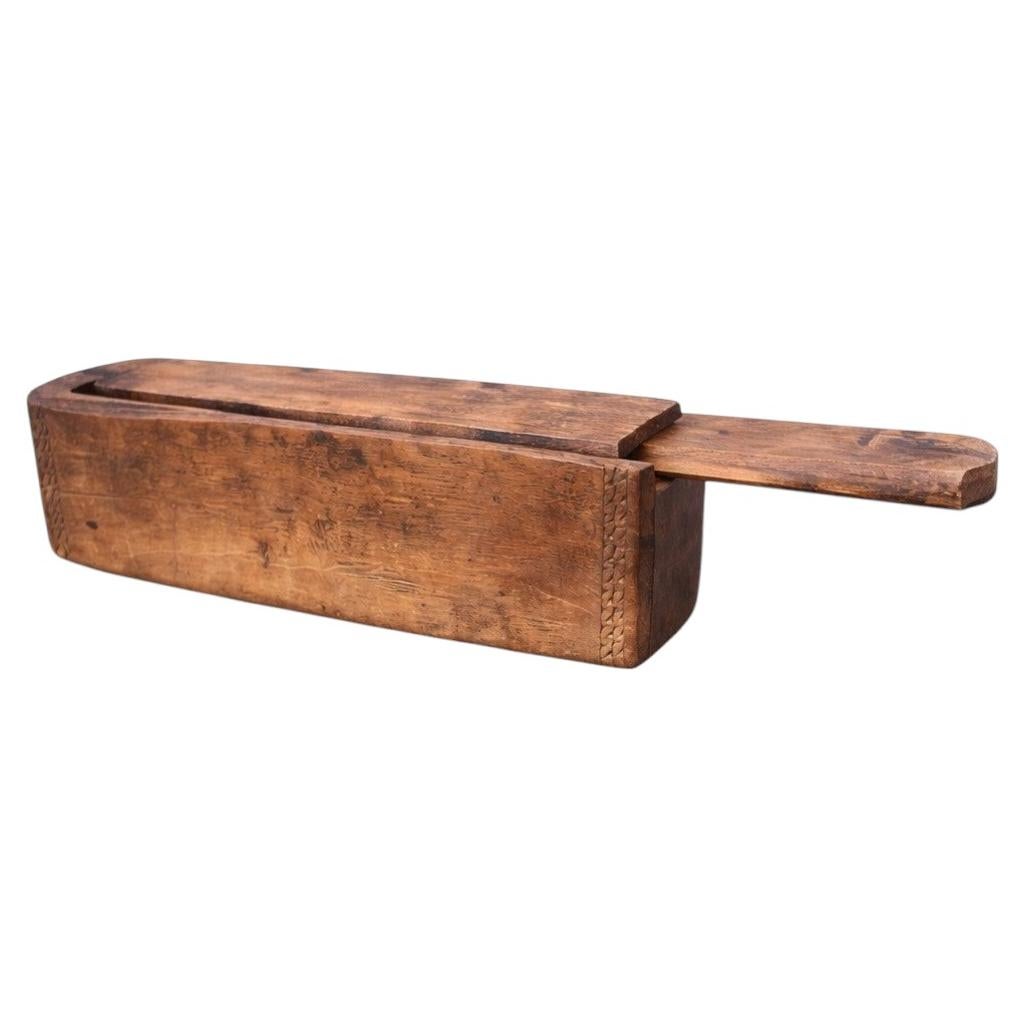
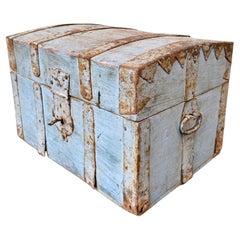
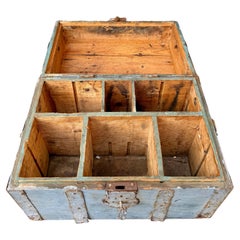
18th Century Swedish Blue Painted Wooden Box with Ironwork

18th Century Swedish Blue Painted Wooden Box with Ironwork

Located in Haddonfield, NJ

A Swedish Baroque box with original ironwork, key and working lock dated (forged in iron) 1752. This pine wood box, bought in the region of "Dalsland" in Sweden, not far from from No...

Category

Norwegian Baroque Antique 1750s Decorative Objects

Materials

Iron

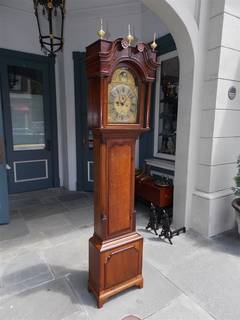
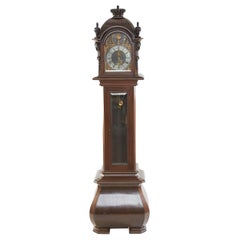
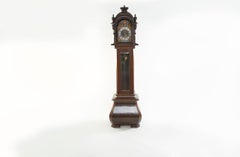
18th Century German Grandfather Clock

18th Century German Grandfather Clock

Located in Tarry Town, NY

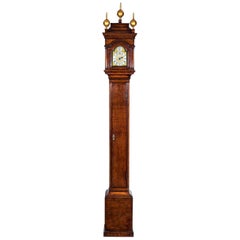
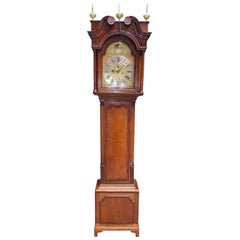
Mid 18th century walnut wood framed German 8-Day Grandfather clock. The tall case clock featured a dark walnut case with flared base, hood with half-columns and turned finials. Iron ...

Category

German Antique 1750s Decorative Objects

Materials

Brass

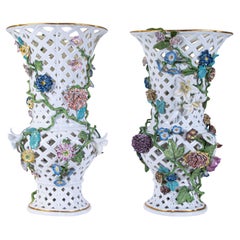
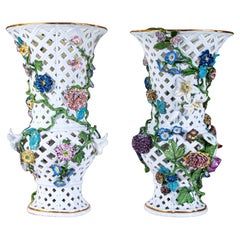
Important Pair of Meissen Porcelain Filigree Vases with Raised Flowers

Important Pair of Meissen Porcelain Filigree Vases with Raised Flowers

By Meissen Porcelain

Located in New York, NY

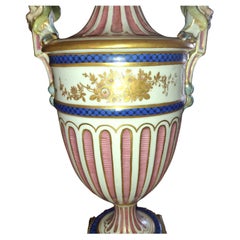
A Highly Important pair of Museum Quality Louis XV Period 18th century Meissen Porcelain filigree openwork vases with a medially of flowers and vined leaves. This is truly an excepti...

Category

German Louis XV Antique 1750s Decorative Objects

Materials

Porcelain

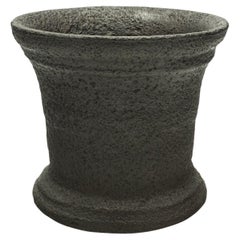
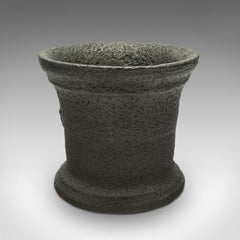
Heavy Antique Chemist's Mortar, English, Cast Iron, Decorative Planter, Georgian

Heavy Antique Chemist's Mortar, English, Cast Iron, Decorative Planter, Georgian

Located in Hele, Devon, GB

This is a heavy antique chemist's mortar. An English, cast iron decorative planter pot, dating to the mid Georgian period, circa 1750. Fascinatingly weathered Georgian mortar Displa...

Category

British Georgian Antique 1750s Decorative Objects

Materials

Iron

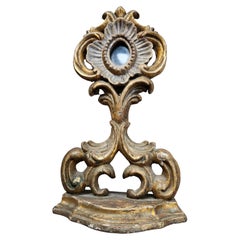
18th Century Italian Hand Carved Baroque Giltwood Reliquary

18th Century Italian Hand Carved Baroque Giltwood Reliquary

Located in Port Jervis, NY

18th century reliquary from northern Italy. Giltwood, polychromed and looks to be hand carved from one piece of wood. Mortised thru the base. A reliquary was used to house a religio...

Category

Italian Baroque Antique 1750s Decorative Objects

Materials

Glass, Giltwood

Cartel clock & its console in Boulle Marquetry and Gilt Bronze, Louis XV Period

Cartel clock & its console in Boulle Marquetry and Gilt Bronze, Louis XV Period

Located in Paris, FR

Cartel with its base in Boulle marquetry and gilt bronze. The gilded bronze in moving foliage and scrolls of flowers are of rocaille style. The circular frame in finely chiseled bron...

Category

French Louis XV Antique 1750s Decorative Objects

Materials

Bronze

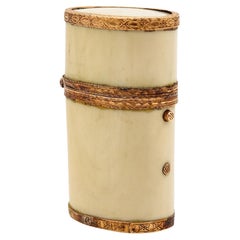
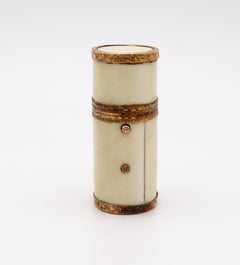
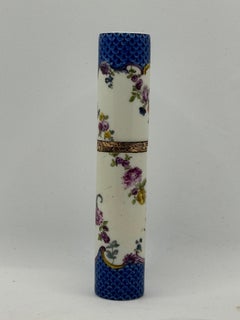
FRENCH 18th Century Perfumed Scents Necessaire Box In 18Kt Yellow Gold & Carving

FRENCH 18th Century Perfumed Scents Necessaire Box In 18Kt Yellow Gold & Carving

Located in Miami, FL

French perfumed scents necessaire from the 18th century. This is a fantastic and very rare 18th century necessaire box for perfumed scents, created in the kingdom of France during t...

Category

French Baroque Antique 1750s Decorative Objects

Materials

Rock Crystal, Gold

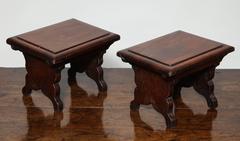
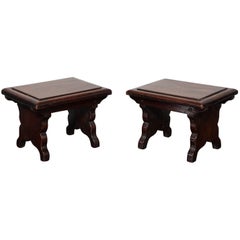
Rare Pair of Georgian Dresser Stools

Rare Pair of Georgian Dresser Stools

Located in Greenwich, CT

Very fine and rare pair of George II period mahogany dresser stools, the single board tops of dense mahogany with thumb molded edge over scalloped trestle ends with boarded sides. V...

Category

Great Britain (UK) George II Antique 1750s Decorative Objects

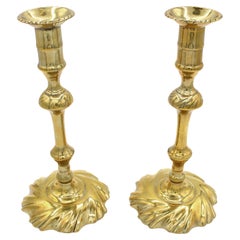
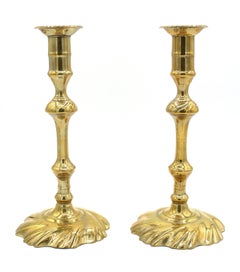
Circa 1750 George II Period Pair of Brass Candlesticks

Circa 1750 George II Period Pair of Brass Candlesticks

Located in Chapel Hill, NC

Circa 1750 George II period Pair of Brass Candlesticks. Swirl base; cast in 2 parts for each section. The decorative knob is also swirl cut reflecting the bases, while the bobeches a...

Category

British George II Antique 1750s Decorative Objects

Materials

Brass

Antique Irish Sterling Silver  Candle Holders

Antique Irish Sterling Silver Candle Holders

Located in Jesmond, Newcastle Upon Tyne

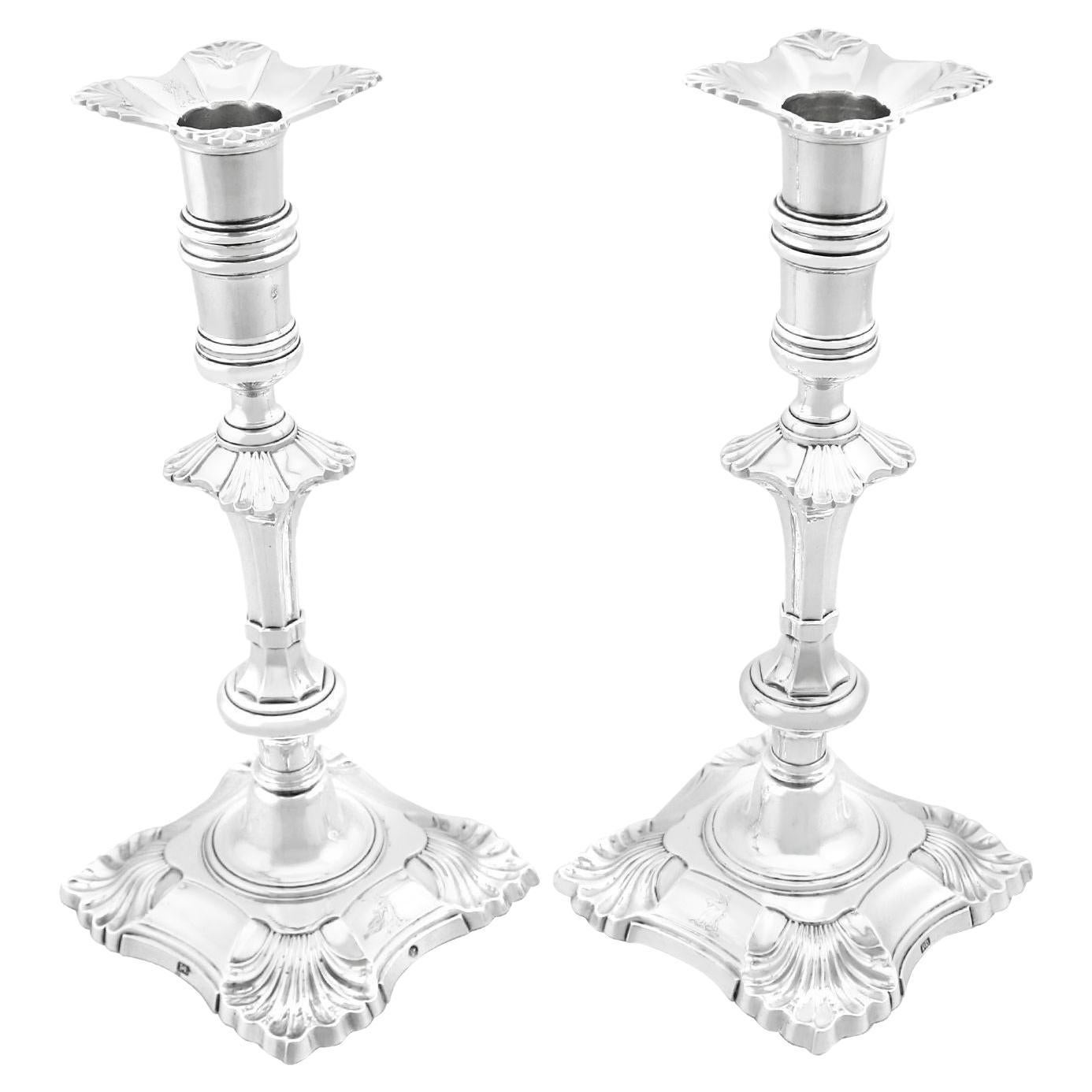
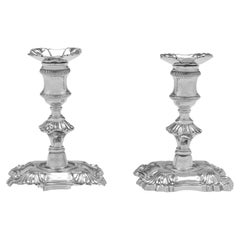
A magnificent, fine and impressive pair of antique Irish cast sterling silver candlesticks; an addition of our ornamental silverware collection. These exceptional antique cast Iri...

Category

English Antique 1750s Decorative Objects

Materials

Silver

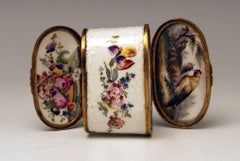
Meissen Painted Dual Lidded Rococo Box Relief Decoration Brass Mountings, 1750

Meissen Painted Dual Lidded Rococo Box Relief Decoration Brass Mountings, 1750

By Meissen Porcelain

Located in Vienna, AT

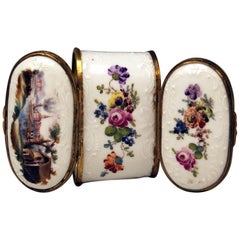
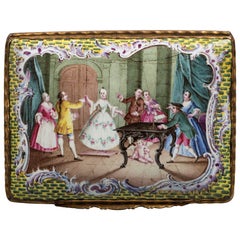
Meissen Gorgeous Dual Lidded Rococo Box with Multicolored Paintings and Decorations of Relief Type. The box is edged by brass mountings. height: 6.0 cm (= 2.36 inches) width: 8.0 cm (= 3.14 inches) depth: 4.5 cm (= 1.77 inches) Manufactory: Meissen Blue Meissen Sword Mark isn't visible here, but authenticity guaranteed ! It is well known that early Meissen items of first half of 18th century - especially boxes and other objects of daily use - aren't always signed. Please note: Certificate of this Meissen item's authenticity attached to invoice will be sent ! FIRST QUALITY Dating: made circa 1750 (= PRE-MARCOLINI PERIOD !) Material: porcelain Technique: handmade porcelain / multicolored painted and glazed painter's sign existing SPECIFICATIONS: Dual lidded (= RARITY !) oblong box with rounded edges. It is abundantly ornamented with various multicolored paintings decorating the item's walls in finest manner: °the outer walls of box as well as inner and outer side of one lid are painted with flowers (for example roses, iris flower, dahlias etc.) °outer side of second lid is painted with veduta (= village situated at lake where a boat with three men is visible) °inner side of second lid is painted with animals (= cock and brooding hen...

Category

German Rococo Antique 1750s Decorative Objects

Materials

Brass

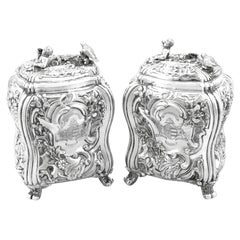
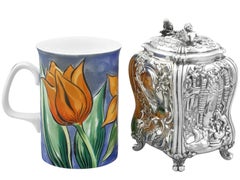
Georgian Sterling Silver Tea Caddies

Georgian Sterling Silver Tea Caddies

Located in Jesmond, Newcastle Upon Tyne

A magnificent, fine and impressive pair of antique Georgian English sterling silver tea caddies - boxed; an addition to our silver teaware collection These magnificent, fine and impressive antique Georgian silver tea caddies each have an oblong, bomb shaped form. The surface of each antique tea caddy is embellished with impressive chased and embossed scrolling floral and foliate decoration, incorporating paralleling undulating borders framing each side. The decoration to the body of each incorporates two cartouches, one displaying the contemporary engraved coat of arms depicting an oval escutcheon supported by a savage and a greyhound collared and chained, displaying firstly a stag's head and secondly three bars below three roundels. The coat of arms bears the motto 'Data fata secutus' - Following the destiny allotted to me*. These heraldic markings are surmounted with the crest of a mountain in flames, surmounted with the motto 'Luceo non uro' - I shine, not burn*. The cartouche to the opposing side of each caddy is ornamented with an impressive contemporary engraved crest of a greyhound courant. The remaining two sides of each impressive antique caddy...

Category

British George II Antique 1750s Decorative Objects

Materials

Sterling Silver

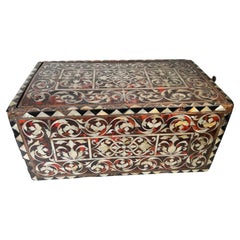
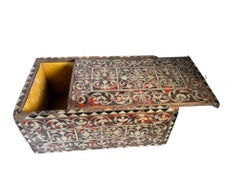
Spanish Colonial Tortoiseshell And Mother Of Pearl Box

Spanish Colonial Tortoiseshell And Mother Of Pearl Box

Located in Dallas, TX

Circa 1750. Tortoiseshell and mother of pearl box with sliding top from Mexico 18th century. Beautiful designs all over. As is condition.

Category

Mexican Antique 1750s Decorative Objects

Materials

Tortoise Shell, Mother-of-Pearl, Wood

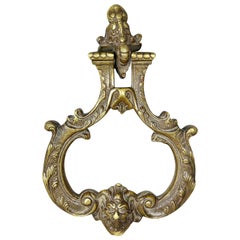
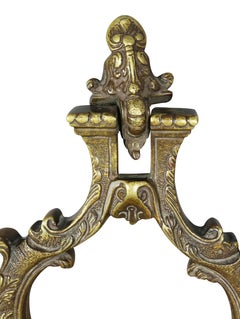
Italian Bronze Door Knocker

Italian Bronze Door Knocker

Located in Essex, MA

With arabesques and satyr mask.

Category

Italian Baroque Antique 1750s Decorative Objects

Handsome George II Pair of Small Cast 4 Shell Sterling Silver Candlesticks, 1756

Handsome George II Pair of Small Cast 4 Shell Sterling Silver Candlesticks, 1756

By John Preist

Located in London, London

Hallmarked in London in 1756 by John Priest, this charming pair of George II period, Antique Sterling Silver Candlesticks, are in the 'Four Shell' design, and feature removable nozzl...

Category

English George II Antique 1750s Decorative Objects

Materials

Sterling Silver

English 18th Century Gold-Mounted Agate Snuff-Box

English 18th Century Gold-Mounted Agate Snuff-Box

Located in Paris, FR

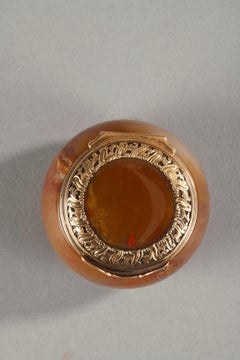
Agate box or snuff-box in of circular form with gently bombé sides, the gold mounted lid is chased with scrollwork. Probably Georges II period. Unmarked gold...

Category

English George II Antique 1750s Decorative Objects

Materials

Agate, Gold

Composition of red tortoiseshell gold piqué-work box, 18th century

Composition of red tortoiseshell gold piqué-work box, 18th century

Located in Paris, FR

Circular box in composition of red tortoiseshell powder called "Indian red". Inlays of nets in the form of waves of different shades of gold (rose gold and white) run across the lid...

Category

French Louis XV Antique 1750s Decorative Objects

Materials

Gold

Swedish Empire Butter Box, ca 1820

Swedish Empire Butter Box, ca 1820

Located in Farsta, SE

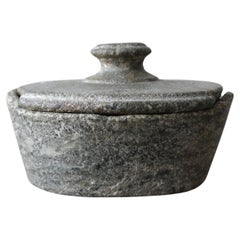
Swedish Empire Butter Box, ca 1820 This is the smallest marble butter box we have ever had. Its heavily worn-down edges truly show the centuries of use and time. Made of Swedish Ko...

Category

Swedish Scandinavian Modern Antique 1750s Decorative Objects

Materials

Marble

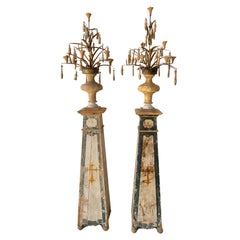
18th Century Italian pair of torcheres

18th Century Italian pair of torcheres

Located in Ballard, CA

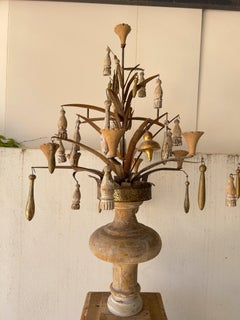
Stupendous very rare pair of Italian Torcheres, beautifully painted, the top of the torcheres are adorned by an extravagant tree of candle holders, with hand carved tassels and gilde...

Category

Italian Baroque Antique 1750s Decorative Objects

Materials

Wood

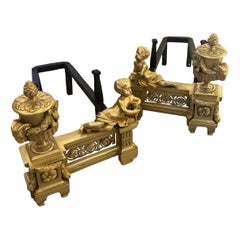
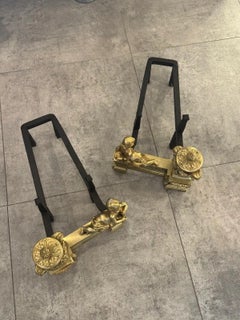
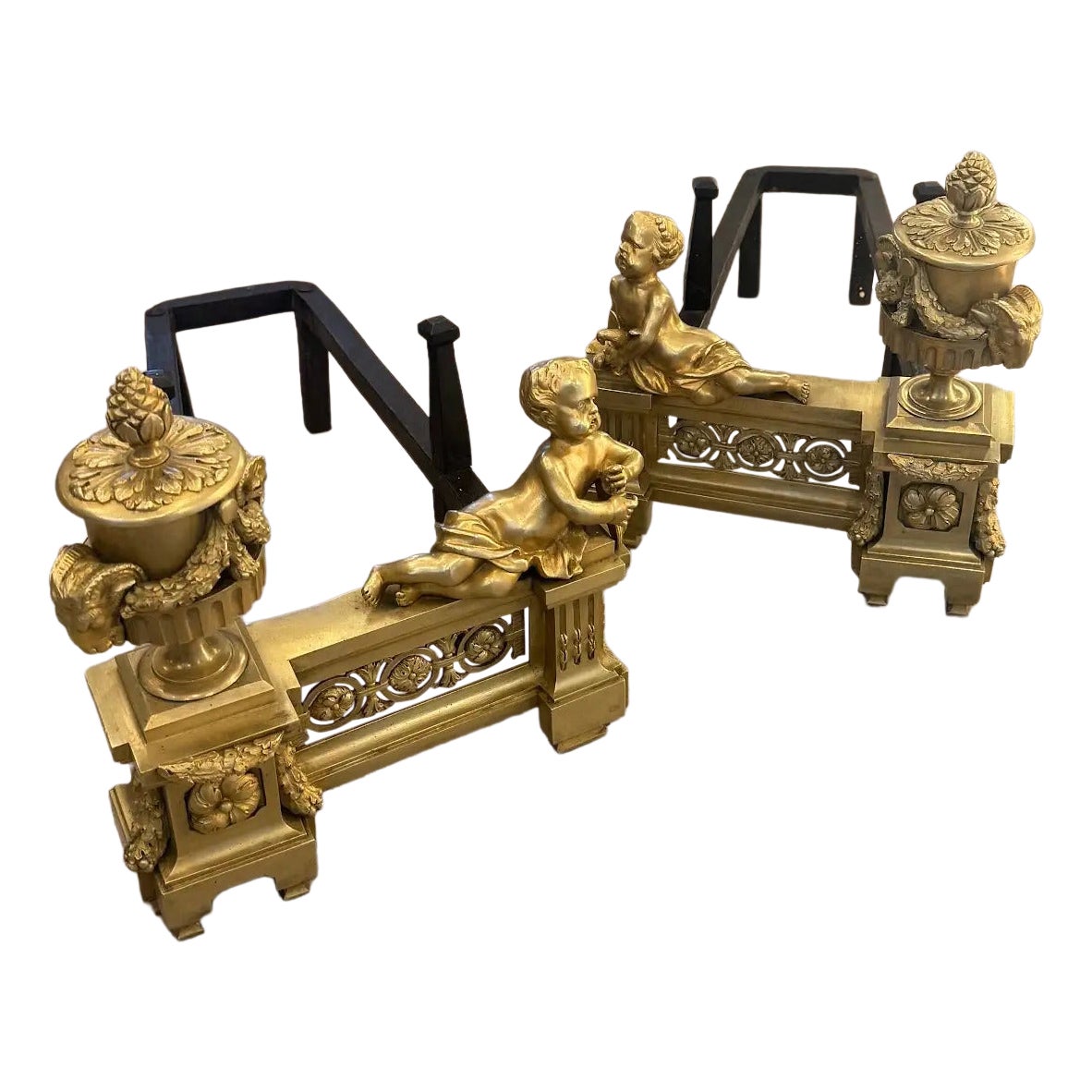
A pair of late 18th-century andirons in perfect condition.

A pair of late 18th-century andirons in perfect condition.

Located in Saint ouen, FR

A pair of late 18th-century andirons in perfect condition. 3,500 euros per pair; length 48.5 cm x width 30 cm x total height 34 cm / front height (including accessories) 13.5 cm

Category

Antique 1750s Decorative Objects

Materials

Metal

English Chestnut and Mahogany Tall Case Clock. John Coates, London, Circa 1750

English Chestnut and Mahogany Tall Case Clock. John Coates, London, Circa 1750

By John Coates

Located in Charleston, SC

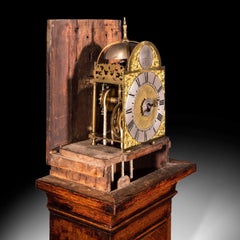
English Chestnut and Mahogany tall case clock with broken arch pediment, floral rosettes, original brass urn finials, dolphin and figural ormolu face, original arched hood with glass door, cross banded...

Category

English George II Antique 1750s Decorative Objects

Materials

Brass

Chinese Export Porcelain Group of Batavia-ware Urns & Covers

Chinese Export Porcelain Group of Batavia-ware Urns & Covers

Located in Downingtown, PA

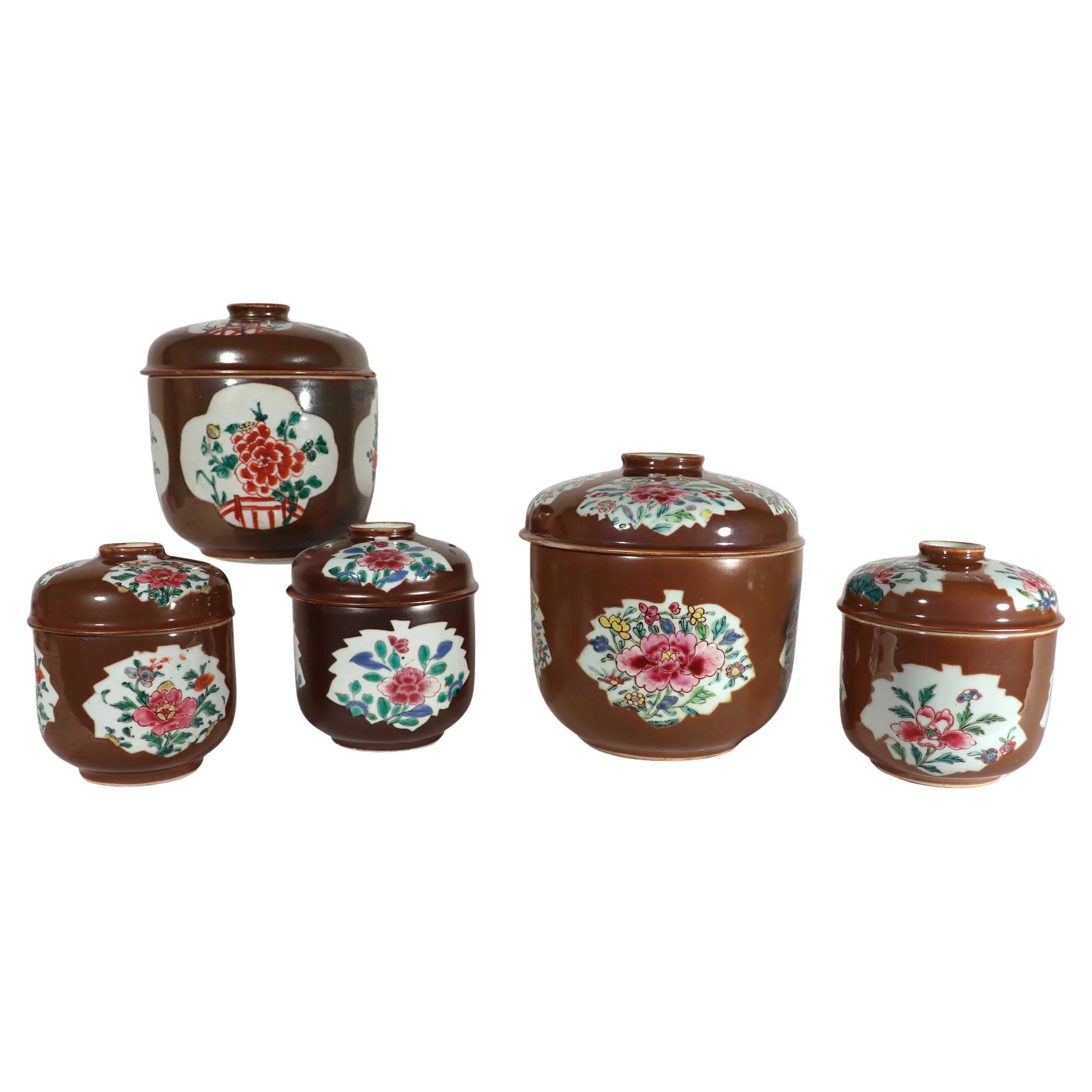
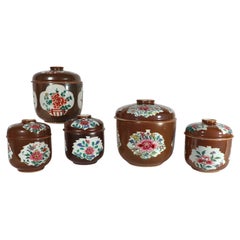
Collection of Five Chinese Export 'Batavia-ware' and Famille Rose Jars and Covers Qianlong Period, China, Circa 1750s This handsome collection of five graduated covered jars is a magnificent and rare example of mid-18th-century Chinese Export porcelain, illustrating the highly successful fusion of Chinese ceramic technology and European market demand during the height of the global trade era. ________________________________________ Description and Aesthetic Medium: Porcelain with underglaze brown glaze and overglaze Famille Rose enamels. Period: Qianlong (1736–1795). Origin: Jingdezhen kilns, China, made for the European export market. The collection comprises two large, two medium, and one small jar, intended to be displayed together as a garniture—a decorative set prized for mantelpieces and cabinets in opulent European interiors. • The 'Batavia' Ground: Each piece is characterized by a luxurious, deep chocolate-brown glaze covering the exterior, a distinctive aesthetic known historically as "Batavia-ware" or descriptively as café au lait. This rich, monochrome ground was achieved by bathing the porcelain in an iron-rich slip before glazing and firing. • The Famille Rose Reserves: The dark ground provides a dramatic backdrop for finely painted, leaf-shaped reserves (panels). These panels are adorned with exquisite floral sprays executed in the vibrant Famille Rose palette (meaning "pink family"), which was introduced to China from Europe in the early 18th century. The opaque enamels—dominated by the rose-pink created from colloidal gold—allow for subtle shading and realism, brilliantly depicting the peony (mudan), the Chinese flower of wealth, nobility, and honor. • The Covers: The domed covers maintain this contrast, with a high, lustrous brown glaze broken by Famille Rose floral sprays that echo the motifs on the body. ________________________________________ Historical Context: Global Trade and Naming The name "Batavia-ware" is a crucial historical reference, even though the porcelain was manufactured in the kilns of Jingdezhen. 1. The Dutch East India Company (VOC): Batavia (modern-day Jakarta, Indonesia) served as the fortified administrative and trading headquarters of the Dutch East India Company (VOC) in Asia. 2. The Trade Route: Porcelain destined for the European market was collected from various Chinese ports and then centrally transshipped through Batavia. This particular style became famously associated with that major transit port among Western collectors, hence the name, which links the sophisticated manufacturing of China to the powerful trade infrastructure of the Dutch. 3. 18th-Century Opulence: Garnitures like this were highly desirable statements of wealth and worldliness in 18th-century Europe. Their acquisition signified participation in the exotic, global market and a cosmopolitan taste capable of appreciating the high technical and artistic quality of Chinese porcelain. The successful combination of the deep, rich brown glaze—which evokes a feeling of luxurious Eastern lacquer or polished wood—with the delicate, luminous European-inspired Famille Rose palette represents a brilliant convergence of East-West artistic demands at the height of the Qianlong Emperor’s reign. ________________________________________ Dimensions Largest Jar: 7 1/2 inches high x 7 1/2 inches diameter; Second Jar: 7 1/4 inches high x 6 1/2 inches diameter; Third Jar: 5 1/2 inches high x 5 inches diameter; Pair of Smaller Jars...

Category

Chinese Chinese Export Antique 1750s Decorative Objects
Materials

Porcelain

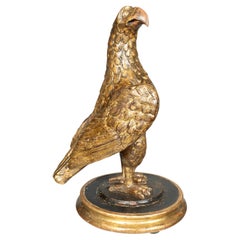
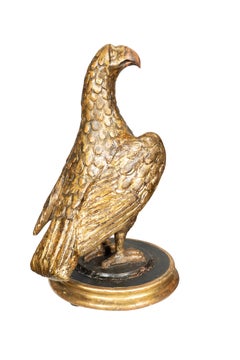
Italian !8th Century Giltwood Figure Of An Eagle

Italian !8th Century Giltwood Figure Of An Eagle

Located in Essex, MA

The standing eagle with head turned on a circular base.

Category

Italian Antique 1750s Decorative Objects
Materials

Wood

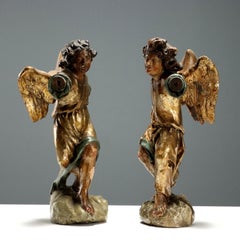
Pair of Angels in Lacquered and Gilded Carved Wood Italy Mid 18th Century

Pair of Angels in Lacquered and Gilded Carved Wood Italy Mid 18th Century

By Non-Standard Furniture and Lighting

Located in Milano, IT

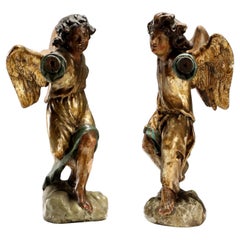
Pair of carved, lacquered and gilded wooden angels. The strong shot of lacquerwork conceals the author's sculptural skill, which can be sensed in the facial features and rendering of...

Category

Italian Other Antique 1750s Decorative Objects
Materials

Wood

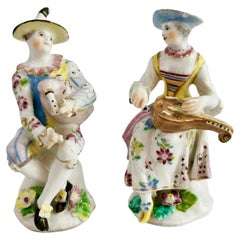
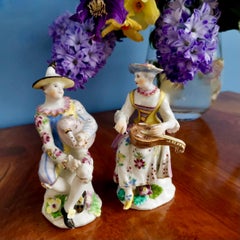
Bow Pair of Porcelain Figures, Arlecchino and Columbina, Rococo ca 1758

Bow Pair of Porcelain Figures, Arlecchino and Columbina, Rococo ca 1758

By Bow Porcelain

Located in London, GB

This is a wonderful pair of figures of Arlecchino and Columbina, made by the Bow Porcelain factory in about 1758. These figures formed part of a series of the Commedia dell'Arte, a very popular series of theatrical figures that served as decoration at the dinner table in the 18th Century. The Bow Porcelain Factory was one of the first potteries in Britain to make soft paste porcelain, and most probably the very first to use bone ash, which later got perfected by Josiah Spode to what is now the universally used "bone china". Bow was the main competitor of the Chelsea Porcelain Factory, but where Chelsea made very fine slipcast porcelain, Bow made a different soft paste porcelain that tended to be softer and could be pressed into moulds. Bow served a larger public generally at lower prices. The factory was only in operation between 1743 and 1774, after which the tradition got incorporated into some of the later famous potteries such as Worcester and Derby. These figures were used to adorn the dinner table when dessert was served; groups of figures served to express something about the host, the guests, or to direct the conversation. The Italian Commedia Dell'Arte, a comical form of masked theatre, was very popular in those days and Bow copied many figures of the German Meissen series that were brought out in the decades before. This pair dates from about 1758, which was at the height of Bow's ability to make beautiful figurines often copied from Chelsea or Meissen. The pair is modelled after a Meissen pair by Kaendler. The porcelain is translucent with a beautiful milky glaze - Bow was probably the first pottery using bone in its porcelain recipe. Arlecchino (Harlequin) is playing the bagpipes, dressed in an odd costume of mismatched chintz and playing cards and wearing a funny black trumpet...

Category

English Rococo Antique 1750s Decorative Objects
Materials

Porcelain

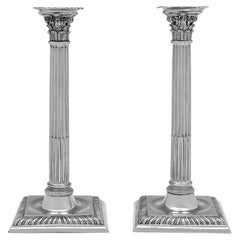
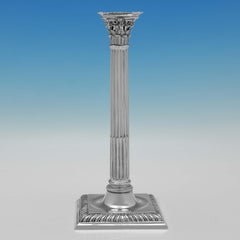
George II Period Sterling Silver Candlesticks, Corinthian, William Cafe, 1758

George II Period Sterling Silver Candlesticks, Corinthian, William Cafe, 1758

By William Cafe

Located in London, London

Hallmarked in London in 1758 by William Cafe, this exceptional pair of George II period, antique sterling silver candlesticks, are unfilled, with cast bases, and in the Corinthian fo...

Category

English George II Antique 1750s Decorative Objects
Materials

Sterling Silver

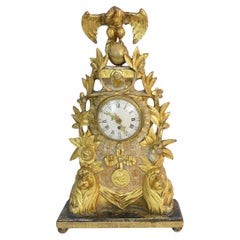
baroque clock 1750-1760

baroque clock 1750-1760

Located in Berlin, DE

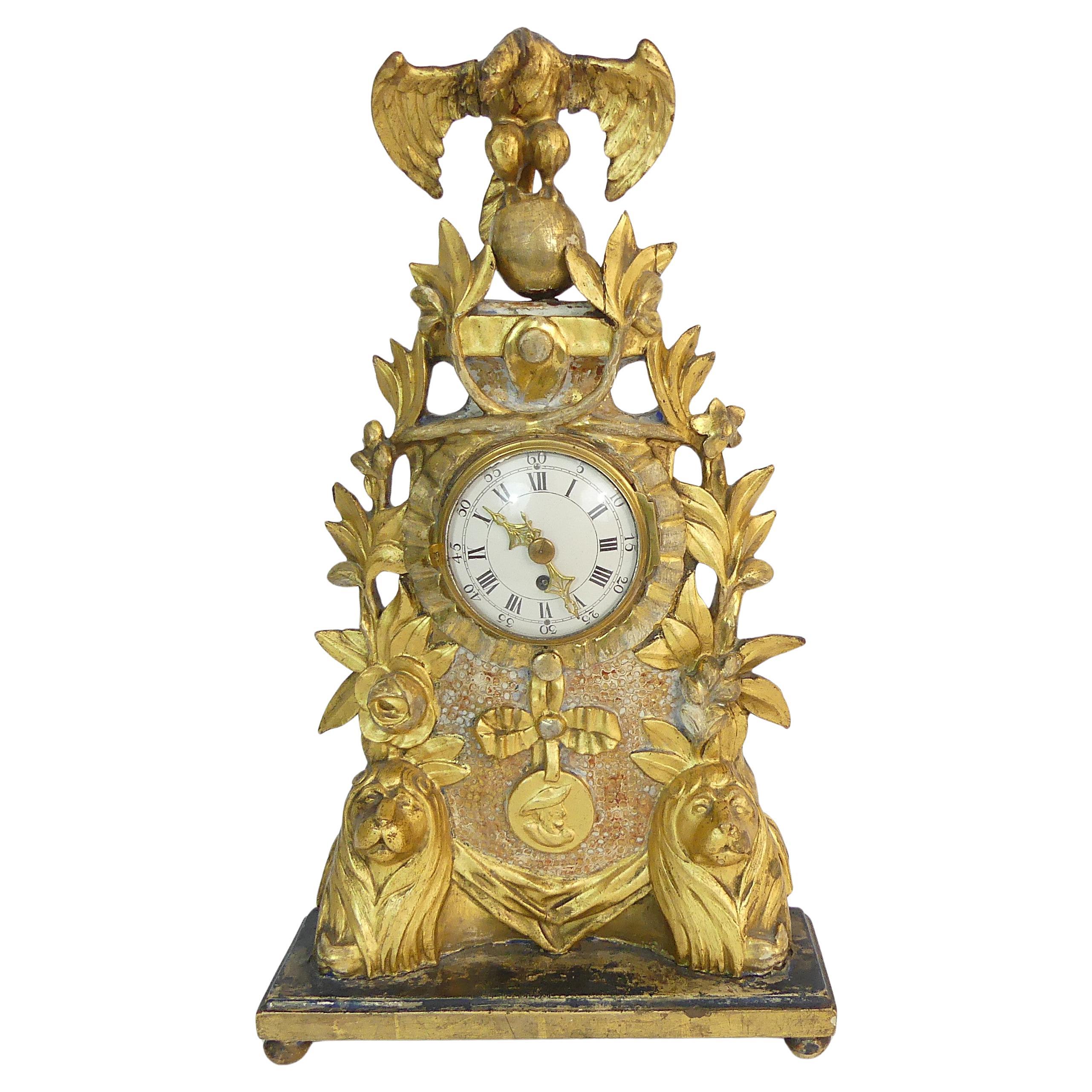
Wood a day runner restored Baroque clock, Germany, Potsdam, carved wood, covered in gold leaf. 1750 - 1760

Category

Baroque Antique 1750s Decorative Objects
Materials

Wood

Set of 4 English Georgian 6-Shell Candlesticks by Morison

Set of 4 English Georgian 6-Shell Candlesticks by Morison

By James Morison

Located in New York, NY

Set of 4 George II cast sterling silver candlesticks. Made by James Morison in London in 1756. Each: Spool socket with detachable bobeche and round bowl on knopped and flanged half-f...

Category

English Georgian Antique 1750s Decorative Objects
Materials

Sterling Silver

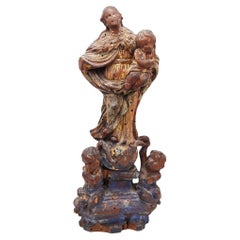
SPANISH SCHOOL 1750 Carved Wood Sculpture Of St Anthony And The Child

SPANISH SCHOOL 1750 Carved Wood Sculpture Of St Anthony And The Child

Located in Miami, FL

A Spanish 18th century sculpture of St. Anthony & The Child. This is a great antique sculpture of St. Anthony & The Child, created by a member of the Spanish school in the very early 18th century, circa 1750. The exquisite carving depicts the saint standing and dressed with very richly decorated ropes holding in the left arm the figure of the infant child. The sculpture is completely carved in wood, with remains of the polychrome paintings and gold gilding. Most probably this sculpture was part of a bigger scene or an altar and actually stand in an integrated base from the same period. Pieces of art referring to this saint are very rare as it is a very particular religious and devotional art in Spain. As a piece of 18th century Spanish art school is an unique opportunity to own. St. Anthony of Padua He born as Fernando Martins, 1195–1231). He was a Portuguese Franciscan friar renowned for his powerful preaching, extensive knowledge of scripture, and miracles. Originally an Augustinian, he joined the Franciscans to preach in Morocco but was redirected to Italy by illness. He is commonly depicted holding the Christ Child, symbolizing a mystical vision he experienced. St. Anthony of Padua with the Child Jesus wood sculptures...

Category

Spanish Spanish Colonial Antique 1750s Decorative Objects
Materials

Gold

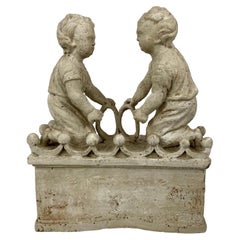
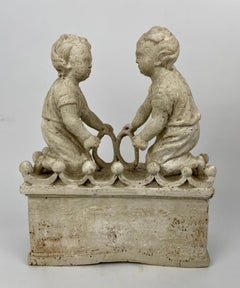
Playing children, hand carved

Playing children, hand carved

Located in 'S-HERTOGENBOSCH, NL

Hand carved playing children, original painted white. There is missing a part, a tree of life or something similar (see picture 6).

Category

Dutch Baroque Antique 1750s Decorative Objects
Materials

Wood

« La Baigneuse » ou « La Nymphe prenant son bain » (1757)

« La Baigneuse » ou « La Nymphe prenant son bain » (1757)

By Étienne Maurice Falconet

Located in Ixelles, BE

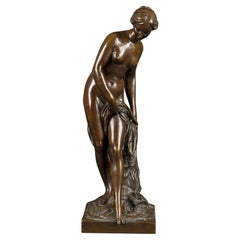
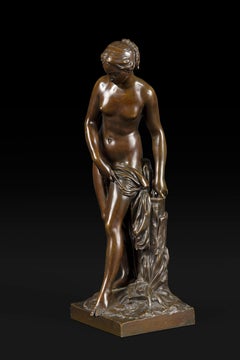
Étienne-Maurice Falconet (1716-1791), "The Bather" or "The Nymph Bathing" (1757) Artistic Explanation: The Nymph Bathing is a masterpiece of 18th-century French sculpture, created...

Category

French Baroque Antique 1750s Decorative Objects
Materials

Bronze

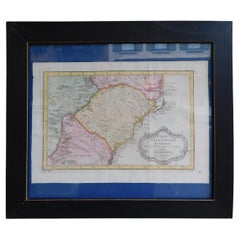
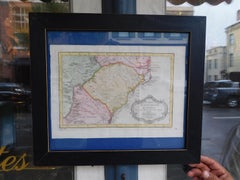
French Framed Copper Engraved Hand Colored Map of Carolina & Georgia, Circa 1757

French Framed Copper Engraved Hand Colored Map of Carolina & Georgia, Circa 1757

Located in Charleston, SC

French copper engraved hand colored map of Carolina & Georgia matted under glass with a painted frame, mid-18th century

Category

French Louis XV Antique 1750s Decorative Objects
Materials

Glass, Wood, Paint, Paper

Lantern Handheld Portable Carrying Brass Repousse Georgian Glazed Candle

Lantern Handheld Portable Carrying Brass Repousse Georgian Glazed Candle

Located in BUNGAY, SUFFOLK

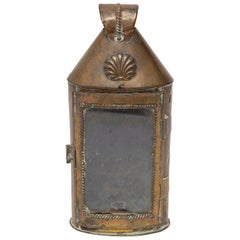
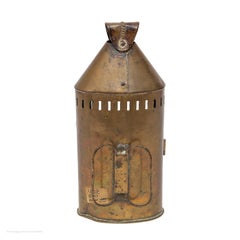
- Rare survival of a personal object made for practical everyday use. Although they would have been made in fairly significant numbers, surviving handheld, portable brass lanterns fo...

Category

English George II Antique 1750s Decorative Objects
Materials

Brass

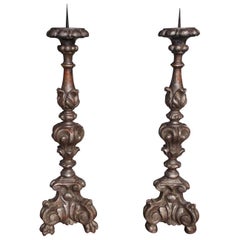
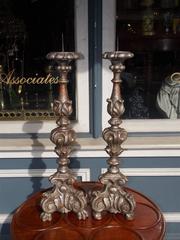
Pair of Italian Carved Wood and Silver Gilt Floral Prickets, Circa 1750

Pair of Italian Carved Wood and Silver Gilt Floral Prickets, Circa 1750

Located in Charleston, SC

Pair of Italian carved wood, gesso, and silver gilt floral prickets with centered spikes for candles, bulbous ring columns with bead work, and terminating on stylized lions paws feet...

Category

Italian Rococo Antique 1750s Decorative Objects
Materials

Iron

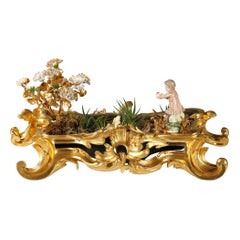
"The Flower Garden" Gilded Bronze Planter, France, 18th Century

"The Flower Garden" Gilded Bronze Planter, France, 18th Century

Located in PARIS, FR

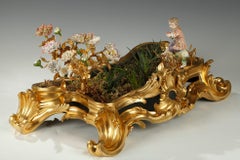
Charming Louis XV period Rocaille planter in chiseled and gilded bronze, scalloped with asymmetrical decoration of acanthus leaves and scrolls, and an openwork shell in its center. A...

Category

French Louis XV Antique 1750s Decorative Objects
Materials

Bronze

A Pair of Japanese Edo Period Stone Female Buddha Sattva Sculptures, c. 1750

A Pair of Japanese Edo Period Stone Female Buddha Sattva Sculptures, c. 1750

Located in New York, NY

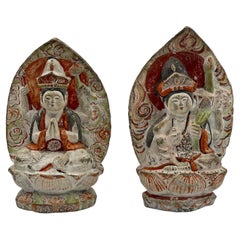
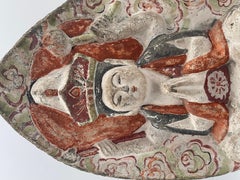
A Pair of Japanese Mid Edo Period Carved Stone Sculptures of Female Buddha Sattva, ca. 1750 PERIOD Mid Edo Period (1603-1868) DIMENSIONS Height: 10.5 ...

Category

Japanese Japonisme Antique 1750s Decorative Objects
Materials

Stone

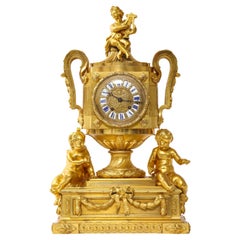
A Rare 18th C. French Dore Bronze Clock w/ Putti & Musician, Att. Robert Osmond

A Rare 18th C. French Dore Bronze Clock w/ Putti & Musician, Att. Robert Osmond

Located in New York, NY

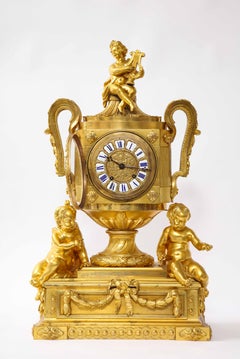
A Magnificent and Rare French 18th-Century Doré Bronze Mantel Clock Attributed to Robert Osmond. The clock is designed in the form of an urn, supported by a central pedestal and a re...

Category

French Louis XV Antique 1750s Decorative Objects
Materials

Ormolu

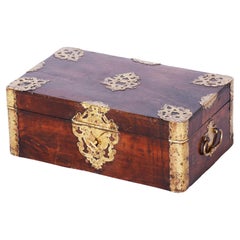
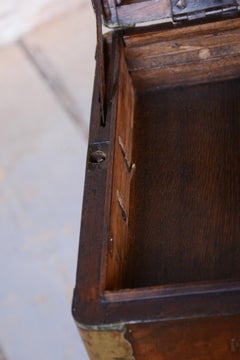
Restored Baroque Chest, Walnut, Brass, Revived Polish, Czech, 1830s

Restored Baroque Chest, Walnut, Brass, Revived Polish, Czech, 1830s

Located in Brandys nad Labem, Středočeský kraj

It has been re-polished with polyutherane piano lacquer by our professional refurbishing team in Czechia according to the original process. This elegant Baroque chest - treasury c...

Category

Czech Baroque Antique 1750s Decorative Objects
Materials

Brass

Sculpture of Santa Rosa in Huamanga Stone 17 Century

Sculpture of Santa Rosa in Huamanga Stone 17 Century

Located in Buenos Aires, Argentina

Sculpture of Santa Rosa in stone Huamanga 17th century Origin Upper Peru Circa 17-18th century Former Viceroyalty of Peru Lime pink Santa and child motif Huamanga Stone Material Handmade polychrome It has some missing He is missing his left arm This piece is many years old. Its main structure is very good The stone carving of Huamanga is one of the crafts that emerges as soon as Ayacucho is mentioned, it is in this artistic field where the most varied and interesting application of Huamanga stone is found, being used in the manufacture of religious-themed figurines. Saint Rose of Lima (Lima, April 20, 1586-Lima, August 24, 1617), with the secular name Isabel Flores de Oliva, was a Dominican Tertiary Catholic saint...

Category

Peruvian American Colonial Antique 1750s Decorative Objects
Materials

Other

French 1750 Antique Double Compartment Pocket Snuff Flask Carved In Coquille Nut

French 1750 Antique Double Compartment Pocket Snuff Flask Carved In Coquille Nut

Located in Miami, FL

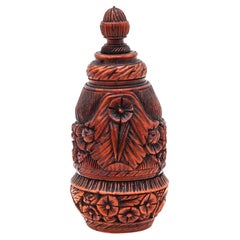
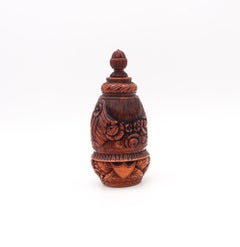
Pocket snuff flask carved from coquille nut. Amazing small pocket snuff bottle, carved from a large coquille nut. This antique piece was created in the shape of a spinning top with two secret compartments which can be unscrewed to open. Made in the continental Europe and most probably French or Portuguese provenance from the 18th century, circa 1780. Extensively decorated with organic and floral motifs with a beautiful image of a nut on the upper part. Curiously due to the shape of this piece, it could be played as a spinning tool on a table. This adds a particular interest for the multiple use with which the carving was conceived. Weight: 42.60 Grams. Measurements: Diameter of 40 mm and a height of 89 mm (1.57 x 3.5 Inches). Hallmarks: No marks, gorgeous deep antique patina. Coquille Nut The coquille nut emanates from swampy areas on the eastern side of South America, from a palm known as the “attalea funiefera”. Brazilians call it “Piassabe”. The nuts were introduced into Western Europe in the mid-16th century, and used for small carved objects until the end of the 19th century. Coquille nut is a fruit of a Brazilian palm...

Category

French Louis XV Antique 1750s Decorative Objects
Materials

Chestnut, Fruitwood

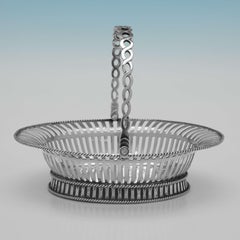
George II Decorative Antique Sterling Silver Basket Edward Aldridge London 1753

George II Decorative Antique Sterling Silver Basket Edward Aldridge London 1753

By Edward Aldridge

Located in London, London

Hallmarked in London in 1753 by Edward Aldridge, this attractive, George II, Antique Sterling Silver Sweetmeat Basket, features slat piercing, rope borders, and a twist handle. The b...

Category

English George II Antique 1750s Decorative Objects
Materials

Sterling Silver

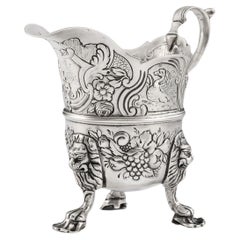
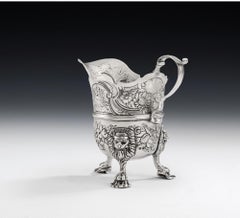
George II Rococo Irish Milk Jug Made in Dublin by Samuel Welder, circa 1750

George II Rococo Irish Milk Jug Made in Dublin by Samuel Welder, circa 1750

Located in London, GB

A Rare & Exceptional George II Rococo Irish Milk Jug Made in Dublin circa 1750 by Samuel Welder. The Jug is of typical Irish design and stands on three unusual paw and shell feet wh...

Category

Irish George II Antique 1750s Decorative Objects
Materials

Silver, Sterling Silver

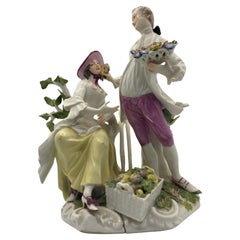
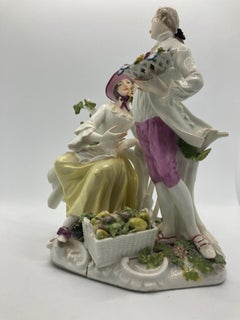
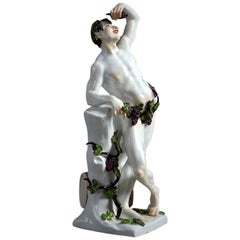
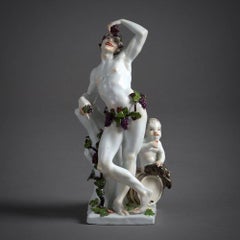
Figure of Autumn
Figure of Autumn

Figure of Autumn

By Johann Friedrich Eberlein

Located in London, GB

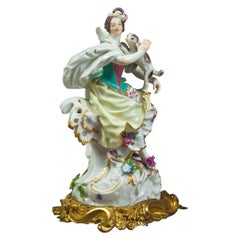
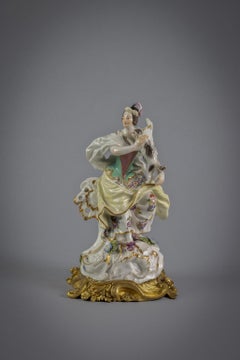
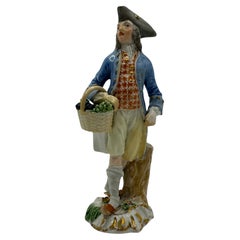
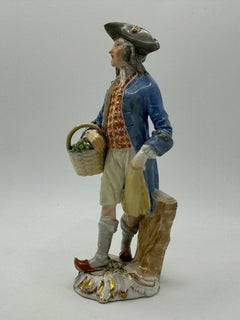
A fine Meissen figure of Autumn modelled by Johann Friedrich Eberlein, circa 1750.

Category

European Antique 1750s Decorative Objects
Materials

Porcelain, Paint

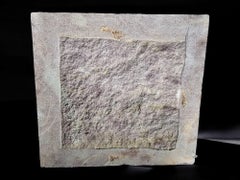
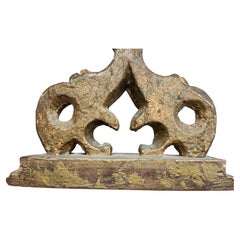
Antique Gothic Capital - 18th Century

Antique Gothic Capital - 18th Century

Located in Madrid, ES

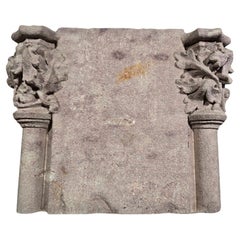
We present to you an antique Gothic capital from the 18th century, finely carved in stone. This magnificent architectural element is a testament to Goth...

Category

Antique 1750s Decorative Objects
Materials

Limestone

Viceregal Chiseled Silver Casket, Decorated with Organic Motifs

Viceregal Chiseled Silver Casket, Decorated with Organic Motifs

Located in Mexico City, MX

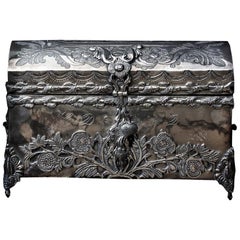
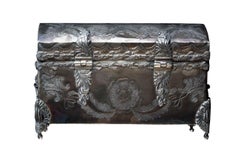
This incredible piece is made of silver embossed in the form of floral ornaments. These pieces belonged to prominent members of the nobility. In addition to their shape and possible...

Category

Mexican Spanish Colonial Antique 1750s Decorative Objects
Materials

Silver

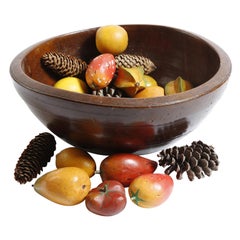
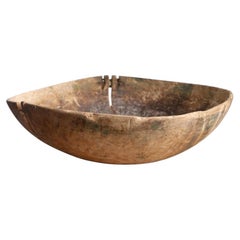
Bowl Large Dairy Fruitwood Folk Vernacular, 18th Century

Bowl Large Dairy Fruitwood Folk Vernacular, 18th Century

Located in BUNGAY, SUFFOLK

An exceptional, large 18th century treen turned fruitwood dairy bowl with a rich lustrous patina Provenance: Collection of the late Geoffrey Harley, Pickwick End, Corsham The f...

Category

English Baroque Antique 1750s Decorative Objects
Materials
Fruitwood