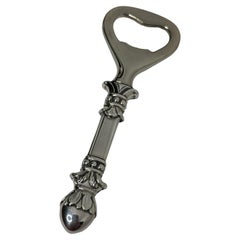
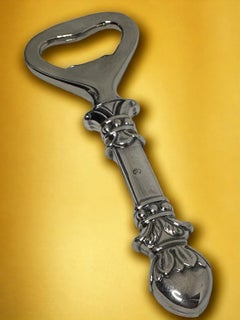
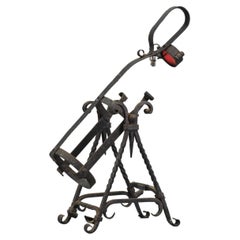
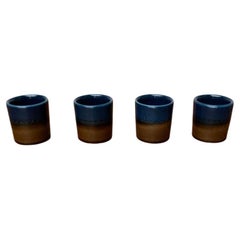
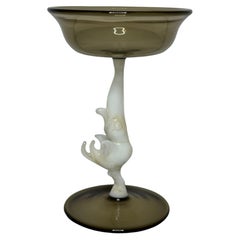
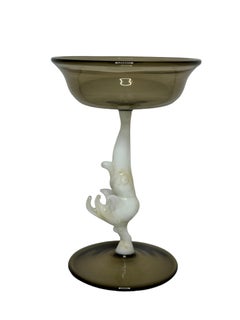
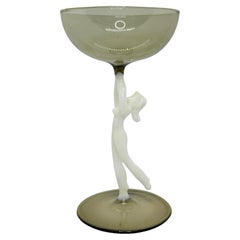
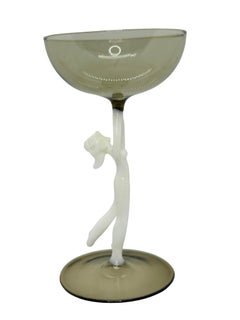
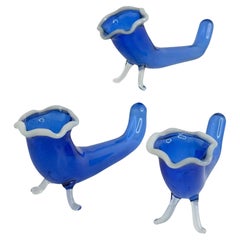
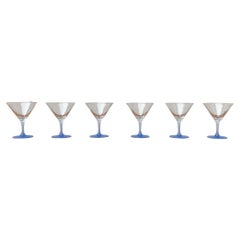
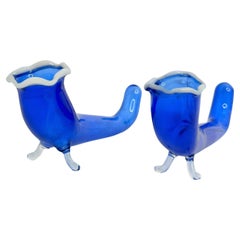
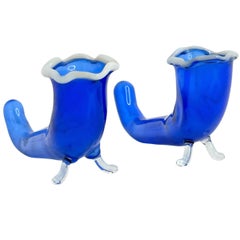
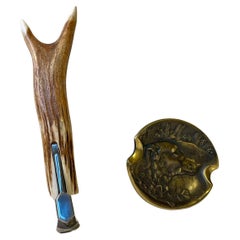
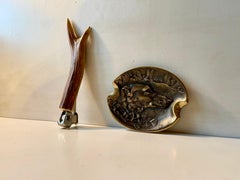
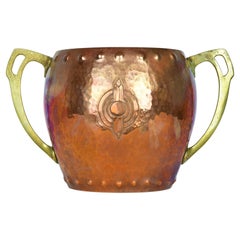
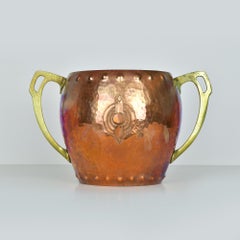
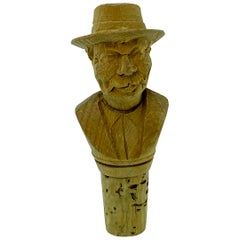
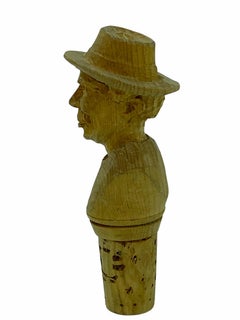
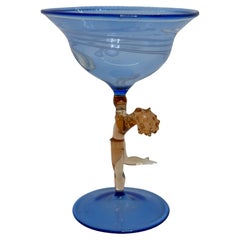
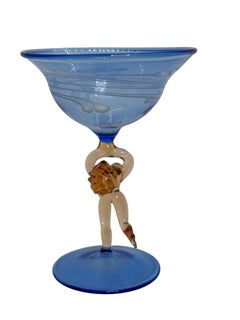
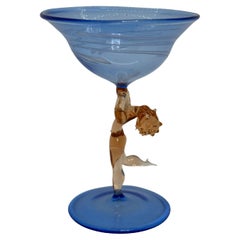
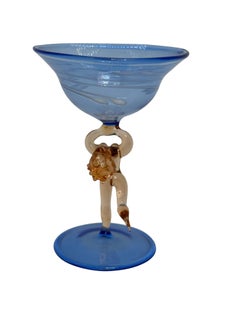
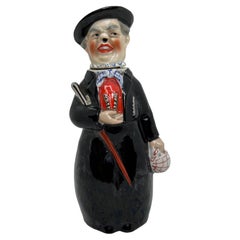
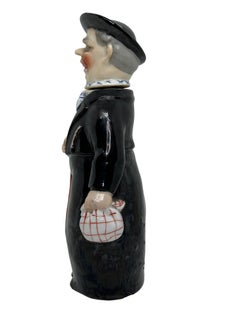
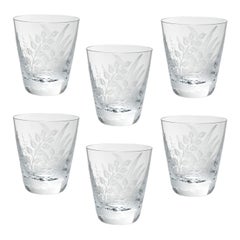
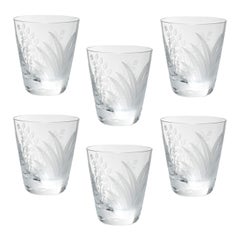
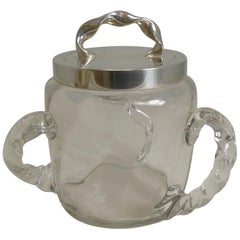
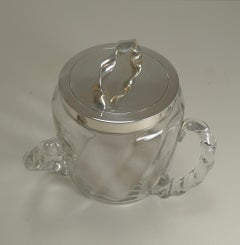
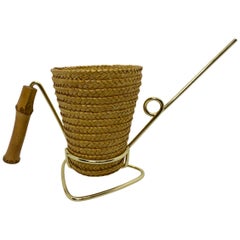
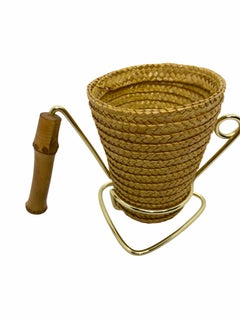
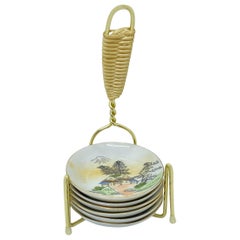
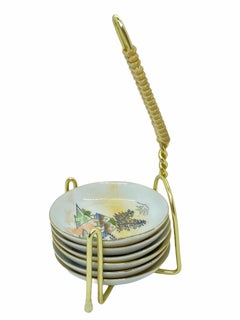
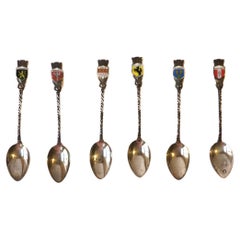
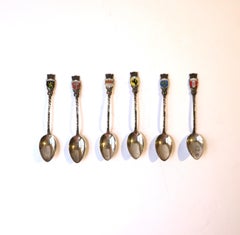
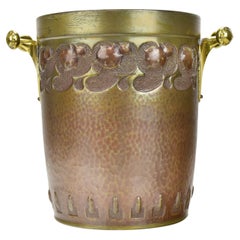
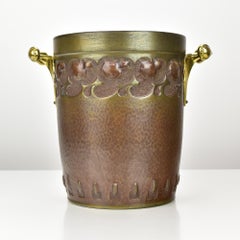
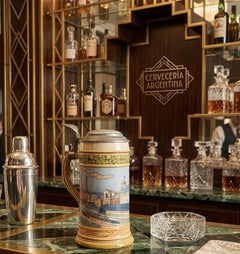
Located in Ciudad Autónoma Buenos Aires, C
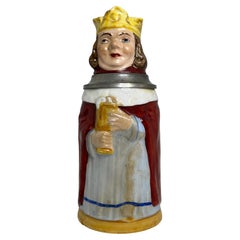
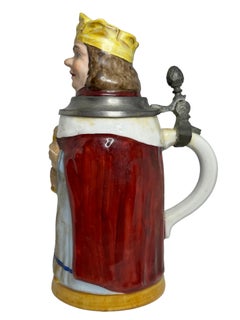
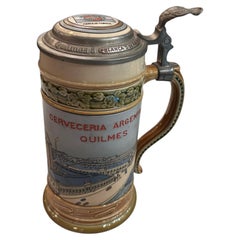
Beer mug
Signs:
Mettlach VB: METTLACH is featured on the main banner and, below it, within a semicircle, the intertwined letters VB are clearly visible.
These letters "VB" stand for the initials of the company's founders, Jean-François Boch and Nicolas Villeroy, who merged their businesses in 1836 (Villeroy & Boch). In the antiques world, this specific logo stamped on the base of the piece is technically known as the "Mettlach VB mark with abbey."
METTLACH is the name of the German town where this factory was located (which operated inside a former Benedictine abbey depicted above the banner).
Saar Basia:Cuenca del Sarre). This border territory between Germany and France was administered by the League of Nations solely during that 15-year period following World War I. In order to export its products, the factory was forced to replace its classic "Made in Germany" stamp due to this political circumstance, which today allows collectors to date the piece with absolute precision to those interwar years.
Obsequio de la cerveceria Argentina Quilmes a Blanca S de Arenaz (Gift from the Quilmes Argentine Brewery to Blanca S. de Arenaz)
Incised numbers ("16", "2900", "30"): These are production marks incised into the clay used by the factory to identify the mold number, the batch, or the design of the piece.
Villeroy & Boch Factory
The history begins separately with the two families that would give the brand its name:
The Bochs (1748): François Boch began manufacturing ceramic tableware in the Lorraine region. In 1767, production moved to Septfontaines (Luxembourg), where the factory was granted the title of Imperial and Royal Manufactory by Empress Maria Theresa of Austria.
The Mettlach Abbey (1809): Jean-François Boch (third generation) purchased a former, abandoned Benedictine abbey in Mettlach, on the banks of the Saar River. There, he designed revolutionary machinery, transforming manual craftsmanship into a modern industrial process.
The Villeroys (1791): Nicolas Villeroy founded an earthenware factory in Wallerfangen. He became a fierce competitor to the Bochs, standing out for his mastery of ceramic printing techniques.
The Defensive Merger (1836)
At the beginning of the 19th century, English ceramics heavily dominated the European market. In order to survive and compete, Jean-François Boch and Nicolas Villeroy decided to join forces in 1836, creating the brand "Villeroy & Boch" (V&B).
The alliance worked perfectly: they combined the innovative spirit and engineering of the Bochs with the commercial and creative talent of the Villeroys. To further consolidate the union, the children of both families ended up marrying years later.
Export milestones: They supplied the tiles for the first-class swimming pools and bathrooms of the Titanic (1912) and thousands of square meters of tiling for New York's famous Holland Tunnel (1920).
The World Wars and the Saar Period (1914 - 1950)
Due to the location of its factories on the Franco-German border, the wars deeply affected the company. Following World War I, the central factory in Mettlach fell under the governance of the League of Nations within the territory known as the Saar Basin (Saar-Basin). Cut off from the German market, the company had to adapt its stamps and seek new commercial markets until the region was reintegrated into Germany in 1935.
Architecture and Public Works: The brand's biggest arrival in Argentina was through its famous encaustic tiles and stoneware mosaics (the so-called "Mettlacher Platten"). The Argentine State imported them by the thousands to pave historic buildings during the golden age. If you walk through the Palace of the Argentine National Congress today, a huge number of the original floors you step on bear the Villeroy & Boch Mettlach stamp on the reverse side.
High-End and Promotional Orders: The grand families of the Argentine aristocracy imported their luxury tableware directly from the German factory. Additionally, local businesses commissioned customized tableware. A very famous example among Argentine collectors is the antique beer steins...
Category
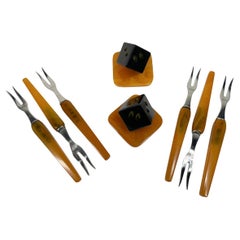
1920s Mid-Century Modern Vintage German Barware