Located in West Sussex, Pulborough
Royal House Antiques
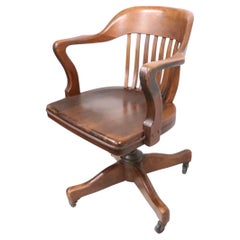
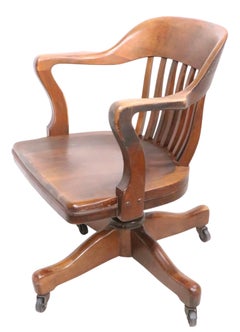
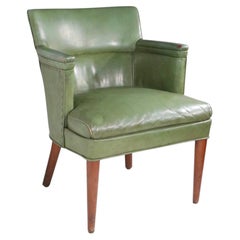
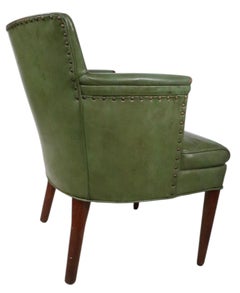
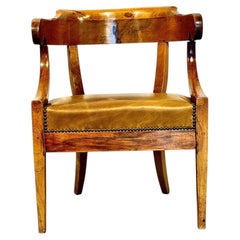
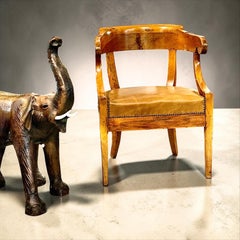
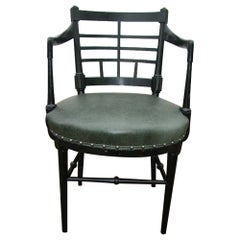
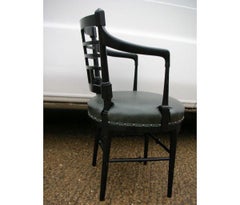
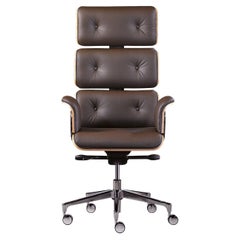
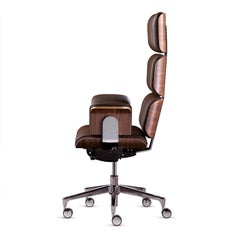
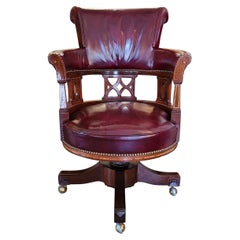
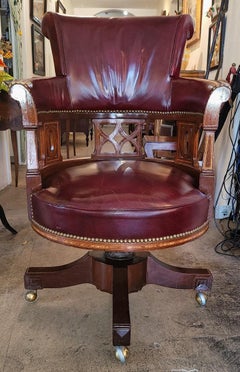
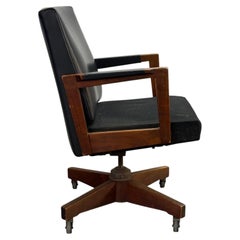
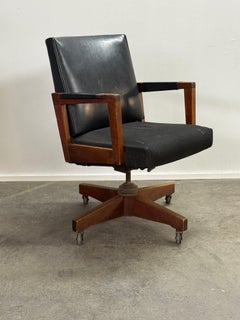
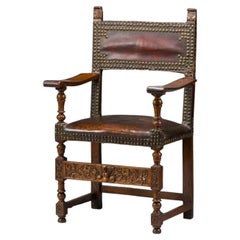
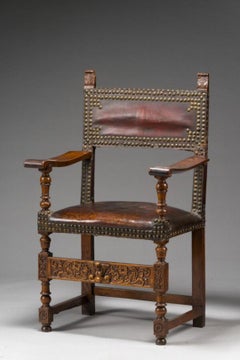
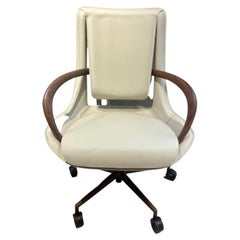
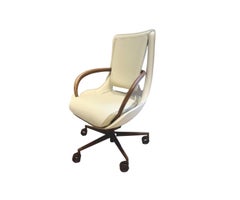
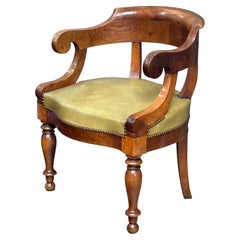
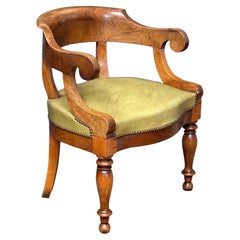
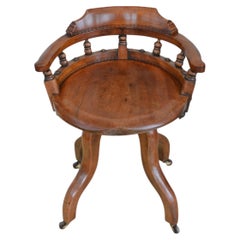
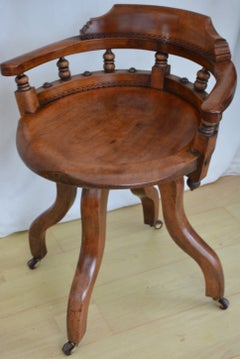
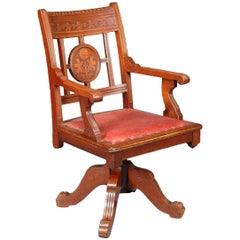
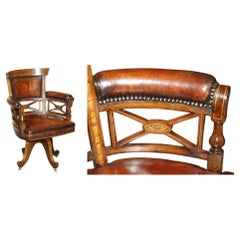
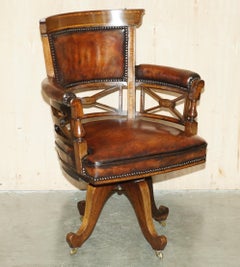
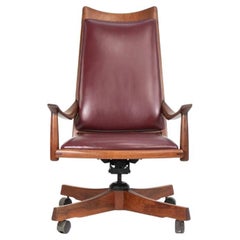
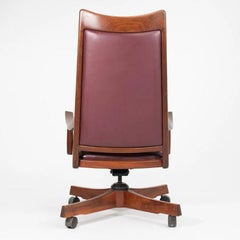
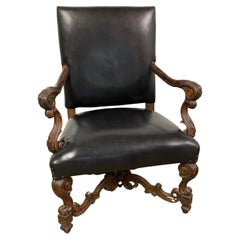
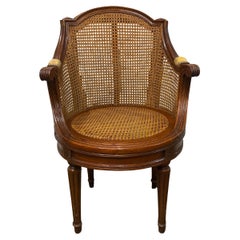
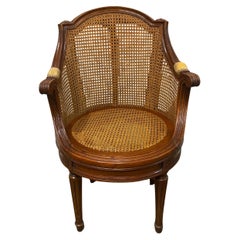
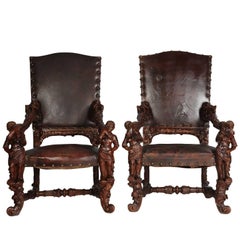
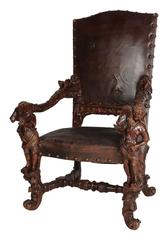
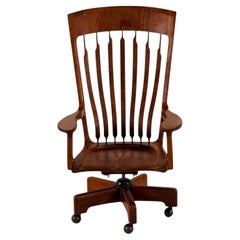
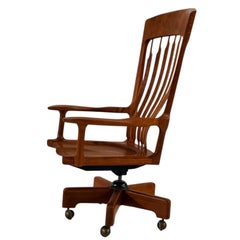
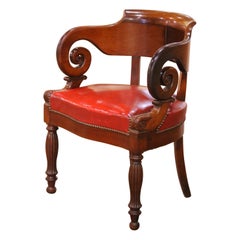
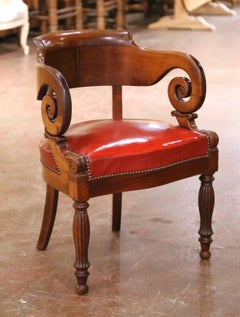
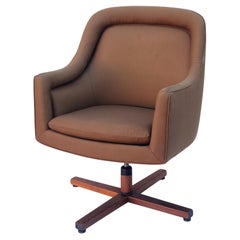
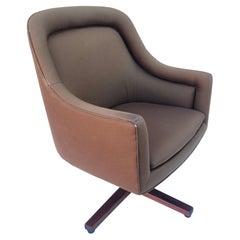
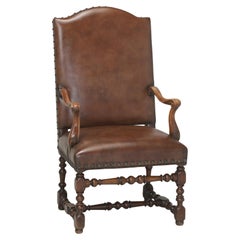
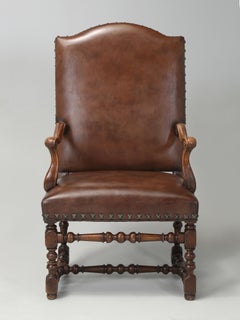
Royal House Antiques is delighted to offer for sale this museum quality, fully restored, hand dyed Cigar Brown leather Cornelius V Smith, Walnut & Satinwood captain's or directors armchair
Please note the delivery fee listed is just a guide, it covers within the M25 only for the UK and local Europe only for international, if you would like an accurate quote, please send me your postcode and I’ll provide you with the exact price.
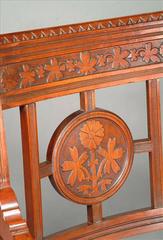
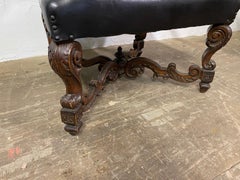
This chair is a good looking and well made original Victorian example, circa 1885, the frame is Walnut with Satinwood and Boxwood inlay, the leather is period, the seat platform is webbed and coil sprung, the chair rotates, this is one of the first swivel armchair models ever made so its quite privative by todays standards but in the Victorian era this was quite a novelty
Condition wise, as mentioned this chair has been restored from the ground up, the leather upholstery has been washed back, hand dyed six times, antiqued, sealed waxed down and polish, tall the wood work has been deep cleaned and lightly French polished
The base is stamped four times on each leg CVS for CORNELIUS V SMITH, below is a brief history of the great man and some of his work
Dimensions:
Height:- 92cm
Width:- 55cm
Depth:- 60cm
Seat height:- 47cm
Please note all measurements are taken at the widest point, if you would like any additional or specific measurements please ask.
Smith, Cornelius V.
London; wholesale cabinet maker, upholsterer and frame maker (fl.1885-1891)
Cornelius Smith was born in 1847 in Mile End, his father, George, a wine merchant.
By 1885 is was recorded with showrooms and an upholstery workshop in Marshall’s Yard, Henry Street (sometimes Seaton Street), Hampstead Road and a frame making workshop in Charles Place, Drummond Street. He had the telegraphic address of ‘Cornelius, London’ [The Furniture Gazette, 1 December 1885]. When the lease on the Marshall Yard workshop expired in 1886 he moved to larger and more convenient premises at 64 Osnaburgh Street, with the entrance in Wybert Street, Munster Square, close to Portland Road Metropolitan Railway Station [The Furniture Gazette, 1 October 1886]. From 1887-9 his address was recorded as Vincent Works, 64 Osnaburgh Street and Wybert Street, Munster Square, London.
Smith advertised in The Furniture Gazette from1 March 1886-1 March 1889, with some advertisements illustrated. One such article, published on 15 April 1891, described Smith as ‘the well known upholsterering manufacturer and art furniture maker, [who] in person is of middle height. He is a thorough man of business, and has a very pleasant manner. He has built up a reputation of which any man might be proud, and his business is one of the largest in the trade. His manager, Mr. T. E. Green, is equally well-known for his business tact and geniality of manner’.
Smith’s specialised in stuffed-over chairs & couches, made with the use of every contemporary devise and of comfort, convenience and elegance. For example the 'Iddesleigh' settee, named after the Earl of Iddesleigh (late Sir Stafford Northcote), which was spring-stuffed, in saddle bags and covered in Utrecht or Genoa velvet. Another novelty was the 'Newlands' suite, the frames of mahogany or rosewood inlaid with suitable ornament, covered in fashionable silk velvet. Among the range of fancy chairs was the 'Minnie Palmer' with an elegant light frame inlaid with marquetry; the 'Irving' chair made in inlaid mahogany; the 'Mexican' lounge (settee) and the 'Randolph' corner chair. Smith’s workmanship and finish was highly praised [The Furniture Gazette, 1 August 1885; editorial and advertisement].
The Furniture Gazette, 1 February 1887, described the Osnaburgh premises, which had a depth of 250 ft. The front showroom displayed every type of cabinet made of walnut, rosewood or other choice woods, and inlaid with marquetry. Behind the showroom were the general counting office and the offices of Mr Smith and the manager. Then the individual workshops for cabinet makers, fitters, upholsterers, women sewers and French polishers.
There were storerooms on the ground floor and upstairs more workshops. The main showroom displayed drawing and dining room suites, fancy chairs, stuffed-over goods, lounging and patent spring easy chairs, and fancy card and five o’clock tea tables.
In adjoining buildings were the packing premises and time-keeper’s office. The 'Oscar' suite of armchairs and settee was illustrated in The Furniture Gazette, 1 February 1889, as was Smith’s patent ottoman box...
Category
1880s English Victorian Antique Walnut Office Chairs and Desk Chairs
MaterialsLeather, Satinwood, Walnut